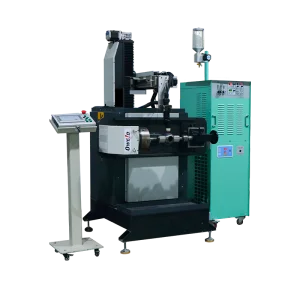
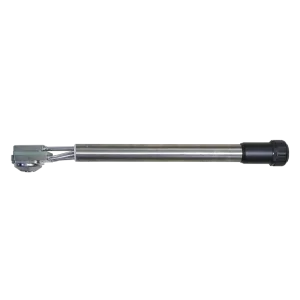
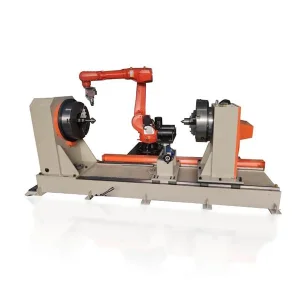
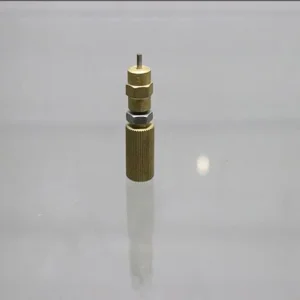
Pioneering surface engineering solutions built to withstand extreme mechanical stress, heat, corrosion, and wear.
Industrial surface cleaning has undergone a massive transformation. Traditional chemical treatment baths, abrasive sandblasting, and wire brushing are fading out due to environmental pressures, disposal costs, and workforce safety. The modern gold standard is Laser de Limpeza de Ferrugem (Laser Rust Cleaning), a non-contact surface treatment technology leveraging advanced fiber laser sources to eliminate iron oxide (rust), mill scale, paint, and contaminants with micron-level precision.
By focusing high-energy pulsed laser beams onto the metal substrate, the thermal energy initiates instantaneous vaporization (laser ablation) of the rust layer. Since rust possesses a significantly lower absorption threshold for laser wavelengths (typically around 1064nm) than the underlying steel, copper, or aluminum, the rust layer boils away while the base substrate remains structurally untouched and thermally uncompromised.
Chemical & Abrasive Free
Substrate Damage Risk
R&D & Engineering Expertise
Low Operational Costs
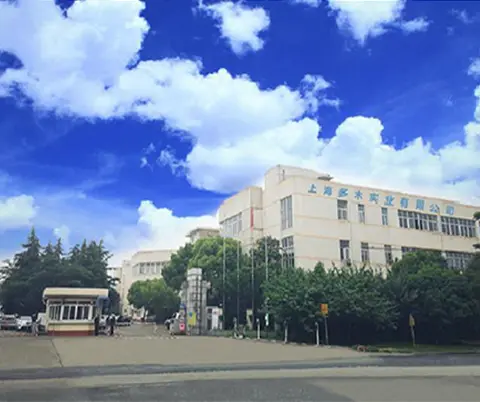
Integrating precision electronics, durable fiber optics, and automated controls to maximize industrial throughput.
Unlike continuous wave (CW) lasers which generate excessive heat, our pulsed fiber systems control laser output down to nanosecond durations. This prevents metallurgical phase transformations in vulnerable alloy components.
Equipped with standard fieldbus interfaces (Profibus, Profinet, EtherCAT). The laser cleaning heads can be fully integrated onto robotic arms for automated assembly lines or high-speed manufacturing lines.
Engineered with double-channel interlock architecture, active back-reflection protection, and high-attenuation optoelectronic barriers to ensure safe operation under OSHA and CE Class 4 guidelines.
Procuring companies often make the mistake of selecting high-power CW lasers (1500W–3000W) for delicate rust removal simply because they cost less watt-for-watt. However, CW lasers introduce massive heat inputs that can cause thermal micro-cracking and warp thin sheets or precision shafts. For mission-critical cleaning—such as preparing valves, mold cavities, or aerospace components—pulsed lasers are mandatory. Our specialized pulsed laser cleaning mechanisms preserve structural integrity by maintaining substrate heat inputs below critical thermal thresholds.
Shanghai Duomu has spent over a decade developing robust supply chains and proprietary PTA (Plasma Transferred Arc) and laser cladding configurations. By centering our manufacturing in Shanghai's tech corridor, we coordinate top-tier optical components, advanced motion controls, and heavy-duty gantry mechanisms under one roof.
Our localized engineering depth ensures that every laser de limpeza de ferrugem machine features high-durability optical paths, dust-sealed enclosures, and high-frequency scan systems. Working with us means accessing optimized procurement rates, fast component updates, and reliable industrial-grade machinery at a fraction of Western pricing.
In-House R&D Testing
Quality Management System
Proprietary Technologies
Engineering Support Window
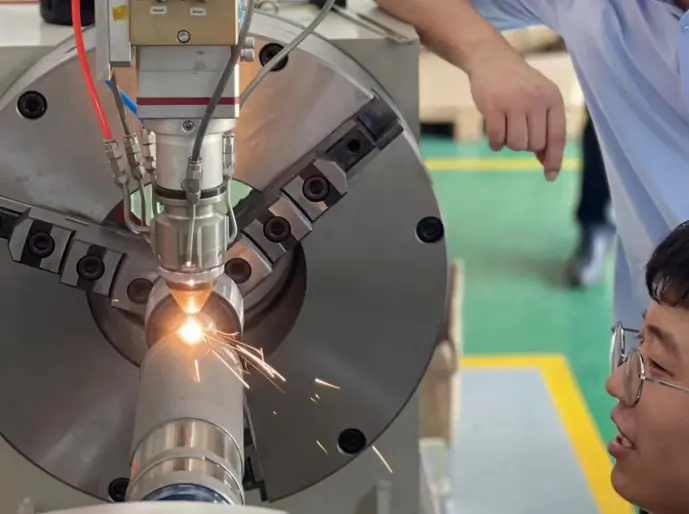
We don't just ship equipment; we build long-term operational assurance for international buyers.
Every laser system complies with international safety directives. We hold CE certificates for machinery safety, and all optical configurations match European EN 60825-1 standards, ensuring easy integration on factory floors.
Our intelligent system controllers feature secure IoT gateways, enabling our Shanghai engineers to conduct real-time telemetry diagnostics, update control software, and assist local operators instantly.
From custom protective gantry frames to specific automation interfaces, our technical department collaborates directly with your engineering team to adapt hardware configurations to your workflows.
Real-world deployment of Shanghai Duomu surface treatment technologies across demanding sectors.



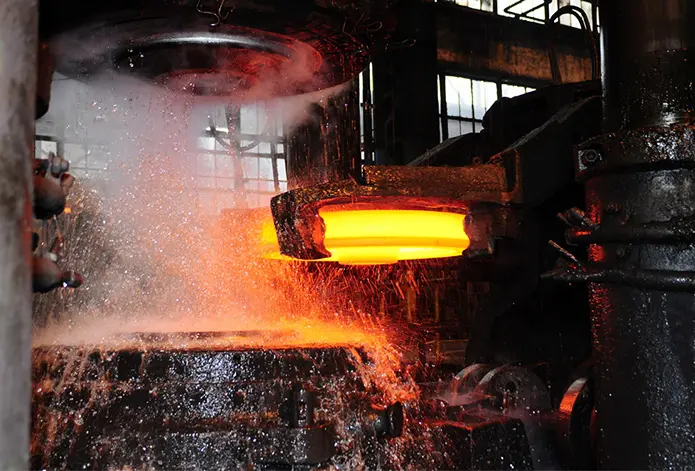
Understanding the engineering relationship between substrate purity and mechanical performance.
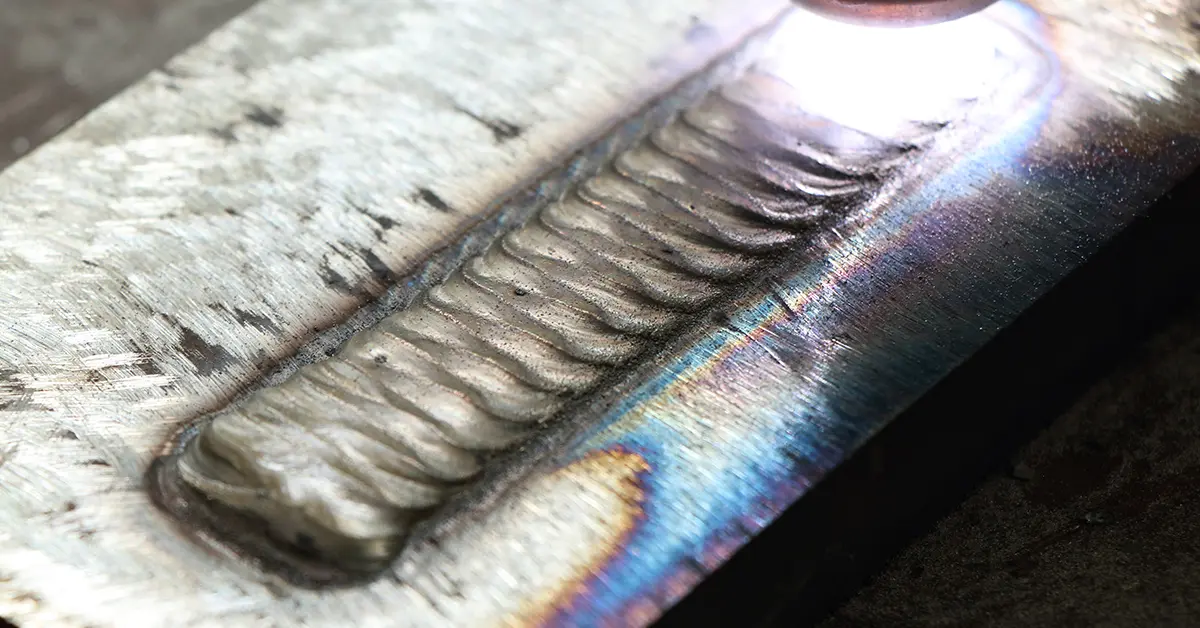
In overlay processes like PTA hardfacing and laser cladding, achieving a high-quality overlay is not only about selecting the right alloy powder or optimizing welding parameters. One of the most critical factors is the dilution rate and interface purity. If microscopic rust resides on the substrate, it releases oxygen and hydrogen during welding or cladding. This triggers localized porosity, micro-cracks, and phase separation, weakening the joint. Implementing professional-grade laser de limpeza de ferrugem ensures a contaminant-free surface, allowing you to control dilution rates precisely and extend component lifespan.
"The PTA Welding Valve Application Guide is not just a process choice for valve manufacturers facing high wear, high corrosion, and high-temperature erosion working conditions, but also a key path to improving product competitiveness. We integrated laser cleaning into our valve prep, and porosity defects dropped to zero."
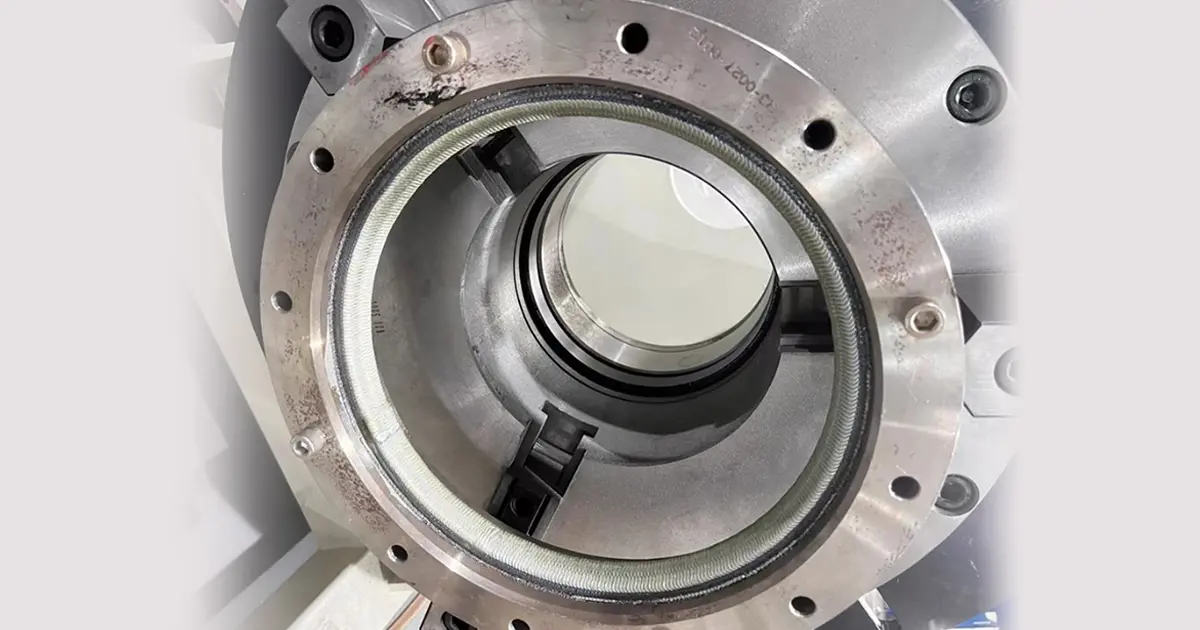
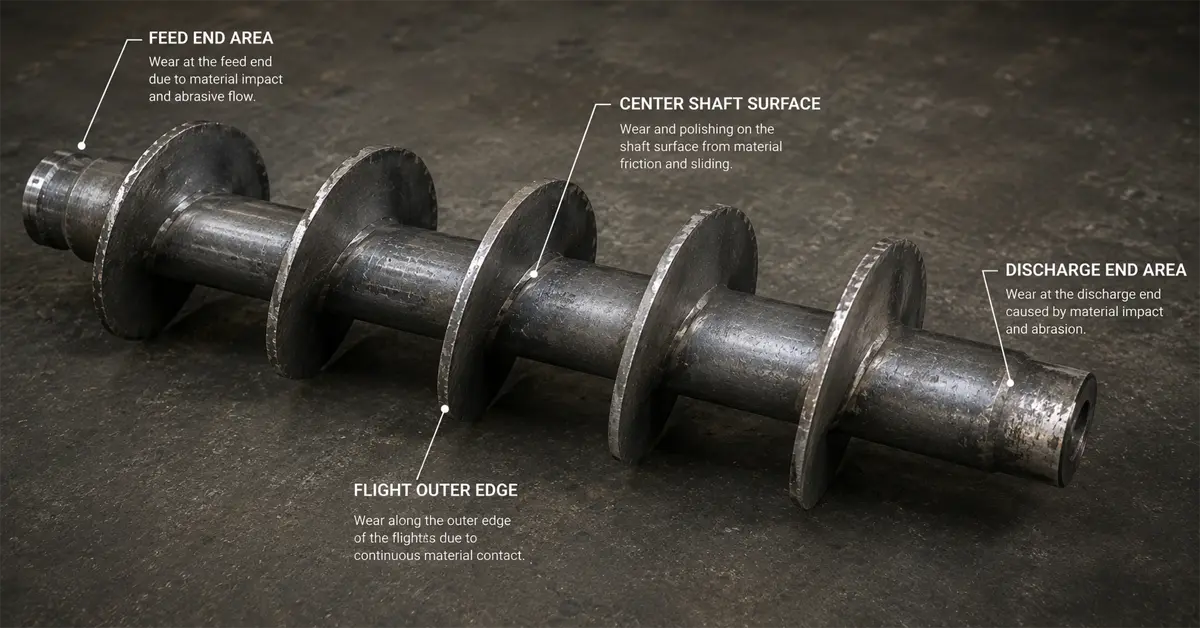
"In screw conveyors, which are among the most frequent causes of unplanned production downtime in cement and mining processing, wear is a constant threat. Reconditioning worn flights using laser cladding after pulsed laser cleaning restored our screws at a fraction of the cost of new parts."
"In PTA hardfacing, minimizing dilution rate determines whether the cladding layer retains its hardness. Utilizing custom laser preparation heads before cladding allowed our hydraulic rods to achieve a pure overlay layer from the first millimeter."
Technical answers to key inquiries regarding laser cleaning capabilities, operation, and costs.
Extending service life and wear properties for mission-critical industrial components.



 Duomu
Duomu