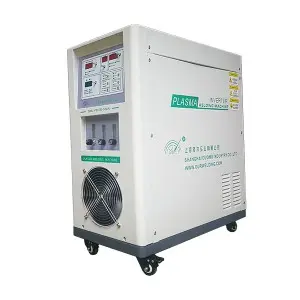
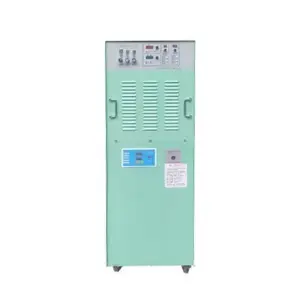
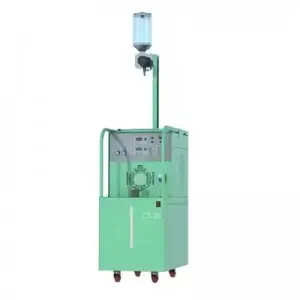
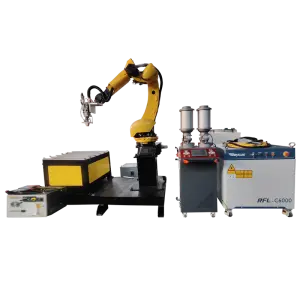
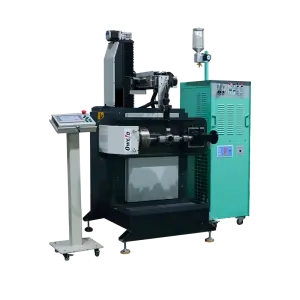
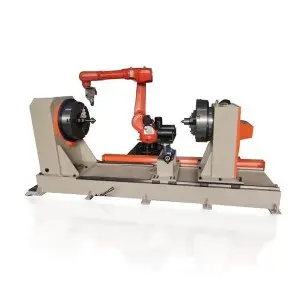
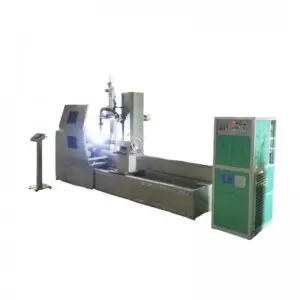
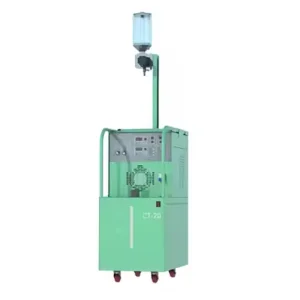
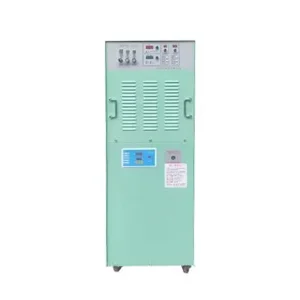
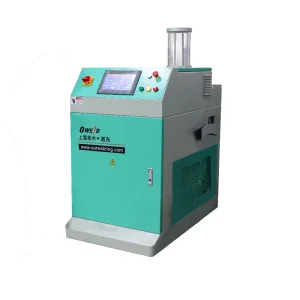
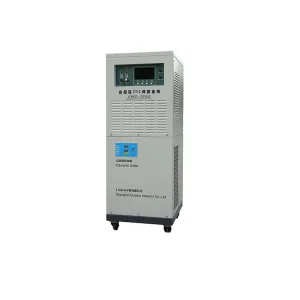
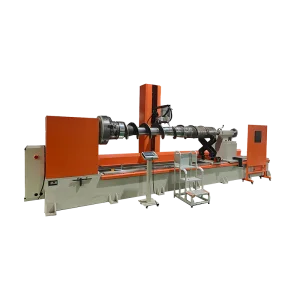
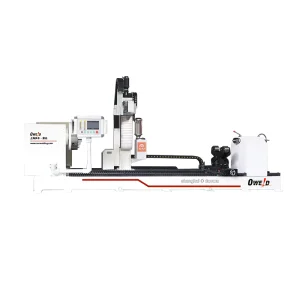
Explore our high-performance industrial cladding systems engineered to reduce material degradation, increase lifespan, and optimize surface hardness across heavy industrial environments.
Industrial machinery operates under increasingly hostile parameters—high friction, chemical corrosion, and intense heat are the norms in heavy sectors. In response, global surface engineering has witnessed a profound transition from basic manual thermal spray processes to highly sophisticated Plasma Transferred Arc (PTA) and Laser Cladding systems. Utilizing high-grade alloy powders such as cobalt-based, nickel-based, and tungsten carbide matrix blends, these technologies facilitate a true metallurgical bond with minimal dilution of the base material.
Europe and North America are leading heavy regulations on emission, material longevity, and waste reduction. As a result, critical industries are prioritizing component repair over replacement. The demand for industrial powder welding machines has accelerated, establishing it as the standard methodology for refurbishing structural mining parts, drilling stabilization tools, and petrochemical power generation valves.
An engineering comparison to guide international procurement managers in selecting the ideal metallurgical overlay technique.
A thermal process that melts alloy powder using a concentrated plasma arc. Best suited for thick protective deposits with heavy-duty wear resistance requirements.
Utilizes a high-energy laser beam to melt metal powder stream onto the substrate. Produces minimal Heat Affected Zone (HAZ) and superior dimensional accuracy.
Traditional fusion welding for protective surfaces. Higher dilution rate and heat input result in structural distortion risk for precision components.
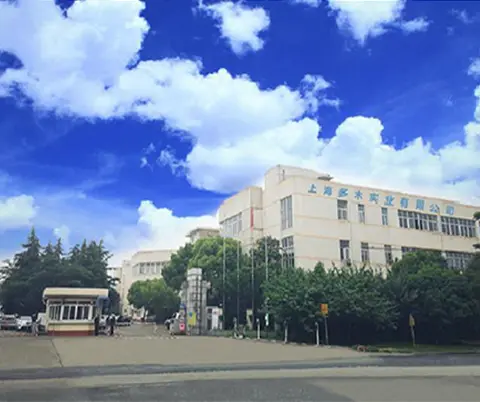
Shanghai Duomu has been a leading manufacturer and exporter of PTA cladding machine and Laser cladding machine for more than ten years with a strong technical background. Our dedication to precision engineering has positioned us as the preferred partner for complex surface modification operations globally.
By blending advanced control electronics, precision powder feeders, and robust mechanical structures, our machinery helps manufacturers improve operational efficiency, minimize expensive equipment downtime, and guarantee performance stability even under harsh environmental pressures.
China is home to the world's most comprehensive industrial manufacturing ecosystem. At our Shanghai facility, we integrate complete supply chain components—ranging from ultra-pure gas-atomized powder feedstock suppliers to high-precision CNC mechanical processing units. This geographic clustering enables significant logistics and R&D cost advantages that we pass directly to our international clients.
Our facility features optimized robotic workflows and strict quality assurance checks. We perform rigorous multi-hour duty cycle tests on all PTA and laser cladding units before delivery. The outcome is advanced machinery manufactured to ISO standards, delivered at competitive price points, and backed by a comprehensive spare parts catalog ready for worldwide dispatch.
Direct integration with China's leading metallurgical processing centers secures high-grade cobalt, nickel, and iron powders at factory rates.
Our flexible manufacturing floor can adjust to produce custom-designed robotic cladding setups in as little as 30-45 business days.
At present, the company's products have penetrated into many fields such as aerospace military industry, nuclear power, petrochemical industry, coal mines, metallurgy and forging, agriculture, water conservancy and electric power, etc.


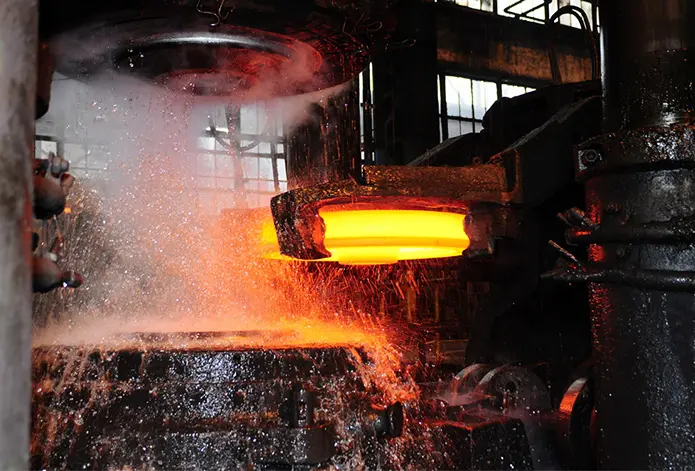
I have an independent R&D team, which develops, produces and sells plasma cladding machine equipment. The welding machine has stable performance and can maintain efficient long-term operation. In addition, the laser cladding equipment sold by the company can effectively support large-scale remanufacturing projects. We have mature technological means to provide complete sets of industrial equipment solutions.
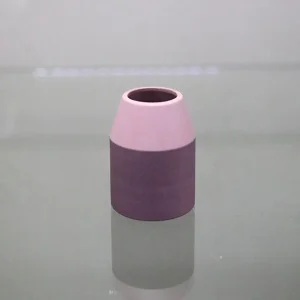
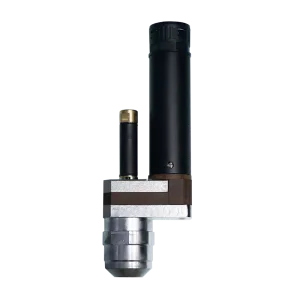
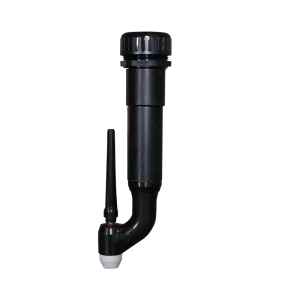
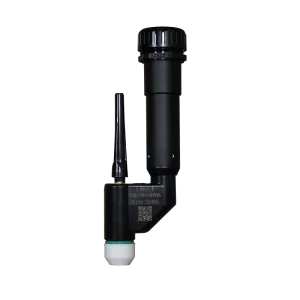
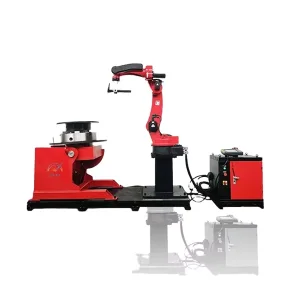
By designing bespoke gas-shielded covers, custom PTA torches, and 6-axis robotic arms, our engineers address specific challenges. Whether you require internal diameter cladding of small-bore cylinders (down to 50mm using DNPT30018-HQ torches) or heavy duty hardfacing for industrial ball valves, we develop customized solutions to fit your production goals.
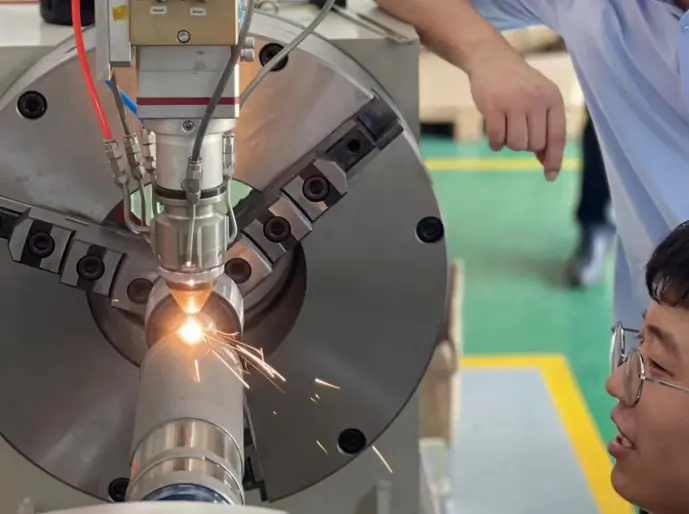
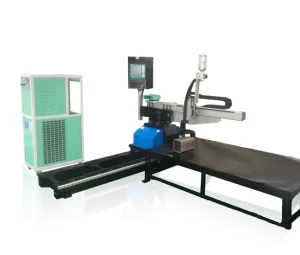
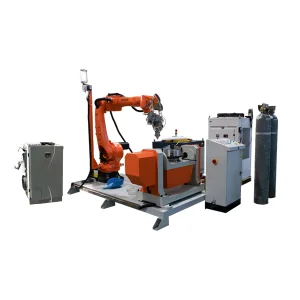
We can provide customized equipment, automatic laser cladding equipment, automatic plasma cladding equipment, intelligent robot cladding equipment, etc. according to customers' requirements, including special equipment in the industry, such as hydraulic rod cladding machine, pick cladding machine, valve cladding machine, etc.
Ensure long-term reliability and compliance by verifying crucial technical parameters before buying powder welding systems.
Verify that the machine can maintain dilution under 5-10% in a single pass to retain the chemistry of the overlay alloy.
Check that the system utilizes stable pilot arc and main arc systems to minimize structural distortion of components.
Ensure the powder feeder is pressurized and offers fine control over the feed rate (measured in grams per minute).
Choose systems supporting standard PLC protocols (Modbus, Profinet) to interface with existing plant automation setups.
In Plasma Transferred Arc (PTA) hardfacing, achieving a high-quality overlay is not only about selecting the right alloy powder or optimizing welding parameters. One of the most critical factors that directly affects overlay performance is the dilution rate. Whether you seek to apply tungsten carbide matrices or stellite-based overlays, excessive dilution from the base carbon steel will compromise the wear-resistant properties of the deposit.
Our engineering division designs PTA and laser torches with custom gas-shielded covers. These systems focus the heat input directly on the powder stream rather than the substrate, achieving metallurgical bonds with minimal substrate erosion. This allows you to achieve maximum protection in a single pass, saving material cost and minimizing total process time.
To achieve wear resistance in harsh mining and metallurgy applications, follow these process rules:
Read about practical applications of PTA and laser cladding solutions from industry operators around the world.
The PTA Welding Valve Application Guide is not just a process choice for valve manufacturers facing high wear, high corrosion, and high-temperature erosion working conditions, but also a key path to improving product competitiveness. As industries such as petrochemical, power generation, and marine engineering grow, selecting the right hardfacing equipment is essential to meet strict quality and safety certifications.
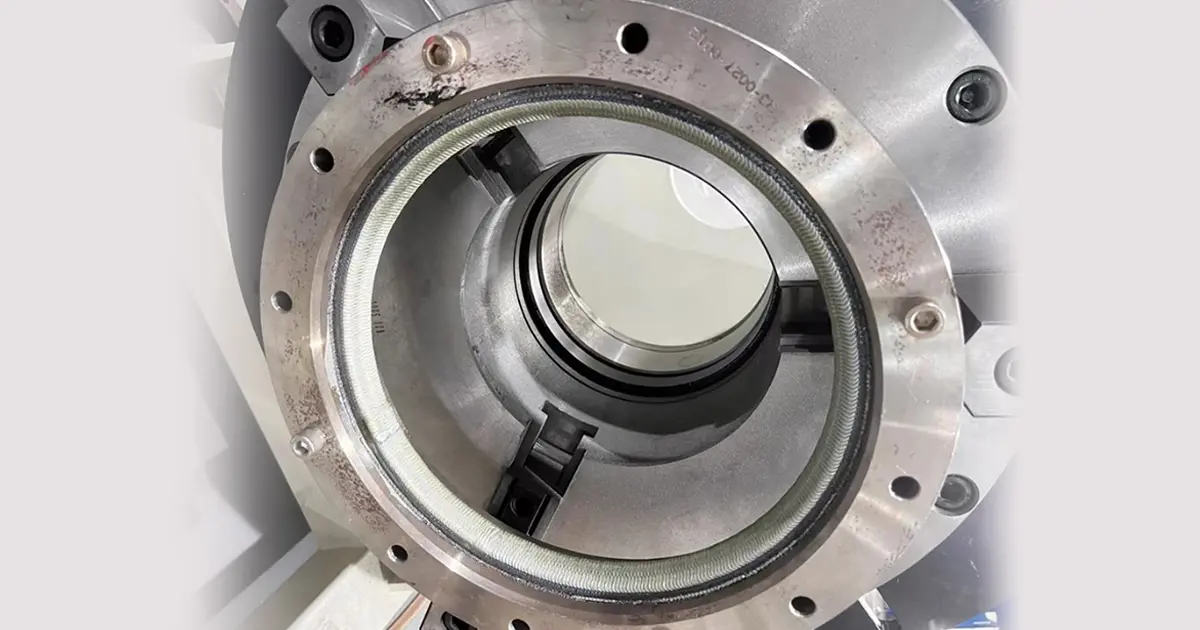
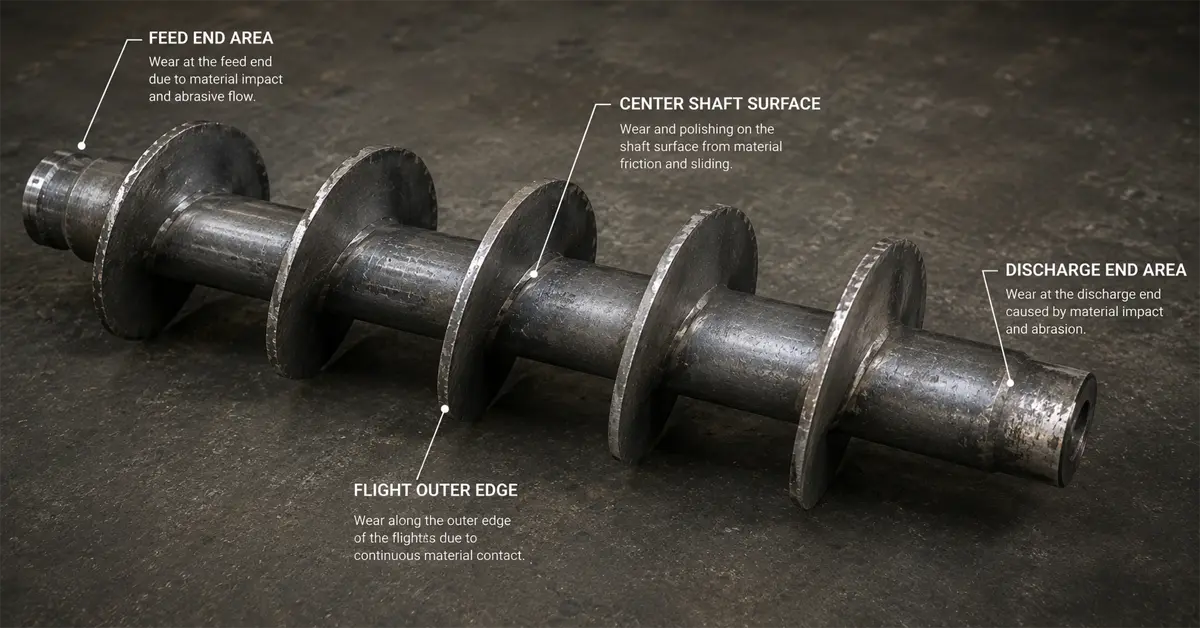
In industries such as mining, cement, power generation, steelmaking, chemical processing, and biomass energy, screw conveyors are often regarded as auxiliary equipment. However, maintenance data shows that they are among the most frequent causes of unplanned production downtime. Using automated screw cladding equipment has extended conveyor flight life by up to 300%.
In Plasma Transferred Arc (PTA) hardfacing, achieving a high-quality overlay is not only about selecting the right alloy powder or optimizing welding parameters. One of the most critical factors that directly affects overlay performance is the dilution rate. Whether you require standard carbon steel or nickel-alloy repair, ensuring proper process automation is vital.
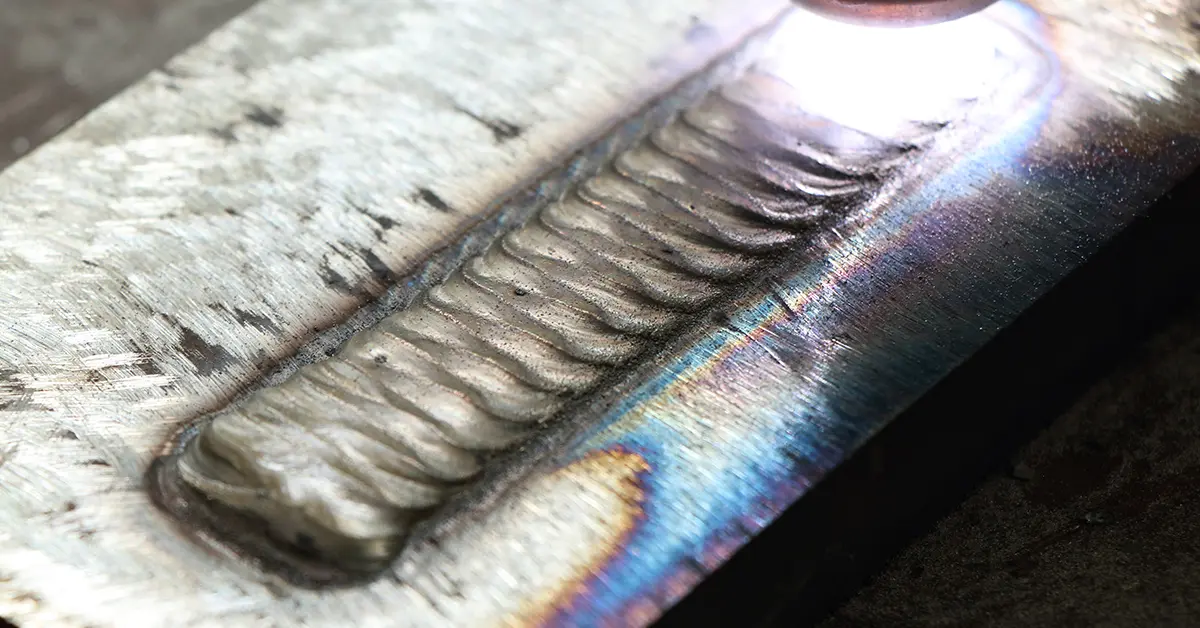
In industries such as Oil & Gas, Mining, Power Generation, Cement, and Heavy Equipment Manufacturing, hardfacing is no longer just a repair process. It has become a critical technology directly related to equipment lifespan, downtime costs, maintenance frequency, and overall process sustainability.
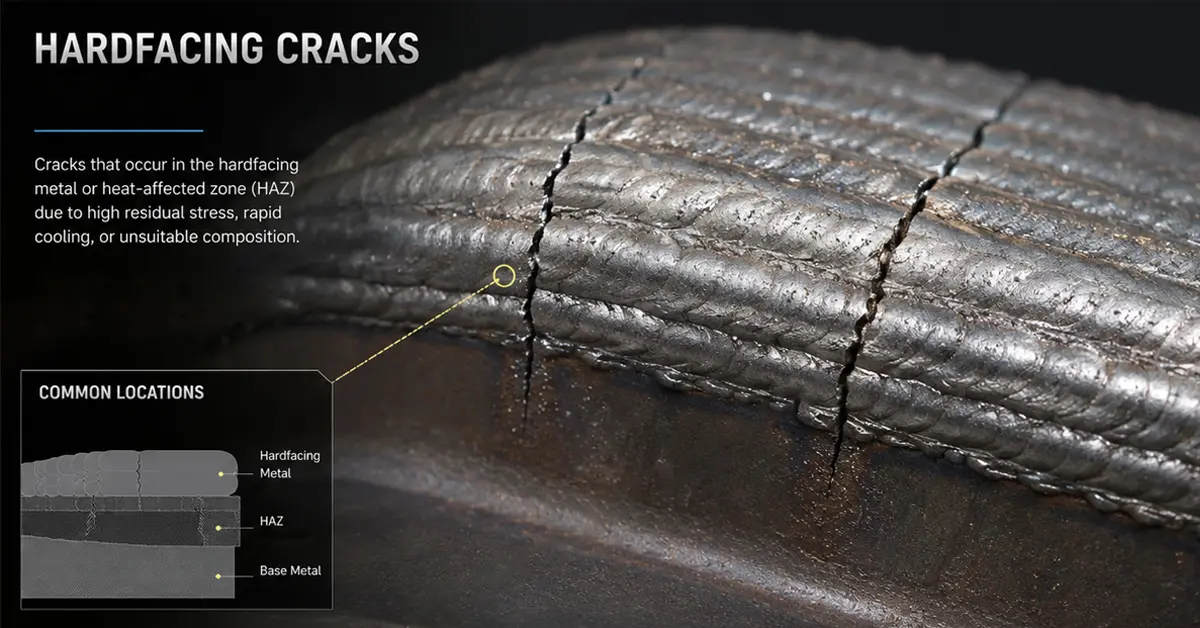
In industries such as oil & gas, petrochemical, power generation, mining, and marine engineering, industrial valves are constantly exposed to severe operating conditions including high pressure, extreme temperatures, corrosive media, abrasive wear, and sand erosion.
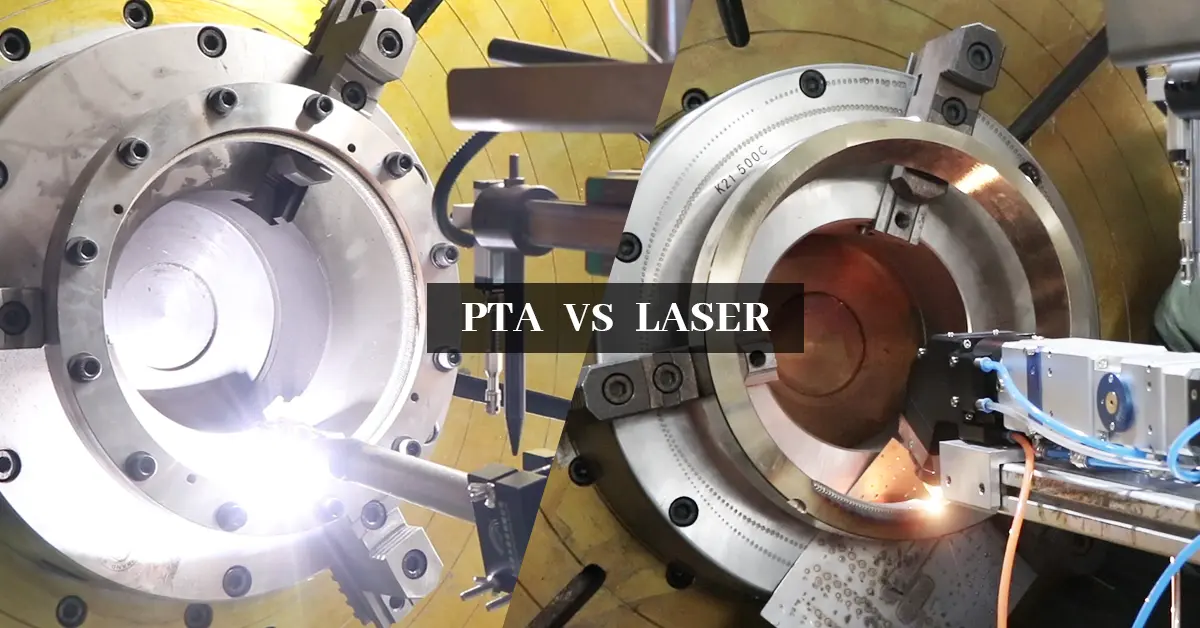
The hardfacing and cladding market is adapting to changes in raw materials and process digitalization. A key driver is the integration of multi-axis industrial robots with smart sensing units. Real-time melt pool imaging and optical pyrometry sensors monitor cooling rates, automatically adjusting laser intensity or arc current to maintain microstructural consistency.
Additionally, material development is focusing on eco-friendly alternatives. Companies are replacing cobalt-based stellite matrices with nickel-iron-chromium formulations to address rising raw material costs. As manufacturing operations digitize, digital twin software is becoming common, simulating powder trajectories and thermal profiles before running physical cladding processes.
Modern systems automatically adjust powder feed speeds to compensate for variations in workpiece temperature, maintaining uniform clad height.
New processes melt the powder stream before it contacts the substrate, enabling faster speeds and thinner deposition layers for automotive components.
Using historical data logs, systems can predict cracking patterns in tungsten-carbide alloys and recommend pre-heating cycles.
Answers to common questions regarding the operation, selection, and ROI of industrial powder cladding machinery.







Select specialized equipment for heavy machinery reconstruction, precise tool-edge rebuilding, and automated welding lines.
For inquiries about our products or pricelist, please leave to us and we will be in touch within 24 hours.
 Duomu
Duomu