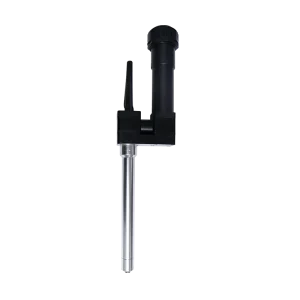
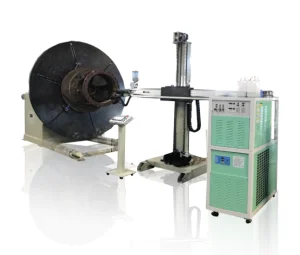
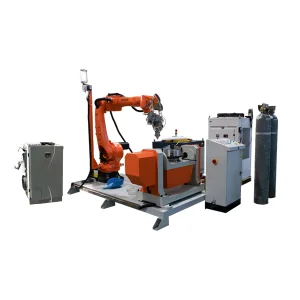
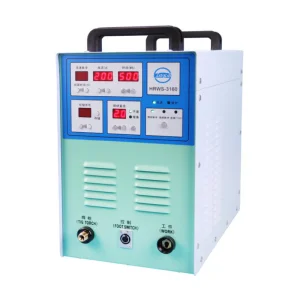
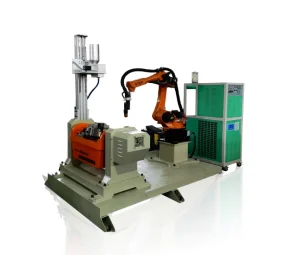
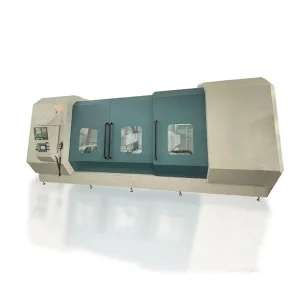
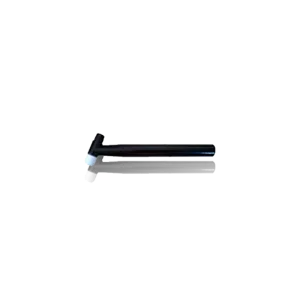
Explore our premium grade CNC systems, specialized bore torches, and precision manipulators engineered for high-durability production environments.
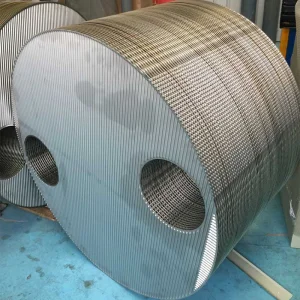
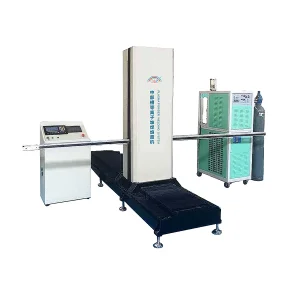
Years of Deep R&D & Global Exporting
National Patents & Welding Technologies
Tailored Industrial Cladding Solutions
Global Industrial Clients Serviced
Tungsten Inert Gas (TIG) welding, widely designated as Tig 溶接 in industrial circles, remains the foundation for high-quality B2B metal fabrication. Known for its aesthetic consistency, precise heat management, and zero slag output, TIG welding is the standard for high-integrity components. However, modern heavy machinery and severe wear operations require characteristics that go beyond conventional fusion welding.
This is where Plasma Transferred Arc (PTA) cladding and Laser Cladding technologies become crucial. While standard Tig 溶接 fuses metals together using a non-consumable tungsten electrode and filler rod, PTA introduces a highly focused plasma arc column that melts the base metal and specialized alloy powder (such as stellite, nickel-base, or tungsten carbide) simultaneously.
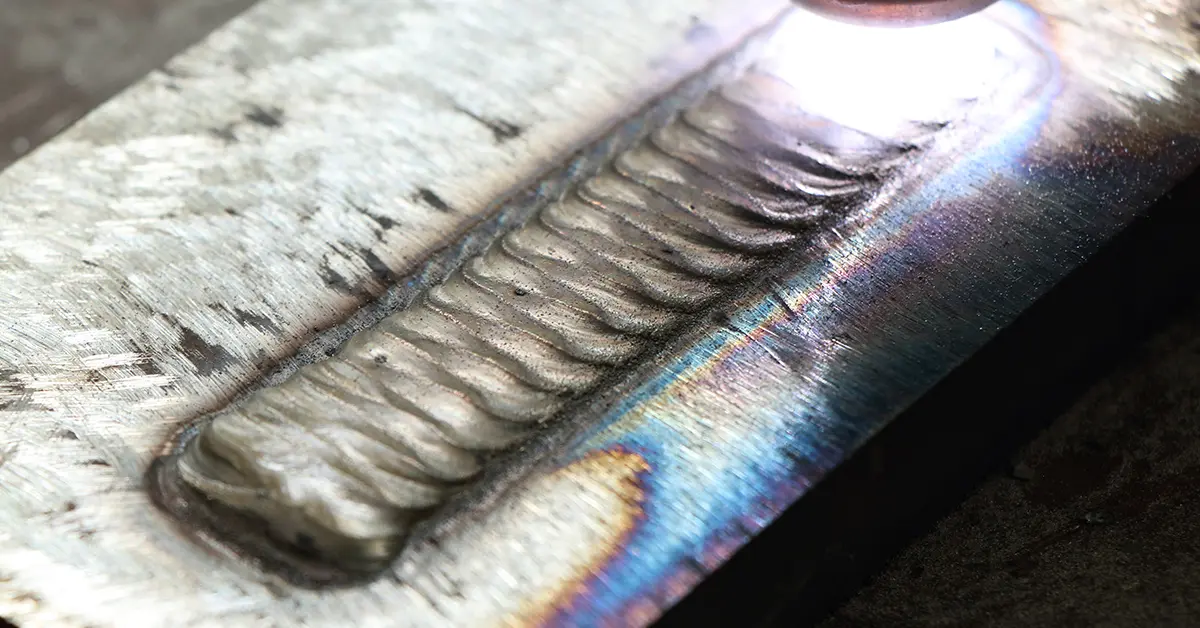
Conventional TIG welding typically exhibits dilution rates of 10% to 20%, whereas advanced PTA cladding reduces this value to below 5%. This low dilution rate preserves the exact chemical formulation of the hardfacing alloy matrix, improving performance in wear, corrosion, and high-temperature environments.
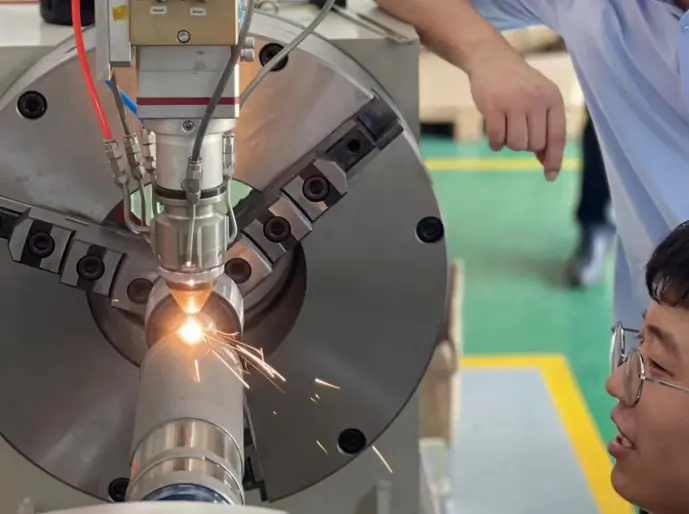
The convergence of extensive industrial supply chains, advanced automation, and cost-effective precision engineering.
From custom CNC electronic positioners to refractory alloys, Chinese manufacturing centers provide rapid assembly cycles and complete engineering solutions.
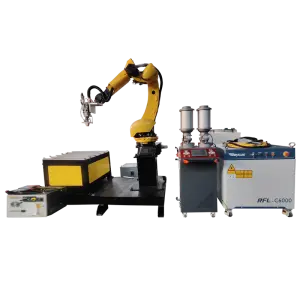
Firms like Shanghai Duomu combine laser, plasma, and robotic engineering to build custom automated welding stations, minimizing reliance on manual labor.
Components are manufactured under ISO9001 certifications, meeting AWS, ASME, and CE standards for heavy duty deployment globally.
Our solutions have penetrated critical sectors requiring high resistance to heat, pressure, abrasion, and corrosion.

Enhancing the service life of soil-engaging tools, tillers, and harvesting blades subject to abrasive wear.

High-precision alloy deposition on critical structural items and high-temperature turbine components.

Wear protection for drill bits, stabilizers, mud pumps, and pipeline components in corrosive environments.
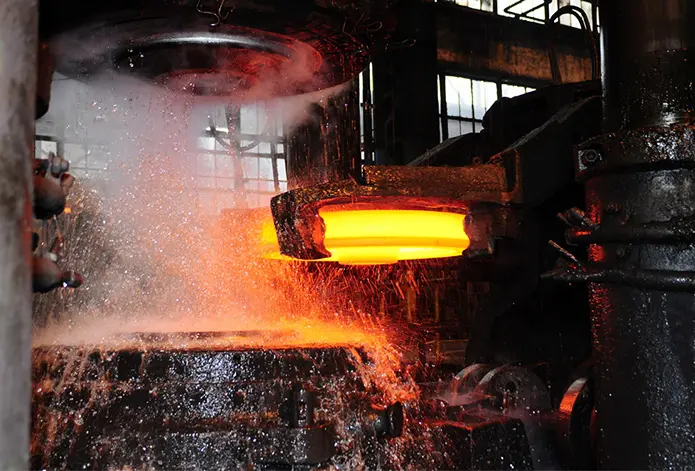
Hardfacing solutions for steel plant rolls, continuous casting guides, and wear plates.
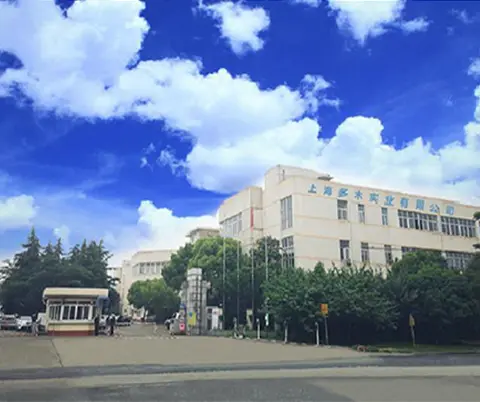
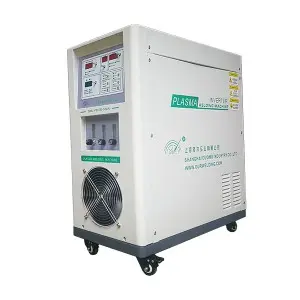
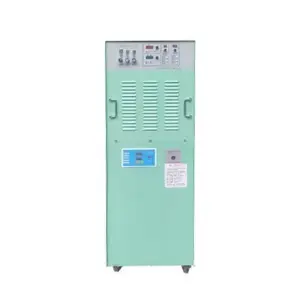
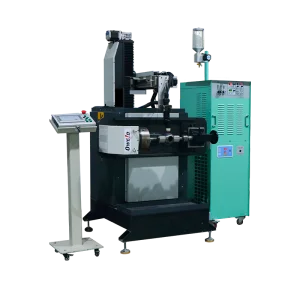
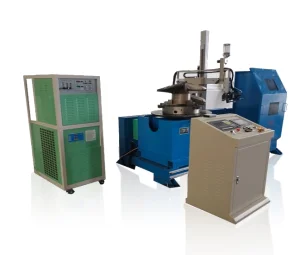
Shanghai Duomu has been a leading manufacturer and exporter of PTA cladding machines and Laser cladding machines for more than ten years with a strong technical background. Our products have penetrated into many fields such as aerospace military industry, nuclear power, petrochemical industry, coal mines, metallurgy and forging, agriculture, water conservancy and electric power, etc. We are committed to providing robust industrial solutions designed to minimize equipment downtime and maximize overall product life.
I have an independent R&D team, which develops, produces and sells plasma cladding machine equipment. The welding machine has stable performance and can maintain efficient long-term operation. In addition, the laser cladding equipment sold by the company can effectively support large-scale remanufacturing projects. We have mature technological means to provide complete sets of industrial equipment solutions.
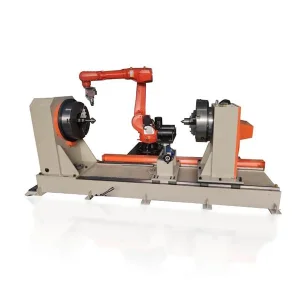
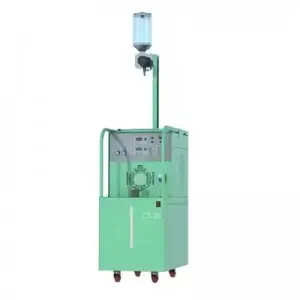
We can provide customized equipment, automatic laser cladding equipment, automatic plasma cladding equipment, intelligent robot cladding equipment, etc. according to customers' requirements, including special equipment in the industry, such as hydraulic rod cladding machine, pick cladding machine, valve cladding machine, etc.
Real-world insights on dilution rates, valve surface treatments, and high-wear screw conveyor systems.
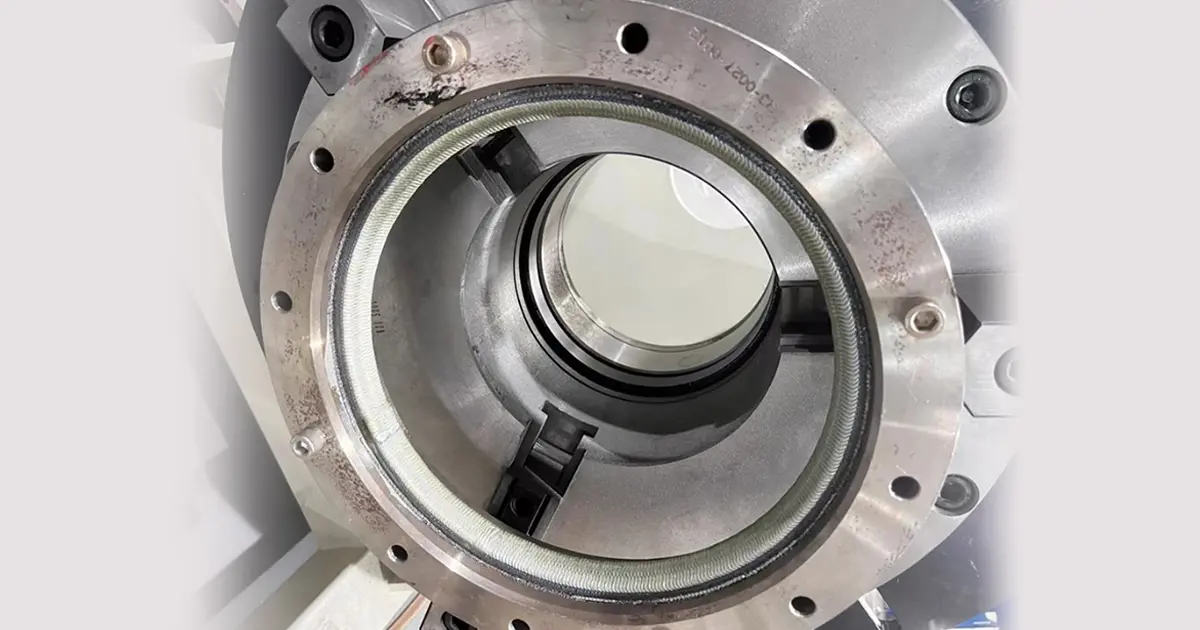
"The PTA Welding Valve Application Guide is not just a process choice for valve manufacturers facing high wear, high corrosion, and high-temperature erosion working conditions, but also a key path to improving product competitiveness. As industries such as petrochemical, power generation, and marine engineering demand longer component lifespans, we transitioned our Stellite 6 deposition to Shanghai Duomu's automatic PTA systems, achieving virtually defect-free overlays."
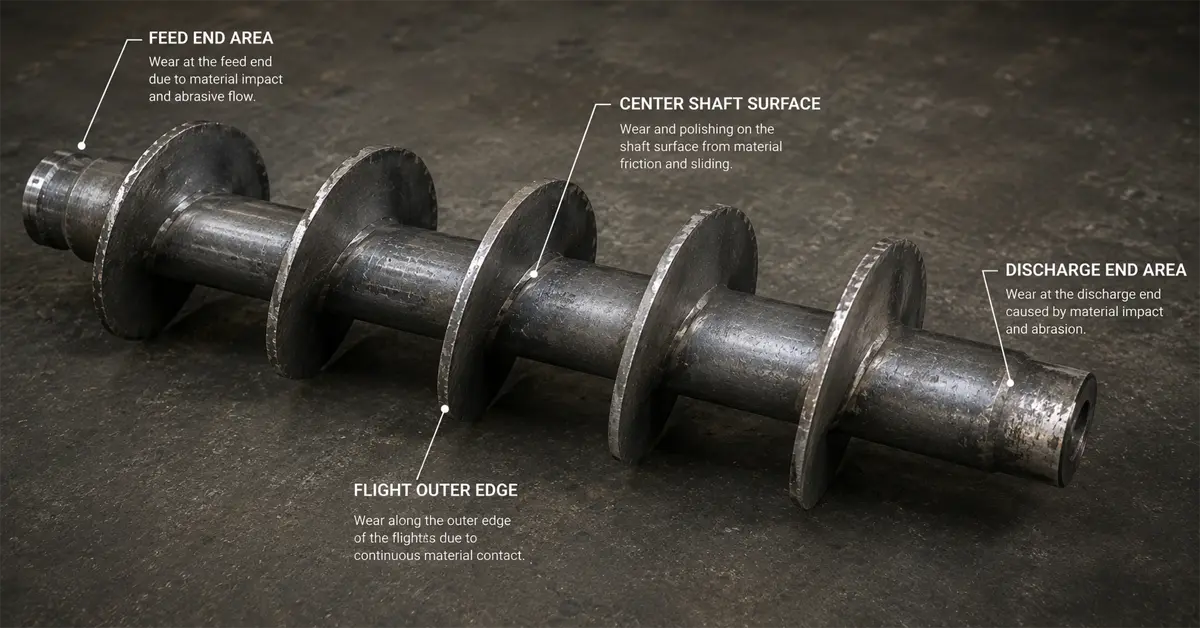
"In industries such as mining, cement, power generation, steelmaking, chemical processing, and biomass energy, screw conveyors are often regarded as auxiliary equipment. However, maintenance data shows that they are among the most frequent causes of unplanned production downtime. Fusing hardfacing powder to the flight edges using automated systems extended our continuous operations by 300%."
"In Plasma Transferred Arc (PTA) hardfacing, achieving a high-quality overlay is not only about selecting the right alloy powder or optimizing welding parameters. One of the most critical factors that directly affects overlay performance is the dilution rate. Shanghai Duomu's precision parameter controls maintain dilution rates under 4%, maintaining alloy integrity."
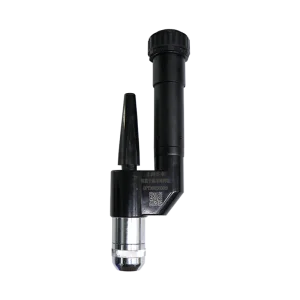
Our heavy-duty automation systems, laser hardening robots, and high-amperage torches are configured for continuous 24/7 industrial operations.
Strategic movements shaping the global metal overlay market from 2024 onwards.
Manual processes are increasingly replaced by multi-axis articulated robots. This shift ensures consistent weld pass positioning and precise bead overlap controls.
Combining stellite, nickel-chromium matrices, and dispersed spherical tungsten carbide (W2C/WC) particles allows surfaces to withstand both extreme impact and abrasive erosion.
Instead of discarding worn machinery shafts, hydraulic rods, or extrusion screws, cladding restores components to original specifications, reducing carbon footprints.
Get answers to common technical, design, and procurement questions regarding metal cladding and welding technologies.
Collaborating with tier-one suppliers across heavy metallurgy, aerospace, and energy sectors.






For inquiries about our products, customization capabilities, or pricelist, please contact us and our technical department will reply within 24 hours.
Send Inquiry & Subscribe Duomu
Duomu