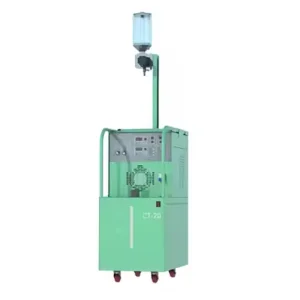
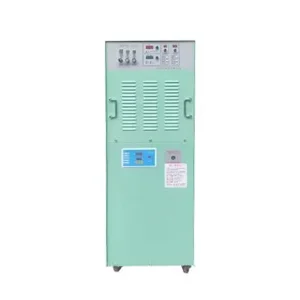
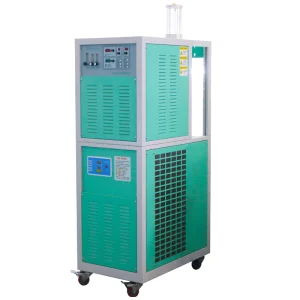
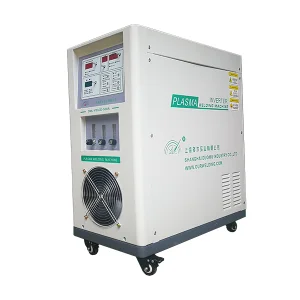
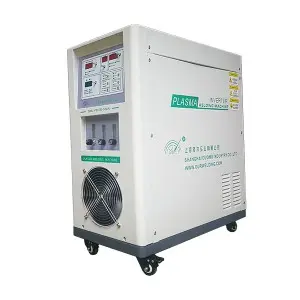
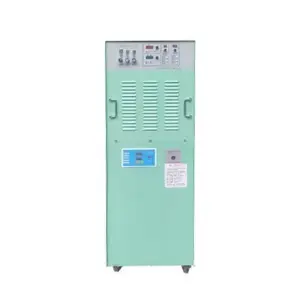
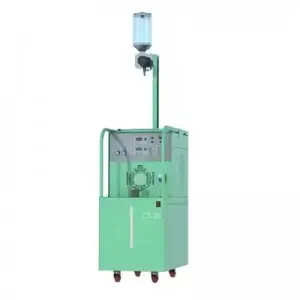
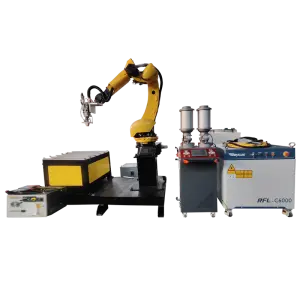
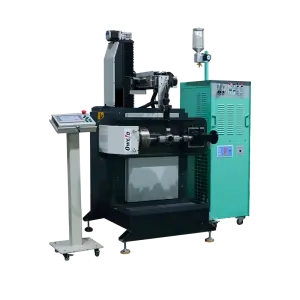
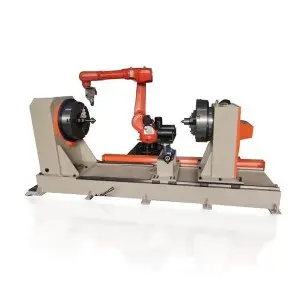
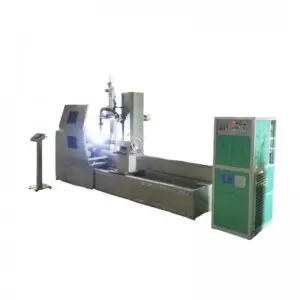
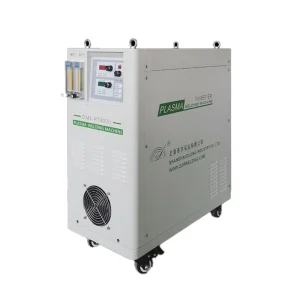
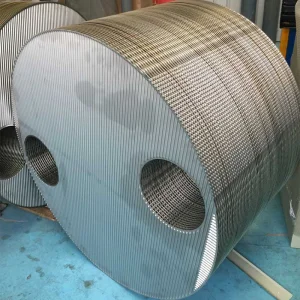
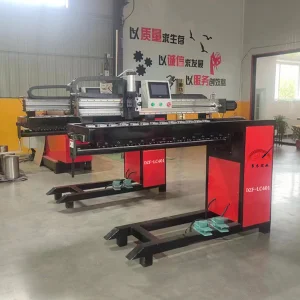
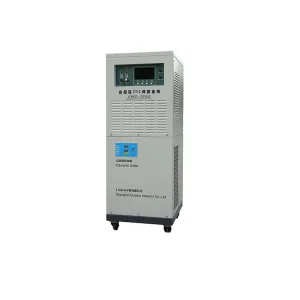
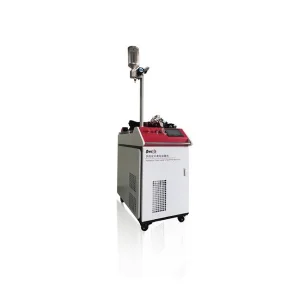
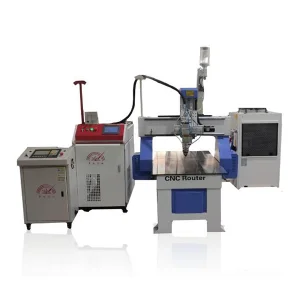
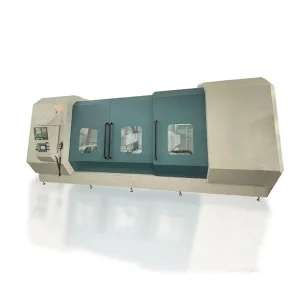
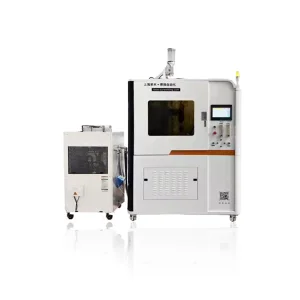
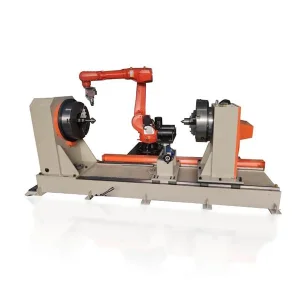
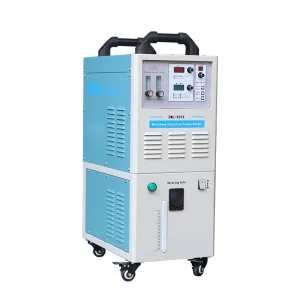
Our entry-level and advanced integrated solutions feature state-of-the-art thermal management and micro-dilution control.
As the undisputed capital of Japan’s heavy manufacturing (often called the Chukyo Industrial Area), the Nagoya metro and broader Aichi prefecture represent the global benchmark for automotive engineering, aerospace parts, and tooling manufacturing. Local supply chain systems—led by aerospace prime contractors and automotive giants—demand manufacturing solutions that run with sub-micron precision and absolute mechanical durability.
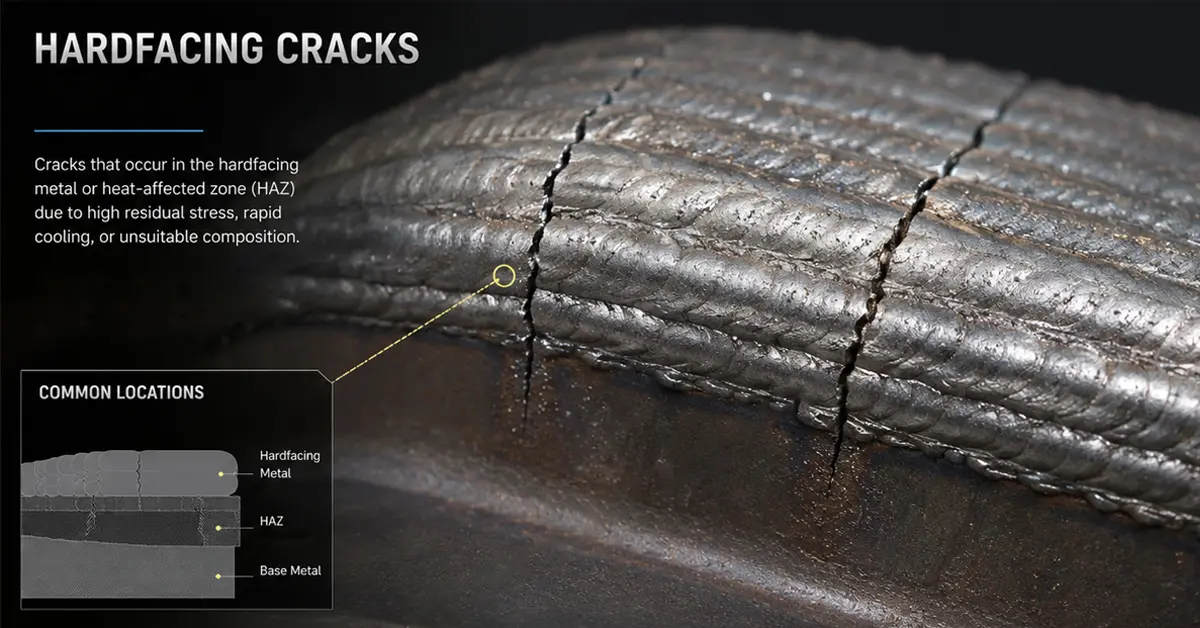
Traditional hard chrome plating and conventional thermal spray coatings are increasingly restricted due to environmental pressures and structural limitations. This is where Laser Cladding offers a breakthrough: a metallurgical bond with low dilution rates (<5%), a minimal heat-affected zone (HAZ), and structural refinement that prevents crack propagation under extreme stress. Our cladding platforms enable Nagoya’s factories to automate localized hardfacing and implement industrial component remanufacturing programs.
Understanding the material science behind heat input, microstructural grain boundaries, and coating efficiency.
| Performance Parameters | High-Precision Laser Cladding | Plasma Transferred Arc (PTA) Cladding | Traditional Hard Chrome Plating |
|---|---|---|---|
| Metallurgical Bond Type | Fused Metallurgical (High Strength) | Fused Metallurgical (High Strength) | Mechanical Adhesion (Delamination Risk) |
| Dilution Rate | 1% - 5% (Ultra-low coating dilution) | 5% - 15% (Controlled parameters) | 0% (No substrate melting) |
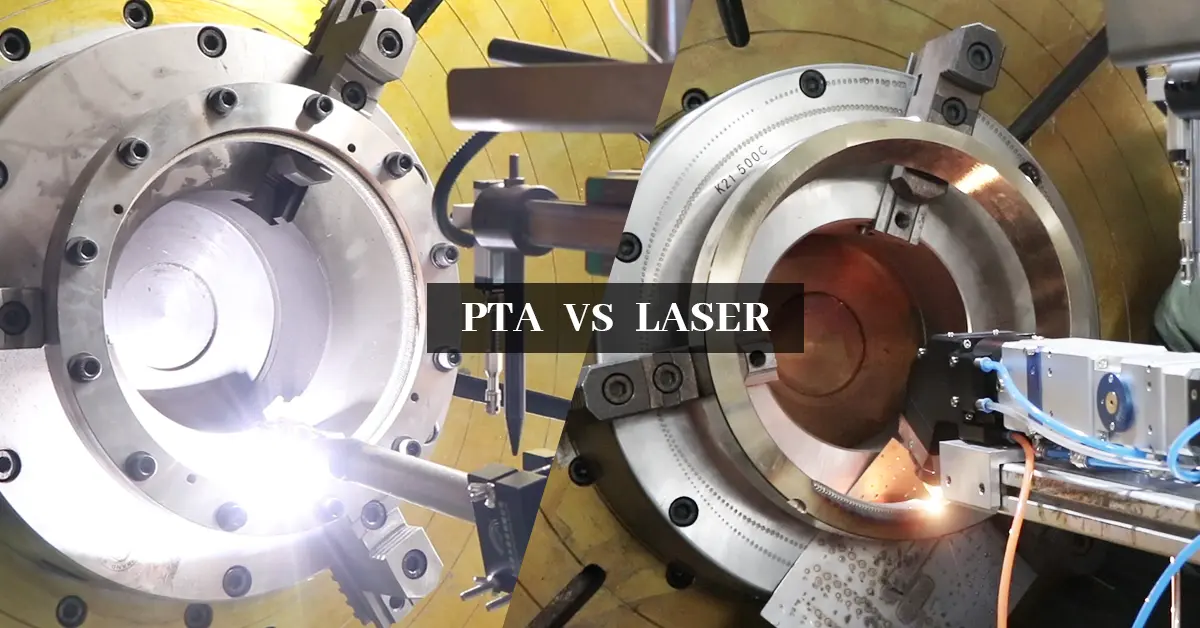
| Heat Affected Zone (HAZ) | Minimal (0.2mm - 0.8mm) | Moderate (1.0mm - 2.5mm) | Zero Heat Input |
| Thermal Distortion | Extremely Low (ideal for precision dies) | Moderate (requires machining allowance) | None |
| Coating Thickness (per pass) | 0.5mm - 2.0mm | 1.5mm - 6.0mm | Sub-micron up to 0.2mm |
| Environmental Impact | Eco-Friendly (No chemical waste) | Eco-Friendly (No chemical waste) | High toxicity (Hexavalent chromium restrictions) |
From agricultural blades to aerospace turbofan assemblies, our systems are deployed in demanding fields.
Local manufacturers utilize PTA and laser cladding to apply tungsten carbide matrices onto tiller blades and harvest rollers, extending service lifespans under abrasive soil environments.

For engine blades, turbofan compressor rotors, and structural landing components. Laser cladding repairs worn superalloys without modifying base metallurgical properties.

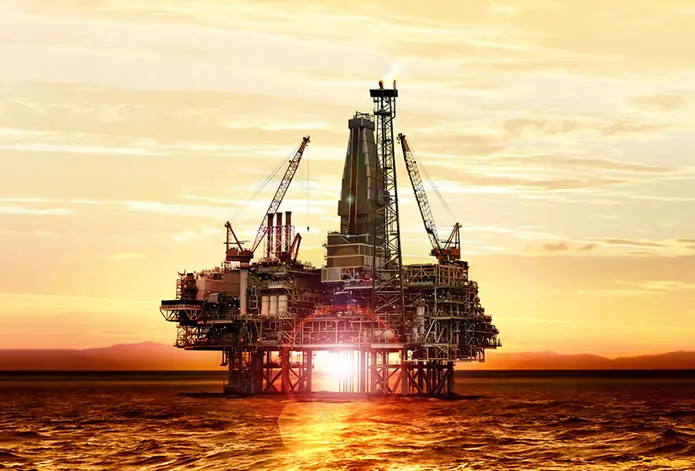
Valves, drill collars, and downhole components are coated with cobalt or nickel-based self-fluxing alloys to withstand sour gases and sand abrasion.
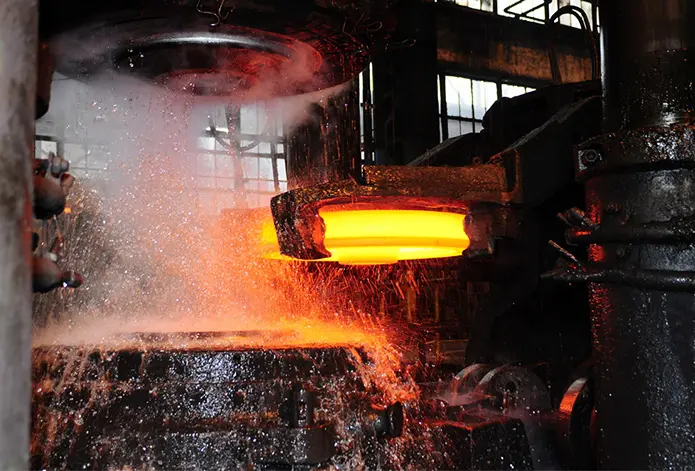
Continuous casting rolls and stamping dies undergo massive wear. Our gantry systems deposit structural alloys that handle high thermal cycling and impact stress.
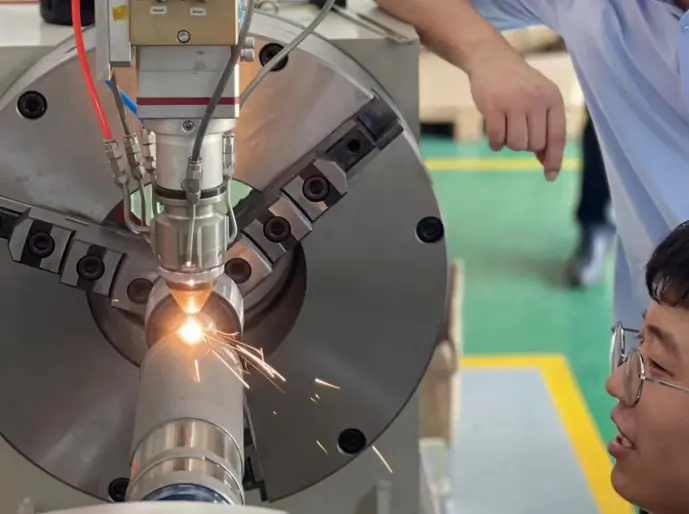
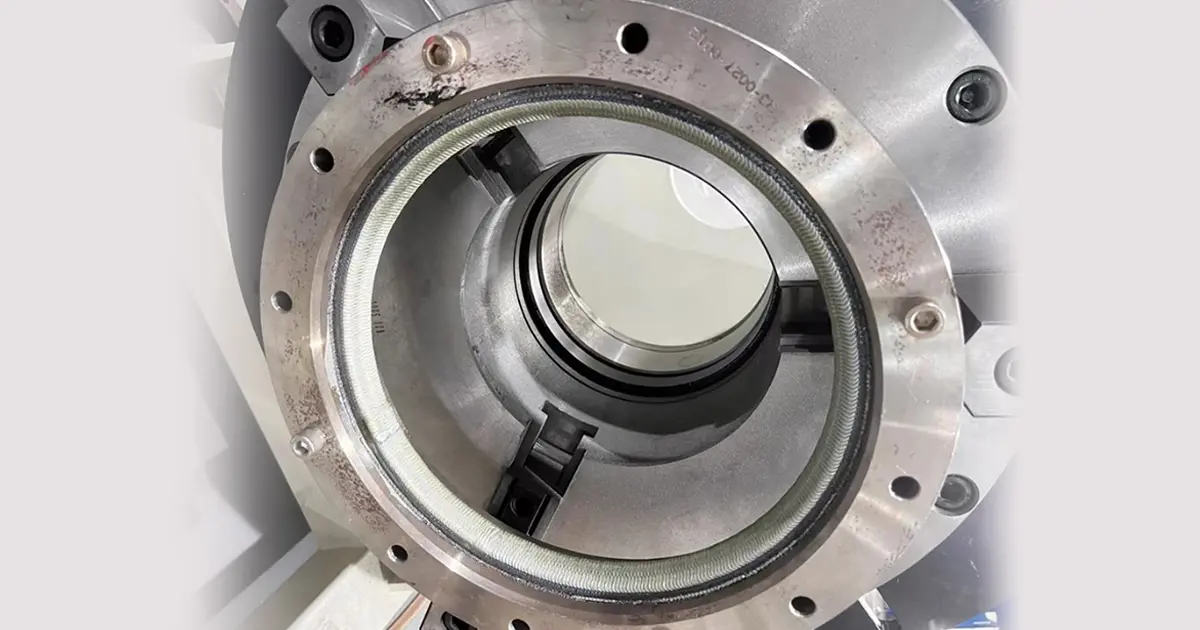
Designed for dedicated workpieces like turbine blades, heavy-duty ball valves, and large hydraulic rods.
Our division houses an independent mechanical, optical, and software R&D team that specializes in high-durability plasma surfacing torches, specialized multi-axis mechanical gantries, and automated feedback loops. Over ten years of exporter experience equips us to engineer stable, long-running systems suitable for continuous shift operations in automotive part lines.
By leveraging our manufacturing base, global buyers gain a significant cost advantage while preserving Japanese industrial quality standards. This "China scale + Japanese configuration" synergy allows Nagoya systems integrators to purchase machinery featuring Siemens PLC, Fanuc robot interfaces, and Japanese-compliant safety guards, combined with local support from our partner engineers in Aichi.
Practical surface coating results in demanding chemical, mining, and valves operations.
"The PTA Welding Valve Application Guide is not just a process choice for valve manufacturers facing high wear, high corrosion, and high-temperature erosion working conditions, but also a key path to improving product competitiveness. Implementing Duomu's PTA cladding cut our nickel-alloy overlay costs by 42% while decreasing localized micro-void defects."
Petrochemical Valve System Integrator
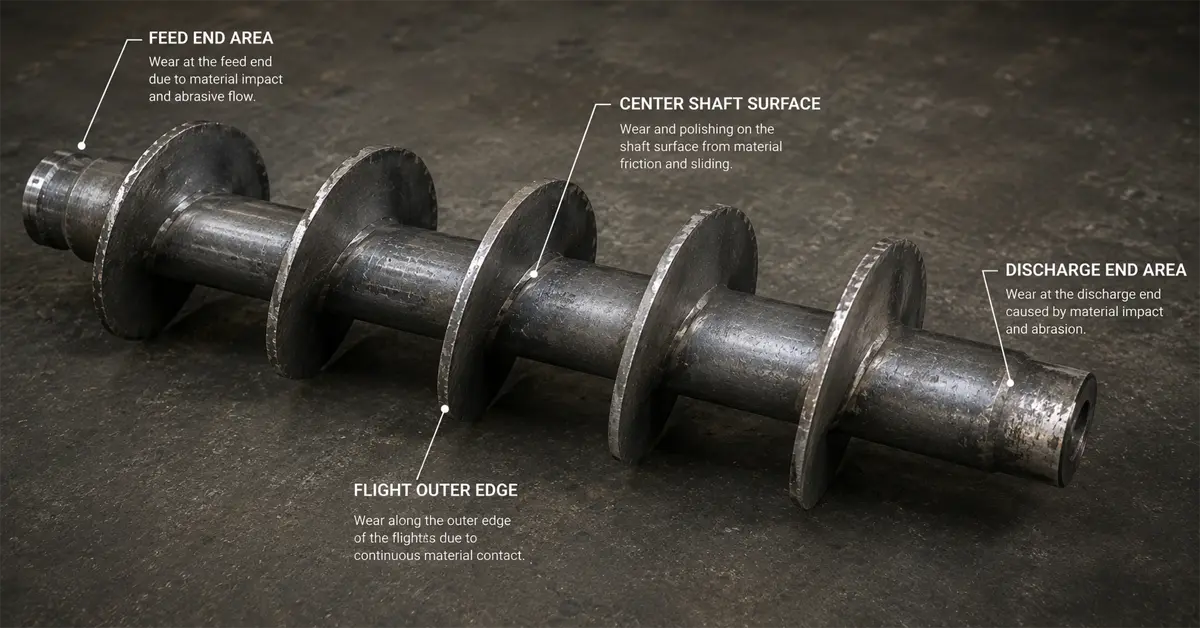
"In industries such as mining, cement, power generation, steelmaking, chemical processing, and biomass energy, screw conveyors are often regarded as auxiliary equipment. However, maintenance data shows that they are among the most frequent causes of unplanned production downtime. Using Duomu's automatic cladding system for our screws increased continuous operating time from 3 months to over a year."
Biomass Processing & Power Plant Operator
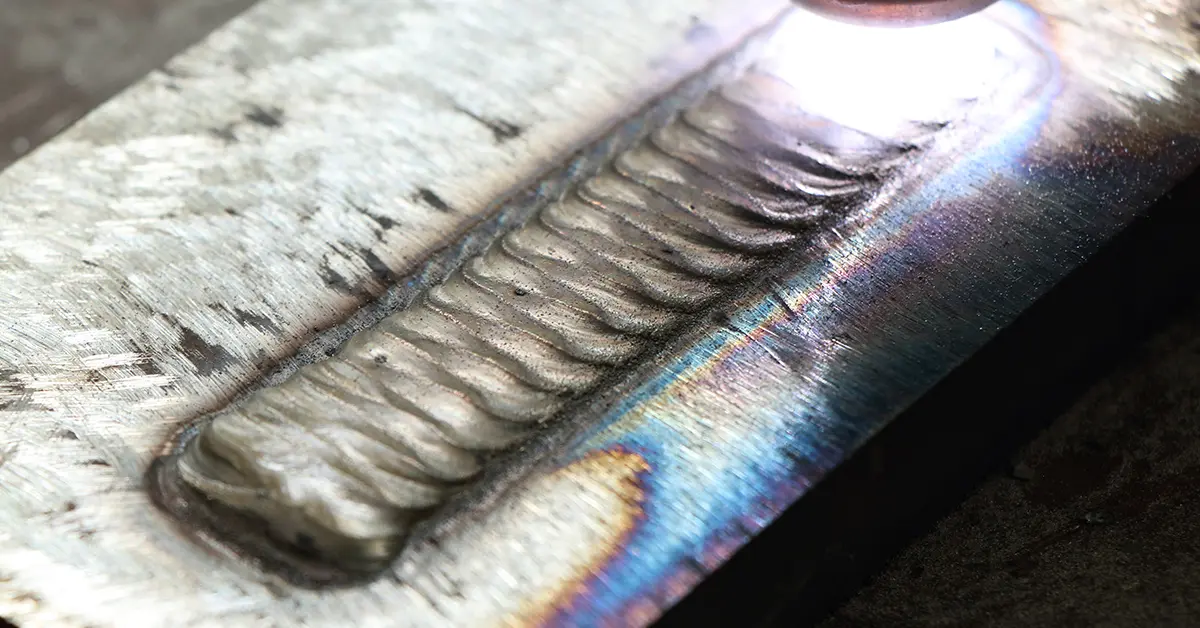
"In Plasma Transferred Arc (PTA) hardfacing, achieving a high-quality overlay is not only about selecting the right alloy powder or optimizing welding parameters. One of the most critical factors that directly affects overlay performance is the dilution rate. Whether you need single-pass or multi-pass coatings, Duomu's precise current control keeps dilution under 8% even at high deposition rates."
Aichi Surface Engineering Institute Partner
"In industries such as Oil & Gas, Mining, Power Generation, Cement, and Heavy Equipment Manufacturing, hardfacing is no longer just a repair process. It has become a critical technology directly related to equipment lifespan, downtime costs, maintenance frequency, and carbon reduction goals. Our gantry system runs daily without faults."
Heavy Mining Equipment OEM
"In industries such as oil & gas, petrochemical, power generation, mining, and marine engineering, industrial valves are constantly exposed to severe operating conditions including high pressure, extreme temperatures, corrosive media, and abrasive sand erosion. Duomu's hardfacing processes provide custom solutions for challenging valve surface protections."
Marine Engineering Division
Explore our complete catalog of industrial welding, gantry laser systems, and micro plasma welders.
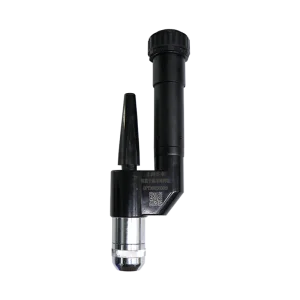
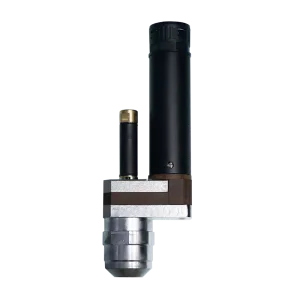
Precision end-effectors, high-amperage torches, and micro-arc solutions to maintain strict quality boundaries.
Key metallurgical and operational insights concerning Laser Cladding and PTA surfacing solutions.
Thermal spraying forms a mechanical bond, which is highly prone to delamination and cracking under high stamping pressures. Laser cladding melts both the cladding powder and the top layer of the substrate, creating a 100% metallurgical bond that will not peel, chip, or crack under cyclic mechanical loading.
High dilution rates pull the substrate metals (like low-alloy steels) into the cladding layer, degrading the purity of wear-resistant and corrosion-resistant alloys (such as Stellite cobalt alloys). Our laser cladding systems keep dilution under 5%, preserving chemistry in a single pass.
Yes, our systems run on open control architectures that support integration with industrial robotic arms (Fanuc, Yaskawa, ABB, Kuka). This allows Nagoya system integrators to adapt automated path planning for complex geometry components.
All systems destined for Nagoya and the Japanese market are adapted with customized safety shields, optical interlocks (Class 4 laser requirements), PSE electrical design layouts, and custom Siemens/Mitsubishi PLC system panels configured for domestic manufacturing environments.
We support nickel-based self-fluxing alloys, cobalt-based alloys (Stellite series), iron-based alloys, and composite powders containing varying percentages of cast tungsten carbide (W2C/WC) for maximum abrasion resistance.







Receive a free workpiece assessment, cycle time analysis, and alloy recommendation from our senior technical consulting team within 24 hours.
Send Inquiry Now Duomu
Duomu