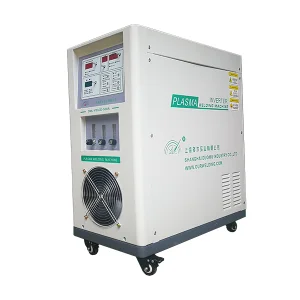
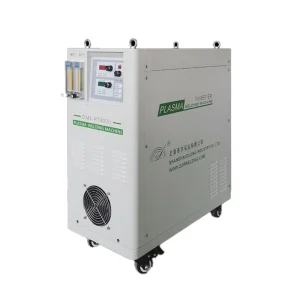
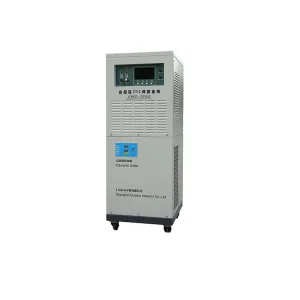
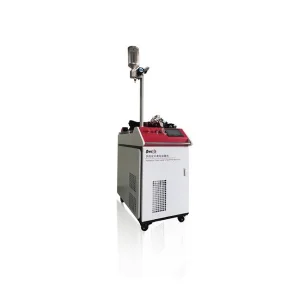
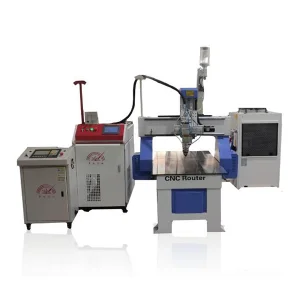
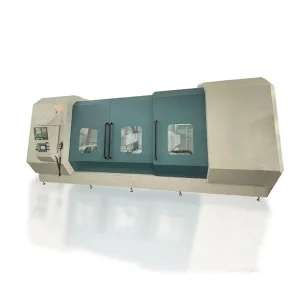
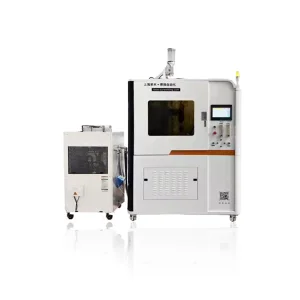
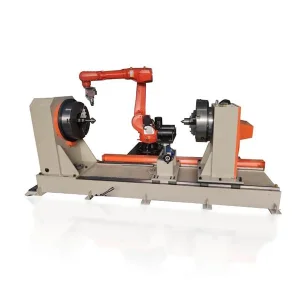
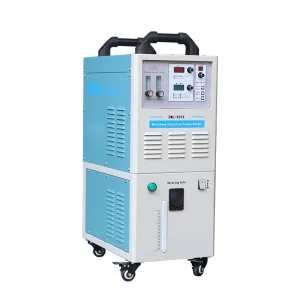
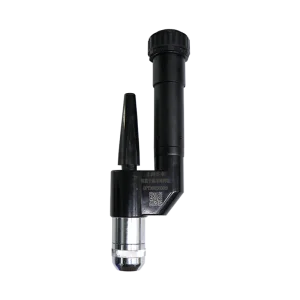
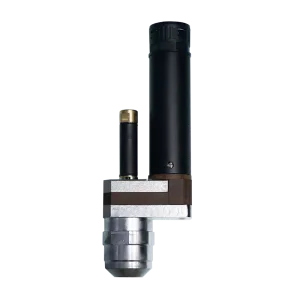
Featured Precision PTA Powder Welding Systems engineered for durability under high-stress operation.
The New York metropolitan region, spanning from the bustling shipping hubs of Brooklyn Navy Yard and the Port of New York and New Jersey to the heavy manufacturing centers in Upstate NY, faces aggressive challenges. Local infrastructure demands high-performance metallurgical protection. Components operated in marine shipping, heavy infrastructure, power generation (ConEd, Upstate hydroelectric facilities), and Long Island's defense and aerospace manufacturing require protection against severe friction, corrosion, and extreme temperatures.
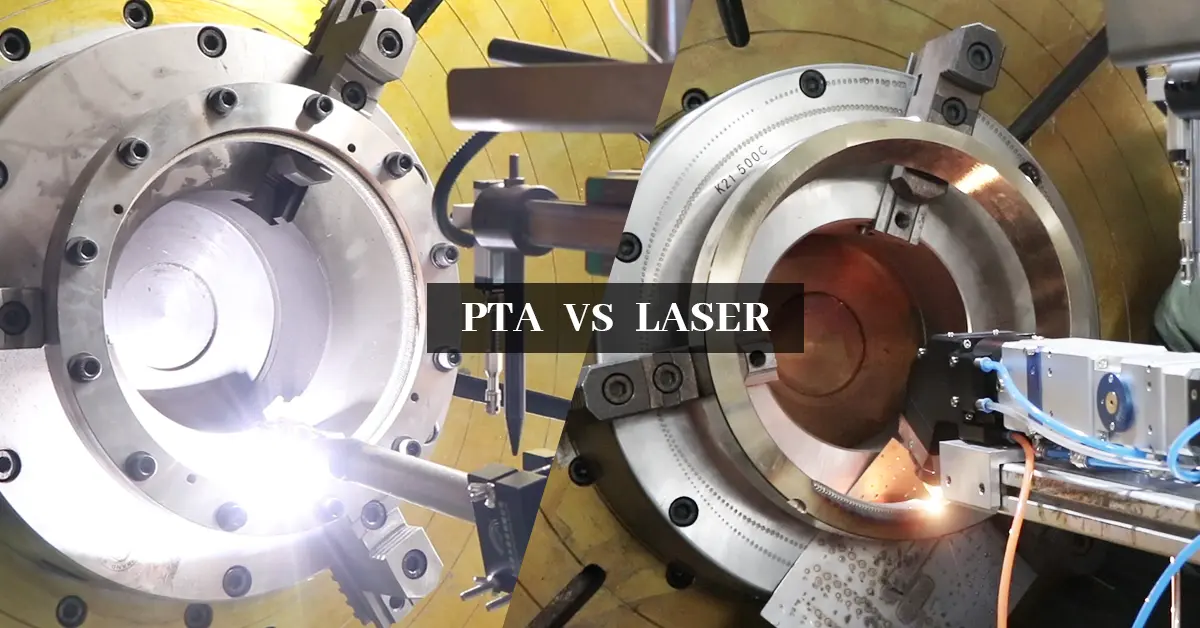
Traditional hardfacing methods like TIG/MIG welding and thermal spraying fall short because of excessive heat input and poor metallurgical bonding. Laser Cladding delivers a precise metallurgical bond with negligible thermal distortion, a minimal heat-affected zone (HAZ), and less than 5% dilution rates. This makes it the standard for safety-critical component repairs across NY.
Choosing the correct surface modification roadmap based on operational demands and mechanical requirements.
| Feature Parameter | Plasma Transferred Arc (PTA) | Laser Cladding Systems |
|---|---|---|
| Heat Source | Plasma Arc (Electric Discharge) | High-Power Fiber Laser Beam |
| Dilution Rate | 5% to 15% (depending on process settings) | < 5% (consistently achievable) |
| Heat Affected Zone (HAZ) | Moderate (3-5mm) | Extremely Narrow (0.5-1.5mm) |
| Cladding Thickness | 1.5mm - 6mm per pass | 0.5mm - 2.5mm per pass |
| Bonding Quality | 100% Metallurgical Bond | 100% Metallurgical Bond |
| Powder Utilization | High (~85%) | Moderate to High (~75% - 90% with coaxial feeds) |
| Optimal Application | Thick deposits on heavy components (e.g., screw conveyors) | High-precision, thin coatings, low distortion (e.g., shafts) |
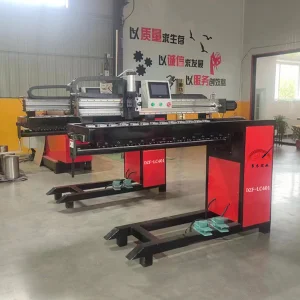
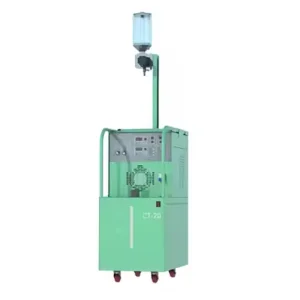
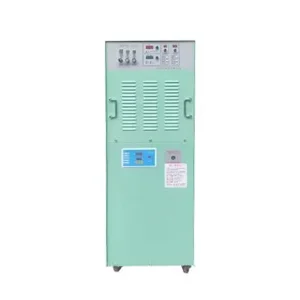
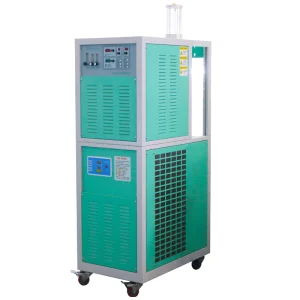
Precision-engineered automated PTA and Laser Cladding machinery configured for high-volume parts processing.
Where metallurgy meets demanding environments. Our machinery supports critical industry sectors.

Enhancing wear life on ground-engaging tools, agricultural plows, and soil preparation equipment operating in coarse conditions.

High-precision, low-heat repairs for gas turbine blades, engine guide vanes, and landing gear components with strict certification specs.
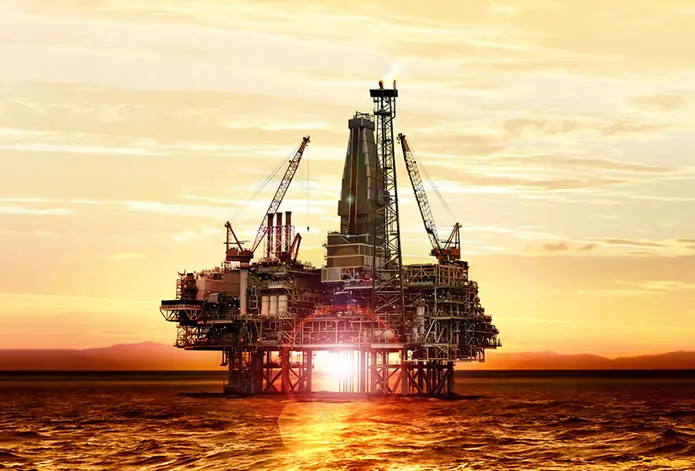
Cladding valves, drill pipes, and subsea parts with Stellite or Hastelloy superalloys to resist aggressive chemical corrosion and high-pressure wear.
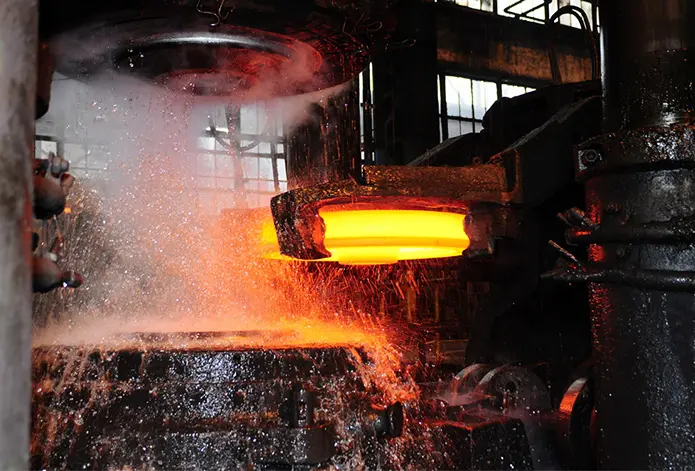
Extending the service lifespan of continuous casting guide rolls, forging dies, and steel mill rollers under severe thermal cycling conditions.
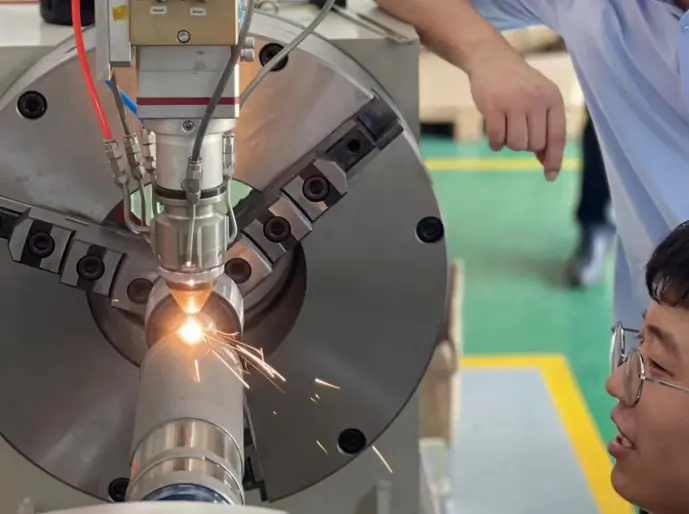
Shanghai Duomu has been an established manufacturer and exporter of PTA cladding and Laser cladding machinery for over a decade. Supported by a strong technical background, our independent R&D team designs, programs, and commissions robust plasma cladding equipment that maintains stability during continuous manufacturing shifts.
We supply complete industrial equipment packages, including robotic positioners, CNC control interfaces, customized powder feeding units, and Closed-Loop Real-Time Melt Pool temperature control. These systems support large-scale industrial remanufacturing operations.
Get in touch with an EngineerCustom industrial setups designed for complex geometries, interior diameter (ID) cladding, and local heat treating.
Combining competitive manufacturing scaling with reliable local support for New York area clients.
Shanghai Duomu uses a structured supply chain model to deliver competitive pricing, high-end components (including IPG/Raycus lasers, Siemens PLCs, and Motoman/Kuka robotics integrations), and prompt dispatch of tooling orders.
To support operations in the New York market, we offer a dedicated logistics framework:
We are continuously upgrading our machinery to support emerging industrial demands:
Review real-world applications and performance data from industrial operators using PTA and laser cladding technology.
"The PTA Welding Valve Application Guide is not just a process choice for valve manufacturers facing high wear, high corrosion, and high-temperature erosion working conditions, but also a key path to improving product competitiveness. As industries such as petrochemical and water management expand in NY, using Stellite hardfacing protects components against premature degradation."
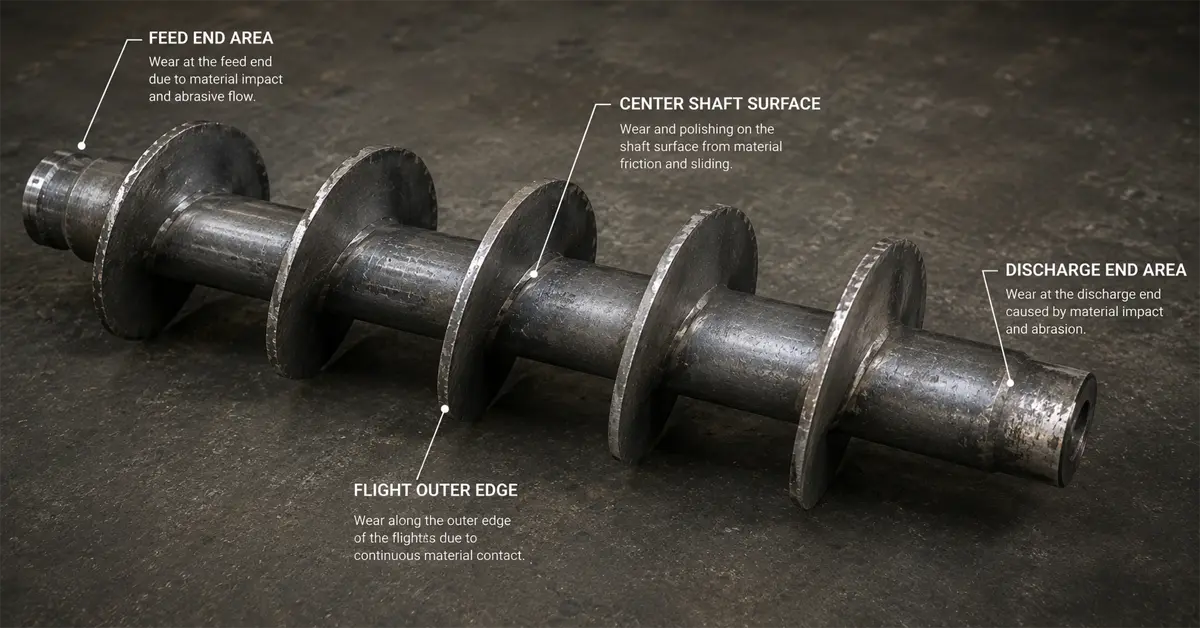
"In industries such as mining, cement, power generation, steelmaking, chemical processing, and biomass energy, screw conveyors are often regarded as auxiliary equipment. However, maintenance data shows that they are among the most frequent causes of unplanned production downtime. Laser cladding the outer flights with tungsten carbides extends conveyor lifespan significantly."
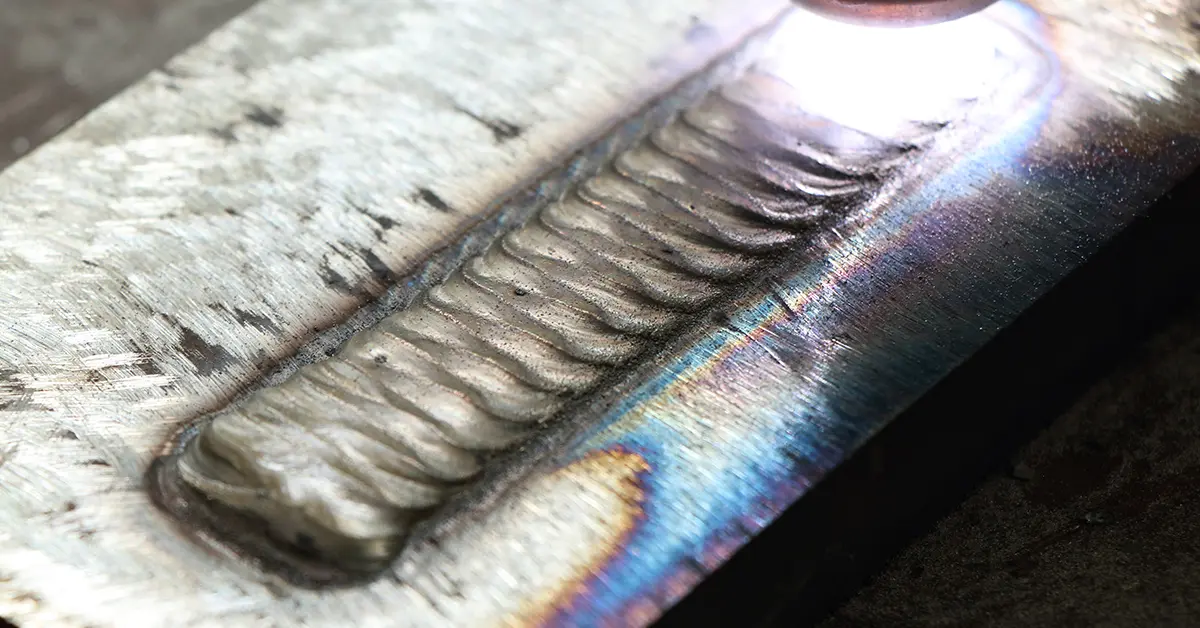
"In Plasma Transferred Arc (PTA) hardfacing, achieving a high-quality overlay is not only about selecting the right alloy powder or optimizing welding parameters. One of the most critical factors that directly affects overlay performance is the dilution rate. Minimizing dilution preserves the raw properties of the hardfacing alloy."
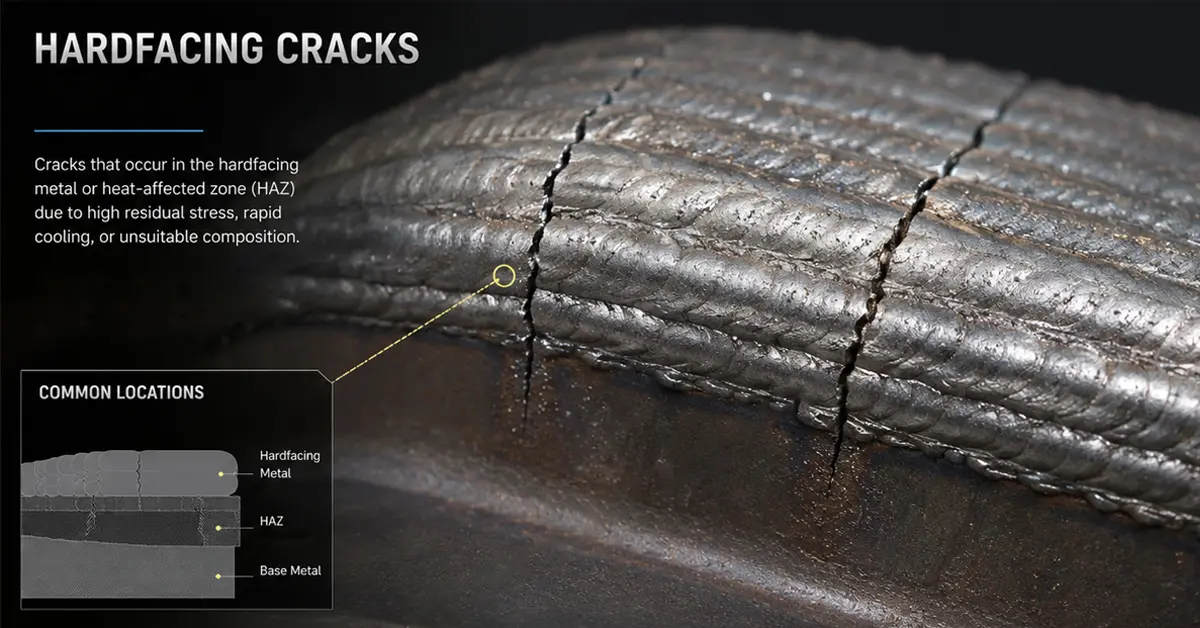
"In industries such as Oil & Gas, Mining, Power Generation, Cement, and Heavy Equipment Manufacturing, hardfacing is no longer just a repair process. It has become a critical technology directly related to equipment lifespan, downtime costs, maintenance frequency, and component safety."
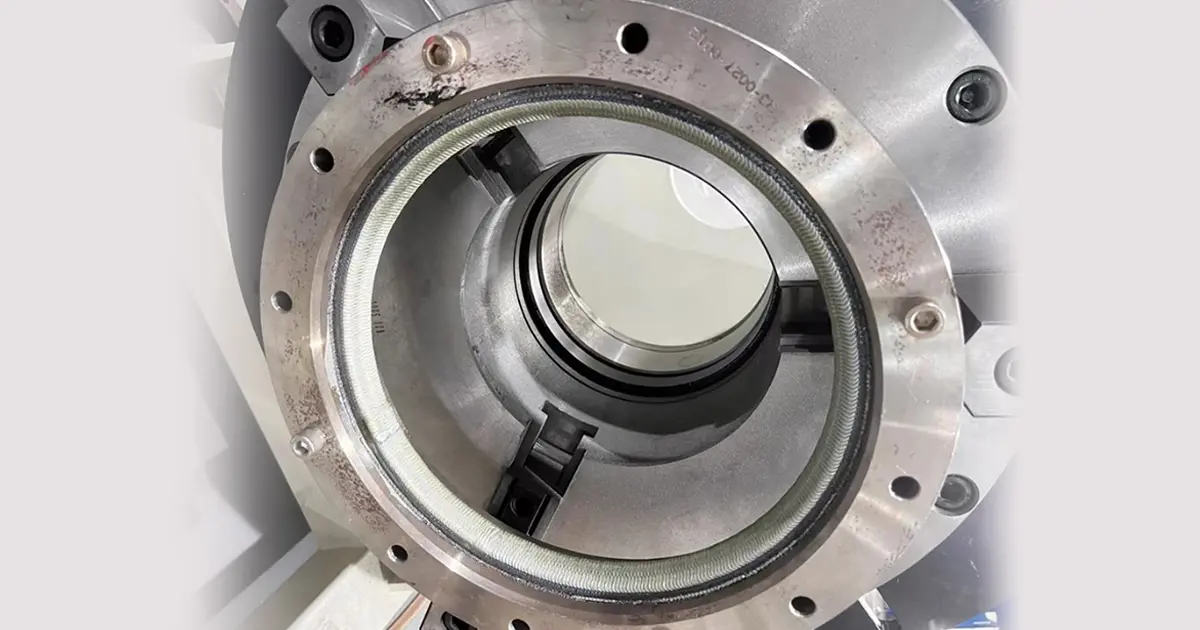
"In industries such as oil & gas, petrochemical, power generation, mining, and marine engineering, industrial valves are constantly exposed to severe operating conditions including high pressure, extreme temperatures, corrosive media, abrasive wear, and sand erosion."
System Integrators & Custom Tooling Catalogs:
Key technical specifications and process information to help guide your cladding process selection.
Laser cladding typically achieves dilution rates below 5% (often as low as 1-2%). This minimal dilution ensures that the cladded layer retains its intended alloy properties (like wear and corrosion resistance) in a thin single pass, reducing the overall alloy material cost.
Laser cladding uses a highly focused, high-density light beam, yielding a narrow Heat-Affected Zone (HAZ) typically between 0.5mm to 1.5mm. PTA welding uses a plasma arc which distributes more heat into the base metal, resulting in a slightly wider HAZ (3mm to 5mm). This makes laser cladding ideal for components prone to heat distortion.
Our machines are compatible with a wide range of metal powders, including cobalt-based alloys (Stellite 6, 12, 21), nickel-based alloys (Colmonoy, Inconel 625), iron-based hardfacing matrices, and tungsten carbide composites (WC-Co/Ni) for extreme abrasion resistance.
We manage international shipping and customs clearance directly to your NY-based facility. For installation, debugging, and training, we coordinate both remote video commissioning with our engineering department and support from regional electrical and mechanical service technicians.
Yes. We design custom mechanical handling units, positioners, rotary chucks, and gantry structures. Whether you are cladding hydraulic rods, large-diameter valves, mining picks, or extrusion screws, we customize the machine kinematics to match your geometry.
Our manufacturing processes follow strict ISO 9001:2015 standards. The welding output and cladding procedures can be qualified to meet ASME Section IX, AWS D1.1, and CE specifications. Our systems are engineered to produce deposits with minimal porosity and high bond integrity.







 Duomu
Duomu