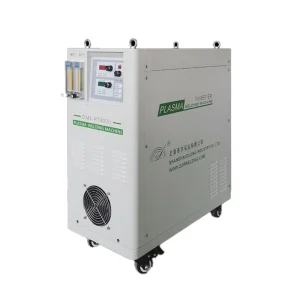
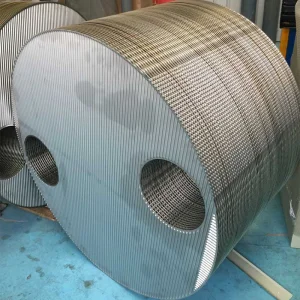
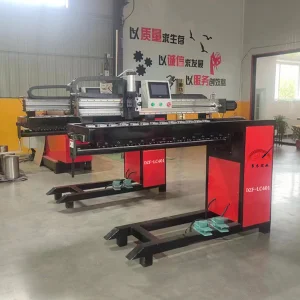
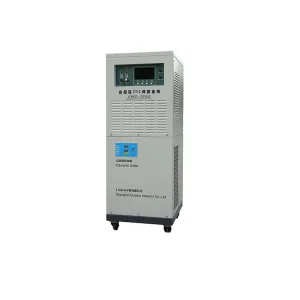
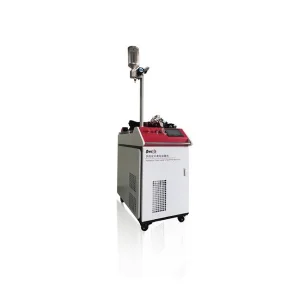
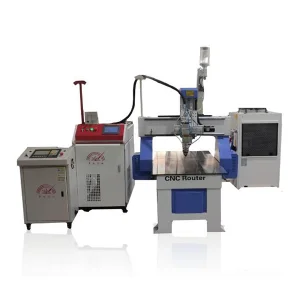
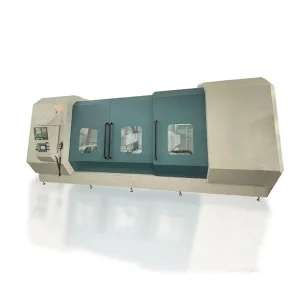
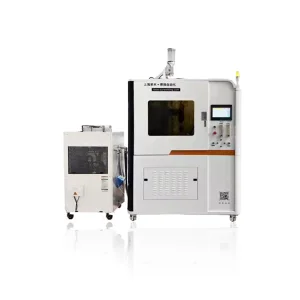
High-precision multi-functional equipment configured for immediate export to Southern Cone ports and processing hubs.
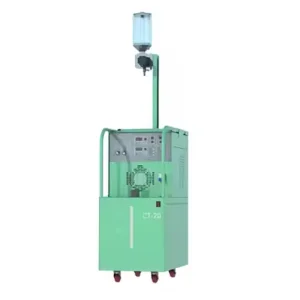
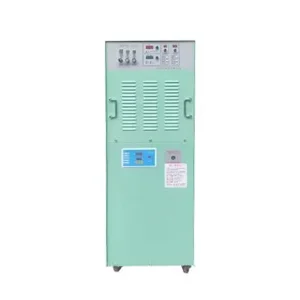
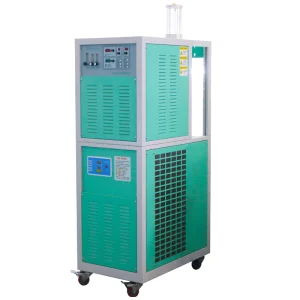
Uruguay's macroeconomy relies heavily on highly intensive mechanical workflows, particularly in its expanding Pulp and Paper Mill production (with world-class plants such as UPM and Montes del Plata), large-scale agriculture (soybean cultivation, livestock farming, and processing), and its strategic role in regional maritime logistics through the Port of Montevideo.
Operating in these high-output environments subjects critical components to severe mechanical stress, corrosive compounds, and abrasive friction. Replacing heavy components like pulper rotors, agricultural plowshares, and maritime piston rods generates significant capital expenditures and lengthy supply chain delays. This is where Laser Cladding and Plasma Transferred Arc (PTA) Hardfacing provide a vital competitive advantage.
Developing robust alloy protection and precise restoration for key economic sectors across Uruguay and South America.



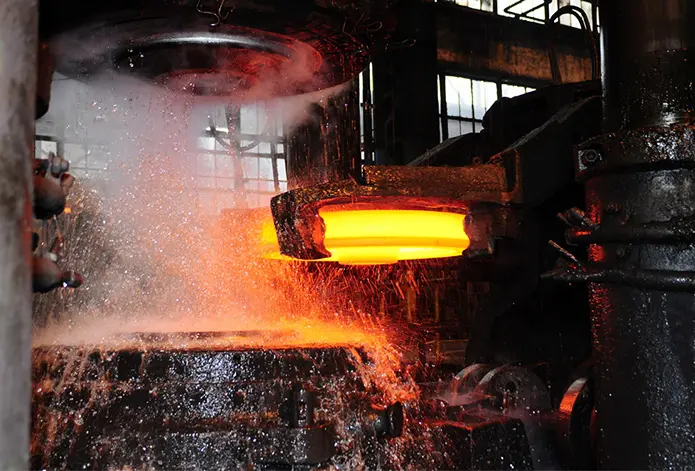
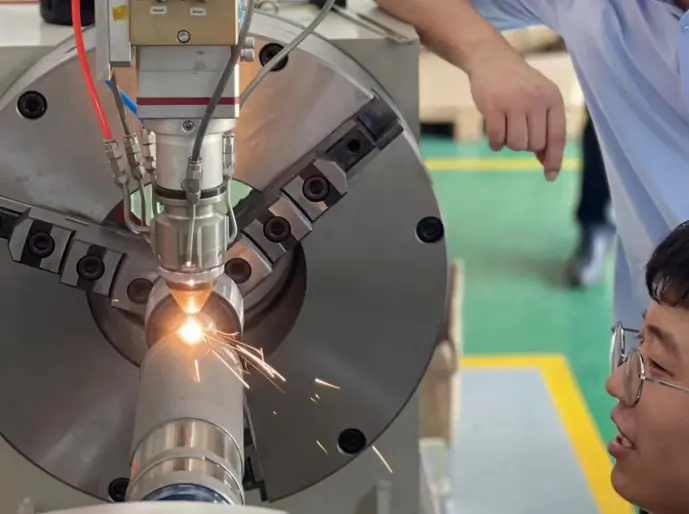
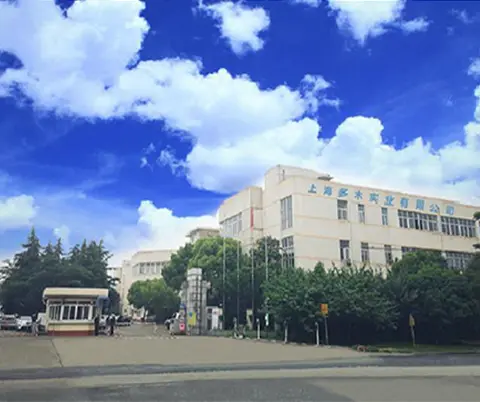
At Shanghai Duomu, we maintain an independent, specialized Research & Development division focused on advancements in thermal surfacing. The stability of our PTA and laser cladding systems supports continuous, long-term operations for high-demand remanufacturing programs.
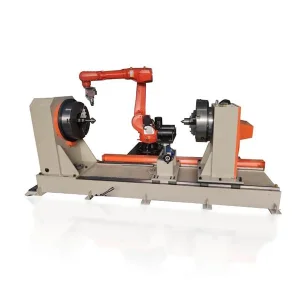
We provide complete, scalable manufacturing cell configurations. Whether integrating a multi-axis CNC gantry or a robotic arm, our systems control crucial cladding parameters including powder feed rates, beam intensity profiles, and shielding gas flow, keeping dilution below 1%.
We configure system components to integrate with specialized processing environments. Our capabilities range from customized gantry structures to automated rotary interfaces.
Different industrial processes present unique wear challenges. For instance, continuous agricultural operations require high impact resistance, whereas pulp processing demands resistance to acidic media. We design specific alloy combinations and system options for these applications:
Laser Cladding utilizes a highly focused laser beam to melt feed material, resulting in a minimal Heat Affected Zone (HAZ), precise deposition, and low distortion. It is well-suited for high-precision components like turbine blades and chemical valves.
Plasma Transferred Arc (PTA) relies on a concentrated plasma arc. It provides higher deposition rates at lower capital cost, making it highly effective for heavy agricultural plates and large-diameter extruder screws.
Explore our heavy industrial catalog configured for deployment in the Uruguayan market.
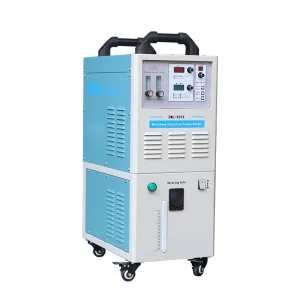
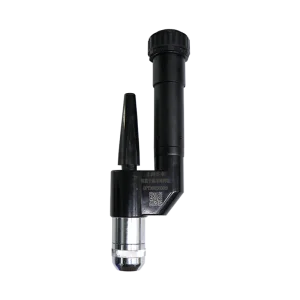
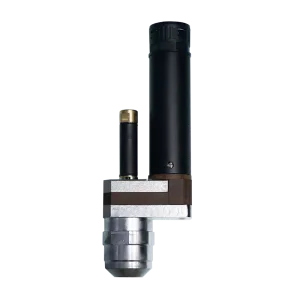
Complete system offerings including specialized plasma welding torches and robotic hardening workstations.
Ensuring seamless equipment import and commissioning within Uruguay's regulatory framework.
Importing capital goods into Uruguay requires adherence to specific technical safety and documentation standards. Our equipment is manufactured in compliance with international standards, facilitating customs clearance through the Port of Montevideo:
To support proper integration, we offer structured technical assistance program options:
How global industrial operators utilize PTA and Laser Cladding systems to resolve component wear and reduce operational downtime.
The PTA Welding Valve Application Guide is not just a process choice for valve manufacturers facing high wear, high corrosion, and high-temperature erosion working conditions, but also a key path to improving product competitiveness. As industries such as petrochemical and water processing expand, our Duomu systems provide stable wear resistance.
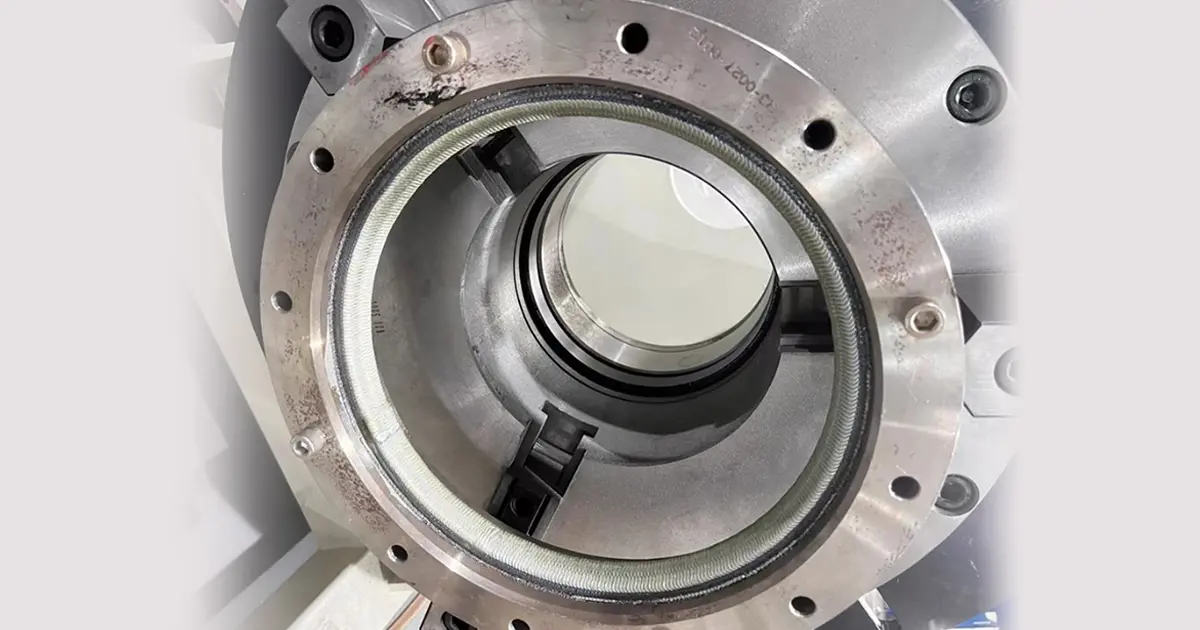 Industrial Valve Manufacturer Application
In industries such as mining, cement, power generation, steelmaking, chemical processing, and biomass energy, screw conveyors are often regarded as auxiliary equipment. However, maintenance data shows that they are among the most frequent causes of unplanned production shutdowns. Applying hardfacing coatings substantially reduced our maintenance intervals.
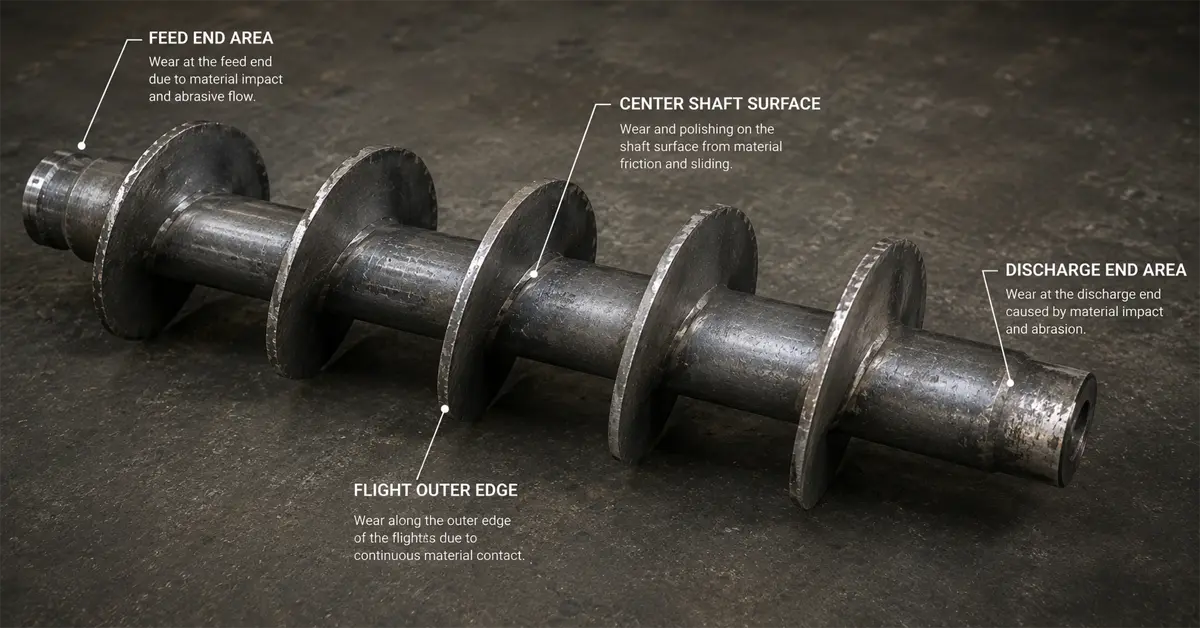 Bulk Materials Logistics Supervisor
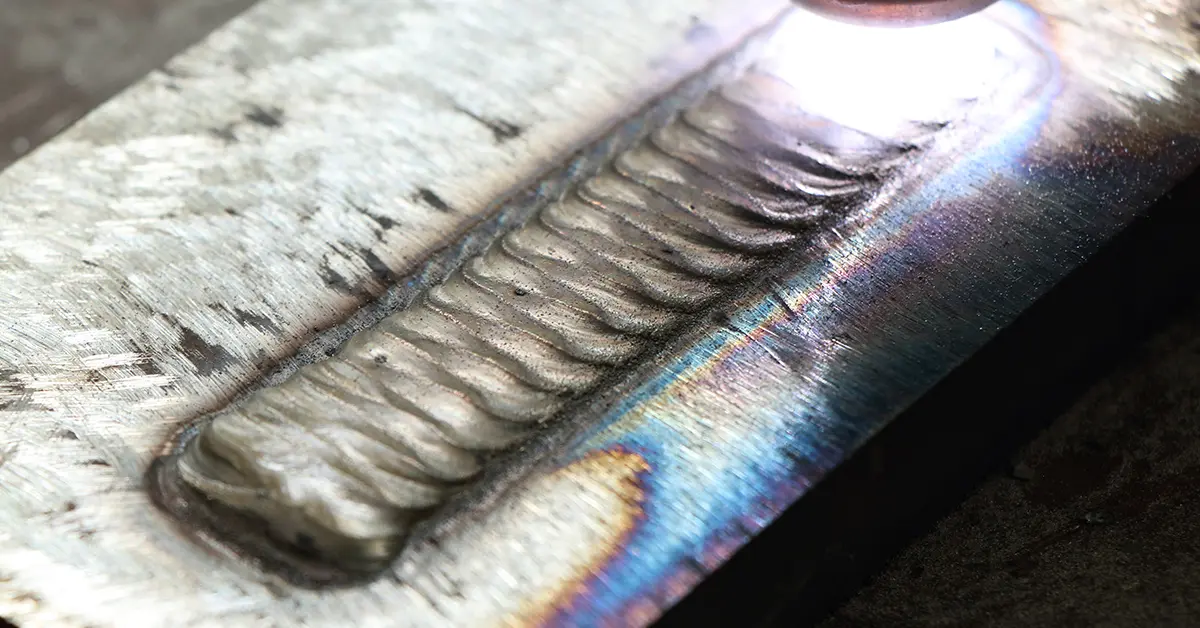
In Plasma Transferred Arc (PTA) hardfacing, achieving a high-quality overlay is not only about selecting the right alloy powder or optimizing welding parameters. One of the most critical factors that directly affects overlay performance is the dilution rate. Shanghai Duomu machines maintain dilution below 1%, preserving critical cladding properties.
 Metallurgical Engineering Lead
Technical answers regarding process selection, delivery, and system configurations for Uruguay's processing industries.
Pulp wash rolls require protection from both abrasive organic pulp and chemical corrosion. We generally recommend nickel-based or cobalt-based alloys (like Stellite 6) to provide corrosion resistance and maintain wear properties under chemical exposure.
Shipping lead times vary by configuration. Standard systems can be shipped within 30-45 days, while customized robotic integrations or larger gantry structures may require 60-90 days. Shipping transits to Montevideo typically range between 35 and 50 days.
Yes, by adjusting the laser beam spot size, power density, and feed parameters, the same laser source can be configured for cladding (adding material) and hardening (heat-treating the substrate surface without adding material).
Dilution rate is managed by balancing arc current, powder feed rate, and travel speed. Our automated systems maintain constant power output and positioning control, keeping dilution below 1-5% depending on the process speed.
We provide comprehensive digital training, operation manuals, and remote video consultation. If onsite commissioning is requested, we can arrange for engineering support visits to your facility to coordinate training and setup.
Our power systems are configured before shipping to match the industrial voltage specifications of the destination country, ensuring direct integration with your facility's power supply.










Connect with our engineering team to request a customized quote, schedule a process analysis, or review equipment options for your Uruguay facility.
Send Inquiry Now Duomu
Duomu