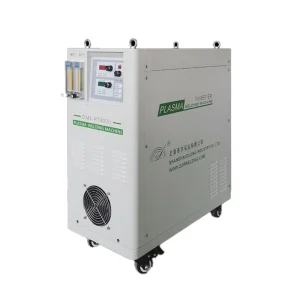
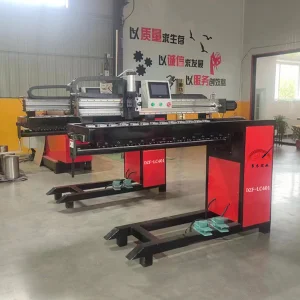
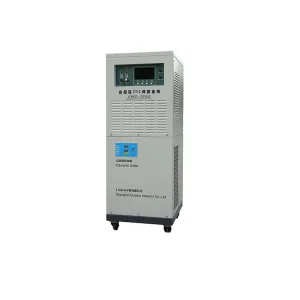
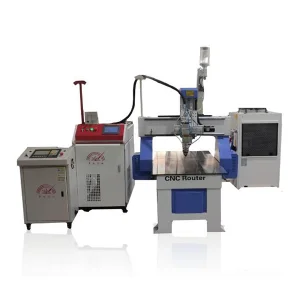
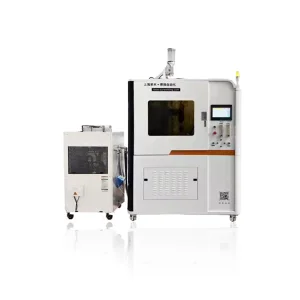
Engineered for high wear resistance, salt-corrosion protection, and structural repair in Genoa's busy shipyards and heavy marine engineering applications.
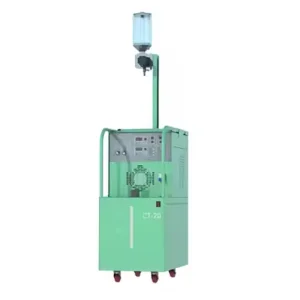
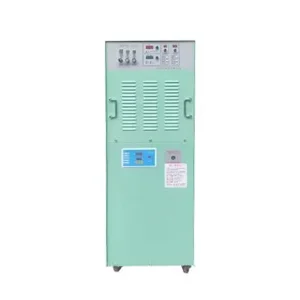
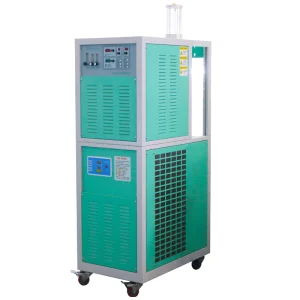
Genoa (Genova) remains the premier maritime hub of Italy and one of the largest logistics ports in the Mediterranean Sea. The local industrial complex revolves heavily around maritime shipping, ship repairs, drydock maintenance, steelworks, and heavy power engineering. Components operating in Genoa's coastal and industrial zones face high risks of abrasive wear, mechanical fatigue, and aggressive marine atmosphere corrosion (high sodium chloride exposure).
Traditional surface repair methods, such as manual arc welding (SMAW) or thermal spraying (HVOF), are increasingly failing to meet the tight tolerances and metallurgical requirements of modern heavy machinery. In contrast, Laser Cladding and Plasma Transferred Arc (PTA) cladding represent the gold standard of modern remanufacturing. They offer metallurgical bonding, low heat input, minimal distortion, and extreme customization of wear-resistant surface profiles.
Integrating Shanghai Duomu’s advanced laser and plasma cladding systems reduces overall fleet and port machinery downtime by up to 65%, extending the service life of critical metal components by 2x to 5x.
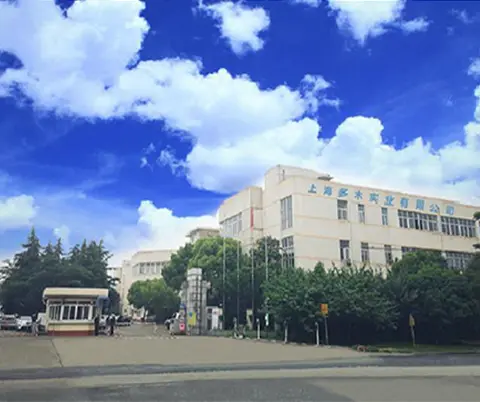
Understanding the exact science behind laser cladding and plasma transferred arc technologies for critical industrial parts.
Unlike thermal spray coatings which depend strictly on mechanical adhesion, laser cladding forms a true metallurgical bond with the substrate. This ensures zero delamination even under extreme mechanical impact and high cyclic loads typical of marine diesel crankshafts, container crane wire sheaths, and hydraulic piston shafts used in Genoa port infrastructure.
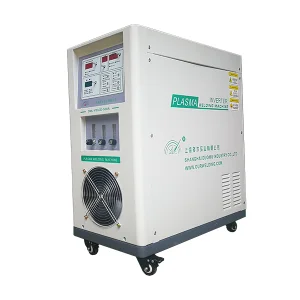
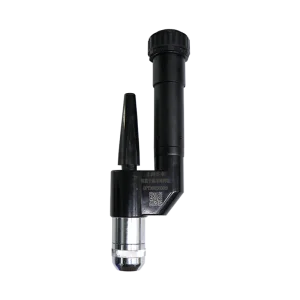
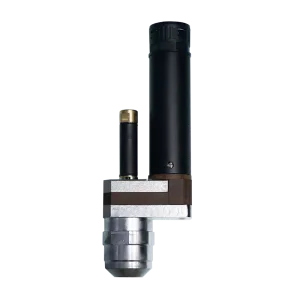
Traditional cladding processes transfer immense heat into components, leading to micro-cracking and component distortion. Our high-density fiber laser cladding machines and precise numerical control micro-plasma systems limit heat input. This keeps the HAZ negligible and prevents distortion, eliminating the need for expensive post-weld stress relief treatment in complex mechanical components.
Dilution rate determines the purity and performance of the clad layer. Our advanced powder feeders and stable plasma arcs limit dilution to under 2-3% on the first layer, compared to over 15% with traditional arc welding. This means you achieve complete wear and corrosion properties using less expensive alloy materials and fewer cladding layers.
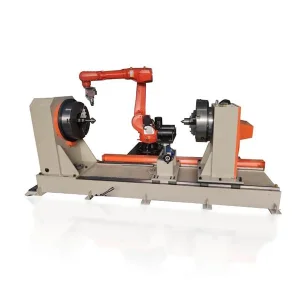
Specialized automation equipment optimized for localized valve hardfacing, micro-weld rebuilding, and complex robotic trajectory cladding.
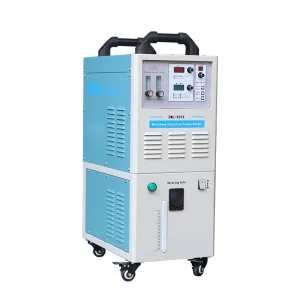
Discover how Shanghai Duomu surface technologies are applied directly to address typical field failures in Liguria's industrial sectors.

Italian agricultural operations demand durable components. Cladding harvester cutter-bar blades, soil shredding teeth, and excavator buckets with tungsten carbide particles suspended in a nickel matrix dramatically increases abrasion resistance and lowers mechanical failure rates during peak harvest cycles.

Liguria hosts advanced technological centers in aerospace. Our ultra-precise laser cladding systems deposit specialized superalloys onto high-pressure turbine blade edges and aerospace components, ensuring adherence to tight tolerances and strict aerospace safety standards.
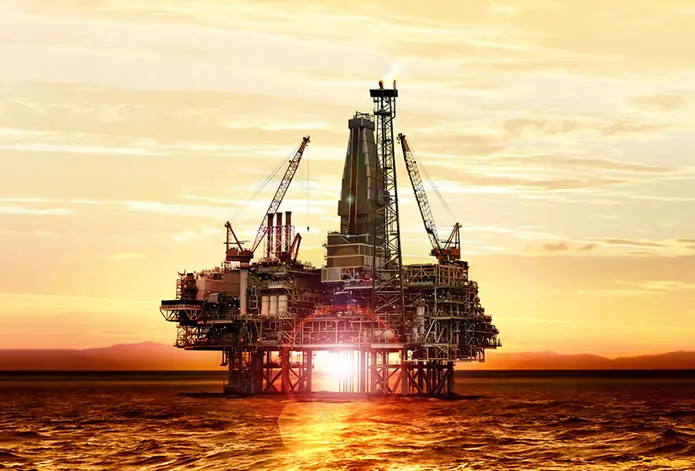
Pumps and valves in marine engines and coastal chemical tankers face combined erosion and chemical attacks. Laser hardfacing and PTA cladding of valve seats, marine cylinders, and drill stem components using cobalt-based alloys (Stellite) yield excellent high-temperature corrosion and oxidation resistance.
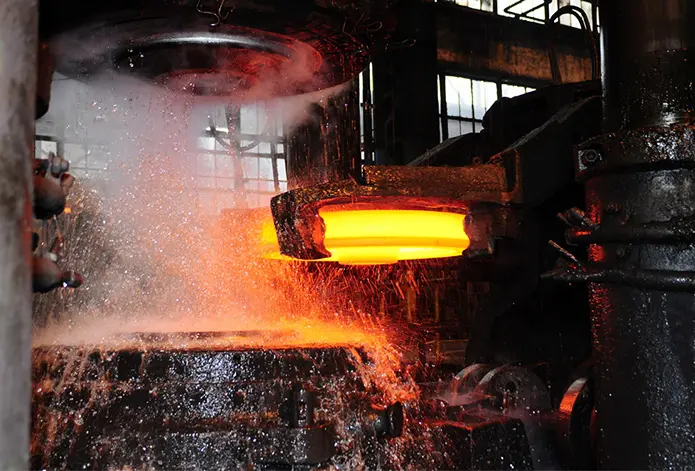
Steel processing rollers and casting molds in Italian metallurgical facilities undergo massive thermal fatigue and surface wear. Cladding alloy steel rolls with high-chromium and carbon alloys extends roll life, improving surface finish consistency on finished steel sheets.
Shanghai Duomu has been a leading manufacturer and exporter of PTA cladding machines and Laser cladding machines for more than ten years, backed by a strong technical background. Our products have penetrated many global industries, including aerospace, defense, nuclear power, petrochemicals, metallurgy, forging, water conservancy, and electric power.
We operate from our advanced facility, supplying customized cladding equipment and automated systems that meet the rigorous standards of modern Western engineering networks, specifically targeting key industrial hubs like Genoa.
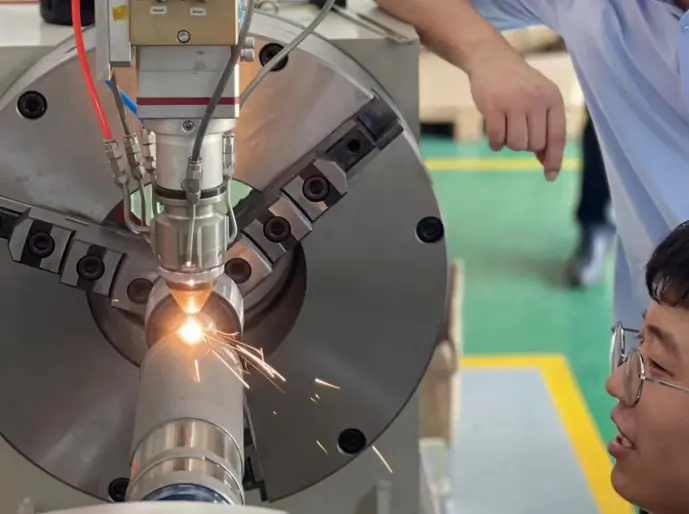
We maintain an independent in-house R&D team that develops, produces, and sells high-performance plasma cladding machine equipment and industrial laser systems. Our machines deliver stable output, supporting continuous, long-term operation on heavy industrial shop floors.
Furthermore, our laser cladding equipment supports large-scale industrial remanufacturing projects. With mature process workflows, we provide complete, integrated sets of industrial surface engineering solutions tailored to your operational needs.
We supply customized equipment, automated laser cladding systems, automated plasma cladding equipment, and intelligent robot cladding setups based on specific client requirements. This includes specialized machinery for hydraulic rod cladding, mining pick cladding, and valve seat cladding.
Our technical sales engineers coordinate directly with your mechanical maintenance and engineering departments to determine the correct alloy chemistry, cladding power parameters, and toolpath trajectories for your parts.
See how our wear protection and cladding solutions solve challenges for our industrial partners globally.
"The PTA Welding Valve Application Guide is not just a process choice for valve manufacturers facing high wear, high corrosion, and high-temperature erosion working conditions, but also a key path to improving product competitiveness."
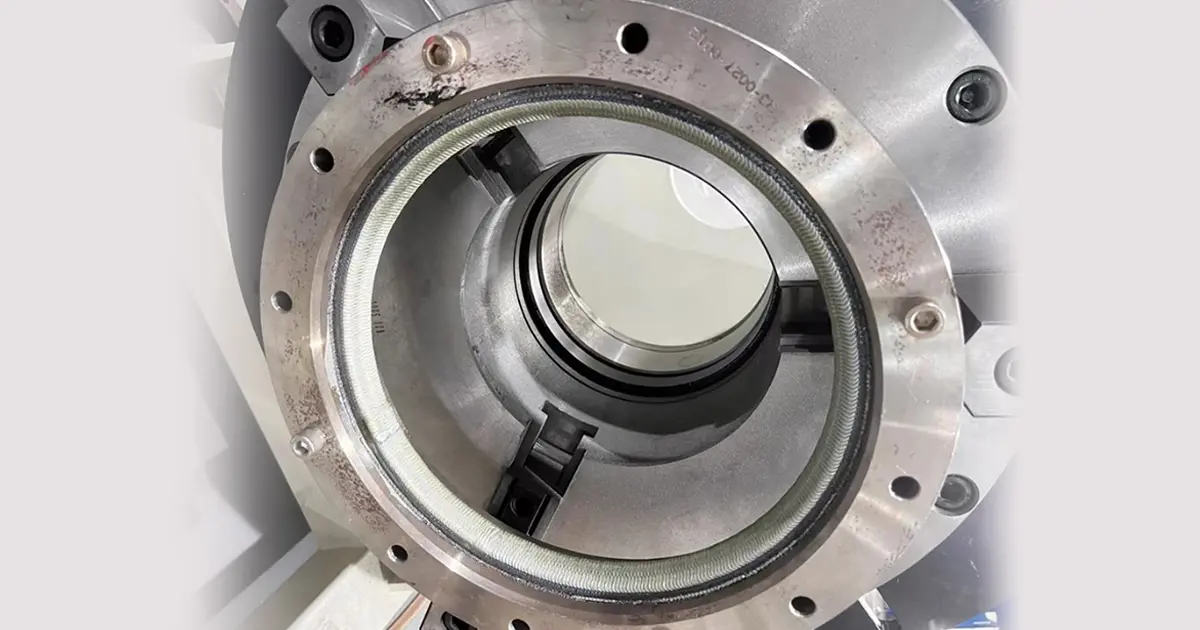
"In industries such as mining, cement, steelmaking, and biomass energy, screw conveyors are frequent causes of unplanned downtime. Utilizing Shanghai Duomu's PTA cladding systems extended our screw flight service life threefold."
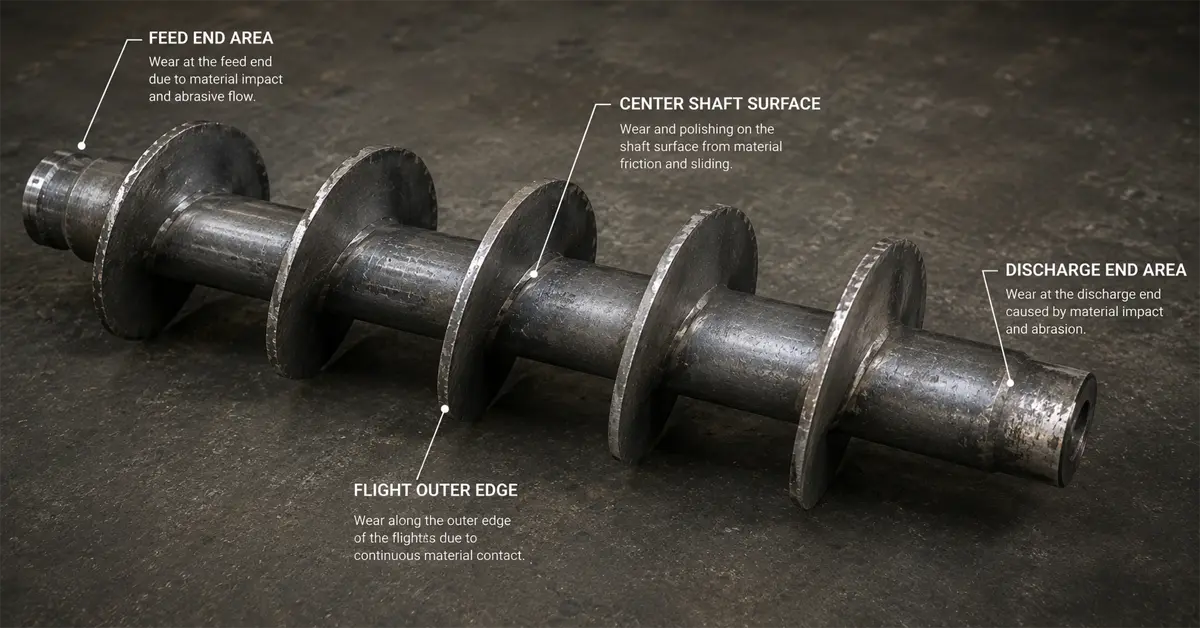
"In PTA hardfacing, minimizing the dilution rate is critical to maintaining overlay performance. Working with Duomu's engineering team helped us optimize dilution down to 1.8%, significantly reducing carbide crack sensitivity."
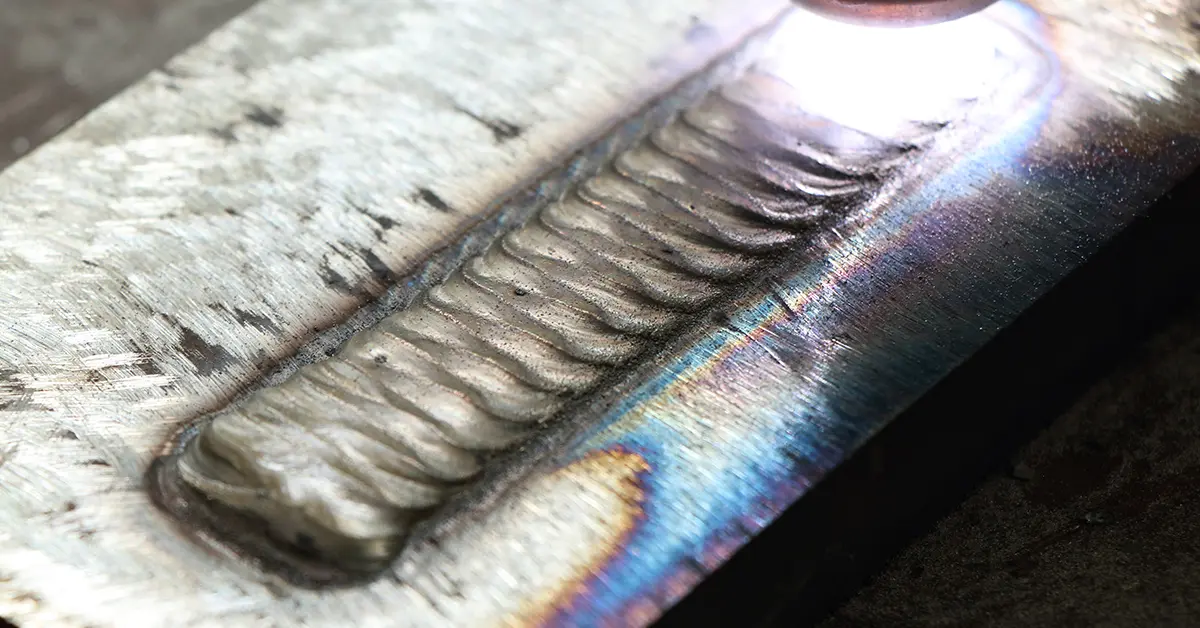
Why maritime and heavy engineering companies in Genoa source cladding machinery from Shanghai Duomu.
We hold multiple patents in high-stability plasma power supplies and dynamic powder feeding systems. Our research ensures our machines handle demanding, continuous cladding runs without nozzle clogging or arc instability.
Sourcing directly from our Shanghai manufacturing facility allows you to procure CE-compliant, high-performance automated systems at a highly competitive investment cost compared to domestic European OEMs.
From designing tooling trajectories to choosing alloy powders, our engineers provide complete process consultation. We provide parts support and remote diagnostic response within 24 hours to keep your lines running.
Expert answers addressing the process chemistry, application limits, and operational specifications of Laser Cladding and PTA technologies.
Laser Cladding uses a focused laser beam as the heat source, creating a narrow heat-affected zone (HAZ), rapid cooling rates, and low dilution (often under 2%). It is ideal for high-precision components like turbine blades, hydraulic rods, and shafts. PTA utilizes a constricted plasma arc. While it generates higher heat input, it supports high deposition rates and is highly cost-effective for thick hardfacing coatings on large valves, agricultural tools, and mining equipment.
Yes. Hard chromium plating is thin, subject to micro-cracking, and faces environmental restrictions in the EU due to hexavalent chromium hazards. Laser cladding produces a denser, metallurgical bond with no porosity. It is highly resistant to saltwater corrosion, making it a reliable, eco-friendly replacement for marine cylinder liners and propeller shaft surfaces.
Cobalt-based alloys, such as Stellite 6, are highly recommended for marine valve seats due to their resistance to cavitation, high-temperature oxidation, and sliding wear. For general corrosion protection, nickel-chromium-based alloys or duplex stainless steels are commonly used.
We work closely with our Italian partners by reviewing engineering drawings and defining motion paths. We configure robotic gantry strokes and laser output profiles to match European electrical, safety, and mechanical integration standards.
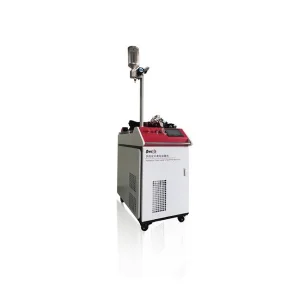
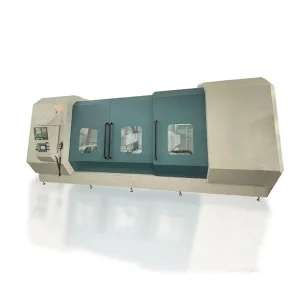
Browse our range of automated gantry structures, TIG welding platforms, and specialized hydraulic rod cladding systems.







Contact our technical sales team for pricing lists, system customization configurations, or material performance reports. Get a response within 24 hours.
Send Inquiry Now Duomu
Duomu