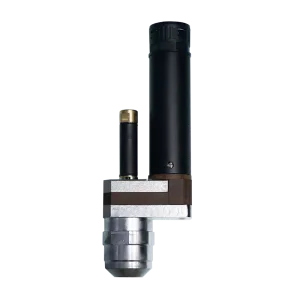
Engineered for high dilution control, extreme metallurgical bond strength, and long-term operating durability across Paraguay’s industrial base.
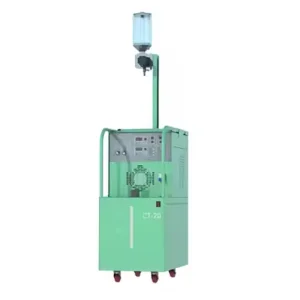
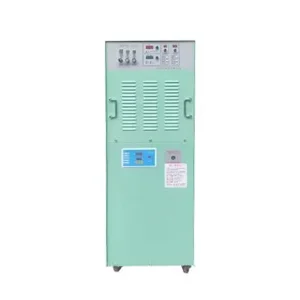
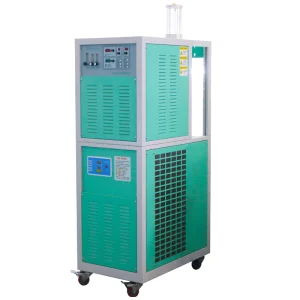
Paraguay represents a unique, high-growth industrial corridor within South America's Mercosur trade block. The country boasts vast clean-energy projects (most notably the Itaipu and Yacyretá Hydroelectric Dams) and runs massive agro-industrial complexes (soybean, sugarcane, maize cultivation, and processing). Additionally, Paraguay operates the third largest river barge fleet globally, managing critical freight transport along the Paraguay-Paraná Waterway.
These key economic drivers share a common bottleneck: extreme component wear due to severe abrasion, cavitation, and chemical corrosion. In the past, heavy equipment operators in Asunción, Ciudad del Este, and Encarnación had to import expensive replacement parts from Brazil, Argentina, or Europe, which resulted in prolonged production downtime and high customs duties.
By implementing localized, state-of-the-art Laser Cladding and Plasma Transferred Arc (PTA) welding systems, Paraguayan enterprises can achieve direct component remanufacturing. This engineering approach increases local self-reliance, reduces total carbon footprints, and dramatically extends the operational lifespan of high-value machinery parts.
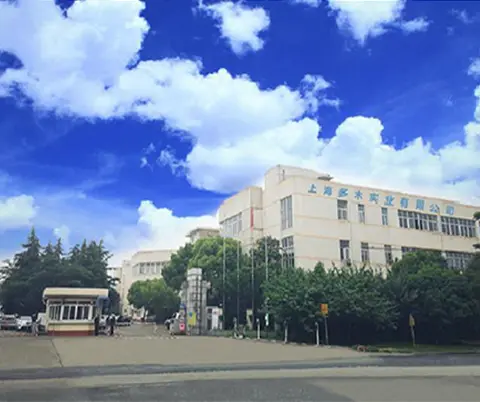
Understanding the microstructural advantages of Laser Cladding over conventional thermal spray and PTA welding techniques.
Industrial surface engineering has evolved from traditional hard chromium plating and gas metal arc welding (GMAW) hardfacing toward high-density energy beam technologies. Traditional hard chrome plating is undergoing worldwide phase-outs due to strict environmental restrictions (such as Hexavalent Chromium emissions regulations). Laser cladding has emerged as the premier green, high-performance alternative.
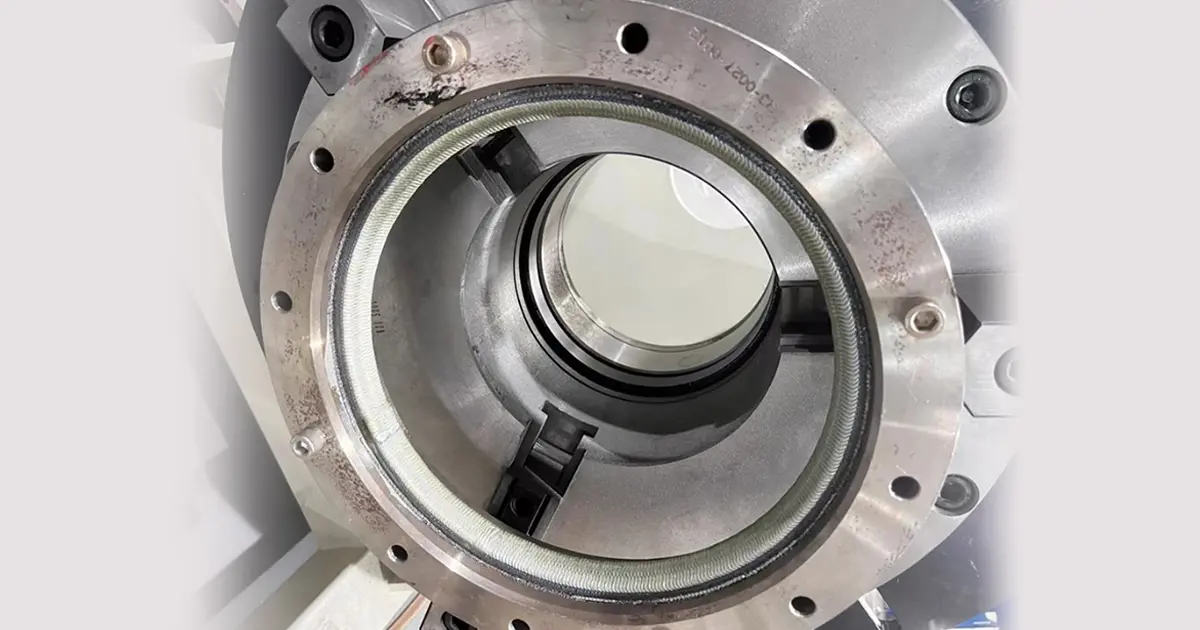
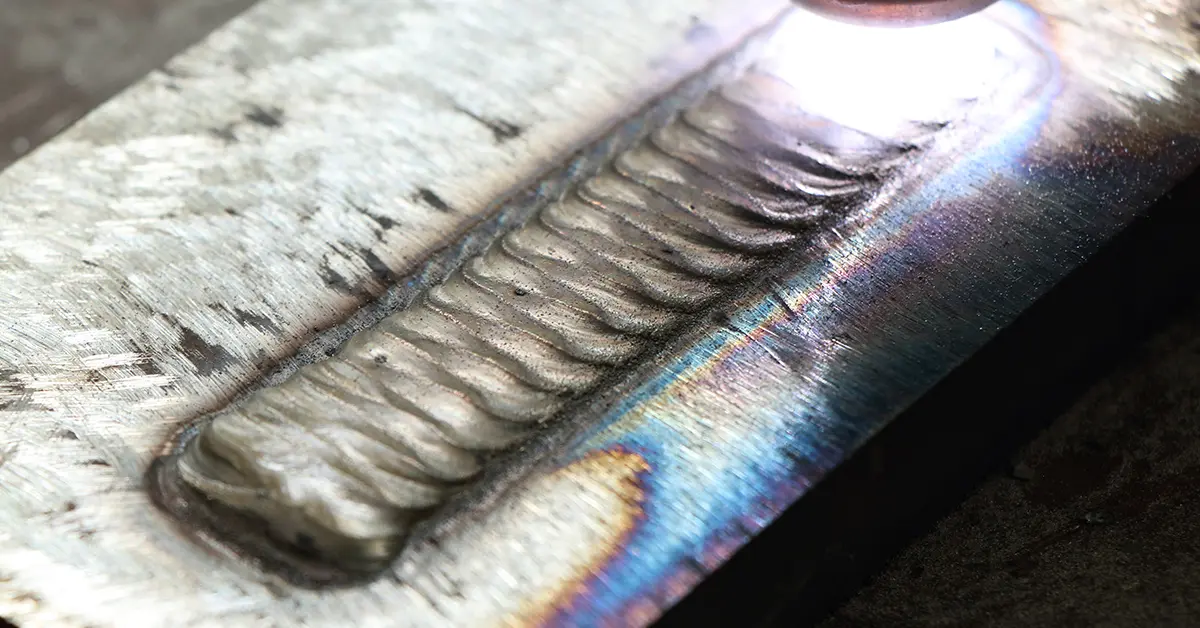
During laser cladding, a high-power laser beam serves as the heat source, melting the surface of the substrate along with a blown or fed metallic alloy powder. Because of the highly localized energy density, the substrate experiences minimal heat input. This produces an exceptionally narrow Heat Affected Zone (HAZ), eliminating thermal distortion of critical precision components such as hydraulic cylinder rods, turbine shafts, and high-speed rotor journals.
| Process Parameter | Traditional Arc Welding | PTA (Plasma Transferred Arc) | Laser Cladding Systems |
|---|---|---|---|
| Heat Affected Zone (HAZ) | Wide (3.0 mm – 6.0 mm) | Moderate (1.0 mm – 2.0 mm) | Minimal (0.1 mm – 0.5 mm) |
| Dilution Rate | High (15% – 30%) | Moderate (5% – 10%) | Very Low (1% – 5%) |
| Metallurgical Bond Strength | Excellent (~350-400 MPa) | Excellent (>400 MPa) | Superior (>500 MPa) |
| Cladding Speed & Efficiency | Slow | Medium | Rapid (Up to 10x faster than GTAW) |
| Substrate Distortion Risk | Extreme Risk | Moderate Risk | Negligible Risk |
This localized cooling rate promotes fine grain microstructure growth within the clad layer, dramatically improving its hardness, wear resistance, and toughness. Consequently, for demanding environments such as Paraguay's hydroelectric operations and deep-soil agricultural implements, laser cladding offers superior protection against erosion, abrasion, and cavitation.
Deploying specialized laser cladding and PTA solutions across key industrial and agricultural sectors.
Extending the service life of harvester parts, tillage discs, and sugar cane crushing rollers in Paraguay's farming hubs.
Protecting large-scale turbine runners, distributor vanes, and high-pressure hydraulic rods at Itaipu and Yacyretá from cavitation erosion.
Rebuilding large diesel engine crankshafts, drive shafts, and propeller blades for barge fleets along the Paraguay River.
Hardfacing extrusion dies, hot shear blades, and casting molds to withstand repetitive thermal shock and abrasive wear.



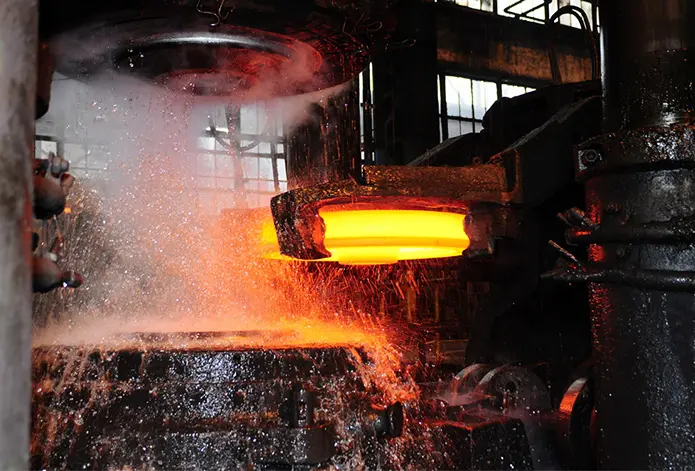
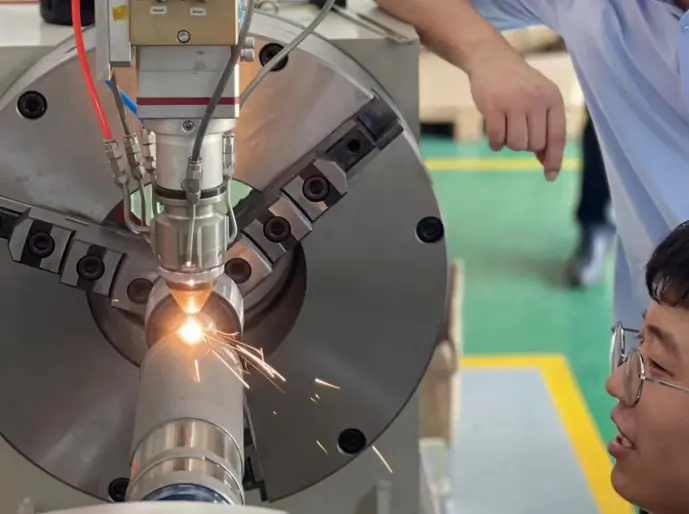
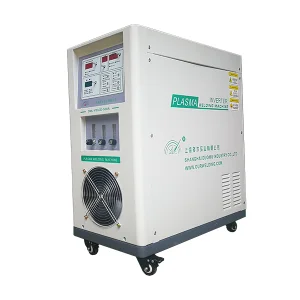
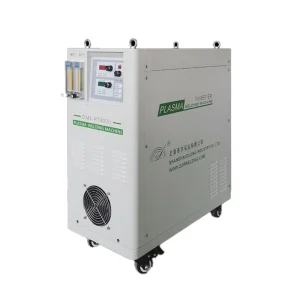
Shanghai Duomu has been a leading manufacturer and exporter of PTA cladding machines and Laser cladding machines for more than ten years, backed by a strong technical background. Our products have successfully penetrated demanding sectors including aerospace, military, nuclear power, petrochemical, coal mining, metallurgy, forging, agriculture, and water conservancy.
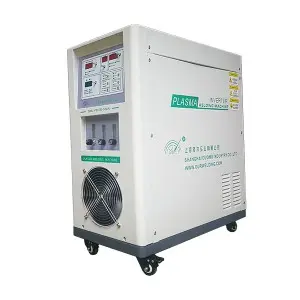
We feature an independent R&D team that develops, produces, and sells plasma cladding machine equipment. Our welding systems deliver stable performance and support efficient, continuous operation over long production runs. In addition, the laser cladding equipment we sell is optimized to support large-scale industrial remanufacturing projects. We offer mature technological processes to provide comprehensive, turnkey equipment solutions for companies in Paraguay and the broader Mercosur region.
Addressing large-scale mechanical degradation challenges with custom cladding system designs.
Hydraulic rods in large agricultural systems and hydroelectric dams face extreme corrosion. Our cladding solutions deposit corrosion-resistant alloy steels, such as 410 stainless steel or nickel-based superalloys, ensuring rust-free and wear-resistant sealing surfaces.
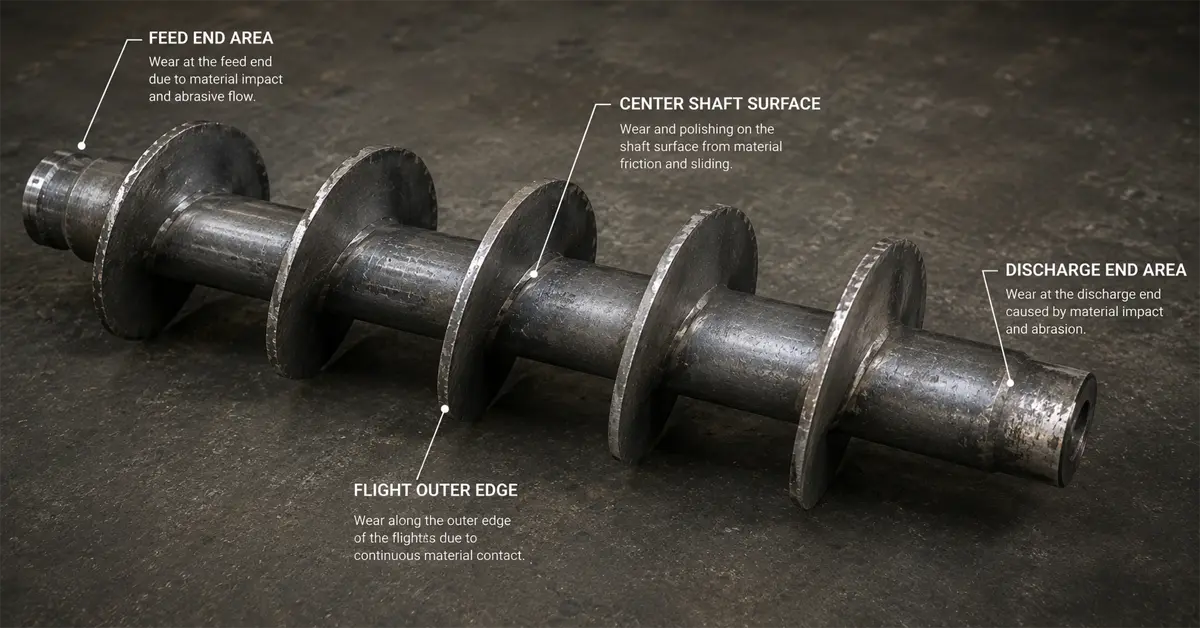
Explore Equipment →Agricultural tillage tooling and wear plates suffer severe contact wear. Utilizing our PTA and laser powder surfacing machines, we deposit custom Fe-Cr-C and tungsten carbide matrices that extend the operating life of tillage tools by 3 to 5 times.
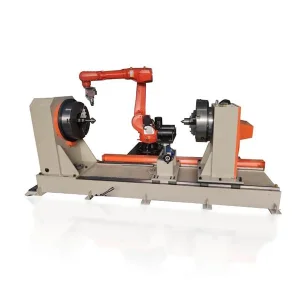
Explore Equipment →Ball valves and fluid handling equipment experience high-velocity erosion and cavitation. Our robotic cladding configurations deposit cobalt-based Stellite alloys directly onto sealing faces, maintaining structural seal integrity under high pressures.
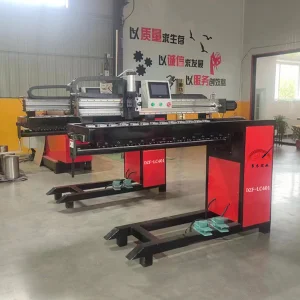
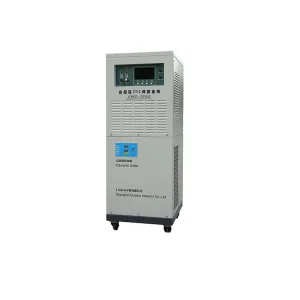
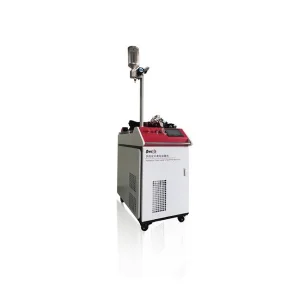
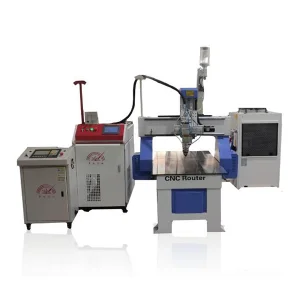
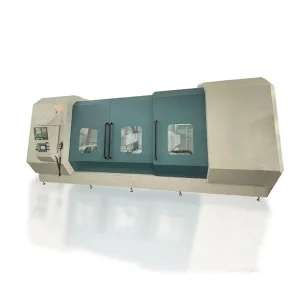
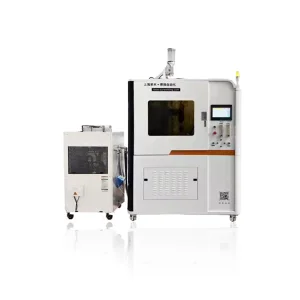
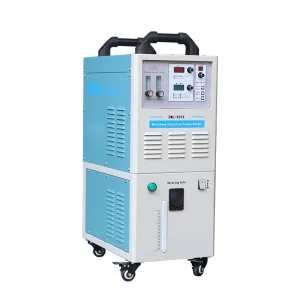
Explore Equipment →Explore our comprehensive lineup of advanced PTA welding systems, gantry-style laser cladders, and robotic hardening machinery.
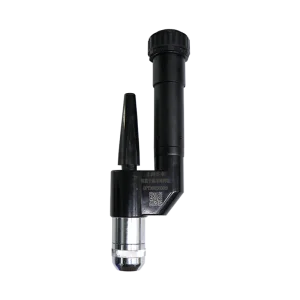
Complementary components and intelligent robotic solutions for fully automated production setups.
Key metallurgical advancements shaping the future of industrial surface engineering.
Traditional laser cladding deposits coatings at speeds of 0.5 to 2.0 meters per minute. Emerging Extreme High-Speed Laser Cladding (EHLA) technology processes components at speeds up to 200 meters per minute. Because the laser melts the powder particles while they are still in flight above the substrate, only a minimal volume of liquid metal contacts the base material. This reduces the heat input and allows thin, protective coatings (25 to 250 micrometers) to be deposited at high production speeds.
Modern cladding installations integrate real-time optical monitoring systems. These sensors analyze melt pool temperature, width, and dilution rates during processing, automatically adjusting laser power, feed rates, and travel speeds. This ensures uniform cladding quality and prevents porosity, cracking, or dilution deviations.
The development of custom nickel, iron, and cobalt matrices reinforced with nano-scale tungsten carbide (WC) or titanium carbide (TiC) particles continues to advance. These nanocomposites exhibit superior wear resistance and toughness, making them ideal for the extreme operational demands found in modern agricultural and mining equipment.
Hear from metallurgy engineers and manufacturing plants utilizing our advanced cladding and surfacing technologies.
Expert insights on importing, operating, and selecting cladding and surfacing equipment in the South American market.




Contact our technical sales team to request price quotations, customized machine designs, or processing parameter evaluations tailored to your wear issues.
 Duomu
Duomu