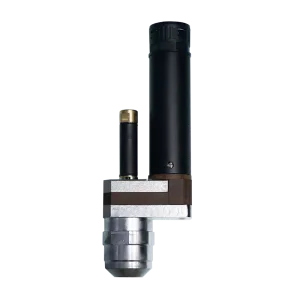
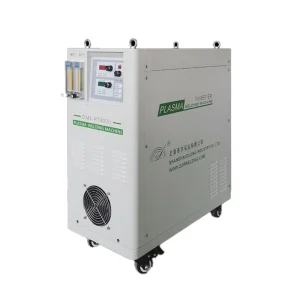
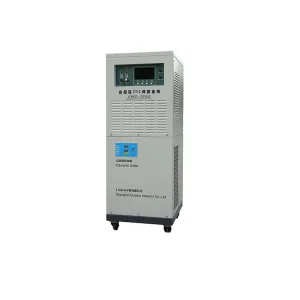
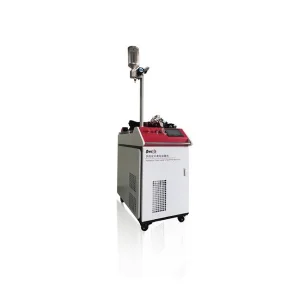
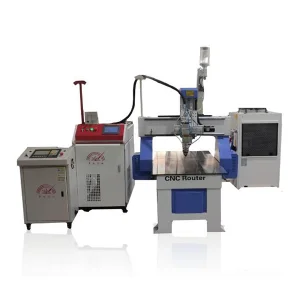
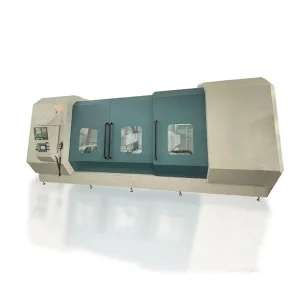
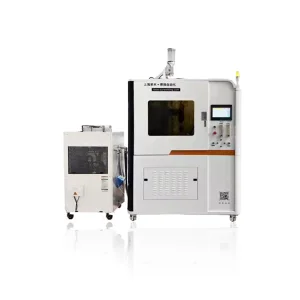
Engineered for extreme Scandinavian heavy industrial environments, delivering superior metallurgical bonding and wear resistance.
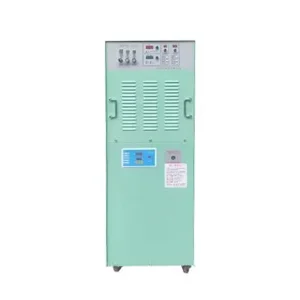
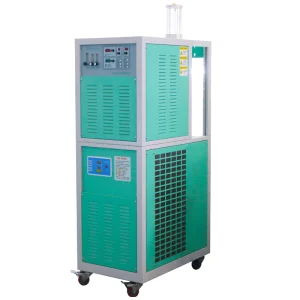
Sweden is globally recognized for pioneering green steel initiatives, automated underground mining in Kiruna, and advanced forestry machinery. As manufacturing facilities across Gothenburg, Stockholm, and Västerås scale up operations under strict carbon neutrality guidelines, components face unprecedented wear, thermal shock, and mechanical stresses.
Traditional replacement cycles for high-value components—such as crushing rollers, hydraulic pistons, continuous casting rolls, and high-pressure steam valves—incur excessive carbon costs and operational downtime. Shanghai Duomu offers customized PTA and high-velocity laser cladding machinery engineered specifically to support remanufacturing initiatives. By depositing wear-resistant nickel, cobalt, or tungsten carbide alloys directly onto substrate metals, our systems extend industrial component service life by up to 300% while reducing raw material waste by 80%.
Minimal dilution and precise powder control, achieving ideal metallurgical bonding with zero porosity.
Rapid automated repair processes allow for local, quick-turnaround repairs, reducing lead time in Sweden.
Equipment and parameters calibrated to comply with European welding qualifications and safety guidelines.
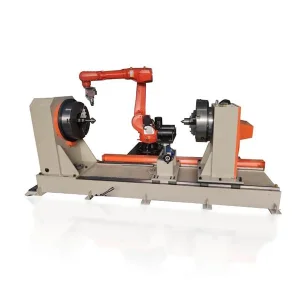
Seamlessly integrates with multi-axis CNC gantries and robotic systems for complex geometric profiling.
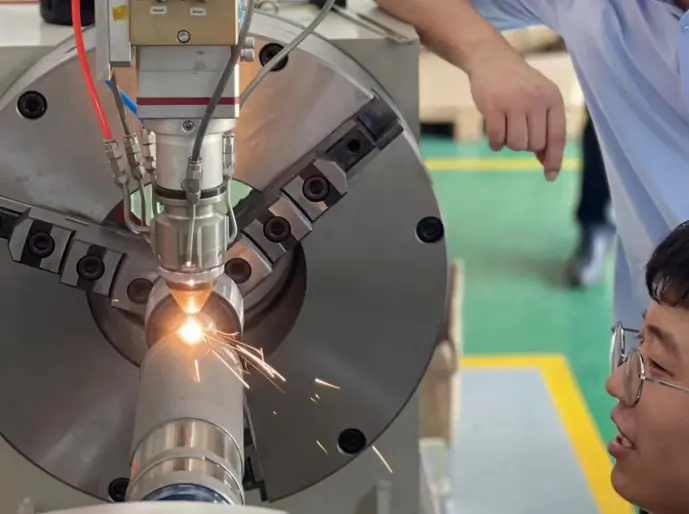
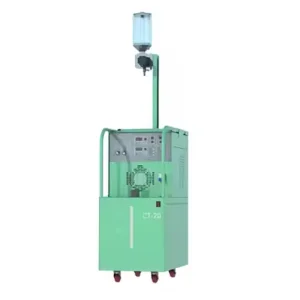
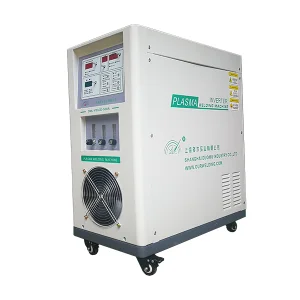
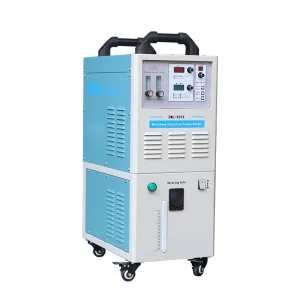
Shanghai Duomu has been a leading manufacturer and exporter of PTA cladding machine and Laser cladding machine for more than ten years with a strong technical background. We host an independent, specialized R&D team that develops, produces, and sells plasma cladding machine equipment globally.
Our cladding systems feature high electrical efficiency, consistent arc control, and robust mechanical structures capable of long-term continuous operation under industrial loads. The laser cladding equipment developed by Duomu effectively supports large-scale remanufacturing projects. We deliver proven, turn-key industrial solutions to optimize factory productivity and cladding accuracy.
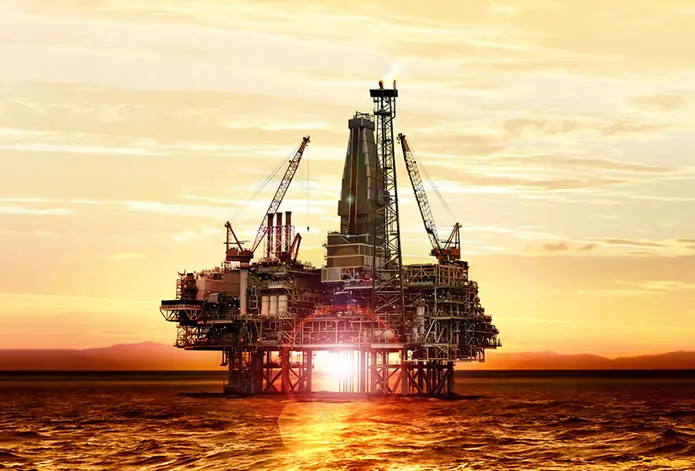
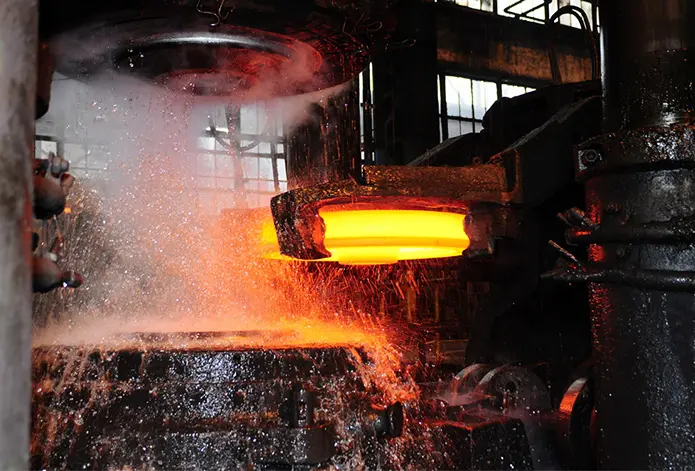
Our solutions have penetrated critical global industries, delivering significant uptime performance increases across demanding operational segments.


Selecting the right thermal deposition process involves analyzing thermal inputs, cost constraints, and surface finish criteria.
Features high deposition efficiency and low setup cost. PTA is excellent for deep overlay requirements (>3mm) on large parts like crusher jaws, industrial valves, and agricultural tillers. Dilution rates typically range between 5% and 10%.
Delivers high precision with low heat input, yielding a narrow Heat-Affected Zone (HAZ) and low dilution (<3%). Essential for precision hydraulic rods, automotive turbocharger components, and thin-walled tubes where warpage must be avoided.
Combines multi-axis motion control with real-time temperature sensing and optical path adjustments. Ensures uniform coating quality over irregular profiles, helical grooves, and interior diameters.
Highly integrated solutions designed to process various wear-resistant alloys, cobalt-based alloys (Stellite), and carbide composites.
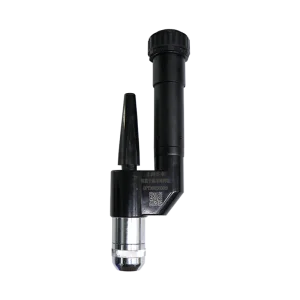
Expert insights on process selection, alloy selection, and parameter control for engineering professionals.
Q1What is the typical dilution rate achieved with Duomu Laser Cladding equipment?
Our high-velocity laser cladding systems achieve dilution rates of less than 3% (and often under 1% with optimal parameters). This ensures that the cladded surface layer maintains its designed alloy properties (e.g., hardness, corrosion resistance) without significant contamination from the base metal.
Q2Can PTA cladding and laser cladding be integrated with ABB or KUKA robots?
Yes. Our equipment supports standardized industrial communication protocols (Profibus, Modbus, Ethernet/IP) to interface with multi-axis CNC platforms and external robotic arms. This allows for automated cladding paths on complex geometries like screw conveyors, hydraulic pistons, and valve seats.
Q3Which powder formulations are recommended for high-abrasion mining tools in Sweden?
For extreme abrasion in iron ore mining (such as in Kiruna), we recommend Nickel-based tungsten carbide composite powders (NiCrBSi-WC). The tungsten carbide particles provide excellent abrasive wear protection, while the nickel alloy matrix provides the tough, corrosion-resistant base that prevents premature cracking.
Q4What localized technical support does Shanghai Duomu offer to Swedish buyers?
We provide full engineering documentation, complete remote system configuration, virtual training, and fast-response spare parts logistics. In partnership with local distributors and service partners, we help ensure your installations meet all local SS-EN electrical and mechanical safety regulations.
Discover how engineering teams use PTA hardfacing and laser cladding technologies to solve component wear challenges.
"The PTA Welding Valve Application Guide is not just a process choice for valve manufacturers facing high wear, high corrosion, and high-temperature erosion working conditions, but also a key path to improving product competitiveness. As industries such as petrochemical, ..."
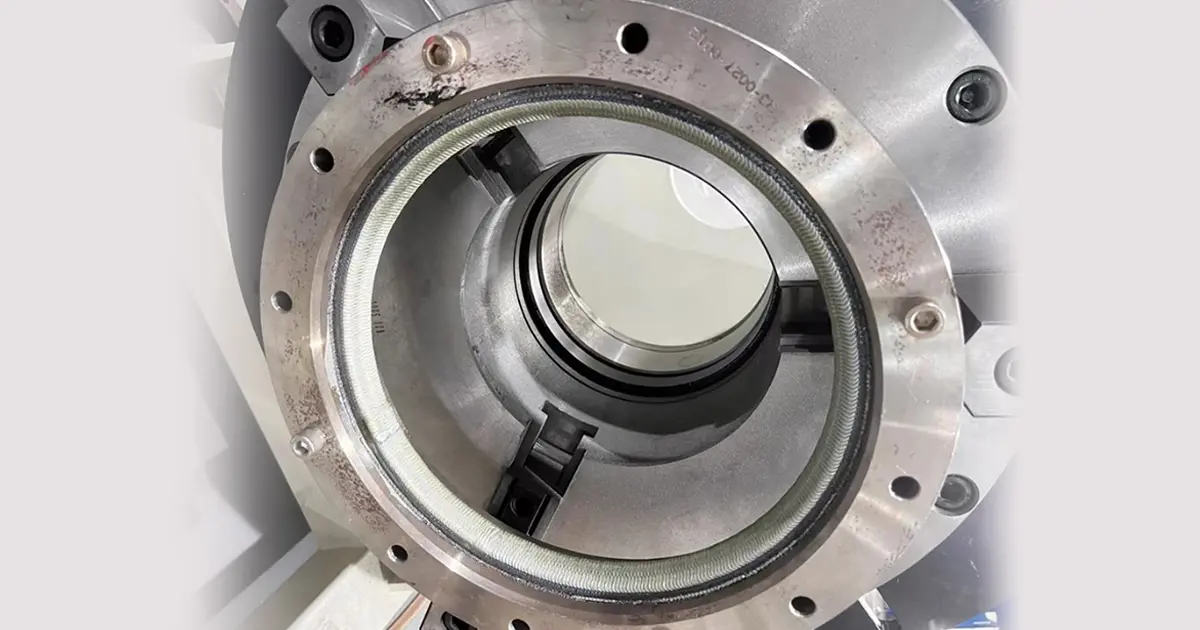
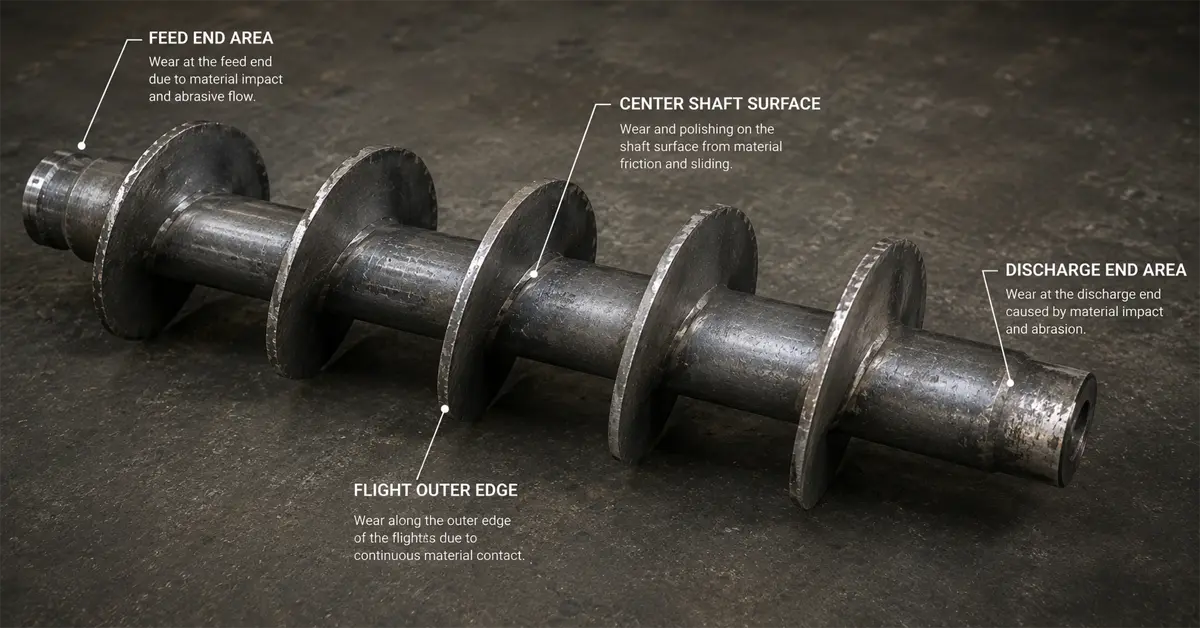
"In industries such as mining, cement, power generation, steelmaking, chemical processing, and biomass energy, screw conveyors are often regarded as auxiliary equipment. However, maintenance data shows that they are among the most frequent causes of unplanned production downtime..."
"In Plasma Transferred Arc (PTA) hardfacing, achieving a high-quality overlay is not only about selecting the right alloy powder or optimizing welding parameters. One of the most critical factors that directly affects overlay performance is the dilution rate. Whether you..."
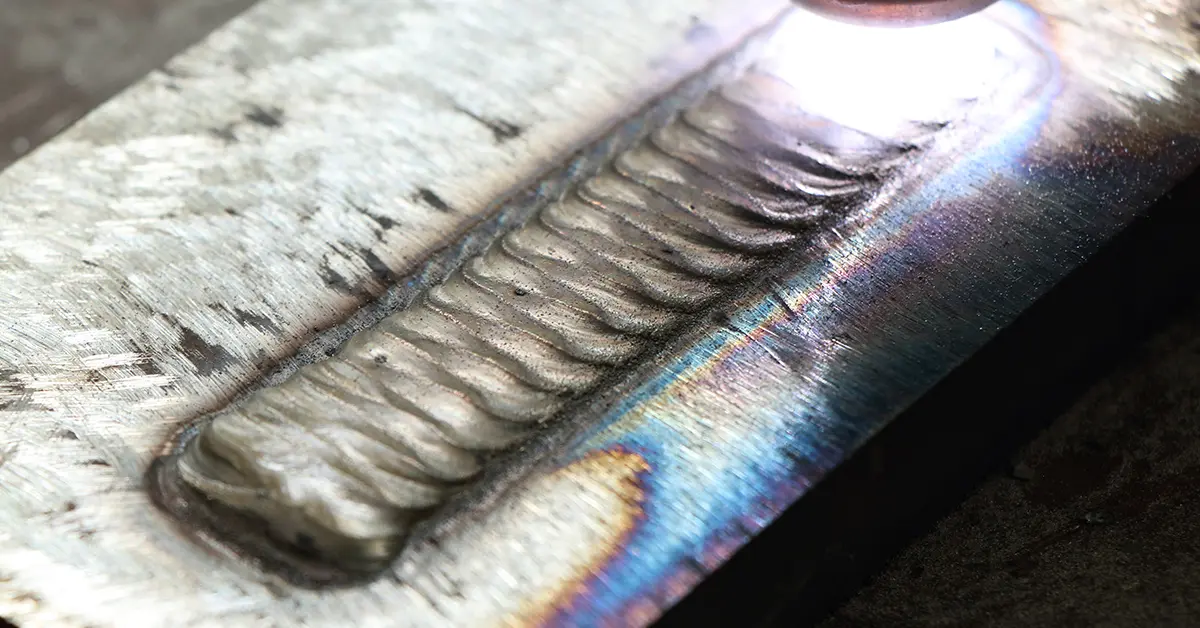
"In industries such as Oil & Gas, Mining, Power Generation, Cement, and Heavy Equipment Manufacturing, hardfacing is no longer just a repair process. It has become a critical technology directly related to equipment lifespan, downtime costs, maintenance frequency, and..."
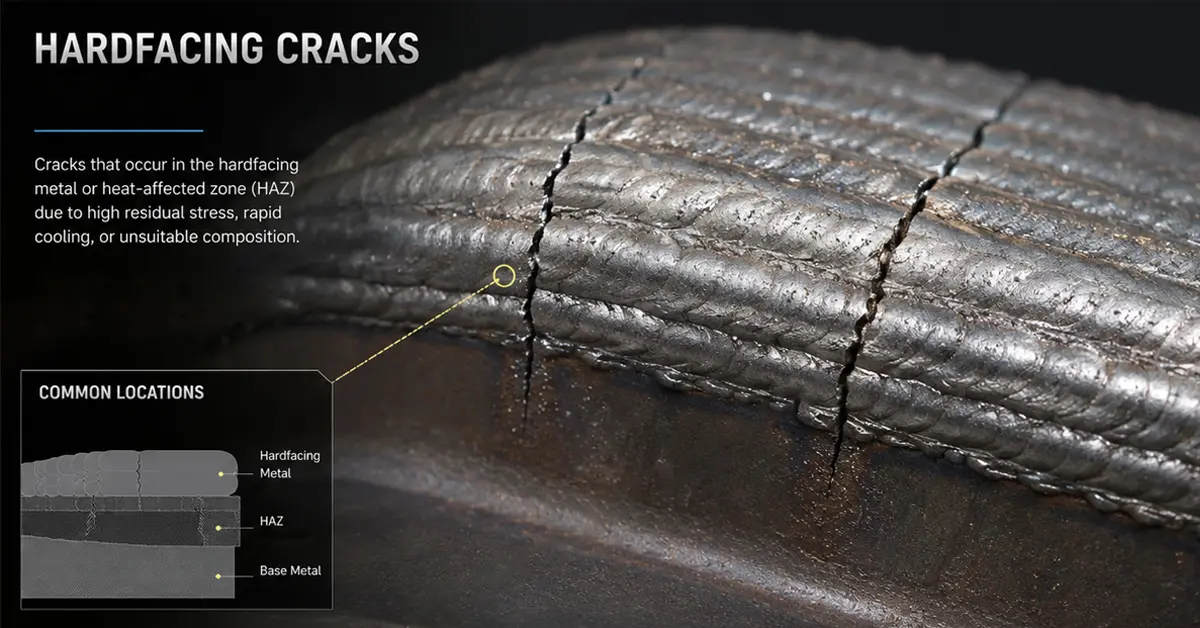
"In industries such as oil & gas, petrochemical, power generation, mining, and marine engineering, industrial valves are constantly exposed to severe operating conditions including: - High pressure - Extreme temperatures - Corrosive media - Abrasive wear - Sand erosion..."
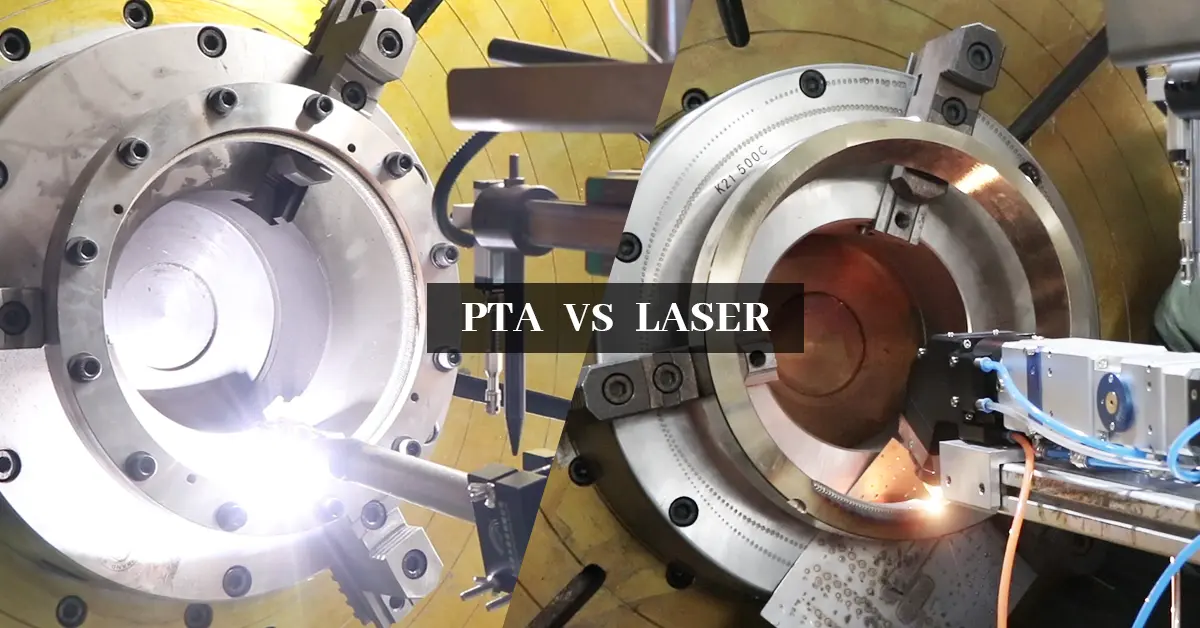
"Our PTA and laser cladding guide details the wear, high-corrosion, and high-temperature erosion mechanisms. Choosing the correct wear resistance overlay process is a key path to improving product competitiveness."







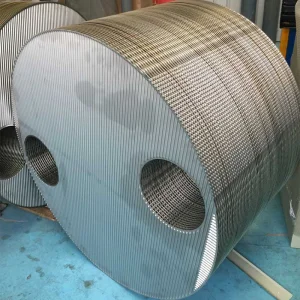
Explore our industrial-grade, high-durability thermal surfacing systems designed to handle demanding production throughput.
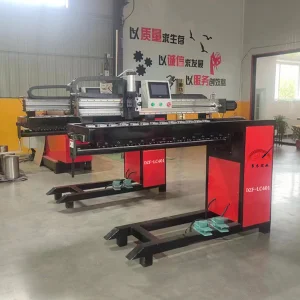
Get in touch with our R&D engineers to design customized gantry systems, select appropriate wear alloys, and request detailed pricing configurations.
Send Inquiry Now Duomu
Duomu