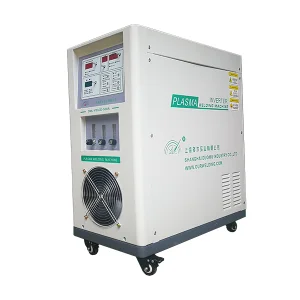
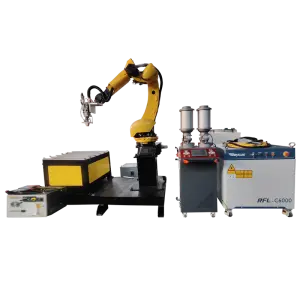
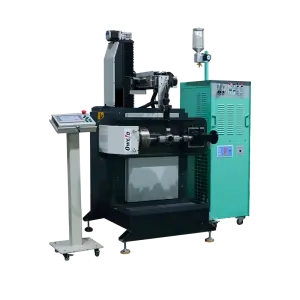
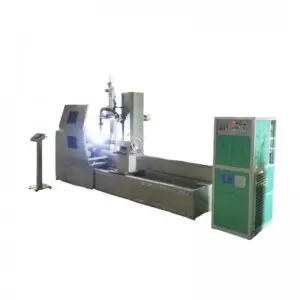
Engineered to deliver exceptional mechanical performance, low dilution rates, and extreme wear resistance for crucial industrial components in the Seattle engineering corridor.
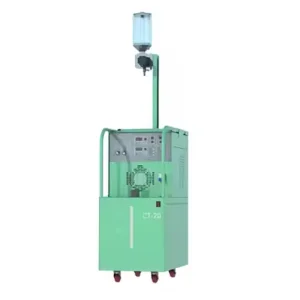
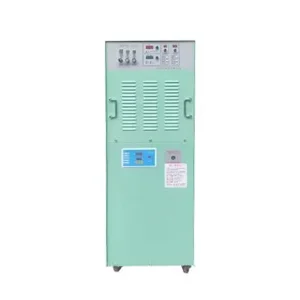
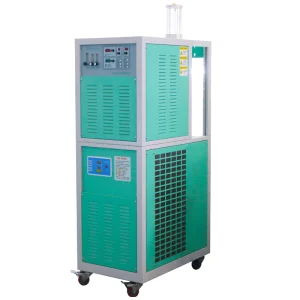
The Seattle metropolitan area and the wider Puget Sound region are hubs of global technological innovation, dominated by major aerospace production, marine transport logistics, naval defense infrastructure, and cutting-edge clean energy deployment. In these demanding operating environments, components undergo severe cyclic mechanical stresses, corrosive marine atmospheres, and extreme wear. Traditional chrome plating and conventional thermal spray coatings often fail to meet the modern safety and durability parameters required by leading OEM players.
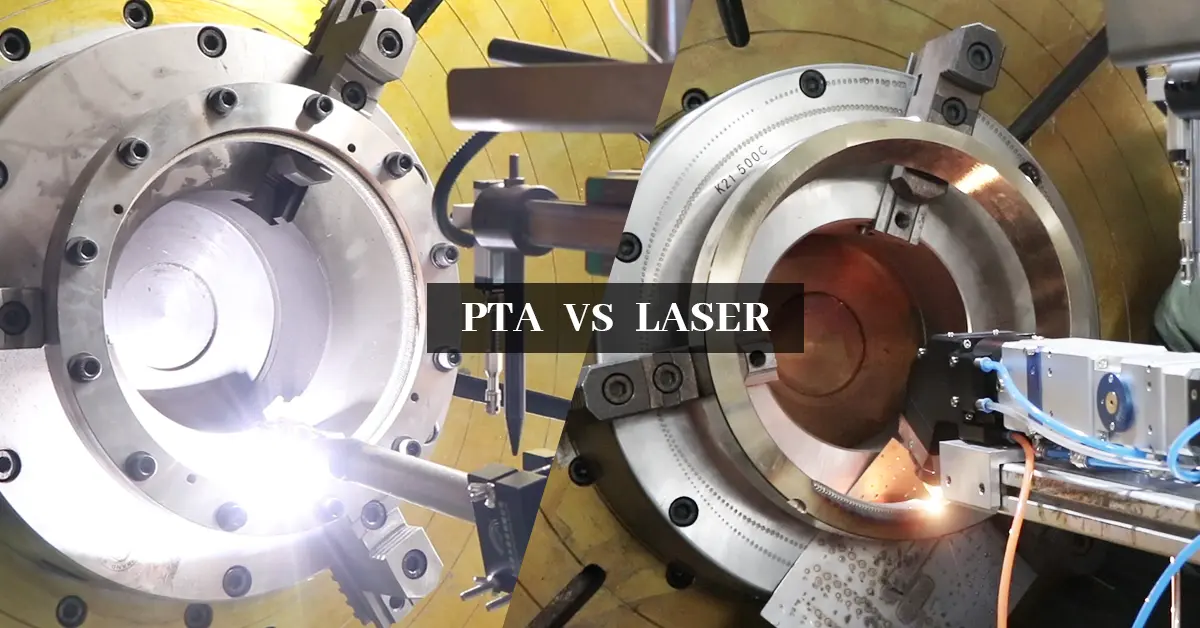
Laser Cladding (DED - Directed Energy Deposition) and Plasma Transferred Arc (PTA) welding have emerged as critical technological solutions. By generating a full metallurgical bond with the substrate, these advanced cladding processes provide negligible dilution, a narrow heat-affected zone (HAZ), and structural properties that exceed the limitations of base metals. For aerospace turbine repair, marine propulsion shafts, and heavy-duty geothermal or hydro components, local operations demand absolute surface reliability, precise coating repeatability, and compliance with rigorous QA protocols.
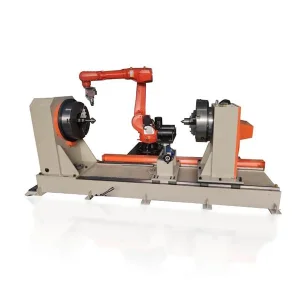
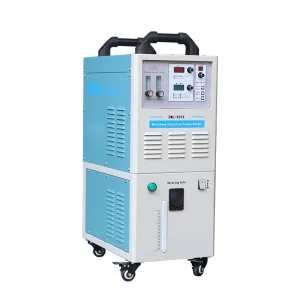
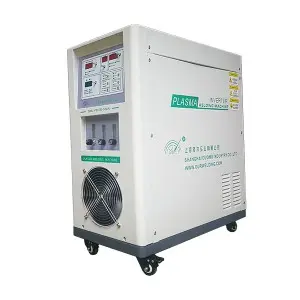
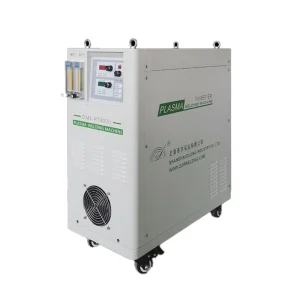
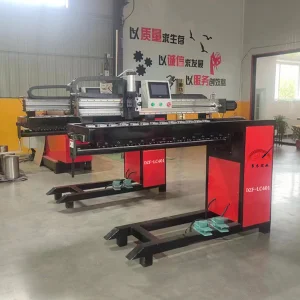
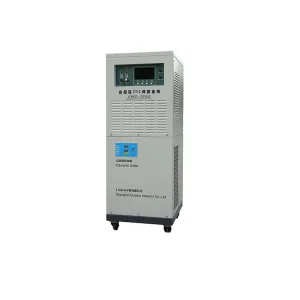
Shanghai Duomu provides state-of-the-art cladding equipment engineered to integrate into automated manufacturing facilities. We ensure that our systems align with the operational standards of the Seattle and wider US markets, facilitating compliance with FAA aerospace welding directives and military-grade surface finishing regulations.
Understanding the metallurgical variances, thermal characteristics, and deposition dynamics between technologies is vital for precision engineering applications.
| Performance Metric | Laser Cladding (DED) | Plasma Transferred Arc (PTA) |
|---|---|---|
| Energy Source | Coherent Laser Beam (Fiber / Diode) | Constricted Plasma Gas Arc |
| Dilution Rate | Extremely Low (2% – 5%) | Low to Moderate (5% – 12%) |
| Heat Affected Zone (HAZ) | Minimal (0.2mm – 1.0mm) | Moderate (1.0mm – 3.0mm) |
| Metallurgical Bond Strength | Extremely High (>400 MPa) | High Joint Integrity (Full fusion) |
| Deposition Rate | 0.5 – 3.0 kg/hr (Ultra-precision) | 2.0 – 12.0 kg/hr (High efficiency) |
| Common Applications | Aerospace blades, high-precision shafts, turbine repair | Heavy agricultural teeth, drill pipes, extruder screws |
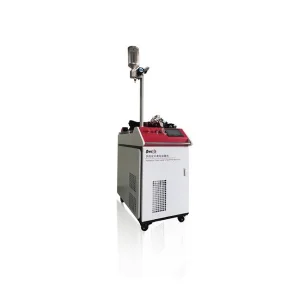
Our laser systems feature precise beam manipulation to minimize thermal distortion, avoiding structural deformation in thin-walled aerospace shells or complex geometries.
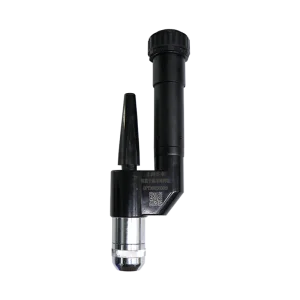
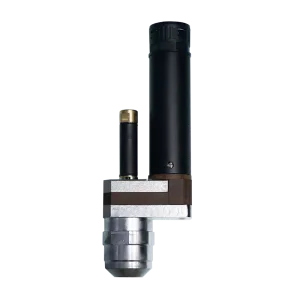
Incorporating advanced powder delivery nozzles, our setups optimize feedstock projection, reducing costs on high-value superalloys like Stellite, Inconel, and carbide composites.
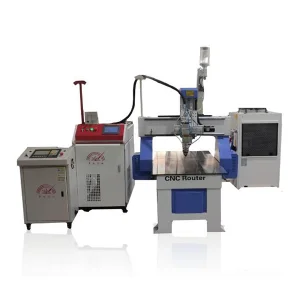
Designed for standard CNC interfaces and 6-axis robotic cells, offering reliable cladding over complex non-planar industrial surfaces.
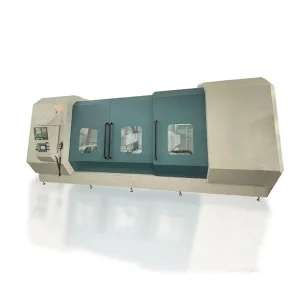
Providing surface protection and mechanical restoration across diverse high-performance industries globally and in local Seattle sectors.



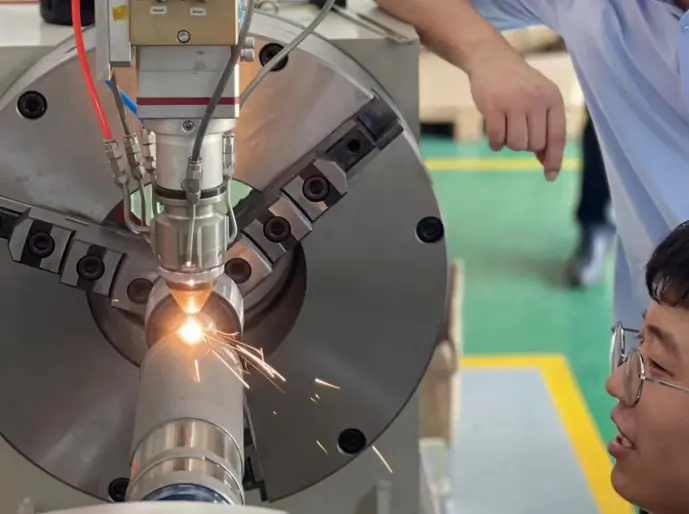
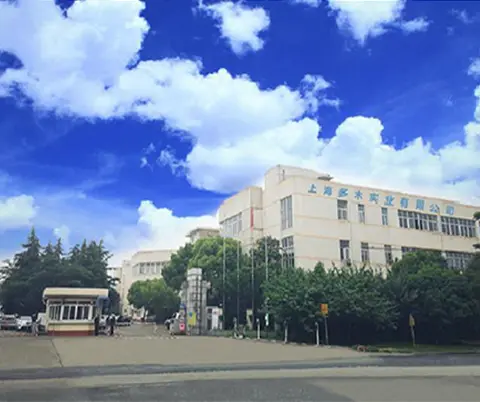
Shanghai Duomu houses an independent research and development division dedicated to push the physical boundaries of Plasma Transferred Arc (PTA) systems and automated Laser Cladding architectures. For over a decade, we have exported precision machinery designed for stability and prolonged continuous operations. Our product portfolio includes automated laser cladding machinery, hydraulic rod hardfacing platforms, valve-specific overlays, and custom metallurgical processing systems.
To support high-integrity applications in regions like Seattle, our technical team analyzes target substrates to specify matching powder formulations and processing parameters. We assist in aligning process outputs with required standard classifications, ensuring low dilution rates and thermal shock reliability.
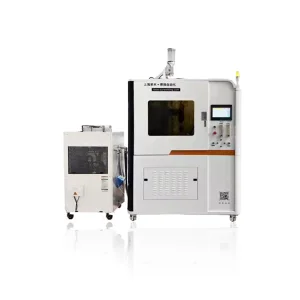
Preserving high-precision components and custom accessories engineered for demanding metallurgical surface reinforcement.
Operating a manufacturing business in the United States requires compliance with environmental and technical regulations. Choosing Shanghai Duomu cladding systems allows you to incorporate high-performance surfacing into your production line while meeting structural standards.
Our quality framework covers equipment installation, operation, and performance qualification (IQ/OQ/PQ).
Our comprehensive catalog of PTA and laser surfacing solutions, engineered for high-duty cycles and precise metallurgical bonds.
Practical metallurgical case studies analyzing industrial wear mechanisms and solutions in the field.
"The PTA Welding Valve Application Guide is not just a process choice for valve manufacturers facing high wear, high corrosion, and high-temperature erosion working conditions, but also a key path to improving product competitiveness."
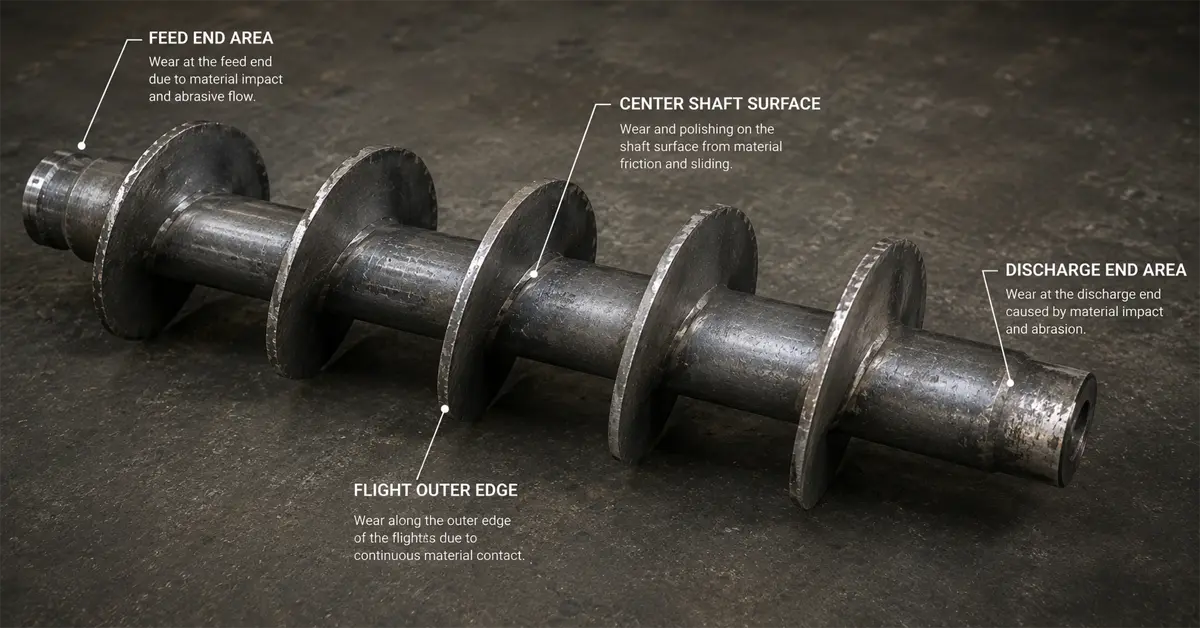
"In industries such as mining, cement, power generation, steelmaking, chemical processing, and biomass energy, screw conveyors are often regarded as auxiliary equipment. However, maintenance data shows that they are among the most frequent causes of unplanned production downtime."
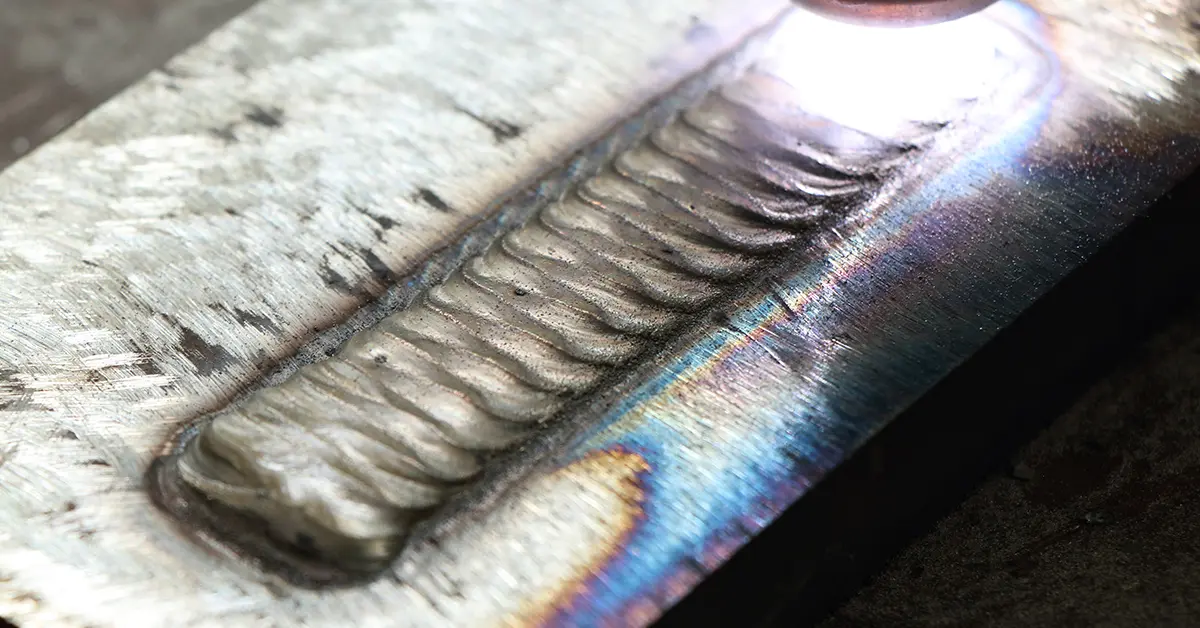
"In Plasma Transferred Arc (PTA) hardfacing, achieving a high-quality overlay is not only about selecting the right alloy powder or optimizing welding parameters. One of the most critical factors that directly affects overlay performance is the dilution rate."
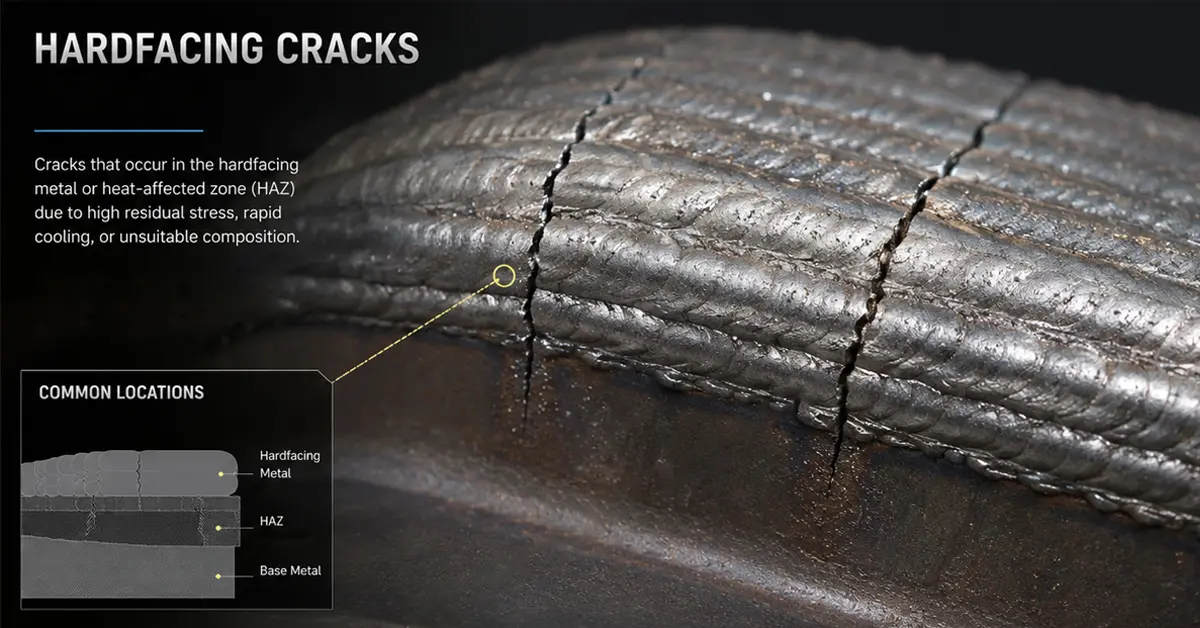
"In industries such as Oil & Gas, Mining, Power Generation, Cement, and Heavy Equipment Manufacturing, hardfacing is no longer just a repair process. It has become a critical technology directly related to equipment lifespan, downtime costs, and maintenance frequency."
"In industries such as oil & gas, petrochemical, power generation, mining, and marine engineering, industrial valves are constantly exposed to severe operating conditions including: High pressure, Extreme temperatures, Corrosive media, Abrasive wear, and Sand erosion."
Contact our technical department to evaluate your components. We provide substrate analysis and custom test clads.
Expert technical answers addressing key process decisions, material properties, and operational parameters.







 Duomu
Duomu