Explore our high-performance laser cladding machines, plasma torches, and automated surfacing solutions engineered for heavy-duty industrial restorations.
How the integration of advanced optics and laser ablation has redefined industrial rust removal, surface preparation, and coating pre-treatment.
In modern manufacturing, surface contamination—primarily oxidation, rust (rdza), scale, and chemical residues—presents a critical bottleneck for structural integrity and subsequent processes like welding or laser cladding. Traditional chemical pickling, sandblasting, and mechanical grinding pose severe environmental challenges, inconsistent surface profile control, and ongoing consumables expenses.
Czyszczenie laserowe rdzy (laser rust removal) operates on the principle of selective laser ablation. High-intensity, short-pulsed laser beams illuminate the rust layer. The rust and oxides absorb the focused energy, heating up rapidly and vaporizing or expanding dynamically to detach from the base metal. Because the metal substrate has a significantly higher damage threshold, it remains completely unaffected. This yields a pristine, uncontaminated substrate with optimized micro-roughness, perfect for structural coating or high-grade metallurgical bonding like plasma cladding.
Eliminates the cost of abrasives, chemicals, and disposal of secondary hazardous waste. Standard systems run purely on electricity.
Zero mechanical wear or chemical etching ensures structural profiles maintain dimensional tolerance. Ideal for precision aerospace parts.
Aligned with modern global green standards, generating minimal dust and zero toxic effluents. Standard air filtration captures particulate matter.
Years of R&D Experience
Large Cladding Projects
Customizable Systems
Global Technical Support
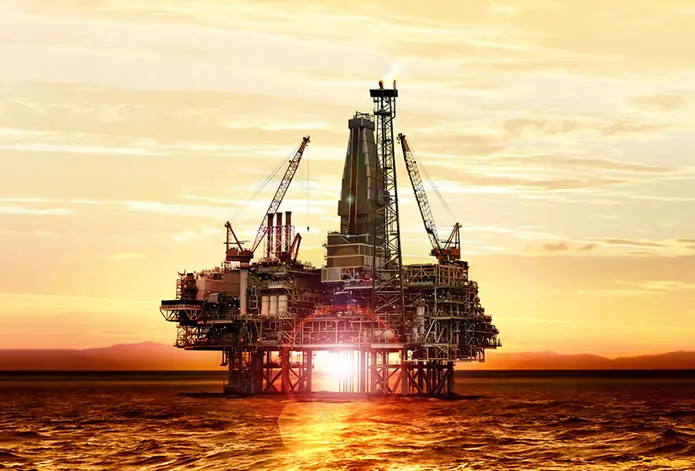
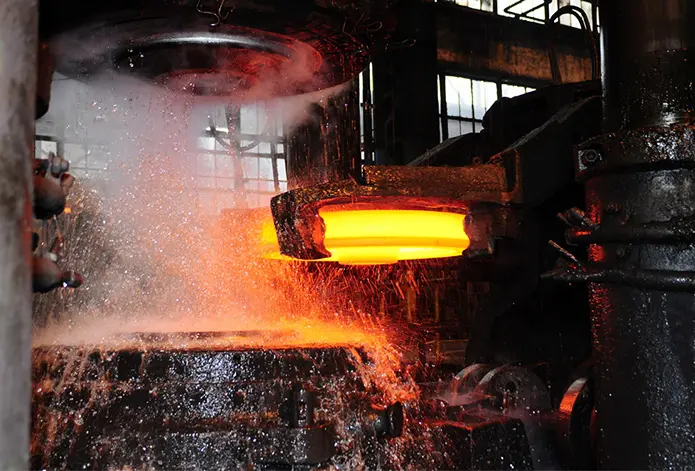
At present, the company's products have penetrated into many fields such as aerospace military industry, nuclear power, petrochemical industry, coal mines, metallurgy and forging, agriculture, water conservancy and electric power, etc.


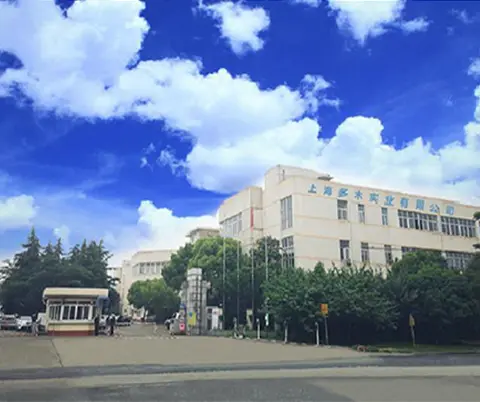
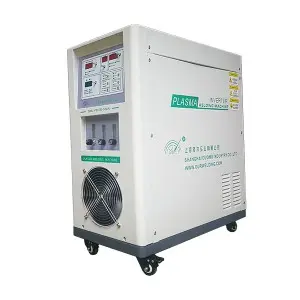
Shanghai Duomu has been a leading manufacturer and exporter of PTA cladding machine and Laser cladding machine for more than ten years with a strong technical background. Our dedication to research and development has allowed us to deliver state-of-the-art machinery that stands up to the most demanding industrial requirements.
By integrating laser cleaning (czyszczenie laserowe rdzy) solutions with our proven laser cladding and PTA (Plasma Transferred Arc) processes, we provide high-end, end-to-end industrial restoration and wear-resistant cladding solutions to clients across Europe, North America, and Asia.
Read More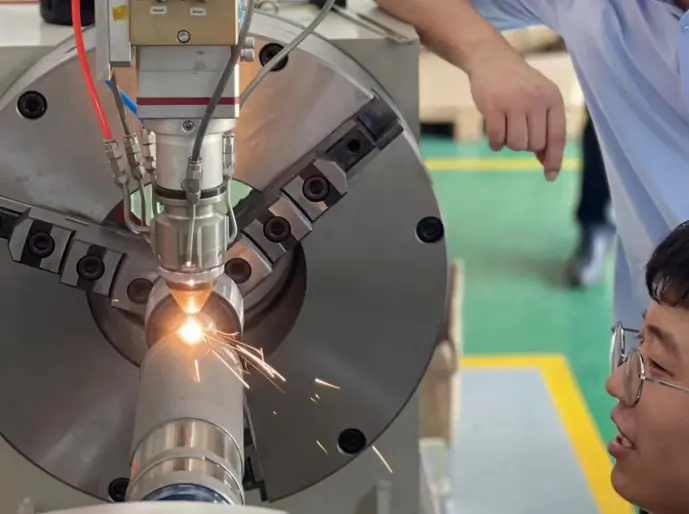
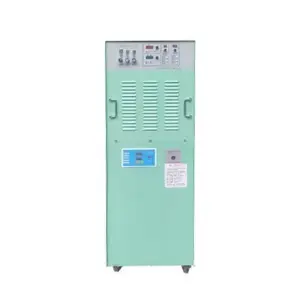
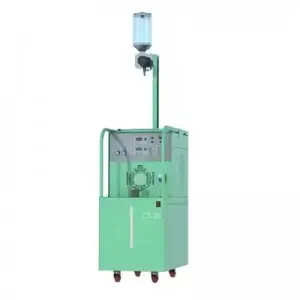
We have an independent R&D team, which develops, produces and sells plasma cladding machine equipment. The welding machine has stable performance and can maintain efficient long-term operation. In addition, the laser cladding equipment sold by the company can effectively support large-scale remanufacturing projects. We have mature technological means to provide complete sets of industrial equipment solutions.
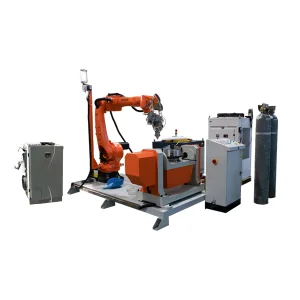
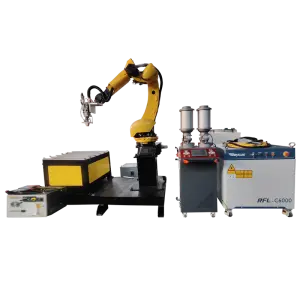
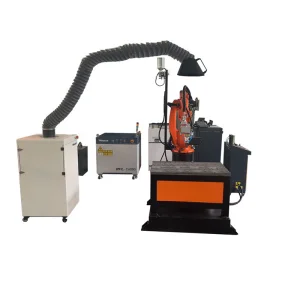
Our laser solutions are developed on advanced multi-axis CNC systems and robotic arms, ensuring micron-level trajectory control for both high-power cleaning and cladding operations.
Get in TouchGlobal buyers in Poland and the EU require stringent quality, high energy efficiency, and deep compliance. Explore how we design our systems to meet these global demands.
When engineering managers from the EU and Poland evaluate industrial laser cleaning suppliers, they focus heavily on parameters that dictate long-term operational efficiency. Below is an engineering comparison framework of pulsed vs. continuous wave laser systems for rust removal and cladding preparation:
| Feature | Pulsed Laser Systems (100W-500W) | Continuous Wave (CW) Systems (1kW-3kW) |
|---|---|---|
| Heat Input (HAZ) | Extremely Low (Ideal for precise mold cleaning) | Medium (Suitable for heavy steel plates) |
| Cleaning Efficiency | High precision, slower on extremely thick rust layers | Ultra-fast material ablation on massive structural areas |
| Substrate Impact | Zero micro-damage to raw metal matrix | Very minor micro-roughness modification |
| Common Applications | Aerospace, military parts, injection molds | Shipbuilding, heavy structural steel, rail cars |
B2B Sourcing Insight: A common mistake among procurement specialists is purchasing low-cost handheld CW systems for high-precision aerospace molds. The excess heat signature from continuous-wave beams can cause micro-deformation, compromising structural tolerances. For structural cladding preparation, our technical division recommends custom integrated units that combine automated surface cleaning directly prior to the PTA cladding head.
All our laser source integrations, optical path setups, and mechanical interfaces fully adhere to CE directives and EN 60825-1 laser safety protocols.
Seamless integration with Fanuc, Kuka, or ABB robotic platforms via Profinet or EtherCAT to optimize surface processing and cladding.
Features dynamic scanning shapes (linear, circular, spiral) to suit diverse geometry restoration requirements in complex industrial parts.
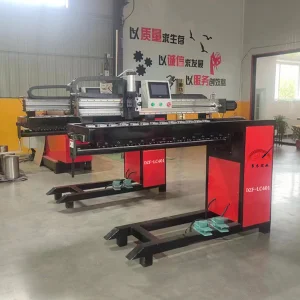
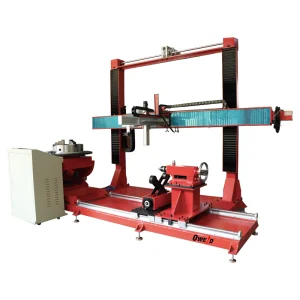
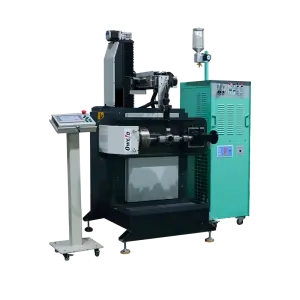
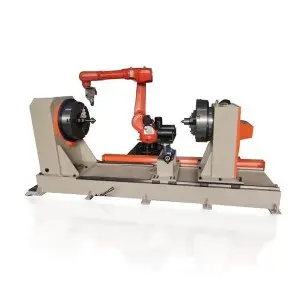
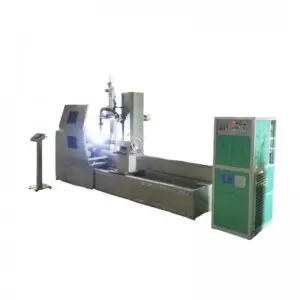
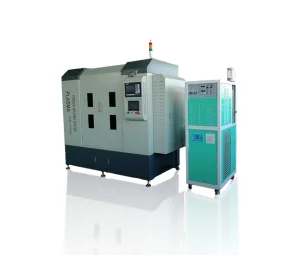
We can provide customized equipment, automatic laser cladding equipment, automatic plasma cladding equipment, intelligent robot cladding equipment, etc. according to customers' requirements, including special equipment in the industry, such as hydraulic rod cladding machine, pick cladding machine, valve cladding machine, etc.
Get professional answers regarding specifications, operation, ROI, and technical limits when sourcing laser rust cleaning systems from China.
No. Industrial laser rust cleaning relies on the differences in optical absorption thresholds between the oxide (rust) and the base metal. The absorption coefficient of the oxide is significantly higher. Using optimized laser parameter sets, the energy density vaporizes the rust instantly but remains below the damage threshold of metals like carbon steel, stainless steel, or aluminum. The underlying surface is left clean and metallurgically sound.
The speed is highly dependent on the rust density and layer thickness. For a light oxide coating or surface mill scale, a 1000W system can achieve cleaning speeds of 10 to 15 m²/hour. For heavy, highly corroded layers (typical of marine components or long-term outdoor structural steel), the cleaning speed ranges between 2 to 5 m²/hour. Using a multi-dimensional robotic interface optimizes these speeds significantly.
Successful metallurgical bonding in both Plasma Transferred Arc (PTA) cladding and laser cladding requires a surface free of oxides, carbon film, and grease. Any residual rust (rdza) leads to micro-porosity, high dilution rates, and poor bonding strength, which can cause micro-cracking and premature wear under high stress. Integrating a laser cleaning module beforehand guarantees maximum bonding integrity.
Industrial laser cleaning systems operate with Class 4 lasers. Mandatory safety measures include: a fully enclosed workspace or laser-safe barrier curtains, dedicated fume extraction systems to catch vaporized particles, and optical sensors to prevent firing if the beam angle deviates. Operator goggles with appropriate optical density (OD) ratings matching the laser wavelength (typically 1064nm for fiber lasers) must always be worn.
All of our machinery undergoes CE, RoHS, and ISO9001 certifications. We work with specialized industrial logistics partners to coordinate door-to-door delivery. For installation and calibration, our engineering team offers comprehensive remote diagnostic commissioning, online video training, and collaborates with regional service providers in Europe to assist with on-site maintenance and parts replacement within 24–48 hours.
Read about real operational improvements, process choice selections, and maintenance stories from industrial plants utilizing our advanced surface systems.
The PTA Welding Valve Application Guide is not just a process choice for valve manufacturers facing high wear, high corrosion, and high-temperature erosion working conditions, but also a key path to improving product competitiveness. As industries such as petrochemical, ...
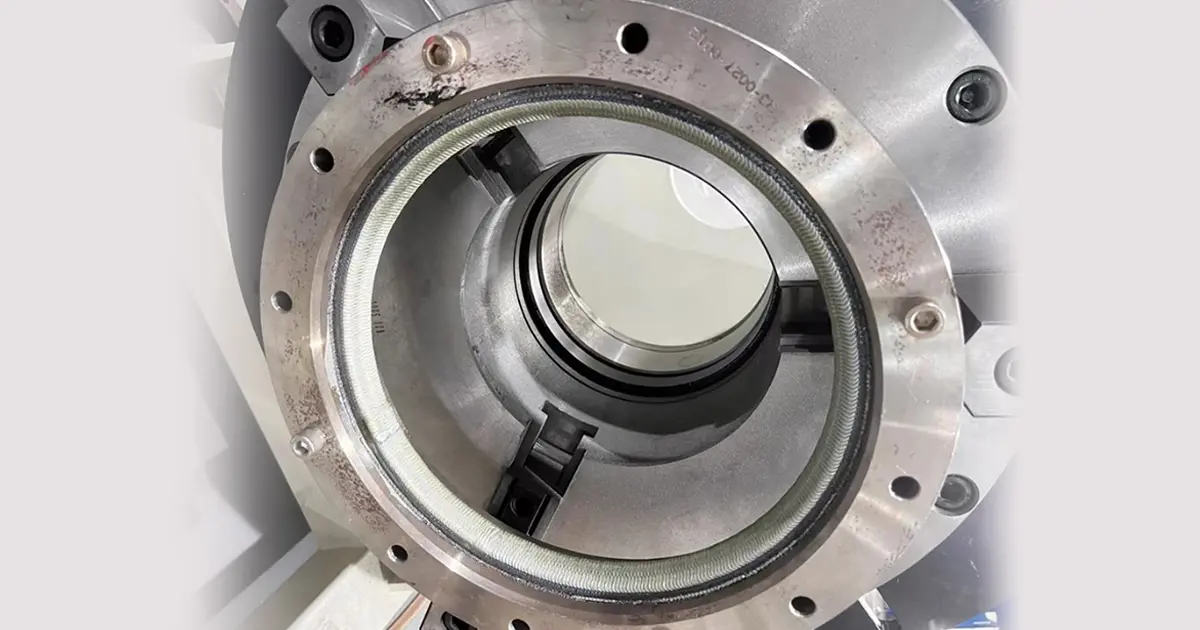
In industries such as mining, cement, power generation, steelmaking, chemical processing, and biomass energy, screw conveyors are often regarded as auxiliary equipment. However, maintenance data shows that they are among the most frequent causes of unplanned production d...
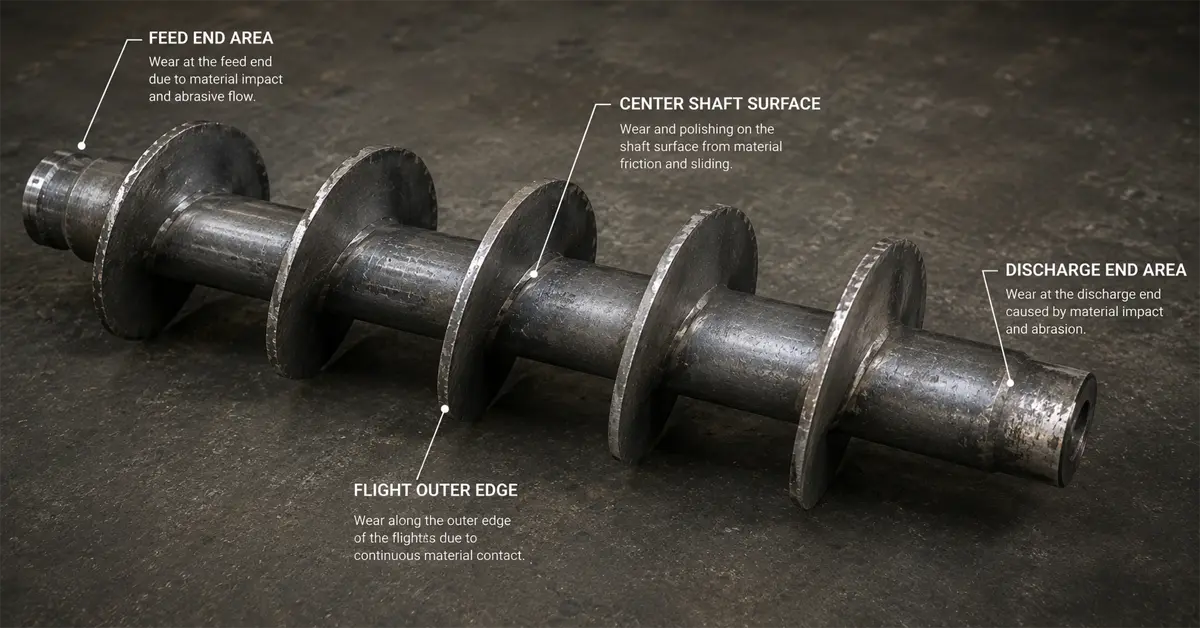
In Plasma Transferred Arc (PTA) hardfacing, achieving a high-quality overlay is not only about selecting the right alloy powder or optimizing welding parameters. One of the most critical factors that directly affects overlay performance is the dilution rate. Whether you ...
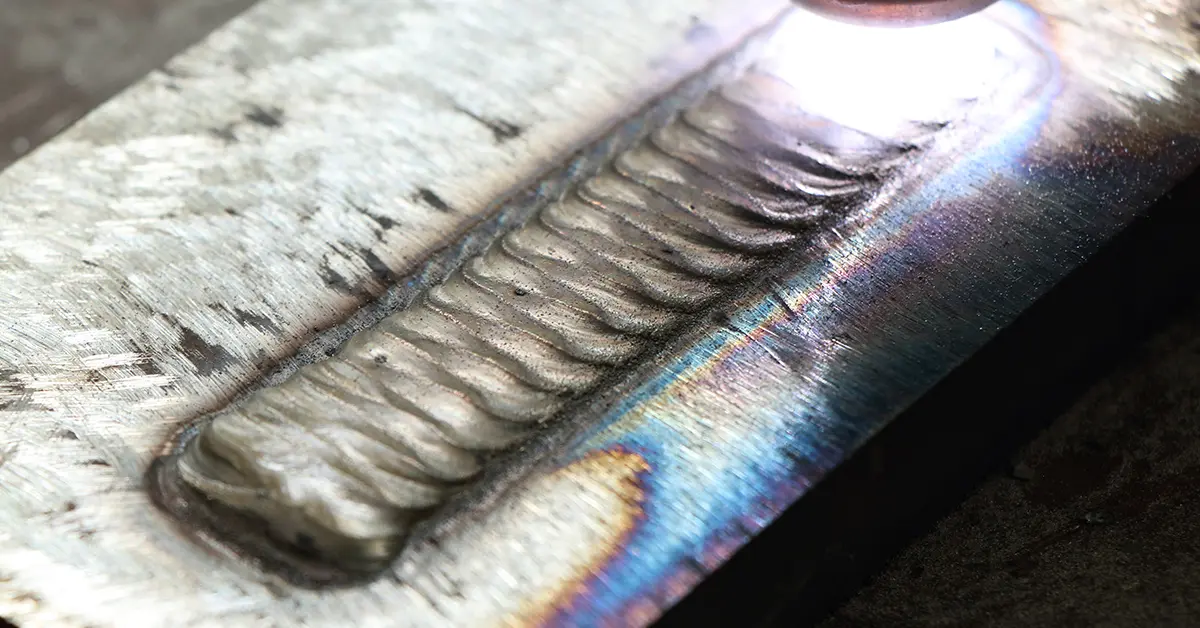
In industries such as Oil & Gas, Mining, Power Generation, Cement, and Heavy Equipment Manufacturing, hardfacing is no longer just a repair process. It has become a critical technology directly related to equipment lifespan, downtime costs, maintenance frequency, and...
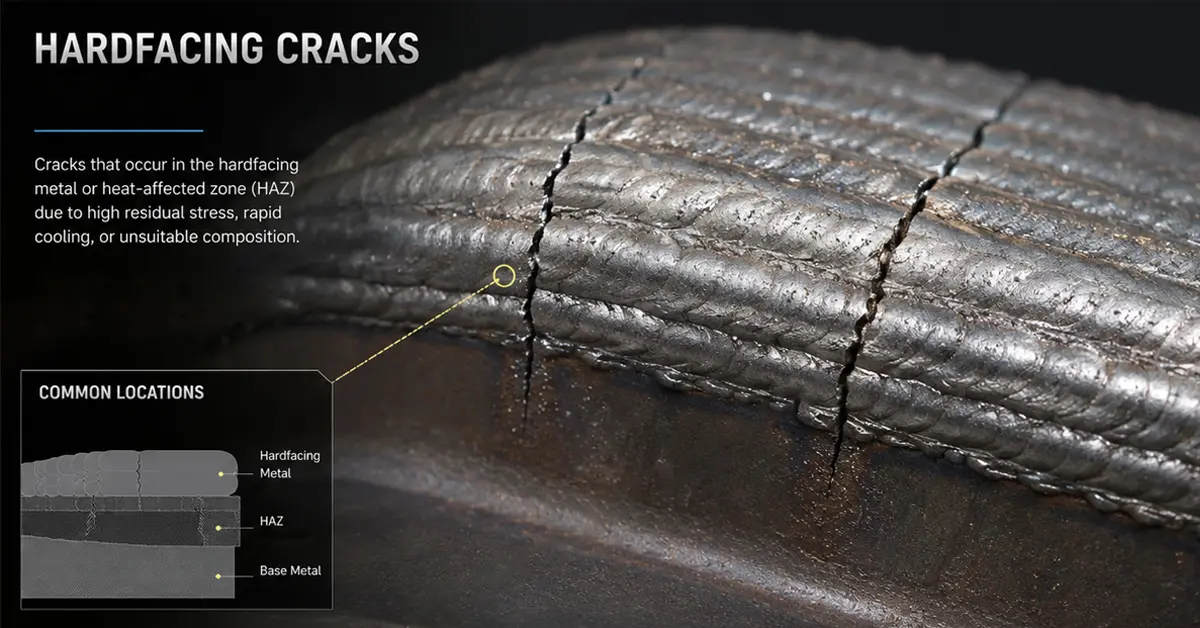
In industries such as oil & gas, petrochemical, power generation, mining, and marine engineering, industrial valves are constantly exposed to severe operating conditions including: High pressure, extreme temperatures, corrosive media, abrasive wear...
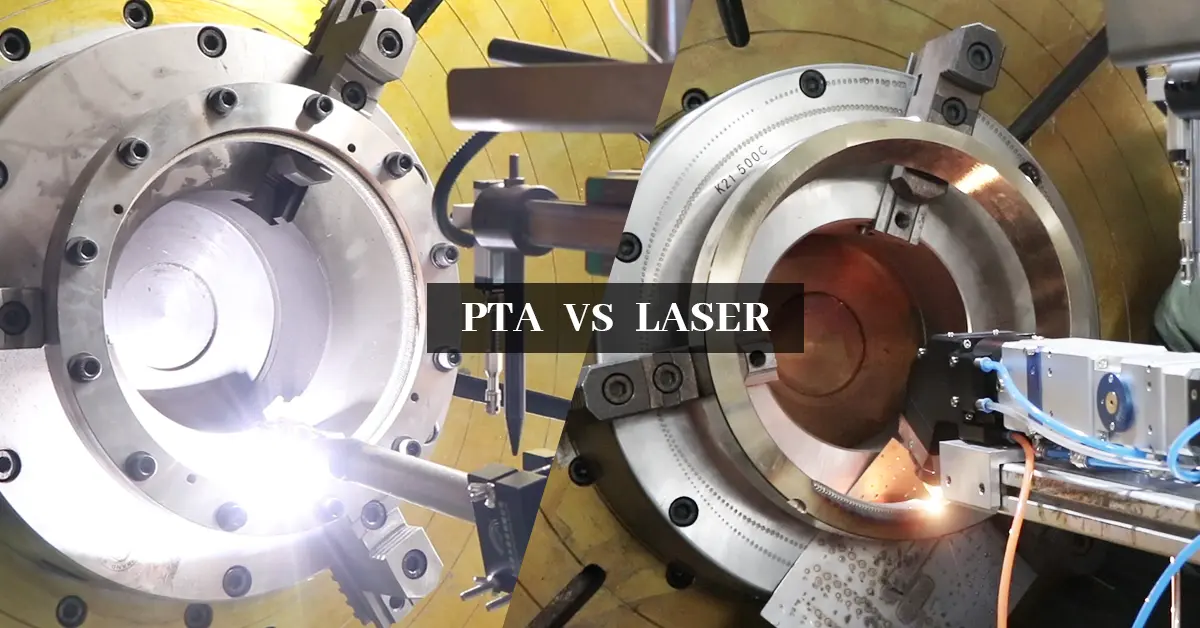
For inquiries about our products, customized systems, or price lists, please leave your contact info below and we will be in touch within 24 hours.
Subscribe & Get a QuoteOur cladding and surface preparation systems are integrated in production lines worldwide.







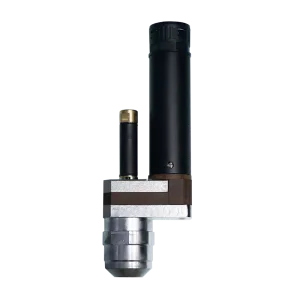
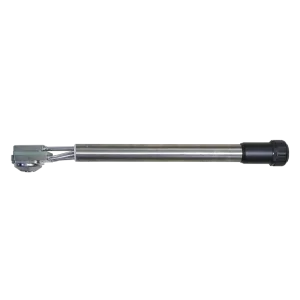
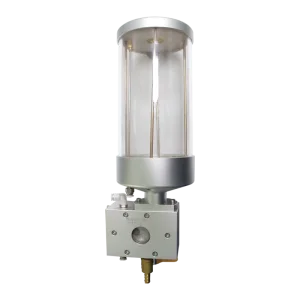
Discover our range of precision plasma bore welding torches, micro welding systems, and specialized powder feeders designed to enhance surface engineered parts.
 Duomu
Duomu