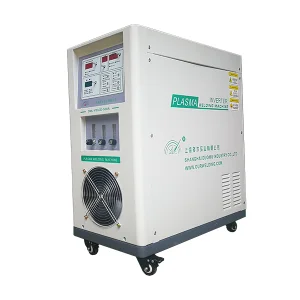
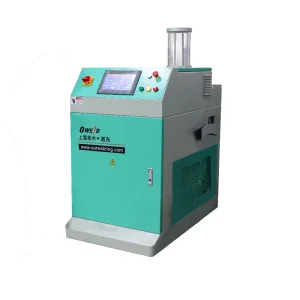
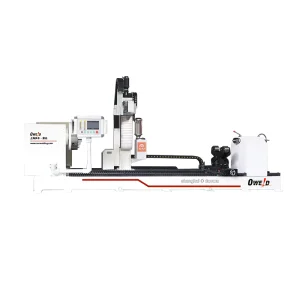
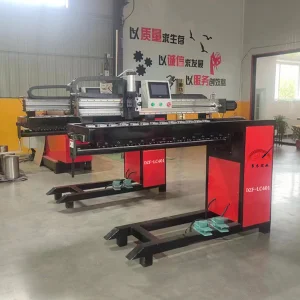
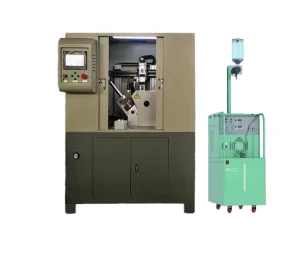
Explore our top industrial solutions manufactured in our digitalized Chinese factories under strict quality compliance.
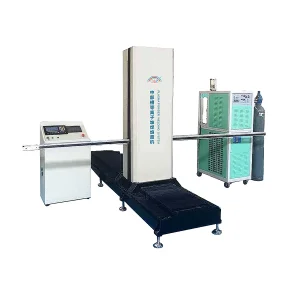
When measuring the efficiency of Plasma Transferred Arc (PTA) welding, industrial procurement managers must look beyond simple speed. True efficiency is a compound metric incorporating deposition rate, material dilution, thermal efficiency, and post-weld machining overhead.
Compared to traditional manual metal arc welding (SMAW) or Gas Tungsten Arc Welding (GTAW), PTA cladding features a highly concentrated arc column generated through a constrained copper nozzle. This physical constriction increases energy density by a magnitude of ten, yielding dramatic processing efficiencies:
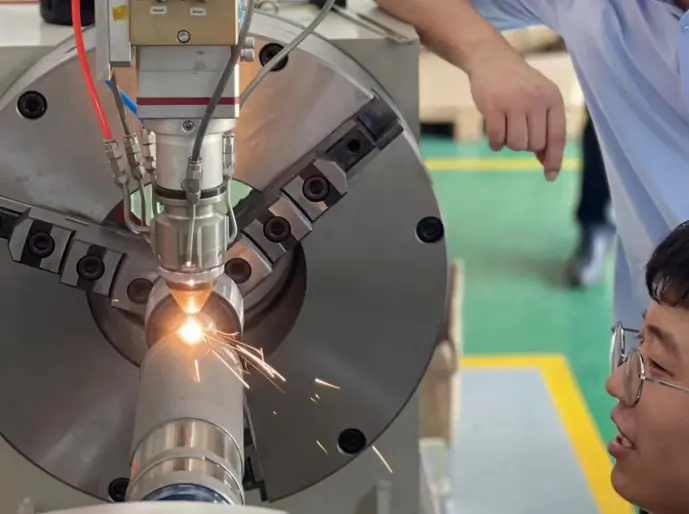
Secures maximum overlay chemistry purity in a single high-efficiency pass.
Accelerates production output compared to legacy manual welding solutions.
Minimizes consumable costs for expensive carbide and cobalt alloys.
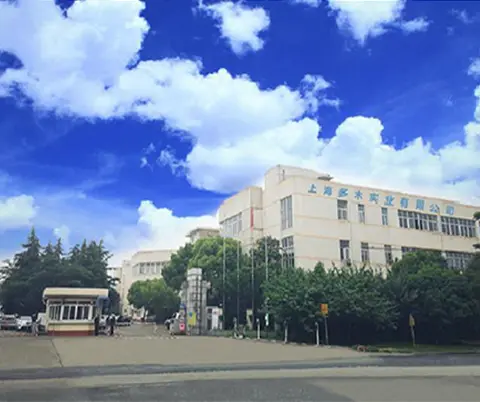
Proven technical background under the Shanghai Duomu R&D division.
Shanghai Duomu has been a leading manufacturer and exporter of PTA cladding machines and Laser cladding machines for more than ten years with a strong technical background. Our corporate mission revolves around providing turnkey metallurgical coating solutions that reduce reliance on costly base alloys by upgrading structural substrates with wear-resistant and anti-corrosive outer layers.
Unlike standard commodity welding suppliers, our operations house an independent R&D team, which develops, produces, and sells plasma cladding machine equipment. The welding machines we design offer exceptionally stable performance and can maintain efficient, long-term continuous operation. In addition, our high-power laser cladding systems support large-scale industrial remanufacturing projects. We leverage mature, certified technological means to provide complete sets of industrial equipment solutions tailored specifically to the high-stakes operational demands of our clients.
How integrated component sourcing, precise automation assembly, and skilled labor pools keep PTA machinery economical.
From custom CNC machining of high-purity copper nozzles to the winding of high-duty-cycle power transformers, our supply chain is vertically integrated. This mitigates global transport delays and shields buyers from third-party vendor markups.
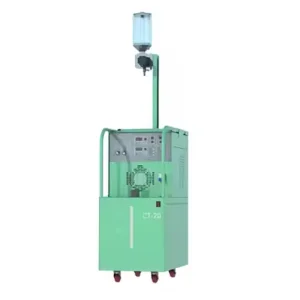
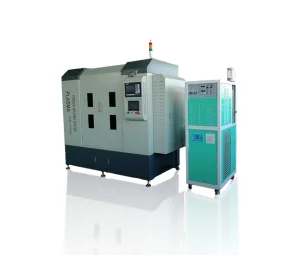
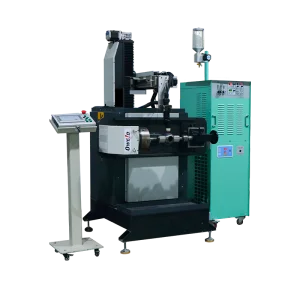
By automating the linear axis, rotary positions, and powder vibrators (as seen in our DZB-NC401 and DZF-LC401 platforms), we remove human variance, dramatically speeding up factory testing cycles before shipment.
Every system conforms to CE electrical directives and ISO 9001 quality management structures. Extensive pre-shipment tests ensure plug-and-play installation on your plant floor without compliance roadblocks.
Our products have successfully penetrated demanding engineering segments globally, guaranteeing extended component life.



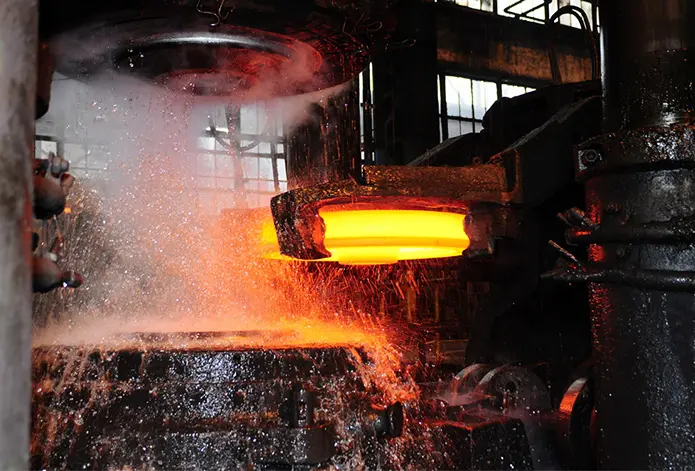
Beyond the highlights above, our systems are actively deployed in nuclear power plants (valve sealing surfaces), petrochemical facilities (pressure vessel ports), coal mines (shearer loader picks & conveyor pans), and water conservancy projects (hydro-turbine impeller surfacing).
Industrial surface engineering is rapidly transitioning toward digitized, multi-sensor closed-loop controls. To secure sustained Information Gain, procurement planners must evaluate these three major technological vectors:
By integrating high-speed infrared cameras and pyrometers directly into the cladding head, modern PTA systems can automatically adjust arc current or powder feed rates in real time. This minimizes dilution variations caused by heat accumulation in the base component during long production runs.
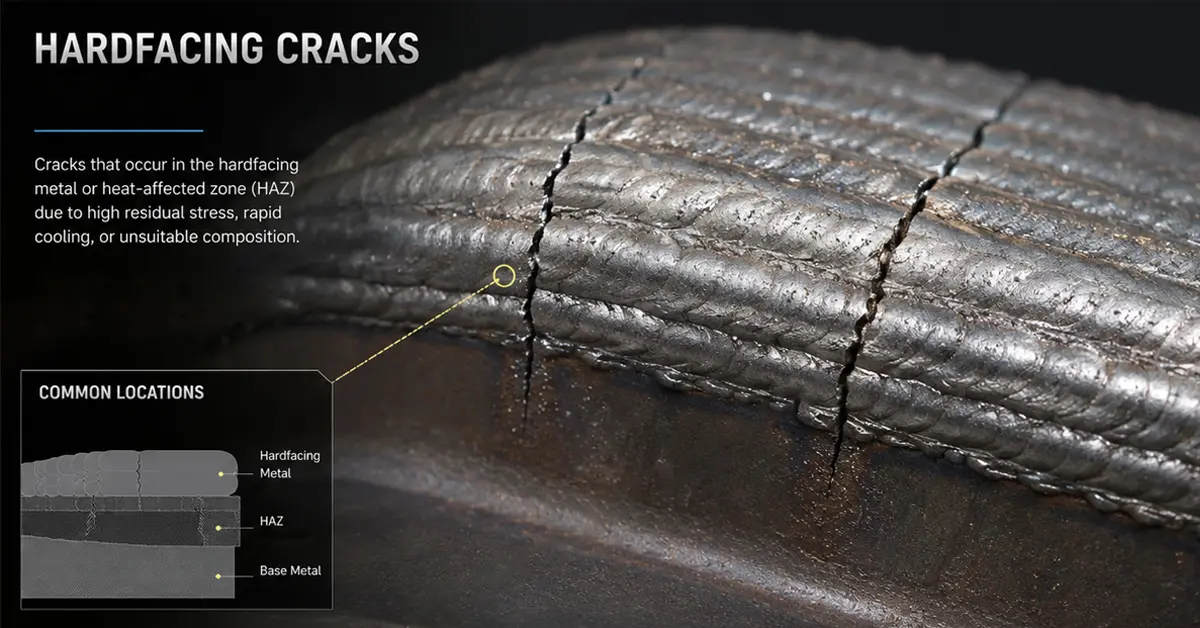
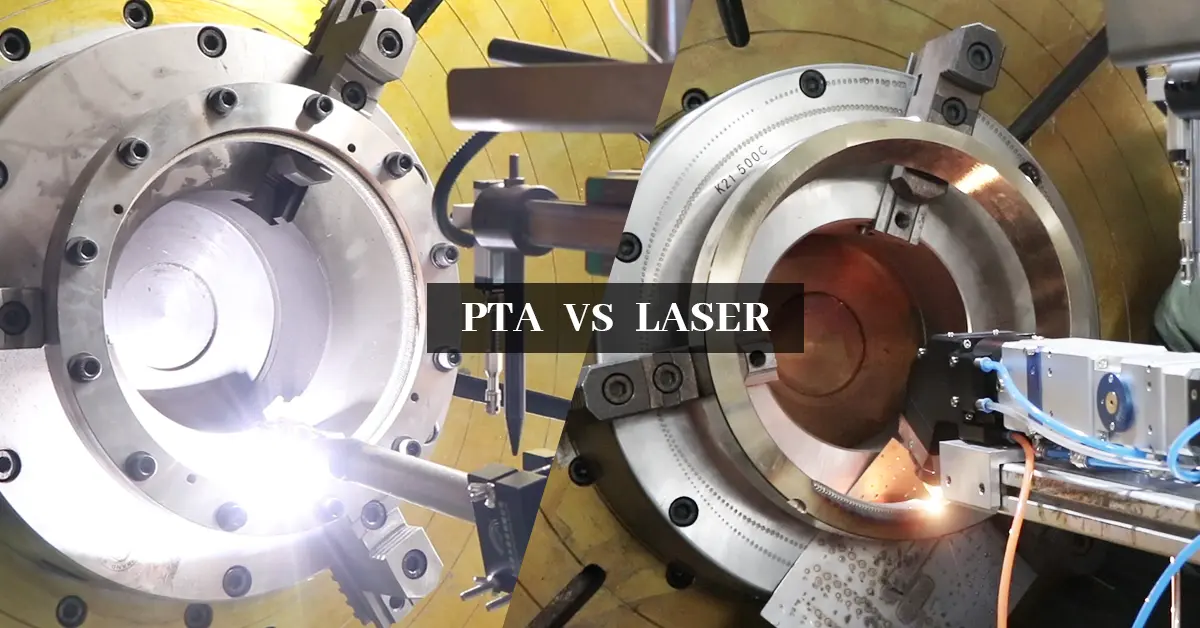
Combining the cost-effective deposition rate of plasma arcs with the ultra-low heat input and fine focus of diode lasers represents the next efficiency frontier. This hybrid approach allows high-volume deposition with minimal heat-affected zones (HAZ).
Offline programming (OLP) software coupled with scanning lasers allows automated systems to map out worn components, calculate exact volumetric loss, and generate optimized multi-axis cladding paths automatically, reducing manual layout overhead to zero.
"We can provide customized equipment, automatic laser cladding equipment, automatic plasma cladding equipment, intelligent robot cladding equipment, etc. according to customers' requirements, including special equipment in the industry, such as hydraulic rod cladding machine, pick cladding machine, valve cladding machine, etc."
— Shanghai Duomu Engineering Team
Real-world feedback detailing cost-reduction and reliability outcomes from actual application deployments.
"The PTA Welding Valve Application Guide is not just a process choice for valve manufacturers facing high wear, high corrosion, and high-temperature erosion working conditions, but also a key path to improving product competitiveness. As petrochemical industries scale up, this system ensures zero leaks."
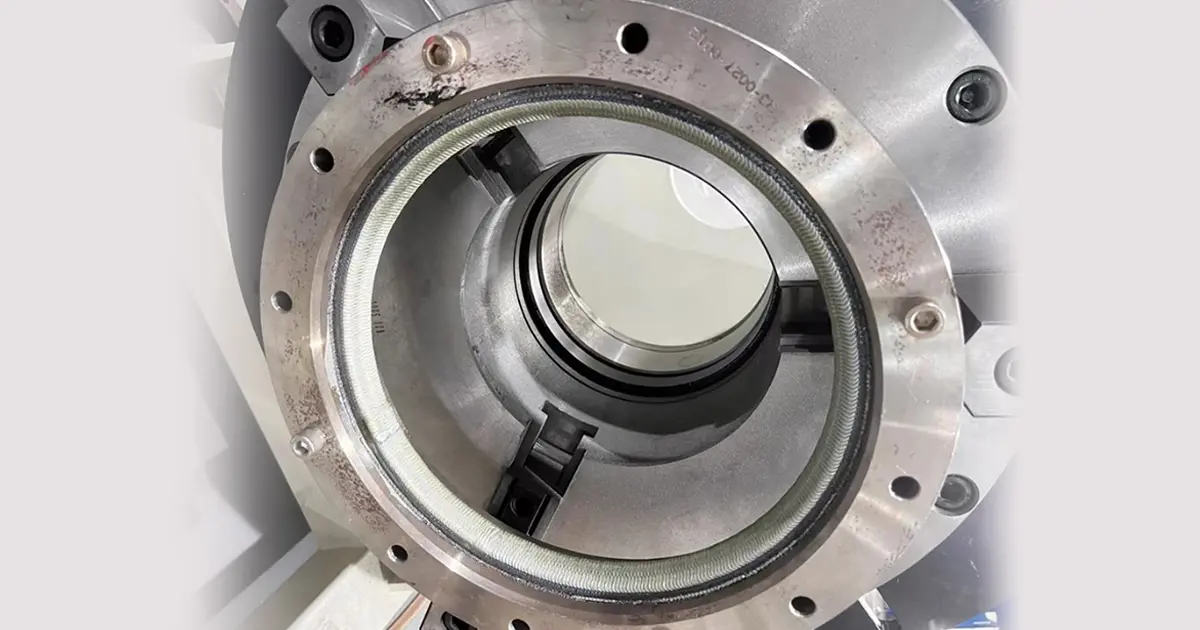
Petrochemical Valve Manufacturer
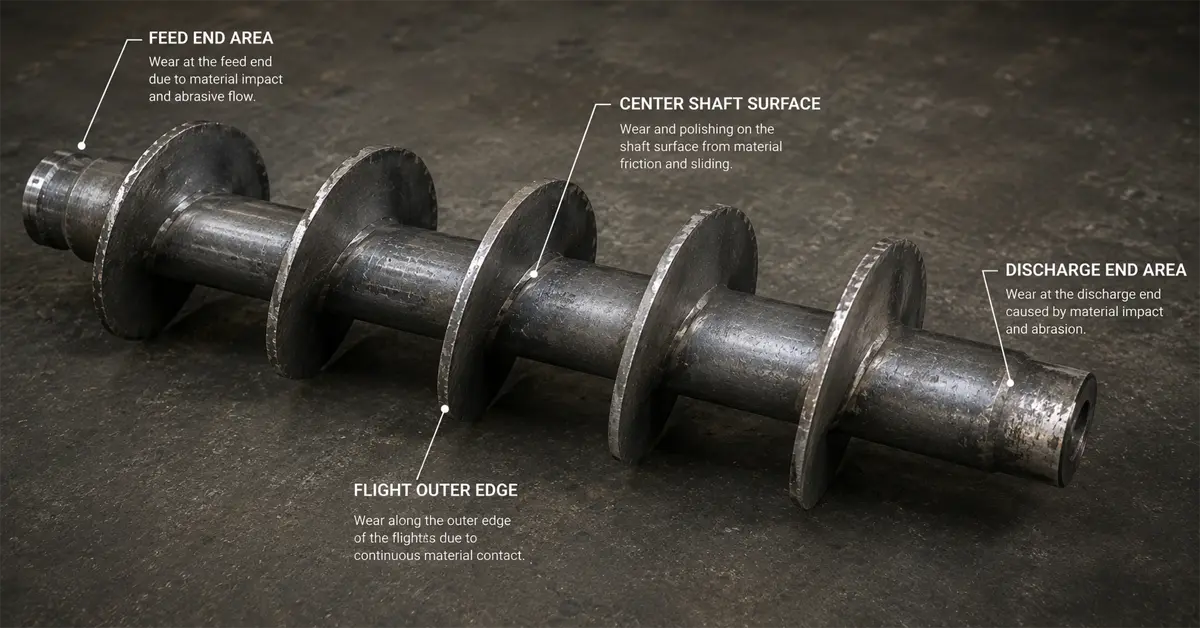
"In mining, cement, and power generation, screw conveyors are vital. Maintenance data shows they are among the most frequent causes of unplanned downtime. PTA cladding with tungsten carbide increased our conveyor flight lifespan from 6 months to over 24 months."
Bulk Materials Handling Plant
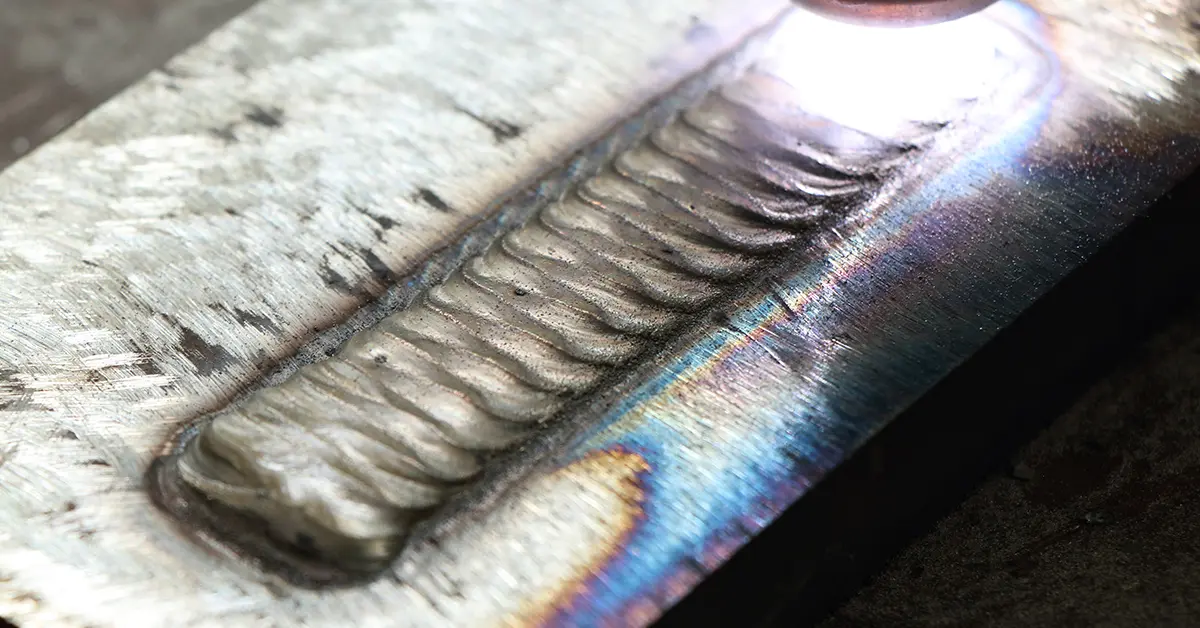
"In Plasma Transferred Arc (PTA) hardfacing, achieving a high-quality overlay is not only about selecting the right alloy powder. One of the most critical factors that directly affects overlay performance is the dilution rate. Shanghai Duomu's equipment kept our dilution below 4%, protecting the base metal."
Heavy Equipment Overhaul Shop
"In Oil & Gas, Mining, Power Generation, and Heavy Equipment, hardfacing is no longer just a repair process. It has become a critical technology directly related to equipment lifespan, downtime costs, maintenance frequency, and overall bottom-line efficiency."
Global Energy Infrastructure Group
"Industrial valves are constantly exposed to severe operating conditions including: High pressure, extreme temperatures, corrosive media, abrasive wear, and sand erosion. The automated valve cladding equipment solved our QA failures completely."
Flow Control Solutions Provider
Navigating international machinery acquisition requires robust compliance, guaranteed logistics, and immediate engineering support. When purchasing plasma welding systems from Shanghai Duomu, global enterprises benefit from structured buyer safeguards:
For inquiries about our products or pricelists, please leave your message and we will be in touch within 24 hours.
Submit InquiryGet authoritative answers regarding dilution rates, material properties, system capabilities, and setup costs.
PTA welding offers a significantly lower initial capital expenditure (CapEx) and higher deposition rates (often up to 12 kg/h) compared to typical diode laser cladding systems. Furthermore, PTA has higher electrical efficiency and is less sensitive to highly reflective materials (like copper or aluminum alloys), making it more versatile for general heavy-industry component repair.
Dilution refers to the mixing of the base metal substrate with the hardfacing overlay alloy. High dilution (which is common in MIG/TIG welding) degrades the performance of the cladding alloy because iron from the base metal migrates into the deposit. By maintaining dilution under 5%, PTA ensures that the surface layer retains its full corrosion and wear properties in a single layer, saving processing time and material costs.
Yes. We specialize in producing custom automated systems, including the DQF-LC602 for automated ball valve seating and the DYY-LC501 for long hydraulic rod cladding. Our R&D department can customize structural bed lengths, chuck capacities, and control programs to match your exact part dimensions.
Our PTA machines handle a broad variety of powder consumables, including Nickel-based alloys (Colmonoy series), Cobalt-based alloys (Stellite series), Iron-based wear-resistant alloys, and complex matrix composites like Tungsten Carbide (WC-Co) for heavy erosion resistance in mining and drilling environments.
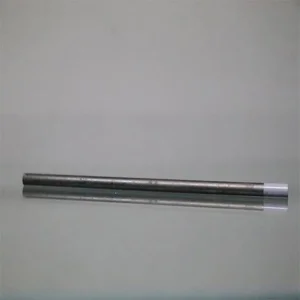
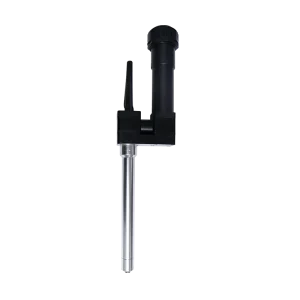
High-quality, heat-resistant tungsten electrodes maintain a sharp tip profile under high arc temperatures. This prevents arc deflection and ensures a highly stable, concentrated plasma column, which directly stabilizes the width and penetration depth of the weld pool.
Standard machines like the FB-200P can usually be shipped within 3 to 4 weeks, whereas complex customized solutions (incorporating custom multi-axis robots or specialized linear slides) have an engineering and build cycle of approximately 6 to 10 weeks, depending on design sign-offs.
Heavy-duty torches, consumable electrodes, and portable laser repair systems manufactured to rigid standards.








 Duomu
Duomu