Discover our primary heavy-duty plasma arc surfacing systems and laser cladding machinery configured for the manufacture and remanufacture of high-wear industrial hydraulic components.
For decades, Electroplated Hard Chrome (EHC) was the industry standard for protecting hydraulic piston rods (Hydraulikstange) against aggressive environmental corrosion and mechanical friction. However, stringent global environmental regulations, such as the European Union’s REACH directive targeting Hexavalent Chromium (Cr6+), have forced global manufacturers to seek cleaner, superior engineering alternatives.
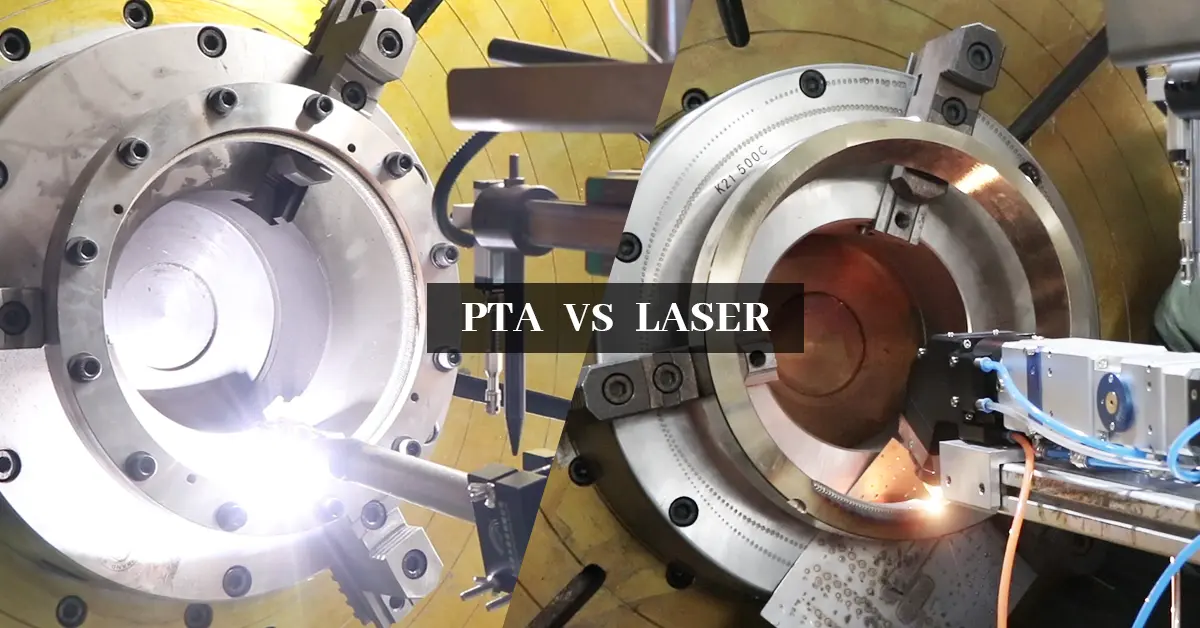
This is where Plasma Transferred Arc (PTA) Surfacing and High-Speed Laser Cladding step in. Instead of a mechanically bonded thin coating, cladding processes create a metallurgical bond with the substrate. This metallurgical integration ensures zero risk of spalling or peeling under high hydraulic shock loads.
When selecting the optimal technical route for industrial surface protection, manufacturers leverage both technologies based on application dynamics:
Our cladding machinery has penetrated the core supply chains of critical industries worldwide. The durability of our cladded layers supports reliable performance under extreme workloads.
Providing extreme fatigue resistance and thermal barrier coatings. Ideal for landing gear actuation cylinders and defense mechanics operating in high-vibration zones.
Designed to handle severe acidic and sulfide stress corrosion cracking (SSCC). Used heavily for underground hydraulic roof support cylinders and extraction piston rods.
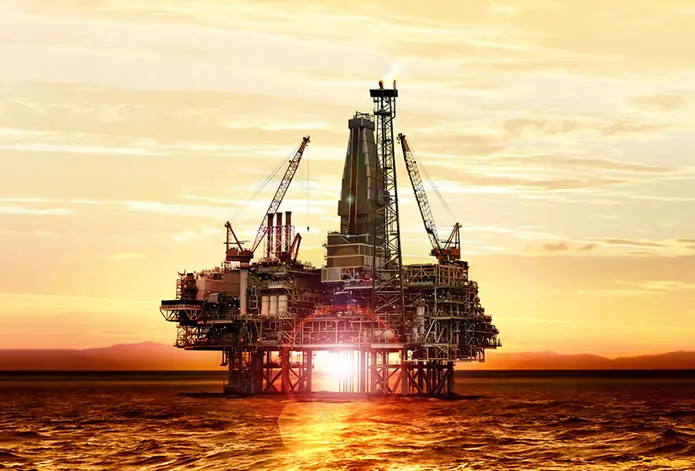
At present, the company's products have penetrated into many fields such as aerospace military industry, nuclear power, petrochemical industry, coal mines, metallurgy and forging, agriculture, water conservancy and electric power, etc.


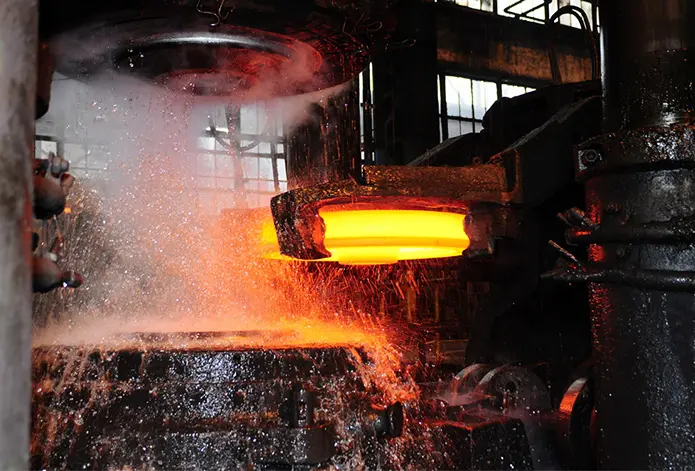
Operating from high-tech manufacturing hubs in China allows us to optimize production parameters while ensuring high quality. Our integrated system offers global buyers clear advantages:
By keeping raw steel sourcing, precision rough machining, heat treatment, cladding, and final cylindrical grinding inside one facility, we eliminate intermediate logistic overheads and minimize transport damage risk.
We work closely with local powder manufacturers to develop custom wear-resistant alloys (Fe-based, Ni-based, Co-based, and tungsten carbide matrix). This direct control keeps alloy powder costs stable.
Every single cladded hydraulic rod undergoes dye penetrant inspection, ultrasonic fault detection, and digital microscopic thickness analysis. We record the lifecycle history of each production batch.
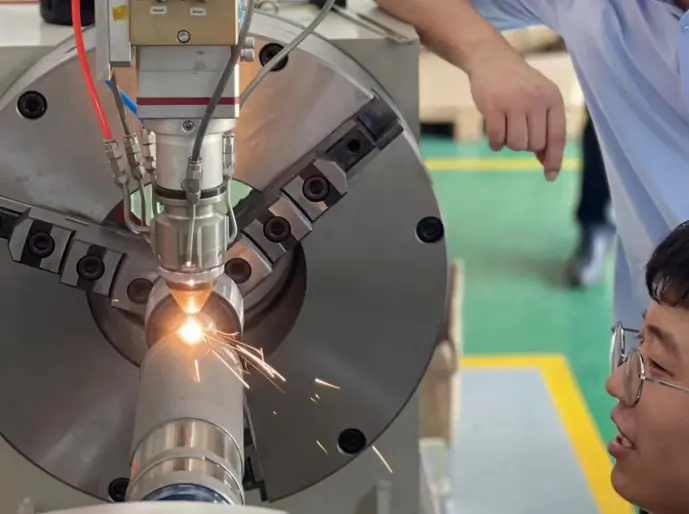
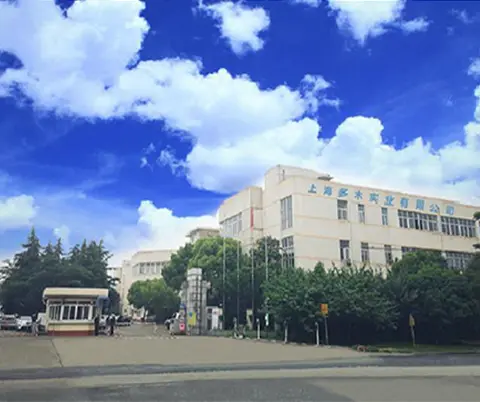
Shanghai Duomu has been a leading manufacturer and exporter of PTA cladding machine and Laser cladding machine for more than ten years with a strong technical background. Our dedication to research ensures that we offer reliable machinery to clients worldwide.
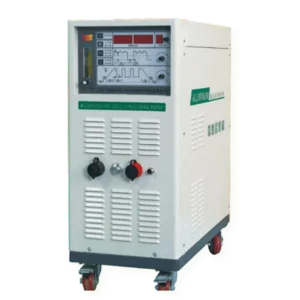
We feature an independent R&D team that develops, produces, and sells plasma cladding machine equipment. The welding machine has stable performance and can maintain efficient long-term operation. In addition, the laser cladding equipment sold by the company can effectively support large-scale remanufacturing projects. We have mature technological means to provide complete sets of industrial equipment solutions.
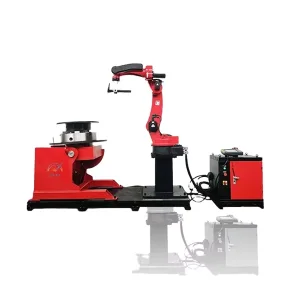
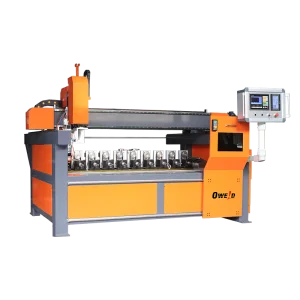
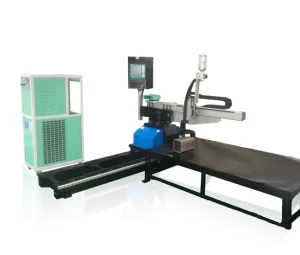
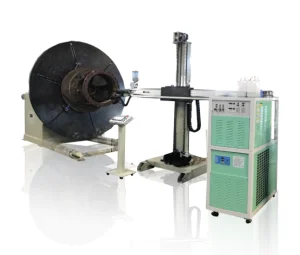
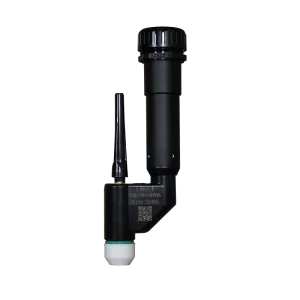
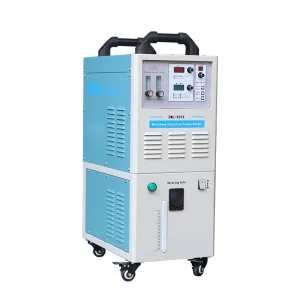
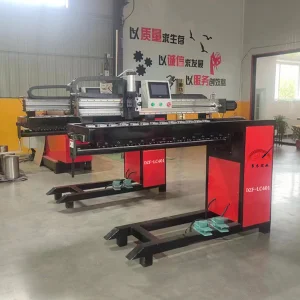
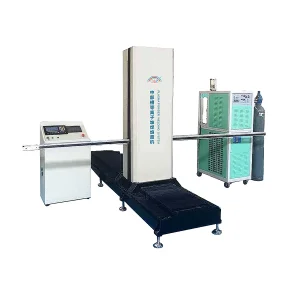
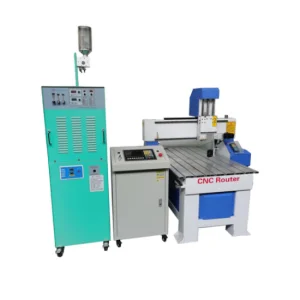
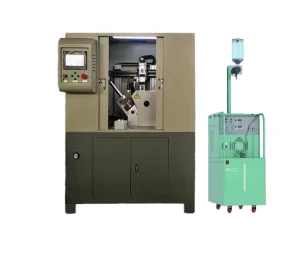
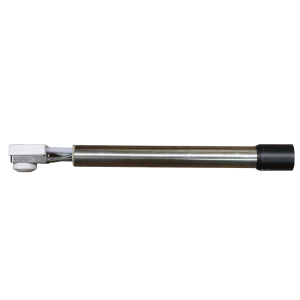
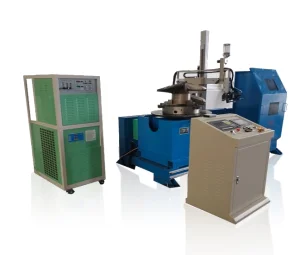
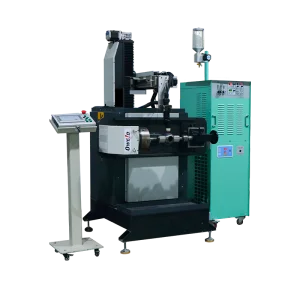
We design and construct specialized equipment, automatic laser cladding systems, automatic plasma cladding apparatuses, and intelligent robotic integration lines. Below are the key configurations tailored for specific component profiles:
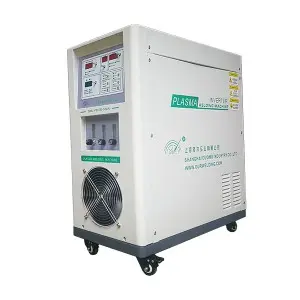
Highly adaptable system for small-to-medium shafts and valve bodies, featuring fine deposition control and uniform heat distribution.
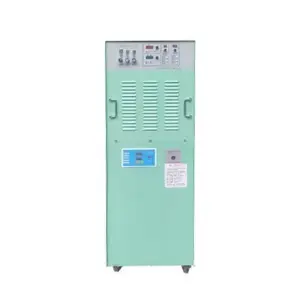
A versatile production center capable of both linear profiles and intricate rotation overlays with quick tooling changeovers.
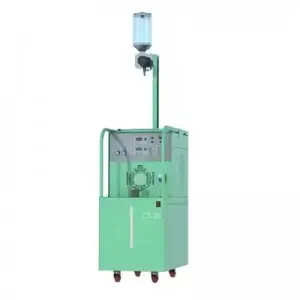
Optimized for heavy industrial tooling, providing stable high-amperage output for deep hardfacing layers.
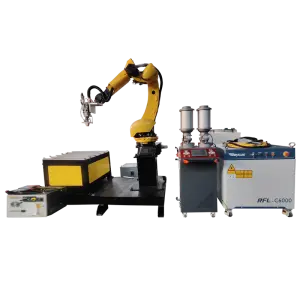
Ultra-precision energy delivery designed for thin blade edges, preventing thermal deformation and substrate distortion.
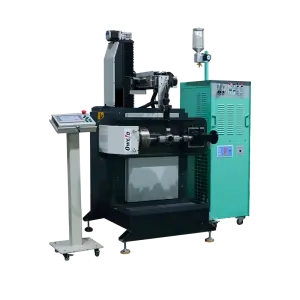
Automatic rotational axis control designed for round geometries, ensuring zero defects and smooth sealing surfaces.
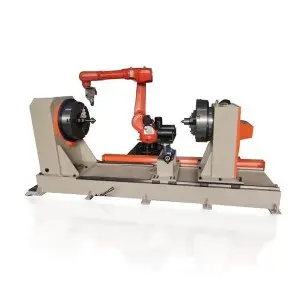
Highly articulated 6-axis robotic solution for localized phase-transformation hardening on heavy tooling surfaces.
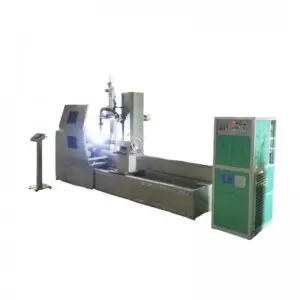
Our flagship unit configured for serial treatment of long hydraulic piston rods, incorporating automatic feeding and tracking.
For Western procurement officers and system integrators, purchasing machinery or outsourcing cladding services from China requires absolute compliance with global directives. We enforce strict standards:
Every raw material batch, including carbon steel substrates and alloy powders, comes with certified EN 10204 3.1 Material Certificates. This ensures chemical analysis and mechanical property testing match ASTM, DIN, and ISO standards.
All automated PTA and Laser cladding workstations exported to Europe and North America comply with the Machinery Directive 2006/42/EC and carry authentic CE markings. Integrated laser enclosures adhere to class IV laser safety standards.
Read how leading engineering departments leverage hardfacing technologies to resolve critical component wear challenges:
"The PTA Welding Valve Application Guide is not just a process choice for valve manufacturers facing high wear, high corrosion, and high-temperature erosion working conditions, but also a key path to improving product competitiveness. As industries such as petrochemical..."
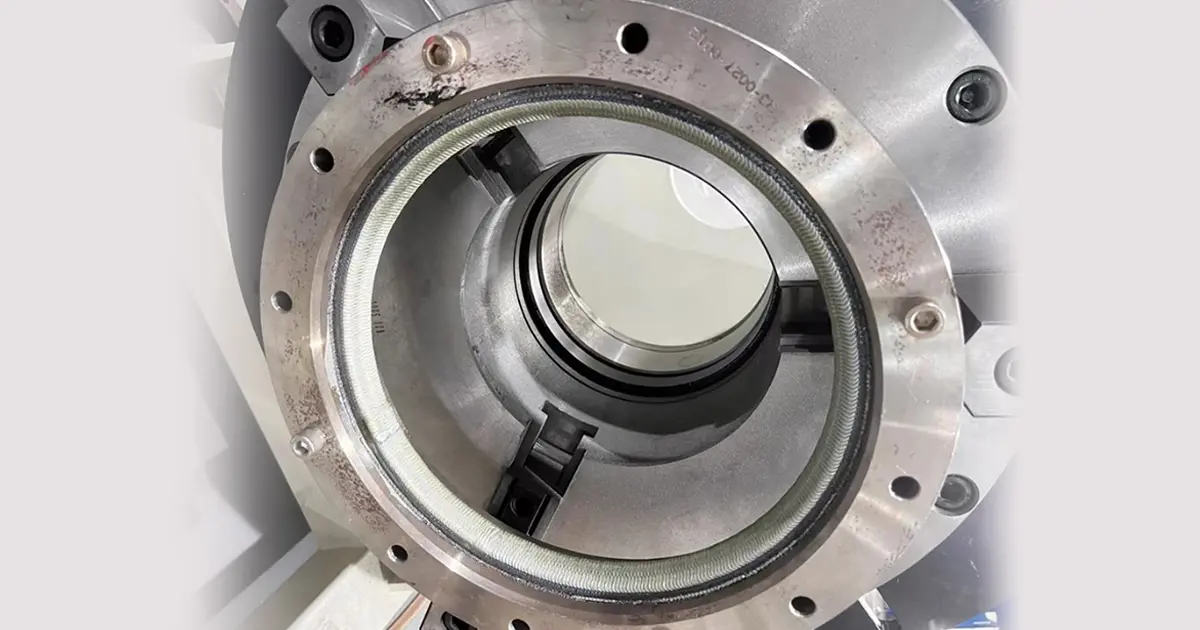
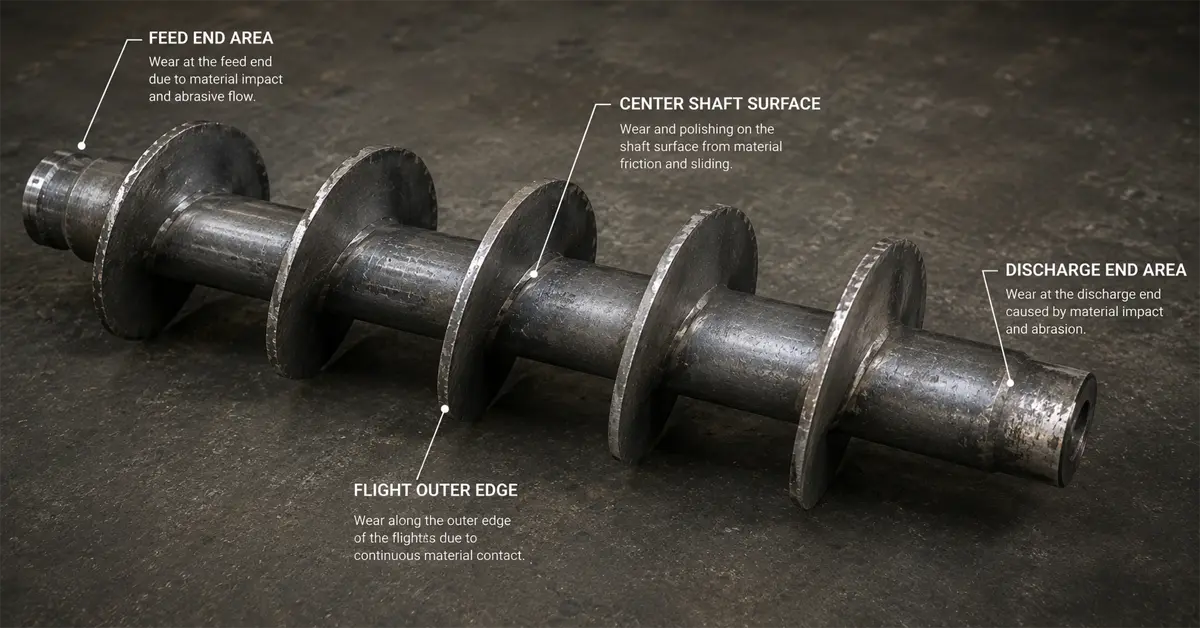
"In industries such as mining, cement, power generation, steelmaking, chemical processing, and biomass energy, screw conveyors are often regarded as auxiliary equipment. However, maintenance data shows that they are among the most frequent causes of unplanned production d..."
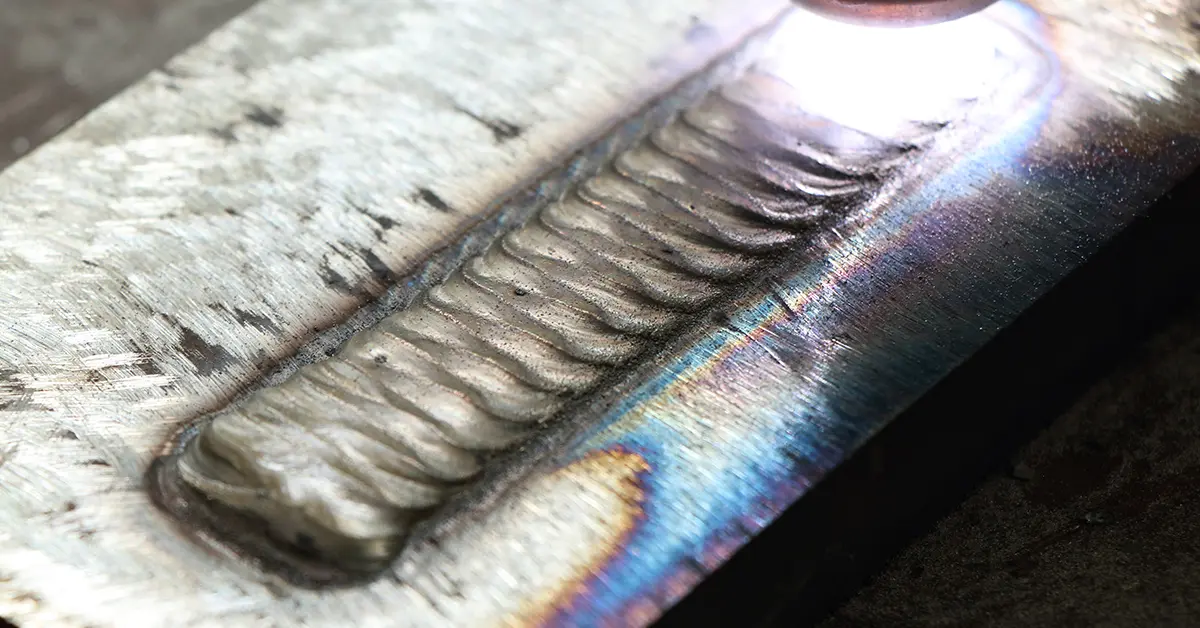
"In Plasma Transferred Arc (PTA) hardfacing, achieving a high-quality overlay is not only about selecting the right alloy powder or optimizing welding parameters. One of the most critical factors that directly affects overlay performance is the dilution rate. Whether you..."
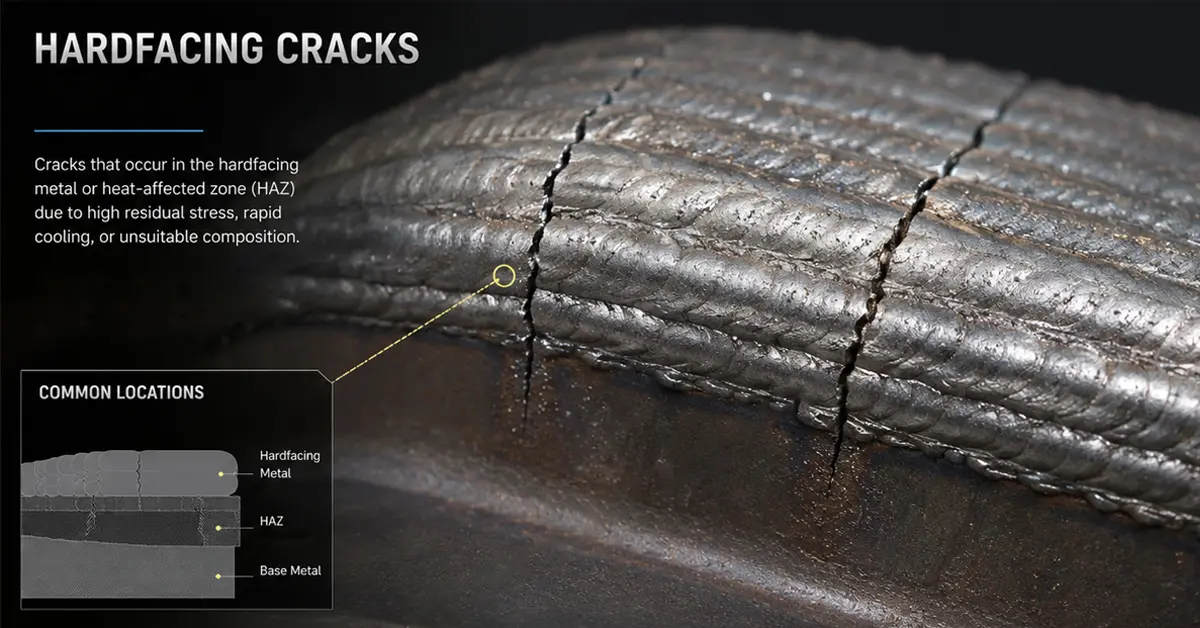
"In industries such as Oil & Gas, Mining, Power Generation, Cement, and Heavy Equipment Manufacturing, hardfacing is no longer just a repair process. It has become a critical technology directly related to equipment lifespan, downtime costs, maintenance frequency, and..."
"In industries such as oil & gas, petrochemical, power generation, mining, and marine engineering, industrial valves are constantly exposed to severe operating conditions including: - High pressure - Extreme temperatures - Corrosive media - Abrasive wear - Sand e..."
Common inquiries from design engineers and supply chain managers regarding hydraulic rod cladding systems:
A: Dilution refers to the mixing of the cladded alloy powder with the base metal (substrate) during welding. A high dilution rate degrades the properties of the coating because elements from the substrate mix into it. Our laser cladding systems maintain dilution rates below 1%, preserving the anticorrosive and wear-resistant characteristics of cobalt or nickel-based alloys.
A: Hard chrome coatings usually display microscopic micro-cracks that let corrosive elements reach the substrate over time. Laser cladded coatings (such as Inconel 625 or 316L) create a fully dense, pore-free surface. In standard ASTM B117 salt spray tests, laser cladded rods regularly exceed 500 to 1000 hours without red rust, outperforming hard chrome coatings.
A: Yes, but high-strength steels (medium carbon alloy steels) are prone to hydrogen-induced cracking due to rapid cooling. Our systems counter this by using integrated preheating stations, closed-loop thermal sensors, and controlled post-weld cooling, ensuring crack-free cladded layers on challenging substrates.
A: For marine hydraulic rods exposed to salt spray and wear, a finished cladding thickness of 1.0mm to 1.5mm of Inconel 625 is typically recommended. In heavy mining environments subject to physical impact, a thicker overlay of 2.0mm to 3.0mm using iron-based alloys with tungsten carbide particles is preferred to resist abrasive wear.
A: The surface roughness after cladding ranges from Ra 6.3 to 12.5 µm depending on feed parameters. The components are then ground and superfinished to reach the final hydraulic tolerance of Ra 0.2 µm or smoother.
For inquiries about our products, parameters, or price lists, please leave your contact info with us and we will respond within 24 hours.
Send Inquiry & SubscribeBrowse our full inventory of high-performance plasma deposition machines and custom multi-axis robotic positioners engineered for industrial components.







 Duomu
Duomu