 Duomu
Duomu
Whitepaper: Advanced Industrial Hardening via Лазерная Закалка
Understanding the thermodynamics, materials science, and industrial efficiency of China-manufactured laser surface treatments.
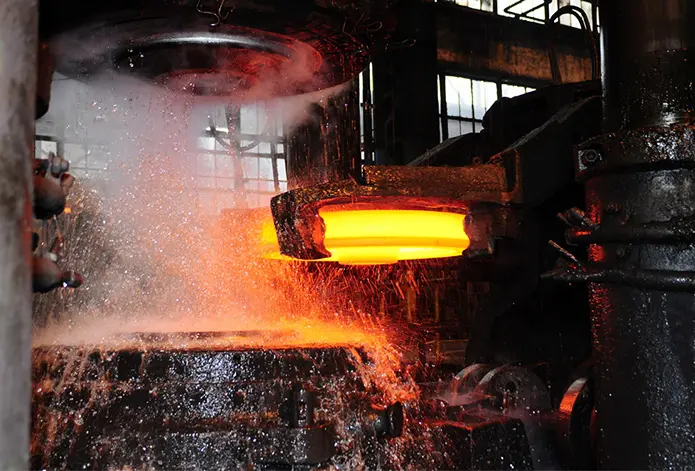
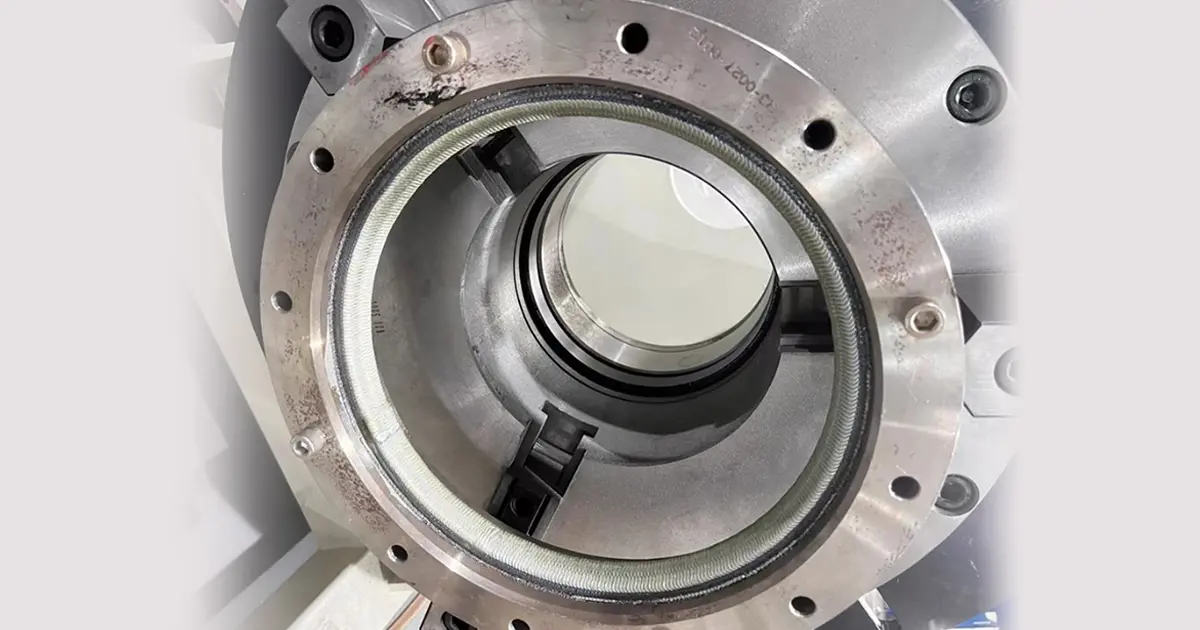
In modern heavy machinery manufacturing, component wear, surface degradation, and thermal fatigue represent the principal drivers of unplanned operational downtime. Traditional heat treatment methodologies—such as induction hardening, carburizing, and nitriding—face fundamental limitations, particularly regarding structural deformation, deep heat-affected zones (HAZ), and micro-cracking propagation. Лазерная Закалка (Laser Hardening) has emerged as the premier non-contact thermal processing paradigm, delivering precise localized hardening with negligible structural distortion.
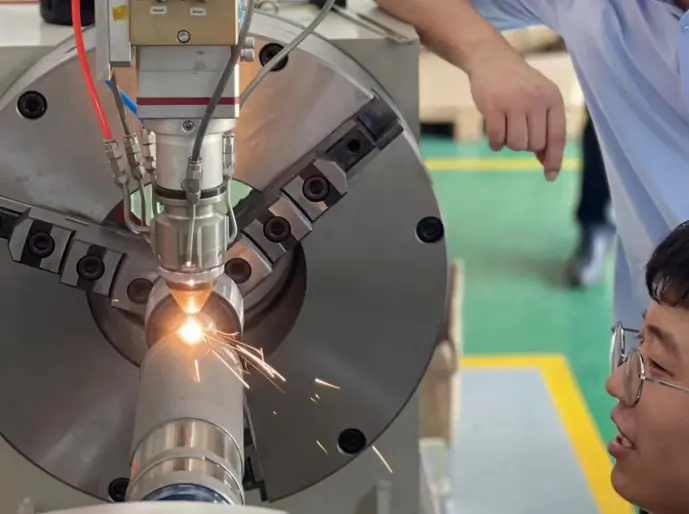
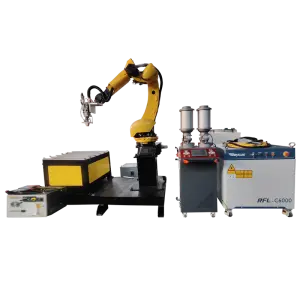
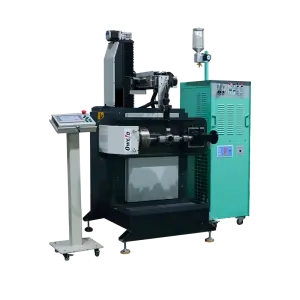
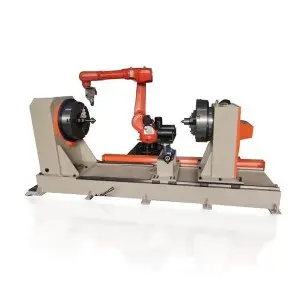
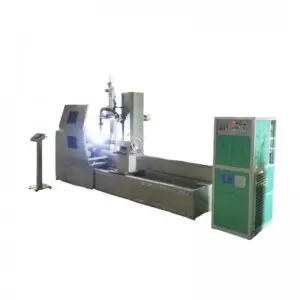
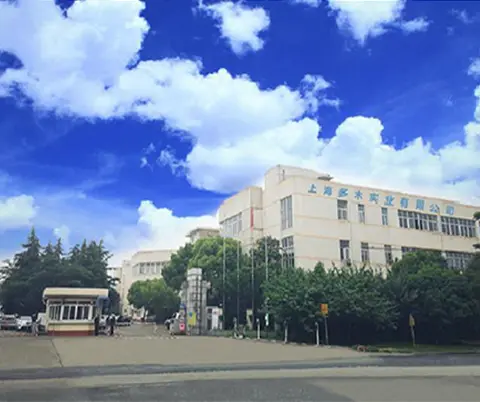
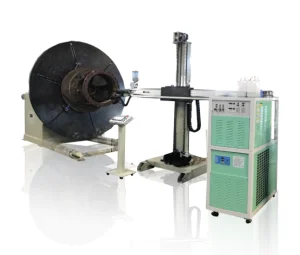
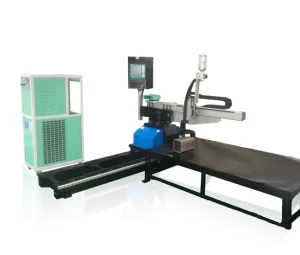
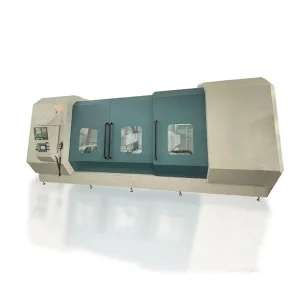
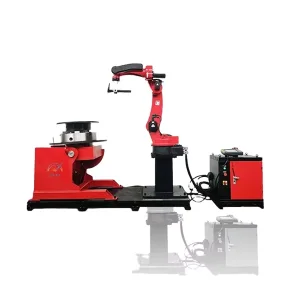
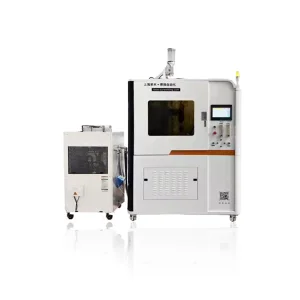
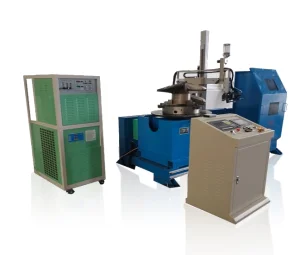
As a leading Chinese manufacturer and specialized OEM/ODM factory, Shanghai Duomu has spearheaded the integration of high-power diode laser systems and multi-axis CNC systems. Our systems utilize localized rapid heating coupled with rapid self-quenching thermal transport to form a fine-grained, highly wear-resistant martensitic microstructure. This whitepaper analyzes the technology roadmap, localized applications, and global industrial integration of our cutting-edge cladding and hardening systems.
1. Comparison: Laser Hardening vs. Plasma Transferred Arc (PTA) Hardfacing
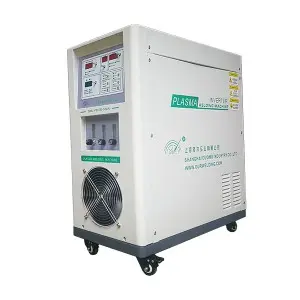
Industrial surface engineering requires selection of the appropriate technology pathway. Below is an engineering evaluation comparing Laser Cladding/Hardening against Plasma Transferred Arc (PTA) welding, based on a decade of manufacturing data from Shanghai Duomu.
Лазерная Закалка / Laser Cladding
- Heat Input: Extremely low and highly localized
- Dilution Rate: Under 1% to 5% max
- Deformation: Near-zero structural warpage
- Microstructure: Ultrafine grains with superior hardness
- Ideal For: Precision gears, turbine blades, hydraulic rods
PTA Cladding / Hardfacing
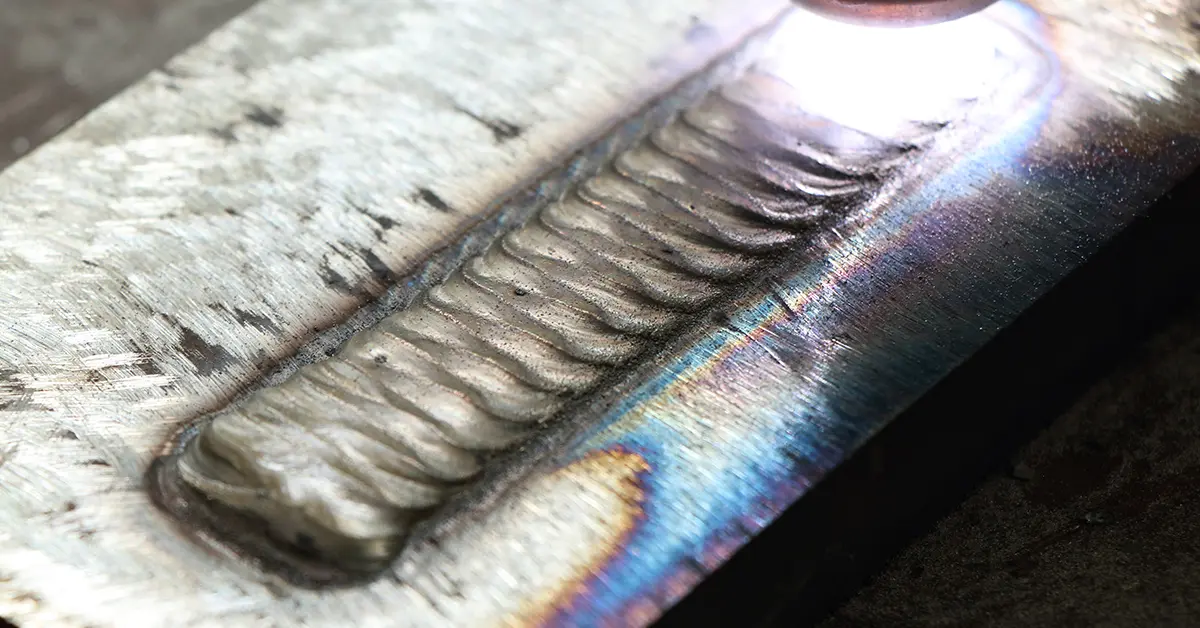
- Heat Input: Moderate, controlled plasma arc
- Dilution Rate: 5% to 10%
- Deposition Rate: High (up to 8 kg/hr of powder)
- Bonding Strength: Exceptional metallurgical bond
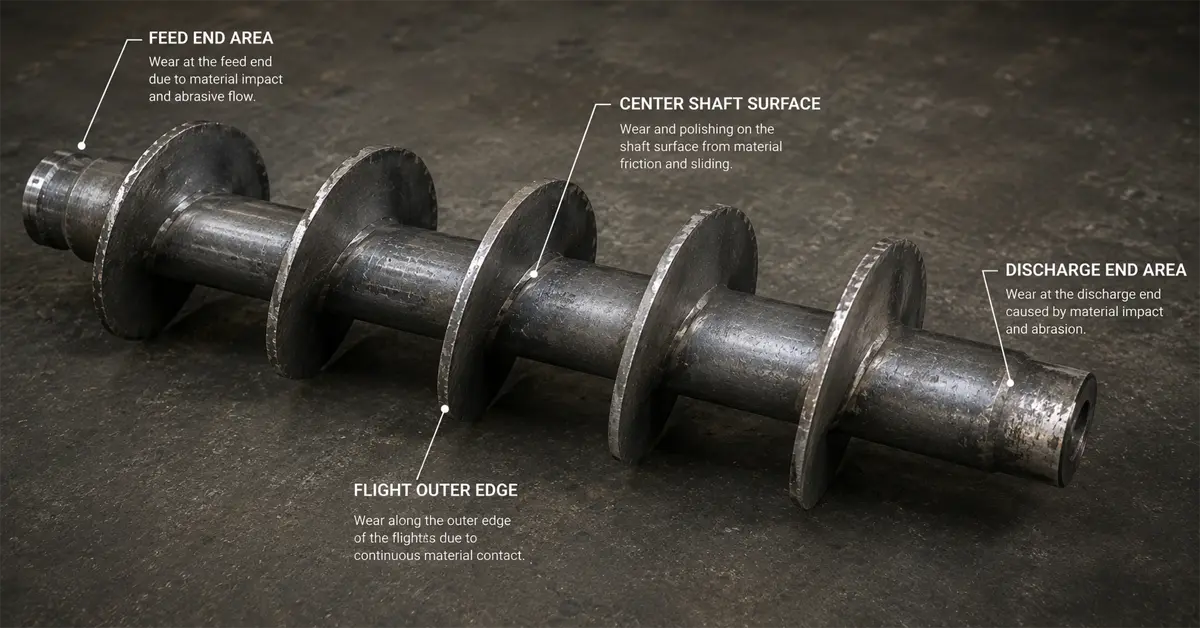
- Ideal For: Screw conveyors, extrusion barrels, large valves
2. Global Industrial Status: The Shift Toward Advanced Laser Metallurgy
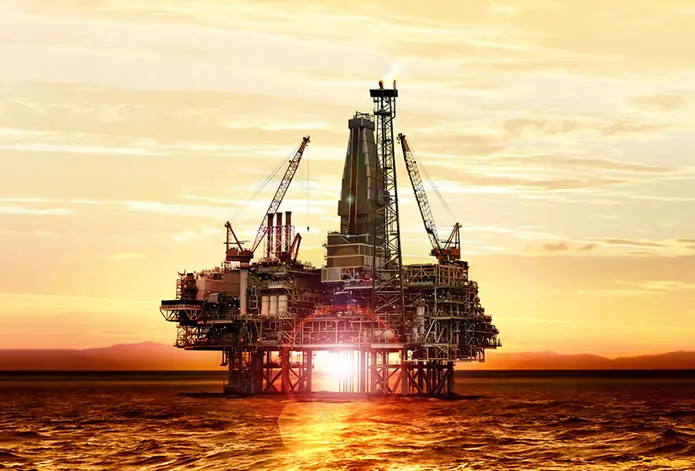
Globally, heavy machinery, petrochemical plants, and power generation installations are operating under increasingly aggressive mechanical loads. Environmental regulations, such as RoHS and REACH, are phasing out traditional electroplating processes (e.g., Hard Chrome Plating). Industrial operators are shifting towards Laser Cladding and Laser Hardening as cleaner, more durable alternatives.
According to recent industrial studies, components treated with diode laser hardening systems exhibit a service life increase of 300% to 500% compared to untreated or nitrided surfaces. Because of this, industrial clusters in the European Union, CIS countries, North America, and East Asia are integrating automated laser cells directly into their production lines.