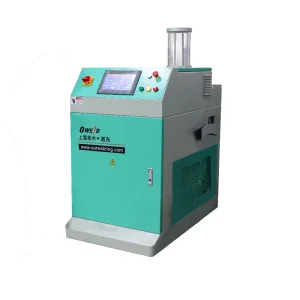
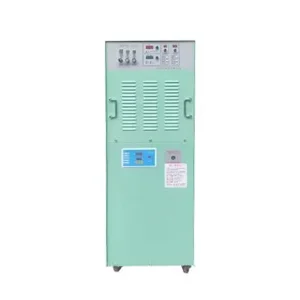
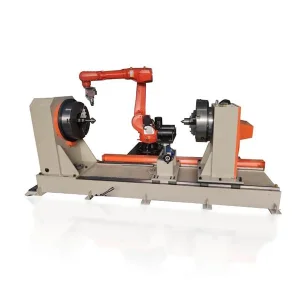
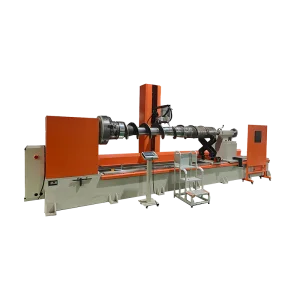
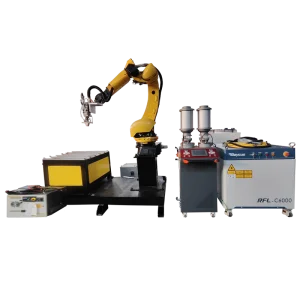
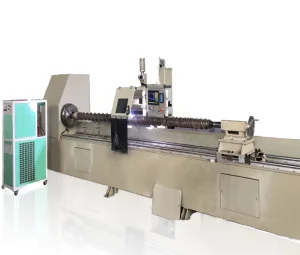
Explore our primary machinery catalog engineered for high wear-resistance, precision surfacing, and micro-arc rebuilding. We design and manufacture automated PTA, Laser, and EDM systems in-house.
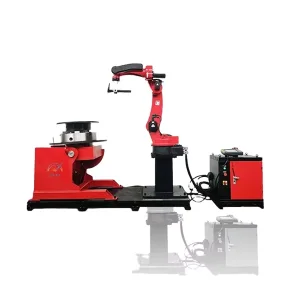
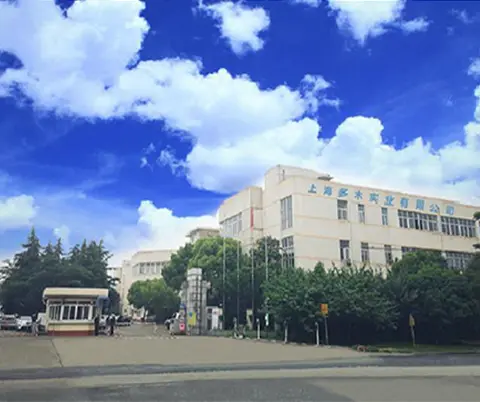
Shanghai Duomu has been a leading manufacturer and exporter of PTA (Plasma Transferred Arc) cladding machine and Laser cladding machine systems for more than ten years with a strong technical background. Backed by a high-caliber independent research and development (R&D) team, we focus on engineering state-of-the-art solutions for wear resistance, thermal prevention, corrosion defense, and industrial precision repair.
We control the entire fabrication and software programming cycle, ensuring that our systems operate with outstanding stability and process repeatability under strenuous, around-the-clock factory schedules. Our technologies support extensive engineering projects globally, enabling major savings in component remanufacturing and extended lifecycles for critical components.
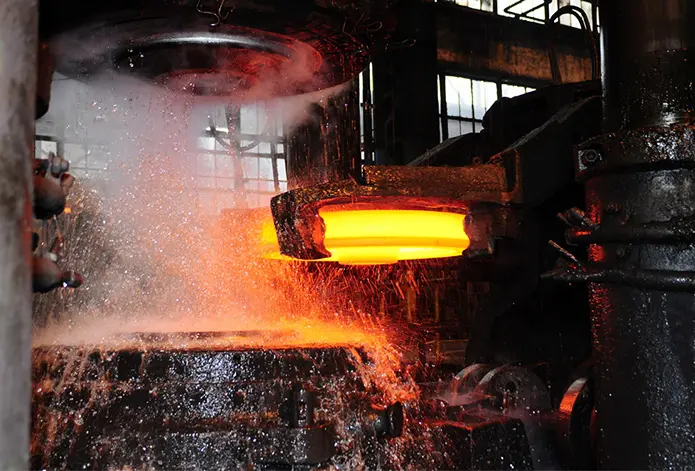
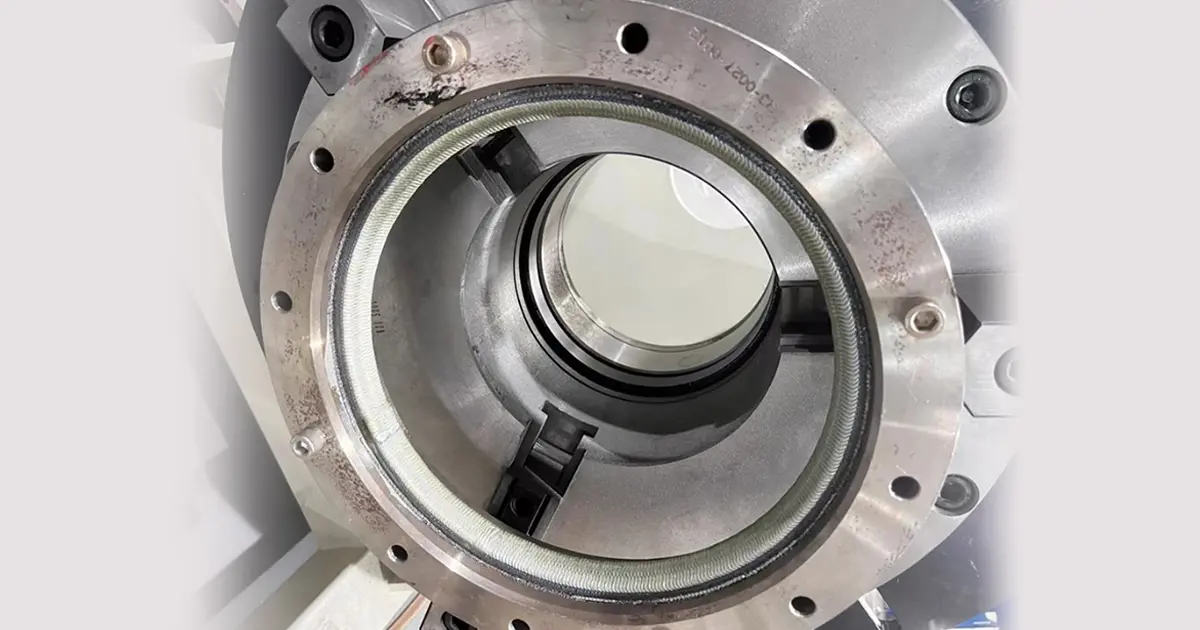
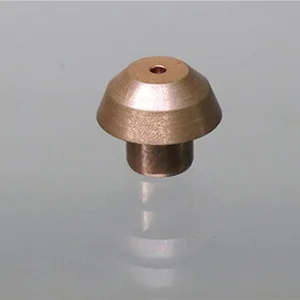
Micro Arc welding and Plasma Transferred Arc (PTA) technologies are the pinpoints of precision surface modifications. By employing a highly constrained, columned plasma arc generated by forced copper nozzle configurations, these machines achieve energy densities that far exceed typical TIG or MIG thermal profiles.
Our independent Technical Department prioritizes reducing the dilution rate—the percentage of the base material that mixes into the applied clad layer. In traditional arc methods, dilution ranges from 15% to 30%, which compromises the physical properties of the hardfacing alloy. Shanghai Duomu systems achieve ultra-low dilution rates of less than 5%, ensuring that the deposited cobalt or nickel-based powders retain their maximum wear resistance and mechanical properties directly from the initial layer.
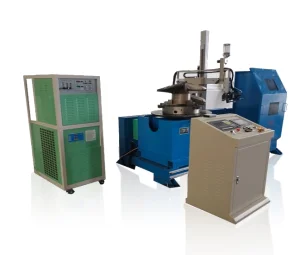
Our R&D framework enables us to develop integrated systems from the ground up, linking high-voltage, high-frequency current power supplies with mechanical powder feeding loops. This delivers a highly controlled plasma powder welding environment (such as our DML-V03CD model), making us a preferred partner for global aerospace and defense manufacturers.
I have an independent R&D team, which develops, produces and sells plasma cladding machine equipment. The welding machine has stable performance and can maintain efficient long-term operation. In addition, the laser cladding equipment sold by the company can effectively support large-scale remanufacturing projects. We have mature technological means to provide complete sets of industrial equipment solutions.
At present, the company's products have penetrated into many fields such as aerospace military industry, nuclear power, petrochemical industry, coal mines, metallurgy and forging, agriculture, water conservancy and electric power, etc. These systems protect components from heavy abrasion, extreme temperatures, and chemical degradation.



Based in Shanghai's advanced industrial manufacturing zone, Shanghai Duomu leverages the world's most concentrated precision component, electronics, and optoelectronics supply chain. This strategic footprint allows us to quickly source key components like high-capacity gas regulators, digital microprocessors, optical fiber components, and multi-axis robotics, while maintaining a strict quality control system.
For global industrial buyers, this translates to shorter lead times, customized design options, and competitive pricing. While Western equivalents often require lead times of 20 to 35 weeks for custom-designed systems, our integrated factory can complete production, testing, and delivery configurations within 8 to 12 weeks.
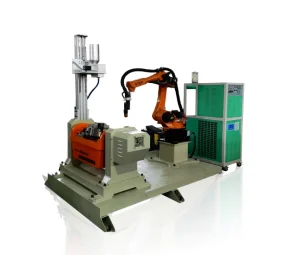
We can provide customized equipment, automatic laser cladding equipment, automatic plasma cladding equipment, intelligent robot cladding equipment, etc. according to customers' requirements, including special equipment in the industry, such as hydraulic rod cladding machine, pick cladding machine, valve cladding machine, etc.
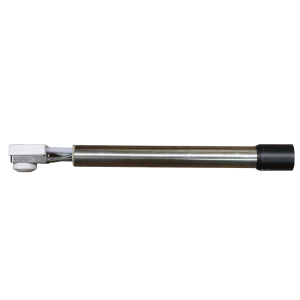
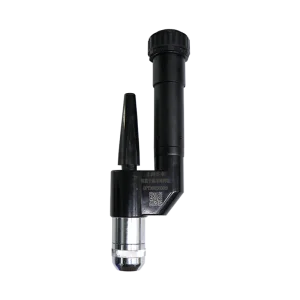
Whether your project requires complex internal bore cladding torches (like our DNPT30018-HQ) or a fully automated multi-axis robot system for irregular heavy-industry valves, our engineering department designs tailored structural solutions that integrate seamlessly into your current operations.
| Technology Type | Typical dilution rate | Heat-affected zone (HAZ) | Coating thickness per pass | Key application scenarios |
|---|---|---|---|---|
| PTA Cladding (Shanghai Duomu) | 3% - 8% | Minimal (1 - 2.5 mm) | 1.0 - 5.0 mm | Conveyor screws, valves, agricultural tools |
| Laser Cladding (Shanghai Duomu) | 1% - 3% | Ultra-low (0.2 - 1.0 mm) | 0.2 - 2.0 mm | Aerospace components, turbine blades, motor rotors |
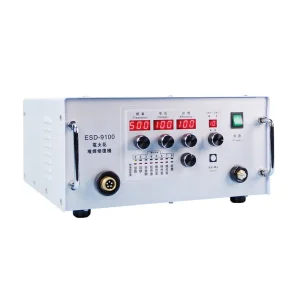
| Intelligent EDM (ESD-9100) | Close to 0% | Microscopic (non-structural) | 0.01 - 0.2 mm | Die and mold modifications, minor tooling damage |
| Traditional Arc (MIG/TIG) | 15% - 30% | High (5.0 - 10.0 mm) | 2.0 - 8.0 mm | Structural welds, non-precision structural building |
Read technical insights from our engineers on dilution control, wear resistance, and process parameters for PTA and laser surfacing applications.
The PTA Welding Valve Application Guide is not just a process choice for valve manufacturers facing high wear, high corrosion, and high-temperature erosion working conditions, but also a key path to improving product competitiveness. As industries such as petrochemical, power generation, and chemical process engineering scale up, valve survivability demands advanced cladding.
In industries such as mining, cement, power generation, steelmaking, chemical processing, and biomass energy, screw conveyors are often regarded as auxiliary equipment. However, maintenance data shows that they are among the most frequent causes of unplanned production downtime. Protecting their outer flights with specialized automated plasma cladding reduces maintenance intervals by up to 400%.
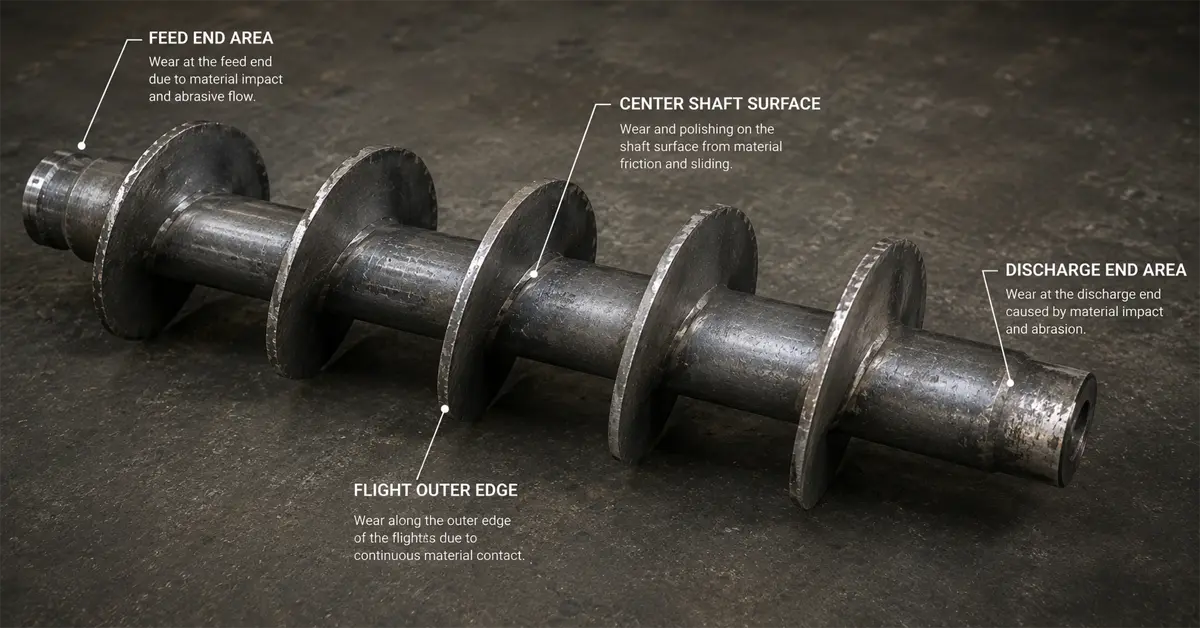
In Plasma Transferred Arc (PTA) hardfacing, achieving a high-quality overlay is not only about selecting the right alloy powder or optimizing welding parameters. One of the most critical factors that directly affects overlay performance is the dilution rate. Control of dilution rate determines whether you achieve specified hardness within the first overlay pass, avoiding costly extra runs.
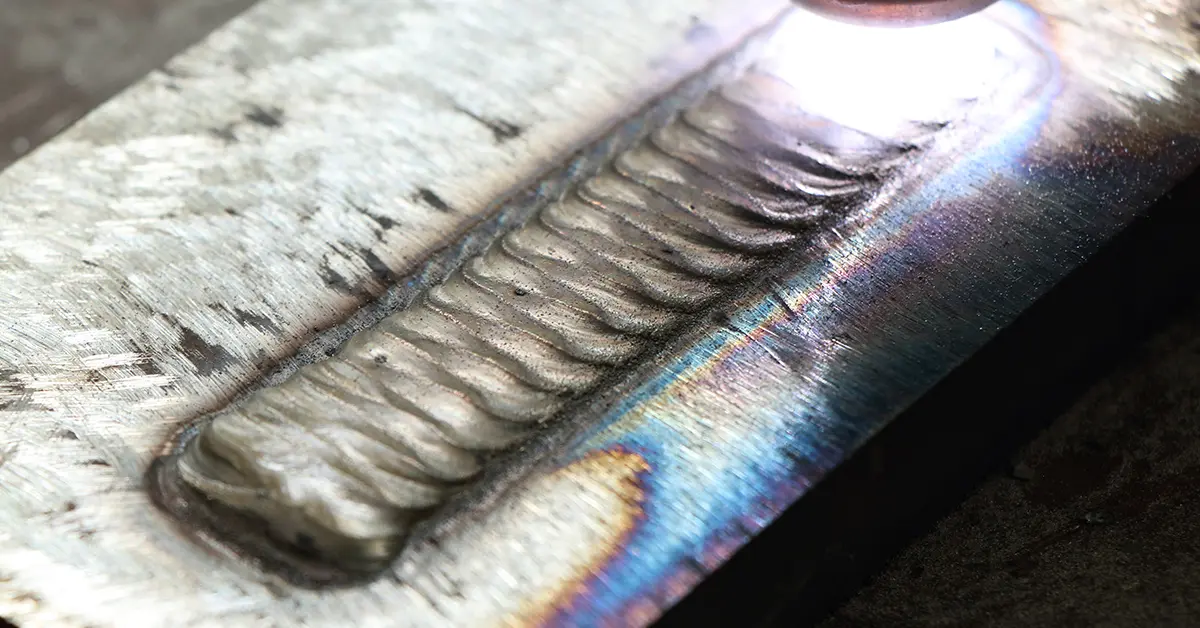
In industries such as Oil & Gas, Mining, Power Generation, Cement, and Heavy Equipment Manufacturing, hardfacing is no longer just a repair process. It has become a critical technology directly related to equipment lifespan, downtime costs, maintenance frequency, and overall process safety. Implementing automated plasma transferred arc or custom laser systems ensures repeatable wear layers.
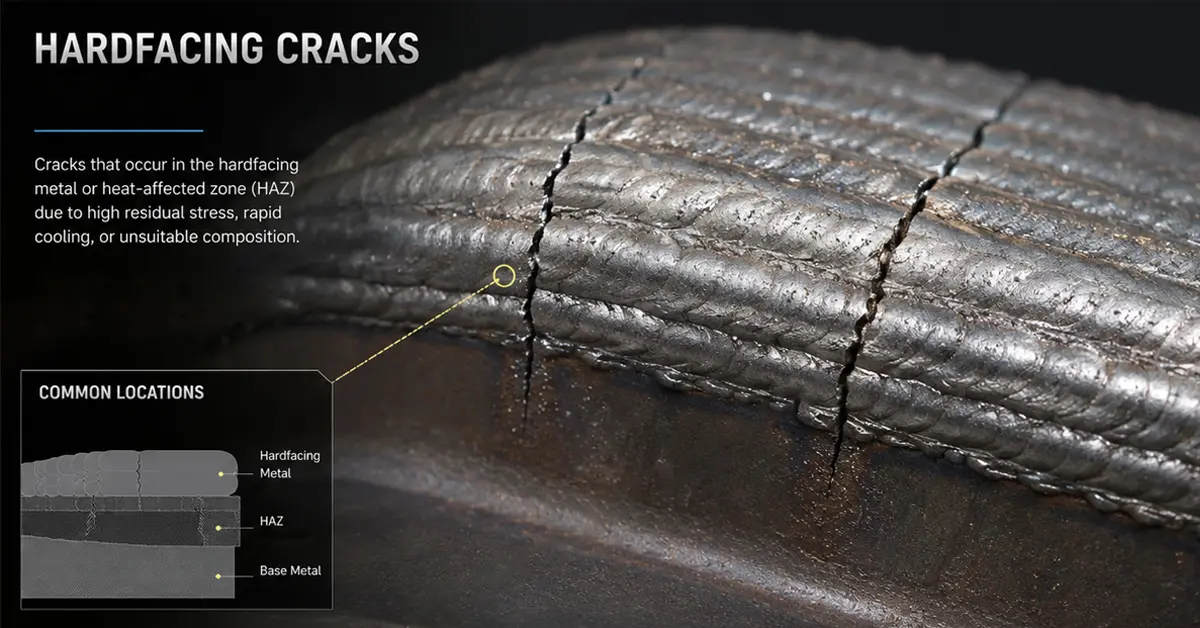
In industries such as oil & gas, petrochemical, power generation, mining, and marine engineering, industrial valves are constantly exposed to severe operating conditions including: High pressure, extreme temperatures, corrosive media, and abrasive wear. Traditional spray-fuse and manual TIG methods are being rapidly replaced by high-efficiency automated CNC-plasma units.
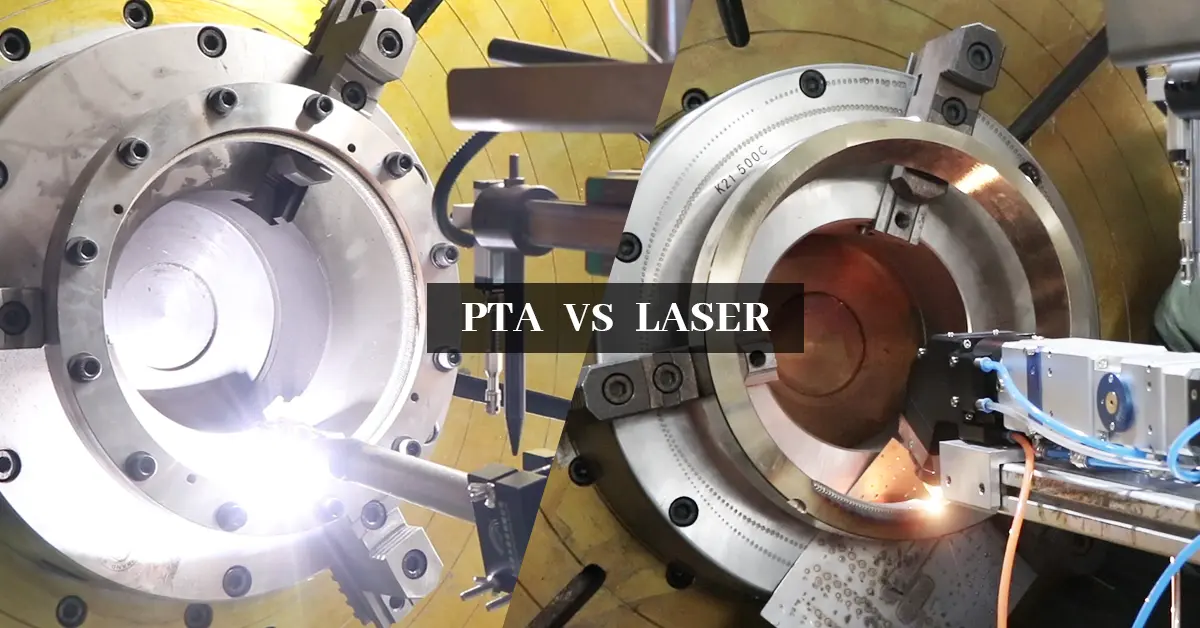
A primary barrier when importing large-scale machinery is satisfying local regulatory frameworks. Shanghai Duomu manufactures equipment conforming to distinct international standards, including CE (Conformité Européenne) for European markets, and UL/CSA component conformity for North American distribution. Our electrical cabinets are configured according to local utility profiles, providing trouble-free integration at 380V, 415V, or 480V (50Hz / 60Hz).
We provide complete schematics, CE certification dossiers, material safety data sheets (MSDS) for alloying powders, and comprehensive mechanical risk assessments to assist your local environment, health, and safety (EHS) compliance evaluations.
To minimize downtime, we provide multiple pathways for operational support:
Review answers to standard technical, operational, and sourcing inquiries from global buyers.
Trusted by Industrial Leaders Internationally







Explore our range of automated systems designed for high-wear environments, including valve applications, rotary components, and complex metallurgical profiles.
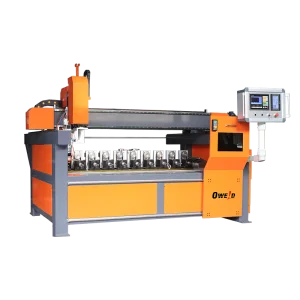
For inquiries about our products or pricelists, please leave your contact info below. Our engineering team will get in touch with you within 24 hours to analyze your application requirements.
 Duomu
Duomu