Premium automation technology engineered for high-wear environments, corrosion protection, and mechanical reconstruction.
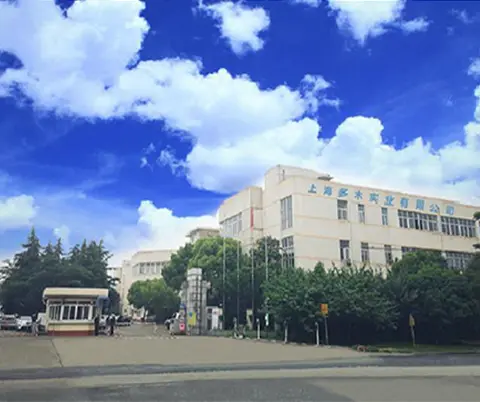
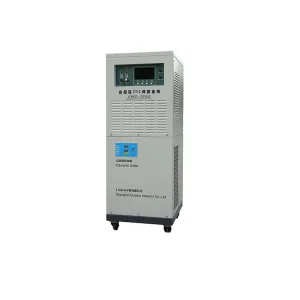
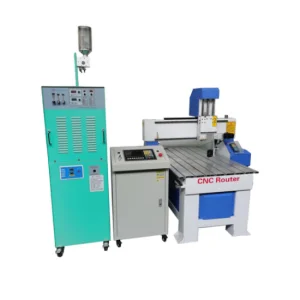
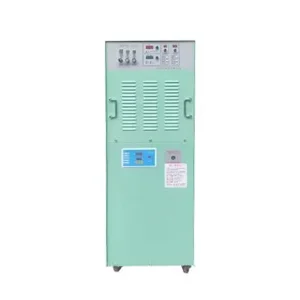
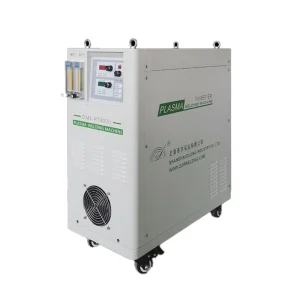
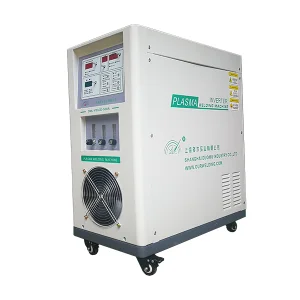
Shanghai Duomu has been a leading manufacturer and exporter of PTA cladding machines and Laser cladding machines for more than ten years with a strong technical background. Our dedication to advanced surface engineering allows us to support critical component repair and wear protection across complex heavy industries.
By producing advanced thermal transfer equipment, our machines guarantee strong metallurgical bonds, extremely minimal base metal dilution, and high density output layers. Our global footprint covers key industrial sectors seeking to lower maintenance overhead and enhance performance limits.
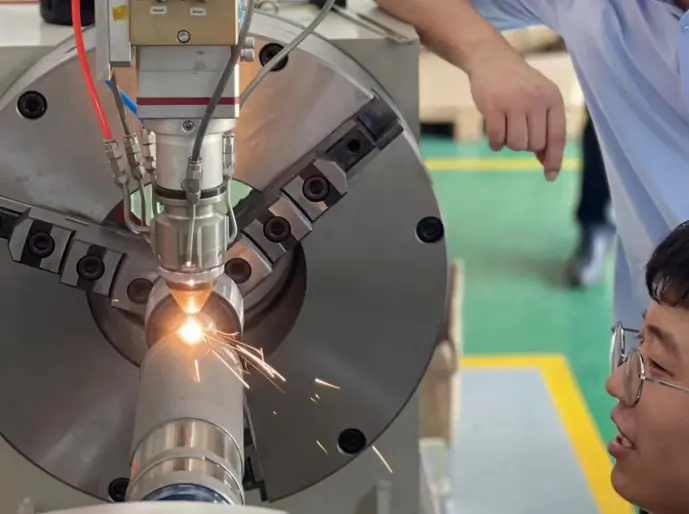
We boast an independent, top-tier R&D department that develops, produces, and sells plasma cladding machine equipment. Our welding machines possess high stability and efficiency, designed to maintain efficient long-term operations even in demanding continuous environments.
In addition, the laser cladding equipment sold by our company supports large-scale industrial remanufacturing projects. We utilize mature technological means to provide complete sets of industrial equipment solutions, tailoring automated systems to support high-precision cladding requirements.
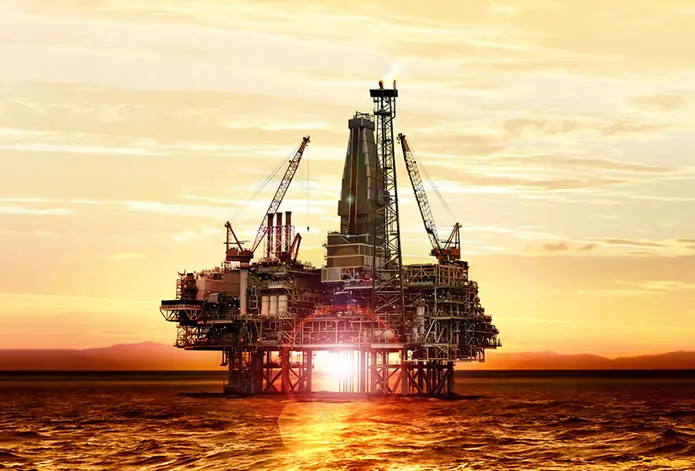
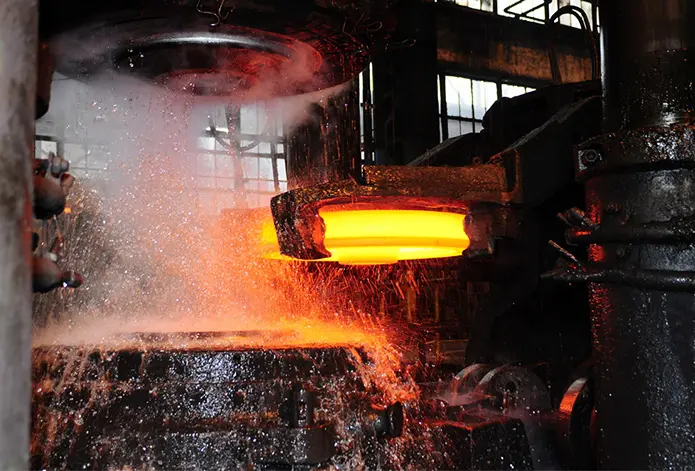
At present, our products have successfully penetrated into aerospace military industry, nuclear power, petrochemical industry, coal mines, metallurgy and forging, agriculture, water conservancy, and electric power, etc.


A comprehensive review of modern hardfacing, PTA, and High-Speed Laser Cladding technologies transforming industrial lifespan standards.
Traditional overlay welding methods often suffered from high dilution rates (up to 15-20%), which altered the cladding layer's chemical composition. Modern PTA and Laser Cladding systems achieve dilution rates of less than 3% to 5%. This preserves the hardfacing alloy's chemical properties (e.g., cobalt-based Stellites or nickel-based powders) right from the interface boundary, ensuring immediate wear resistance.
As the industry demands faster cycle times and thinner coating layers, Ultra-High-Speed Laser Cladding represents the future frontier. By melting the powder particles in the air before they reach the substrate, EHLA minimizes heat inputs, prevents substrate deformation, and enables coating speeds up to 100 meters per minute. This is ideal for hydraulic cylinder rod manufacturing and brake disc coatings.
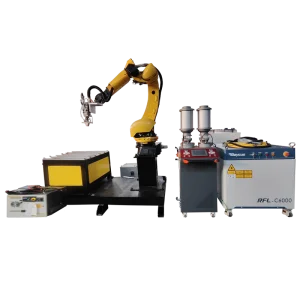
Using 6-axis robotic arms coupled with real-time optical tracking and melt pool monitoring systems ensures precise cladding deposition. Our technology integrates smart thickness sensors and feedback loops to adjust laser power, powder feed rates, and travel speeds dynamically. This guarantees uniform microstructures and zero defects in complex-shaped shafts.
Across major processing sectors, downtime due to component failure costs millions of dollars. Through our comprehensive cladding services and equipment provision, we deliver preventative surface engineering designed to double, or even triple, the mean time between failures (MTBF).
Power Generation: Steam turbines, coal pulverizer parts, and boiler tube sheets undergo severe solid particle erosion. Custom plasma powder cladding with tungsten carbide-nickel matrices provides the ultimate shield against wear.
Mining & Heavy Earthmoving: Excavator bucket pins, drive shafts, and crushing rollers operate under continuous heavy impact. PTA cladding delivers massive thick layers of iron-chrome-carbon hardfacing to withstand severe abrasion.
Marine & Port Systems: Propeller shafts and hydraulic piston rods face salt spray and galvanic corrosion. Laser cladding with corrosion-resistant Superalloys (Inconel 625) provides long-term marine protection.
| Substrate Material | Optimal Cladding Powder | Primary Benefit |
|---|---|---|
| Medium Carbon Steel (45# / 1045) | Nickel-based (Ni60) / Cobalt-based (Stellite 6) | High hardness (HRC 55-62), high abrasion resistance |
| Alloy Steel (42CrMo / 4140) | Tungsten Carbide + Ni Alloy (WC-Ni) | Extreme wear resistance, agricultural tools |
| Stainless Steel (304 / 316) | Inconel 625 / Stellite 21 | High-temp corrosion resistance, chemical valves |
| Cast Iron | Nickel-Iron Alloy (NiFe-C) | Excellent crack-resistance & buffer layer bonding |
By implementing Factory 4.0 principles, Shanghai Duomu ensures highly stable production and manufacturing cycles. Through robotic system automation, we maintain strict repeatability from batch to batch. This stability is critical for global buyers who require hundreds of cladding heads or integrated stations without variations in welding parameters.
Our localized supply chain in Shanghai allows us to source premium raw materials and electronic components at competitive prices. By retaining full control over research, design, production, and quality assurance processes, we deliver price-to-performance ratios that cannot be matched by Western system integrators.
Key Supply Chain Strengths:
International procurement departments require compliance, safety standards, and reliable logistics support. At Shanghai Duomu, we align our product configurations with global frameworks, including CE Machinery and Electromagnetic Compatibility (EMC) directives, ensuring seamless installation in factories across Europe, North America, and South America.
Furthermore, our systems are optimized for industrial automation networks, supporting communication protocols like Profinet, EtherCAT, and Modbus to enable integration with preexisting PLCs and SCADA networks.
Localization & Compliance Assurance:
We provide specialized systems for hydraulic rods, cutting picks, industrial valves, and drill components tailored to meet exact processing requirements.
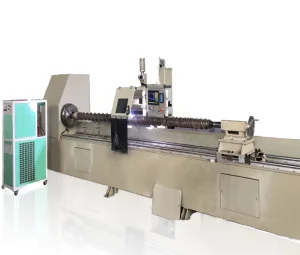
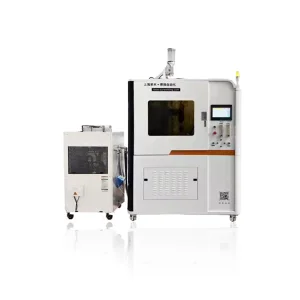
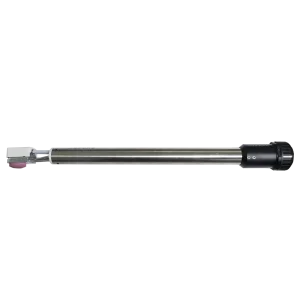
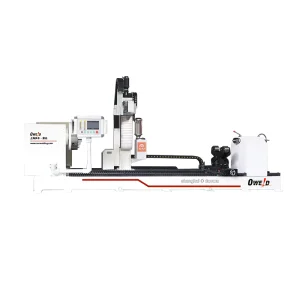
The high-quality DYY-LC501 Laser Cladding & PTA Cladding system is designed specifically for hydraulic rod restoration and cylindrical components. It utilizes a synchronized powder feeder and high-efficiency optical path to overlay wear-resistant layers on rotating surfaces with extreme precision.
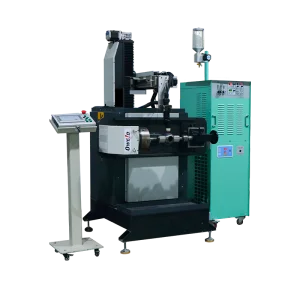
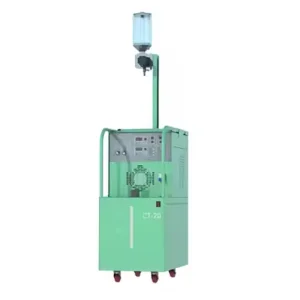
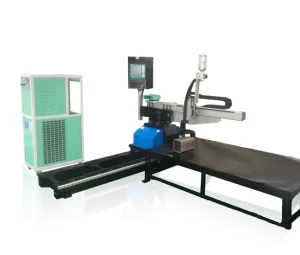
Engineered for large plate surfacing, heavy wear-plates, and scraper conveyors. With high current capability, it delivers deposition rates exceeding 6kg/h, making it a rugged powerhouse for metallurgy castings and mining refurbishments.
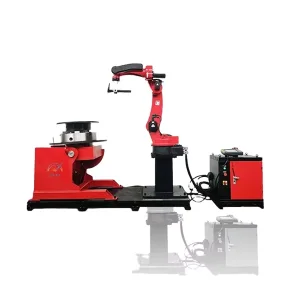
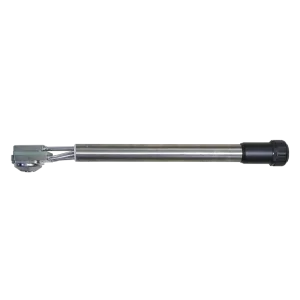
Designed for corner welding, structural joints, and irregular geometrical cladding. Integrates advanced laser line path-planners to allow automated operation on complex industrial components with minimal user intervention.
Read about real-world engineering projects, research, and surface coating optimization strategies for critical industrial components.
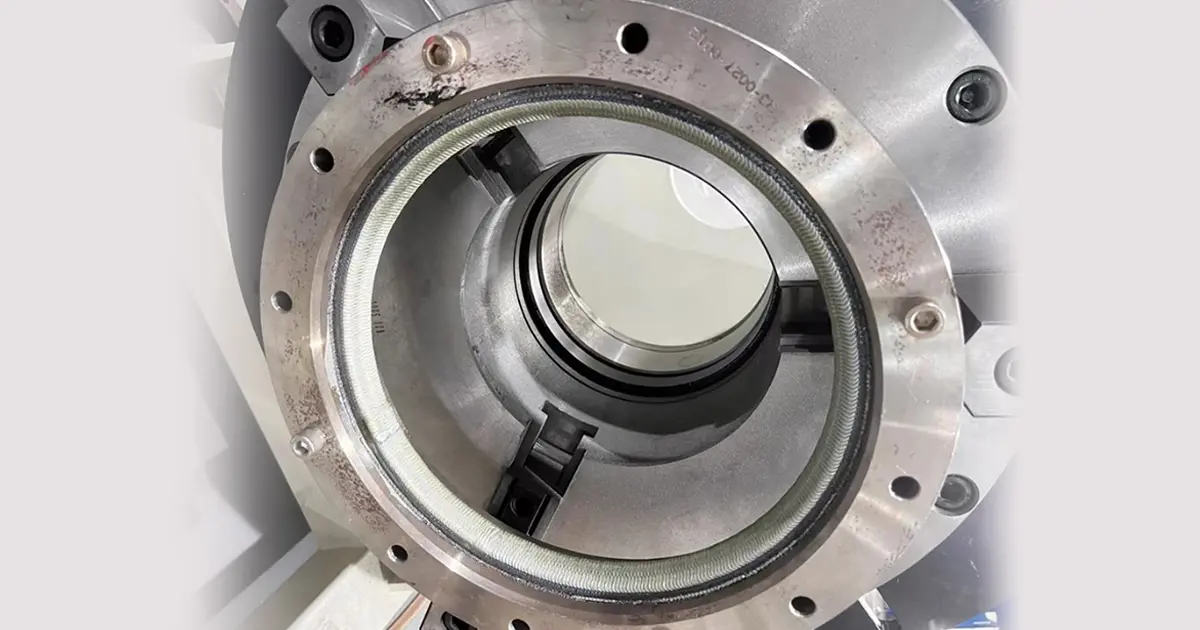
"The PTA Welding Valve Application Guide is not just a process choice for valve manufacturers facing high wear, high corrosion, and high-temperature erosion working conditions, but also a key path to improving product competitiveness. As petrochemical and oil industries demand absolute reliability under extreme pressures, implementing PTA cladding ensures leak-free operations over extended cycles."
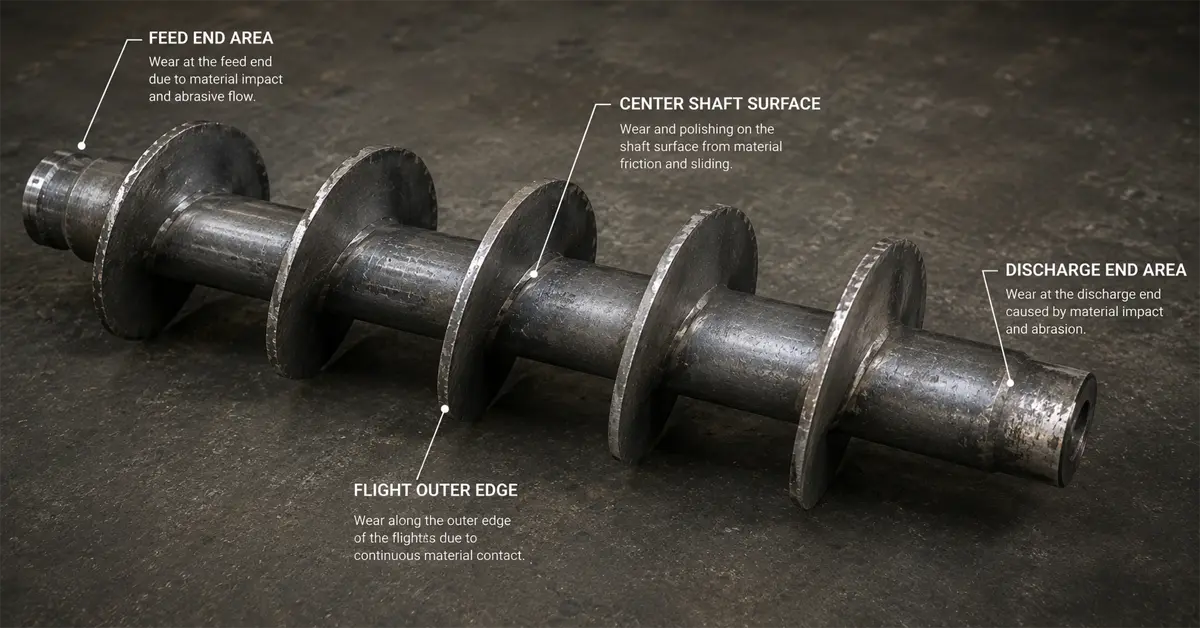
"In industries such as mining, cement, power generation, steelmaking, chemical processing, and biomass energy, screw conveyors are often regarded as auxiliary equipment. However, maintenance data shows that they are among the most frequent causes of unplanned production shutdowns. Cladding with wear-resistant powders transforms these screws into wearproof components."
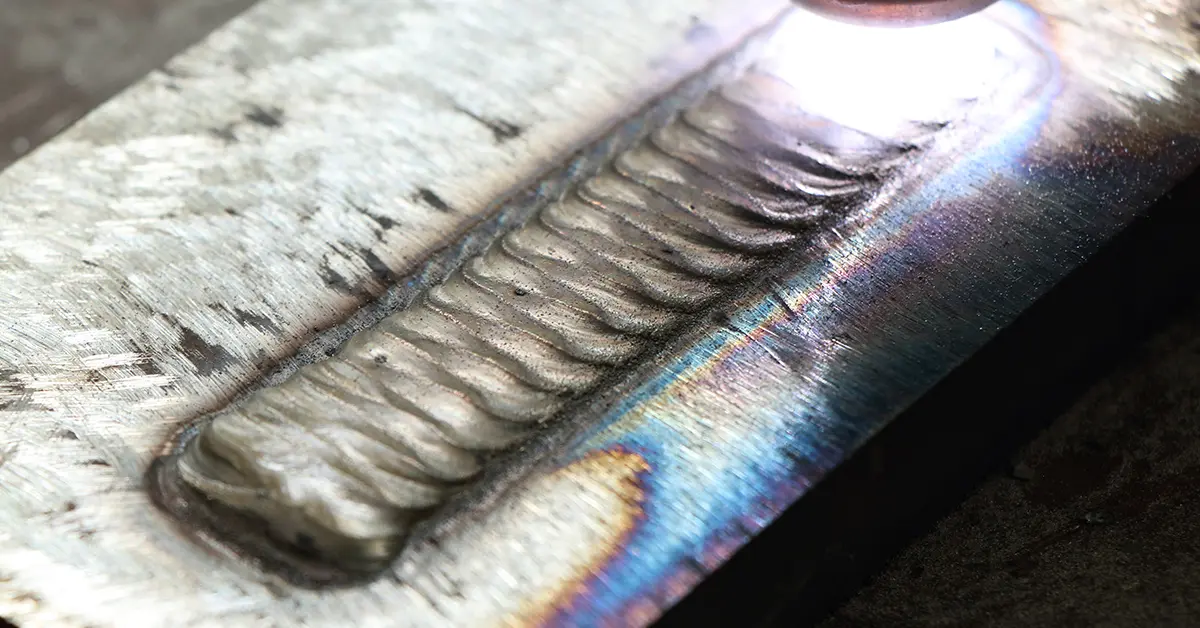
"In Plasma Transferred Arc (PTA) hardfacing, achieving a high-quality overlay is not only about selecting the right alloy powder or optimizing welding parameters. One of the most critical factors that directly affects overlay performance is the dilution rate. Keeping dilution low ensures the hardfacing layer retains its intended chemical profile."
Expert technical answers regarding PTA cladding, Laser cladding, system configurations, and material processing.
Laser Cladding uses a concentrated laser beam as the heat source. It features an extremely small Heat Affected Zone (HAZ), rapid cooling rates, and low dilution (under 2%), which makes it perfect for thin coatings, high-precision shafts, and components prone to thermal distortion. PTA (Plasma Transferred Arc) Cladding utilizes a plasma arc, yielding a higher deposition rate and lower capital cost, making it ideal for thicker cladding layers (e.g., 2mm to 6mm) on heavy agricultural, valve, and mining machinery components.
Dilution occurs when the base metal melts and mixes with the cladding alloy. We control this by optimizing the parameter matrix: tuning arc current, laser scanning speed, powder feed rate, and torch overlap. Utilizing precise automated CNC controls on Shanghai Duomu machines keeps dilution down to 1% to 5%, preventing degradation of the coating's mechanical properties.
Yes. Our independent powder feeders use advanced gas-driven dual-wheel mechanisms capable of feeding a wide range of powders from 50 to 150 microns. This includes Cobalt-based (Stellite), Nickel-based, Iron-based alloys, and composite powders containing Tungsten Carbide (WC) particles.
We provide seaworthy wooden case packaging and coordinate with international freight forwarders for global delivery. For installation and training, we offer detailed video guides, wiring diagrams, and online interactive sessions. For large-scale system deployments, we can arrange for technical engineers to perform onsite commission and programming.
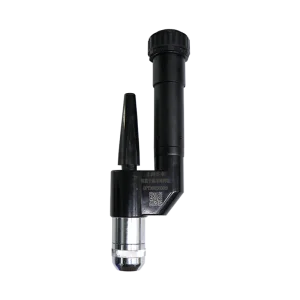
We provide completely customized tooling systems depending on the target application: this includes custom-engineered CNC rotators for hydraulic rods, specific rotational configurations for coal mining picks, multi-axis tilting positions for ball valves, and specialized internal bore torches for cladding inside pipe diameters down to 50mm.
Engineered for high performance, ease of integration, and extreme wear prevention.







 Duomu
Duomu