 Duomu
Duomu
1. Advanced Technical Roadmap: The Evolution of Soldadura Con Plasma
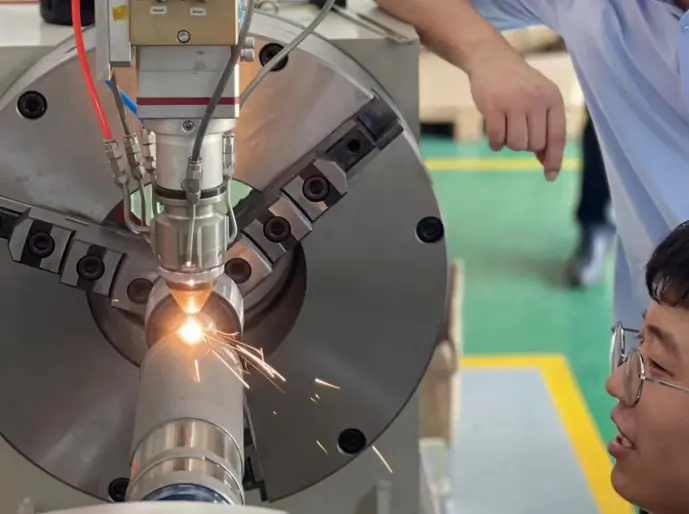
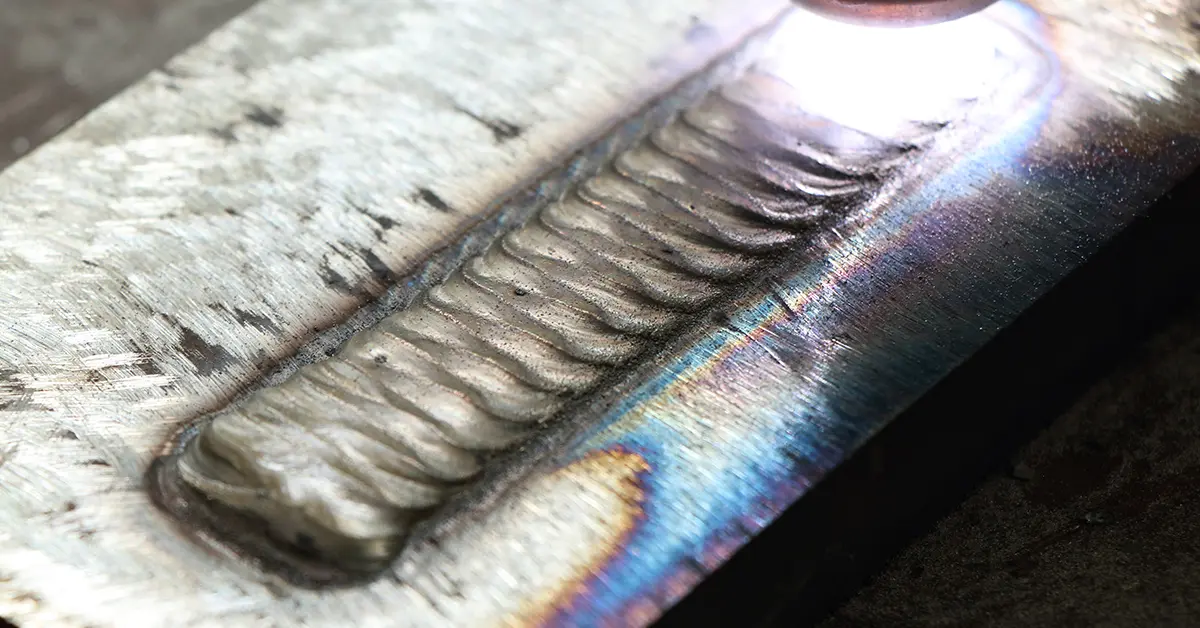
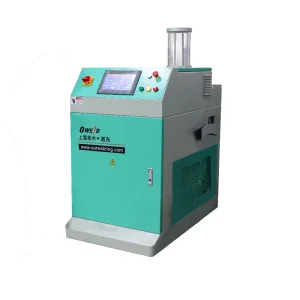
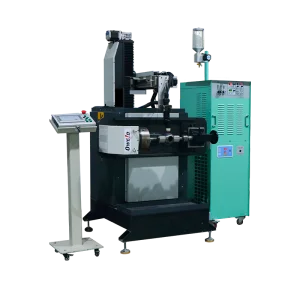
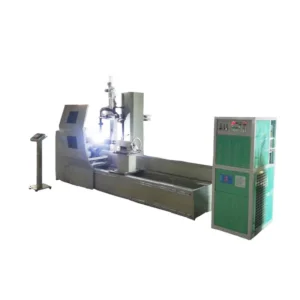
In the field of surface engineering, the term Soldadura con Plasma (Plasma Transferred Arc - PTA welding) represents one of the most reliable ways to deposit thick, wear-resistant, and corrosion-resistant alloys. By concentrating argon-shielded plasma into a highly stable column, temperatures exceeding 15,000°C can be achieved locally. This allows the melting of high-melting-point materials such as Tungsten Carbide (WC) and cobalt-based Stellite alloys onto critical industrial surfaces.
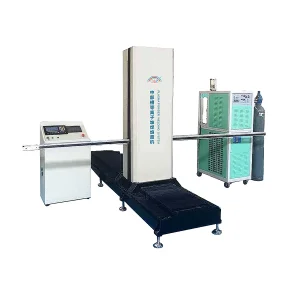
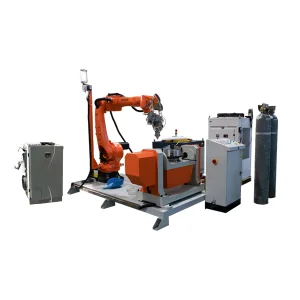
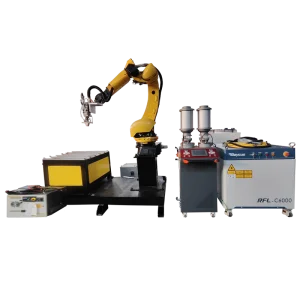
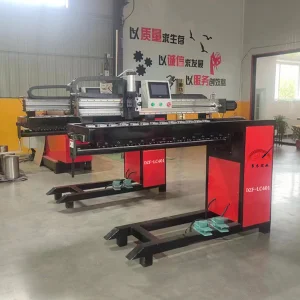
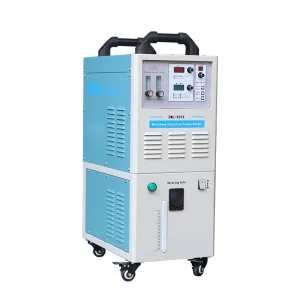
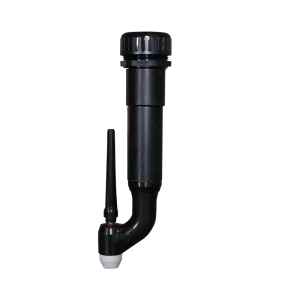
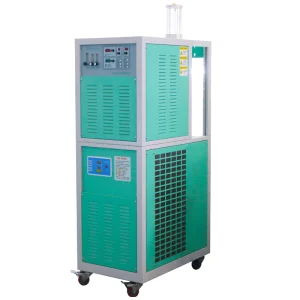
Shanghai Duomu's technical roadmap bridges the gap between conventional semi-automatic PTA systems and high-throughput intelligent robotic surface cladding systems. Our research focuses on maintaining a tight control loop on the powder feeding rate, pilot arc current stability, and torch cooling mechanisms. Our modern systems feature dual-powder feed capabilities, permitting the in-situ blending of carbide particles with ductile metal matrix alloys to customize wear profiles based on the exact industrial environment.
2. China Factory 4.0: Supply Chain Resilience & Efficiency Advantages
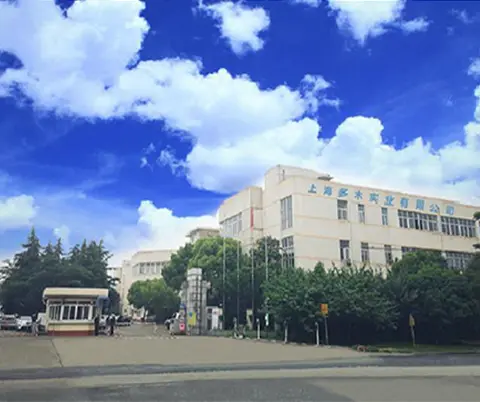
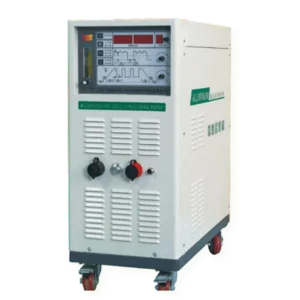
Operating from Shanghai, a major global hub for precision engineering, Shanghai Duomu leverages China's robust industrial ecosystem to offer unmatched manufacturing efficiency. Our production facility integrates advanced CNC machining centers, automated testing stations, and quality control systems to ensure that every torch, nozzle, and power source meets rigorous performance baselines.
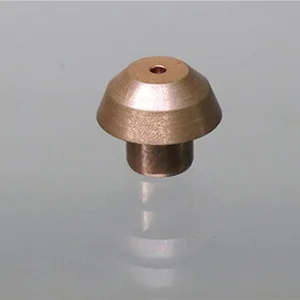
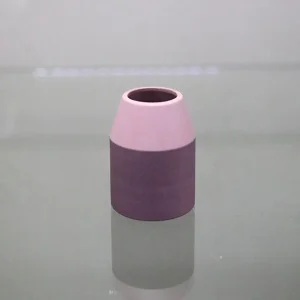
By controlling the entire process from design, software development, and electrical cabinet assembly to torch manufacturing, we mitigate the supply chain delays common in smaller integration shops. Our customers benefit from a steady pipeline of spare parts—including precision copper alloy PTA nozzles, gas shield covers, and customized powder feed assemblies—ensuring minimal downtime in high-throughput production lines globally.
3. Macro Industry Solutions & Application Map
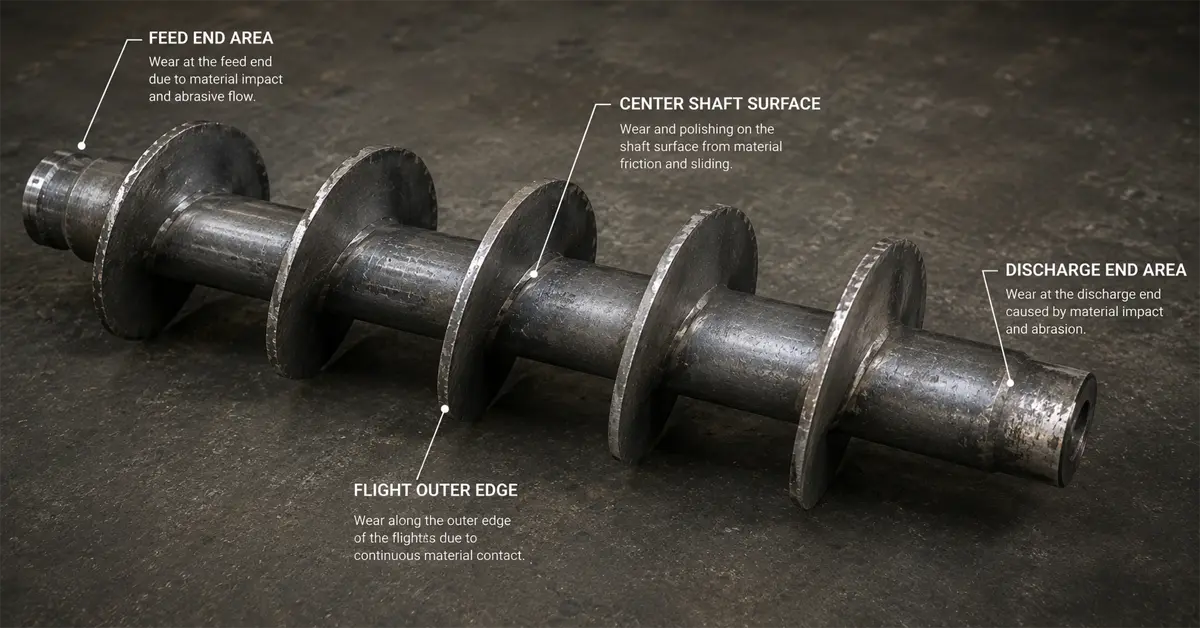
Different industrial sectors face unique wear mechanisms. Understanding these differences is essential for selecting the appropriate cladding alloy and system configuration:
- Aerospace & Defense: Restoration of turbine blade tips and high-temperature sealing surfaces using precise micro-plasma welding systems that minimize the heat-affected zone (HAZ) and prevent warping.
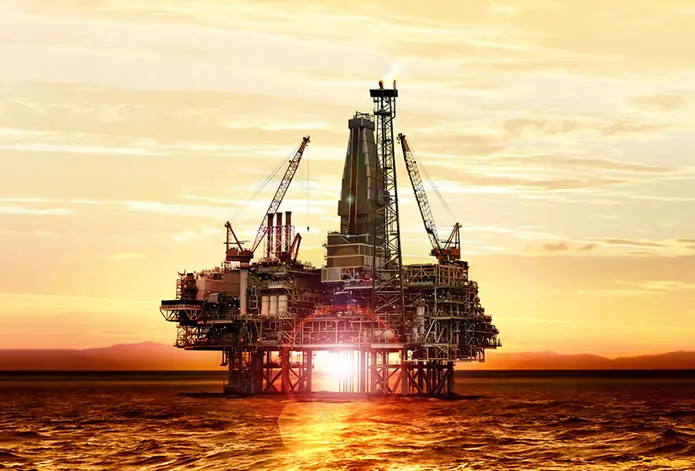
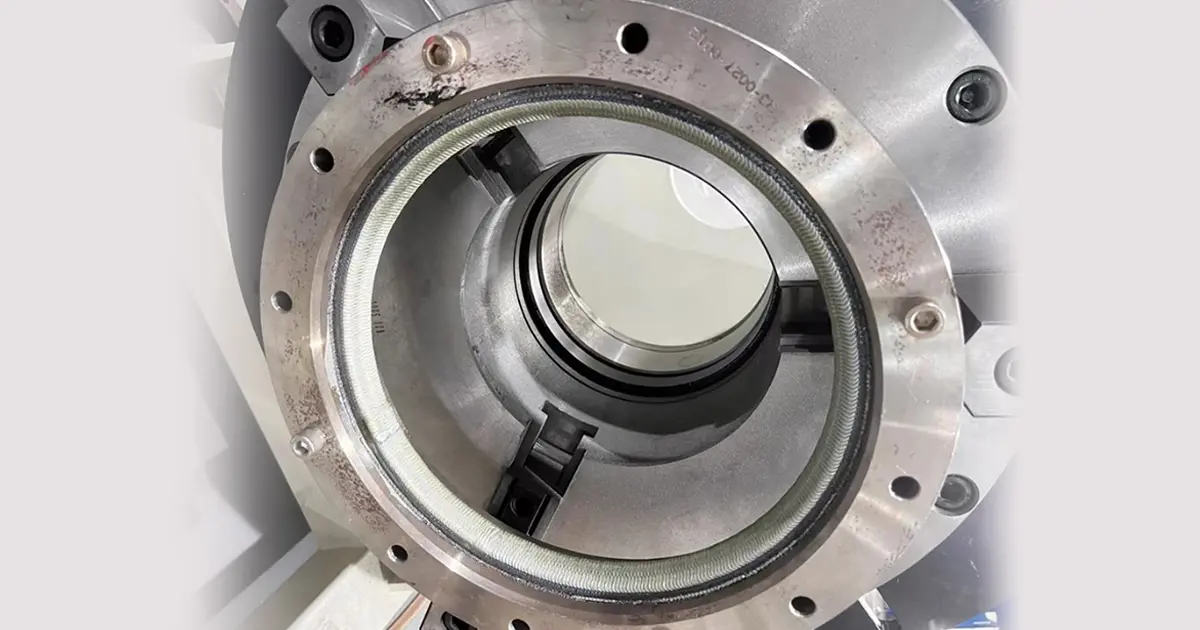
- Petrochemical & Valve Manufacturing: Hardfacing of ball valves and gate seats with Stellite 6 or Colmonoy alloys to withstand corrosive liquids, slurry erosion, and extreme operational pressures.
- Mining & Heavy Construction: Automated cladding of cutting picks, excavator teeth, and drilling stabilizers with thick layers of chromium carbide or nickel-tungsten carbide matrices.
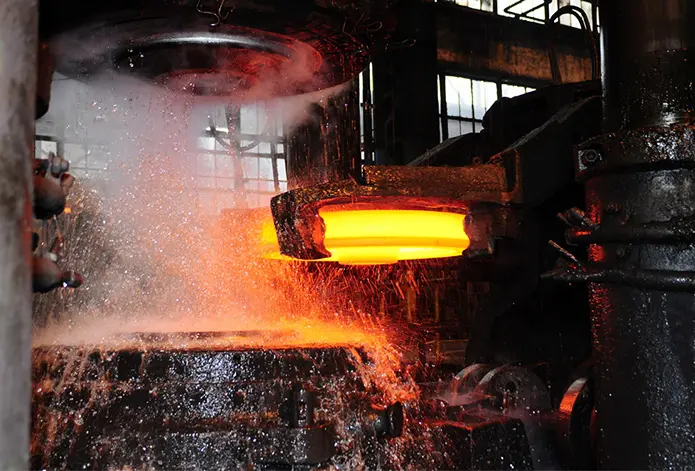
- Power Generation & Steel Industry: Extended operational lifespans for boiler tubes, coal pulverizer rolls, and continuous caster rolls through automated overlay cladding.