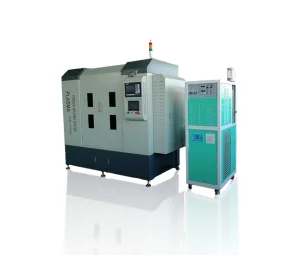
China Stainless Steel Welding Methods Manufacturer & Supplier

Advanced Industrial Solutions: PTA Cladding, Laser Hardening, and High-Precision Arc Welding Technologies

Innovative Cladding & Arc Welding Systems

Explore our top-tier engineering solutions, highly optimized for industrial durability, precision surfacing, and micro-plasma repair applications.
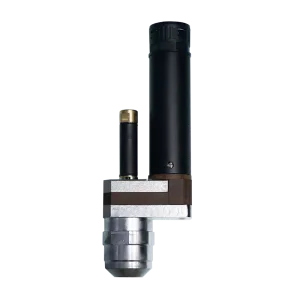
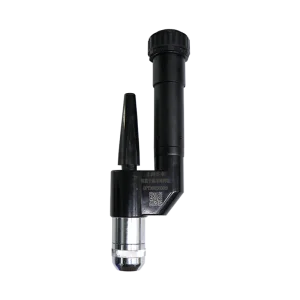
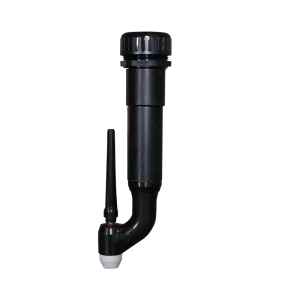
China Plasma torch 80A Suppliers

China Plasma torch 80A Suppliers, Factories

View Details
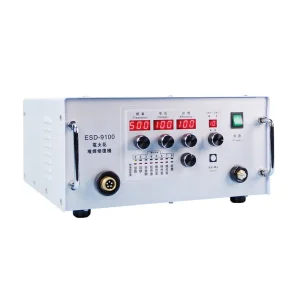
China Intelligent EDM cladding repair machine

China Intelligent EDM cladding repair machine ——ESD-9100 Manufacturer, Factories

View Details
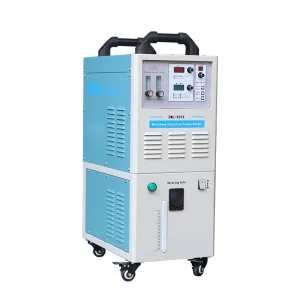
precision micro plasma arc welding machine

High-Quality precision micro plasma arc welding machine Manufacturers, Supplier

View Details
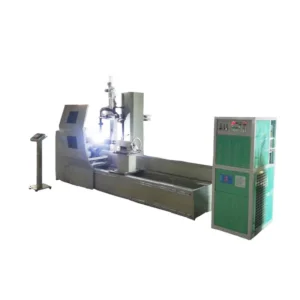
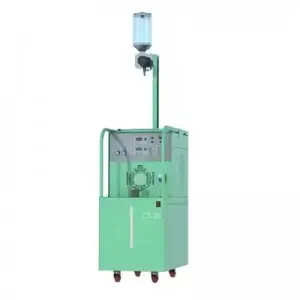
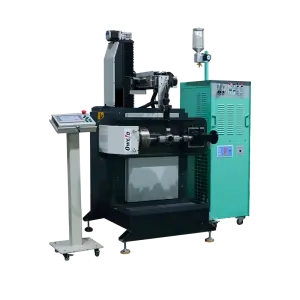
Double cone injection molding machine barrel inner hole cladding machine

Custom DSL-LC401 Double cone injection molding machine barrel inner hole cladding machine Suppliers, Factories

View Details
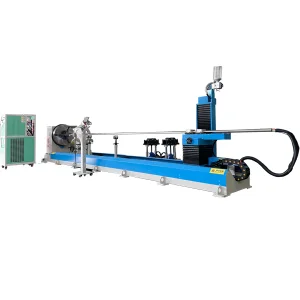
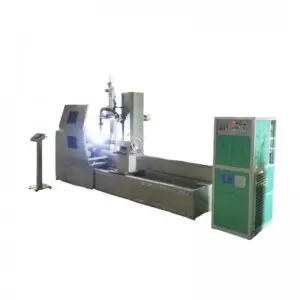
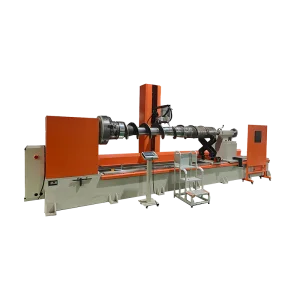
Hydraulic rod automatic plasma cladding machine

High-Quality DYY-LC501 Hydraulic rod automatic plasma cladding machine Suppliers, Factories

View Details
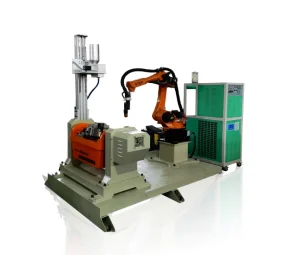
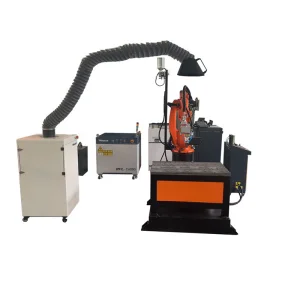
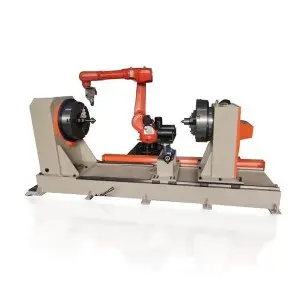
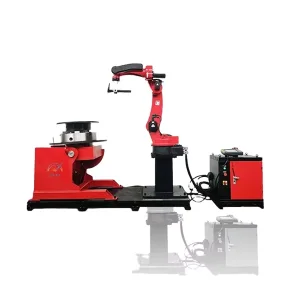
Automatic plasma surfacing robot

China DH1440-B06 Automatic plasma surfacing robot Manufacturers, Suppliers

View Details
High-Quality Plasma torch 500A

High-Quality Plasma torch 500A Manufacturer, Manufacturers

View Details
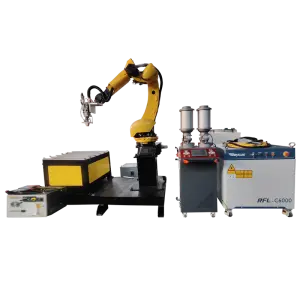
Robotic Laser cladding System for blades

China Robotic Laser cladding System for blades Manufacturer, Factory

View Details

About Shanghai Duomu

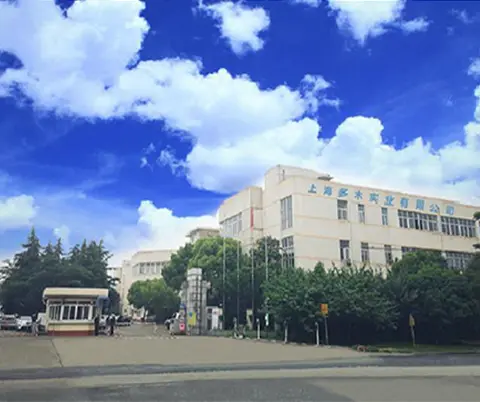
Shanghai Duomu has been a leading manufacturer and exporter of PTA cladding machine and Laser cladding machine for more than ten years with a strong technical background. Our continuous focus on innovation and surface modification engineering has allowed us to deliver state-of-the-art equipment to industrial operators globally. We specialize in configuring multi-axis automated robotic systems, high-density plasma arc machines, and intelligent EDM repair setups designed to withstand the most abrasive, corrosive, and high-temperature operating environments.
10+ Years Experience Independent R&D Team Custom System Configs
About Shanghai Duomu

The Metallurgy of Stainless Steel and its Impact on Weldability

Stainless steel is highly valued across global industries for its corrosion resistance, aesthetic properties, and exceptional mechanical strength. However, joining and cladding stainless steel requires a deep understanding of its metallurgy. The key factor behind its corrosion resistance is chromium, which forms a passive chromium oxide (Cr₂O₃) layer on the surface. When executing various stainless steel welding methods, heat input must be carefully managed to prevent sensitization—a metallurgical phenomenon where chromium carbides precipitate along the grain boundaries at temperatures between 450°C and 850°C. This local depletion of chromium leaves the material highly susceptible to intergranular corrosion.

"Achieving a defect-free, metallurgically sound joint requires careful balancing of the chemistry in the weld pool, proper heat input regulation, and the select application of advanced shielding and backing gas strategies."

Depending on the microstructural phase, stainless steels are classified into four primary families:

  • Austenitic Stainless Steel (300 Series): Characterized by high ductility and toughness. However, it is prone to hot cracking during solidifying. Controlling the solidification pathway to ensure a small percentage of delta ferrite (typically 3% to 10%, quantified via the WRC-1992 diagram) is vital to dissolve low-melting-point impurities (such as sulfur and phosphorus) and mitigate hot cracking risks.
  • Ferritic Stainless Steel (400 Series): Susceptible to extreme grain growth in the heat-affected zone (HAZ) under high heat inputs, which can significantly lower toughness. Minimizing heat input and utilizing rapid-cooling processes like micro-plasma or laser cladding is highly recommended.
  • Martensitic Stainless Steel: Highly hardenable but prone to hydrogen-induced cracking (cold cracking). Preheating and post-weld heat treatment (PWHT) are mandatory to relieve residual stresses and temper the brittle martensite phase.
  • Duplex Stainless Steel (Austenitic-Ferritic): Offers a balanced 50/50 microstructure that provides superior strength and stress-corrosion cracking resistance. The primary challenge is maintaining this phase balance post-welding. Excessive cooling rates lead to excessive ferrite, while slow cooling rates cause detrimental intermetallic phases (such as sigma phase) to precipitate. Adding nitrogen to the shielding gas helps stabilize the austenite phase during rapid cooling.

Comparative Guide of Advanced Stainless Steel Welding & Cladding Methods

Choosing the right joining or surface modification technique relies heavily on the specific mechanical requirements, dimensional tolerances, and alloy compositions of the project. Below, we compare the primary industrial techniques manufactured and supplied by Shanghai Duomu.

< 5%
PTA Cladding Dilution Rate
0.1 mm
EDM Cladding Accuracy
Minimal
Laser Cladding Distortion
100%
Metallurgical Bond

1. Tungsten Inert Gas (TIG / GTAW) & S-TIG Welding

TIG welding remains the standard for high-purity, thin-section stainless steel welding. However, traditional TIG exhibits low penetration depth and slower deposition rates. To solve this, Shanghai Duomu supplies the **S-TIG (Super-TIG)** system. By utilizing specialized activating fluxes or optimized current frequencies, S-TIG increases the depth-to-width ratio of the weld bead by up to 300% without increasing heat input. This eliminates the need for complex V-groove preparations on plates up to 8mm thick, reducing consumables usage and labor costs.

2. Plasma Arc Welding (PAW) & Plasma Transferred Arc (PTA) Cladding

PAW offers a highly concentrated, column-like arc, resulting in greater keyhole penetration and higher travel speeds than traditional TIG. In surface engineering, **PTA Cladding** has revolutionized wear-resistant overlays. By feeding metal powder (such as Stellite, Colmonoy, or Tungsten Carbide blends) directly into the plasma arc, PTA creates a dense, metallurgically bonded protective layer. A key benefit of our PTA systems is the ultra-low dilution rate (under 5% in a single pass), preserving the alloying properties of the clad material with minimal penetration into the base metal.

3. Laser Cladding & Laser Hardening

Laser cladding uses a high-power laser beam to melt a thin layer of the substrate and a simultaneously fed alloy powder. The high energy density allows for rapid melting and solidification. The heat-affected zone (HAZ) is extremely narrow, minimizing thermal distortion and residual stress. Laser cladding is the preferred method for high-value components like aerospace turbine blades and high-precision hydraulic shafts, where maintaining dimensional tolerance is critical.

4. Electro-Discharge Machining (EDM) cladding / Repair

For micro-defects, blowholes, and wear on injection molds or precision dies, traditional arc welding causes too much thermal distortion. Intelligent EDM repair systems use high-frequency electrical discharges to deposit electrode material onto the workpiece. The process generates virtually no heat, preventing annealing, distortion, or stress cracks.
Technical Department

Technical Department & R&D Capabilities

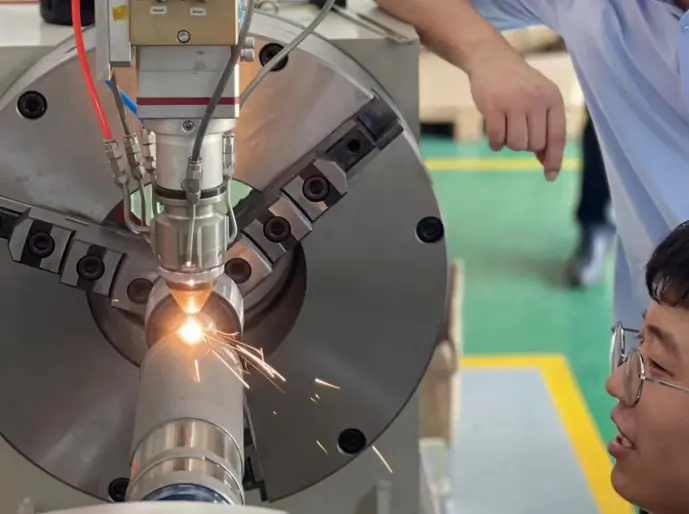
I have an independent R&D team, which develops, produces and sells plasma cladding machine equipment. The welding machine has stable performance and can maintain efficient long-term operation. In addition, the laser cladding equipment sold by the company can effectively support large-scale remanufacturing projects. We have mature technological means to provide complete sets of industrial equipment solutions. Our lab focuses on reducing dilution rates, developing automated robotic trajectory algorithms, and custom alloy powder formulations to match unique wear and corrosion challenges.

About Products: Custom & Specialized Cladding Machinery

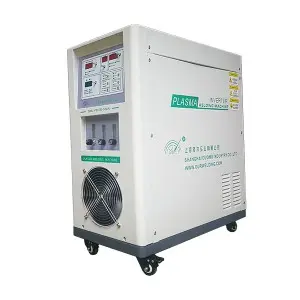
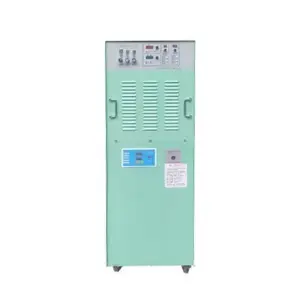
We design, configure, and customize automated systems tailored to industry-specific components like hydraulic rods, picks, valves, and screw shafts.
China Factory Advantage: Supply Chain Resilience & Manufacturing Efficiency

As a premier China-based manufacturer, Shanghai Duomu leverages the robust industrial ecosystem of the Yangtze River Delta. This proximity allows us to secure high-quality structural steel, advanced electronic components, gas regulation valves, and high-purity tungsten materials at competitive rates. We pass these efficiency savings directly to our global customers.

Our manufacturing facility operates under a strict Quality Management System (QMS) matching ISO 9001 standards. Key factors driving our production resilience and efficiency include:

  • In-house Core Components Production: Unlike assemblers who purchase components from third-party vendors, we design and manufacture our own plasma torches, EDM cladding heads, and gas control manifolds. This guarantees spare parts availability and consistent long-term performance.
  • Advanced CNC & Robot Integration: Our partnerships with top industrial robotics suppliers enable us to configure turnkey robotic welding cells. These cells feature 6-axis arms integrated with multi-axis positioning tables, ensuring precise torch trajectories and consistent bead width on complex geometries.
  • Customized Process Parameter Libraries: Through years of laboratory trials and industrial field feedback, we have compiled a comprehensive database of process parameters for cladding stainless steels, carbon steels, and nickel alloys. These pre-programmed parameters minimize setup times and eliminate trial-and-error runs for end-users.

Application Area

At present, the company's products have penetrated into many fields such as aerospace military industry, nuclear power, petrochemical industry, coal mines, metallurgy and forging, agriculture, water conservancy and electric power, etc.

agricultural machinery

Agricultural Machinery

Our hardfacing systems deposit high-durability carbide overlays on plow blades, subsoilers, and harvester cutting mechanisms, extending their service life in abrasive soil conditions.

Aerospace military industry

Aerospace Military Industry

Precision micro plasma arc systems and laser cladding setups are used to repair high-performance titanium and stainless steel turbine blades, maintaining tight tolerances and structural integrity.
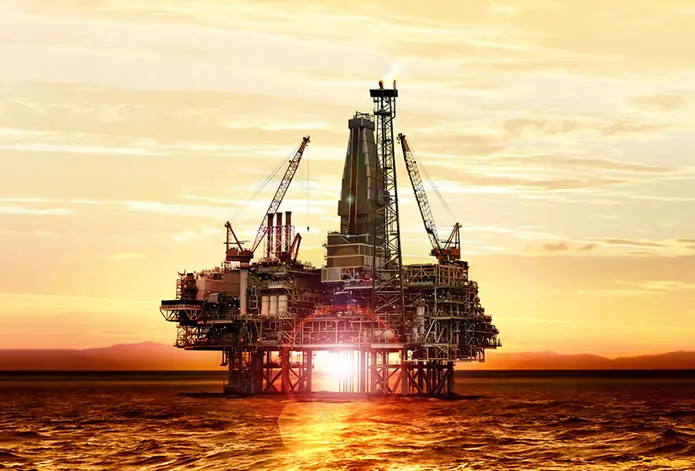
petroleum machinery

Petroleum Machinery

We supply corrosion-resistant cladding systems for drill collars, pump shafts, and mud motor components exposed to harsh downhole environments and corrosive drilling fluids.
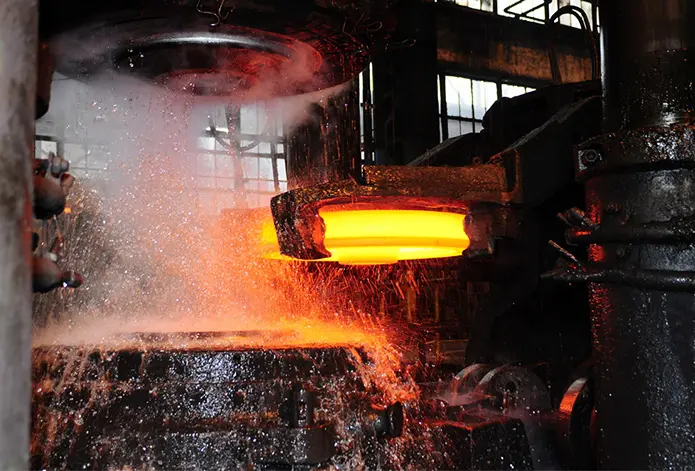
Metallurgy casting

Metallurgy Casting

Heavy duty automated plasma surfacing equipment is applied to rebuild and reinforce metallurgical rolls, continuous caster rollers, and forging dies under high-temperature fatigue.

Global Commercial Status & Localized Support

The demand for advanced surface modifications and high-precision welding methods is growing globally. As heavy industries face rising raw material costs and supply chain constraints, extending the life of existing components through remanufacturing is more critical than ever.

Shanghai Duomu supports this shift by establishing an international network of technicians and local distributor hubs. We provide comprehensive service from initial consulting to deployment:

  • Pre-sale Custom Engineering: Send us your technical drawings or worn components, and our metallurgy lab will develop a customized welding or cladding solution, identifying the optimal process parameters and alloy powders.
  • On-site Commissioning & Training: Our field service engineers travel globally to install systems, set up automated workflows, and train your operators on maintenance and safety.
  • Regulatory Compliance & Certification: All Shanghai Duomu machines are built to international standards, including CE conformity and major electrical/safety directives, ensuring seamless integration into your local factory environment.

Technical Testimonials & Case Studies

See how industrial operators apply our technologies to solve critical wear, corrosion, and dilution challenges.

"The PTA Welding Valve Application Guide is not just a process choice for valve manufacturers facing high wear, high corrosion, and high-temperature erosion working conditions, but also a key path to improving product competitiveness. As industries such as petrochemical, power, and marine demand more resilient materials, Duomu's PTA overlay systems offer reliable protection against premature failure."
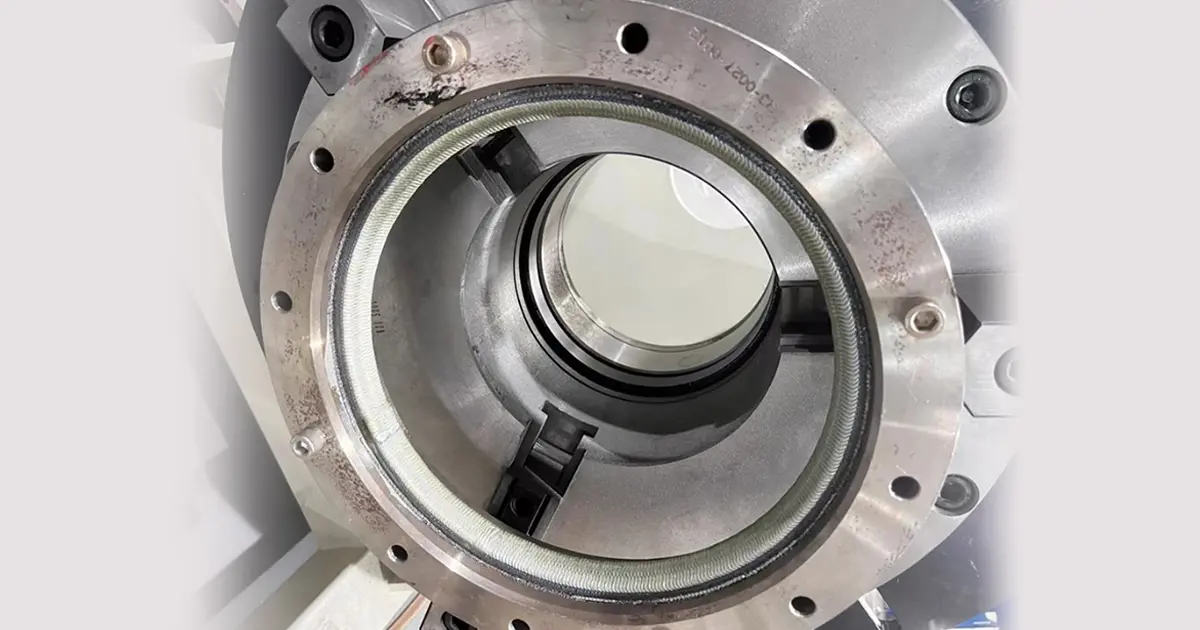
Valve Cladding Testimonial
Industrial Valve Engineering Group
Petrochemical Sector

"In industries such as mining, cement, power generation, steelmaking, chemical processing, and biomass energy, screw conveyors are often regarded as auxiliary equipment. However, maintenance data shows that they are among the most frequent causes of unplanned production downtime. Implementing automatic plasma screw cladding has dramatically increased our uptime."
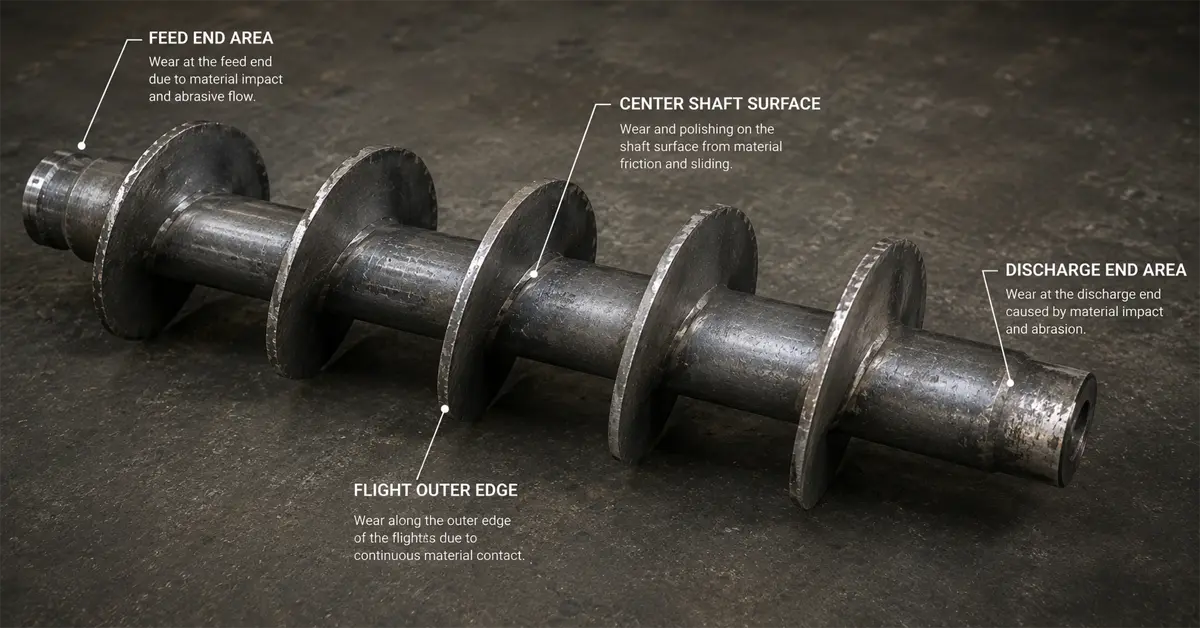
Screw Conveyor Testimonial
Materials Handling Lead
Mining & Cement Production

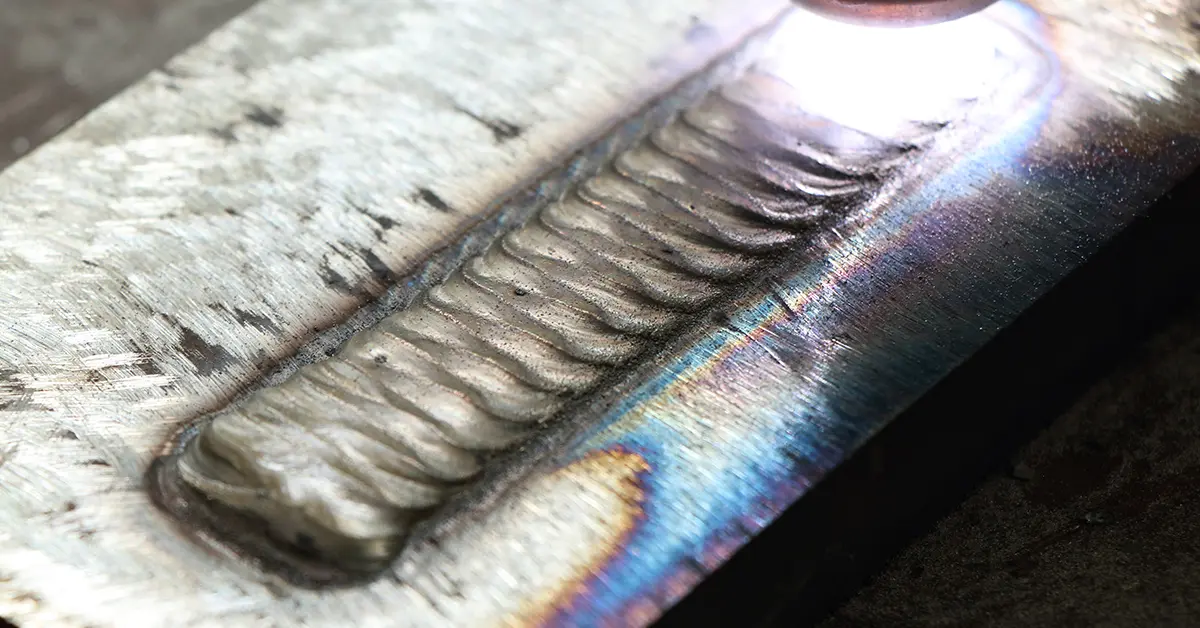
"In Plasma Transferred Arc (PTA) hardfacing, achieving a high-quality overlay is not only about selecting the right alloy powder or optimizing welding parameters. One of the most critical factors that directly affects overlay performance is the dilution rate. Whether you seek corrosion resistance or impact wear protection, Duomu's control systems keep dilution below 5%."
Dilution Rate Testimonial
Metallurgical Laboratory Director
Heavy Equipment Manufacturing

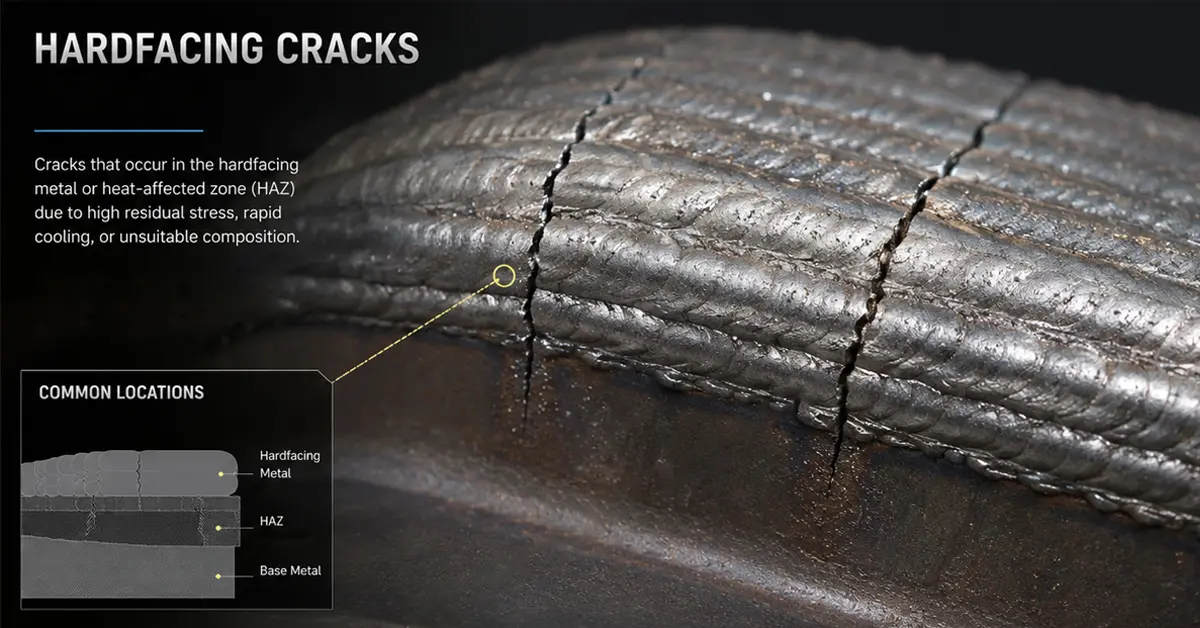
"In industries such as Oil & Gas, Mining, Power Generation, Cement, and Heavy Equipment Manufacturing, hardfacing is no longer just a repair process. It has become a critical technology directly related to equipment lifespan, downtime costs, maintenance frequency, and overall operating margins. Automated overlay systems have transformed our bottom line."
Hardfacing Impact Testimonial
Operations Manager
Oil & Gas Equipment Repair

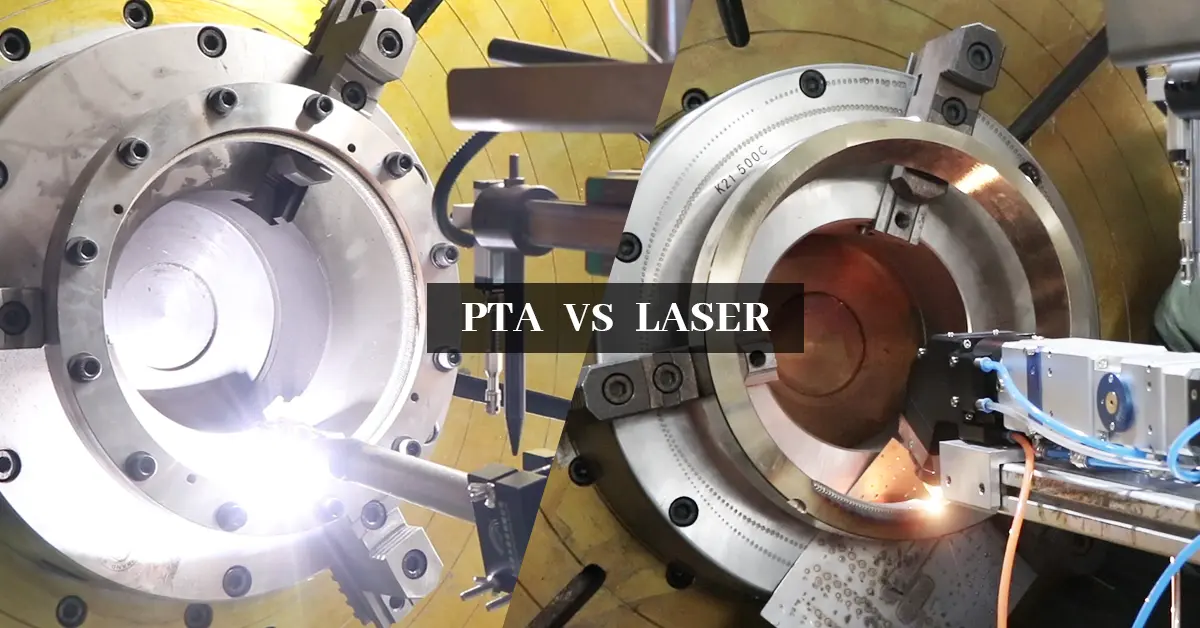
"In industries such as oil & gas, petrochemical, power generation, mining, and marine engineering, industrial valves are constantly exposed to severe operating conditions including: High pressure, extreme temperatures, corrosive media, abrasive wear, and sand erosion. Custom PTA overlays are the only viable solution to maintain valve seal integrity."
Severe Service Valve Testimonial
Severe Service Specialist
Marine Engineering & Power Gen

Frequently Asked Questions

Get authoritative answers to key technical questions about advanced stainless steel welding, PTA cladding, and EDM repair.

Why is managing the dilution rate crucial in PTA cladding?
Dilution rate is the percentage of base metal that melts and mixes with the deposited alloy powder. If the dilution is too high, the base metal (often carbon steel or low alloy steel) will dilute the protective properties of the cladding layer (e.g., cobalt or nickel-based alloys), reducing its wear and corrosion resistance. Our PTA machines are designed to keep dilution below 5% in a single pass, ensuring the cladding layer retains its target properties.
How does laser cladding compare to traditional hard chromium plating?
Hard chromium plating is electroplated, creating a mechanical bond that is prone to chipping and cracking under heavy loads. It also poses environmental risks due to hexavalent chromium waste. In contrast, laser cladding creates a 100% metallurgical bond that will not delaminate, produces zero toxic wastewater, and allows for thicker protective layers (typically 0.8mm to 2mm per pass).
What are the primary challenges of welding duplex stainless steel?
The key challenge is maintaining the balanced 50/50 austenite-ferrite microstructure in the weld metal and heat-affected zone (HAZ). Cool too fast, and the structure becomes too ferritic, reducing toughness and stress-corrosion resistance. Cool too slow, and intermetallic phases like sigma phase precipitate, causing embrittlement. Precise control over heat input and incorporating nitrogen in the shielding gas are critical to maintaining the microstructural balance.
How does EDM cladding repair components without causing thermal distortion?
EDM cladding uses microsecond electrical discharges to transfer material from a rotating electrode to the workpiece. Because the discharge pulses are so brief and localized, the heat dissipates rapidly into the bulk material. The bulk temperature of the workpiece remains low, preventing thermal distortion, annealing, or micro-cracking in the base metal.

High-Performance Accessories, Torches & Cladding Systems

Complete your manufacturing configuration with our selection of specialized welding torches, robotic arm systems, and high-purity tungsten electrodes.
SWS1000 S-TIG welding machine

Custom SWS1000 S-TIG welding machine Manufacturer, Suppliers

View Details
heat-resistant tungsten electrode

China Strong practicality and heat-resistant tungsten electrode Suppliers, Factory

View Details
Plasma Surfacing Torch 300

High-Quality Independently Research And Develop Plasma Surfacing Torch 300 Supplier, Factory

View Details
Plasma torch 100A

Custom Plasma torch 100A Manufacturer, Factory

View Details
integrated plasma powder welding machine

Custom high integration, integrated plasma powder welding machine (dml-v03bd) Manufacturer, Suppliers

View Details
Screw Automatic Welding Equipment DLG-LC501

China Screw Automatic Welding Equipment DLG-LC501 Manufacturer, Manufacturers

View Details
Automatic 6 Axis Robot Arm Robotic Welding Machine

Custom Automatic 6 Axis Robot Arm Robotic Welding Machine For Corner Welding Manufacturers, Supplier

View Details
Automatic cutting picks plasma cladding equipment

China DJC-LC305 Automatic cutting picks plasma cladding equipment Manufacturer, Factory

View Details

Request Technical Specifications & Pricing

For inquiries about our products or pricelist, please leave your message and we will get back to you within 24 hours.

Partner Logo 1 Partner Logo 2 Partner Logo 3 Partner Logo 4 Partner Logo 5 Partner Logo 6 Partner Logo 7 Partner Logo 8 Partner Logo 9 Partner Logo 10