Laser cladding (also known as laser metal deposition or laser cladding technology) is an advanced surface modification technique that uses a high-density laser beam as a heat source to melt a cladding material (in the form of powder or wire) along with a thin surface layer of the substrate. This metallurgical interaction forms a dense, pore-free coating layer with an extremely low dilution rate. Unlike thermal spraying, which relies on mechanical bonding, laser cladding yields a true metallurgical bond that prevents detachment, spalling, or micro-cracking under intense cyclic stresses.
"The core technical metric of laser cladding is its ultra-low dilution rate (typically under 5%), which maintains the pure chemical composition of the cladding alloy right from the interface. Traditional arc welding methods fail to achieve this level of chemical integrity without applying multiple layers."
For international procurement managers researching Laser Cladding Nedir, the primary search intent centers around selecting the right equipment supplier and understanding the comparative differences between laser cladding, Plasma Transferred Arc (PTA) welding, and thermal spray methods. Selecting a custom factory is crucial because every industrial component—whether a hydraulic rod, a turbine blade, or a high-pressure ball valve—requires specific optical configurations, powder feeding systems, and specialized alloy chemistries to optimize mechanical wear and corrosion resistance.
In modern heavy industries, the demand for wear-resistant and corrosion-resistant surfaces has expanded exponentially. Across regions like North America, the European Union, and East Asia, strict environmental mandates and rising raw material costs have shifted the industrial focus from "component replacement" to "remanufacturing and surface life extension." Laser cladding is at the center of this green industrial shift.
Globally, sectors such as offshore oil drilling, deep mining, high-speed rail transportation, and nuclear energy generation operate in environments featuring severe abrasion, high-temperature erosion, and aggressive chemical degradation. Conventional hard chrome plating is being phased out globally due to hexavalent chromium hazards. Consequently, custom laser cladding systems have emerged as the primary, environmentally compliant replacement technology. By depositing cobalt-based, nickel-based, or tungsten carbide composite alloys exactly where needed, factories can multiply the service life of a component by 3 to 10 times.
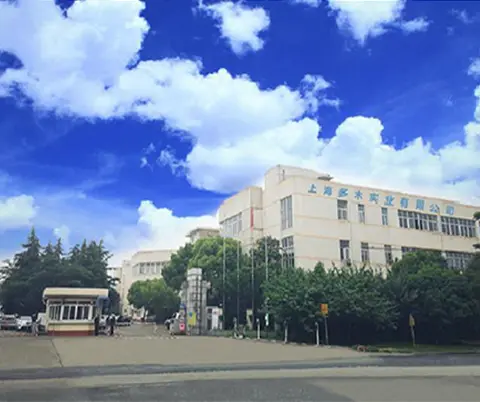
Shanghai Duomu has been a leading manufacturer and exporter of PTA cladding machine and Laser cladding machine for more than ten years with a strong technical background. As an established Chinese factory, we merge rapid design iteration with specialized component sourcing to deliver highly competitive solutions.
Our integrated manufacturing facility handles everything from initial mechanical design to software development for multi-axis CNC systems and robotic integration. Because we control the assembly of our plasma cladding torches, laser optics, and precise powder feeders, we can guarantee consistent quality while maintaining a cost structure that gives global enterprises a significant ROI advantage.
I have an independent R&D team, which develops, produces and sells plasma cladding machine equipment. The welding machine has stable performance and can maintain efficient long-term operation. In addition, the laser cladding equipment sold by the company can effectively support large-scale remanufacturing projects. We have mature technological means to provide complete sets of industrial equipment solutions.
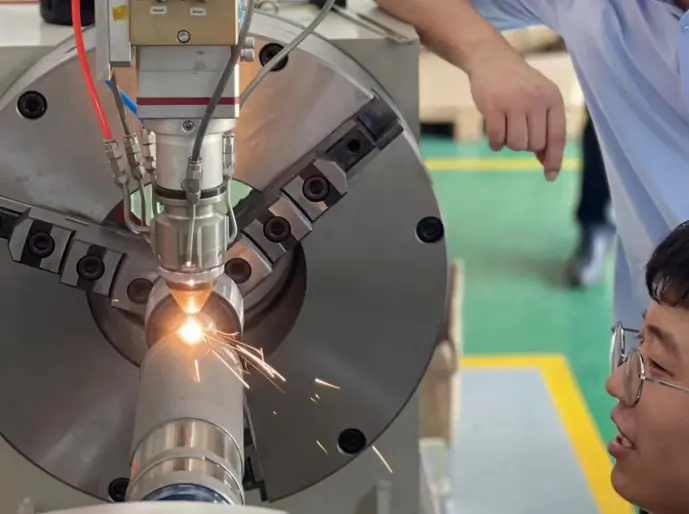
Our cladding technologies are deployed across key global industries operating under severe service conditions. Below are the primary application sectors where our automated and custom laser and plasma systems have been integrated:


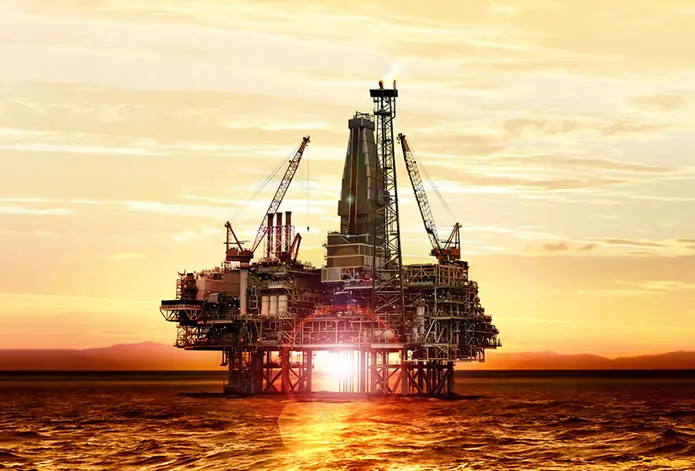
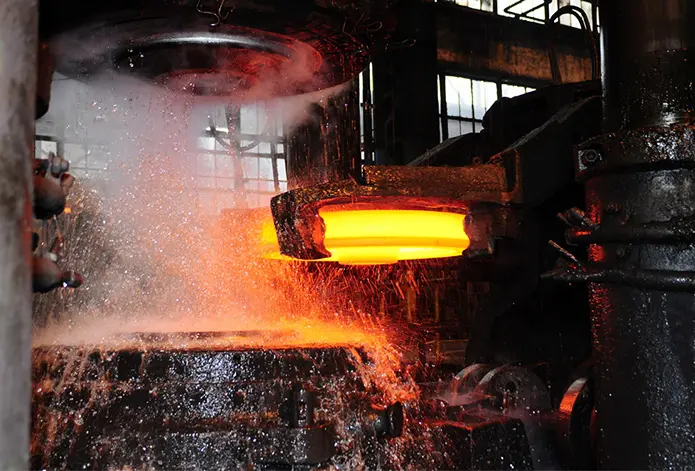
At present, the company's products have penetrated into many fields such as aerospace military industry, nuclear power, petrochemical industry, coal mines, metallurgy and forging, agriculture, water conservancy and electric power, etc. These fields represent the pinnacle of demanding operating environments, where wear, thermal shock, corrosion, and heavy loading necessitate the highest performance coatings available.
We can provide customized equipment, automatic laser cladding equipment, automatic plasma cladding equipment, intelligent robot cladding equipment, etc. according to customers' requirements, including special equipment in the industry, such as hydraulic rod cladding machine, pick cladding machine, valve cladding machine, etc.
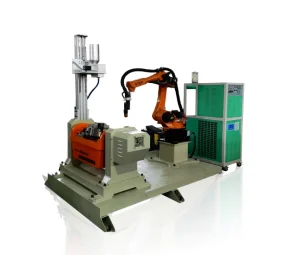
Equipped with 6-axis industrial robots combined with positioning rotating tables or linear tracks to process complex geometries like valve gates, screw flights, and non-symmetrical industrial components.
Our dual-barrel or multi-barrel powder feeders deliver accurate powder mass-flow control. This ensures a consistent layer structure and eliminates powder wastage during industrial operation.
Where high deposition rate is critical, our advanced PTA cladding machines provide a high-throughput solution that balances energy input with minimal base metal melting.
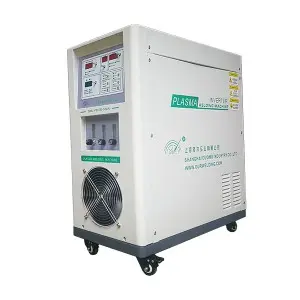
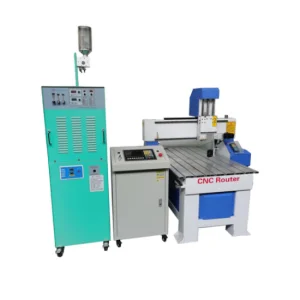
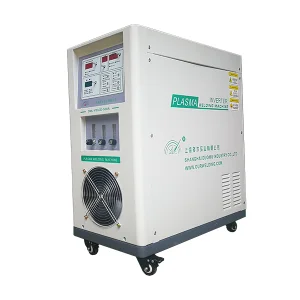
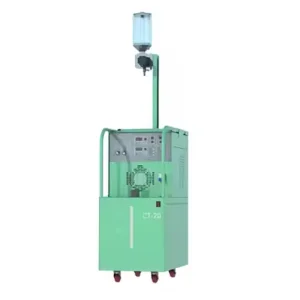
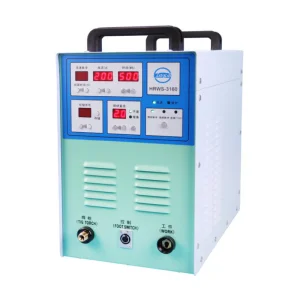
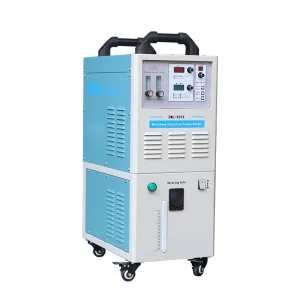
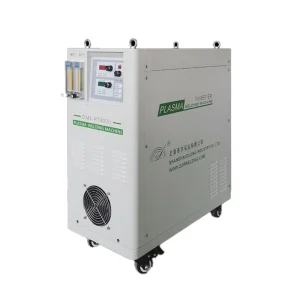
plasma powder surfacing machine DML-V03CD
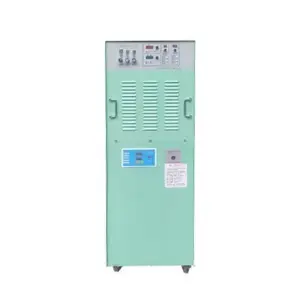
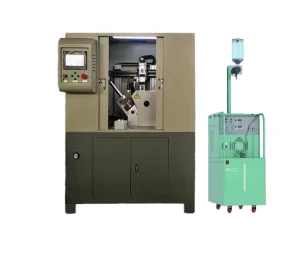
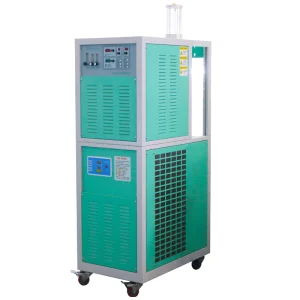
integrated multifunctional plasma powder welding
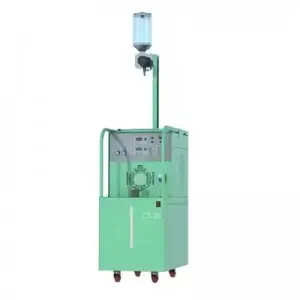
multifunctional plasma powder welding machine
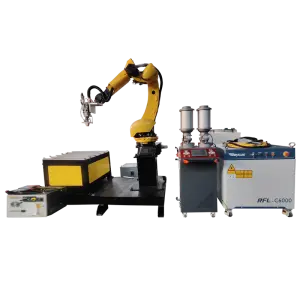
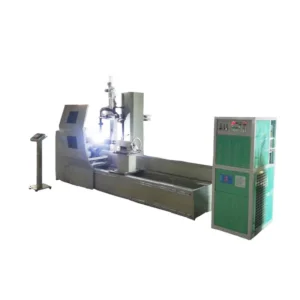
Laser cladding machine for blades
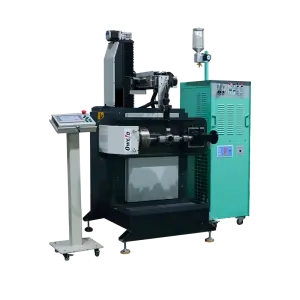
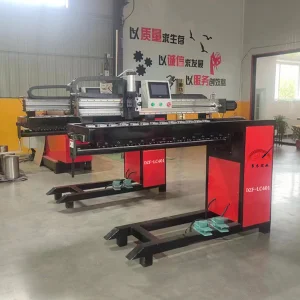
Ball Valve Automated Welding Equipment DQF-LC602
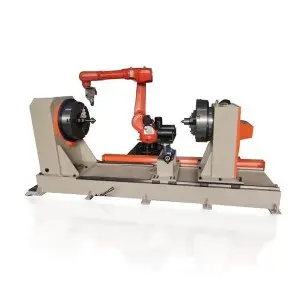
Laser hardening robot
The PTA Welding Valve Application Guide is not just a process choice for valve manufacturers facing high wear, high corrosion, and high-temperature erosion working conditions, but also a key path to improving product competitiveness. As industries such as petrochemical, gas production, and steam distribution continue to scale their operational pressure, selecting automated cladding is critical.
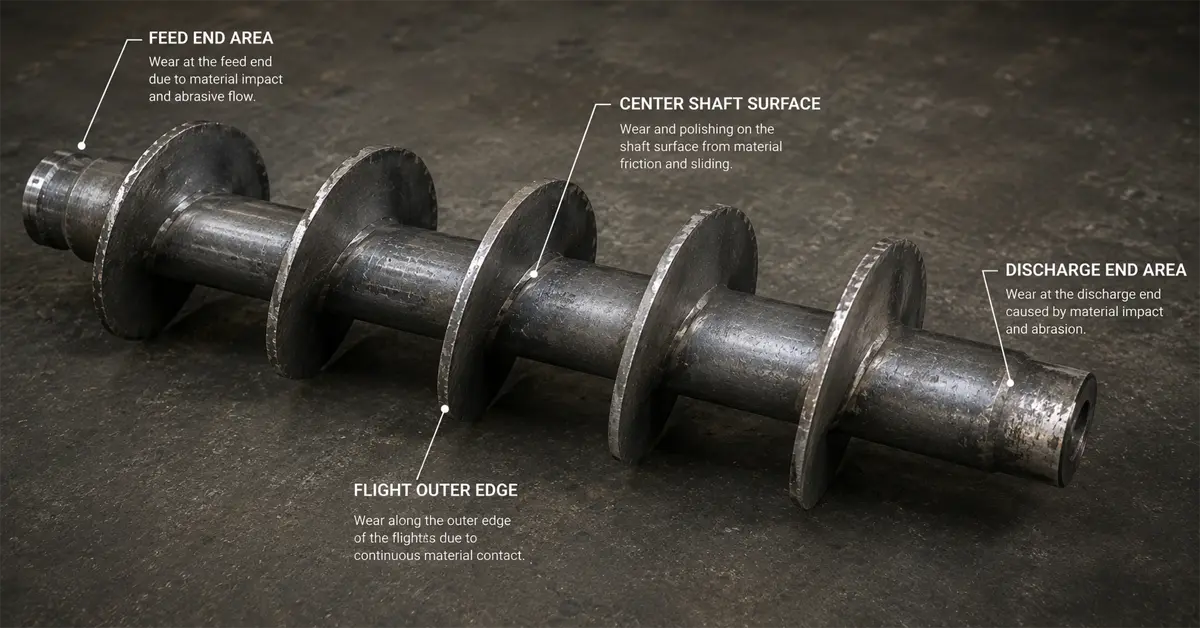
In industries such as mining, cement, power generation, steelmaking, chemical processing, and biomass energy, screw conveyors are often regarded as auxiliary equipment. However, maintenance data shows that they are among the most frequent causes of unplanned production delays. Standard flights wear down rapidly; hardfacing via automated powder systems restores surface dimensions and boosts abrasion resistance.
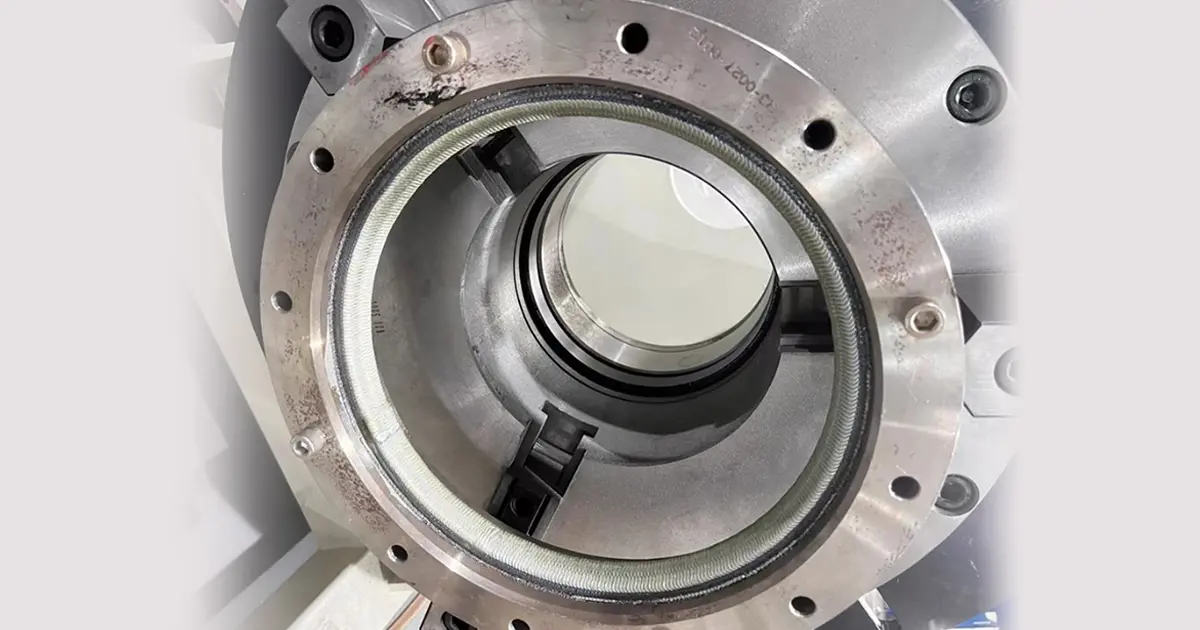
In Plasma Transferred Arc (PTA) hardfacing, achieving a high-quality overlay is not only about selecting the right alloy powder or optimizing welding parameters. One of the most critical factors that directly affects overlay performance is the dilution rate. Keeping the dilution rate minimal preserves the corrosion and abrasion resistance of target alloys.
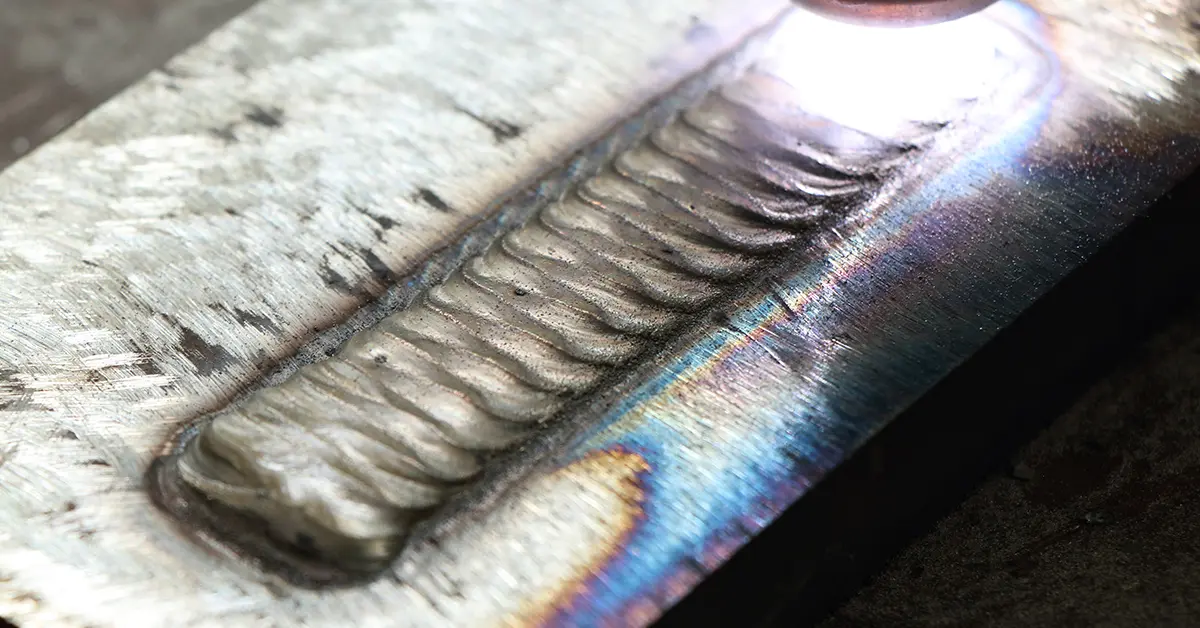
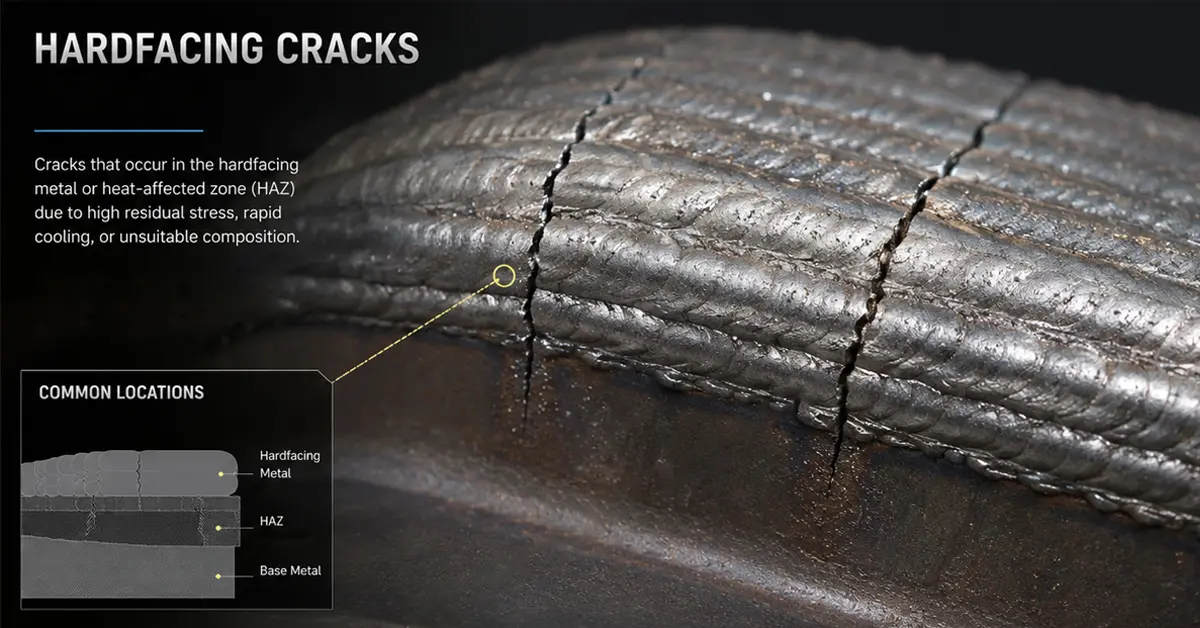
In industries such as Oil & Gas, Mining, Power Generation, Cement, and Heavy Equipment Manufacturing, hardfacing is no longer just a repair process. It has become a critical technology directly related to equipment lifespan, downtime costs, maintenance frequency, and process continuity under corrosive environments.
Procuring a custom laser cladding machine or selecting a strategic factory partner requires deep technical alignment. Our engineering department recommends evaluating the following technical criteria during evaluation:
The choice of laser source (e.g., Fiber, Diode, or Nd:YAG) and laser power (typically 2kW to 10kW) determines the deposition rate and melting efficiency. Diode lasers deliver a wide, uniform beam distribution profile, making them ideal for large-scale surface cladding on hydraulic shafts.
Coaxial nozzles inject the powder stream concentric to the laser beam. This design provides multi-directional cladding flexibility, which is necessary for 3D surfaces and robotic operations. Lateral nozzles feed powder from the side and are highly efficient for straightforward linear profiles.
High-quality laser systems minimize the Heat-Affected Zone (HAZ), reducing distortion in thin-walled components. This rapid cooling cycle results in ultra-fine microstructures with minimal porosity and high hardness.
Supply Chain Security Note: Working with a manufacturer that possesses in-house CNC machining, optical path assembly, and custom robotic programming eliminates the risk of communication delays and integration errors typical of multi-vendor supply chains.
For inquiries about our products, customization capacities, or dynamic pricing schemes, please reach out to us and our engineering department will be in touch within 24 hours.
Get Technical Support







 Duomu
Duomu