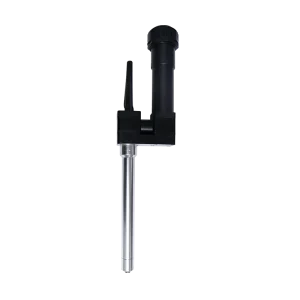
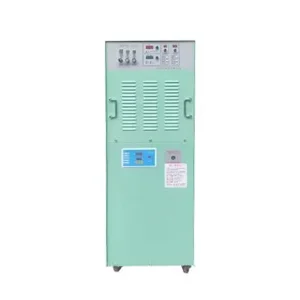
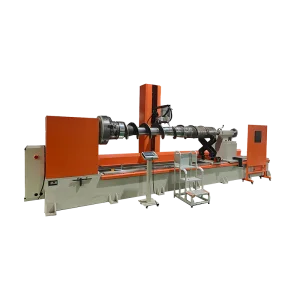
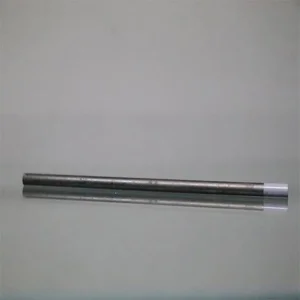
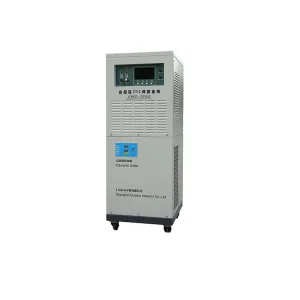
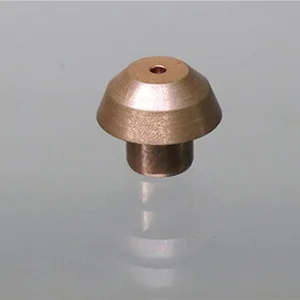
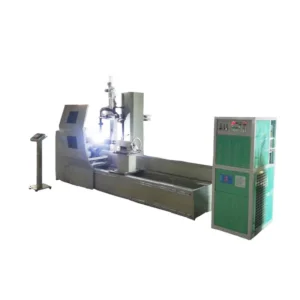
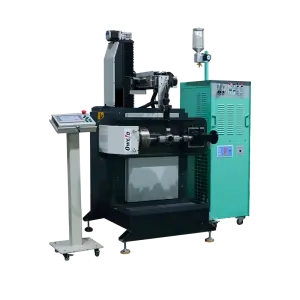
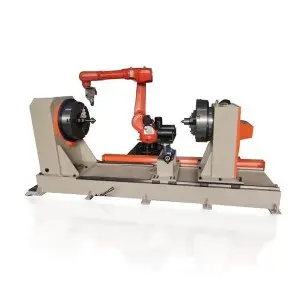
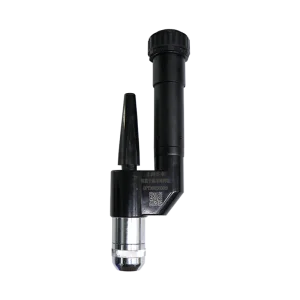
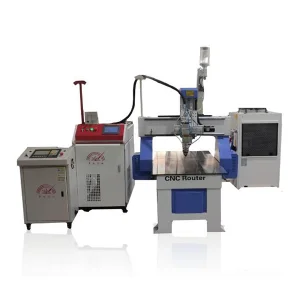
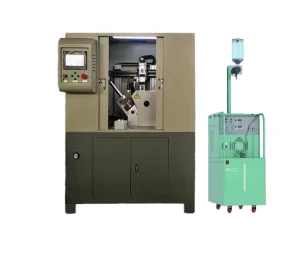
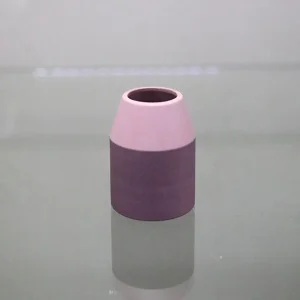
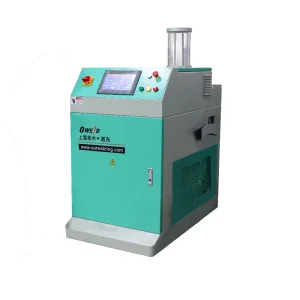
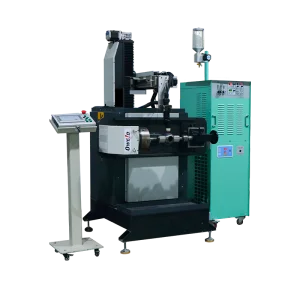
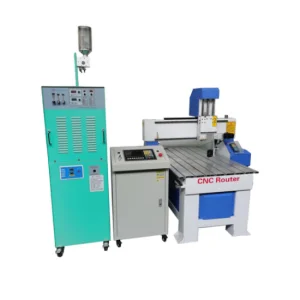
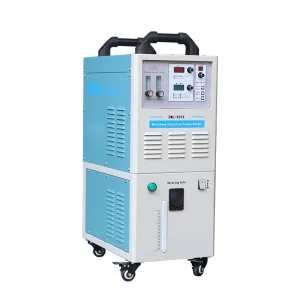
Explore our core engineering catalog consisting of heavy-duty welding torches, micro-plasma systems, and precision tungsten components engineered for maximum tool life.
A comprehensive analysis of laser-based directed energy deposition (DED) vs. traditional overlay technologies in demanding commercial ecosystems.
Modern heavy industries are operating under unprecedented conditions. Extreme operational demands within sectors like aerospace defense, petrochemical extraction, metallurgy casting, and deep excavation require materials to withstand high friction, intense impact, corrosive media, and thermal erosion simultaneously. As a result, the commercial focus has shifted from component replacement to aggressive life-cycle extension. Custom laser hardfacing, also termed laser cladding, has emerged as the premier surface engineering technology to combat this degradation.
Unlike conventional thermal spray processes or Manual Metal Arc (MMA) welding, laser hardfacing utilizes a high-energy focused laser beam to melt target alloy feedstocks (typically in powder or wire form) together with a thin layer of the substrate material. This creates a true metallurgical bond with exceptionally low dilution rates and a minimal Heat-Affected Zone (HAZ). This refined grain structure ensures that heavy components operating in remote, hostile environments (such as subsea oil manifolds or steel mills) run reliably without catastrophic failure.
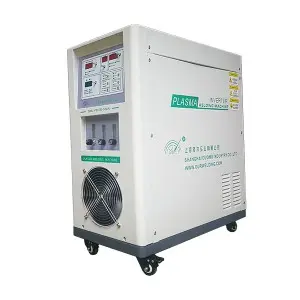
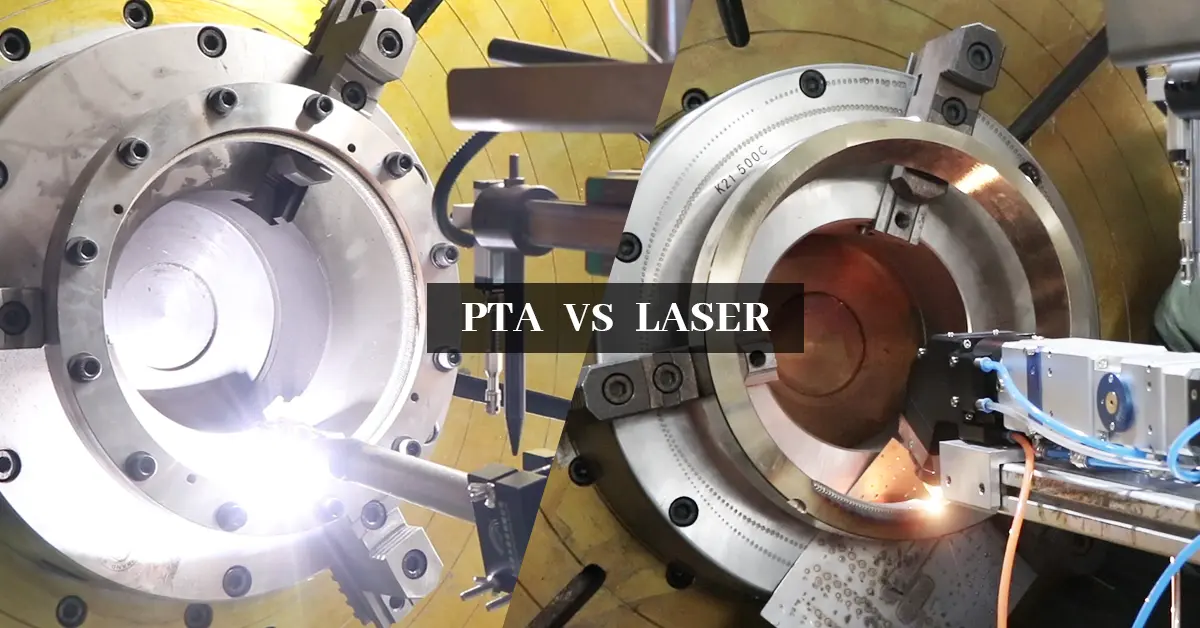
For over a decade, Shanghai Duomu has been a leading manufacturer and exporter of both PTA cladding machines and Laser cladding machines. The technical distinction between these processes determines their specific applications. PTA hardfacing uses a constricted plasma arc to melt powder feedstocks. While it offers high deposition rates and relatively lower capital equipment costs, the heat input is significantly greater than that of laser systems. This results in dilution rates of 5% to 15%.
Conversely, Laser Cladding provides localized energy control. The dilution rate can be tightly held below 1%, ensuring that the raw material chemistry of the cladding alloy (such as Stellite or Colmonoy) remains unadulterated right from the very first layer. This allows engineers to achieve full hardness and wear resistance with minimal deposit thickness, saving costly raw material resources.
Shanghai Duomu has been a leading manufacturer and exporter of PTA cladding machines and Laser cladding machines for more than ten years with a strong technical background. Our footprint extends globally, offering high-performance solutions engineered to meet rigorous international standards.
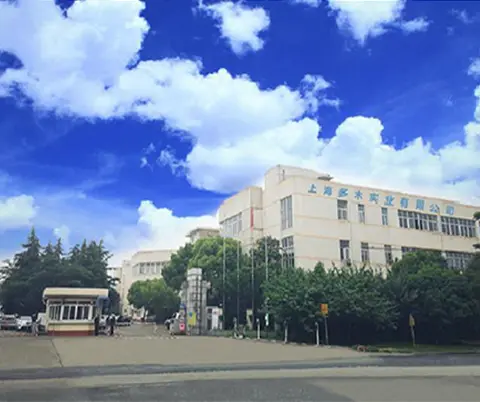
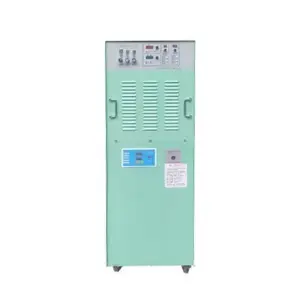
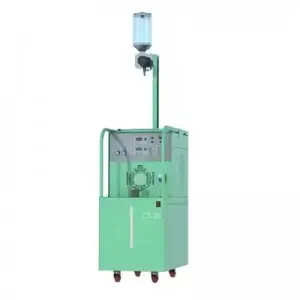
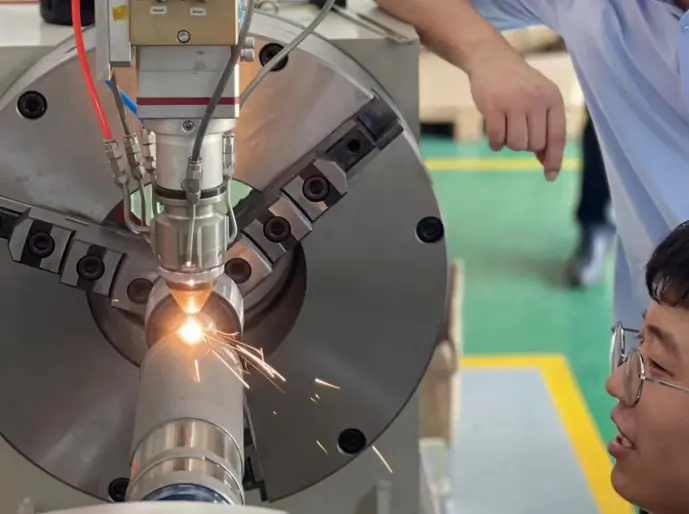
We boast an independent R&D team that develops, produces, and sells advanced plasma cladding machine equipment. Our welding machines deliver stable performance and maintain efficient, long-term operation under heavy duty cycles. In addition, the laser cladding equipment sold by the company can effectively support large-scale remanufacturing projects. We have mature technological means to provide complete sets of industrial equipment solutions customized for your production floor.
At present, our products have successfully penetrated into many key fields including aerospace military industry, nuclear power, petrochemical industry, coal mines, metallurgy and forging, agriculture, water conservancy, and electric power.


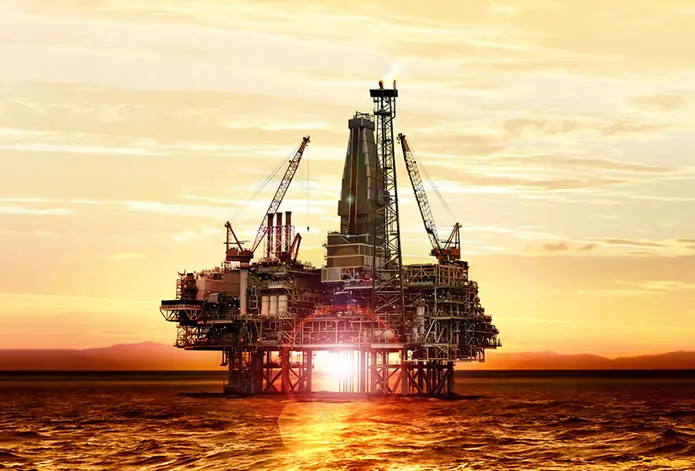
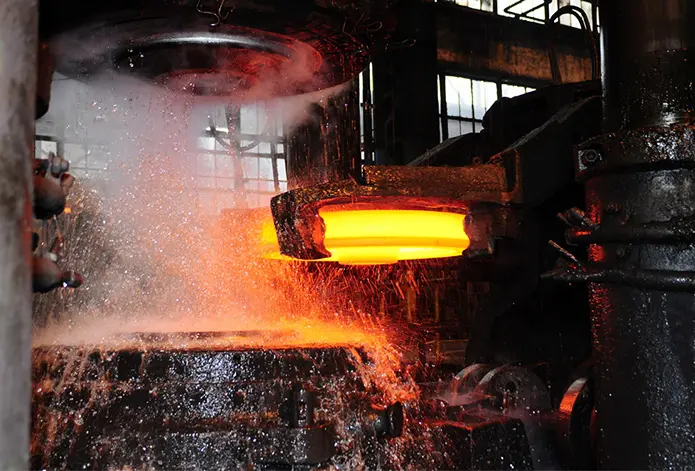
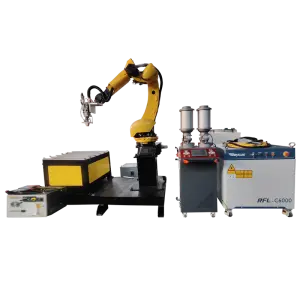
Procurement heads within multinational industrial complexes are moving away from regional piecemeal sourcing and transitioning toward integrated suppliers capable of custom-engineered machinery. The goal is to build redundancy and robust supply chain resilience. To service this change, modern manufacturing facilities must not only provide high-quality machinery but also deliver complete technological integration: this includes custom robotic arms, multi-axis positioning tables, and automated powder feeders.
Additionally, the rapid transition toward zero-carbon manufacturing is driving interest in remanufacturing. Rather than scrapping worn turbine blades, extrusion screws, or hydraulic rods, global enterprises are opting for localized laser cladding restoration. This restores the part to its original nominal dimensions while reducing the carbon footprint of structural raw steel fabrication by up to 80%.
Chinese industrial manufacturing has transitioned from a high-volume base to a high-precision, smart-factory ecosystem. By leveraging Factory 4.0 integrations—including real-time molten pool monitoring, closed-loop optical feedback systems, and automated powder flow calculations—China-based factories like Shanghai Duomu offer unparalleled technical sophistication. This technological advancement combined with localized, secure access to high-grade industrial raw materials (such as high-purity spherical tungsten carbide powders and cobalt alloys) allows us to offer shorter lead times and stable pricing, cushioning global clients against global logistics disruptions.
According to customer requirements, we can provide customized equipment including automatic laser cladding, automatic plasma cladding, and intelligent robot cladding systems tailored for specialized applications.
Read detailed technical application analysis from our leading material scientists and engineers across a variety of wear environments.
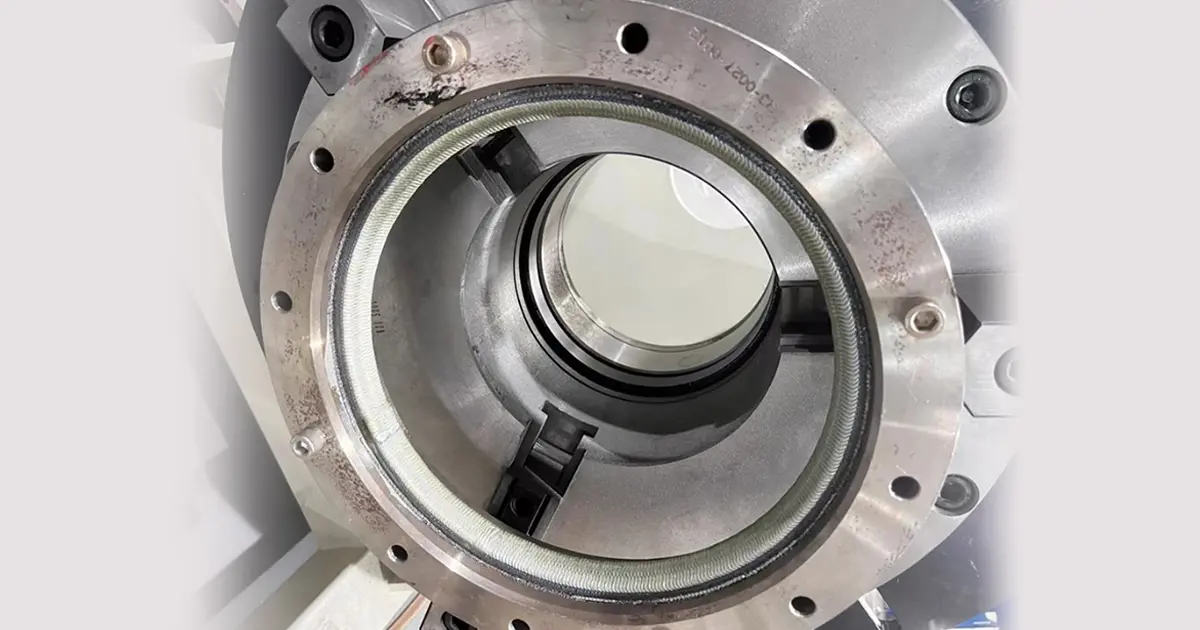
"The PTA Welding Valve Application Guide is not just a process choice for valve manufacturers facing high wear, high corrosion, and high-temperature erosion working conditions, but also a key path to improving product competitiveness..."
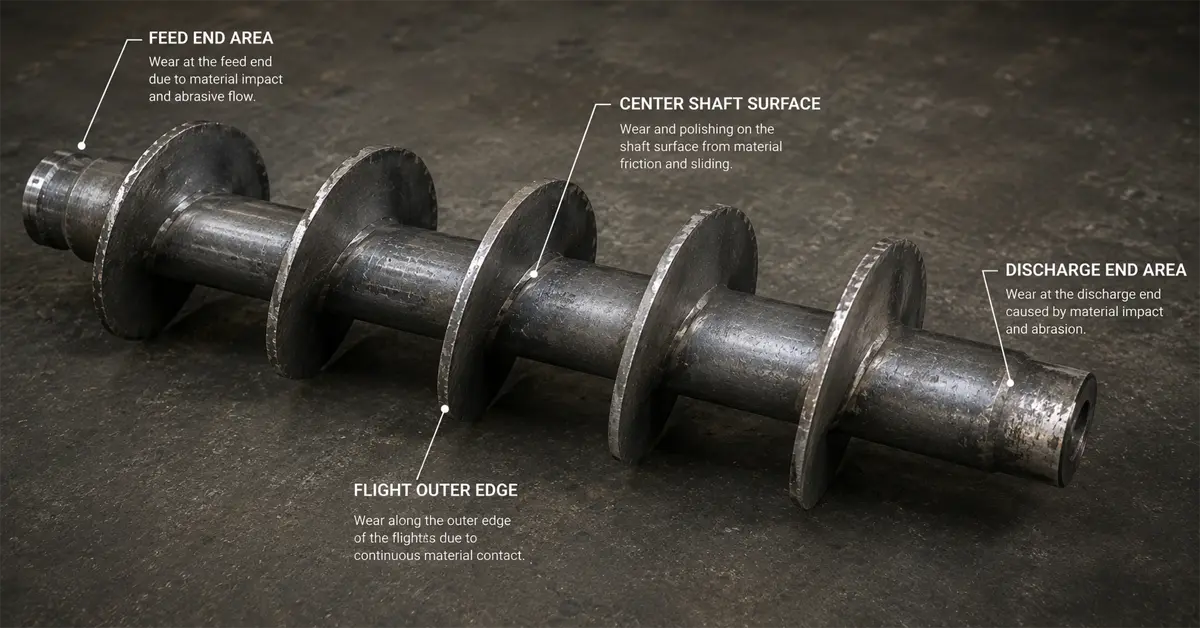
"In industries such as mining, cement, power generation, steelmaking, chemical processing, and biomass energy, screw conveyors are often regarded as auxiliary equipment. However, maintenance data shows that they are among the most frequent causes of unplanned production downtime..."
"In Plasma Transferred Arc (PTA) hardfacing, achieving a high-quality overlay is not only about selecting the right alloy powder or optimizing welding parameters. One of the most critical factors that directly affects overlay performance is the dilution rate..."
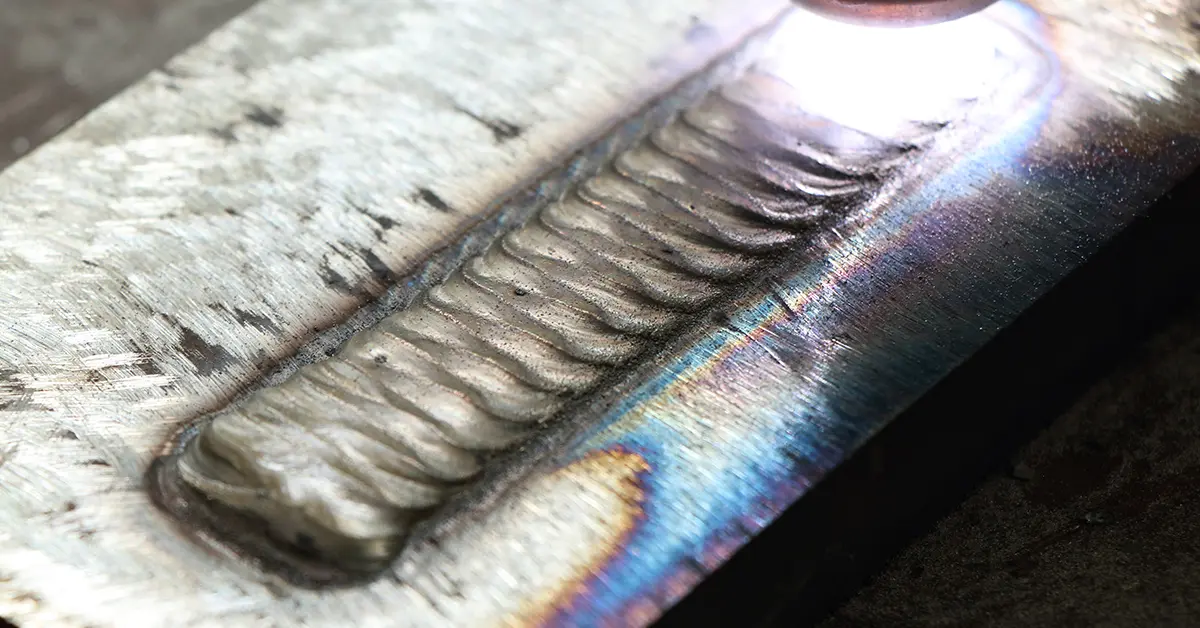
"In industries such as Oil & Gas, Mining, Power Generation, Cement, and Heavy Equipment Manufacturing, hardfacing is no longer just a repair process. It has become a critical technology directly related to equipment lifespan, downtime costs, maintenance frequency, and yield optimization..."
"In industries such as oil & gas, petrochemical, power generation, mining, and marine engineering, industrial valves are constantly exposed to severe operating conditions including high pressure, extreme temperatures, corrosive media, abrasive wear, and sand erosion..."
Applying laser hardfacing requires careful evaluation of the work environment. For instance, in heavy agricultural machinery applications, tillage implements and plowshares are continuously exposed to highly abrasive sandy loam soils. Using custom-cladded Fe-based tungsten carbide overlays onto structural carbon steel increases abrasive resistance without making the component brittle.
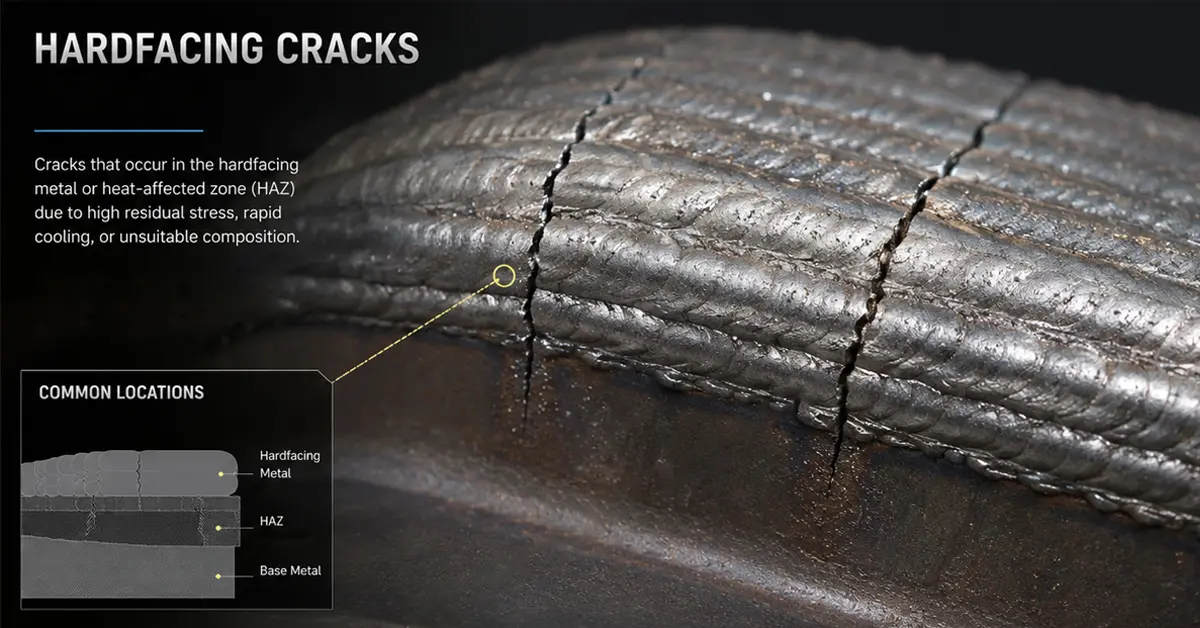
In contrast, aerospace defense applications often require nickel-based superalloys or cobalt-based Stellite 6 coatings. These alloys must withstand temperatures exceeding 800°C without mechanical degradation or localized cracking. Laser cladding provides high-speed solidification that refines the dendritic microstructure of these exotic alloys, yielding a deposit with superior hot-hardness and oxidation resistance compared to traditional arc welding overlays.
In-depth technical answers for engineers, plant managers, and global procurement agents searching for hardfacing solutions.
For inquiries about our products or pricelist, please leave to us and we will be in touch within 24 hours.
Subscribe Now / Get in Touch







Explore our specialized range of large-scale gantry cladding systems, mobile laser equipment, gas shields, and automatic plasma overlays.
 Duomu
Duomu