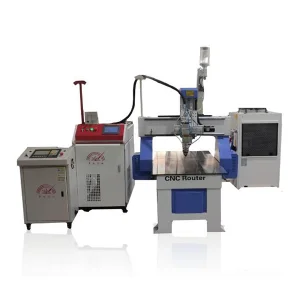
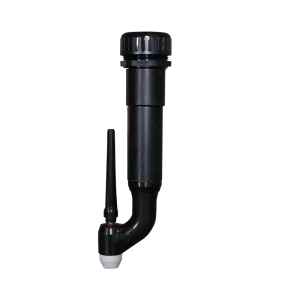
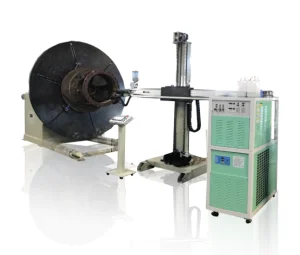
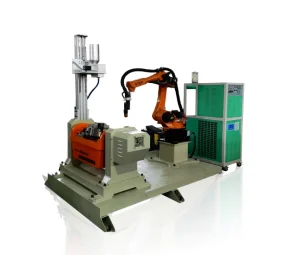
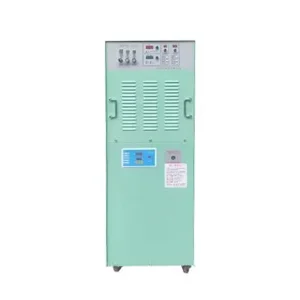
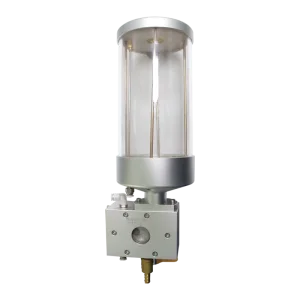
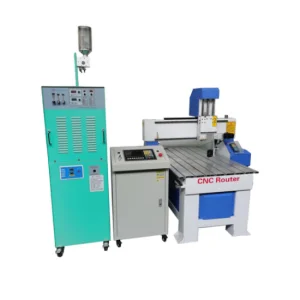
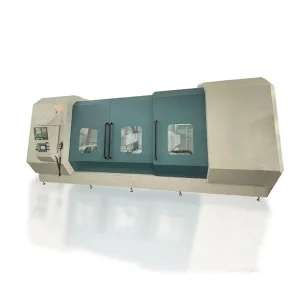
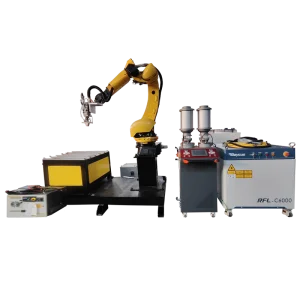
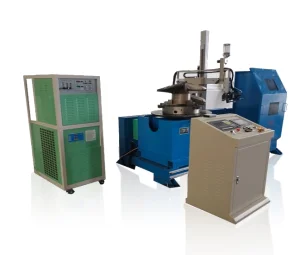
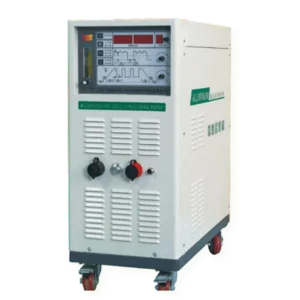
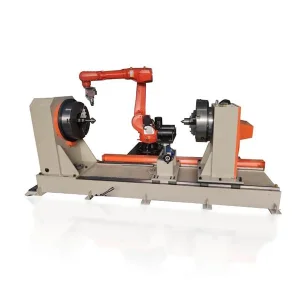
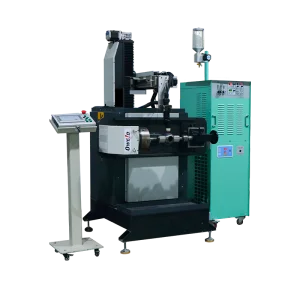
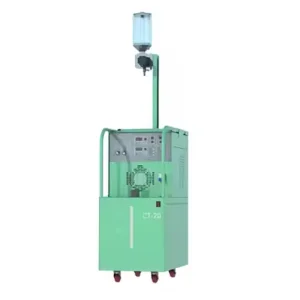
Advanced metallurgical tools, robotic manipulators, and high-performance plasma/laser cladding system components.
Laser hardening (レーザー焼入れ) has emerged as a state-of-the-art surface heat treatment technique, utilizing concentrated laser energy to heat a metallic surface rapidly above the transformation temperature. Upon removal of the laser beam, the material self-quenches through rapid heat conduction into the cold bulk material, transforming the surface microstructure into hard martensite.
As a prominent surface engineering method, laser hardening offers tremendous benefits: pinpoint accuracy, minimal geometric distortion, and zero requirement for external quenching media (such as water or oil). However, industrial engineers, metallurgy specialists, and procurement directors must evaluate both sides of the coin. Understanding the limitations or disadvantages (レーザー焼入れの欠点) is crucial for making informed technology selections, optimizing robotic trajectories, and ensuring the absolute mechanical integrity of critical parts.
While laser surface hardening excels in precision, understanding its inherent mechanical and physical bottlenecks prevents unexpected field failures.
Compared to conventional induction hardening or carburizing, which can easily yield hardened depths of 3mm to over 10mm, laser hardening is thermally confined. The maximum depth of the hardened zone is typically restricted to 0.2 mm to 1.5 mm. Because the process relies on self-quenching (heat dissipation into the substrate), attempting to create a deeper layer by increasing laser energy can cause catastrophic surface melting.
Laser beams have a finite spot size (typically 10mm to 30mm wide wide-spot lasers). To harden a large planar surface, the laser must execute adjacent, overlapping raster tracks. The thermal boundary of the subsequent pass overlaps the previously hardened pass, creating a localized "tempering zone" (戻り軟化). In this overlap region, the martensite is tempered, causing a drop in hardness below the target specification.
Acquiring a high-power diode or fiber laser system, integrated with precision multi-axis CNC gantries or intelligent 6-axis robotic arms (such as our Laser Hardening Robot), demands substantial capital expenditure. Maintenance of optical components, chillers, and specialized powder feeders (for hybrid cladding processes) adds up, requiring a high-volume production environment to justify the ROI.
Laser hardening is inherently a "line-of-sight" process. The laser optics must project light directly perpendicular (or at an acceptable angle of incidence) onto the surface. Inside deep cavities, complex blind holes, or undercut surfaces, the laser beam cannot reach. Without custom optics (such as internal bore optical heads), treating intricate complex geometries remains highly challenging.
Laser hardening is direct transformation hardening. The base steel or cast iron must contain sufficient carbon (typically a minimum of 0.3% Carbon, such as AISI 1045, 4140, or cast iron GG25) to generate a martensitic structure. Low-carbon steels (AISI 1018, 304/316 stainless steels) cannot be direct-laser hardened without first applying a carbon-rich layer or transitioning to laser cladding with hardfacing powders.
The rapid heating and immediate cooling rate (exceeding 10,000°C/second locally) induces severe thermal gradients between the treated zone and the cold core. If not managed with precise heat-balancing techniques, this thermal shock can lead to micro-cracking within the martensitic case, particularly in brittle tool steels or high-carbon cast alloys.
A side-by-side engineering comparison illustrating the performance envelope and limitations of each method.
| Performance Metric | Laser Hardening (レーザー焼入れ) | Induction Hardening | Gas Carburizing |
|---|---|---|---|
| Hardened Depth (mm) | 0.2 - 1.5 mm (Shallow) | 1.5 - 8.0 mm (Deep) | 0.5 - 3.0 mm (Medium-Deep) |
| Thermal Distortion | Extremely Low (<0.05 mm) | Moderate to High | High (Requires post-machining) |
| Self-Quenching Required? | Yes (No media required) | No (Requires water/polymer spray) | No (Requires oil/salt bath quench) |
| Setup Time & Flexibility | High (Robotic CAD/CAM pathing) | Low (Requires custom induction coils) | Low (Batch furnace processing) |
| Tempering Zone Disadvantage | Yes (Between adjacent overlapping tracks) | Rare (Single continuous coil scanning) | None (Homogeneous furnace heat) |
As a leading manufacturer and exporter of PTA (Plasma Transferred Arc) cladding machines and Laser cladding/hardening machines with over a decade of solid technical experience, Shanghai Duomu has developed advanced R&D technologies to overcome these industrial process disadvantages:
To resolve the risk of surface melting and control depth consistency, our custom laser systems integrate real-time pyrometers. This allows the machine to dynamically adjust laser power output at microsecond intervals based on actual surface temperature readings, maintaining optimal hardening temperature without crossing the solidus melting line.
Standard Gaussian laser beams have a hot center and cold edges, which aggravate overlap tempering zones. Shanghai Duomu utilizes advanced homogenizing optics (transmissive integrators or scanning mirrors) to shape the laser spot into a uniform "flat-top" square or rectangular profile. This ensures consistent thermal delivery across the track width and reduces hardness drop-off at boundary zones.
If low-carbon steel components require hardening or deep protection, we provide integrated systems that combine PTA hardfacing with subsequent laser refining. By using our *integrated multifunctional plasma powder welding machines* to deposit a hard, high-carbon alloy cladding layer first, we overcome the carbon-content threshold of plain carbon steels.
Shanghai Duomu's products have penetrated into crucial global sectors, providing reliable surface protection.
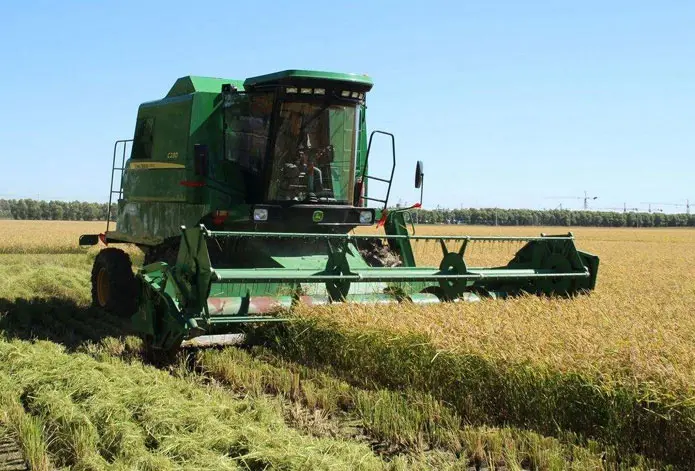
Harvesting blades, rototiller tines, and soil engaging components experience intensive abrasive wear. Custom hardening and cladding protect these components, multiplying service lifetimes.

Critical turbine parts, landing gear cylinders, and high-precision defense systems demand micro-accurate heat zones and zero deformation, highlighting the absolute necessity of our robotic laser platforms.
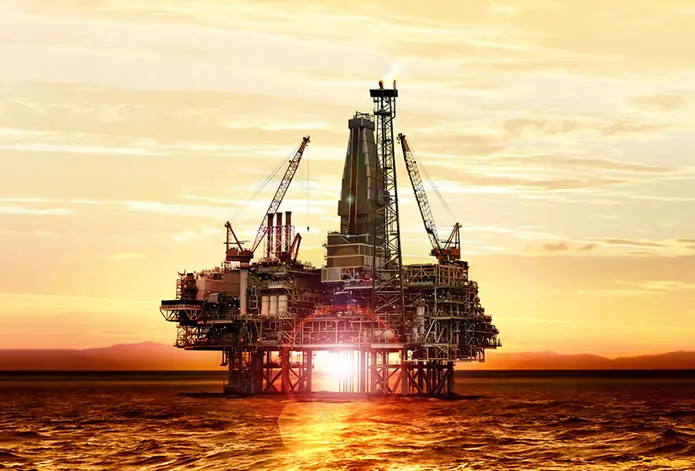
Downhole drill collars, pump shafts, and oil-sand extraction valves are subjected to extreme pressure, corrosive chemicals, and slurry wear. Surface hardfacing prevents premature failures.
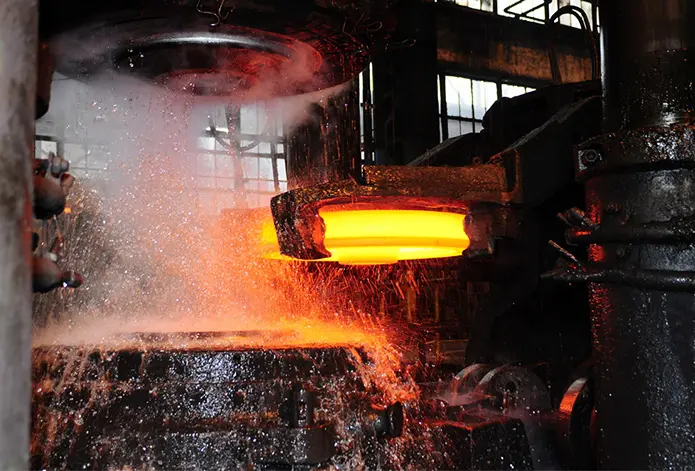
Continuous casting rolls and forging dies undergo severe thermal fatigue. Our high-power laser cladding equipment offers local remanufacturing and thermal shock protection.
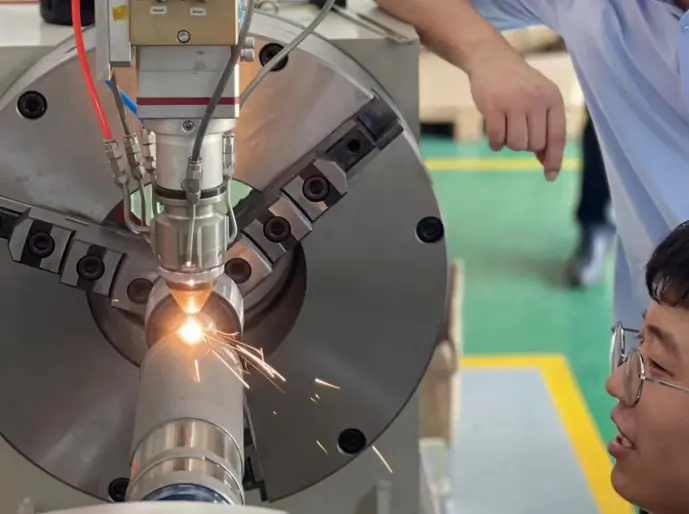
At Shanghai Duomu, we house an independent research and development team, specializing in developing, producing, and selling premium plasma cladding machine equipment and custom lasers. Our welding machinery demonstrates exceptionally stable output, sustaining highly efficient, long-term continuous cycles.
In addition, our large-scale laser cladding equipment provides comprehensive support for industrial remanufacturing projects. By using proprietary algorithms to orchestrate robotic paths, we plan complex trajectories that optimize overlap areas, effectively minimizing the tempering zones that characterize traditional laser hardening runs.
Field applications showing how our solutions address high wear, corrosion, and process dilution factors.
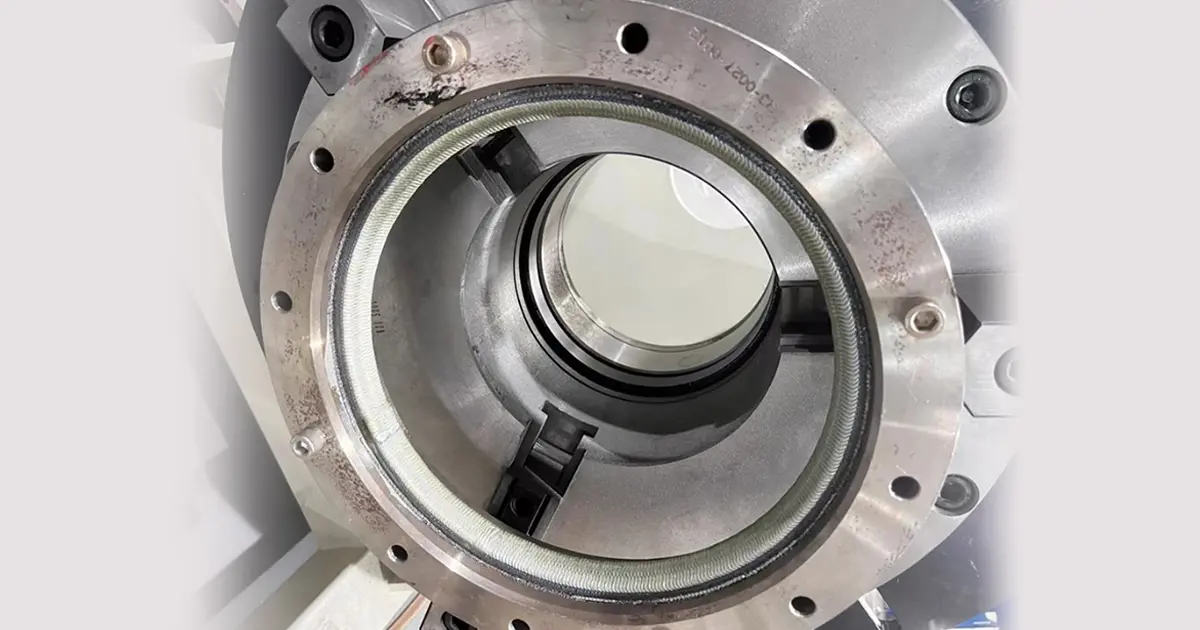
"The PTA Welding Valve Application Guide is not just a process choice for valve manufacturers facing high wear, high corrosion, and high-temperature erosion working conditions, but also a key path to improving product competitiveness..."
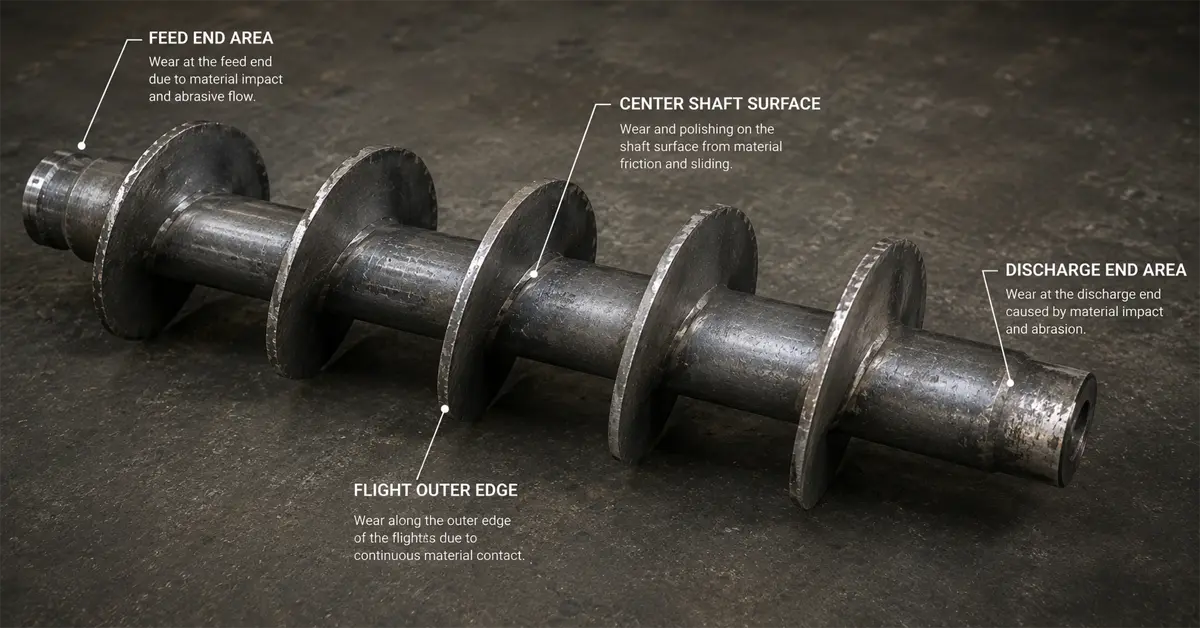
"In industries such as mining, cement, power generation, steelmaking, chemical processing, and biomass energy, screw conveyors are often regarded as auxiliary equipment. However, maintenance data shows that they are among the most frequent causes of unplanned production downtime..."
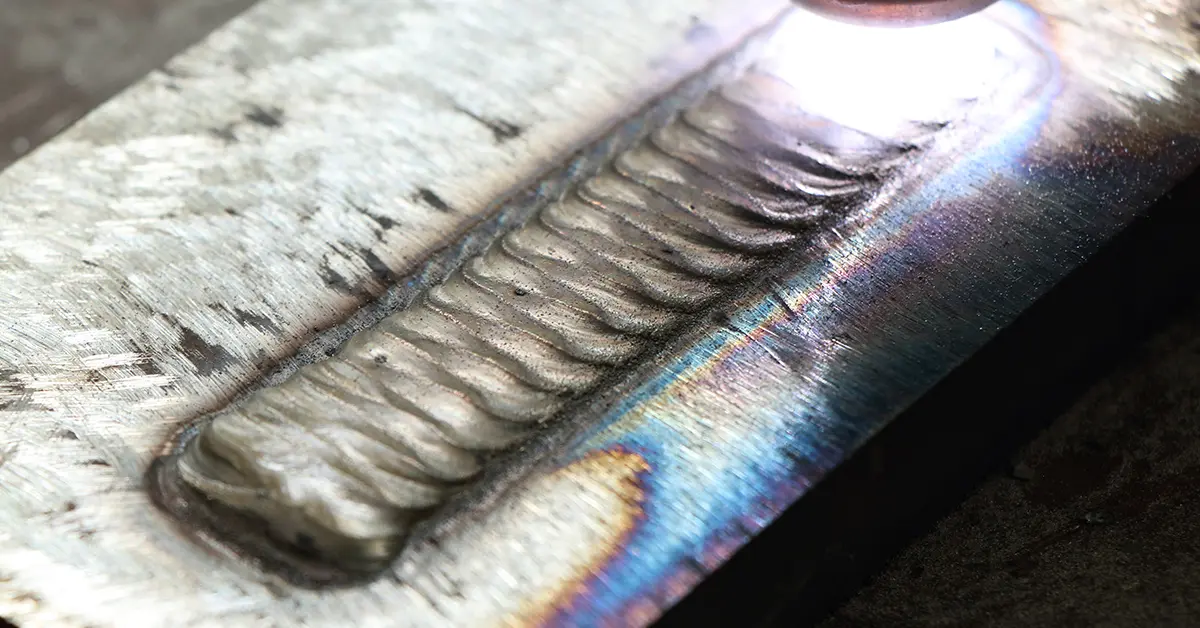
"In Plasma Transferred Arc (PTA) hardfacing, achieving a high-quality overlay is not only about selecting the right alloy powder or optimizing welding parameters. One of the most critical factors that directly affects overlay performance is the dilution rate..."
For manufacturing lines implementing laser hardening globally, conforming to recognized standards is paramount. Quality control systems typically monitor processes according to ISO 15614-7 (specification and qualification of welding procedures for metallic materials) or local automotive guidelines such as CQI-9 (heat treat system assessment).
To minimize micro-cracking and control residual stress states (which can reach values above +400 MPa tensile at the boundary, increasing fatigue failure susceptibility), our technicians implement custom preheating protocols. In thick structural cast iron or complex tooling alloys, local induction preheating (200°C - 350°C) is coupled with the laser path. This step dramatically slows the cooling rate through the martensite start (Ms) temperature zone, effectively preventing internal micro-cracks and ensuring high compressive residual stress distributions on the component surface.
Our ongoing R&D efforts are focused on breaking the physical limitations of current laser heat treatments.
By using machine-learning tools to compute spatial thermal models, we predict tempering effects before the laser starts. The robot dynamically changes speeds and overlaps to maintain uniform hardness profiles.
Combining blue lasers (highly absorbed by copper and reflective materials) with fiber lasers to broaden the spectrum of treatable alloys without compromising efficiency.
Integrating real-time spectrometer analyzers to identify carbon diffusion during the cladding phase, ensuring a 100% metallurgical match to target parameters.
Technical answers to critical questions commonly encountered by engineering designers and procurement managers.
High-frequency induction hardening heats the surface by electromagnetically induced eddy currents, easily penetrating 1.5mm to 8.0mm deep. Laser hardening uses optical absorption which is highly concentrated at the top layer. Without causing surface melt defects, the maximum physical depth of a laser-hardened layer is typically capped around 1.5mm.
The softening band is caused by overlapping laser passes. When a subsequent scan track is deposited, its thermal field tempers the martensitic structure generated during the previous adjacent pass. This disadvantage can be minimized by utilizing wider homogenizing laser optics, dynamic beam oscillation, or programming optimized CNC paths that minimize overlap width while maintaining surface coverage.
Plain low-carbon steel lacks the carbon concentration needed to form a fully martensitic hard phase upon quenching. If you must use low-carbon steel, direct laser hardening is not recommended. Instead, you should implement laser cladding or PTA powder cladding using high-carbon or alloy steel powders (such as stellite or nickel-base alloys) to build an overlay.
We configure and run extensive prototype testing inside our factory. Every laser hardening robot and PTA system is calibrated using precision optical instruments. Customers receive comprehensive post-sale support, mechanical parameters checklists, and on-site integration assistance to ensure their process output satisfies structural requirements.
For inquiries about our products, customization details, or pricelists, please leave your inquiry to us and our technical team will be in touch within 24 hours.
Contact Our Technical DepartmentCustom machinery, robotic systems, and high-efficiency cladding systems engineered by Shanghai Duomu.






 Duomu
Duomu