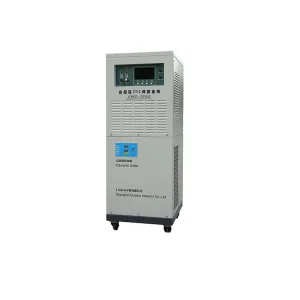
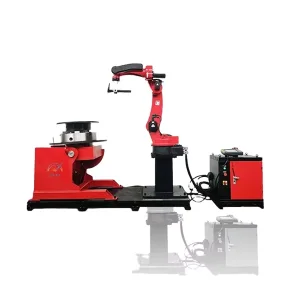
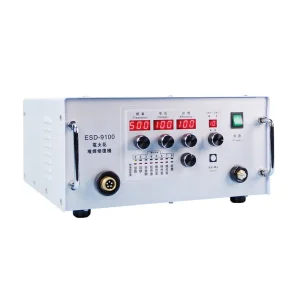
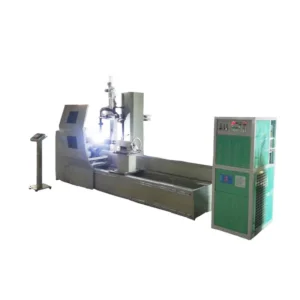
Explore our engineering systems optimized for high wear resistance, automated precision cladding, and metallurgical performance.
Deep insight into thermal surfacing technologies: Plasma Transferred Arc (PTA) vs. Laser Cladding in Global Heavy Industry Remanufacturing.
In modern industrial manufacturing and remanufacturing processes, wear, corrosion, and thermal degradation represent continuous threats to heavy machinery components. Custom Power Arc Welding Systems, specifically Plasma Transferred Arc (PTA) and Laser Cladding, offer crucial answers to these mechanical failures. The underlying core concept is the application of high-density thermal energy sources to fuse wear-resistant alloys onto substrate surfaces, establishing strong, metallurgical bonds instead of weaker mechanical adhesive coatings.
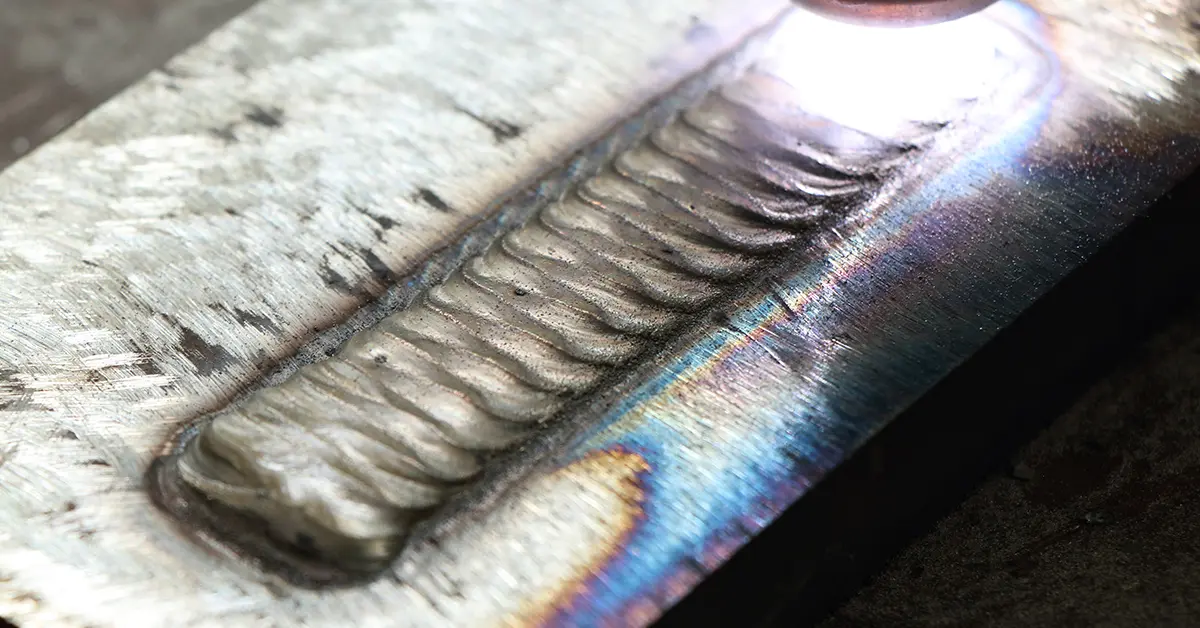
PTA cladding utilizes a highly constricted, collimated electric arc formed between a non-consumable tungsten electrode and the workpiece. Thermal energy densities achieve up to 20,000K, creating rapid surface melting with a exceptionally small heat-affected zone (HAZ). This allows the precise deposition of high-alloy powder materials, such as nickel-based, cobalt-based (Stellite), and iron-based formulations, typically achieving dilution rates lower than 5%. In comparison, Laser Cladding relies on high-power laser beams (typically fiber or diode lasers) to generate extremely localized melt pools. This tech minimizes dilution to under 2% and maintains structural characteristics with negligible component deformation, proving vital for high-accuracy finishing parts like hydraulic rods, high-precision industrial valves, and aerospace blades.
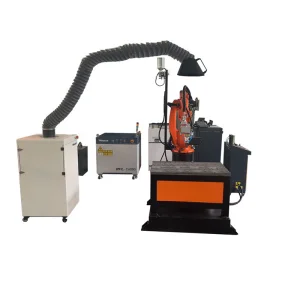
As manufacturing moves toward Industry 4.0 paradigms, reliance on raw components gives way to predictive maintenance and structural component remanufacturing. China factories have transformed their workflows from basic manual fabrication into automated, intelligent production systems. By integrating multi-axis robotic arms, advanced PLC systems, and real-time sensory feedback loops, Chinese manufacturers deliver highly customized welding systems that meet stringent global standards.
Shanghai Duomu has spearheaded these efforts, relying on over 10 years of R&D background. Modern manufacturing relies heavily on the stability of CNC powder feeders and precise robotic pathing. In contrast to manual overlays, automated 6-axis robotic welding cells execute complex geometries continuously, ensuring microstructural consistency, uniform carbide distribution, and void-free coatings. This resilience mitigates risks associated with global supply chain delays, since local heavy machinery can be surface-engineered to last 3 to 5 times longer than its design lifecycle, reducing reliance on new OEM replacement parts.
Procurement strategies in Western Europe, the Americas, and Southeast Asia have shifted from minimizing initial acquisition costs to optimizing Lifetime Value (LTV) and Total Cost of Ownership (TCO). Procurement managers recognize that high-reliability hardfacing reduces unplanned downtime, which can cost industries like oil & gas and power generation upwards of $100,000 per hour. Consequently, the demand for high-quality PTA torches, continuous powder feeders, and robust automatic cladding machines has surged. Heavy industry buyers now demand customized machinery equipped with detailed parameter logging, allowing them to verify compliance with ASME, ISO, and API standards in real time.
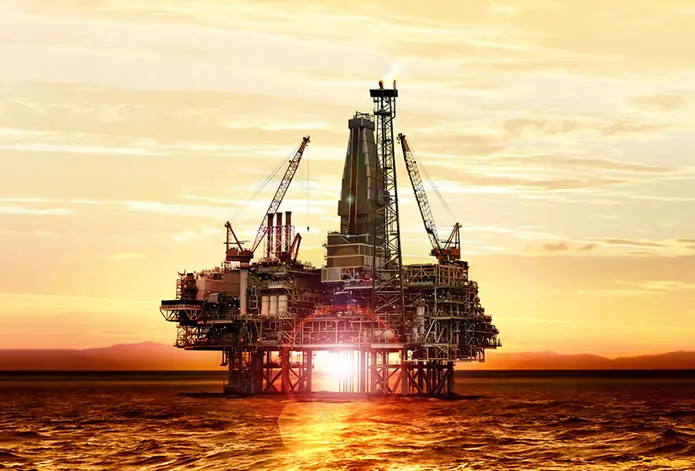
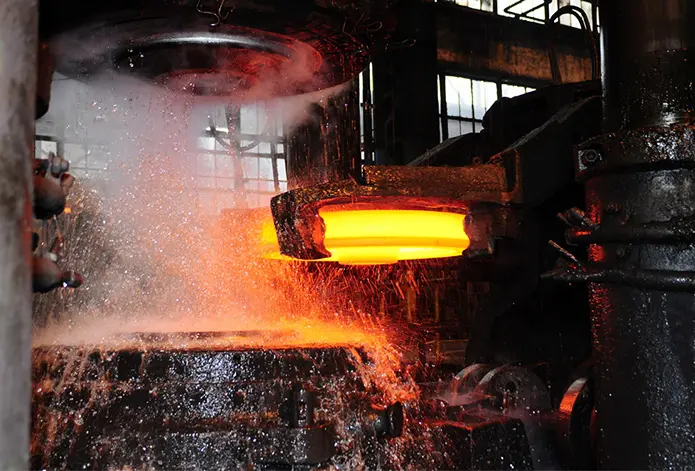
Shanghai Duomu's PTA and Laser Cladding systems have penetrated critical sectors requiring reliable performance under high wear, high temperature, and corrosive environments.


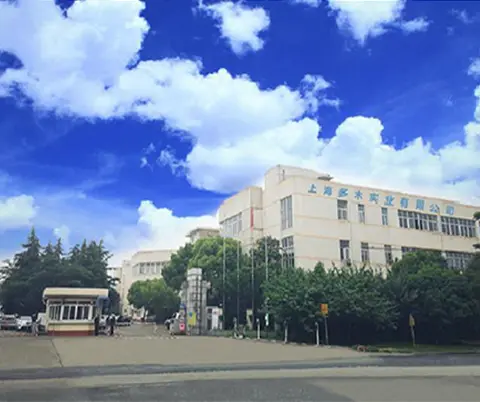
Leading manufacturer and exporter of advanced PTA cladding machines and Laser cladding machinery with a solid, ten-year technical background.
At Shanghai Duomu, we focus on researching, developing, manufacturing, and exporting advanced Plasma Transferred Arc (PTA) cladding systems and modern Laser Cladding machinery. Over the past decade, we have established an engineering footprint serving global heavy industries, including mining, nuclear power, petrochemicals, aerospace, and energy construction.
Our solutions target component longevity. By using custom-engineered powder feeders, high-current plasma torches (80A up to 500A), and robotic welding integrations, our technology changes the economics of surface maintenance. We help manufacturers transition from costly component replacement to reliable surface optimization.
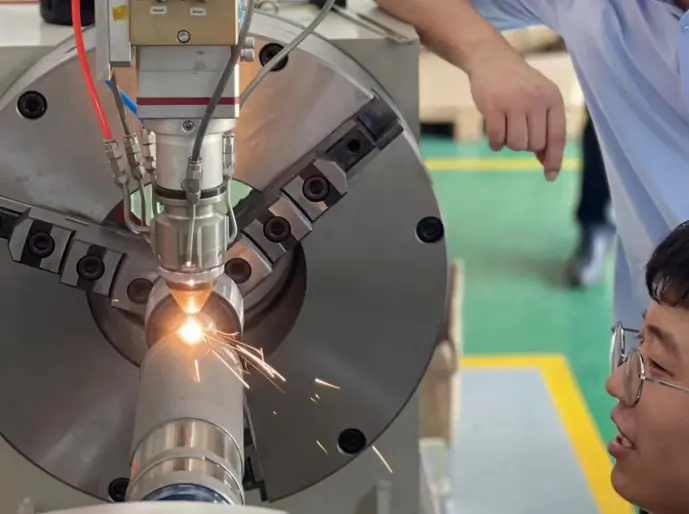
Custom-designed industrial cladding cells, multi-axis automated platforms, and tailored wear-prevention solutions.
Shanghai Duomu maintains an independent R&D engineering team, managing the design, manufacturing, quality testing, and installation of our plasma cladding and laser surfacing platforms. Our systems are engineered to operate continuously in demanding industrial environments, ensuring stable thermal performance and powder feed rates under 24/7 schedules.
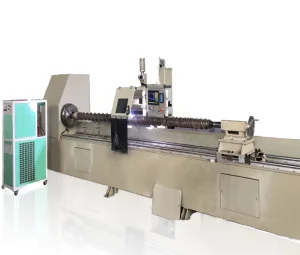
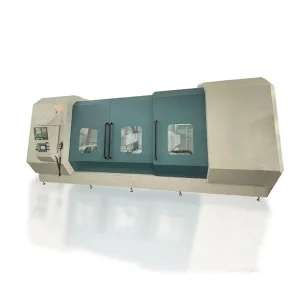
Additionally, our high-power laser cladding equipment serves large-scale remanufacturing projects. By using proprietary metallurgical processes, we design complete turn-key solutions tailored to specific industrial challenges, including specialized setups like hydraulic rod cladding cells, screw brick machine overlays, and robotic valve repairs.
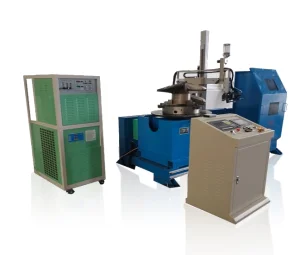
Explore our specialized industrial solutions, designed for automatic, multi-axis plasma and laser metal deposition processes.
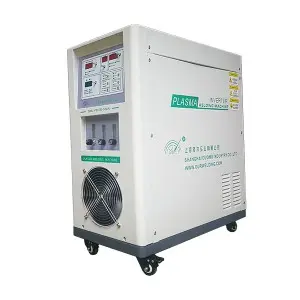
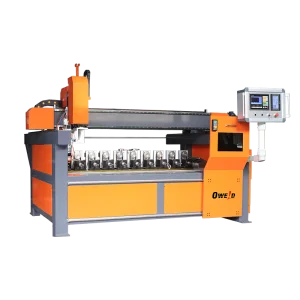
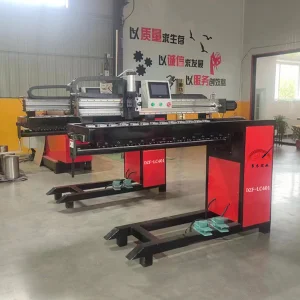
Ideal for flat and cylindrical workpieces, featuring precision powder delivery and stable arc control.
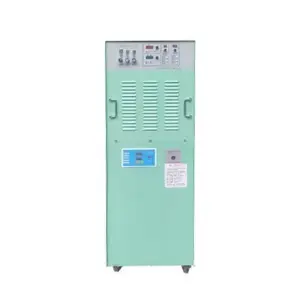
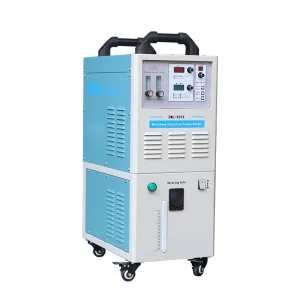
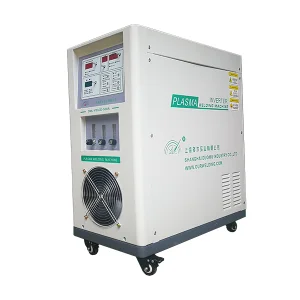
Combines welding, cladding, and surface modification capabilities in a single, robust industrial console.
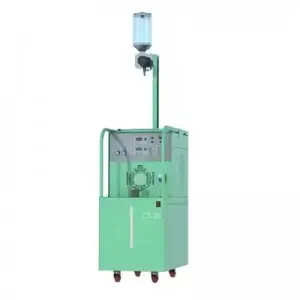
Provides microstructural control for hardfacing applications across steel mills, agricultural tools, and chemical valves.
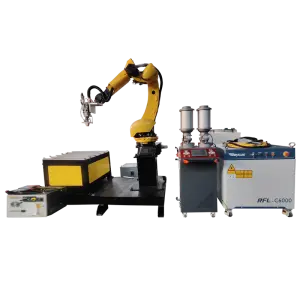
A low heat-input laser processing system designed to restore turbomachine blades and high-speed rotary impellers.
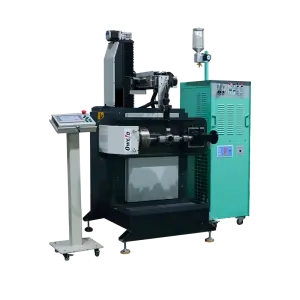
Delivers continuous PTA overlays on spherical valve seats, protecting them from severe corrosive and abrasive erosion.
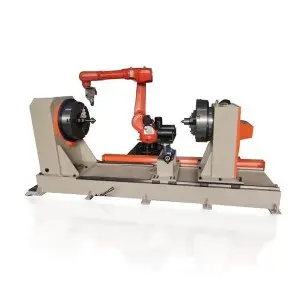
Features automated, robot-guided pathing for localized surface hardening of dies, gears, and wear-prone tooling.
In-depth technical papers on process parameters, microstructural dilutions, and operational life extensions in aggressive environments.
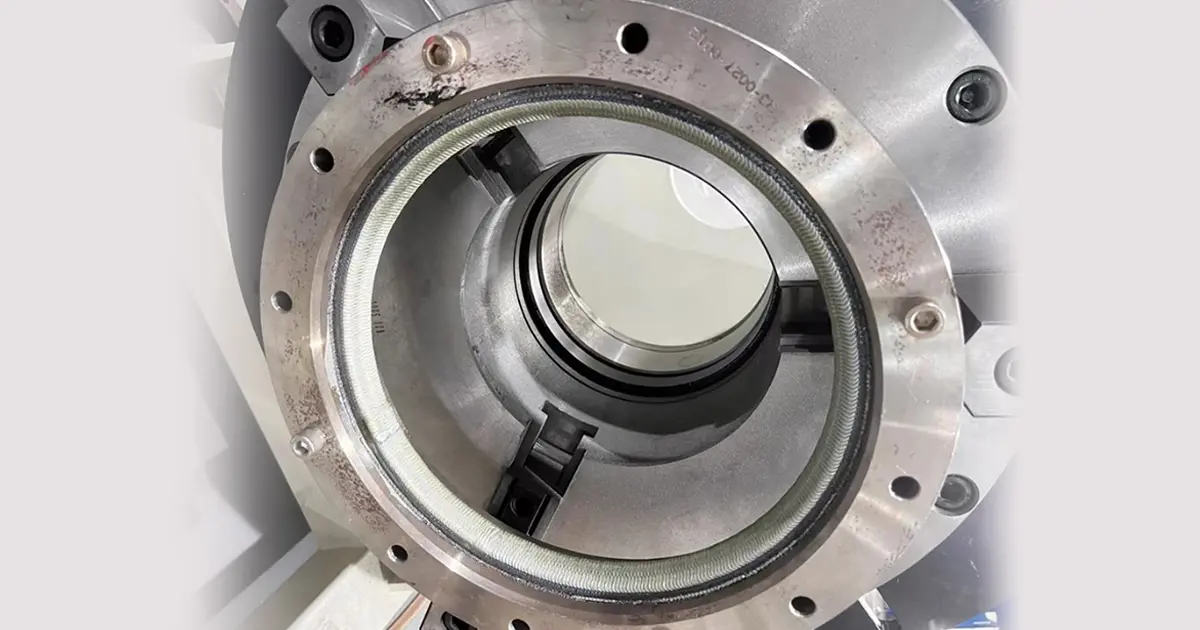
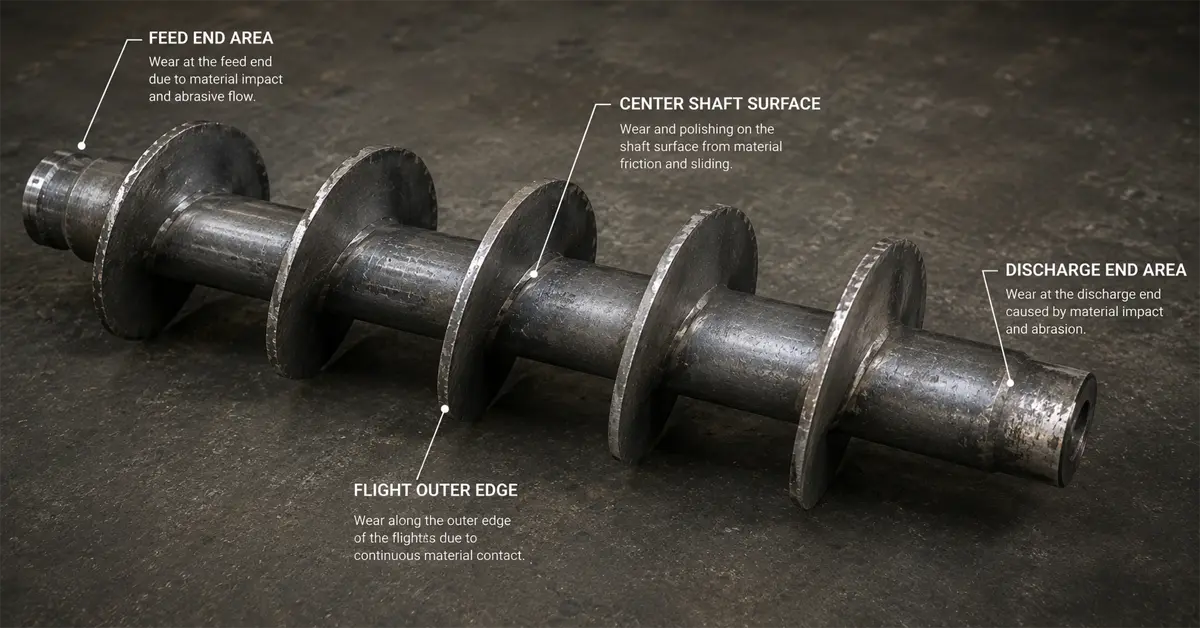
In-depth technical answers addressing common queries from procurement specialists, welding engineers, and quality assurance managers.
Traditional gas metal arc welding (GMAW) and shielded metal arc welding (SMAW) typically produce dilution rates between 15% and 30%. This significant mixing with the base metal means you need multiple layers to achieve the cladding alloy's full properties. In contrast, Plasma Transferred Arc (PTA) welding limits dilution to 5% to 8%, while Laser Cladding keeps it below 2% to 3%. This enables you to achieve the desired wear and corrosion resistance in a single layer, reducing alloy consumption and processing time.
Cobalt-based powders, such as Stellite 6, maintain their mechanical properties and wear resistance at elevated temperatures (up to 800°C), making them ideal for high-pressure steam valves and extrusion dies. Nickel-based powders (e.g., NiCrBSi), on the other hand, provide excellent corrosion resistance and self-fluxing characteristics at lower temperatures, and are easier to machine after application.
Yes. Laser cladding's high power density and localized heating minimize the heat-affected zone (HAZ). This low thermal input reduces the risk of warping, heat-induced cracking, or microstructural changes in sensitive substrates, making the process well-suited for repairing aerospace turbine blades, impellers, and precision shafts.
The quality of the metallurgical bond is primarily controlled by the plasma gas flow rate, pilot arc current, cladding speed, and powder feed rate. Properly balancing these parameters ensures the base metal melts just enough to form a strong metallurgical bond without excessive dilution of the overlay chemistry.
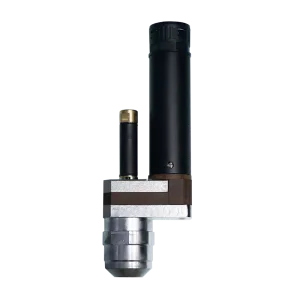
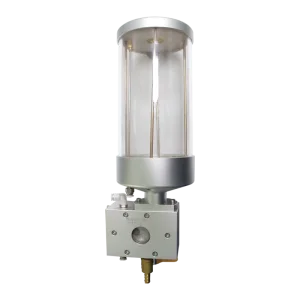
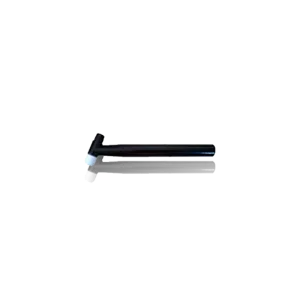
Browse our selection of specialized PTA torches, micro plasma welders, and automated cladding modules.







For inquiries about our custom PTA welding machines, laser cladding cells, or detailed pricing, contact our engineering department. We will reply within 24 hours.
 Duomu
Duomu