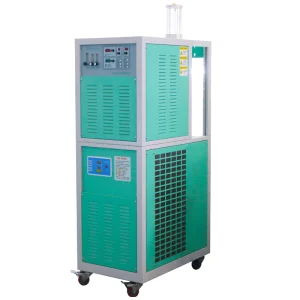
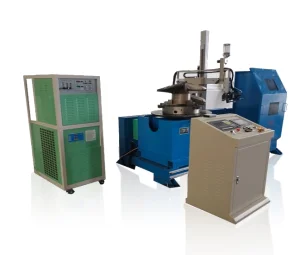
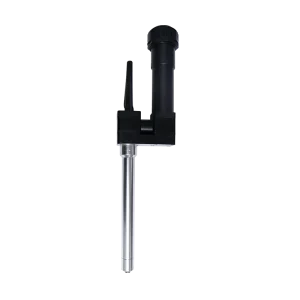
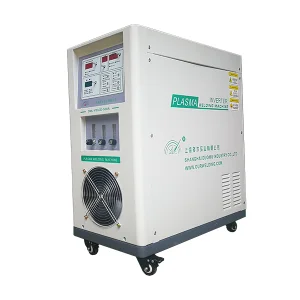
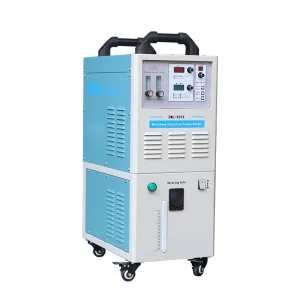
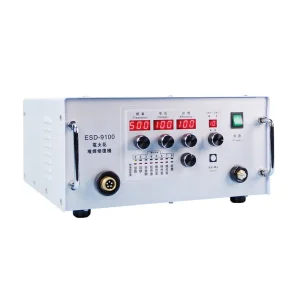
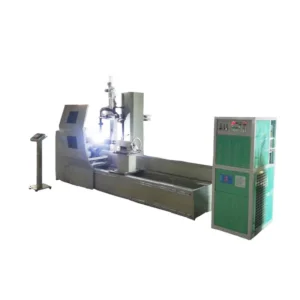
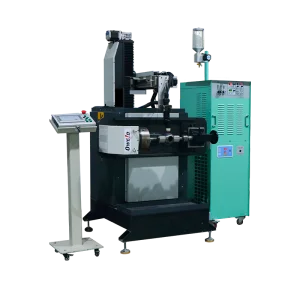
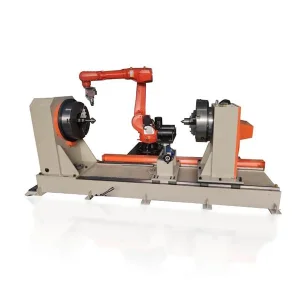
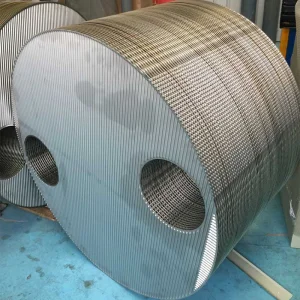
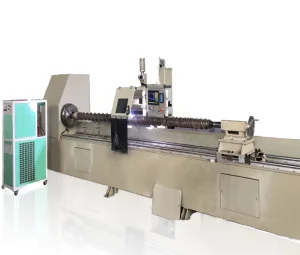
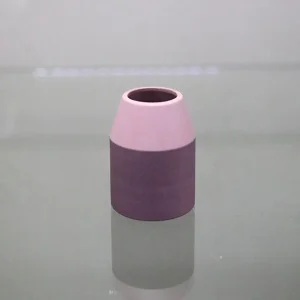
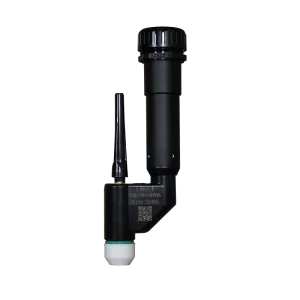
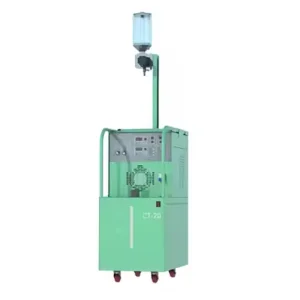
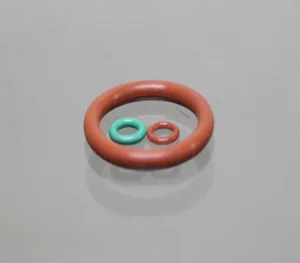
Discover our selection of industry-grade engineered systems optimized for high wear resistance, minimal dilution rates, and extreme durability.
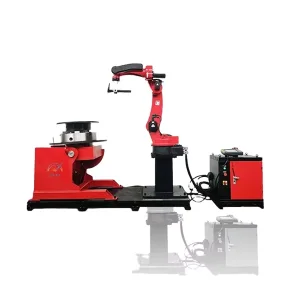
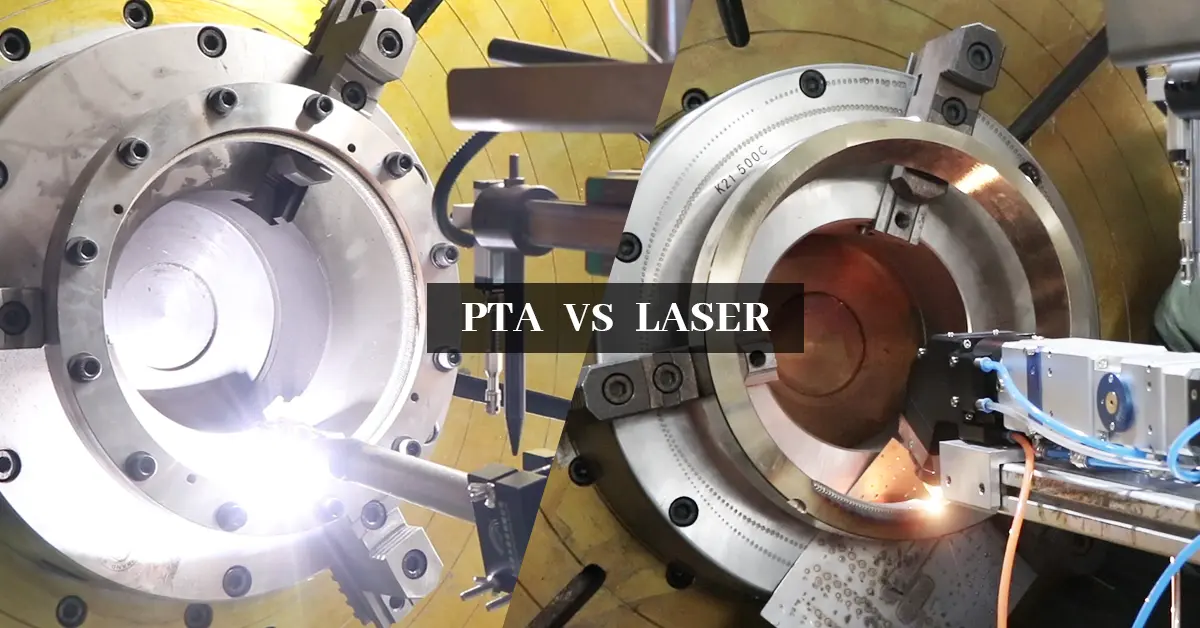
In high-demand industrial sectors such as aerospace, heavy casting, and oil exploration, components are continually subjected to extreme mechanical load, severe friction, and corrosive environments. To combat premature failure and reduce replacement costs, advanced surface engineering processes are utilized. At the forefront of this industrial evolution are custom-designed PTA (Plasma Transferred Arc) cladding systems and Laser Cladding systems.
A custom Schweißsystem is not merely a combination of welding power sources; it is a highly unified system incorporating precise gas flow management, automated powder feeding, multi-axis robotic motion, and real-time melt pool monitoring. Modern configurations allow operators to deposit metallurgically bonded protection layers onto low-alloy steels, structural steels, and superalloys with minimal base material dilution.
Ensures that the chemistry of the protective powder alloy is preserved by keeping substrate penetration down to 3% - 8%, maximizing overlay wear properties.
Advanced water cooling loops protect the heavy-duty cladding torches, supporting continuous operations across 24-hour shifts without arc degradation.
Seamless communication between PLC controllers, 6-axis articulated arms, and dual-axis positioners to handle complex geometries like valves and screws.
The core science behind high-durability hardfacing deposits depends heavily on dilution parameters.
For procurement managers and lead welding engineers, understanding the dilution rate is vital. Dilution represents the ratio of the melted substrate material that mixes with the filler alloy to form the cladding track. High dilution introduces base metals (typically low-cost iron or structural carbon steel) into the high-performance cobalt, nickel, or tungsten carbide overlay. This dilution compromises the hardness, corrosion resistance, and heat resistance of the surface layer.
Standard open-arc manual metal arc welding (MMAW) often experiences dilution rates of up to 30%. Custom PTA and Laser cladding systems dramatically restrict dilution. Laser Cladding systems achieve dilution rates below 5% through concentrated light energy density, producing a narrow heat-affected zone (HAZ) and superior metallurgical bonding.
| Cladding / Surfacing Process | Typical Dilution Rate | Heat-Affected Zone (HAZ) | Optimal Surface Thickness |
|---|---|---|---|
| Laser Cladding Systems | 2% - 5% | Minimal (0.2 - 0.8 mm) | 0.5 mm - 2.5 mm |
| Plasma Transferred Arc (PTA) | 5% - 10% | Moderate (1.0 - 2.0 mm) | 1.5 mm - 6.0 mm |
| Gas Tungsten Arc (GTAW / TIG) | 15% - 25% | High (2.5 - 4.0 mm) | 2.0 mm - 5.0 mm |
| Submerged Arc Welding (SAW) | 25% - 35% | Very High (> 5.0 mm) | 5.0 mm - 15.0 mm |
The choice of raw alloy powder is equally critical. For high-temperature abrasive applications, cobalt-based alloys (such as Stellite) are preferred due to their high hot-hardness. In highly corrosive environments, nickel-chromium-silicon-boron alloys provide excellent resistance to chemical attack and cavitation. Tungsten Carbide (WC) particles suspended in a nickel matrix are the standard solution for extreme wear conditions, such as those found in mineral mining drills and hydraulic rod surfaces.
A custom cladding machine must balance powder feed rate, gas shielding velocity, and travel speed. If the powder is fed too slowly, the substrate receives too much energy input, increasing dilution. Conversely, if powder feed is too fast, the laser or plasma arc cannot fully melt the powder particles, causing poor bonding, porosity, and interlaminar cracking.
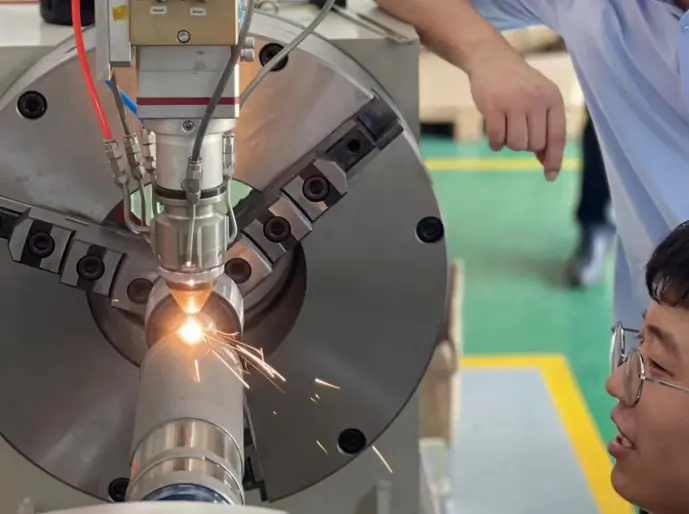
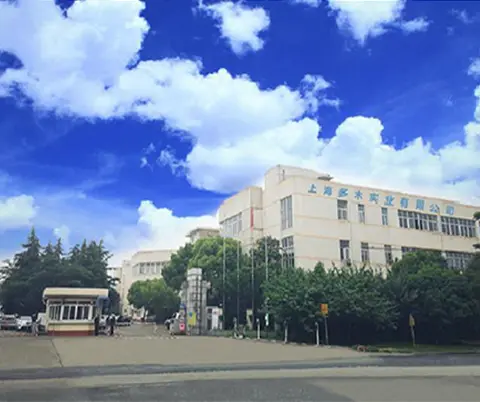
Shanghai Duomu has been a leading manufacturer and exporter of PTA cladding machines and Laser cladding machines for more than ten years with a strong technical background. Over this decade of manufacturing and engineering excellence, we have developed our own high-precision core systems, from specialized multi-port plasma torches to intelligent CNC control units.
Our independent R&D team designs, produces, and sells high-performance plasma cladding machine equipment. The welding machines we manufacture exhibit stable performance and support continuous, high-efficiency, long-term operations. Additionally, the laser cladding equipment sold by the company provides robust support for large-scale remanufacturing projects. We employ mature, field-tested technological methods to deliver comprehensive sets of industrial equipment solutions tailored to your unique workspace layout and substrate specifications.
Why global heavy enterprises choose Shanghai Duomu as their preferred cladding technology partner.
Operating from Shanghai, a global logistics hub, Duomu leverages the robust Chinese manufacturing supply chain. We procure premium copper alloys for torches, high-stability CNC systems, and reliable internal pneumatic controls from long-term supply partners. This integrated supply model enables shorter production lead times for custom machines, secure parts availability, and competitive pricing without sacrificing build quality or components.
Our localized testing and quality control processes guarantee that each automated cladding machine undergoes a rigorous 48-hour continuous running cycle before shipping. This process includes test powder deposition on sample substrates to verify metallurgical consistency, thickness homogeneity, and overall system stability.
We build our machines to conform to European CE directives, international ISO 9001 standards, and global electric code safety regulations. Every machine includes comprehensive documentation, installation schematics, and gas safety guidebooks written by our lead welding engineers.
To support global facilities, Duomu provides localized digital support packages, including video training courses, direct hotline access to development engineers, and remote software diagnostics. For large-scale system deployments, we can dispatch field service engineers to assist with installation, calibrate systems to match local raw alloy powders, and train operators in safe system management.
Our high-precision custom Schweißsystems operate across critical industrial environments worldwide.

Cladding cultivator teeth, plowshares, and harvester blades with high-hardness tungsten carbide or iron-based alloys to extend component life in abrasive soils.

Applying high-accuracy nickel and cobalt superalloy coatings to turbine blade tip seals, landing gears, and exhaust system parts to resist extreme heat and thermal shock.
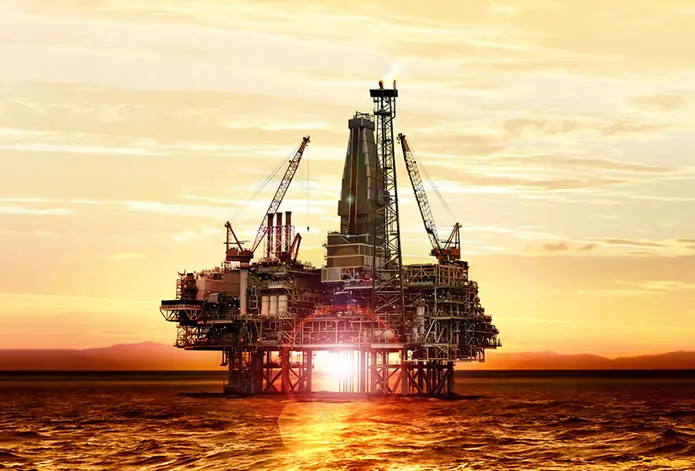
Cladding drill collars, stabilizers, mud pumps, and pipeline components to withstand high abrasive wear and hydrogen sulfide corrosion during drilling operations.
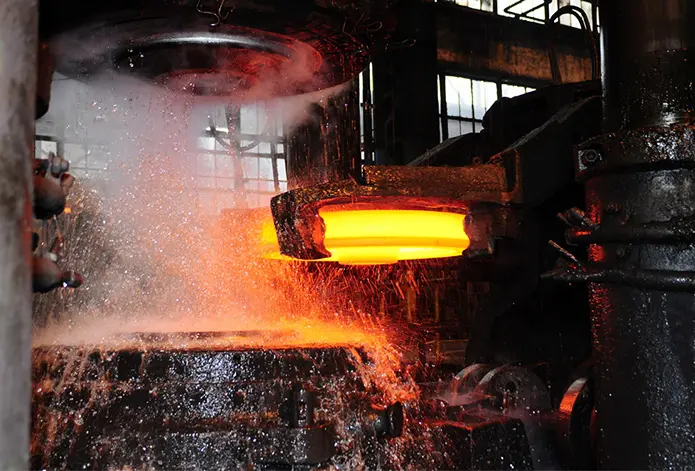
Hardfacing casting rolls, slag rollers, and hot extrusion dies to ensure continuous metallurgical production and minimize downtime due to heat checking and high-temperature oxidation.
At present, our products have penetrated into many fields such as aerospace military industry, nuclear power, petrochemical industry, coal mines, metallurgy and forging, agriculture, water conservancy, and electric power.
Read how our cladding solutions help global operations mitigate component wear and optimize production schedules.
"The PTA Welding Valve Application Guide is not just a process choice for valve manufacturers facing high wear, high corrosion, and high-temperature erosion working conditions, but also a key path to improving product competitiveness. As industries such as petrochemical grow, Duomu systems keep our processing units operating without leakages."
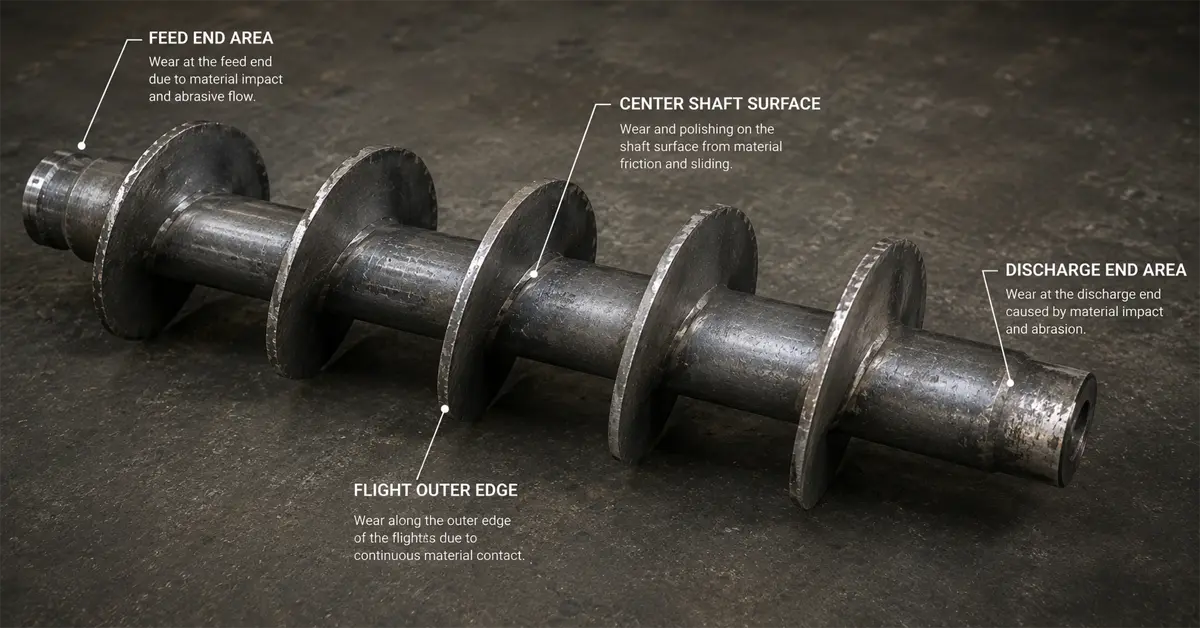
"In industries such as mining, cement, power generation, steelmaking, chemical processing, and biomass energy, screw conveyors are often regarded as auxiliary equipment. However, maintenance data shows that they are among the most frequent causes of unplanned production shutdowns. Hardfacing screw segments with Duomu's automatic cladding system has tripled our operational lifespan."
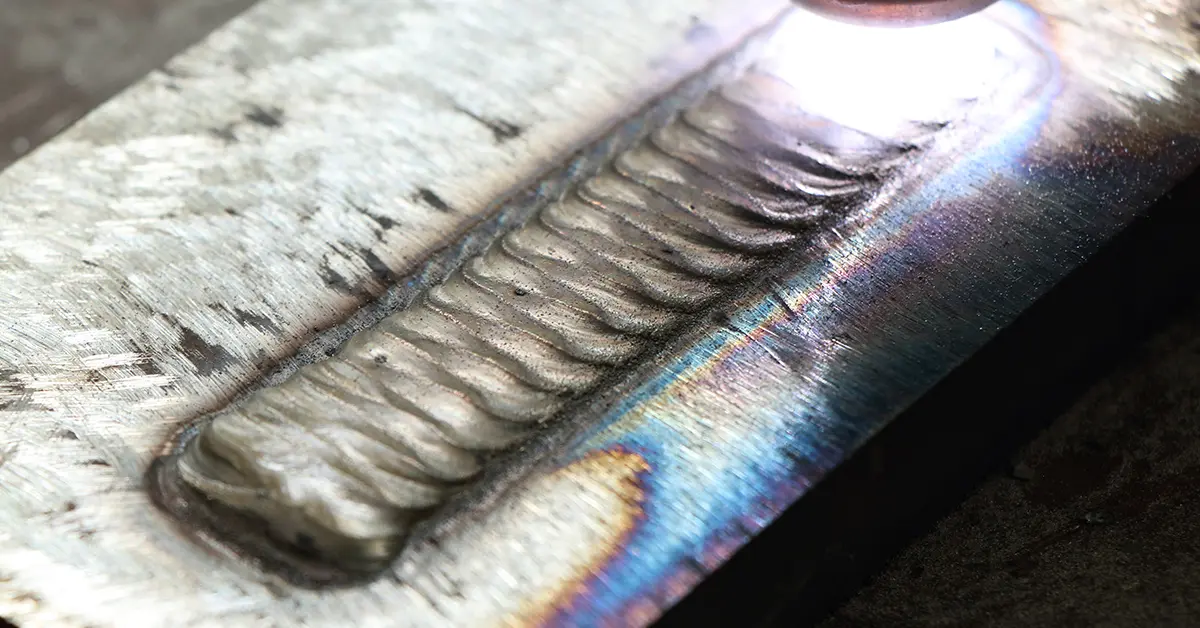
"In Plasma Transferred Arc (PTA) hardfacing, achieving a high-quality overlay is not only about selecting the right alloy powder or optimizing welding parameters. One of the most critical factors that directly affects overlay performance is the dilution rate. By controlling and managing dilution rates down to a strict minimum, we've increased our industrial valve lifespans significantly."
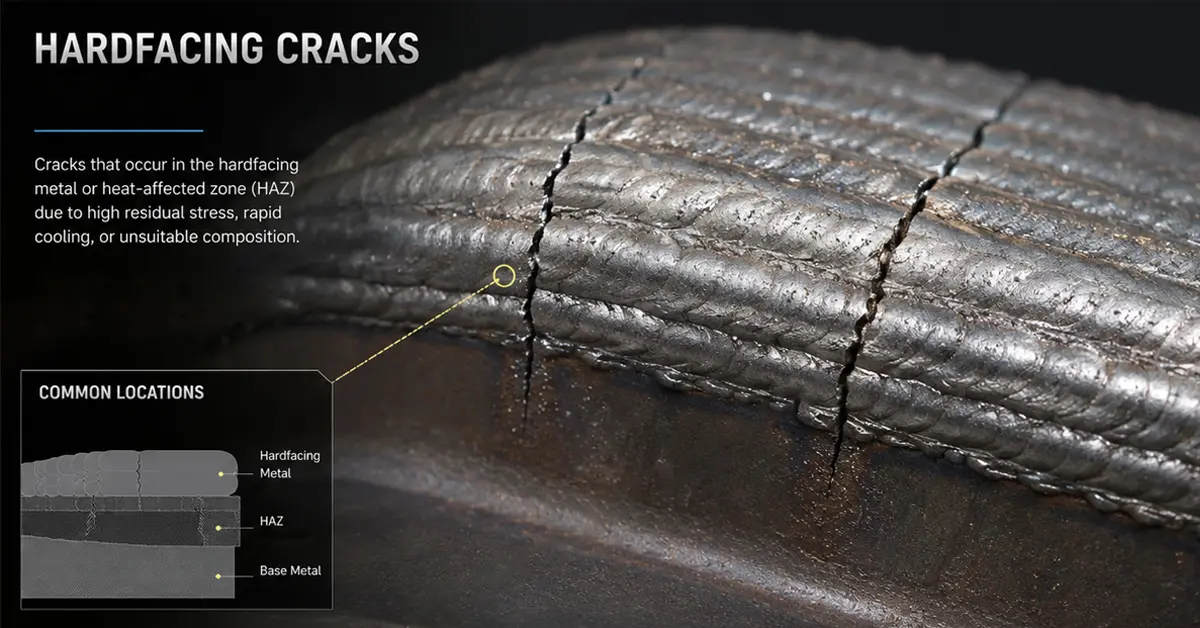
"In industries such as Oil & Gas, Mining, Power Generation, Cement, and Heavy Equipment Manufacturing, hardfacing is no longer just a repair process. It has become a critical technology directly related to equipment lifespan, downtime costs, maintenance frequency, and metallurgical safety."
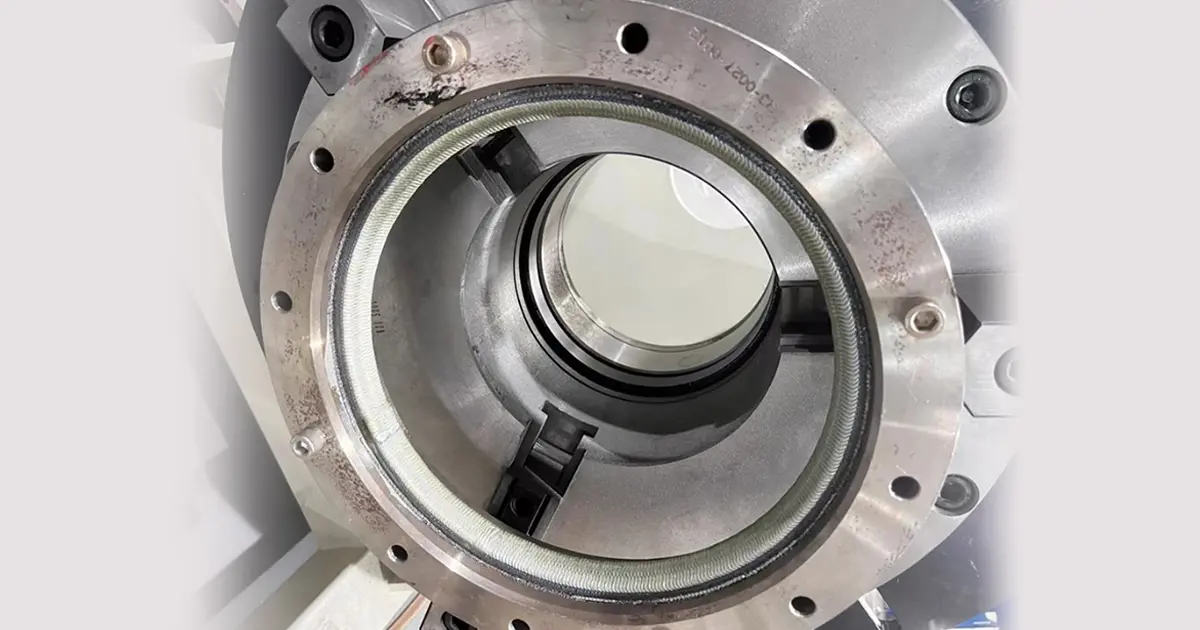
"In industries such as oil & gas, petrochemical, power generation, mining, and marine engineering, industrial valves are constantly exposed to severe operating conditions including high pressure, extreme temperatures, corrosive media, abrasive wear, and sand erosion. Duomu automated cladding provides consistent protection against these elements."
The shift toward Industry 4.0, integrated sensor diagnostics, and digital process optimization.
Industrial surface engineering is rapidly transitioning toward autonomous operations. The integration of Artificial Intelligence (AI) and Machine Learning (ML) algorithms with cladding equipment enables real-time adjustments of laser power and powder feed rates. By employing high-speed pyrometer sensors and coaxial melt-pool cameras, the system detects thermal anomalies as they happen, preventing crack formation or porosity.
Additionally, the adoption of hybrid manufacturing systems—which combine automated cladding with sub-millimeter CNC milling on a single platform—is transforming the tool and die repair sectors. Instead of performing welding and machining on separate workbenches, parts are repaired and finished in a single setup, reducing turnaround times by up to 60%.
For custom manufacturing facilities, the focus is also shifting to multi-material deposition. Engineers can now program a system to deposit an elastic, tough buffer layer of nickel alloy onto a brittle carbon-steel substrate, followed by a highly wear-resistant cobalt-chromium layer. This gradient structure absorbs thermal shear stress and prevents delamination under impact loads.
In response to these trends, Shanghai Duomu is continuously updating our control software and robotic integration platforms, providing users with modular options to add coaxial optical monitoring and automated powder feeders as production requirements grow.
Find answers to key technical, engineering, and procurement queries.
PTA (Plasma Transferred Arc) cladding uses a concentrated plasma arc to melt both the metal powder and the substrate surface. It is highly efficient for thick layers (1.5mm to 6mm) and supports high deposit rates. Laser Cladding uses a focused laser beam as the heat source. It offers a much lower dilution rate (typically under 5%), a narrower heat-affected zone (HAZ), and higher precision, making it suitable for thin coatings and high-precision components.
We control the dilution rate by integrating precise closed-loop PLC systems that adjust heat input dynamically. By coordinating powder feeding speed, arc voltage, and travel speed, the thermal input is kept to the minimum required to achieve a strong metallurgical bond, keeping substrate dilution low.
Yes. We design and build dedicated fixtures, rotating positioners, and CNC multi-axis slide assemblies. These are configured specifically for complex geometries, such as hydraulic rod surfaces, industrial screw segments, gate valve wedges, and extrusion dies.
Each system undergoes mechanical, electronic, and welding performance testing. This includes a continuous 48-hour cycle testing of the power source and cooling systems, powder flow rate calibration, and sample deposition to verify surface chemistry and check for bonding defects.
Yes. We design our cladding equipment in accordance with CE and ISO 9001 requirements. We provide digital training documentation, remote programming assistance, and, for large-scale setups, on-site commissioning and operator training by our engineering team.
Browse our specialty systems, custom torches, hardening robots, and automated repair stations.






 Duomu
Duomu