High-performance custom systems manufactured to exceed rigorous global industrial standards.
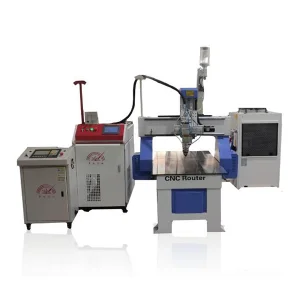
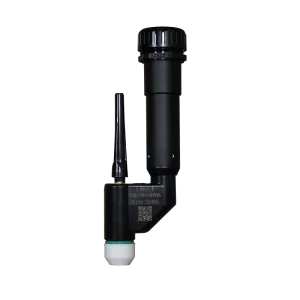
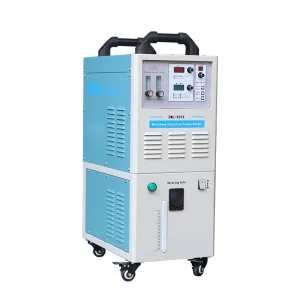
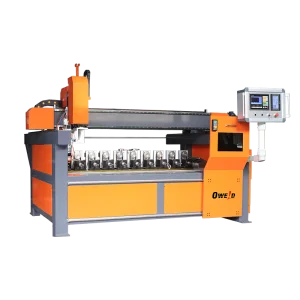
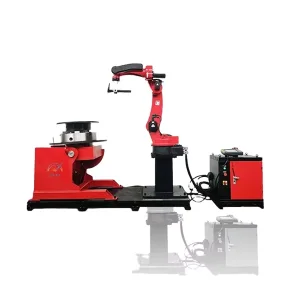
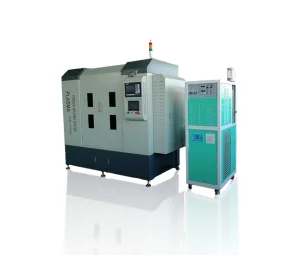
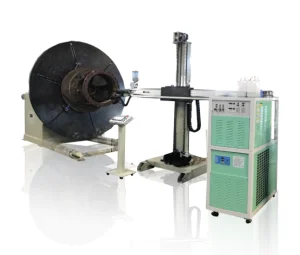
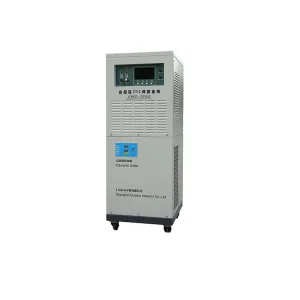
In the current paradigm of precision metallurgy and high-stress mechanical components, surface integrity dictates operational lifespan. Industrial equipment deployed across harsh sectors—such as petrochemical refinement, deep-sea offshore drilling, military aviation, and nuclear power generation—faces continuous structural hazards due to severe abrasive wear, extreme heat-induced creep, and harsh chemical corrosion. Traditional welding processes often fall short, yielding high heat-affected zones (HAZ) and significant base metal dilution. This is where Soudage TIG Micro-Plasma (Micro-Plasma TIG welding) and Plasma Transferred Arc (PTA) cladding represent a vital metallurgical breakthrough.
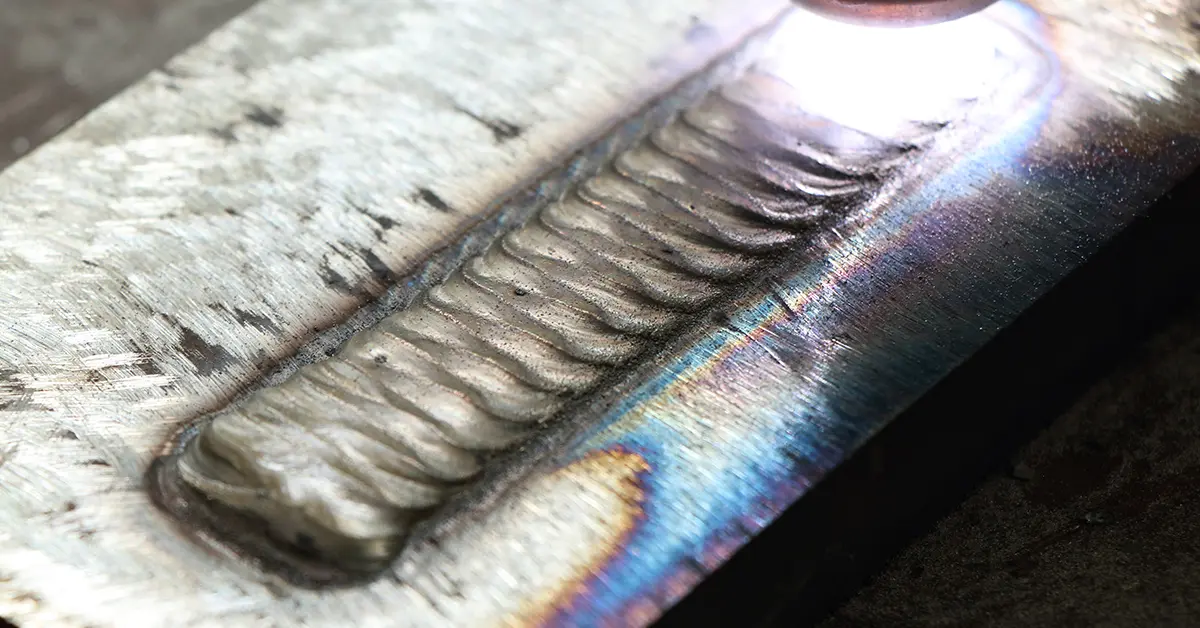
Understanding the exact thermodynamic behavior of these arcs is central to selecting the correct system for your manufacturing operations. TIG (Tungsten Inert Gas / Soudage TIG) utilizes a free-burning arc that tends to spread across the workpiece. While TIG is highly versatile for thin-sheet joint fabrication, its energy profile is dispersed. Micro-Plasma welding constricts the arc by feeding it through an auxiliary gas orifice, transforming the dispersed flame into a collimated, highly stable column. When coupled with advanced powder cladding systems, this process transforms into PTA (Plasma Transferred Arc) cladding, allowing the introduction of specialized alloy powders (such as Stellite, Colmonoy, or Tungsten Carbides) directly into the molten pool.
| Parameters | Conventional TIG (GTAW) | Micro-Plasma (MPAW) | PTA Surfacing / Cladding |
|---|---|---|---|
| Arc Energy Density | Medium (~10^4 W/cm²) | High (~10^5 W/cm²) | Very High (~10^6 W/cm²) |
| Heat-Affected Zone (HAZ) | Wide (2.0 - 5.0 mm) | Narrow (0.5 - 1.5 mm) | Extremely Minimal (<1.0 mm) |
| Dilution Rate | 15% - 25% | 5% - 10% | 3% - 5% |
| Deposition Efficiency | Manual Wire Feed (Slow) | Highly Precise Joint Fusion | Powder Feed (Up to 12 kg/hr) |
Globally, heavy industry is transitioning from reactive repair paradigms to proactive component life extension. The commercial drive is simple: hardfaced components can survive up to 300% to 500% longer than untreated carbon steel parts, dramatically reducing unplanned downtime in continuous production environments like steelworks, pulp factories, and deep mining operations. In North America and Europe, where regulatory oversight on environmental impact and structural safety is stringent, PTA cladding is preferred for rebuilding steam turbine blades, industrial ball valves, and chemical reactors. In contrast, emerging manufacturing hubs are deploying these machines to secure high-quality localized output of highly complex mechanical joints.
Sourcing precision industrial machinery internationally requires a balance of engineering reliability, supply-chain flexibility, and competitive capital expenditure. Chinese manufacturers, led by entities like Shanghai Duomu, have established a robust ecosystem integrating advanced digital R&D directly with mechanical production lines. By controlling every stage—from proprietary powder-feeder software design to the physical machining of high-purity copper plasma torches—we reduce assembly lead times while implementing strict quality testing controls.
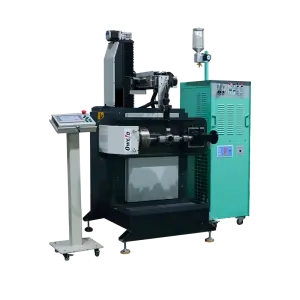
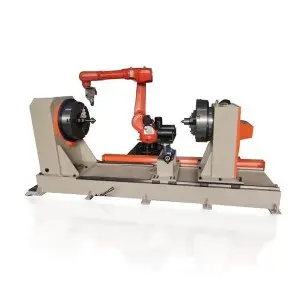
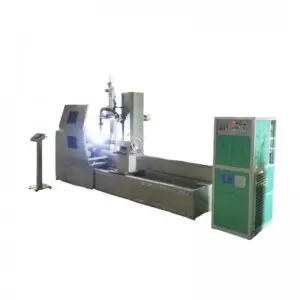
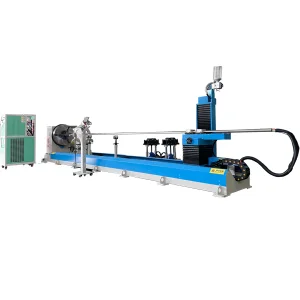
Our facility leverages localized industrial supply chains, sourcing premium mechanical elements and advanced CNC processors at scale. This allows us to supply complete industrial automation assemblies (such as the DYY-LC501 Hydraulic Rod system or the DQF-LC602 Valve Hardfacing station) at a fraction of the cost of standard Western integrations, with no compromise on core metallurgical performance. Our R&D team remains focused on creating high-stability controllers, ensuring our PTA machines run continuously without frequency shifts or gas flow disruptions.
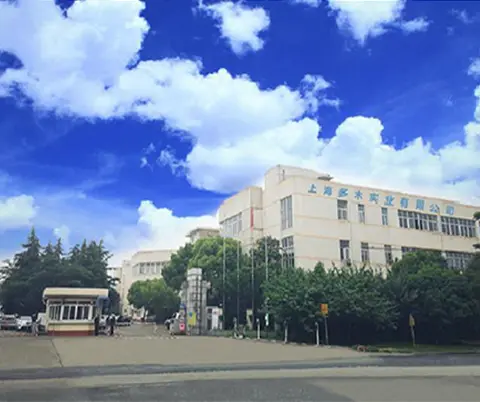
Engineered to support heavy machinery, aerospace structures, and power generation systems.
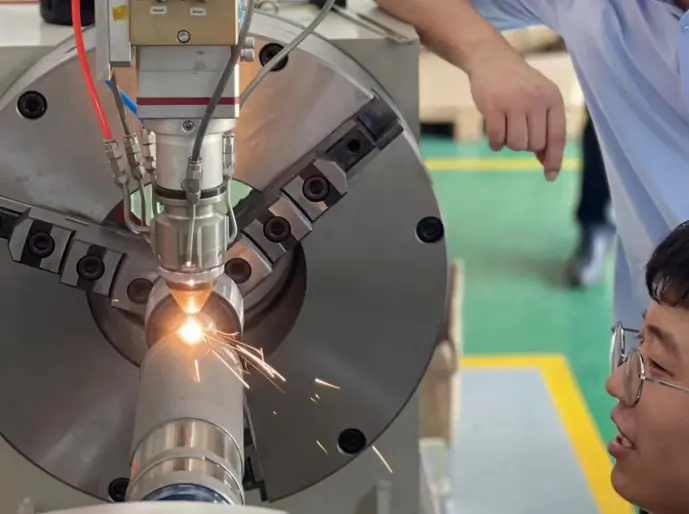
At the center of Shanghai Duomu's market longevity is our independent Research & Development department. Rather than functioning simply as an assembly warehouse, we design, refine, and patent our own plasma cladding torches, high-current power suppliers, and precise CNC coordinates. Our machines are built with smart diagnostics, maintaining thermal equilibrium and stable arc parameters during long shifts.
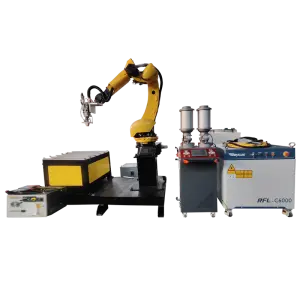
Additionally, our high-power laser cladding equipment serves heavy manufacturing and component rebuilding plants. By pairing advanced powder feed controls with robust kinematics, we deliver comprehensive industrial solution blueprints designed to integrate directly with your existing workshop workflows.
Connect with our engineersExplore our focused product catalog, customizable to specific material requirements and geometry constraints.
Real technical evaluations demonstrating the performance of PTA hardfacing across industries.
"The PTA Welding Valve Application Guide is not just a process choice for valve manufacturers facing high wear, high corrosion, and high-temperature erosion working conditions, but also a key path to improving product competitiveness..."
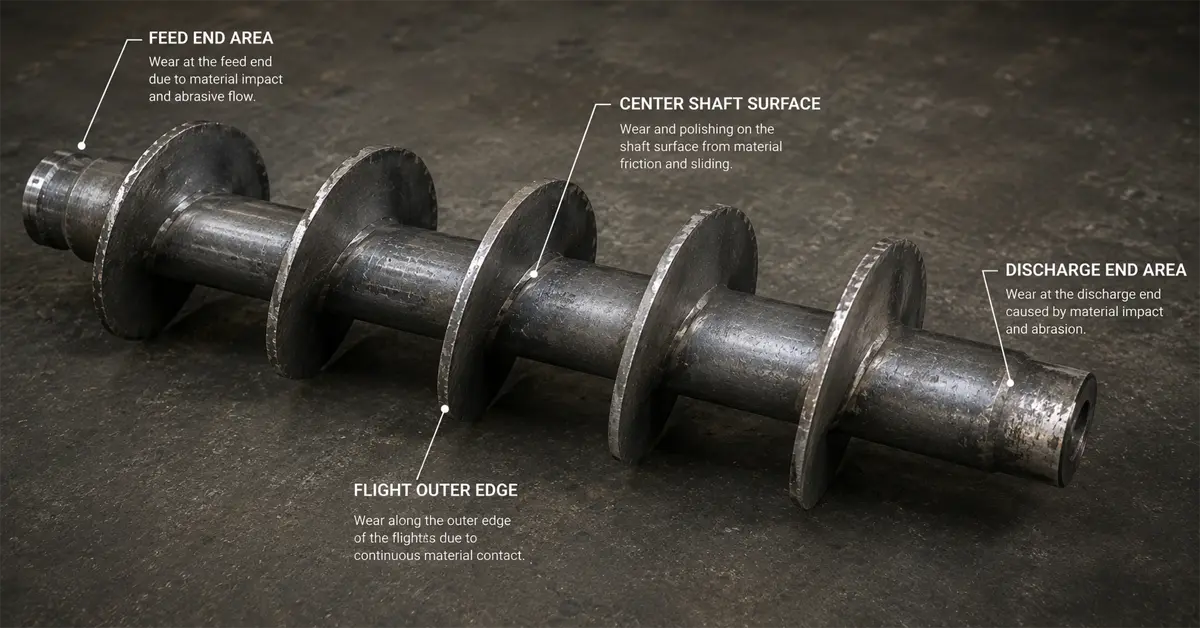
"In industries such as mining, cement, power generation, steelmaking, chemical processing, and biomass energy, screw conveyors are often regarded as auxiliary equipment. However, maintenance data shows that they are among the most frequent causes of unplanned production delays..."
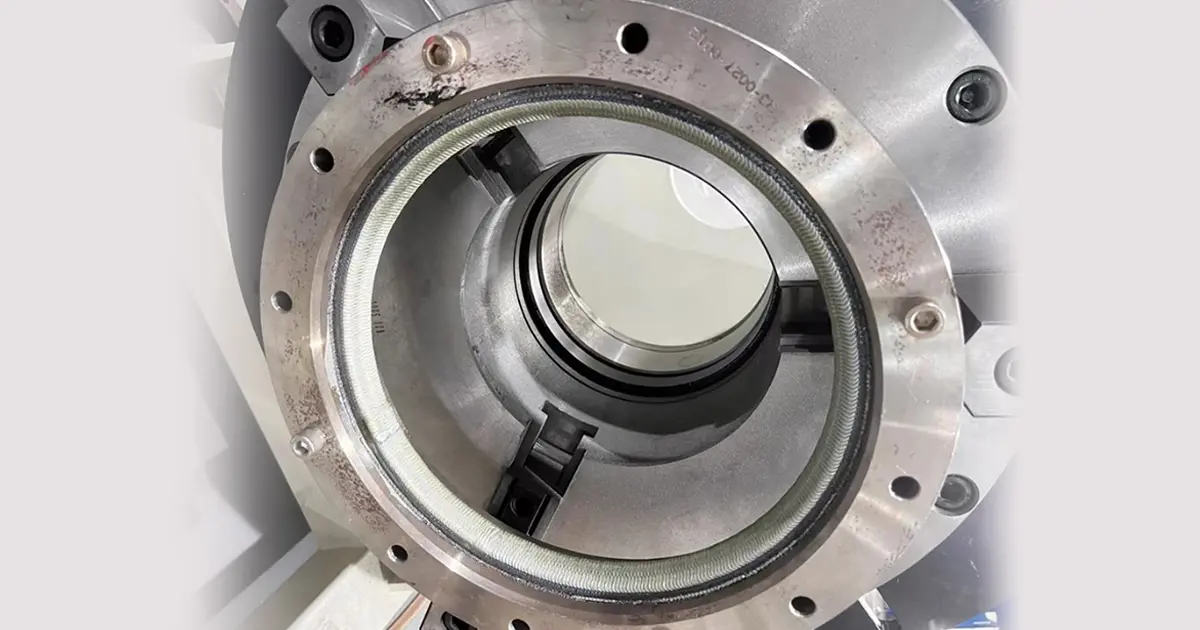
"In Plasma Transferred Arc (PTA) hardfacing, achieving a high-quality overlay is not only about selecting the right alloy powder or optimizing welding parameters. One of the most critical factors that directly affects overlay performance is the dilution rate..."
Answers to technical questions from global procurement managers and welding engineers.
Built in alignment with international standards and field-tested by heavy industry partners.







For inquiries regarding our welding systems, specialized software integrations, or customized alloy calculations, submit your specifications. Our technical team will respond with a full solution outline within 24 hours.
Engineered overlaying and micro-joining machines for global industrial applications.
 Duomu
Duomu