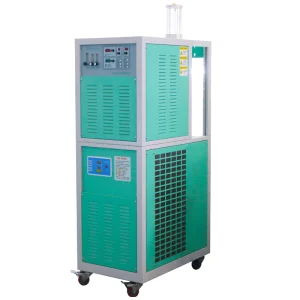
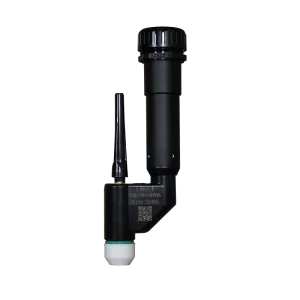
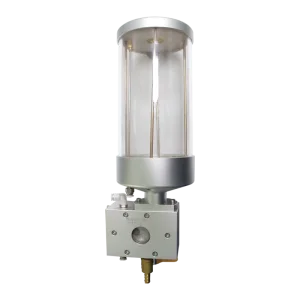
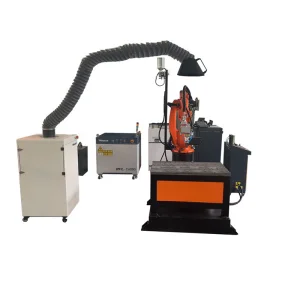
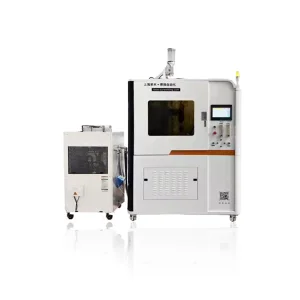
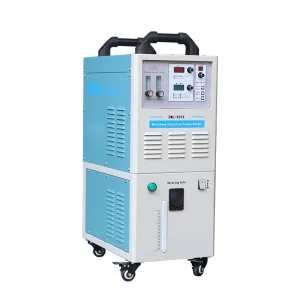
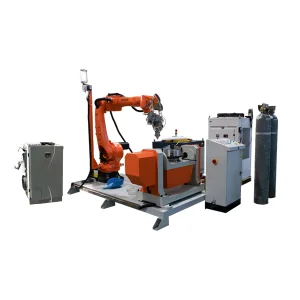
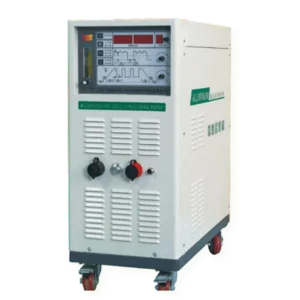
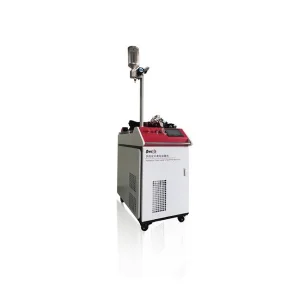
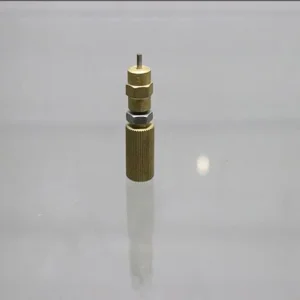
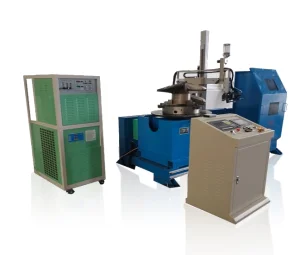
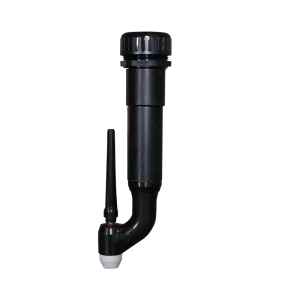
Explore our industrial range of precision plasma transfer arc torches, custom cladding platforms, and laser deposition systems designed for intensive remanufacturing.
Analyzing key B2B market dynamics, technical parameter shifts, and next-generation metallurgy innovations.
Modern heavy machinery demands wear-resistant coatings that survive extreme mechanical loads and corrosive chemical conditions. "Spawanie Paw" (traditionally aligning with Plasma Arc Welding/PTA technology) has undergone a major shift from manual surfacing to multi-axis CNC automated robotic platforms. High-precision laser cladding systems now stand alongside PTA systems, providing companies with alternative thermal options.
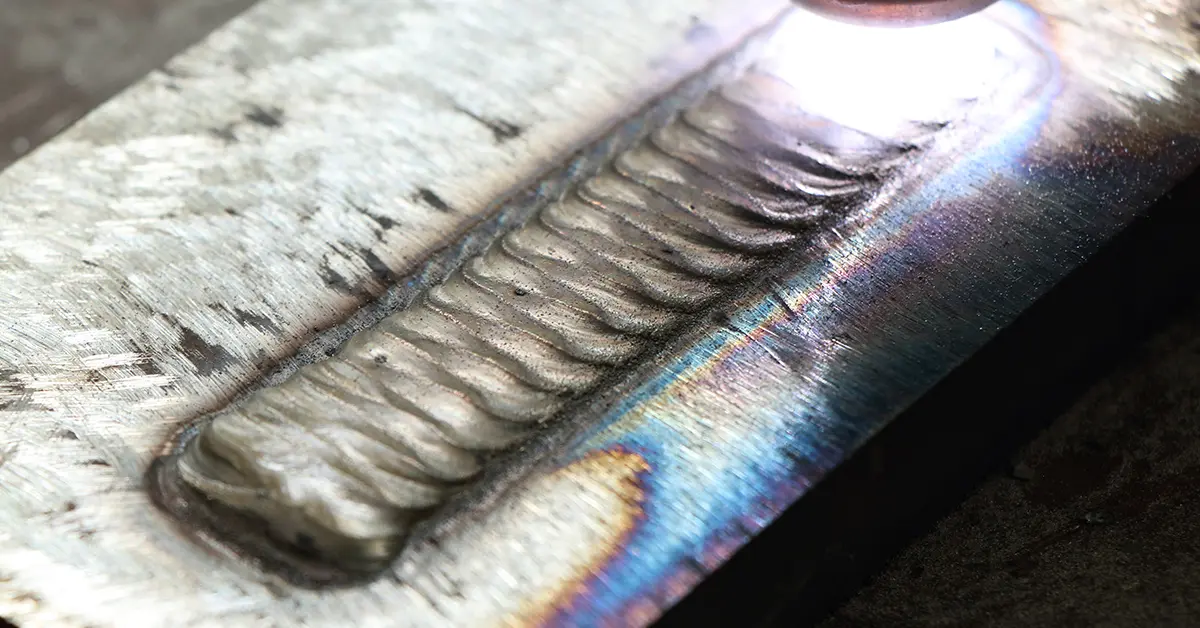
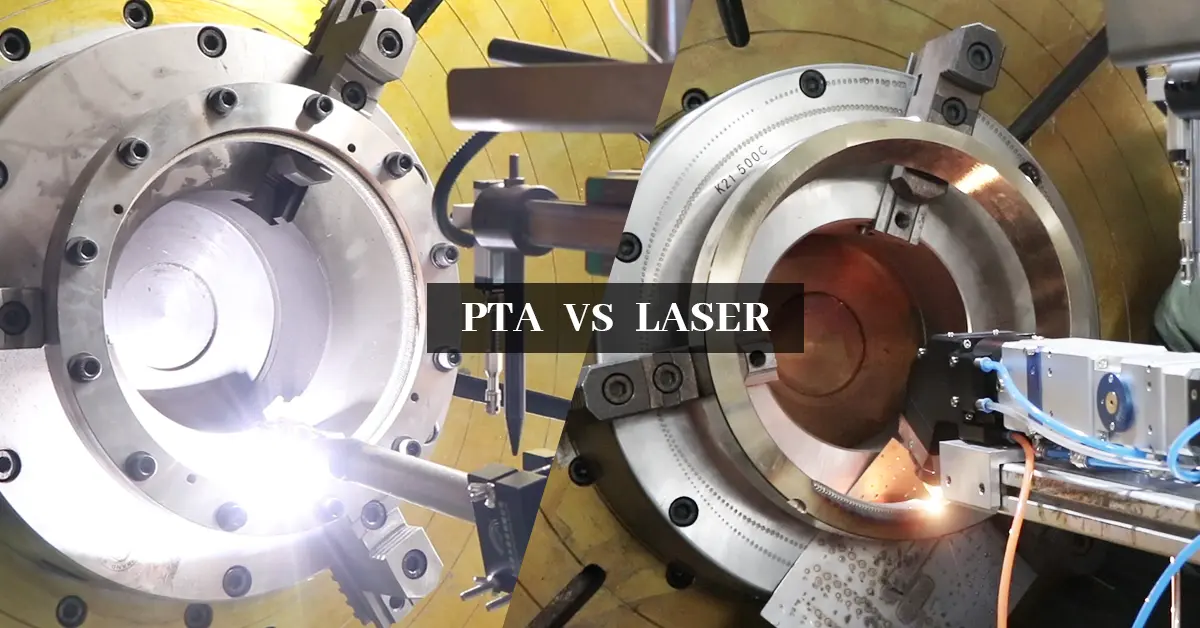
While PTA cladding offers deep metallurgical bonding and robust alloy deposition layers at lower costs, Laser Cladding provides a significantly smaller heat-affected zone (HAZ) with dilution rates below 1%. Industrial procurement officers are shifting from raw component replacement to high-performance cladding, doubling the active lifespan of critical parts.
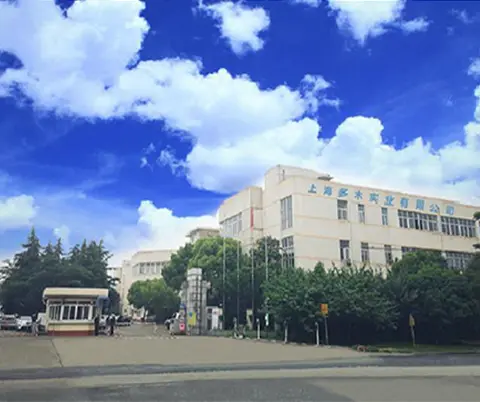
Evaluating procurement criteria, supply chain optimization, and the economic benefits of advanced Chinese automated manufacturing.
Global industrial procurers prioritize process stability, minimal porosity, and metallurgical homogeneity. When purchasing custom PTA and laser cladding machinery, buyers check compatibility with diverse powders like cobalt, nickel, and tungsten carbide alloys.
Our facility integrates CNC control setups, automated multi-axis industrial arms, and digital powder monitoring devices. China Factory 4.0 methods ensure consistent machine assembly and reduce system manufacturing lead times.
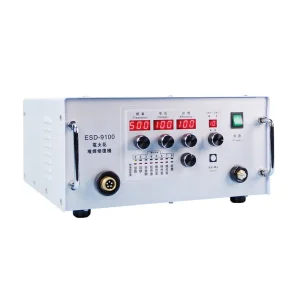
By producing critical PTA welding torches, CNC powder feeders, and electrical control boards under one roof, we eliminate supplier dependencies and keep replacement parts readily available.
Our dedicated engineering department designs custom weld profiles, customized bore torches, and portal cladding systems tailored to target budgets, keeping performance high.
Providing metallurgical protection and hardfacing overlays for heavy-duty components across key global sectors.

Wear resistance solutions for soil-engaging tools. Extending the life of harvester blades and tillage picks with tungsten carbide overlays.

High-precision repairs of turbine blades and aircraft structural parts using laser cladding to limit thermal distortion.

Internal clad protection for flow control valves, drill pipes, and high-pressure fittings handling sand slurry erosion.
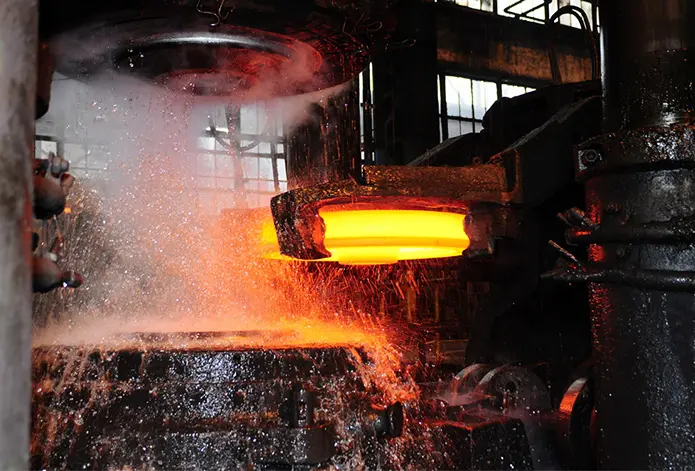
Rollers and casting molds protected with high-temperature cobalt-based alloys to prevent surface fatigue and thermal cracking.
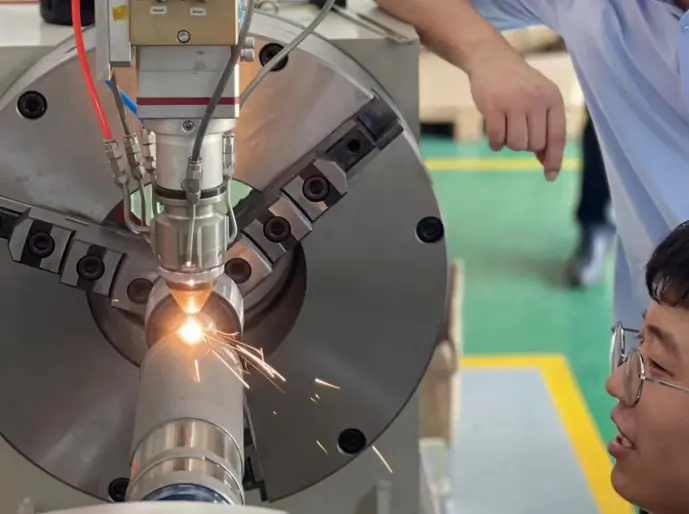
Shanghai Duomu has operated as a leading manufacturer and exporter of PTA cladding machines and Laser cladding machines for over ten years, backed by a strong technical background. We maintain an independent R&D team that designs, builds, and supports plasma cladding equipment.
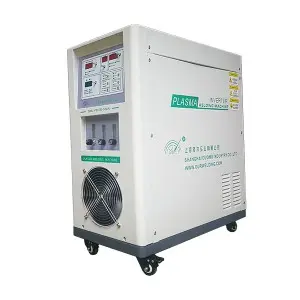
Our welding systems deliver stable current controls, precise gas ratios, and reliable performance over long-term production cycles. Additionally, our laser cladding systems handle large remanufacturing projects. We deliver turnkey industrial setups, including custom mechanical adjustments, to meet your site layout requirements.
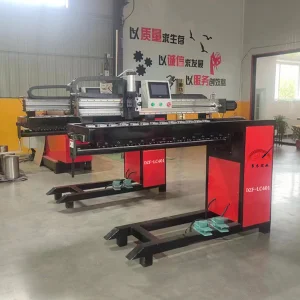
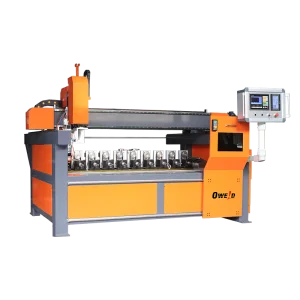
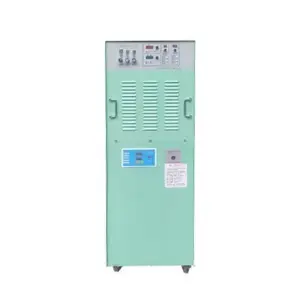
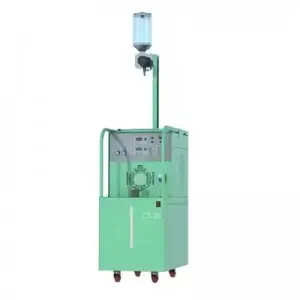
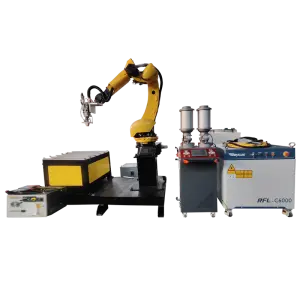
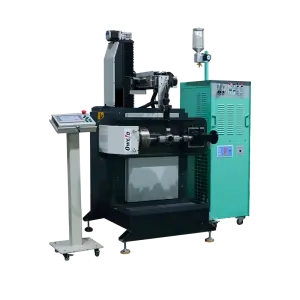
We provide customized machinery, automatic laser cladding lines, automatic plasma cladding machines, and robotic cladding systems tailored to your specific application, such as hydraulic rod setups, pick cladding lines, and valve overlay systems.
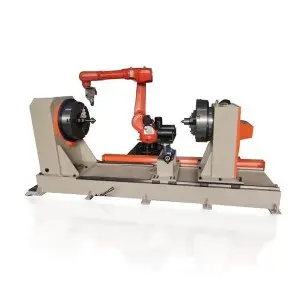
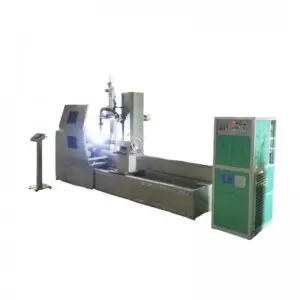
Learn how top heavy-equipment operators utilize automated cladding systems to handle high wear and corrosion.
"The PTA Welding Valve Application Guide is not just a process choice for valve manufacturers facing high wear, high corrosion, and high-temperature erosion working conditions, but also a key path to improving product competitiveness. As industries such as petrochemical, gas, and power generation push for higher pressures, our custom PTA systems deliver exact metallurgical bonding layers."
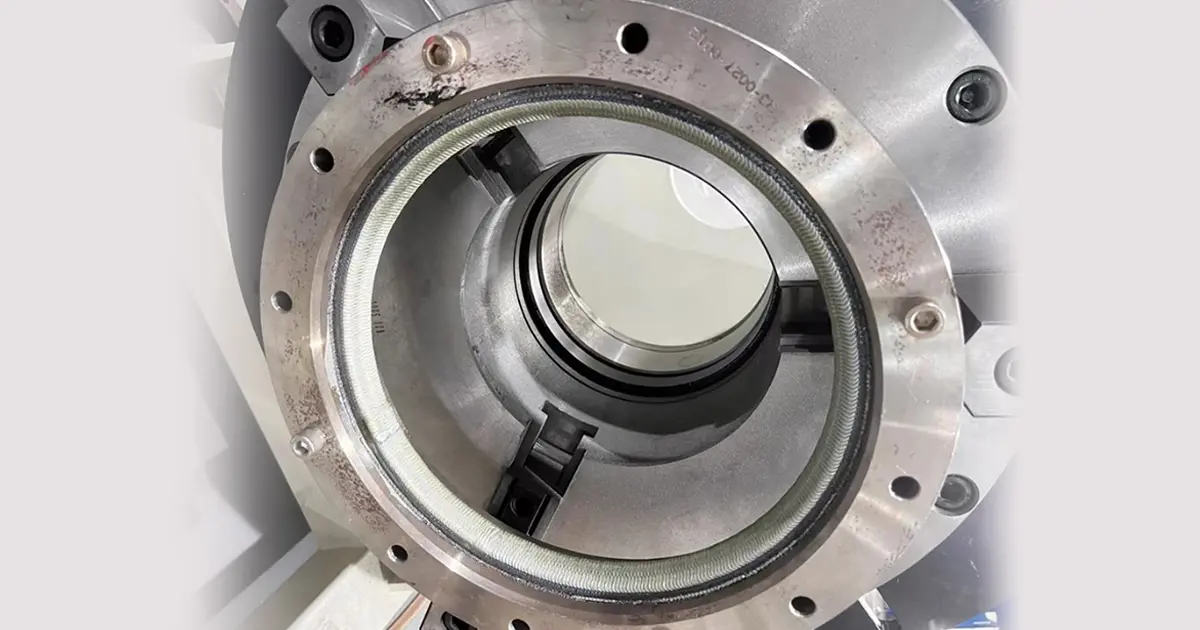 Valve Manufacturing Application Specialists
"In industries such as mining, cement, power generation, steelmaking, chemical processing, and biomass energy, screw conveyors are often regarded as auxiliary equipment. However, maintenance data shows that they are among the most frequent causes of unplanned production shutdowns. Automated screw cladding keeps critical flights protected for longer periods."
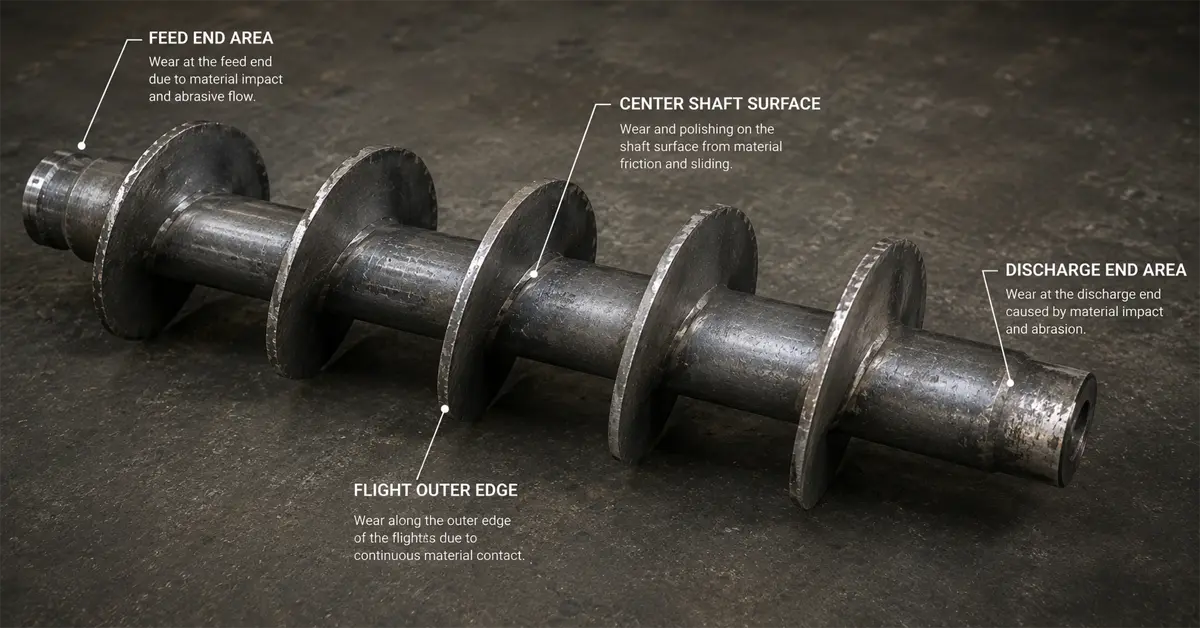 Screw Flight Repair Engineering Teams
"In Plasma Transferred Arc (PTA) hardfacing, achieving a high-quality overlay is not only about selecting the right alloy powder or optimizing welding parameters. One of the most critical factors that directly affects overlay performance is the dilution rate. Keeping dilution low preserves the alloy properties of the filler metal."
 Research Lab Material Engineers
"In industries such as Oil & Gas, Mining, Power Generation, Cement, and Heavy Equipment Manufacturing, hardfacing is no longer just a repair process. It has become a critical technology directly related to equipment lifespan, downtime costs, maintenance frequency, and structural reliability in tough service conditions."
 Heavy Equipment Asset Operations Managers
"In industries such as oil & gas, petrochemical, power generation, mining, and marine engineering, industrial valves are constantly exposed to severe operating conditions including high pressure, extreme temperatures, corrosive media, abrasive wear, and sand erosion. Applying a targeted tungsten carbide or cobalt-based alloy overlay ensures long-term seat seal integrity."
 Flow Control Valve Engineering & Design Department
Essential guidance on process selections, machine specifications, and system integration questions.
"Spawanie Paw" refers to high-precision plasma arc and automated powder cladding (often associated with Polish terminology for plasma arc surfacing). It matches closely with PTA (Plasma Transferred Arc) technology, where a concentrated plasma arc melts metal powders into the substrate to create a wear-resistant overlay with minimal dilution.
Our PTA cladding machines achieve dilution rates between 1.5% and 5%. By controlling current, gas flow, and travel speed, we minimize substrate melting while maintaining a strong metallurgical bond.
Laser Cladding uses a focused laser beam, resulting in a narrow heat-affected zone (HAZ) and very low dilution (often under 1%), which is ideal for high-precision components like turbine blades. PTA welding uses a plasma arc, which offers a broader heat source, higher deposition rates, and lower overall system costs, making it suitable for thick-layer overlays on larger parts like mining picks and hydraulic rods.
Yes. Our equipment supports integration with 6-axis robotic arms and external positioners, allowing for automated cladding on complex geometries like screw conveyors, valve seats, and curved pipes.
Our powder feeders support a wide range of spherical and granular alloy powders, including nickel-based alloys, cobalt-based alloys (Stellite), and tungsten carbide blends (WC-Co/Ni).
Our feeders use precision motor drives and gas flow controls to feed alloy powder at a constant rate, preventing flow disruptions that could cause porosity in the cladding layer.
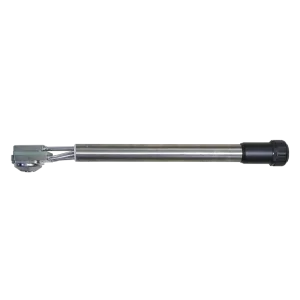
Yes. We manufacture specialized bore welding torches, such as the DNPT50019-HQ, which are designed to clad internal pipe walls down to narrow diameters.
Yes. Our R&D team can customize travel systems, rotational chucks, and torch configurations to fit the dimensions and volume requirements of your project.
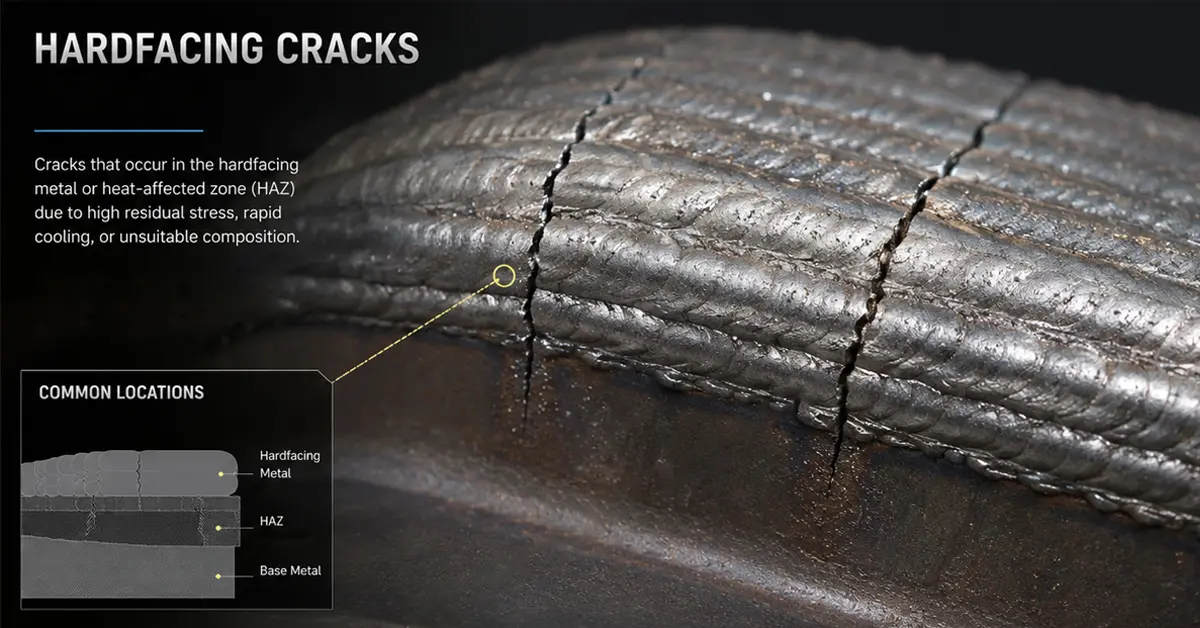
We supply precise temperature controls and support integration with preheating systems to manage cooling rates, which helps prevent thermal stress cracking in high-carbide overlays.
Standard configurations ship within 4 to 6 weeks. Highly customized systems requiring special multi-axis robotic setups usually require 8 to 12 weeks, including testing at our facility.
Browse our automated TIG welders, portable laser systems, cutting pick machines, and auxiliary accessories.
Our cladding solutions are used in high-pressure and abrasive environments globally.









For inquiries about our products or dynamic pricelists, please leave a message and we will respond within 24 hours.
Get in Touch Duomu
Duomu