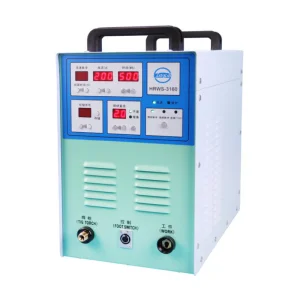
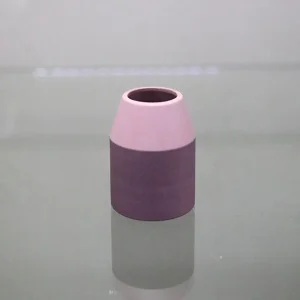
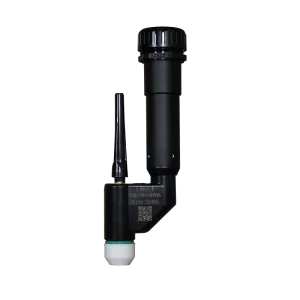
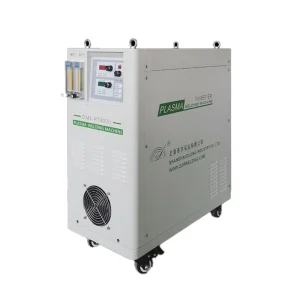
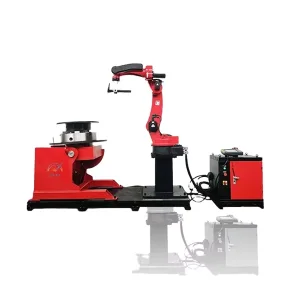
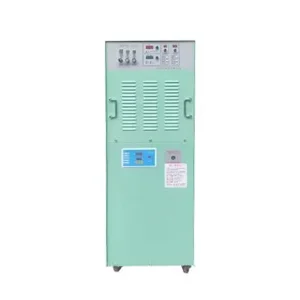
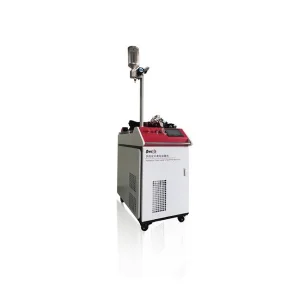
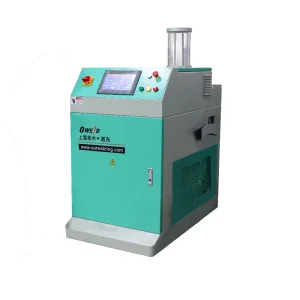
Engineered for extreme reliability, specialized metallurgical cladding, and structural welding automation.
Understanding the strategic shifting needs of global engineering contractors and heavy industrial manufacturers.
Modern industrial supply chains require uncompromising structural reliability. Heavy fabricators serving global markets in wind tower production, pressure vessels, and nuclear reactors are moving rapidly from manual procedures to integrated mechanical automation. The integration of high-duty cycle Column and Boom structures allows plants to achieve up to 85% arc-on time, compared to less than 35% in manual configurations.
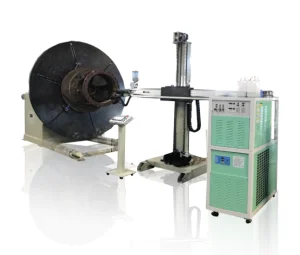
As specifications in ASTM and ASME codes tighten, the physical deflection of welding booms must be mitigated at all extensions. Top-tier global manufacturers design heavy-duty column and boom setups with engineered structural steel profiles and precise counterweight systems to eliminate tool-center-point drift. This guarantees perfect bead-to-bead alignment during plasma or sub-arc procedures.
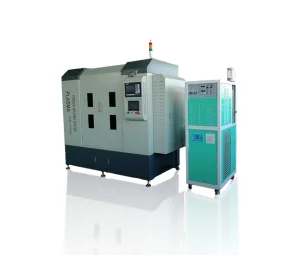
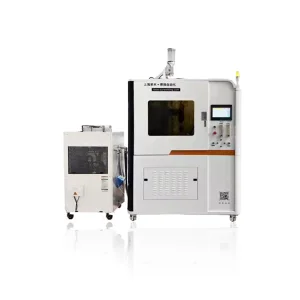
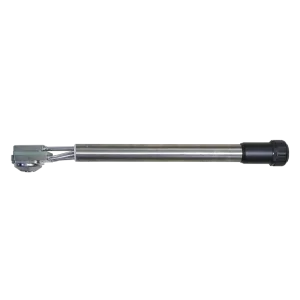
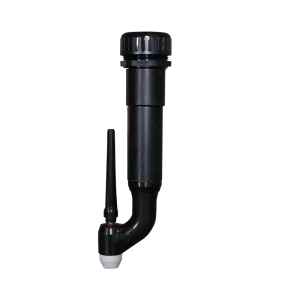
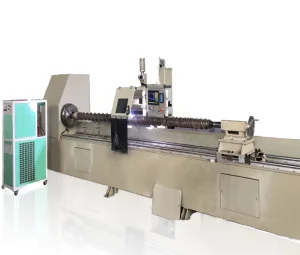
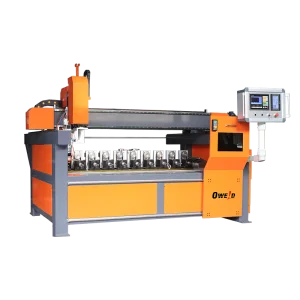
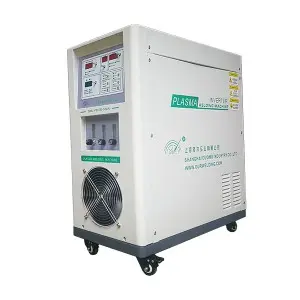
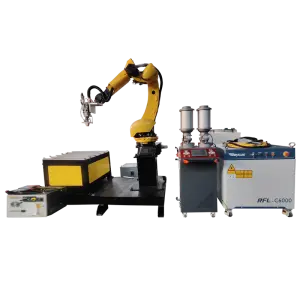
Shanghai Duomu has been a leading manufacturer and exporter of PTA cladding machine and Laser cladding machine for more than ten years with a strong technical background. The specialized integration of Column and Boom structures with our advanced deposition torches allows heavy industrial operations to automate complex overlay tasks smoothly.
Our dedicated R&D division focuses continuously on improving the efficiency, precision, and longevity of plasma cladding machine systems. The heavy-duty welding manipulators developed at Duomu ensure stable vertical and horizontal boom speeds, giving operators uniform thermal control over the melt pool during cladding processes.
Read More Technical Profiles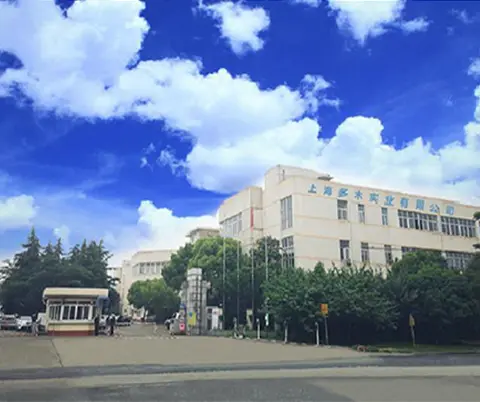
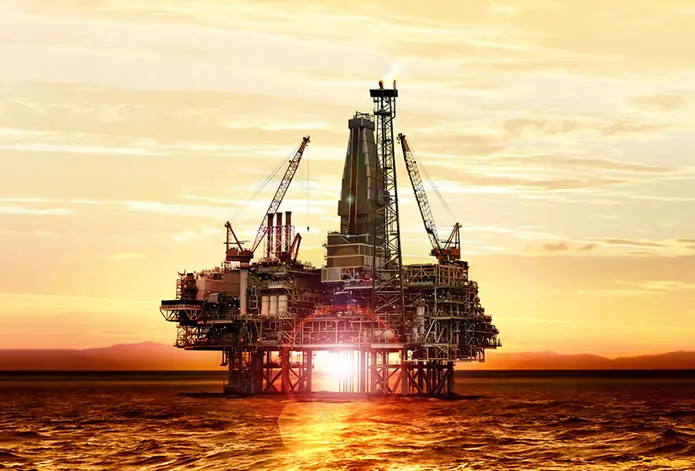
From deep-sea drilling assemblies to aerospace turbines, our specialized systems extend asset lifetime across global heavy sectors.


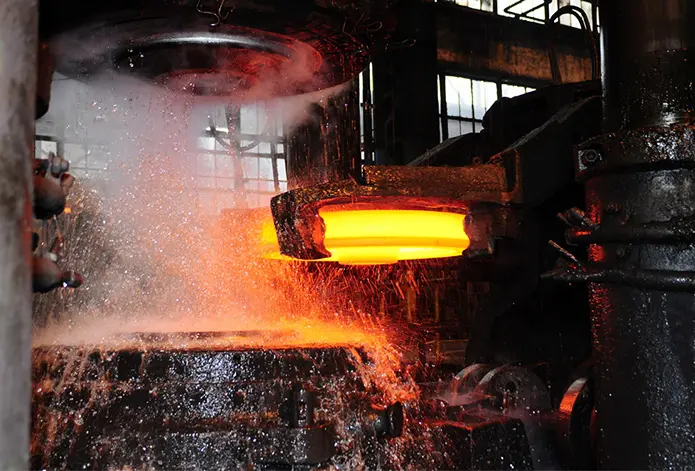
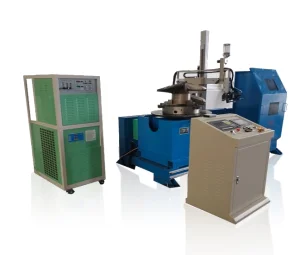
High-Quality Column and Boom systems serve as the structural backbone for heavy remanufacturing of mining machinery, hydraulic rods, and steel mill rolls. By placing the cladding head on a rigid boom, large internal diameters of pipes and heavy cylindrical castings can be cladded using Plasma Transferred Arc (PTA) or High-Power Diode Lasers. This significantly cuts raw materials costs while extending component life up to 300%.
Petrochemical valves, pipelines, and flanges face harsh corrosive fluids and gases. Integrating a 3-axis positioner with a column and boom manipulator allows factories to apply corrosion-resistant overlays (such as Inconel 625 or Stellite 6 alloy powders) with minimum dilution rates. Our technical process guarantees dilution rates below 5%, complying with API standards for corrosive petrochemical environments.
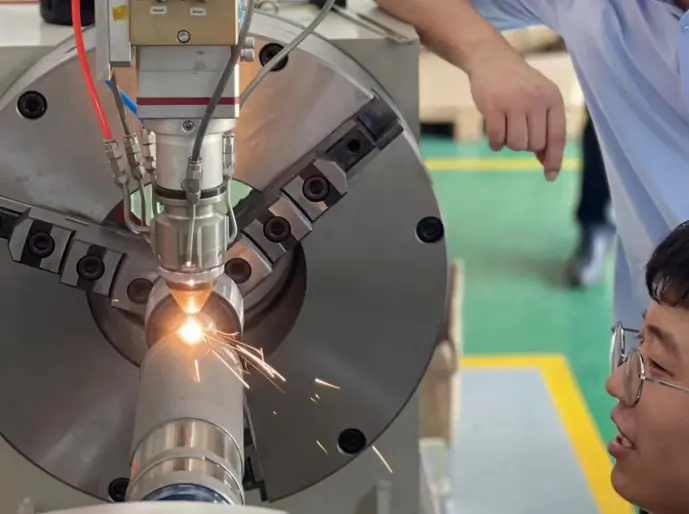
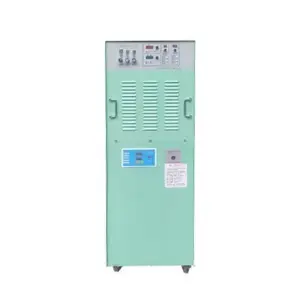
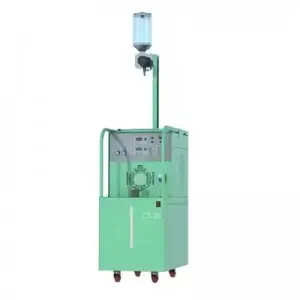
Our independent R&D department develops and sells high-performance plasma cladding machines and custom automation columns. In addition, the laser cladding equipment engineered by Shanghai Duomu effectively supports large-scale industrial remanufacturing projects. We offer mature technological processes and full engineering support to help factories establish stable production lines.
From heavy wind turbine towers to specialized small hydraulic cylinders, our systems adapt to varied weld dimensions. By using intelligent PLC systems integrated directly with positioners and rotators, we deliver complete automated systems that lower human error rates during operation.
Get Industrial Technical Design ConsultationEngineered to integrate seamlessly with PTA Cladding, Laser Cladding, and Submerged Arc Welding systems.
| Feature / Component | Technical Specification Details | Industrial Advantage | |
|---|---|---|---|
| Structural Column/Boom Deflection | Less than 0.1 mm per meter at maximum reach | Prevents tool deviation during long welds | Ensures highly consistent weld quality |
| Positioner Alignment Tolerance | Accurate to within ± 0.05 mm | Improves multi-axis robotic coordination | Crucial for precision laser cladding tasks |
| Travel Drive Unit Configuration | Variable Frequency AC drive with double brake systems | Smooth speed changes and secure vertical hold | Enhances operator safety |
| Process Integration Capability | Submerged Arc (SAW), Plasma Arc, Laser, and MIG/TIG | Adapts easily to various tooling setups | Highly versatile production options |
| Integrated Control System | Multi-axis HMI PLC Panel | Saves preset welding parameters | Reduces set-up time for operators |
Explore our custom hardfacing machines, laser hardening robots, and automated valve cladding solutions.
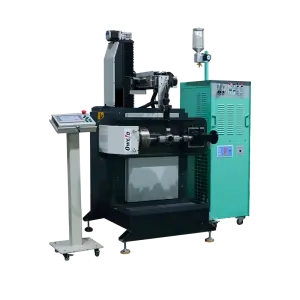
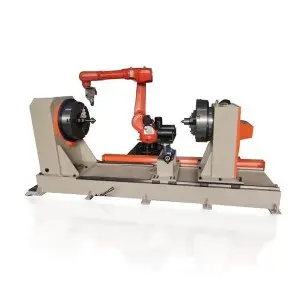
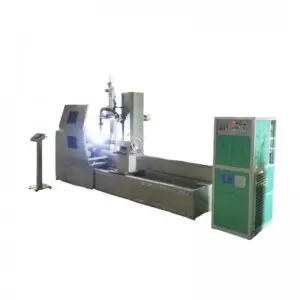
The next wave of technological innovations driving autonomous weld overlays and smart diagnostic tools.
Industrial systems are transitioning from basic joystick operations to intelligent closed-loop control. Laser seam tracking sensors and high-definition cameras capture data during the weld process, feeding real-time positional adjustments directly back to the column and boom servo drives. This ensures consistent torch alignment, even when working on uneven joint preparations.
By using modern multi-port coaxial powder feed systems, metal deposition speeds are increasing rapidly. Our newest PTA and laser cladding setups achieve high feed rates with minimal heat impact. This protects the mechanical properties of the base steel and limits geometric distortion during production.
See how automated PTA cladding and laser weld processes improve equipment performance in demanding environments.
The PTA Welding Valve Application Guide is not just a process choice for valve manufacturers facing high wear, high corrosion, and high-temperature erosion working conditions, but also a key path to improving product competitiveness. As industries such as petrochemical, power generation, and chemical processing demand longer equipment runtimes, choosing automated cladding systems helps prevent unplanned shutdowns.
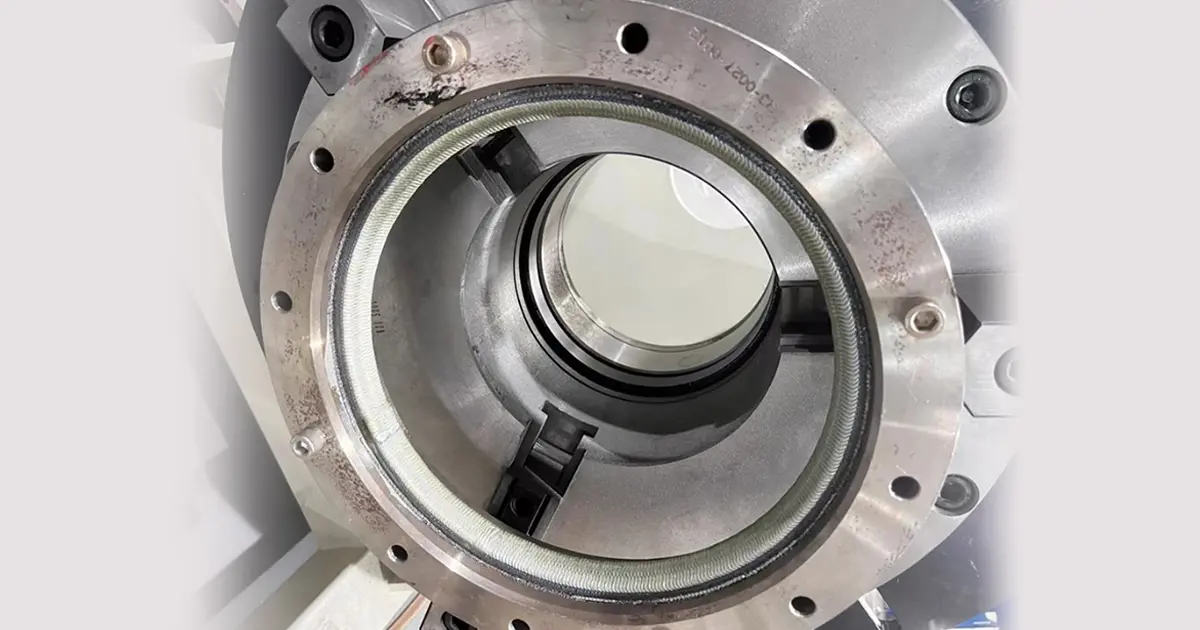
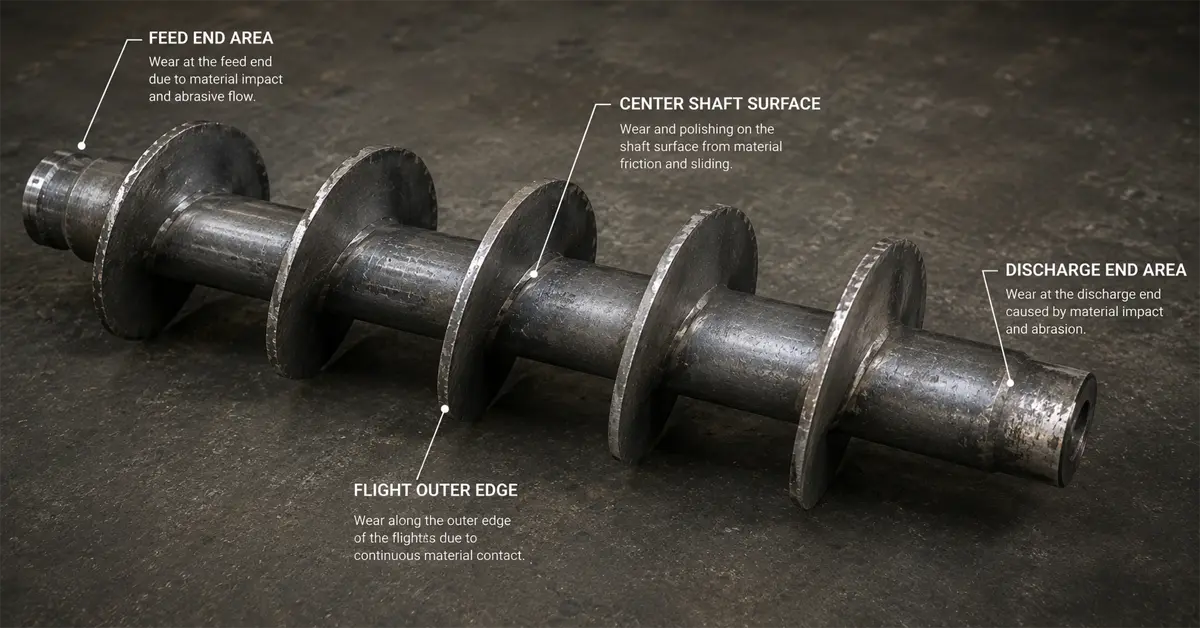
In industries such as mining, cement, power generation, steelmaking, chemical processing, and biomass energy, screw conveyors are often regarded as auxiliary equipment. However, maintenance data shows that they are among the most frequent causes of unplanned production stoppages. Implementing automated hardfacing on the flights of these conveyors has reduced wear rates and cut maintenance costs significantly.
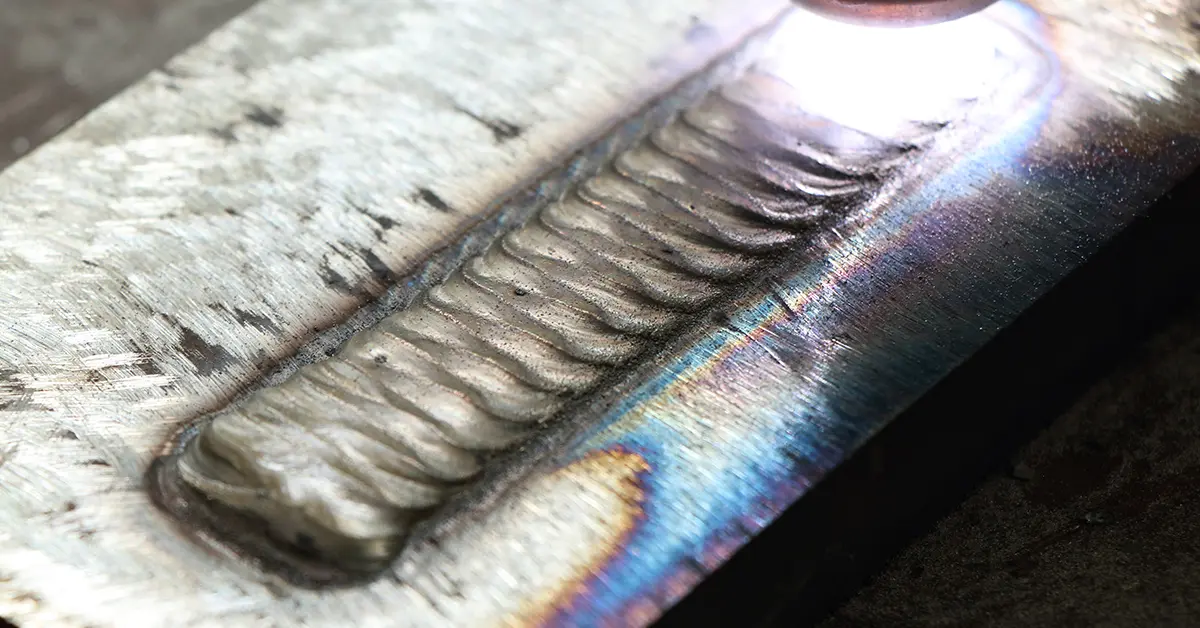
In Plasma Transferred Arc (PTA) hardfacing, achieving a high-quality overlay is not only about selecting the right alloy powder or optimizing welding parameters. One of the most critical factors that directly affects overlay performance is the dilution rate. Minimizing dilution while maintaining a strong metallurgical bond is essential to preserve the wear and corrosion resistance of the alloy.
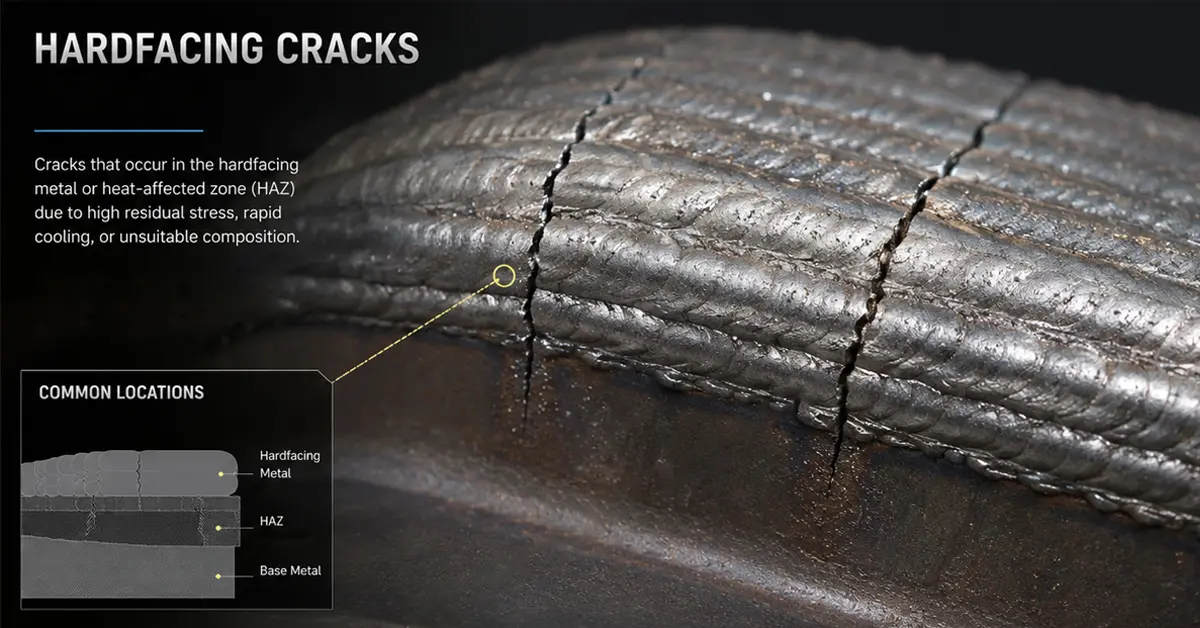
In industries such as Oil & Gas, Mining, Power Generation, Cement, and Heavy Equipment Manufacturing, hardfacing is no longer just a repair process. It has become a critical technology directly related to equipment lifespan, downtime costs, maintenance frequency, and overall process efficiency. Automated manipulators deliver the steady, repeatable travel speeds necessary to achieve these results.
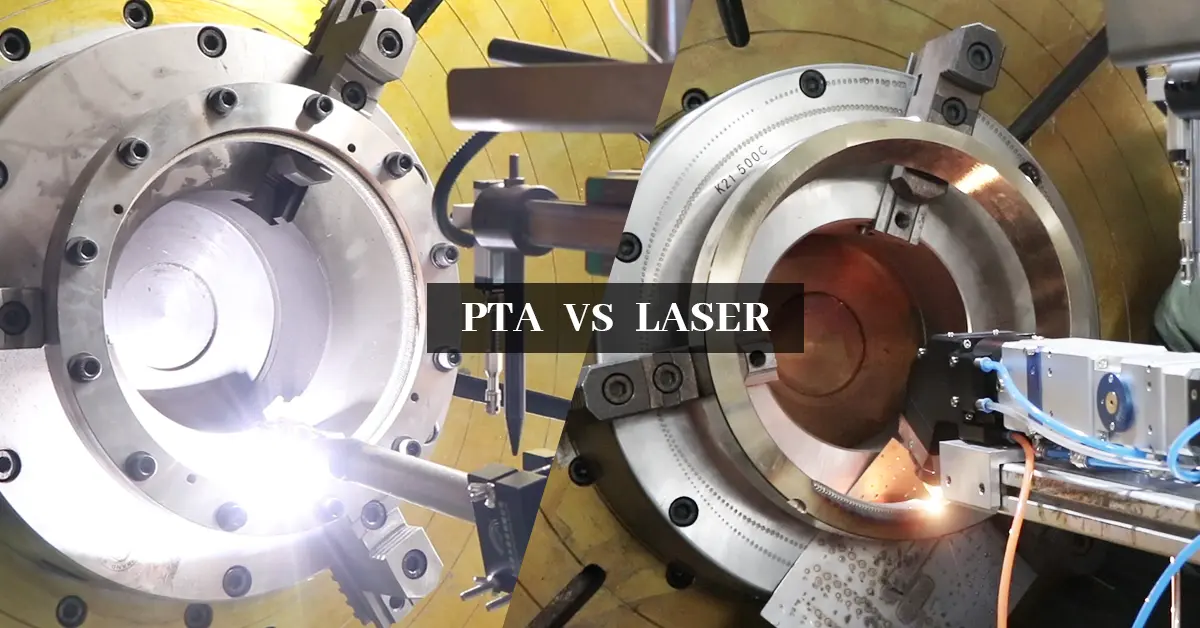
In industries such as oil & gas, petrochemical, power generation, mining, and marine engineering, industrial valves are constantly exposed to severe operating conditions including: High pressure, extreme temperatures, corrosive media, and abrasive wear. Utilizing automatic multi-axis column & boom configurations provides the precise control needed to apply protective alloys to these critical surfaces.
Ensuring seamless site integration and conformity to international manufacturing safety standards.
Every system manufactured in our plants meets rigorous global standards, including CE certification, ISO 9001 quality management systems, and EN welding standards. We design our column and boom weld manipulators to align with international safety protocols, including mechanical overload clutches, emergency vertical catch setups, and fully integrated electrical cabinets.
We supply turnkey systems globally, supported by remote diagnostics and local service engineering partners. Our setup teams assist with site installation, track alignment, system calibration, and operator training. This comprehensive support helps reduce startup times and ensures your staff can operate the new cladding systems safely and efficiently.
Detailed answers to common technical and operational questions about Column and Boom Weld Manipulators.
A Column and Boom Welder (also known as a welding manipulator) is designed to position the welding head or cladding torch precisely over the joint. The column allows vertical movement, while the boom controls horizontal travel. This allows for stable, continuous welding on large cylinders, pressure vessels, and wind towers, especially when integrated with vessel rotators or turning rolls.
Boom deflection is controlled through heavy-duty structural design, using rigid steel columns and precise, machined guide rails. Many systems also include counterweight systems inside the column and adjustable guide rollers to minimize movement at the tip, ensuring the weld head stays aligned during long runs.
Yes, our systems are built with universal mounting designs. This allows you to mount either a Plasma Transferred Arc (PTA) torch or a high-power Laser cladding head, depending on your application. The central controller integrates with the power sources to manage travel speeds, powder feeding, and gas shielding automatically.
Automated manipulators maintain consistent travel speeds and precise torch height control. By coordinating with modern PTA or laser cladding systems, they help optimize the heat input to melt the base metal just enough for a strong bond, keeping dilution levels below 5% for better wear protection.
Standard safety configurations include mechanical safety pins or anti-fall devices in the elevator column to prevent boom drops if the chain or cable breaks. Limits switches are installed on all axes to prevent overtravel, and emergency stop buttons are placed on the main console and pendant controllers.
Highly specialized equipment designed for automated manufacturing and maintenance services.







 Duomu
Duomu