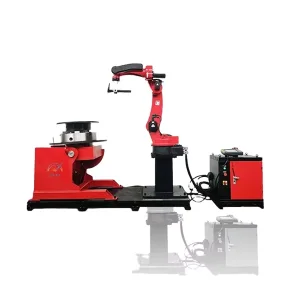
High-Quality High Speed Lasercladding Process Manufacturer & Suppliers

Precision Engineering, Structural Integrity, and Advanced Surface Customization for Severe Operational Environments.

The Evolution of High-Speed Laser Cladding Technology

High-Speed Laser Cladding (HSLC) represents a paradigm shift in advanced surface engineering, moving beyond the limits of conventional laser deposition and legacy thermal spraying. In severe service industries—where corrosion, high temperatures, mechanical friction, and heavy erosive factors quickly degrade system parts—traditional cladding methods often fall short due to excessive heat input, structural distortion, and slow output speed.

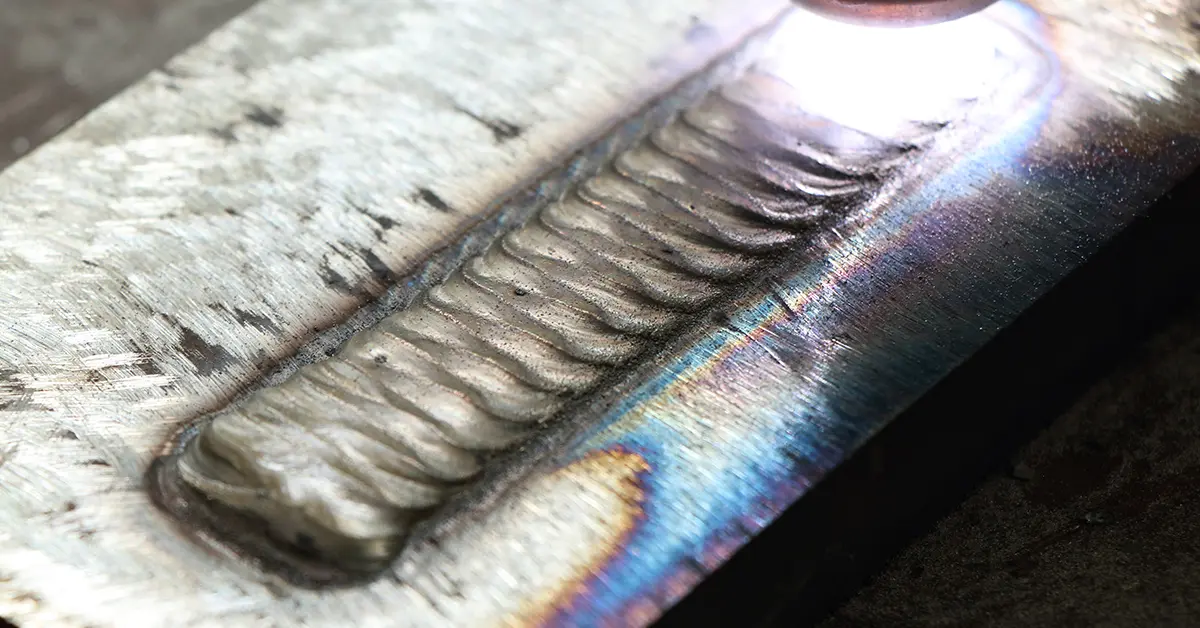
By using a highly focused, high-power laser beam, the high-speed cladding process melts the injected metal powder *before* it reaches the substrate surface. Consequently, only a minute fraction of the base metal is melted to establish a true metallurgical bond. This keeps dilution rates exceptionally low (often below 1%) and minimizes the heat-affected zone (HAZ), preventing component warp and maintaining base metal chemistry.

  • Optimized Laser Power Efficiency: Minimizes bulk substrate thermal load.
  • Exceptional Deposition Speed: Speeds up to 200 m/min, greatly outperforming conventional systems.
  • Low Dilution Rate: Retains premium alloy properties within the first layer.
  • Greener Manufacturing: Offers a cleaner alternative to electroplating and hard chrome finishes.

Technical Performance Highlights

For manufacturers looking to upgrade their surface modification processes, HSLC provides key advantages in coating thickness control, surface finish quality, and material usage:

Process Metric Conventional Cladding High-Speed Laser Cladding
Cladding Speed 0.5 – 2.0 m/min 10 – 200 m/min
Dilution Rate 3% – 8% < 1%
Heat Affected Zone (HAZ) 1.0 – 2.5 mm 0.05 – 0.2 mm
Minimum Thickness 0.8 mm 0.1 mm
Powder Feed Utilization 60% - 70% Up to 90%+

Proven Quality Standards and Technical R&D

Supporting demanding global industries with ten-plus years of experience in plasma and laser cladding solutions.

10+
Years Industry Expertise
90%+
Powder Efficiency Rate
24h
Response Guarantee
100%
Quality Checked Systems

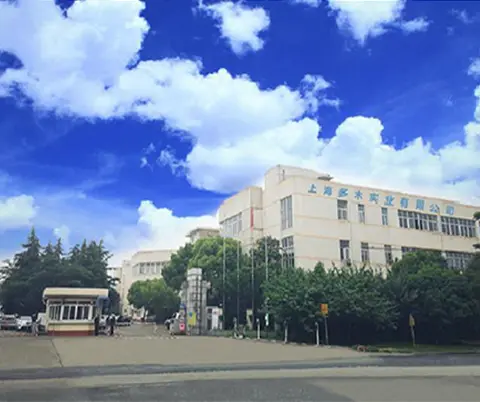
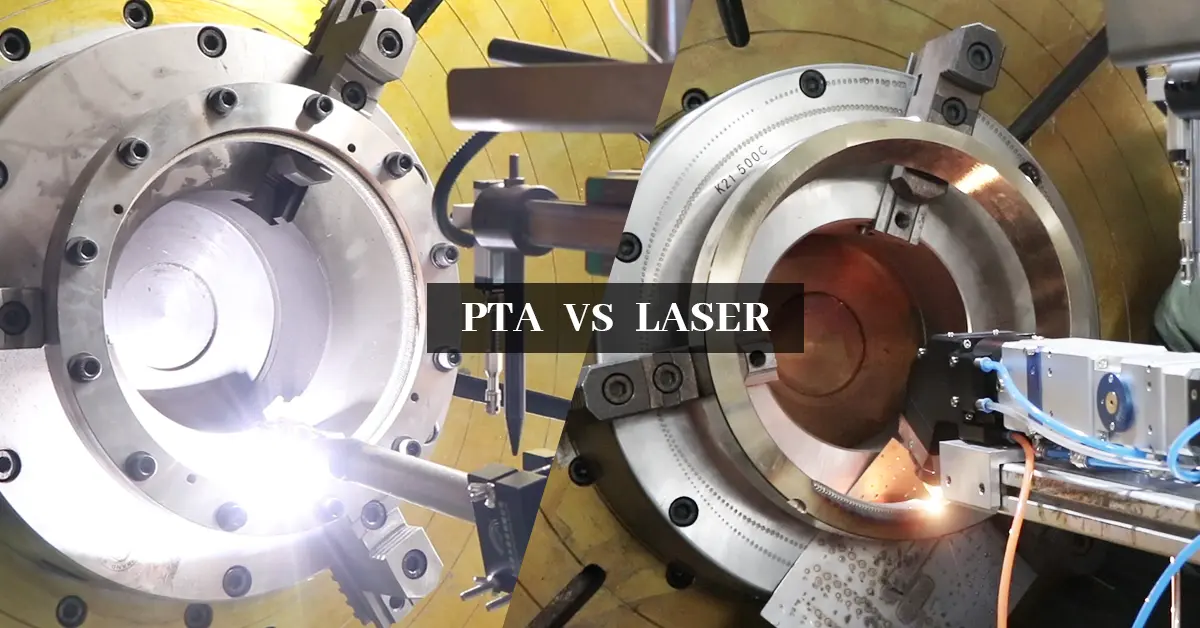
Shanghai Duomu has been a leading manufacturer and exporter of PTA cladding machine and Laser cladding machine for more than ten years with a strong technical background. Our dedicated, independent R&D team designs, produces, and distributes advanced plasma cladding machine equipment globally, delivering the stable performance needed for long-term industrial operations.

Diverse Industrial Applications

At present, the company's products have penetrated into many fields such as aerospace military industry, nuclear power, petrochemical industry, coal mines, metallurgy and forging, agriculture, water conservancy and electric power, etc.


Agricultural Machinery

Agricultural Machinery

Enhancing wear resistance for rotary tillers, ploughshares, and heavy harvester components.

Aerospace & Military

Aerospace & Military

Restoring turbine blade tips, structural housings, and wear-prone military components.

Petroleum Machinery

Petroleum Machinery

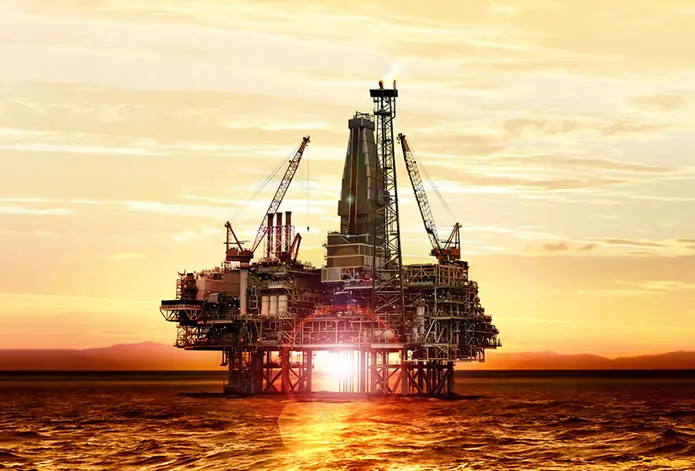
Coating drill collar subs, valve gates, and pump components for downhole environments.

Metallurgy Casting

Metallurgy Casting

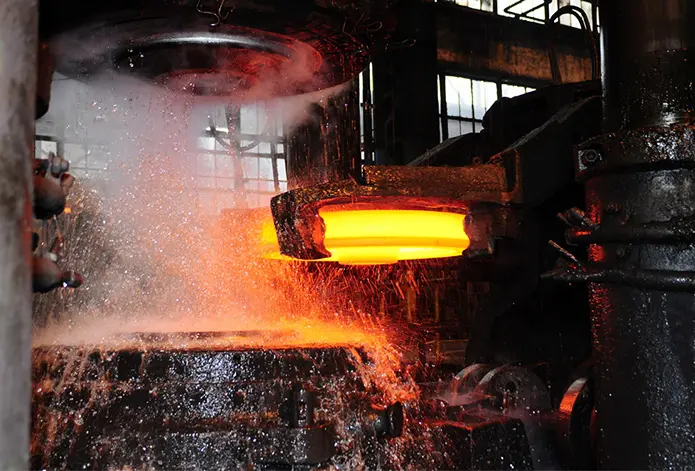
Repairing work rolls, continuous caster rolls, and die forging tools under high thermal loads.

Engineering Lab

R&D Team & Engineering Operations

We have an independent R&D team that develops, produces, and sells plasma cladding machine equipment. Our welding machines provide stable performance and maintain efficient, long-term operation. Additionally, the laser cladding equipment sold by the company effectively supports large-scale remanufacturing projects. We have the mature technological tools required to provide complete industrial equipment solutions.

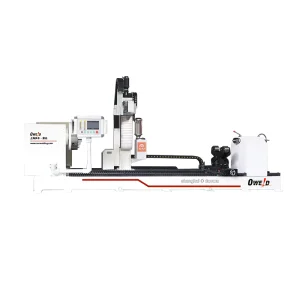
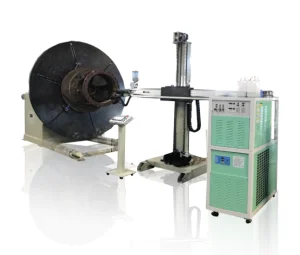
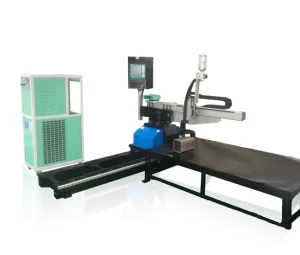
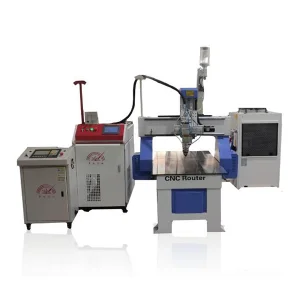
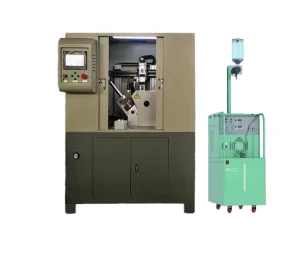
Through deep development, we offer customized solutions, including automatic laser cladding systems, automatic plasma cladding setups, and intelligent robot cladding machines designed for specific tasks like hydraulic rod cladding, pick repair, and valve hardfacing.

Customized Equipment & Automation Systems

We can provide customized equipment, automatic laser cladding equipment, automatic plasma cladding equipment, intelligent robot cladding equipment, etc. according to customers' requirements, including special equipment in the industry, such as hydraulic rod cladding machine, pick cladding machine, valve cladding machine, etc.
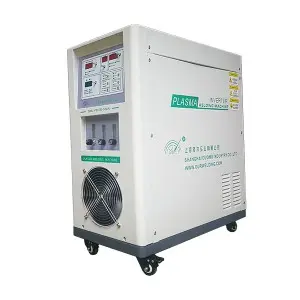
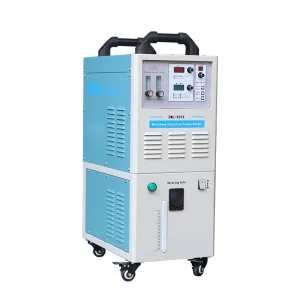
plasma powder surfacing machine DML-V03CD

plasma powder surfacing machine DML-V03CD

Designed for high-stability weld overlays on flat and cylindrical surfaces.
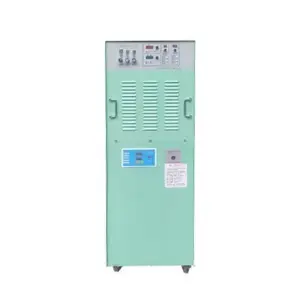
integrated multifunctional plasma powder welding machine

integrated multifunctional plasma powder welding machine

Fully integrated system supporting multiple overlay configurations.
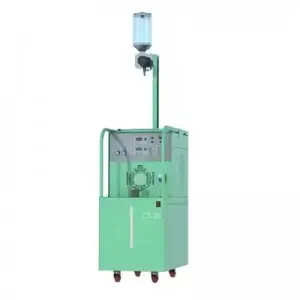
multifunctional plasma powder welding machine dml-v03bd

multifunctional plasma powder welding machine (dml-v03bd)

Advanced control interface for precise powder feed and heat input.
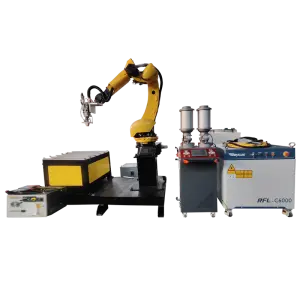
Laser cladding machine for blades

Laser cladding machine for blades

Targeted repair of turbine blade tips and high-stress rotor profiles.
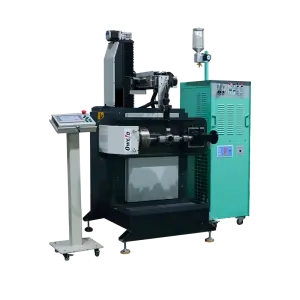
Ball Valve Automated Welding Equipment DQF-LC602

Ball Valve Automated Welding Equipment DQF-LC602

Specialized automated tooling for ball valve seals and seat rings.
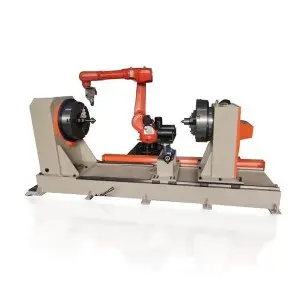
Laser hardening robot

Laser hardening robot

Multi-axis robotic system for localized surface hardening processes.

Global Procurement & Process Integration

Providing industrial users with comprehensive support, custom designs, and process validation to ensure long-term ROI.

1. Sourcing Strategy and Component Integration

When sourcing high-speed laser cladding machines, procurement teams look for robust system integration. Achieving high deposition rates requires precise coordination between the laser source, the robotic arm, and the powder feeder. Our systems feature high-stability digital controllers, allowing you to fine-tune powder flow and spot parameters for consistent, repeatable results.

We use top-tier optical lenses, powder nozzles, and reliable sensors to minimize downtime. Our components are built to handle continuous, multi-shift production schedules, making them a cost-effective choice over the machine's operational lifespan.

2. Dilution Rate & Material Quality Control

Controlling dilution is key when applying wear-resistant coatings. Conventional overlay techniques often mix the base metal with the coating material, reducing wear performance. Our HSLC processes keep dilution low, ensuring the alloy layer retains its design hardness, corrosion resistance, and chemical profile from the very first layer.

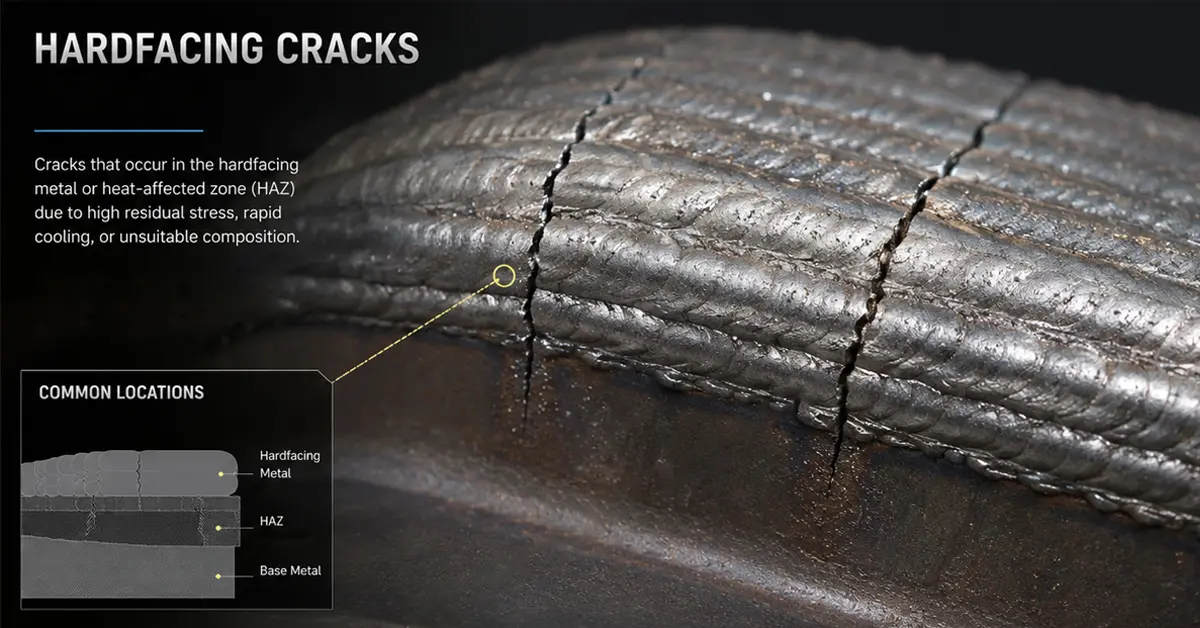
This precise thermal management allows you to work with sensitive materials like Martensitic stainless steels, Cobalt-based alloys, and Tungsten Carbide composites without cracking or losing carbon content.

Testimonials & Practical Applications

See how our PTA and laser cladding solutions solve challenges in real-world industrial environments.
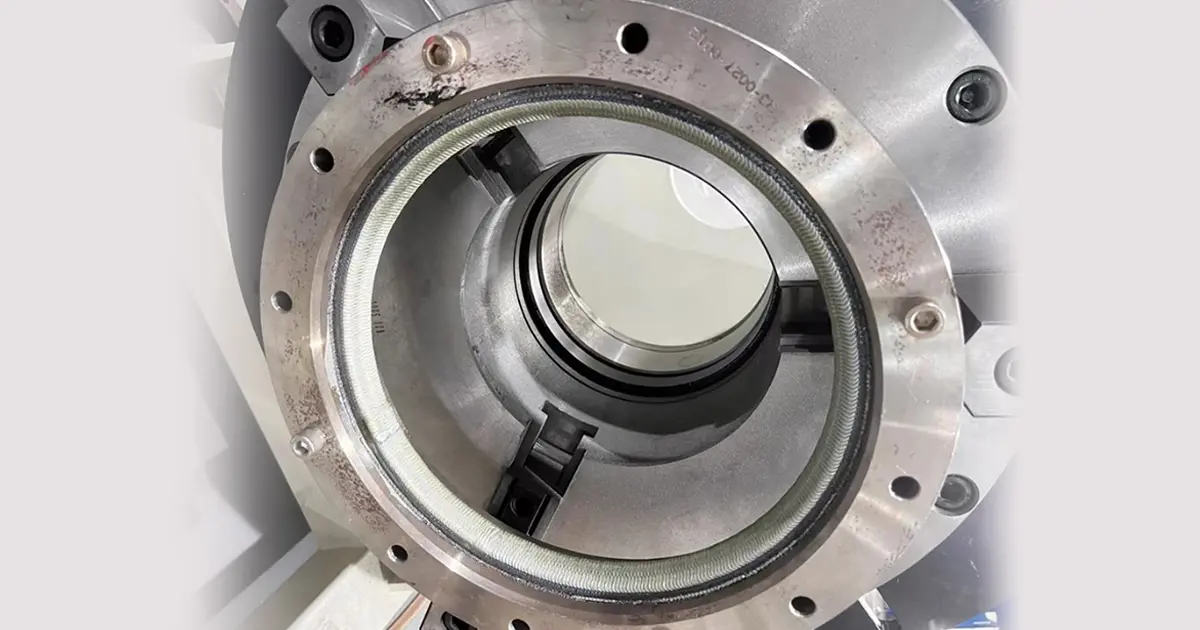
"The PTA Welding Valve Application Guide is not just a process choice for valve manufacturers facing high wear, high corrosion, and high-temperature erosion working conditions, but also a key path to improving product competitiveness. As industries such as petrochemical, power, and refining demand longer lifespans, our automated PTA systems deliver the coating density needed to prevent valve seat failure."
Valve Cladding application

Valve Manufacturing Expert

Petrochemical Equipment Quality Control
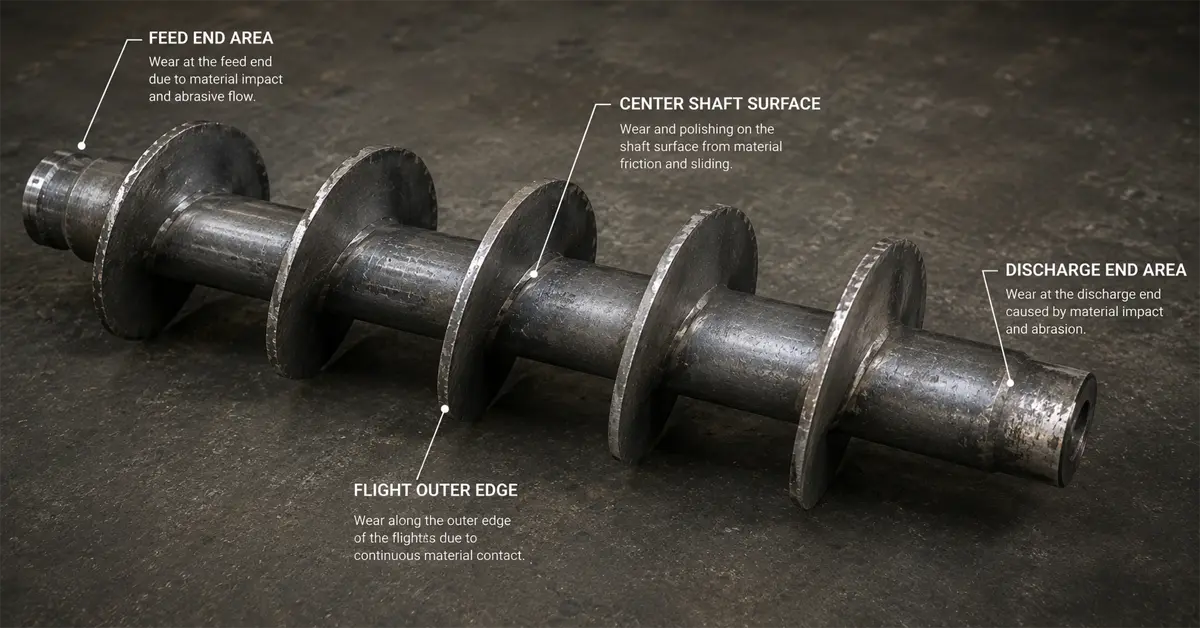
"In industries such as mining, cement, power generation, steelmaking, chemical processing, and biomass energy, screw conveyors are often regarded as auxiliary equipment. However, maintenance data shows that they are among the most frequent causes of unplanned production delays. By applying our high-speed laser clad coatings, plant operators have extended screw life by up to 300%."
Conveyor Screw application

Operations Director

Heavy Materials Handling Division
"In Plasma Transferred Arc (PTA) hardfacing, achieving a high-quality overlay is not only about selecting the right alloy powder or optimizing welding parameters. One of the most critical factors that directly affects overlay performance is the dilution rate. Whether you are using cobalt base alloys or nickel base alloys, managing heat input is essential for high-quality outcomes."
PTA Cladding Dilution

Technical Lead

Metallurgical Coatings Laboratory
"In industries such as Oil & Gas, Mining, Power Generation, Cement, and Heavy Equipment Manufacturing, hardfacing is no longer just a repair process. It has become a critical technology directly related to equipment lifespan, downtime costs, maintenance frequency, and overall productivity."
Hardfacing Application

Senior Field Engineer

Global Mining Infrastructure Support
"In industries such as oil & gas, petrochemical, power generation, mining, and marine engineering, industrial valves are constantly exposed to severe operating conditions including: High pressure, Extreme temperatures, Corrosive media, Abrasive wear, and Sand erosion. Using robot-guided, high-speed cladding processes on these valves keeps operations running smoothly and reduces the risk of leaks."
Valve System Assembly

Plant Chief Engineer

Petrochemical Refineries Corp.

Technological Roadmap & Future Outlook

Where is high-speed laser cladding heading? Stay ahead with our insights into emerging industrial trends.

01 / Closed-Loop Process Control

Modern cladding systems are moving toward real-time monitoring. Integrated optical sensors and thermal cameras track the size of the melt pool and adjust laser power on the fly. This closed-loop system prevents overheating and keeps coating thickness consistent across complex parts.

02 / High-Efficiency Diode Lasers

The transition from traditional fiber lasers to direct diode systems (including blue light spectrum) is improving energy absorption when working with reflective materials like copper and aluminum. This expands the range of applications for high-speed cladding.

03 / Multi-Powder Blending & Custom Alloys

Advanced powder feeders can mix multiple powders on the fly, creating customized coatings with variable material properties. This allows you to apply a tough, ductile layer next to the base metal and transition to an ultra-hard, wear-resistant surface at the outer layer.

Frequently Asked Questions

Get answers to common technical queries about high-speed laser cladding equipment and applications.

What makes high-speed laser cladding different from conventional laser cladding?
In conventional cladding, the laser melts both the base metal and the powder stream on the surface, creating a larger heat-affected zone (HAZ) and dilution rates of 3% to 8%. High-speed cladding melts the powder in the air before it reaches the surface. This minimizes substrate melting, reduces the HAZ to a fraction of a millimeter, and keeps dilution under 1%, all at speeds up to 100 times faster.
Can high-speed cladding replace hard chrome plating?
Yes, it is a highly effective, environmentally friendly alternative. Hard chrome plating uses toxic hexavalent chromium and creates a mechanical bond that can chip. High-speed cladding creates a metallurgically bonded, dense, and crack-free layer. It is wear-resistant and meets modern environmental regulations.
Which materials can be processed with your equipment?
Our systems work with a wide range of materials, including iron-based alloys, nickel-based superalloys (Inconel), cobalt-based alloys (Stellite), and carbide matrix composites (like tungsten carbide). This flexibility makes them suitable for a variety of wear and corrosion challenges.
How does dilution rate affect coating performance?
A high dilution rate mixes the base metal with the coating material, which can reduce the hardness and corrosion resistance of the alloy layer. Keeping the dilution rate low (below 1%) ensures the coating maintains its intended material properties, even in thin layers.
Do you offer customized automation systems?
Yes. Through our technical department, we design and build custom cladding systems tailored to your needs. This includes robot arms, positioners, rotary tables, and multi-axis gantry systems configured for specific parts like hydraulic rods, valves, or mining picks.
Partner Logo 1 Partner Logo 2 Partner Logo 3 Partner Logo 4 Partner Logo 5 Partner Logo 6 Partner Logo 7 Partner Logo 8 Partner Logo 9 Partner Logo 10

Request a Technical consultation & Quotation

For inquiries about our products or pricelists, please leave us a message. Our technical sales engineers will get back to you within 24 hours to help design your custom solution.