Explore our premium range of precision engineered PTA torches, automated surfacing robots, and portable cladding equipment designed to withstand extreme industrial operations.
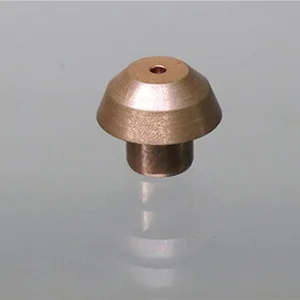
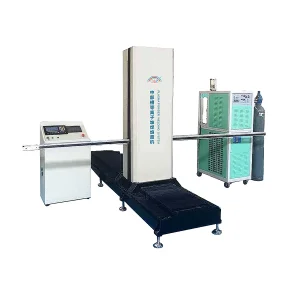
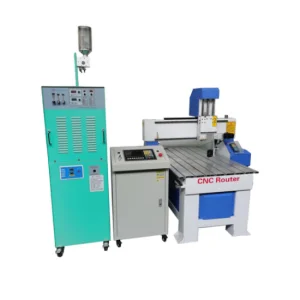
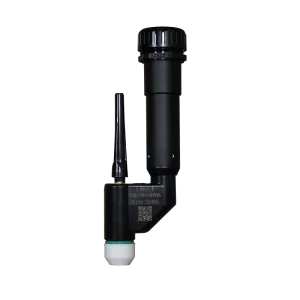
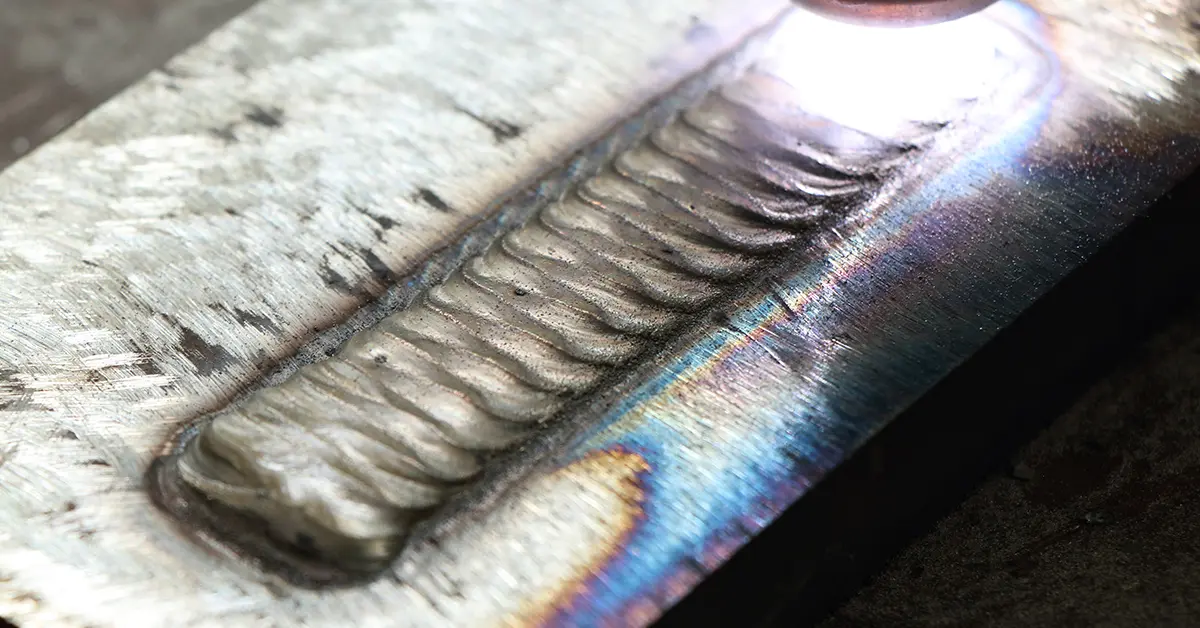
Modern manufacturing requires materials to perform under extreme conditions of high temperature, severe corrosion, and mechanical stress. The evolution of conventional Lichtbogenschweißgeräte (arc welding equipment) has transitioned from simple structural joining systems to advanced surface protection. Solutions such as Plasma Transferred Arc (PTA) cladding and High-Velocity Laser Surfacing are now leading the metallurgical industry.
Globally, heavy industries like mining, oil & gas, and energy generation cannot tolerate frequent unplanned downtime. By integrating automated metallurgical coating processes directly into production lines, OEMs and rebuild facilities extend component life by 300% to 800%. As a premier technological developer, Shanghai Duomu delivers automated systems engineered to fuse specialized carbide matrices directly to structural substrates, reducing life-cycle costs worldwide.
A comprehensive technological matrix comparing conventional arc welding, Plasma Transferred Arc (PTA) cladding, and high-velocity laser cladding systems.
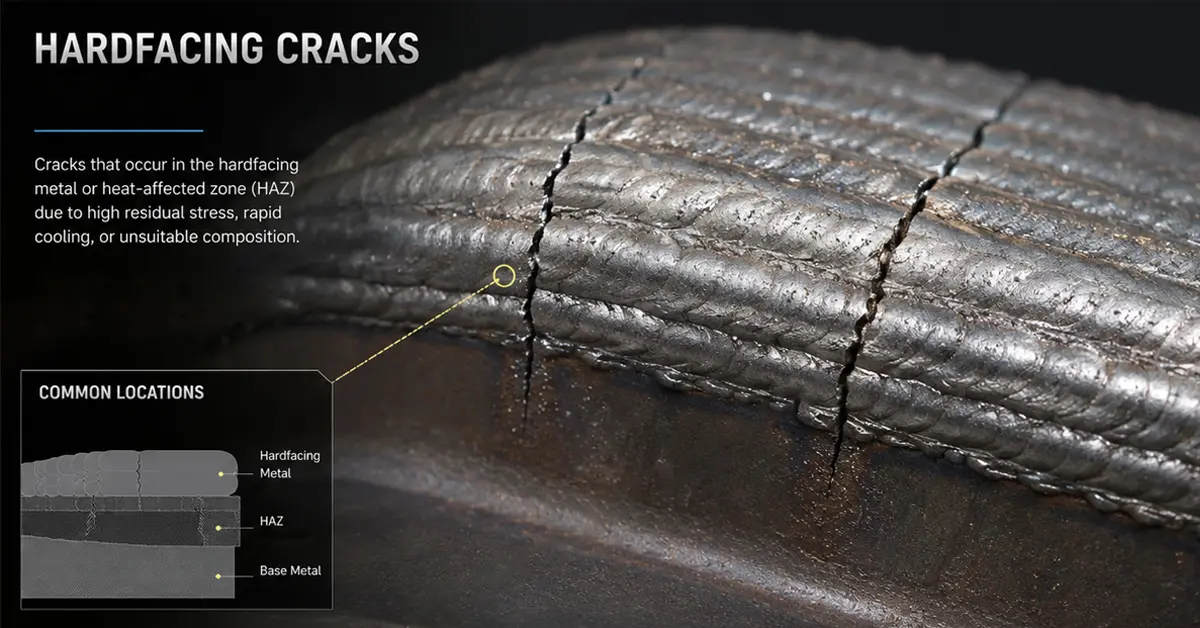
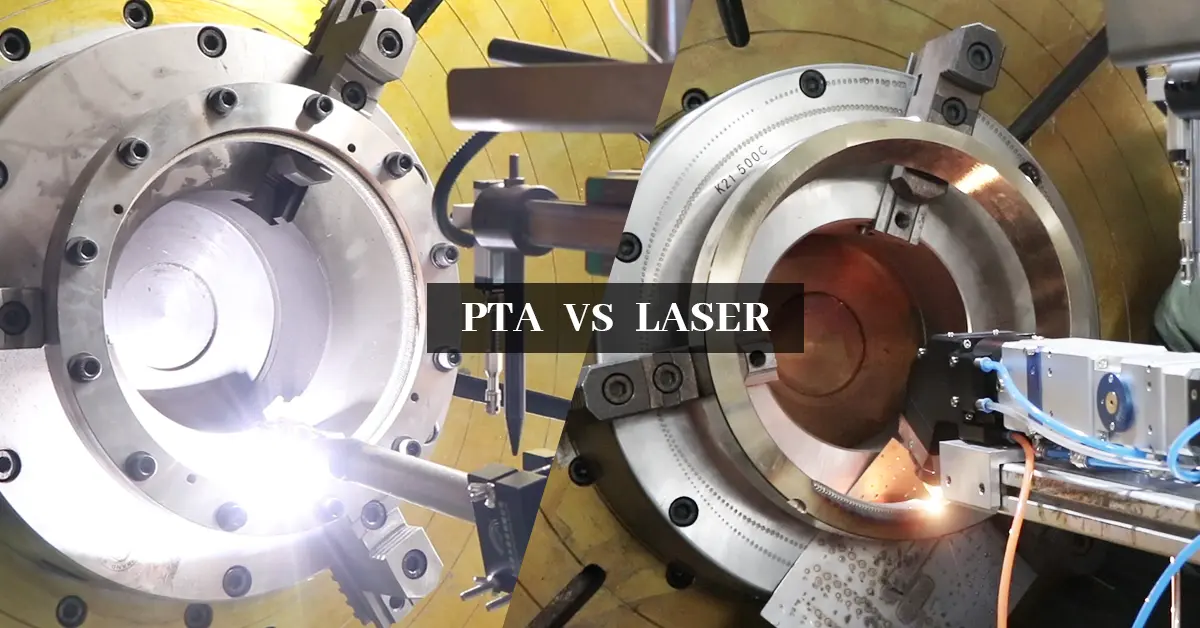
Selecting the correct surface modification process is vital for optimizing durability and performance. Conventional Gas Tungsten Arc Welding (GTAW/TIG) or Shielded Metal Arc Welding (SMAW) are insufficient for complex wear-protection applications due to their high dilution rates. These rates cause the base metal to mix with the cladding alloy, degrading the properties of the wear-resistant layer. In contrast, advanced PTA and Laser Cladding systems precisely control heat input, resulting in an exceptionally narrow Heat-Affected Zone (HAZ) and superior metallurgical bonds.
| Feature / Parameter | Conventional Arc (Lichtbogenschweißgeräte) | Plasma Transferred Arc (PTA) Cladding | Laser Cladding Systems |
|---|---|---|---|
| Energy Density | Low (approx. 103 W/cm²) | Medium-High (approx. 105 W/cm²) | Very High (approx. 107 W/cm²) |
| Dilution Rate | 15% - 30% (High substrate mixing) | 3% - 10% (Very controlled) | Under 2% (Ultra-low dilution) |
| Heat-Affected Zone (HAZ) | Wide (High thermal stress/distortion) | Narrow (Low distortion) | Minimal (Extremely low distortion) |
| Metallurgical Bond | Excellent fusion bond | Excellent fusion bond | Excellent fusion bond with fine grains |
| Deposition Rate | Variable, typically low for overlay | High (Up to 8 kg/hr with alloy powders) | Moderate (Extremely precise material usage) |
| Ideal Application | Structural joints, general repair | Thick, heavy-wear industrial components | High-precision components, turbine blades |
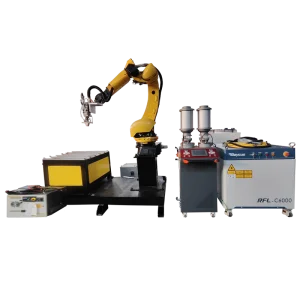
Our engineering roadmap focuses on integrating advanced sensor arrays into robotic systems. By combining 6-axis robotic arms with real-time temperature sensing and laser tracking, Shanghai Duomu systems dynamically adjust powder feed rates and arc currents, ensuring flawless deposition profiles even on complex internal geometries.
How PTA and laser-cladding Lichtbogenschweißgeräte solve real-world degradation challenges in critical industrial applications.

Extending life of plows, tillers, and harvesters using wear-resistant tungsten carbide overlays.

Ultra-precise metallurgical coatings on turbine blades, shaft assemblies, and engine components.
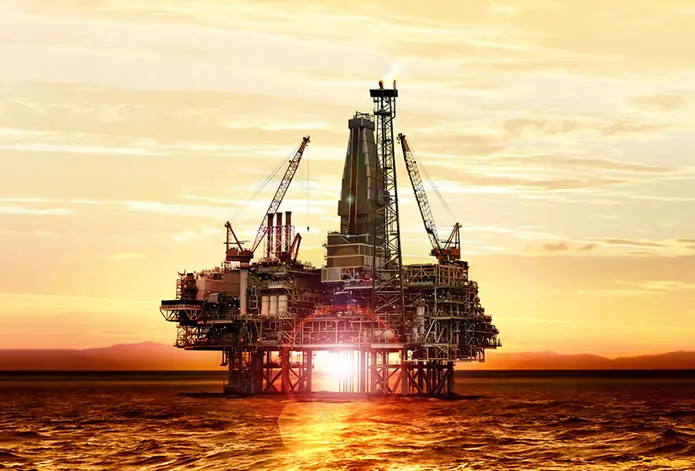
Corrosion and wear protection for drill pipes, valve gates, and subsea fluid handling equipment.
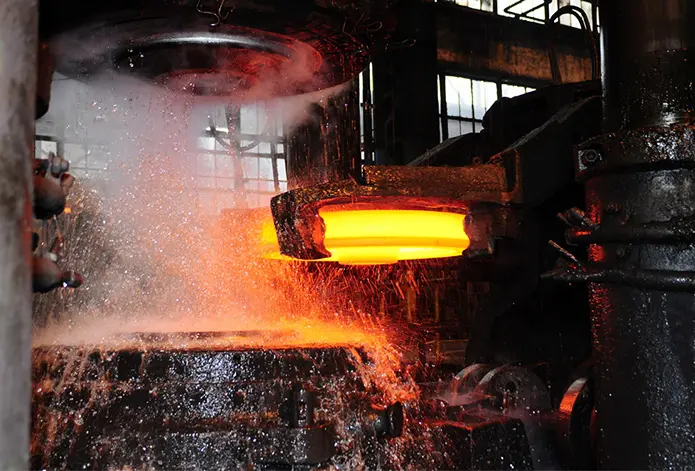
Heavy-duty hardfacing overlays on rollers, guide plates, and casting molds exposed to extreme heat.
In agricultural machinery, tillage components are subjected to severe abrasive soil wear. By utilizing Shanghai Duomu’s custom PTA powder surfacing systems, manufacturers coat critical edges with a specialized nickel-based carbide alloy. In petroleum applications, drilling assemblies operate under high corrosive pressure. PTA-surfaced valves and stabilizers withstand chemical exposure and grit erosion, reducing downhole failures.
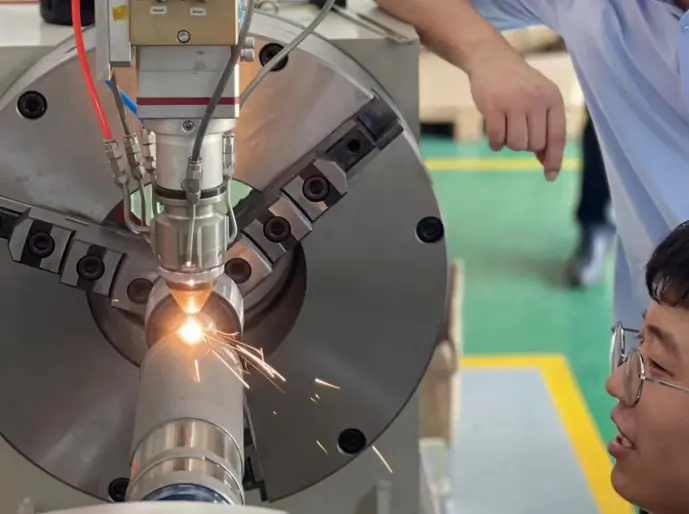
In modern manufacturing, supply chain speed and reliability are critical. Located in Shanghai's industrial zone, Shanghai Duomu has built a robust supply chain network. By sourcing high-purity raw copper, solid state laser sources, and advanced Siemens CNC components directly from local partners, we bypass global logistics bottlenecks.
Our dedicated R&D and Technical Department is staffed by senior metallurgical and robotic engineering experts. We don't just assemble machinery; we design custom software, build proprietary PTA torches, and develop complex cladding algorithms. This vertical integration allows us to deliver bespoke machines at competitive price points, backed by standard-setting warranties.
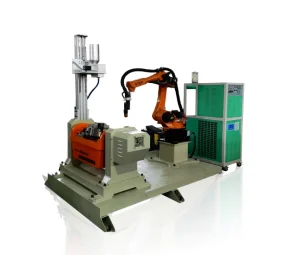
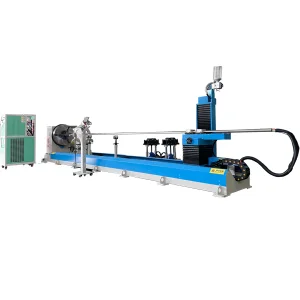
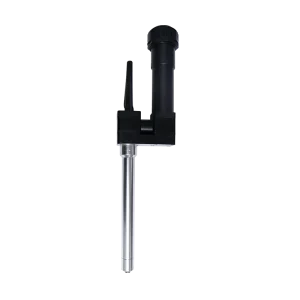
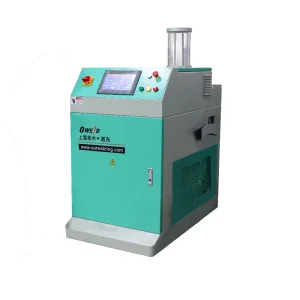
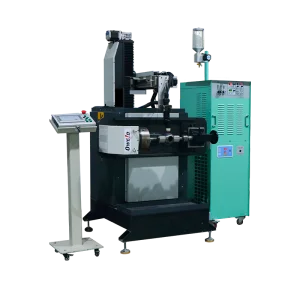
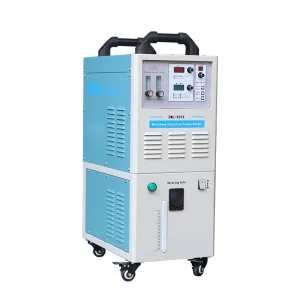
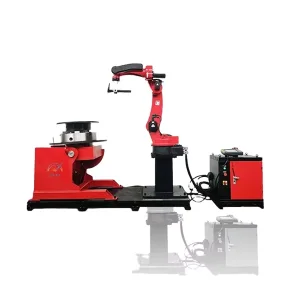
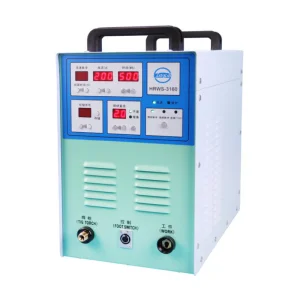
Our key catalog lines engineered to automate complex surfacing geometries and custom metallurgical specifications.
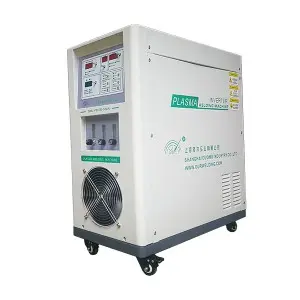
High-precision digital powder feed control.
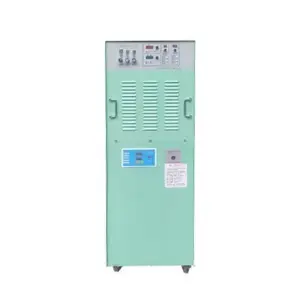
Compact footprint, multi-process capability.
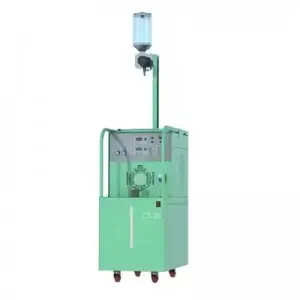
Designed for continuous heavy production lines.
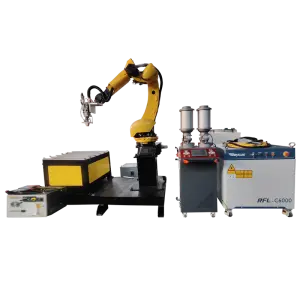
High accuracy for aerospace and energy blades.
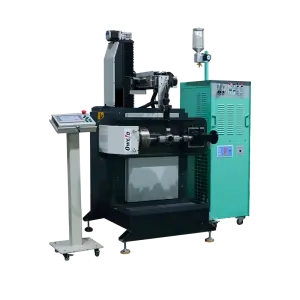
Spherical coordinate paths for valve overlay.
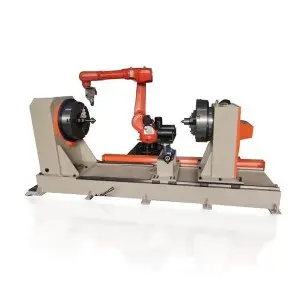
Rapid localized surface heat treatment.
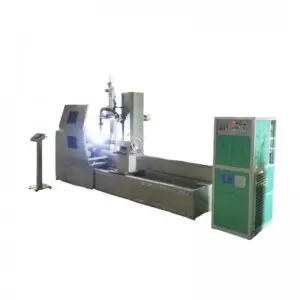
Specialized long shaft cladding system.
How we ensure global compliance, remote support, and alignment with strict international standards.
Deploying complex automated machinery like a 6-axis robotic arm or a 3kW high-power laser cladding system requires adherence to international safety and quality standards. Shanghai Duomu systems are manufactured in compliance with CE Directives, ISO 9001:2015 Quality Management Systems, and safety regulations for industrial laser operations (EN 60825-1).
Our localized support program features:







Hear from production managers, wear-facing engineers, and material scientists who rely on our cladding technologies.
"The PTA Welding Valve Application Guide is not just a process choice for valve manufacturers facing high wear, high corrosion, and high-temperature erosion working conditions, but also a key path to improving product competitiveness. As industries such as petrochemical, power, and marine demand tighter seal tolerance, switching to Shanghai Duomu's PTA systems has saved us substantial costs and reduced leakage rejects by 98%."
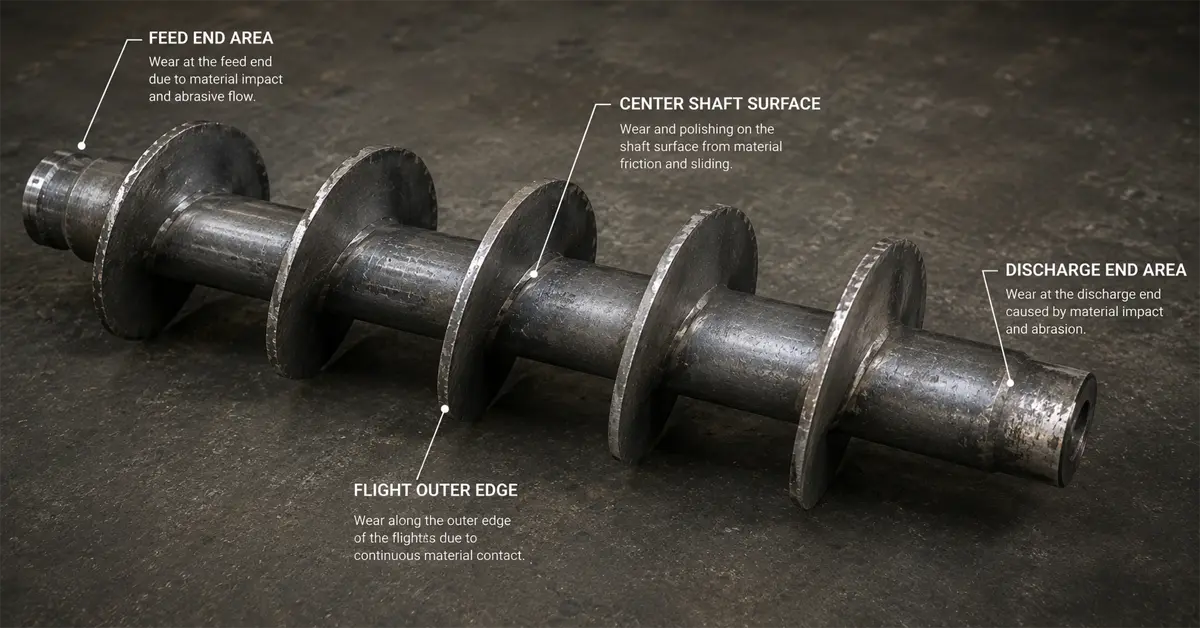
"In industries such as mining, cement, power generation, steelmaking, chemical processing, and biomass energy, screw conveyors are often regarded as auxiliary equipment. However, maintenance data shows that they are among the most frequent causes of unplanned production stoppages. Using Duomu's automatic gantry PTA system, we applied a chromium carbide overlay to the screw flights, extending their service life from 4 months to over 2 years."
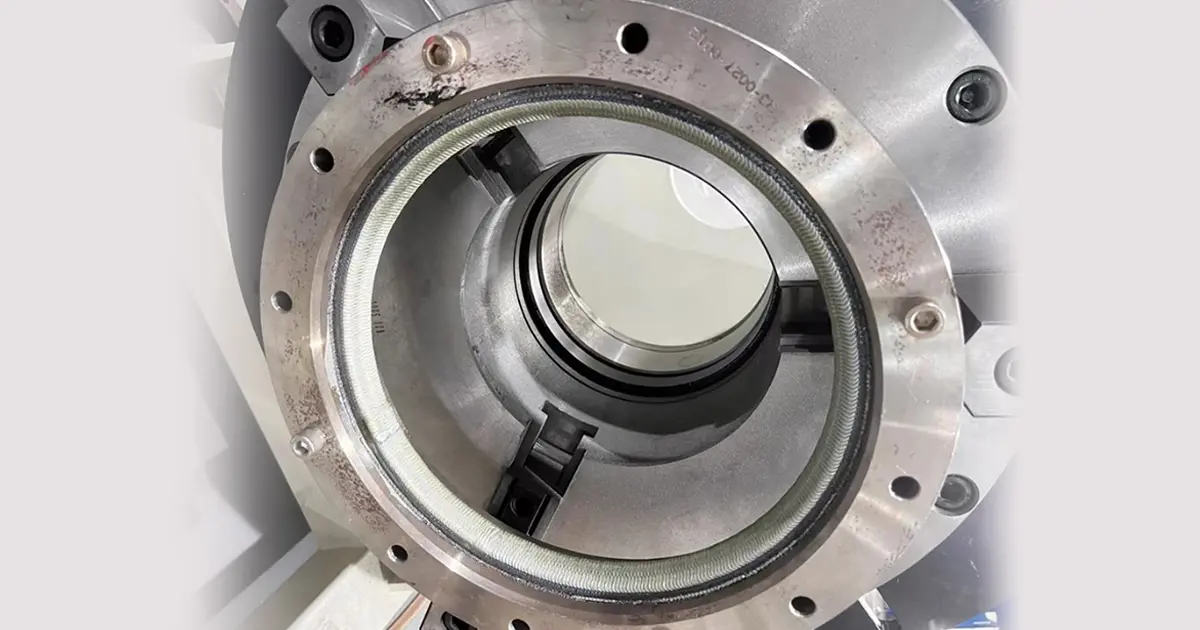
"In Plasma Transferred Arc (PTA) hardfacing, achieving a high-quality overlay is not only about selecting the right alloy powder or optimizing welding parameters. One of the most critical factors that directly affects overlay performance is the dilution rate. Whether you require a single layer or a double layer build-up, Duomu's precision microprocessor control lets us maintain dilution rates under 5% with ease."
"In industries such as Oil & Gas, Mining, Power Generation, Cement, and Heavy Equipment Manufacturing, hardfacing is no longer just a repair process. It has become a critical technology directly related to equipment lifespan, downtime costs, maintenance frequency, and overall operating margins. Selecting the right manufacturer and equipment determines your long-term success."
"In industries like oil & gas, petrochemical, power generation, mining, and marine engineering, industrial valves are constantly exposed to severe operating conditions including high pressure, extreme temperatures, corrosive media, and abrasive wear. The custom Shanghai Duomu valve cladding machines have become our primary production asset."
In-depth technical answers addressing common inquiries from metallurgists, plant directors, and welding operators.
Conventional arc welding (MIG, TIG, Stick) uses an open electric arc that melts both the filler material and a substantial amount of the base metal. This results in high dilution rates (up to 30%). In contrast, a PTA system constricts the arc using a water-cooled copper nozzle, creating a high-density, collimated plasma column. The powder filler is injected directly into this plasma jet, melting immediately with minimal penetration into the base metal. This limits the dilution rate to under 5%, preserving the wear-resistant properties of the cladding alloy.
Hardfacing alloys rely on specific concentrations of elements like cobalt, chromium, nickel, and tungsten carbide to resist wear. If the base steel melts excessively and mixes with the alloy layer, it dilutes the concentration of these elements, softening the coating. To maintain the designed hardness and corrosion resistance, low dilution rates are essential. Using Shanghai Duomu's PTA or Laser Cladding machines, dilution is kept within 2%-8%, ensuring optimal performance of the protective layer.
Yes. Our powder feeding mechanisms are designed to handle various particle distributions, typically between 50 to 150 microns. This includes nickel-based, cobalt-based (Stellite equivalents), iron-based hardfacing, and tungsten carbide composites (WC-Ni or WC-Co). Our Technical Department will help calibrate the feed rates and gas flow settings for your specific alloy powder to prevent segregation.
All Shanghai Duomu machines exported globally are customized to local electrical requirements, including 380V/50Hz, 415V/50Hz, or 460V/60Hz three-phase power standards. The control cabinets feature globally supported industrial components from brands like Siemens, Schneider, and SMC, ensuring easy maintenance and parts replacement.
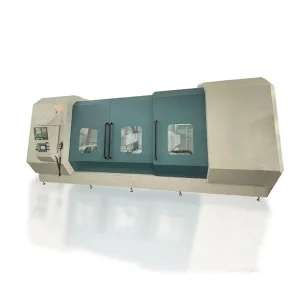
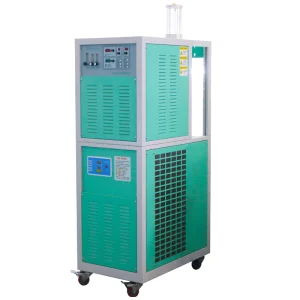
Explore our heavy gantry systems, customized robotic arms, and high-precision micro-plasma equipment designed for diverse industrial applications.
Need custom tooling, specific alloy calibrations, or a robotic cladding cell layout? Leave your inquiry and our engineering team will respond within 24 hours.
 Duomu
Duomu