Premium state-of-the-art overlay cladding machines and components engineered for robust surface remanufacturing.
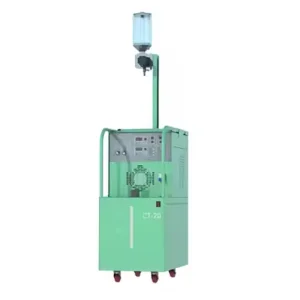
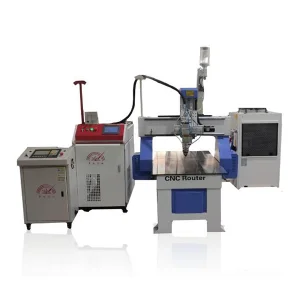
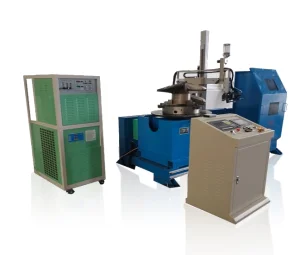
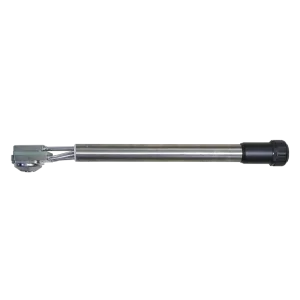
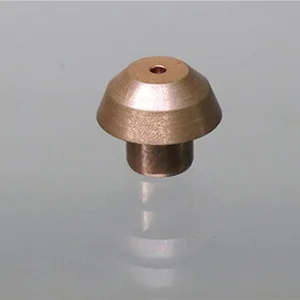
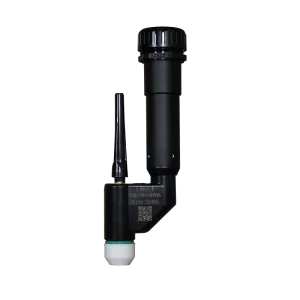
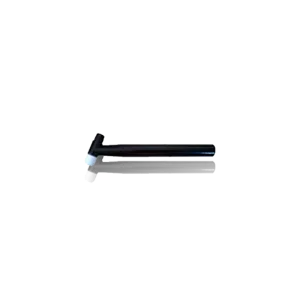
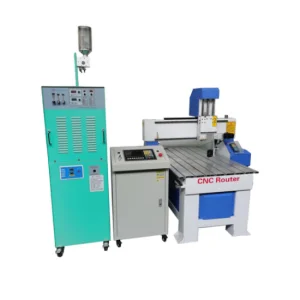
In global manufacturing, choosing the right welding methodology is pivotal to production throughput, weld strength, and cost optimization. The fundamental difference (Mig Tig 違い) centers on execution, precision, and application intent. MIG (Metal Inert Gas) relies on a continuous wire feed acting as both electrode and filler, maximizing deposition rates. Conversely, TIG (Tungsten Inert Gas) uses a non-consumable tungsten electrode and manual rod feeding, demanding extreme operator skill but providing exceptional cosmetic finish and thermal management.
For modern factories, this comparison goes beyond simple joint welding. It serves as the baseline for evaluating high-durability surface enhancement technologies—such as Plasma Transferred Arc (PTA) and Laser Cladding—which evolve from these foundational principles to achieve superior anti-wear overlays.
Whether optimizing line automation in North America or specifying manual repair procedures in regional workshops, understanding these physical differences allows engineering departments to make precise, cost-effective machinery choices.
Shanghai Duomu bridges this gap. By adapting TIG’s non-consumable arc control and MIG's continuous feeding advantages, we develop advanced PTA Cladding and Laser Cladding platforms designed for extreme industrial service lives.
A clear analytical matrix comparing the fundamental mechanics of MIG and TIG processes, outlining how they feed into advanced cladding and surfacing technologies.
MIG is characterized by its high-speed automated feeding system. An electric arc forms between a consumable wire electrode and the workpiece metal, melting them together. This process offers high efficiency, easy automation, and is suited for thick sections requiring rapid build-up.
TIG utilizes a stable, concentrated heat source produced via a non-consumable tungsten electrode. The welder manually controls the arc and feeds the filler rod separately. This achieves unmatched precision and ultra-clean welds with zero spatter, though at a lower deposition rate.
While standard MIG and TIG excel at structural joining, they introduce challenges when applied to surface hardfacing. Traditional MIG overlays suffer from high dilution rates (up to 30%), meaning the base material significantly dilutes the protective properties of the alloy cladding. Manual TIG is too slow for large-scale industrial components. This is why leading manufacturers have transitioned to Plasma Transferred Arc (PTA) and Laser Cladding systems, combining TIG’s arc control and MIG's high deposition rates into optimized, automated industrial solutions.
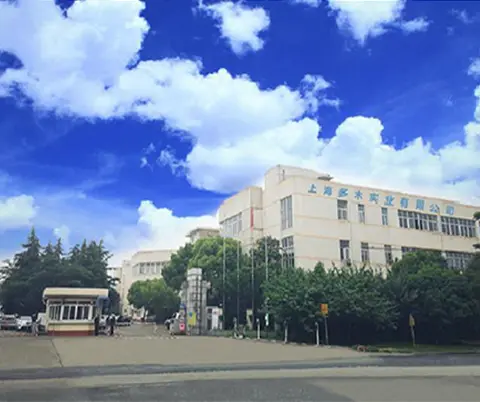
For over a decade, Shanghai Duomu has been a leading manufacturer and exporter of PTA cladding machines and Laser cladding machines. Armed with a strong technical background, our independent R&D team designs, produces, and sells advanced plasma surfacing equipment engineered for long-term operational efficiency.
Our solutions cater to large-scale remanufacturing projects worldwide, helping companies lower costs and extend the operational life of high-wear components. By providing complete sets of custom industrial equipment, we ensure our global clients achieve reliable, wear-resistant metallurgical bonds.
Read More About Us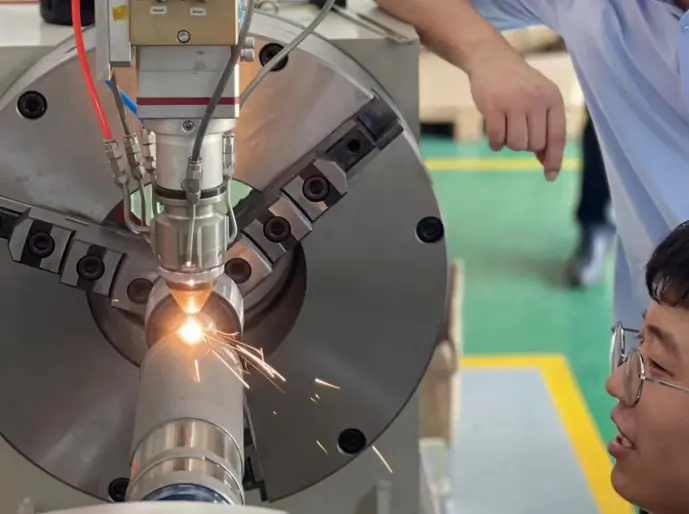
Our dedicated R&D division has developed patented systems that elevate surfacing performance. Our welding machines deliver stable arcs that maintain efficient operation during long duty cycles. Additionally, our laser cladding equipment supports heavy-duty industrial remanufacturing.
Through mature technology integrations, we customize setups for specific industrial challenges, including automatic laser cladding, automatic plasma cladding, and intelligent robotic systems tailored to complex geometries.
Get In TouchExplore our specialized automatic systems engineered for hydraulic rods, industrial valves, and turbine blades.
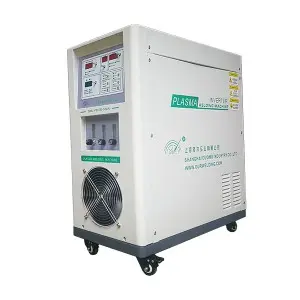
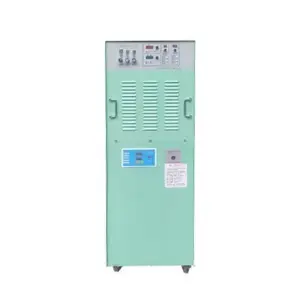
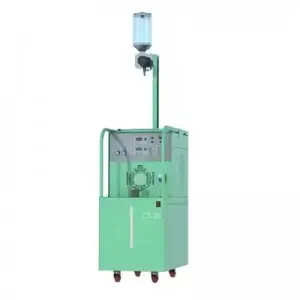
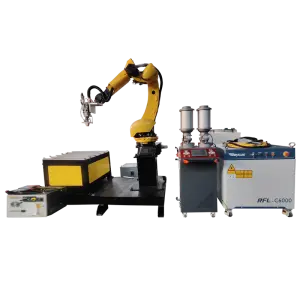
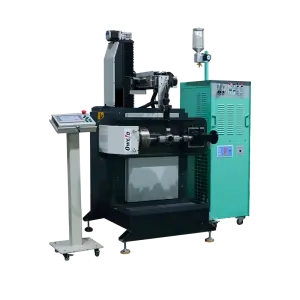
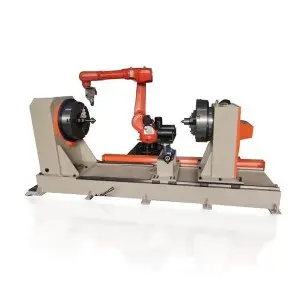
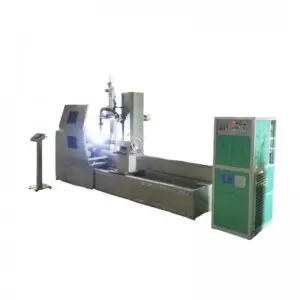
Our solutions are used across aerospace, military, petrochemical, mining, and power generation industries.


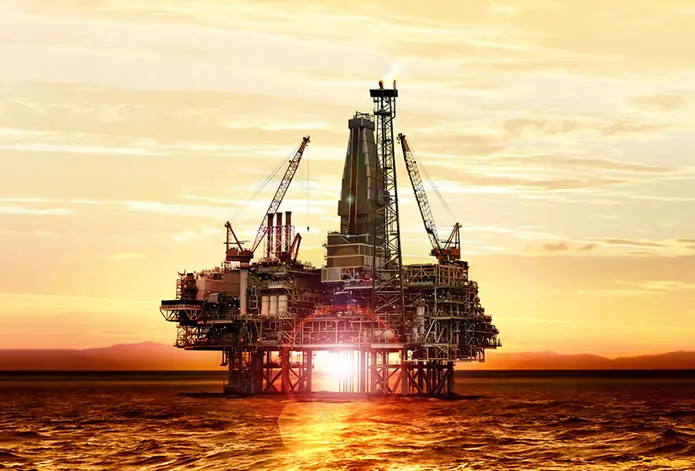
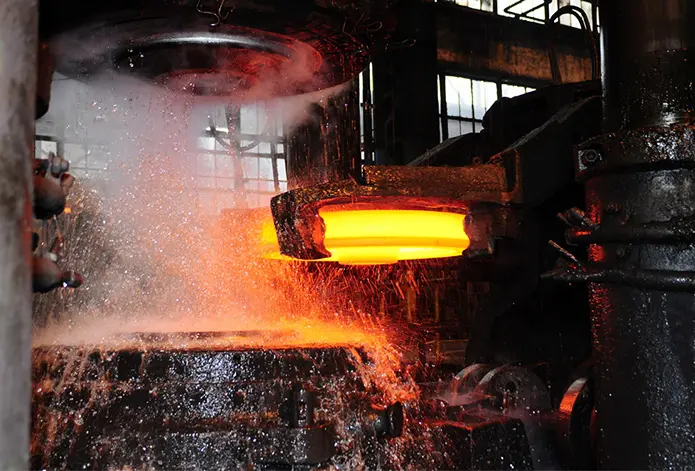
Heavy industry is shifting toward sustainable practices and circular economies. The global market for remanufacturing—especially restoring worn mining shafts, petrochemical valves, and extrusion screws—is expanding rapidly.
Instead of discarding worn equipment, enterprises use protective overlays to rebuild parts to original specifications, extending service lives by 200% to 500%. Utilizing technologies like PTA and Laser Cladding reduces environmental impact and delivers significant cost savings compared to purchasing new components.
Chinese manufacturers offer several core advantages to global buyers: highly integrated industrial supply chains, rapid prototyping, and skilled engineering teams. Shanghai Duomu combines these benefits with reliable quality standards.
Our centralized manufacturing ecosystem allows us to source premium materials, integrate advanced CNC and robotic platforms, and deliver custom systems in short turnaround times. This enables our clients to deploy advanced cladding solutions with minimal lead times.
Industrial purchasing agents require reliable system integration, remote troubleshooting capabilities, and compatibility with diverse international alloys. Sourcing a cladding system involves evaluating software friendliness, spare parts availability, and safety certifications.
Duomu addresses these needs by offering clear documentation, remote technical support, and robust systems that integrate into existing manufacturing environments with minimal configuration.
Real-world examples of how advanced surfacing technologies solve corrosion and wear challenges in the field.
"The PTA Welding Valve Application Guide is not just a process choice for valve manufacturers facing high wear, high corrosion, and high-temperature erosion, but also a key path to improving product competitiveness. As petrochemical and power generation fields demand longer service lives, automated PTA cladding delivers the required alloy performance."
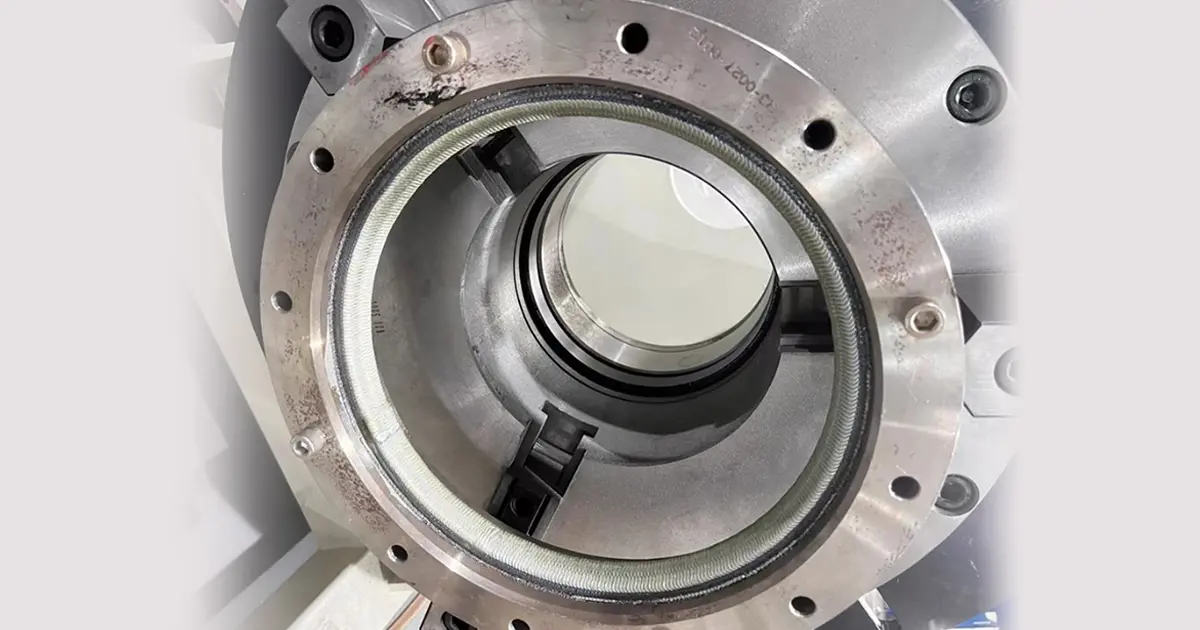
"In industries such as mining, cement, and power generation, screw conveyors are critical components. Maintenance data shows that they are among the most frequent causes of unplanned downtime. Rebuilding screw flights using automated PTA cladding restores geometries and enhances abrasion resistance."
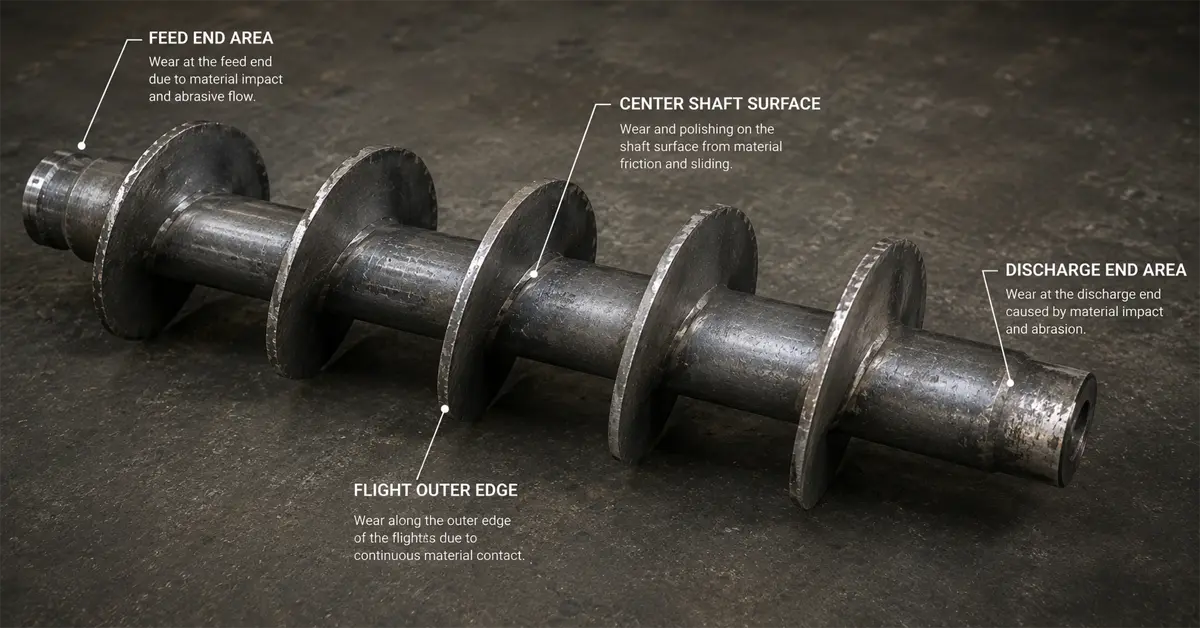
"In PTA hardfacing, achieving a high-quality overlay depends on controlling the dilution rate. Minimizing the mixing of the base metal into the protective cladding layer ensures the deposit retains its intended wear resistance without requiring excessive layers."
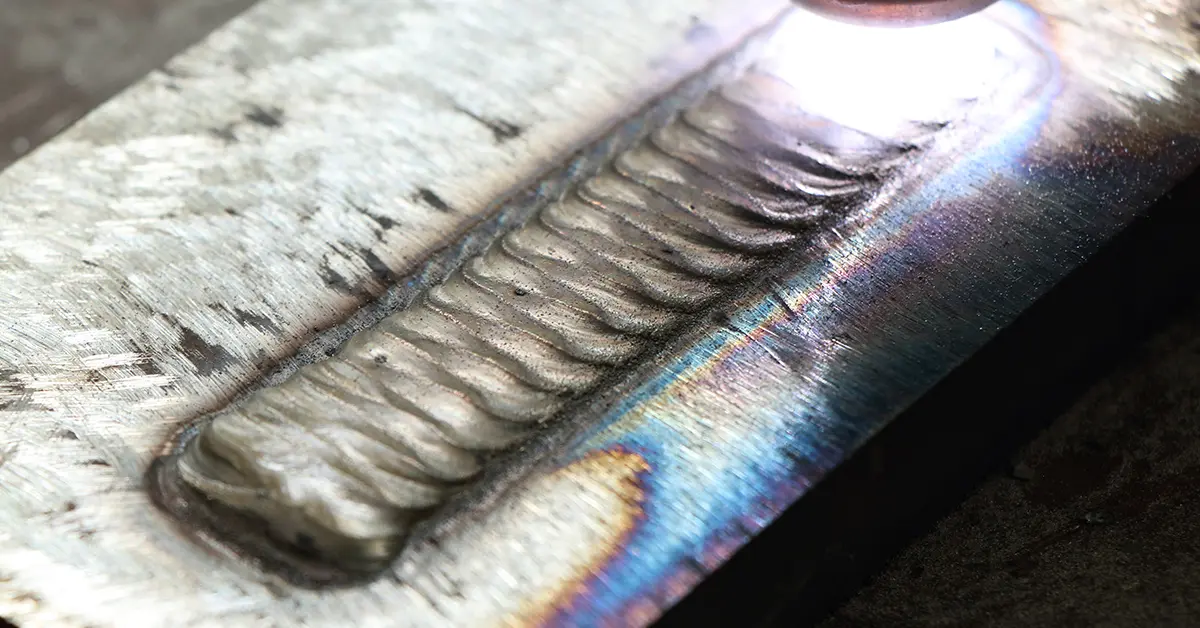
"In Oil & Gas and Heavy Equipment Manufacturing, hardfacing has transitioned from a repair option to a standard design specification. Applying cobalt or nickel-based powders onto critical components enhances reliability in corrosive offshore environments."
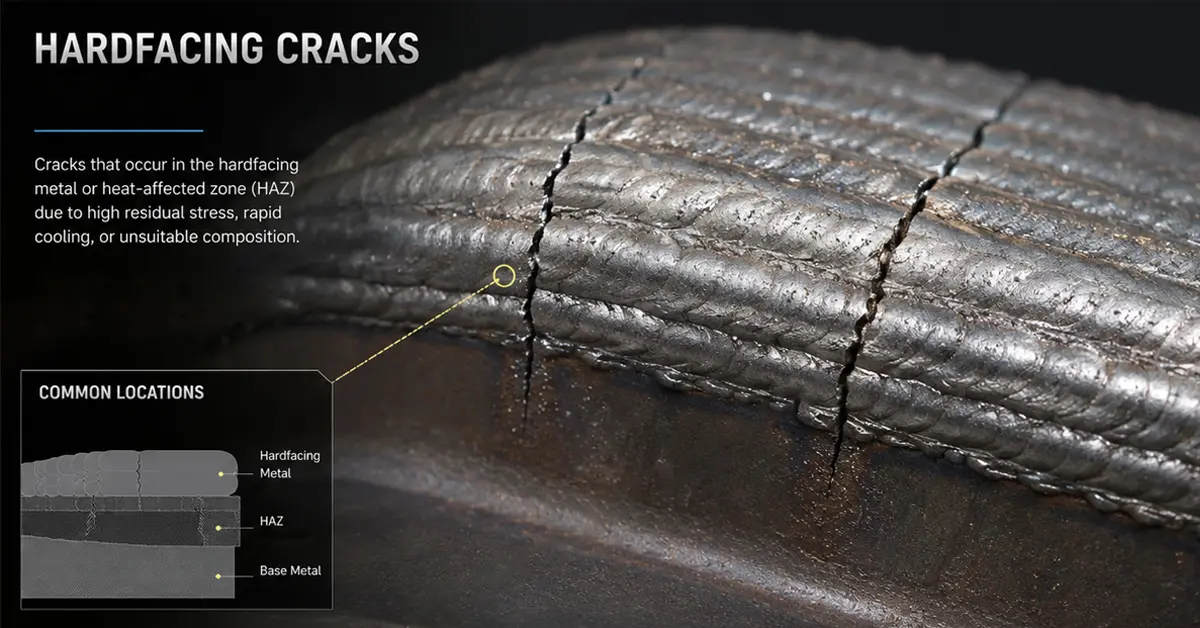
"Industrial valves operate in severe conditions, including high pressures, extreme temperatures, and sand erosion. Applying wear-resistant alloys via automated laser cladding helps prevent fluid erosion and prolongs valve service life."
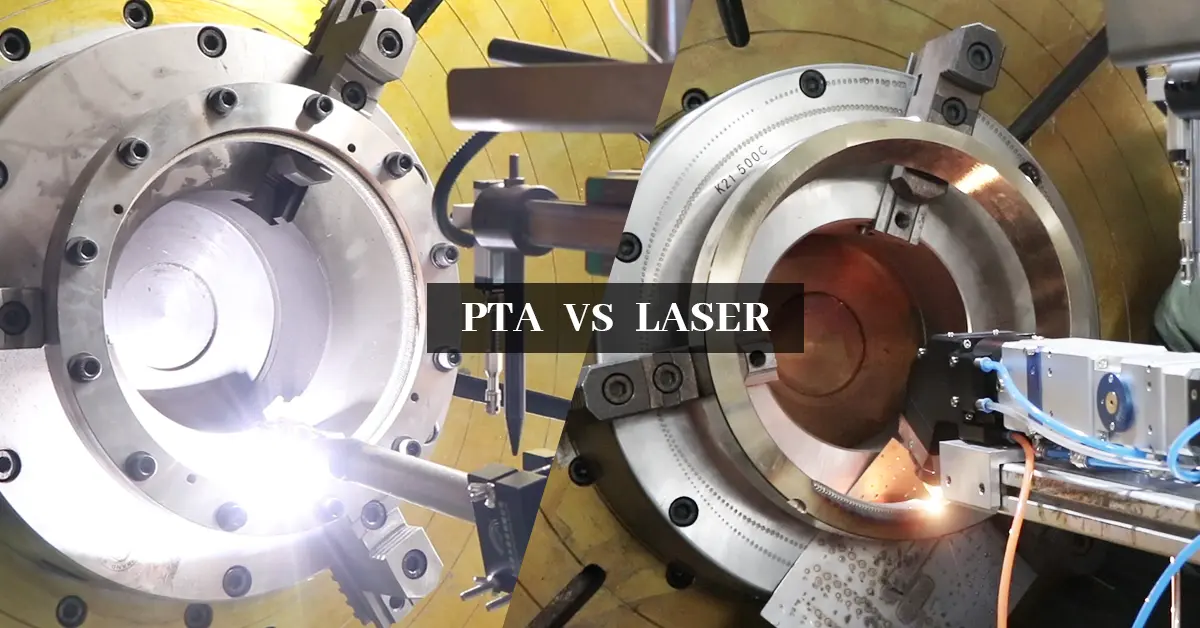
Answers to common inquiries regarding MIG, TIG, PTA, and Laser Cladding technologies.
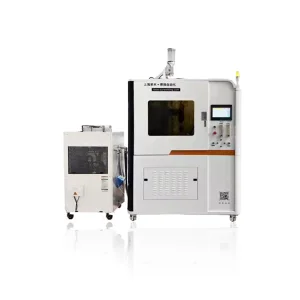
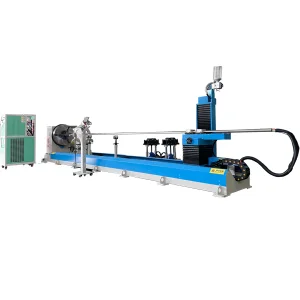
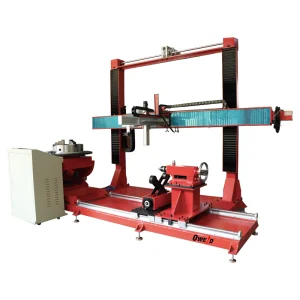
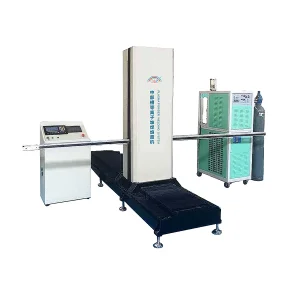
Premium automated systems and components designed to optimize surface hardfacing and remanufacturing operations.
Contact our technical department for custom inquiries or detailed pricing lists. Our engineering team will respond within 24 hours.








 Duomu
Duomu