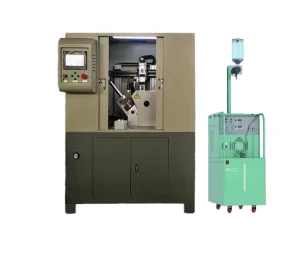
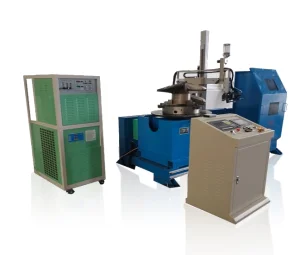
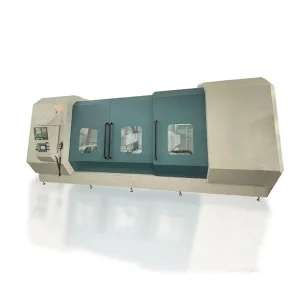
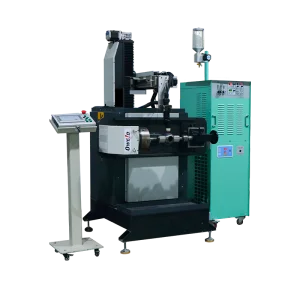
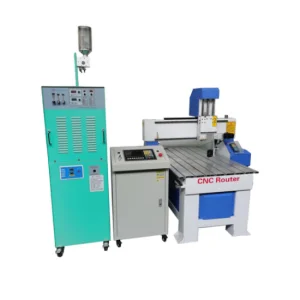
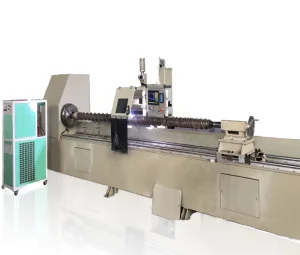
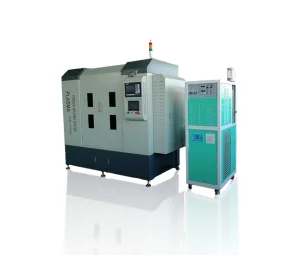
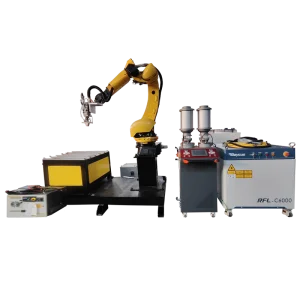
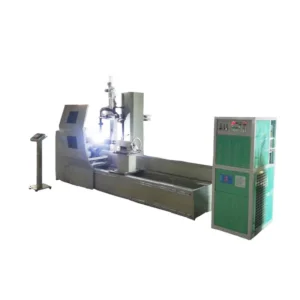
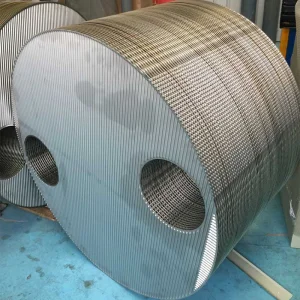
Discover our range of precision-engineered automated plasma and laser deposition systems designed for high-wear applications.
Understanding the core differences between Metal Inert Gas (MIG), Metal Active Gas (MAG), and Tungsten Inert Gas (TIG) welding is vital for selecting the appropriate industrial equipment manufacturer. In modern production environments, these processes have evolved beyond basic manual operations into fully automated robotic systems, integration cells, and specialized wear-resistant cladding solutions.
Shielding Gas: Pure Argon, Helium, or helium-argon mixtures. Offers complete chemical inertness.
Primary Metals: Non-ferrous alloys such as Aluminum, Copper, Titanium, and Nickel alloys.
Key Advantages: High deposition rate, clean aesthetic bead profile, zero slag generation, and excellent compatibility with automated robotic positioners.
Shielding Gas: Carbon Dioxide (CO2) or mixtures of Argon with CO2/Oxygen (e.g., 80/20 Ar/CO2).
Primary Metals: Carbon steel, structural steel, and high-strength low-alloy (HSLA) steels.
Key Advantages: Outstanding penetration depth, cost-effective shielding gases, high travel speeds, and ideal for heavy structural steel fabrication.
Shielding Gas: 100% Pure Argon or Helium. Non-consumable tungsten electrode creates the arc.
Primary Metals: Stainless Steel, Aluminum, Titanium, and exotic alloys.
Key Advantages: Ultimate control over the weld pool, zero spatter, pristine aesthetic appearance, and absolute weld purity for high-pressure systems.
| Welding Process | Deposition Rate (kg/hr) | Typical Dilution Rate (%) | Heat Input Control | Shielding Gas Typical Cost | Automation Viability |
|---|---|---|---|---|---|
| MIG (GMAW) | 3.0 - 8.0 | 20% - 30% | Medium | High (Pure Argon) | Excellent |
| MAG (GMAW) | 4.0 - 10.0 | 25% - 35% | Medium-Low | Low (CO2/Mixed) | Excellent |
| TIG (GTAW) | 1.0 - 3.0 | 15% - 25% | Very High | High (Pure Argon) | Moderate (Needs AVC) |
| Plasma Powder (PTA) | 2.0 - 6.0 | 5% - 10% (Ultra Low) | Excellent | Medium | Fully Integrated |
The global metal fabrication landscape is witnessing an aggressive shift toward automated surface modification technologies. Traditional manual MIG/MAG and TIG processes are increasingly superseded by automated systems, including Plasma Transferred Arc (PTA) and High-Speed Laser Cladding. The drive toward lower dilution rates, thinner heat-affected zones (HAZ), and highly consistent grain structures is reshaping how heavy equipment manufacturers protect critical components.
Industry 4.0 demands that MIG, MAG, and TIG power sources feature digital communication protocols (EtherCAT, Modbus, Profinet) to seamlessly interface with multi-axis articulated robots. In heavy-wear sectors like oil drilling, mining, and power generation, manufacturers leverage automated cladding overlays (hardfacing) to double or triple the service life of tools exposed to severe corrosion and mechanical abrasion.
For international supply chain managers and procurement officers, selecting the right manufacturing partner for welding equipment goes beyond comparing basic unit prices. Modern sourcing strategies prioritize high mechanical reliability, ease of consumable replacement, localized technical support, and strict compliance with international standards such as ISO 3834, ASME Section IX, and the European CE Directives.
Furthermore, procurement teams face the challenge of sourcing machines that minimize downtime. The inclusion of predictive maintenance alerts, integrated wire-feed tracking, and real-time arc voltage control (AVC) in automated PTA and laser cladding stations allows manufacturers to maximize overall equipment effectiveness (OEE). By investing in equipment that integrates tungsten-carbide or nickel-based alloy powder deposition, buyers secure a competitive advantage in component durability.
At present, the company's products have penetrated into many fields such as aerospace military industry, nuclear power, petrochemical industry, coal mines, metallurgy and forging, agriculture, water conservancy and electric power, etc.


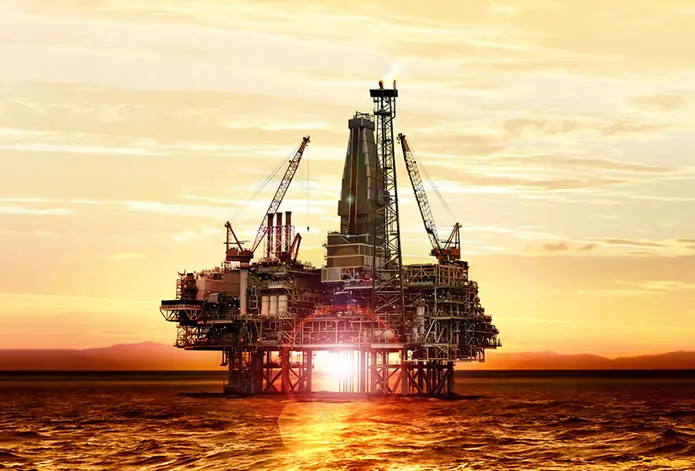
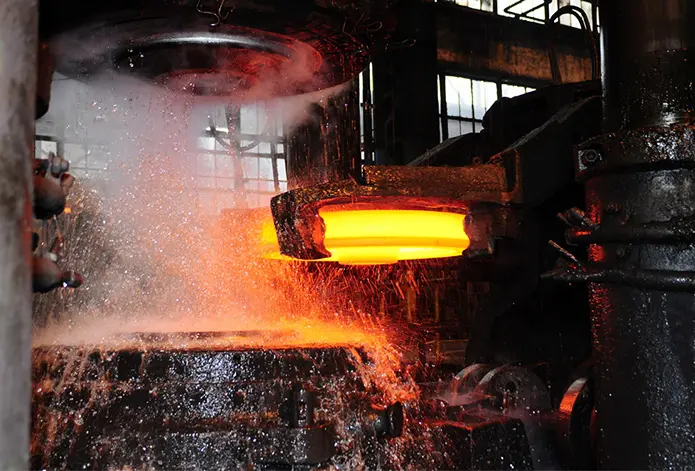

Shanghai Duomu has been a leading manufacturer and exporter of PTA cladding machine and Laser cladding machine for more than ten years with a strong technical background. Our dedication to R&D has enabled us to engineer solutions that bridge the gap between traditional manual welding processes and highly accurate CNC/robotic cladding technologies.
Our global operations are dedicated to providing state-of-the-art metal surfacing systems that reduce raw material consumption while exponentially increasing the service life of critical metal components.
We possess an independent R&D team, which develops, produces, and sells plasma cladding machine equipment. The welding machine has stable performance and can maintain efficient long-term operation. In addition, the laser cladding equipment sold by the company can effectively support large-scale remanufacturing projects. We have mature technological means to provide complete sets of industrial equipment solutions.
By constantly refining the control loops of our plasma powder surfacing machines and robotic integration systems, our engineering department ensures that our customers receive the highest possible standards in industrial durability.
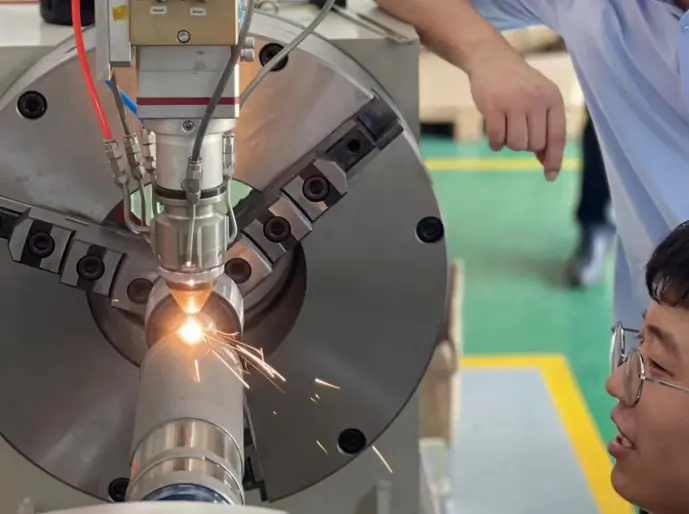
Different industrial landscapes demand highly specific welding and cladding formulations. Our team specializes in designing automated solutions for components that endure extreme mechanical loads and chemical attacks:
Replacing traditional chromium electroplating, our laser and plasma cladding systems offer dense, pore-free coatings that resist marine atmospheric corrosion and mechanical wear in heavy excavators and offshore hydraulic cylinders.
Our DJC-LC305 automated plasma system applies hard tungsten-carbide alloys to coal cutting picks, preventing premature wear and minimizing downtime in high-yield underground mining operations.
Applying stellite cobalt-based alloys using automated plasma transferred arc (PTA) ensures exceptional hot hardness and corrosion resistance for sealing faces in petrochemical and high-pressure steam valves.
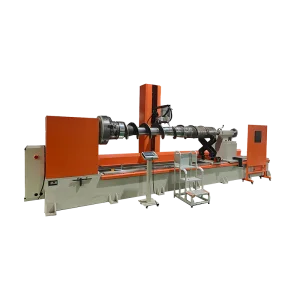
Wear resistant flight overlays on single and twin extrusion screws are crucial in chemical processing. Our custom multi-axis CNC machines provide uniform thickness coatings with minimal finishing costs.
Our senior engineering specialists answer critical queries regarding process optimization and machinery selection.
Read about how our engineering advice and cladding systems are utilized in various global field applications to increase plant reliability and reduce operating costs.
"The PTA Welding Valve Application Guide is not just a process choice for valve manufacturers facing high wear, high corrosion, and high-temperature erosion working conditions, but also a key path to improving product competitiveness. As industries such as petrochemical, ..."
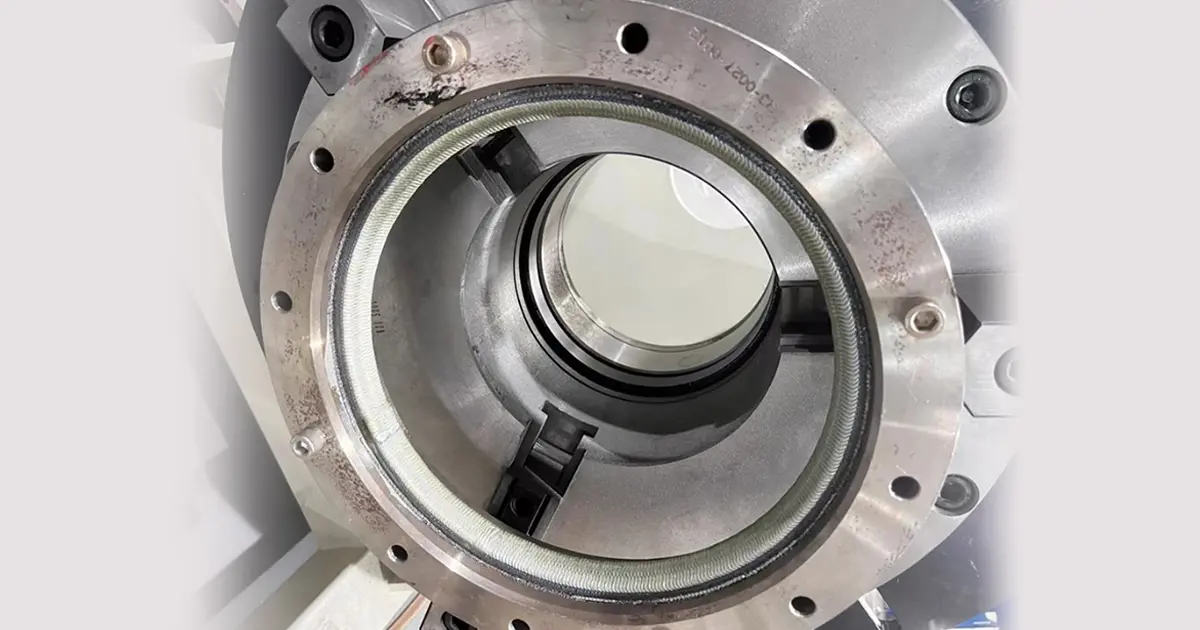
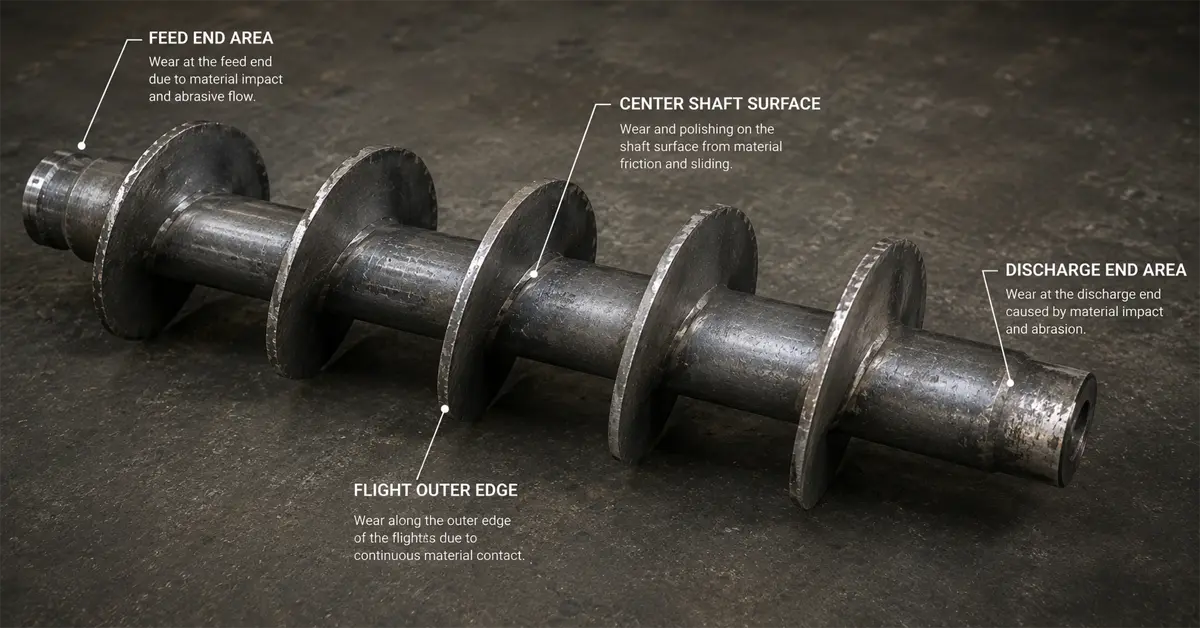
"In industries such as mining, cement, power generation, steelmaking, chemical processing, and biomass energy, screw conveyors are often regarded as auxiliary equipment. However, maintenance data shows that they are among the most frequent causes of unplanned production d..."
"In Plasma Transferred Arc (PTA) hardfacing, achieving a high-quality overlay is not only about selecting the right alloy powder or optimizing welding parameters. One of the most critical factors that directly affects overlay performance is the dilution rate. Whether you ..."
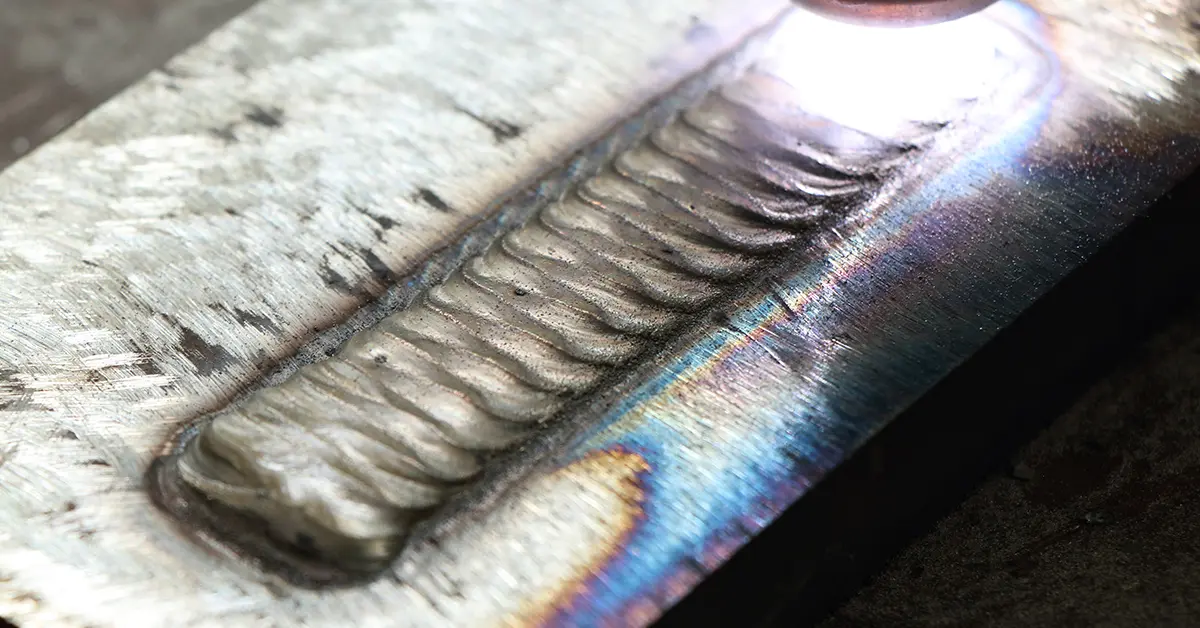
"In industries such as Oil & Gas, Mining, Power Generation, Cement, and Heavy Equipment Manufacturing, hardfacing is no longer just a repair process. It has become a critical technology directly related to equipment lifespan, downtime costs, maintenance frequency, and..."
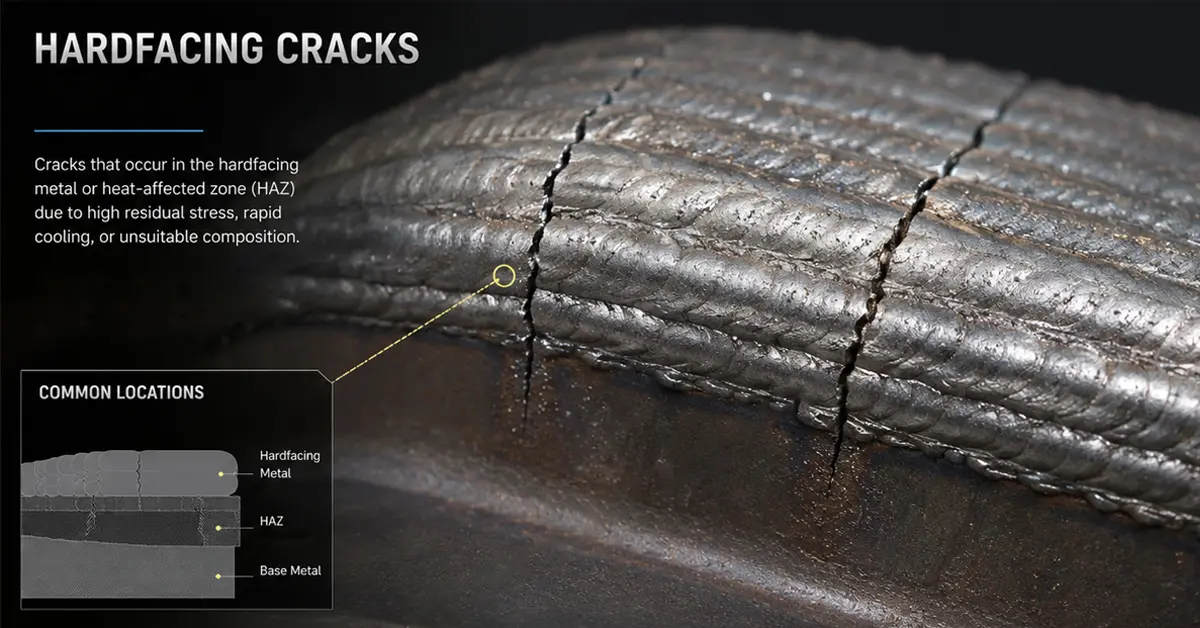
"In industries such as oil & gas, petrochemical, power generation, mining, and marine engineering, industrial valves are constantly exposed to severe operating conditions including: - High pressure - Extreme temperatures - Corrosive media - Abrasive wear - Sand e..."
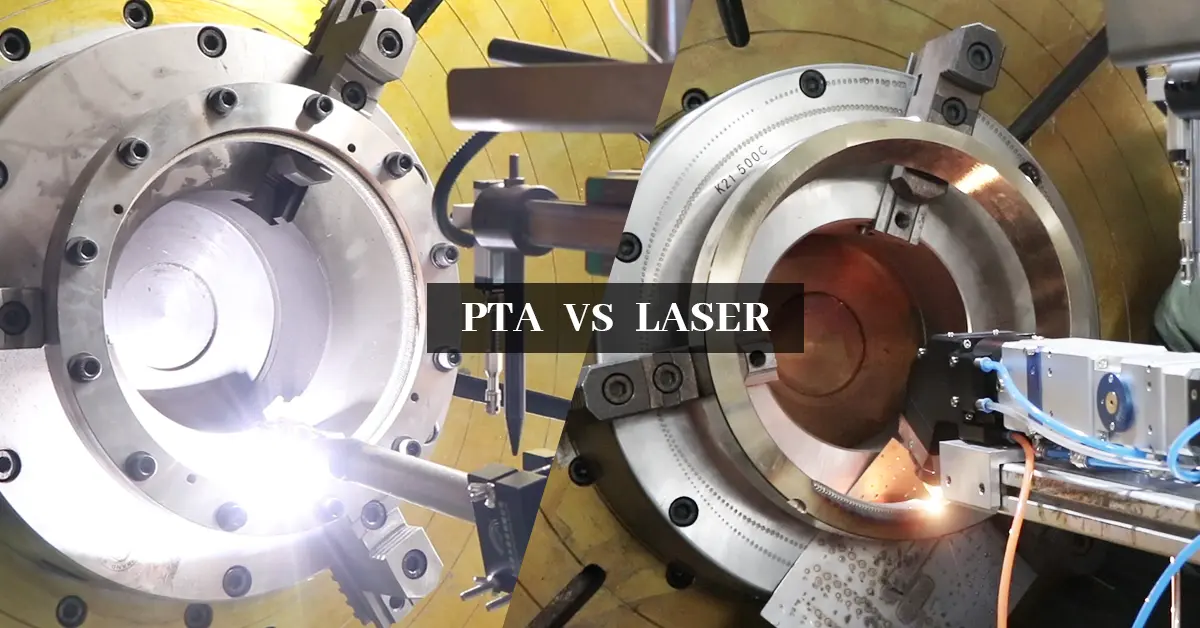
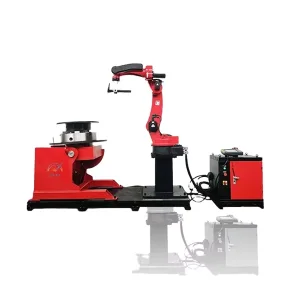
Explore our highly customized plasma surfacing machinery, robot arms, and wear-resistant accessories engineered for maximum industrial longevity.








For inquires about our products or pricelist, please leave to us and we will be in touch within 24 hours.
subscribe Duomu
Duomu