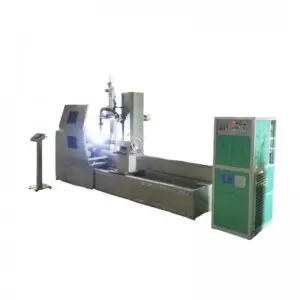
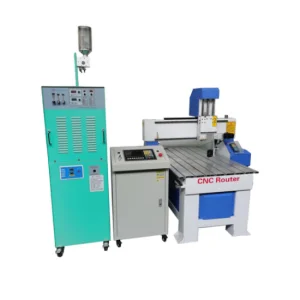
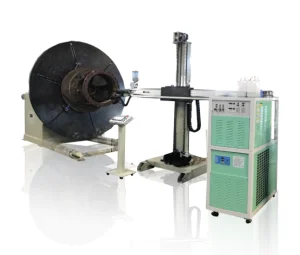
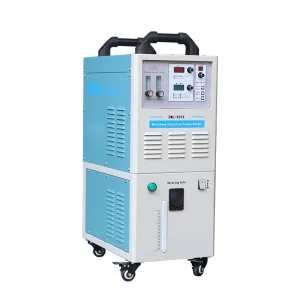
Explore our industrial-grade automatic welding platforms, robotic laser cladding units, and heavy-duty plasma surfacing machines.
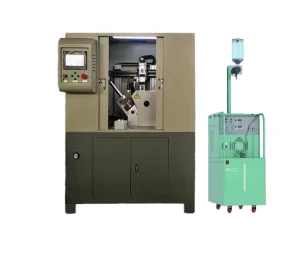
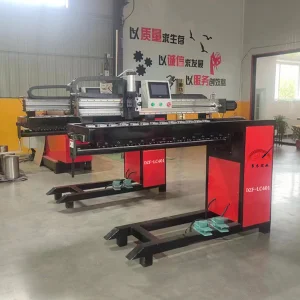
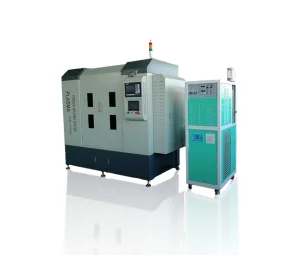
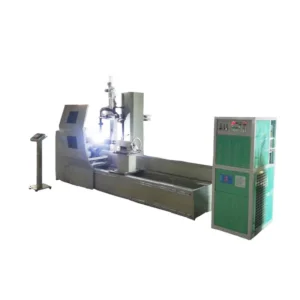
In the modern manufacturing landscape, the fusion of metals requires not just connection, but metallurgical precision. Tig (Tungsten Inert Gas) and Mig (Metal Inert Gas) 용접 represent the dual pillars of industrial fabrication. While TIG welding provides unmatched control, aesthetic bead quality, and precise dilution profiles suitable for thin sheets and exotic alloys, MIG welding delivers high-speed deposit rates, robust structural integrity, and exceptional adaptability for thick steel structures and high-throughput production lines.
As global industries transition toward Industry 4.0, traditional manual TIG and MIG processes are being replaced by automated, sensor-guided, and robotic welding platforms. These systems minimize heat-affected zones (HAZ), restrict dilution rates, and ensure continuous quality metrics that comply with demanding international standards. This technological evolution has driven leading factories to integrate advanced systems, merging traditional MIG/TIG characteristics with Plasma Transferred Arc (PTA) cladding and laser hardening technologies to prolong the service life of critical structural assets.
| Parameters | Precision TIG | High-Speed MIG | PTA / Laser Cladding |
|---|---|---|---|
| Deposition Rate | 0.5 - 2.0 kg/h | 2.0 - 8.0 kg/h | 2.0 - 12.0 kg/h |
| Dilution Rate | 10% - 15% | 15% - 25% | < 5% (Laser: < 2%) |
| HAZ Width | Medium | Wide | Extremely Narrow |
South Korea's industrial landscape stands as a global powerhouse in heavy industries, including high-tech shipbuilding, LNG carrier manufacturing, semiconductor process chambers, automotive frame welding, and large-scale petrochemical infrastructure. In these sectors, the demand for high-reliability Tig Mig 용접 technologies is paramount:
The transition from traditional gas tungsten arc welding (GTAW) and gas metal arc welding (GMAW) to intelligent laser-hybrid, PTA (Plasma Transferred Arc), and multi-axis robotic cladding marks the future of metallurgical engineering. Over the next decade, manufacturers will experience a paradigm shift defined by the following technology trends:
1. Closed-Loop Real-Time Control Systems: Modern welding systems are integrating optical sensors, infrared cameras, and laser seam trackers. These sensors feed real-time geometric and temperature data back into the controller, adjusting parameters like voltage, wire feed rate, and shielding gas flow dynamically to guarantee zero-defect output.
2. AI-Driven Defect Classification: Deep learning models analyze welding arc acoustics, voltage variations, and thermal imagery. This enables automatic detection and classification of anomalies like porosity, lack of fusion, and tungsten inclusion immediately during the process, reducing expensive non-destructive testing (NDT) cycles.
3. High-Efficiency Laser-PTA Hybrid Solutions: By combining the concentrated energy of a fiber laser with the bulk deposition capabilities of a plasma arc, hybrid cladding systems achieve deposit rates exceeding 15 kg/h while retaining low dilution and high precision. This is crucial for remanufacturing wear components in heavy mining machinery and steel casting rollers.
China-based manufacturing clusters offer unparalleled advantages in terms of material supply chain integration, structural component casting, and electronic controller assembly. Located in the Yangtze River Delta industrial hub, Shanghai Duomu leverages local raw steel suppliers, precision CNC tooling centers, and specialized high-vacuum chamber manufacturers.
This localized cluster allows for rapid prototyping of custom multi-axis manipulators (such as the DH3-HV1700-B06 positioner) and automatic welding platforms within half the time of Western competitors. Furthermore, economies of scale allow for strict cost controls without sacrificing structural quality, enabling the integration of premium European-sourced components (like PLC systems, gas flow controllers, and laser optics) while maintaining a competitive final price.
Understanding the complexities of international trade, logistics, and regional compliance is vital for global capital equipment procurement. We provide complete localized support designed to lower the barrier of entry for overseas buyers, particularly in highly-regulated markets like South Korea, the EU, and North America:
At present, our premium PTA and Laser cladding products have penetrated into many critical engineering sectors globally.



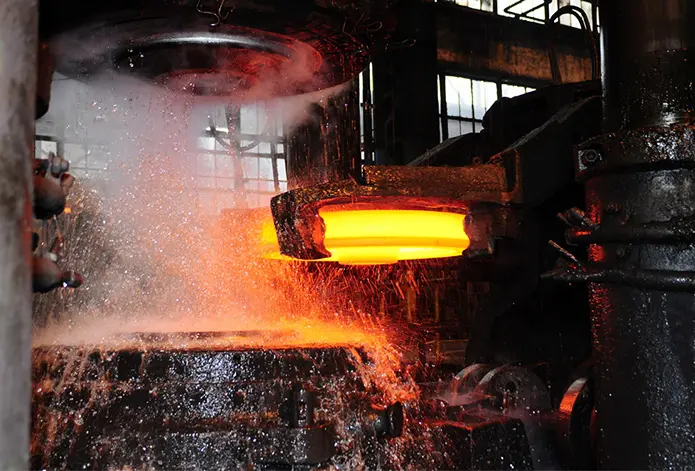
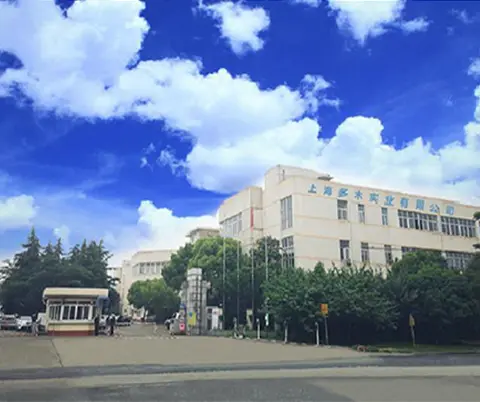
Shanghai Duomu has been a leading manufacturer and exporter of PTA (Plasma Transferred Arc) cladding machines and Laser cladding machines for more than ten years, backed by a strong technical background. Our goal is to replace manual, high-heat conventional methods with automated, energy-efficient solutions that preserve structural longevity.
We operate state-of-the-art laboratory testing centers, where we analyze powder chemistry, perform micro-hardness profiling, and run wear-resistance simulations. This ensures every piece of equipment shipped overseas meets the rigorous quality requirements of high-end industrial clients.
We feature an independent R&D team that develops, produces, and sells high-performance plasma cladding machine equipment. Our welding machines exhibit stable performance and maintain efficient, long-term operation under heavy industrial cycles.
In addition, the laser cladding equipment sold by our company effectively supports large-scale remanufacturing projects. We have mature technological means to provide complete sets of industrial equipment solutions, customized to the mechanical geometries and metal powder structures demanded by our customers.
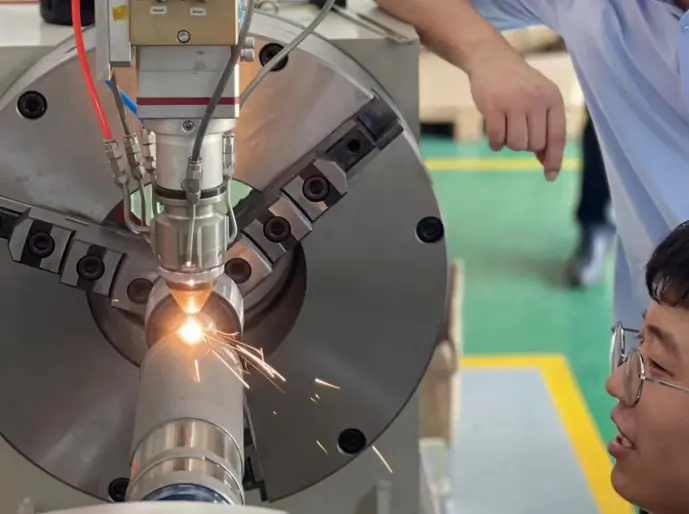
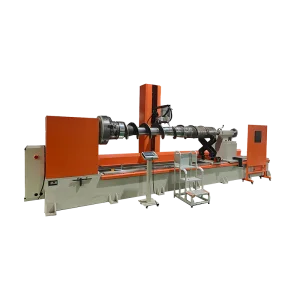
We provide customized equipment, automatic laser cladding equipment, automatic plasma cladding equipment, and intelligent robot cladding setups configured to your specific engineering limits.
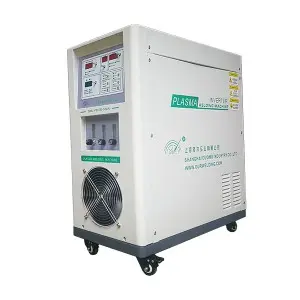
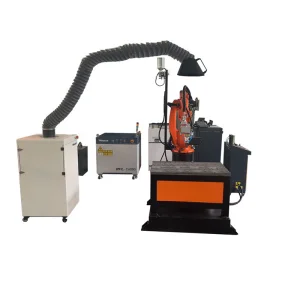
Designed for high-stability valve ring and tooling repair using metal powders.
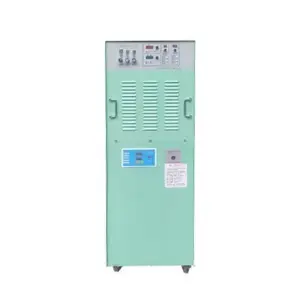
Consolidated layout for multi-purpose fabrication processes.
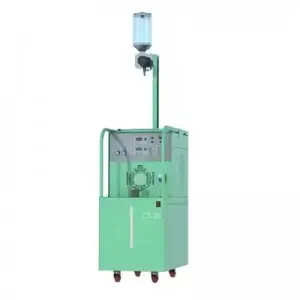
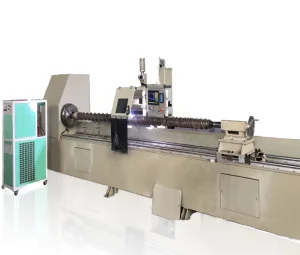
Dual-mode automated system supporting wire and powder surfacing feeds.
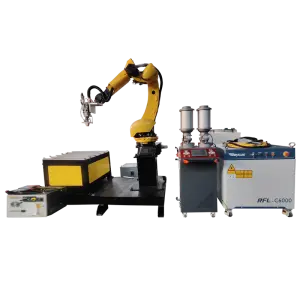
High-precision optical paths designed for aerospace blade repair.
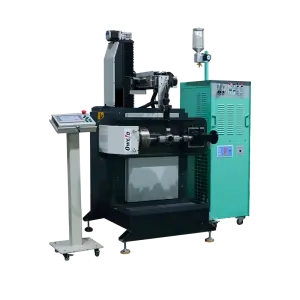
Rotary coordinate system ensuring consistent spherical metal welds.
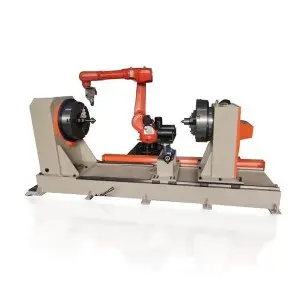
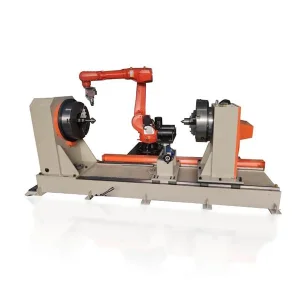
Robotic arm system integrating high-power laser heads for surface heat-treatments.
Discover real-world applications, engineering analysis, and dilution rate research conducted by our R&D department.
"The PTA Welding Valve Application Guide is not just a process choice for valve manufacturers facing high wear, high corrosion, and high-temperature erosion working conditions, but also a key path to improving product competitiveness."
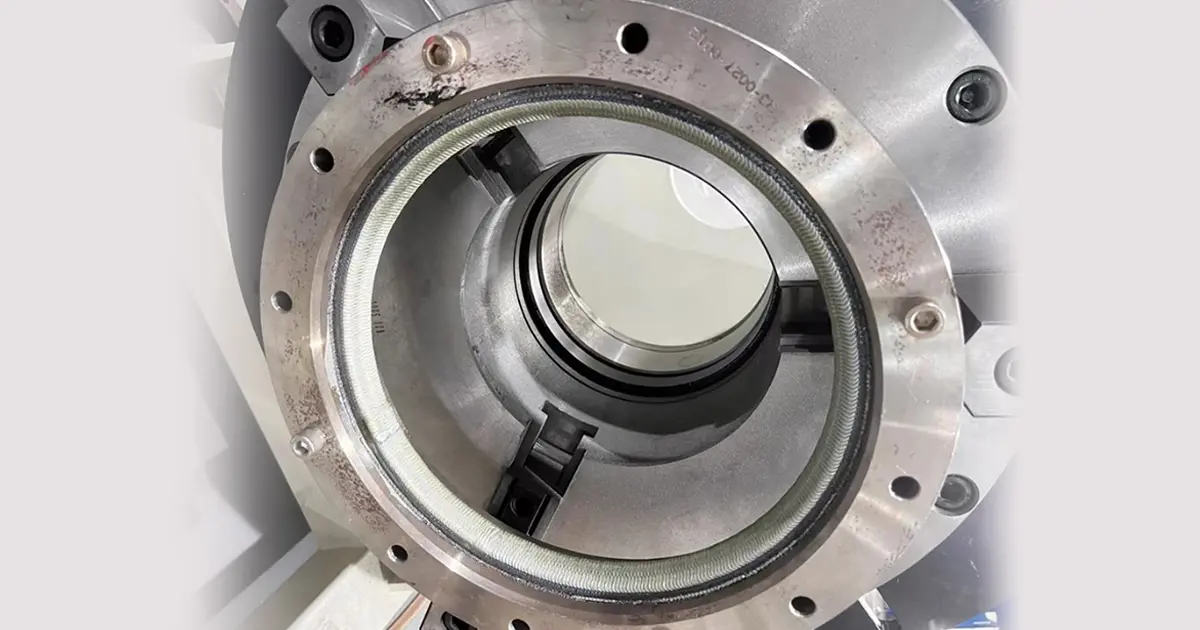
"In industries such as mining, cement, power generation, steelmaking, chemical processing, and biomass energy, screw conveyors are often regarded as auxiliary equipment. However, maintenance data shows they cause most unplanned shutdowns without proper hardfacing."
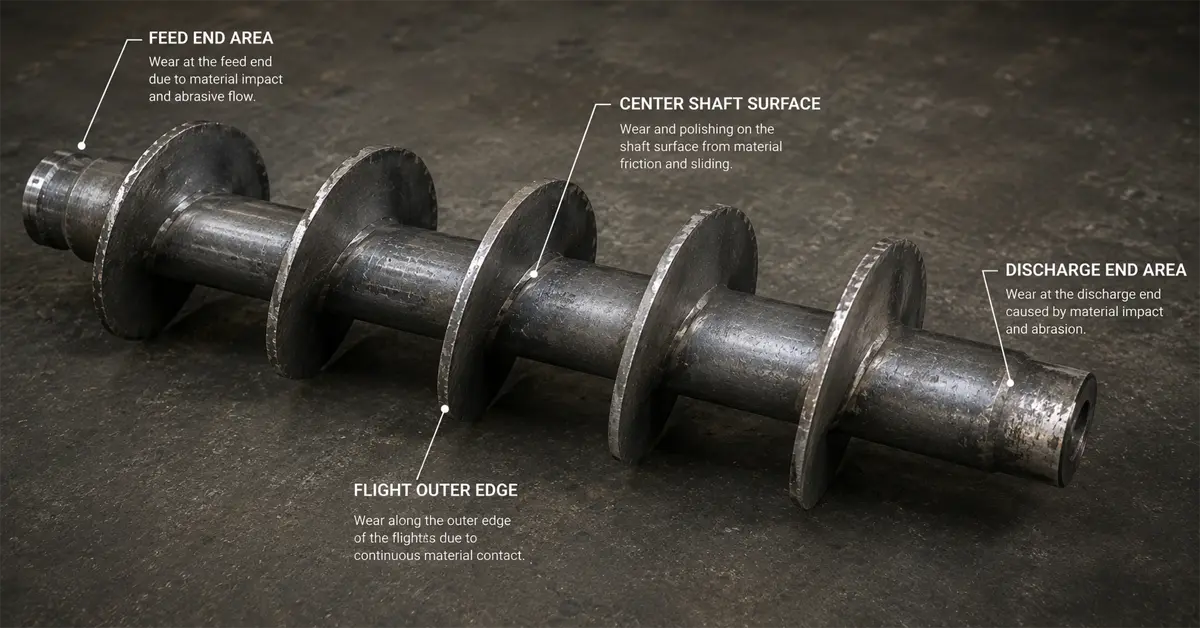
"In Plasma Transferred Arc (PTA) hardfacing, achieving a high-quality overlay is not only about selecting the right alloy powder or optimizing welding parameters. One of the most critical factors that directly affects overlay performance is the dilution rate."
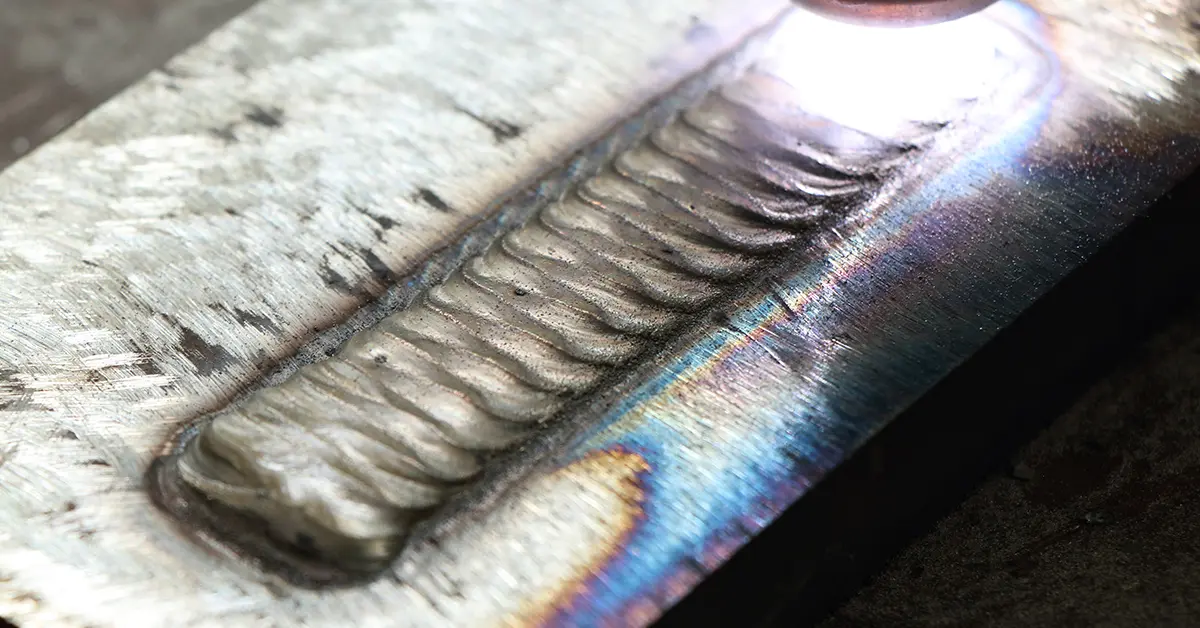
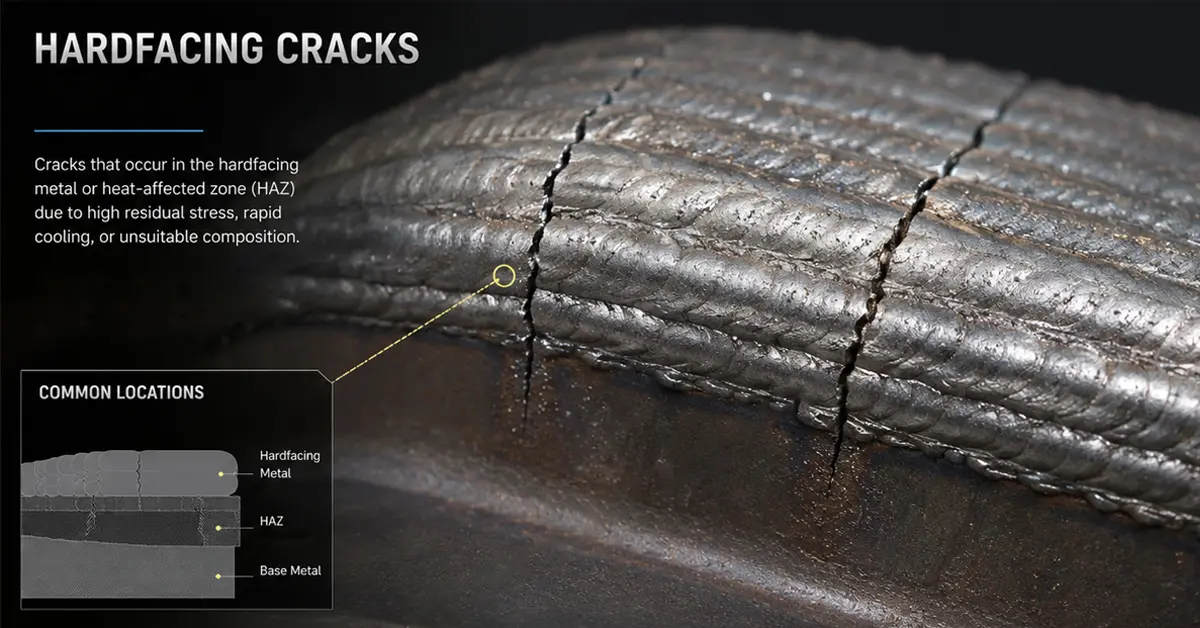
"In industries such as Oil & Gas, Mining, Power Generation, Cement, and Heavy Equipment Manufacturing, hardfacing is no longer just a repair process. It has become a critical technology directly related to equipment lifespan, downtime costs, and maintenance intervals."
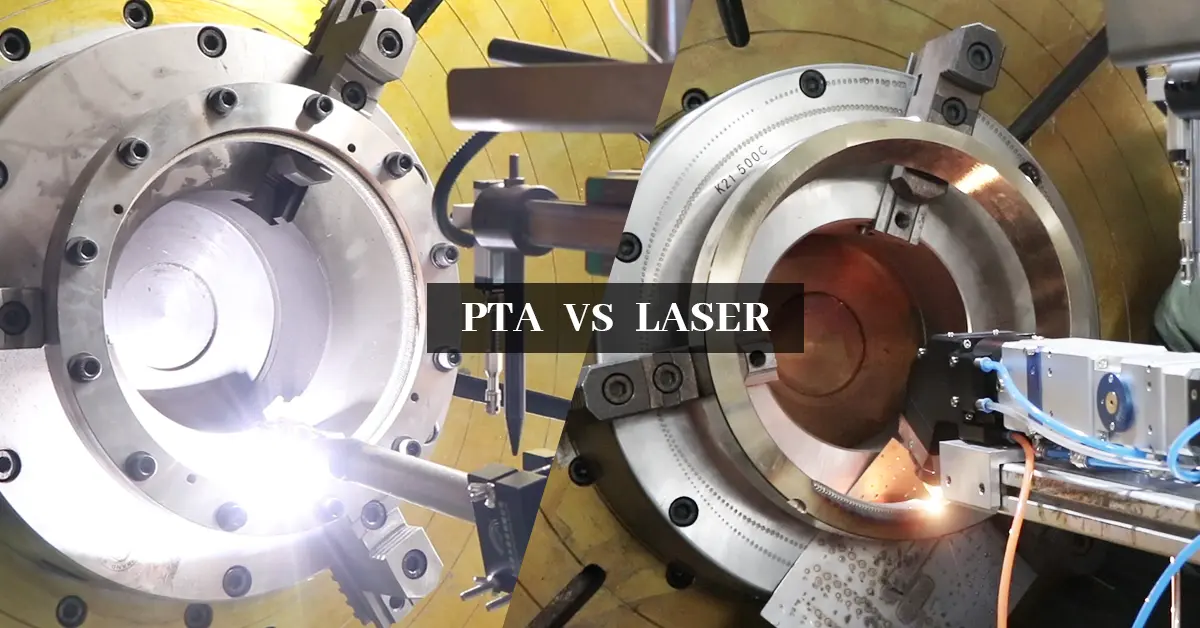
Get answers to critical metallurgical, operational, and supply-chain inquiries regarding advanced welding automation.
Complete your production setup with high-precision tungsten calibrators, specialized bore welding torches, and robust plasma nozzles.







For inquiries about our products or pricelist, please leave your contact details below and we will be in touch within 24 hours.
 Duomu
Duomu