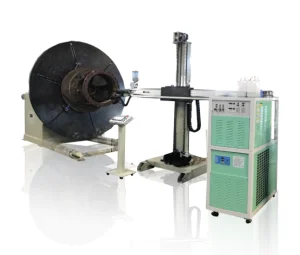
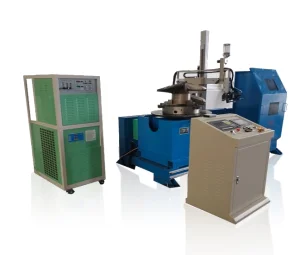
High-efficiency, custom-engineered Plasma Transferred Arc (PTA) systems tailored for Western Australian industrial specifications.
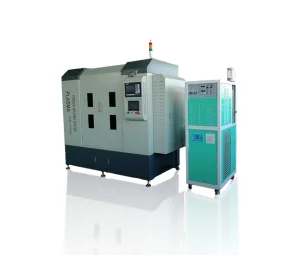
Whitepaper Analysis: Extending component lifespans in the world’s most demanding abrasive environments.
Perth, the capital of Western Australia, stands as the global nerve center for the extraction of iron ore, gold, lithium, and liquefied natural gas (LNG). The Pilbara region and the Goldfields host some of the most punishing abrasive environments on Earth. In these zones, heavy machinery is subjected to extreme geological friction, impact, and high-stress wear.
Traditional wear-protection methods, such as standard hardfacing or mechanical wear plates, often fail to meet modern efficiency KPIs. This is where Plasma Transferred Arc (PTA) welding enters the picture. PTA welding allows mining operators and mineral processing facilities in Kwinana, Henderson, and Welshpool to deposit high-density alloy formulations—such as Tungsten Carbides (NiWC) and Cobalt-based alloys (Stellite)—with dilution rates under 5%, significantly outperforming traditional MIG/TIG processes.
On a global scale, the surfacing and cladding market is undergoing a rapid transition toward automated, high-precision thermodynamic deposition. The integration of robotic arms and multi-axis CNC positioners has transformed PTA welding from a manually dependent repair tool into a fully automated, repeatable additive manufacturing technology.
Locally, Perth workshops are adopting automated PTA gantry and robotic systems to address severe labor shortages and combat escalating operational downtime costs. A single hour of unplanned downtime on a Pilbara iron ore conveyor system or an offshore gas platform can incur losses exceeding hundreds of thousands of dollars. Automated PTA systems represent a strategic shift toward preventative maintenance and local remanufacturing capacity.
Information Gain Metric: While laser cladding offers thinner overlays with minimal heat input, PTA cladding remains the undisputed industry standard for heavy-duty applications requiring thick deposit layers (2mm to 8mm+) of coarse Tungsten Carbide particles without fracturing the matrix. PTA's metallurgical bond boasts superior shear strength compared to mechanical overlays, making it ideal for high-impact mining applications.
Low Dilution Rate
Max Deposit Hardness
Component Lifespan Extension
Metallurgical Bond Integrity
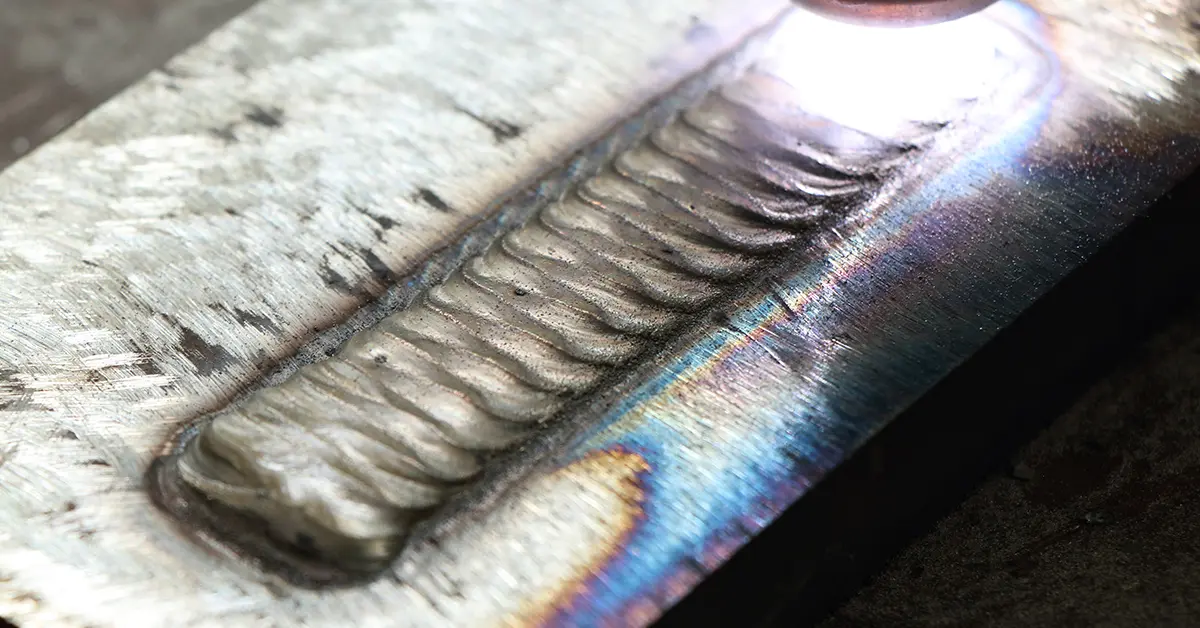
Plasma Transferred Arc (PTA) welding utilizes a constricted, high-density arc focused through a copper nozzle to melt both the base metal surface and an injected alloy powder. Unlike standard Gas Tungsten Arc Welding (GTAW) or Gas Metal Arc Welding (GMAW), the PTA arc is extremely concentrated, allowing precise control over energy input.
This focused heat minimizes the dilution zone—the boundary layer where the substrate metal mixes with the cladding alloy. In standard hardfacing, dilution can reach up to 25%, which degrades the protective properties of the cladding material. With PTA, the dilution is consistently kept under 5%, ensuring that the deposited alloy retains its pure metallurgical composition (e.g., maximum carbide concentration) right from the first layer.
At present, the company's products have penetrated into many fields such as aerospace military industry, nuclear power, petrochemical industry, coal mines, metallurgy and forging, agriculture, water conservancy and electric power, etc.



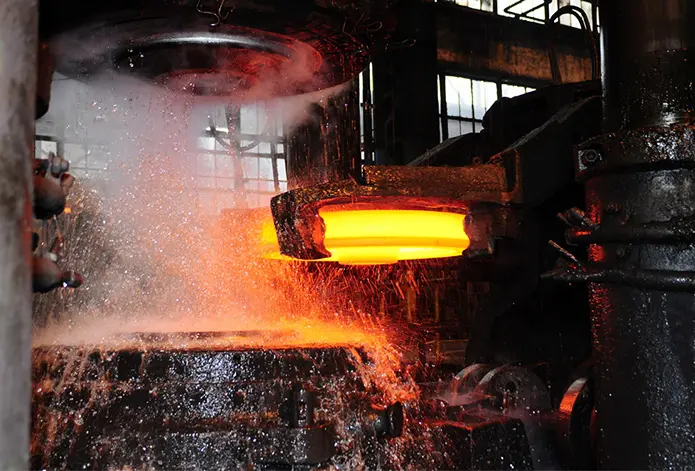
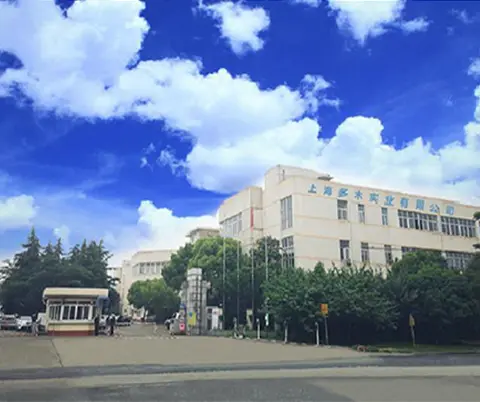
Shanghai Duomu has been a leading manufacturer and exporter of PTA cladding machine and Laser cladding machine for more than ten years with a strong technical background. Our systems are engineered to withstand the harshest environments globally, ensuring exceptional metallurgical bonding, minimized thermal distortion, and prolonged machinery lifecycles.
Get in TouchWe host an independent R&D team which develops, produces and sells plasma cladding machine equipment. Our welding machines exhibit stable performance and are engineered to maintain efficient, long-term operation under heavy industrial cycles.
In addition, the laser cladding equipment sold by our company effectively supports large-scale remanufacturing projects. We offer mature technological means and years of application experience to deliver complete sets of turn-key industrial equipment solutions.
Request a Custom Proposal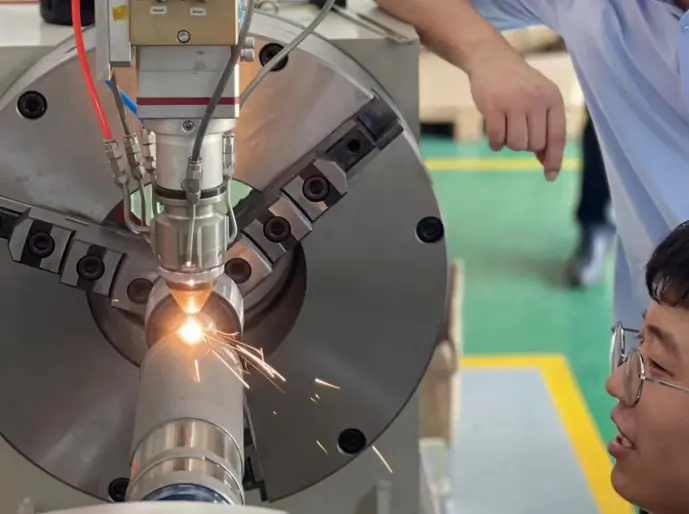
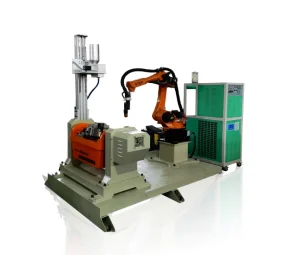
We provide customized equipment, automatic laser cladding systems, automatic plasma cladding machines, and intelligent robotic surfacing lines configured to precise customer parameters.
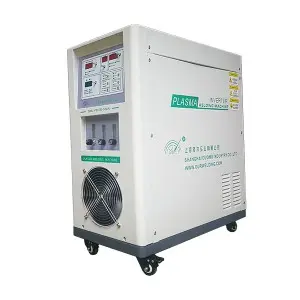
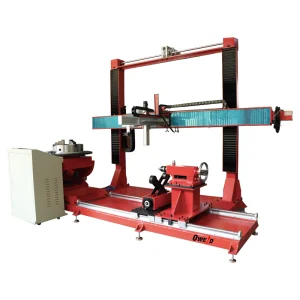
High precision deposition system designed for rapid surfacing of wear surfaces.
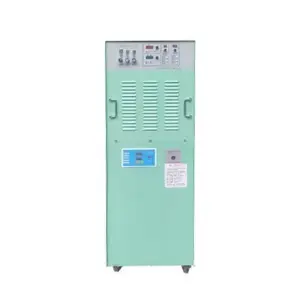
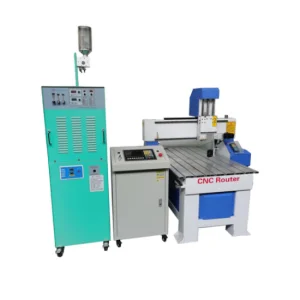
Versatile and multi-purpose systems for workshops handling multiple job sizes.
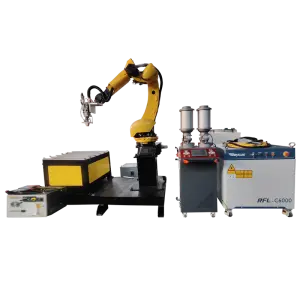
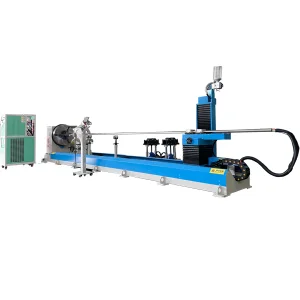
Advanced laser optical heads offering ultra-thin, precise surface coating.
The future of heavy-industry cladding is automated, data-driven, and highly integrated.
Modern PTA welding processes are transitioning from static manual setup parameters to intelligent real-time Closed-Loop control systems. By using thermal imaging cameras and optical emission spectroscopy, our systems monitor the weld pool dynamics in real time. If the system detects a shift in the dilution rate or cooling rate, it automatically modifies current, travel speed, or powder feed rates to maintain consistent carbide distribution.
Engineers no longer have to choose between laser cladding and PTA. The industry is trending toward hybrid production stations that integrate both heads. Laser cladding is deployed for sensitive, high-precision geometry borders, while PTA is switched on for high-deposition, structural wear plates.
The development of new Fe-based and Ni-based nano-crystalline powder formulas is allowing high-wear components to perform optimally at much higher temperatures. In applications such as mining operations and gas turbine repair, these powders generate an extremely dense microstructure that prevents microscopic crack propagation even under extreme continuous stress.
Did you know? Transitioning from manual arc hardfacing to automated robotic PTA systems reduces material consumption of expensive cobalt powders by up to 35% through optimal cladding thickness consistency.
A complete lineup of professional-grade automated plasma cladding, manipulator positioners, and custom valve surfacing machinery.
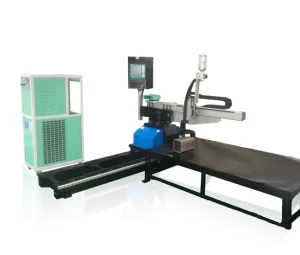
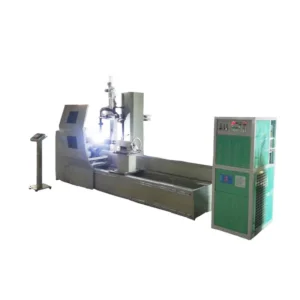
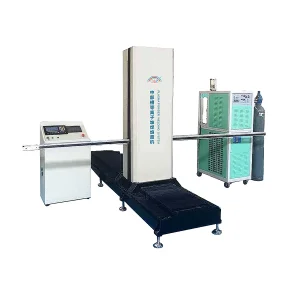
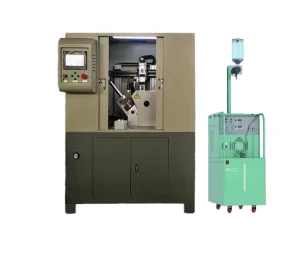
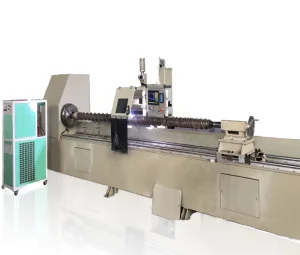
Technical articles covering dilution rate control, conveyor flight hardfacing, and industrial valve applications.
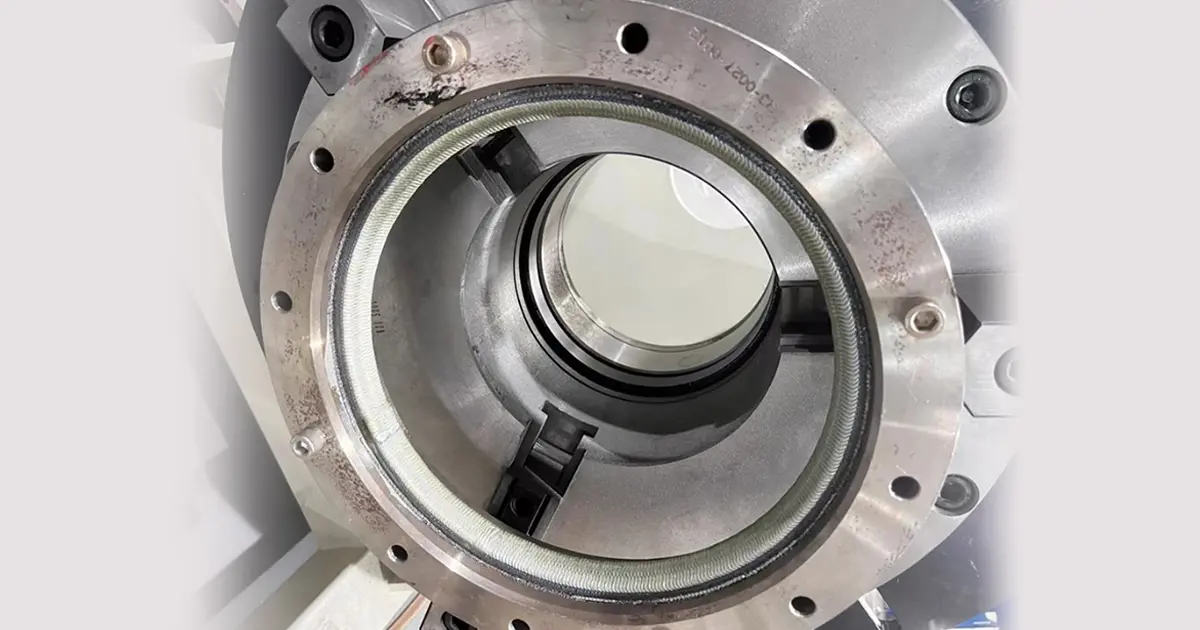
"The PTA Welding Valve Application Guide is not just a process choice for valve manufacturers facing high wear, high corrosion, and high-temperature erosion working conditions, but also a key path to improving product competitiveness..."
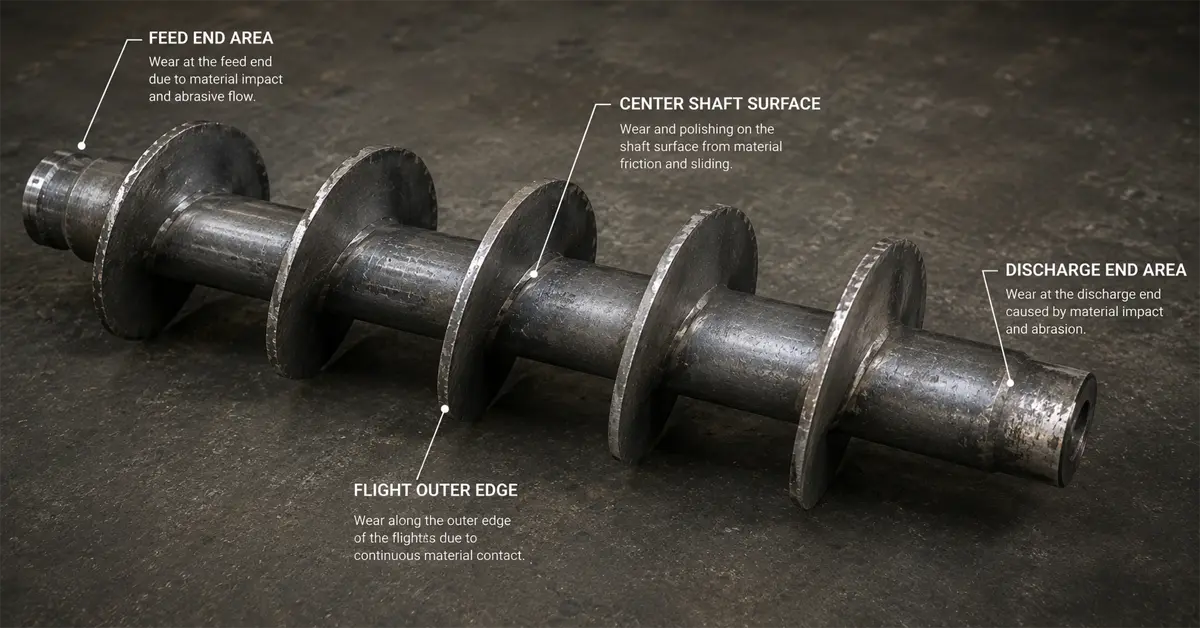
"In industries such as mining, cement, power generation, steelmaking, chemical processing, and biomass energy, screw conveyors are often regarded as auxiliary equipment. However, maintenance data shows that they are among the most frequent causes of unplanned production..."
"In Plasma Transferred Arc (PTA) hardfacing, achieving a high-quality overlay is not only about selecting the right alloy powder or optimizing welding parameters. One of the most critical factors that directly affects overlay performance is the dilution rate..."




Technical insight and practical engineering answers regarding PTA welding systems and applications in Perth's resource sector.
 Duomu
Duomu