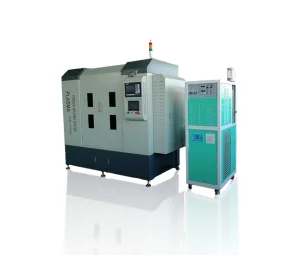
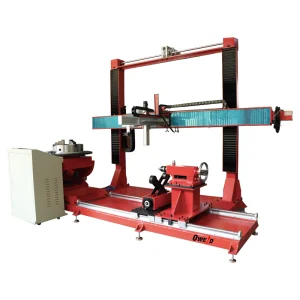
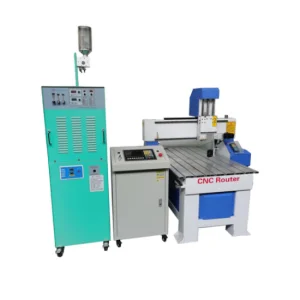
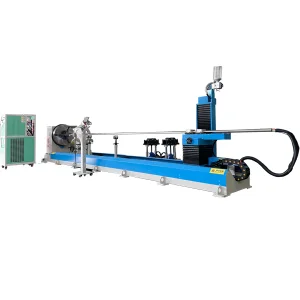
Industrial grade automated plasma transferred arc and cladding systems configured for mining, processing, and agricultural machinery restoration throughout Rwanda.
Rwanda, often recognized as one of East Africa's fastest-growing industrial hubs, is currently undergoing a massive transformation across its infrastructure, manufacturing, and extractive sectors. Under the national economic development strategy, local manufacturing plants, mining concessions in Rutongo and Mwirenge, and agricultural operations are prioritizing mechanical efficiency. Rapid urbanization and mining activities necessitate high-wear processing tools. Machinery parts face intense friction, abrasion, and thermal impact, driving up operating costs due to spare parts import dependency.
Plasma Transferred Arc (PTA) welding has emerged as a key technology to address this. By applying a metallurgical wear-resistant alloy coating onto low-alloy or carbon steels, local operators can extend component lifespans by up to 300% to 500%. This not only cuts down on importing costly replacement parts but also minimizes operational downtime in crucial industries.
High import tariffs, long lead times for specialized steel castings, and harsh tropical operating conditions lead to premature failure of industrial components. PTA welding allows for in-country remanufacturing of valves, mining cutters, and conveying screws.
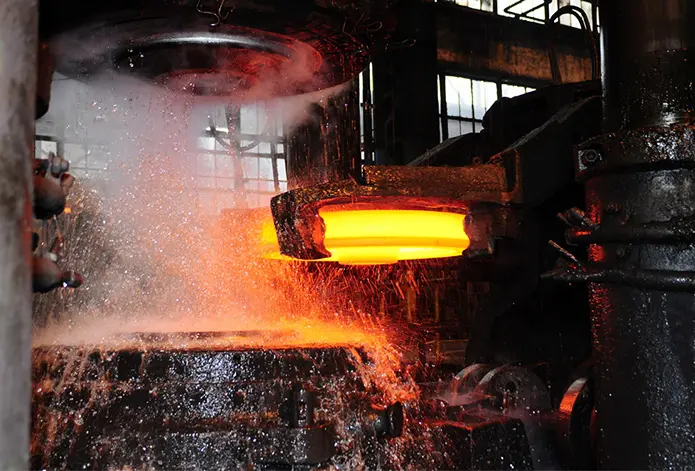
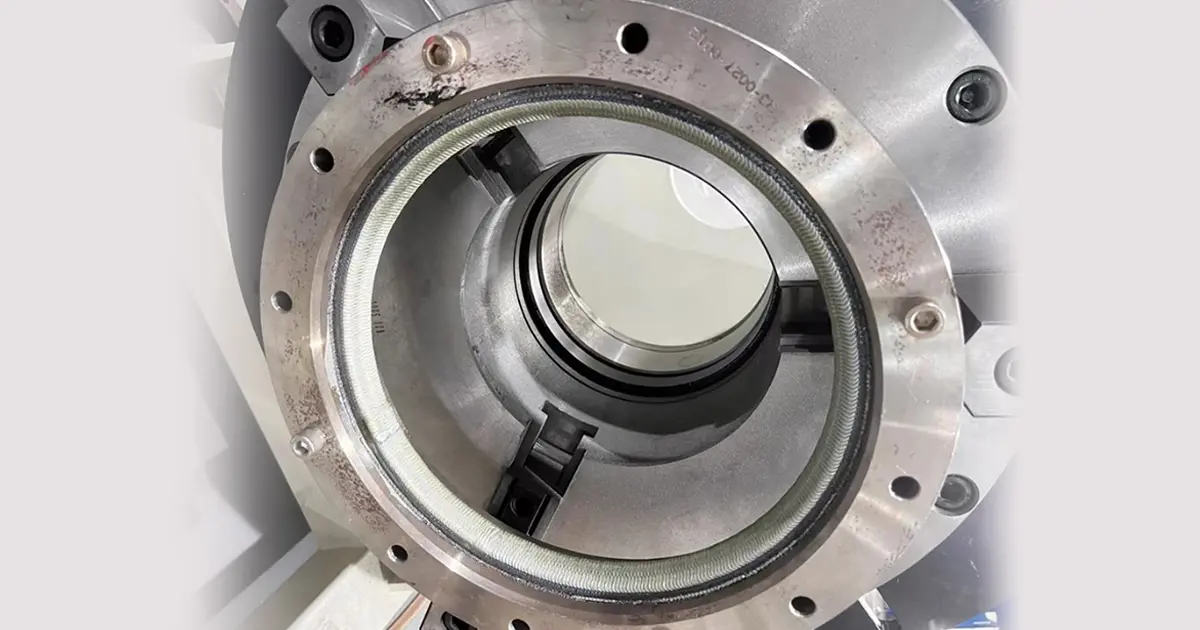
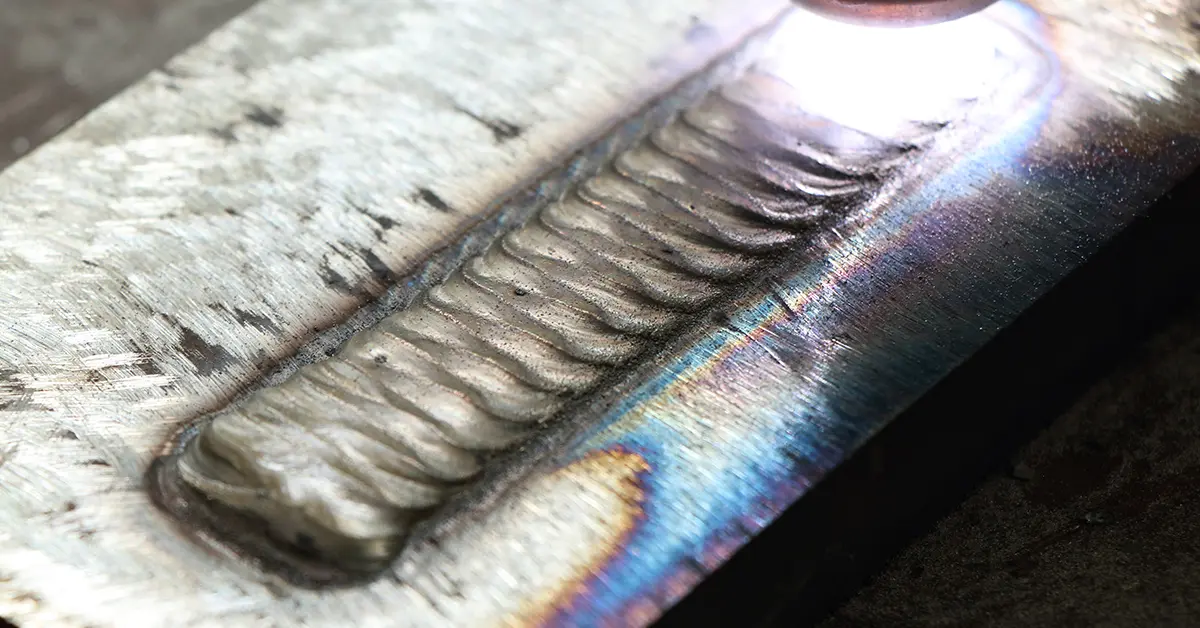
Figure 1: High-wear metallurgical component restored using Shanghai Duomu automated PTA cladding system.
Understanding dilution rates, deposition efficiency, and metallurgical bonding to optimize hardfacing investment return.
For operations assessing surfacing methods, comparing Plasma Transferred Arc (PTA) and Laser Cladding involves examining mechanical application requirements, material deposition rates, and capital expenditure. Both methods offer distinct advantages depending on the application context.
PTA is a thermal surfacing process that utilizes a constricted plasma arc to melt the surface of the base material and a powder-form filler alloy. The process offers a high deposition rate (up to 10 kg/hr or more) and creates a metallurgical bond with low base-metal dilution (typically between 5% and 10%). PTA is highly effective for thick-layer overlays (1.5mm to 6.0mm per pass), making it a preferred choice for heavy industrial machinery operating under high impact and high-abrasion environments, such as mining scrapers, cement crushers, and agricultural conveyor screws.
Laser Cladding uses a concentrated laser beam as the heat source to melt the cladding powder and a thin layer of the substrate. The concentrated heat input results in a minimal Heat Affected Zone (HAZ) and very low dilution (often under 5%). This technique is suited for thin-layer, precision coatings (0.5mm to 2mm) on critical components where distortion must be avoided, such as turbine blades, hydraulic piston rods, and high-spec chemical valves.
| Performance Parameter | Plasma Transferred Arc (PTA) | Laser Cladding (LC) | TIG Hardfacing (Reference) |
|---|---|---|---|
| Deposition Rate | High (2.0 – 12.0 kg/h) | Moderate (1.0 – 5.0 kg/h) | Low (0.5 – 2.0 kg/h) |
| Dilution Rate | 5% – 10% (Controlled) | 2% – 5% (Minimal) | 15% – 25% (High) |
| Metallurgical Bond Strength | Excellent (>400 MPa) | Excellent (>420 MPa) | Good (Dilution affected) |
| Heat Affected Zone (HAZ) | Medium | Very Small / Negligible | Large |
| Equipment & Running Cost | Cost-effective setup and maintenance | High investment and maintenance | Low entry cost, high labor cost |
At present, the company's products have penetrated into many fields such as aerospace military industry, nuclear power, petrochemical industry, coal mines, metallurgy and forging, agriculture, water conservancy and electric power, etc.



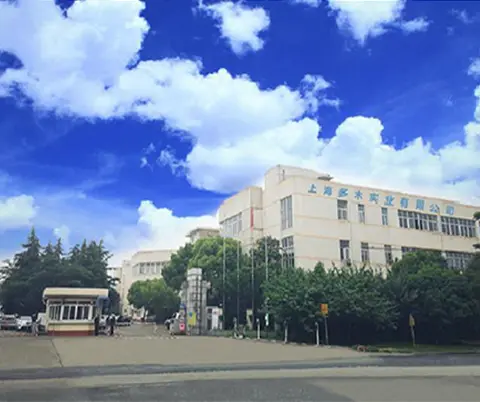
Shanghai Duomu has been a leading manufacturer and exporter of PTA cladding machine and Laser cladding machine for more than ten years with a strong technical background. We specialize in producing reliable, automated hardfacing systems tailored to meet challenging operating conditions worldwide.
Our engineering division designs industrial wear solutions for components operating in high-abrasion environments. By combining automated plasma torches, multi-axis motion controls, and powder-feeding systems, we supply manufacturing operations with the tooling required to extend part life, reduce downtime, and lower operating costs.
We maintain an independent R&D team that designs, produces, and supports plasma cladding equipment. Our welding systems are configured to support stable, continuous operation under high-duty cycle industrial conditions. Additionally, the laser cladding equipment we build supports component rebuilding and surface modification projects. We deliver turnkey industrial equipment packages configured for specific production requirements.
For custom manufacturing requirements, we design automated laser cladding configurations, plasma cladding cells, and robotic positioning units. These setups are tailored to handle specific workpieces like hydraulic cylinder shafts, oil field screw drives, and chemical processing valves.
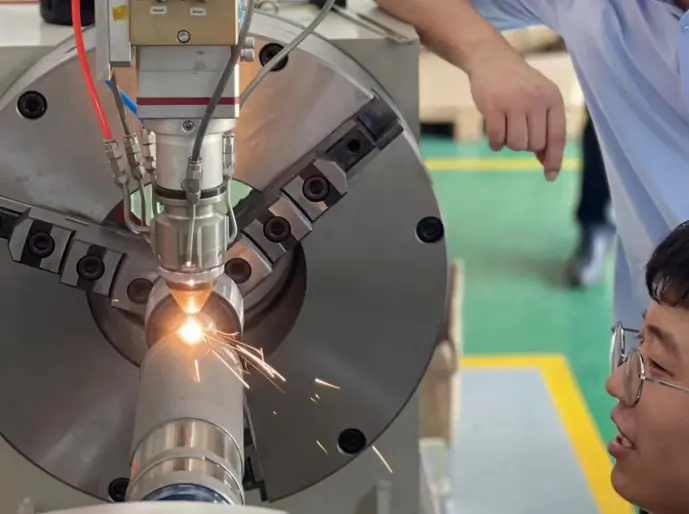
Configured surfacing systems engineered to support local production and reduce spare part imports.
Rwanda's mineral sector, focusing on coltan, wolfram, and cassiterite extraction, relies heavily on excavator bucket teeth, rock drills, and conveying systems. Hardfacing these components with tungsten carbide-reinforced alloys prevents premature wear caused by contact with hard rock formations.
In coffee, tea, and sugarcane processing facilities, screw presses, shredders, and blending paddles experience continuous abrasive wear from organic matter and abrasive particles. PTA surfacing deposits nickel-chromium alloys to protect processing machinery from corrosion and mechanical wear.
Water distribution networks, processing plants, and manufacturing facilities rely on industrial control valves. Restoring worn sealing faces using cobalt-based alloys (Stellite) restores seal integrity, saving components from disposal and reducing system down-time.
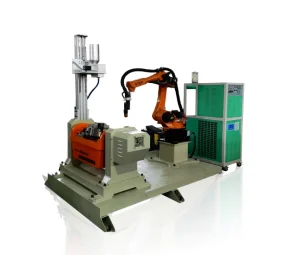
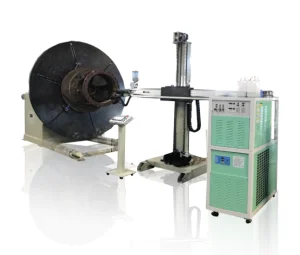
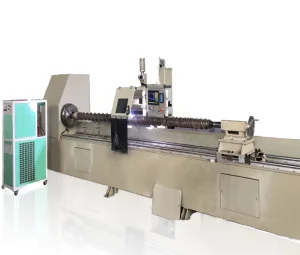
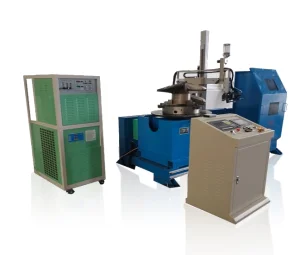
We provide customized equipment, automatic laser cladding equipment, automatic plasma cladding equipment, intelligent robot cladding equipment, etc. according to customers' requirements, including special equipment in the industry, such as hydraulic rod cladding machine, pick cladding machine, valve cladding machine, etc.
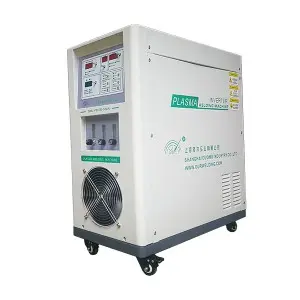
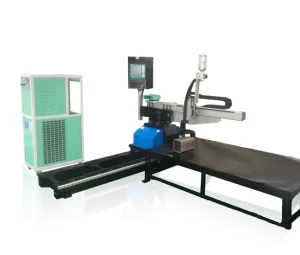
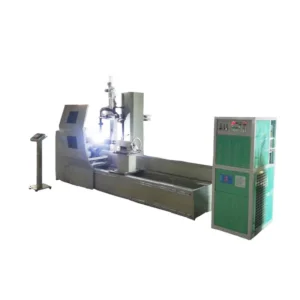
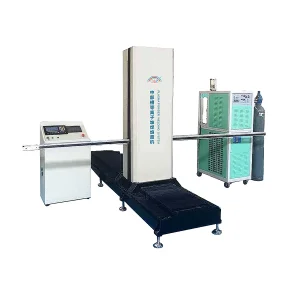
Designed for high-precision alloy powder deposits on circular and flat substrates.
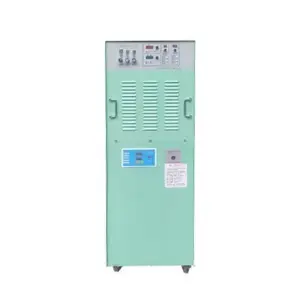
Versatile platform configuration supporting both automatic circular welding and linear seam surfacing.
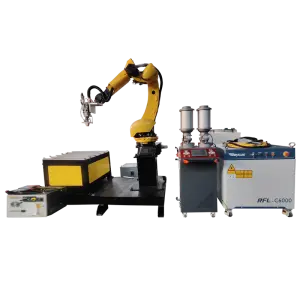
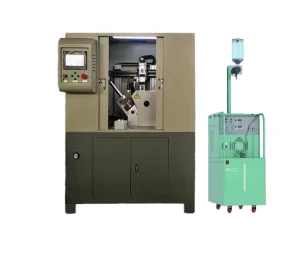
Delivers high-precision repair of turbine blades and complex mechanical profiles.
How Shanghai Duomu is integrating automation, sensor systems, and closed-loop control to optimize wear protection performance.
Future automated PTA surfacing stations will integrate optical pyrometers and infrared thermal cameras. These components monitor the weld pool temperature in real-time, automatically adjusting travel speed and arc current to maintain consistent bead height and prevent substrate heat build-up. This is particularly valuable when processing heat-sensitive tool steels.
By incorporating 3D laser scanning systems into our robotic cladding cells, the system scans worn components, compares the geometry against CAD models, and automatically calculates the optimal deposition path. This enables efficient component repair with minimal programming overhead.
Our research and development division continues to develop specialized wear alloys. By adjusting the concentration of titanium diboride (TiB2) and niobium carbide (NbC) within cobalt and nickel matrix powders, we provide wear-resistant coatings designed for severe operating conditions.
Send us your component drawings and operating criteria, and our engineering team will provide a process and alloy recommendation.
Inquire NowRead review excerpts detailing how PTA surfacing technology addresses wear challenges in real-world applications.
"The PTA Welding Valve Application Guide is not just a process choice for valve manufacturers facing high wear, high corrosion, and high-temperature erosion working conditions, but also a key path to improving product competitiveness..."
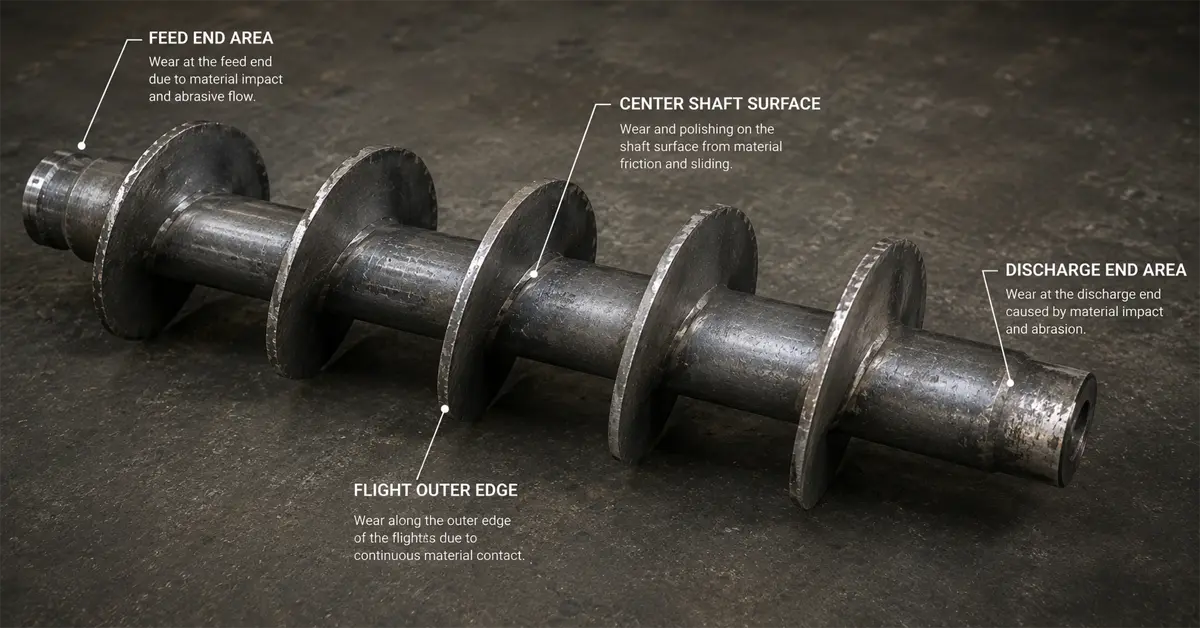
"In industries such as mining, cement, power generation, steelmaking, chemical processing, and biomass energy, screw conveyors are often regarded as auxiliary equipment. However, maintenance data shows that they are among the most frequent causes of unplanned production down-time..."
"In Plasma Transferred Arc (PTA) hardfacing, achieving a high-quality overlay is not only about selecting the right alloy powder or optimizing welding parameters. One of the most critical factors that directly affects overlay performance is the dilution rate..."








Technical guidance and logistics answers for sourcing industrial PTA welding systems in Rwanda and East Africa.
Our standard industrial PTA systems are configured for three-phase AC power supplies (typical configurations include 380V/400V/415V, 50Hz/60Hz). During installation design, our engineering team works with local operations to match the system configuration to local power supply stability and load capacity.
For extreme abrasive wear, tungsten carbide blends within a nickel or cobalt matrix are recommended. This composition provides high wear resistance while maintaining impact strength to prevent cracking under mechanical stress.
We provide comprehensive remote engineering assistance, detailed installation documentation, and video guidance. We also offer on-site technician deployment options for installation, parameter tuning, and operator training to support reliable operation.
Lead times depend on the level of customization required, typically ranging from 45 to 75 days. This allows for assembly, software configuration, and testing before shipping to East African ports like Dar es Salaam or Mombasa, followed by overland transport to Kigali.
Select from our range of automated plasma cladding, robotic arm positioners, and dedicated wear-resistant welding machines.
Contact our engineering team to select and configure hardfacing equipment matching your production requirements.
Send Inquiry Now Duomu
Duomu