Advanced hardfacing machines designed to withstand extreme industrial wear and corrosion across New Zealand's infrastructure sectors.
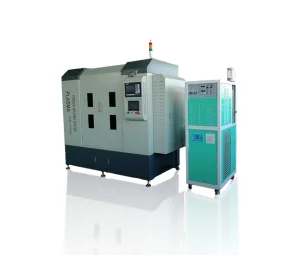
Automatic plasma cladding system designed for maximum wear protection on cutting picks in NZ mining and construction sectors.
View Specifications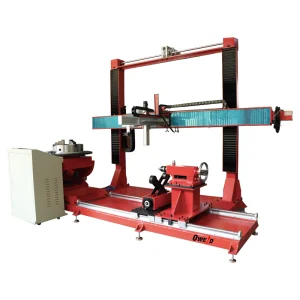
Double-column gantry welding system for oversized industrial wear plate cladding and structural components.
View Specifications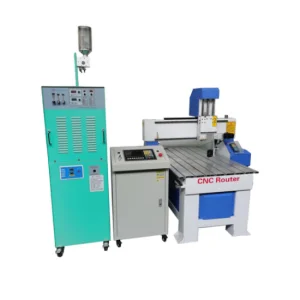
Planar plasma surfacing system engineered for high-precision flat-surface hardfacing overlays.
View Specifications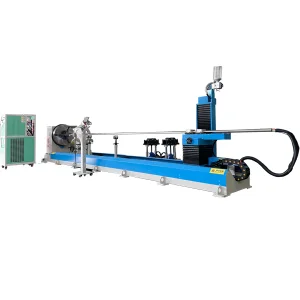
Double-cone injection molding machine barrel inner-wall surface protection system utilizing PTA technology.
View SpecificationsIn New Zealand's robust industrial sectors, mechanical degradation due to severe abrasion, thermal loading, cavitation, and aggressive corrosion constitutes a significant driver of unplanned downtime and financial loss. From the geotectonic geothermal fields of Rotorua and Taupo to the vast agricultural pastures of Canterbury, mechanical components operate under taxing environmental and workload parameters.
This whitepaper details how Plasma Transferred Arc (PTA) welding and Laser Cladding systems represent a paradigm shift. Unlike traditional thermal spraying or standard arc welding techniques, these systems deposit highly metallurgical-bonded overlays with minimal dilution and heat input. The result is structural longevity, lowering the Total Cost of Ownership (TCO) for local operations in forestry, agriculture, geothermal energy, and maritime infrastructure.
How PTA welding addresses specific microclimates and heavy industrial stressors in NZ's primary sectors.
Soil tillage, earth-moving machinery, and timber processing equipment in areas like Bay of Plenty and Canterbury suffer intense soil abrasion and impact. Traditional alloy tools wear out rapidly, leading to frequent tooling changes. PTA overlaying using tungsten carbide (WC-Ni) powders extends tool edges significantly.
Geothermal operations in Taupo Volcanic Zone involve high-temperature, highly corrosive fluids loaded with dissolved silica and sulfides. Control valves, turbine blades, and geothermal drilling accessories are continuously prone to cavitation-erosion and stress-corrosion cracking. PTA deposition of Stellite alloys or nickel-based superalloys provides the ultimate barrier.
From the alluvial mining operations of Otago to the hard rock quarries across Auckland, heavy conveyor systems, scraper blades, and shredder teeth take severe mechanical damage. Our automated gantry and robotic PTA systems allow factories to rebuild these heavy components locally, eliminating the long supply chains of raw materials.
Broad-spectrum integration into mission-critical heavy industrial sectors globally and locally in NZ.



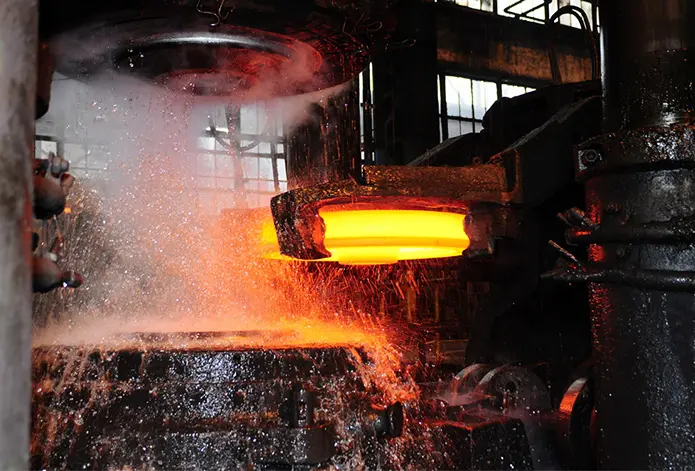
A technical guide to alloy deposition technologies for manufacturing engineers and project leads.
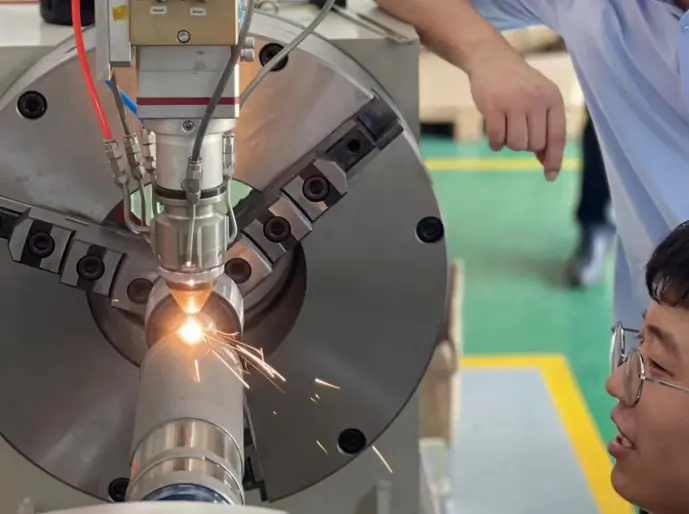
Both Plasma Transferred Arc (PTA) and Laser Cladding are advanced cladding technologies that utilize a high-density energy source to melt a metal powder and a thin surface layer of the substrate material. This creates a true 100% metallurgical bond, far superior to the mechanical bonding of thermal spray coatings (like HVOF).
Plasma Transferred Arc (PTA): Excellent for heavy-duty, thick overlays (1.5mm to 6.0mm per pass). PTA offers extremely high deposition rates (up to 8 kg/hr or more) and lower capital equipment costs compared to laser systems. It is the premier choice for large wear plates, industrial valves, and mining screw flights where substantial protection layer thickness is required.
Laser Cladding: Optimal for high-precision, low-heat input applications where thermal distortion must be strictly minimized. The heat-affected zone (HAZ) is very small, and dilution rates can be controlled below 3%. Recommended for complex geometry parts, high-value components (e.g. marine motor shafts, gas turbine blades), or thin-walled cylinders.
Consult an Engineer on Technology ChoiceExplore our targeted product range of high-performance plasma surfacing systems, robot positioners, and heavy-duty automatic cladding machinery.
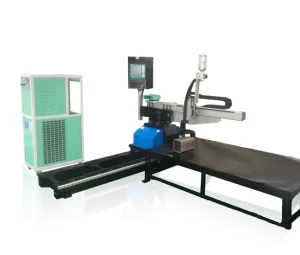
Robust cantilever structure designed to surface large shafts, rolls, and asymmetric wear components.
Explore Product Details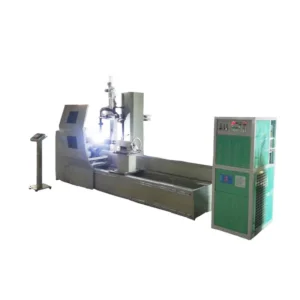
Targeted automatic plasma cladding system for hydraulic rods, pistons, and marine shafts.
Explore Product Details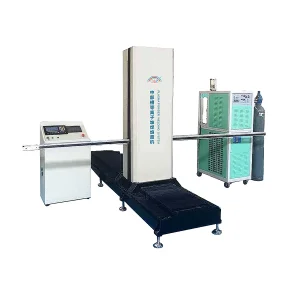
Specialized automatic PTA surfacing system tailored for mining middle groove scraper conveyors.
Explore Product Details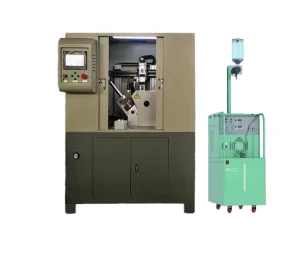
Precision circular plasma cladding equipment optimized for petrochemical and geothermal valve seats.
Explore Product Details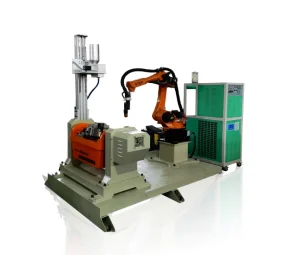
6-axis robotic arm integrated with a high-accuracy plasma power source for complex shapes cladding.
Explore Product Details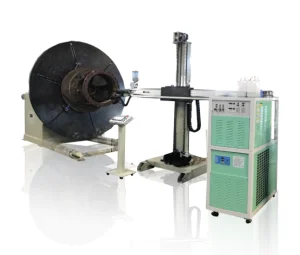
Smart robotic manipulator and multi-axis tilting positioner for seamless automated welding paths.
Explore Product Details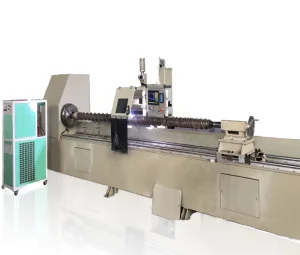
High-speed automatic screw welding system, perfect for wood processing and agricultural conveyors.
Explore Product Details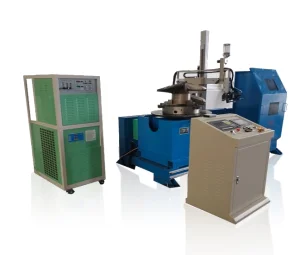
Heavy-duty automatic cladding system specifically optimized for high-wear clay extruder screws.
Explore Product DetailsBridging global manufacturing excellence with local New Zealand technical and regulatory standards.
Deploying state-of-the-art cladding equipment requires seamless compatibility with localized engineering practices and industrial compliance regulations. Our systems are manufactured to meet CE safety directives and are ready to be integrated according to standard NZ work safety profiles, including electrical safety checks (AS/NZS 3760) and pressure vessel welding regulations where required.
Our technical team offers comprehensive support, including:
We maintain a streamlined logistical pipe to New Zealand ports (Auckland, Lyttelton, and Tauranga). All machines are packaged in export-grade, anti-rust vacuum-sealed wooden cases to protect sensitive high-power electronics and high-frequency components from sea-air corrosion.
Our PTA systems feature adjustable gas-flow powder feeders that accommodate a vast range of particle sizes (typically 50–150 microns). We coordinate with local alloy powder distributors in NZ to ensure you have a steady supply of Cobalt, Nickel, and Iron-based hardfacing powders.
Looking ahead into automated smart factories and green industrial initiatives.
As New Zealand industries shift towards digital manufacturing, our R&D efforts focus on integrating intelligent sensors and vision systems. The goal is automated wear detection and self-adjusting path generation. By using laser scanning, our robotic PTA systems can automatically scan a worn component (e.g. a worn screw conveyor flight), generate a precise CAD model of the wear patterns, and program the optimal path to rebuild the worn areas back to nominal dimensions.
This closed-loop system virtually eliminates manual programming errors and provides highly consistent hardfacing results, maximizing safety and productivity.
The manufacturing and delivery of brand-new heavy industrial steel parts generate massive CO2 footprints. By utilizing PTA cladding to rebuild surfaces, companies save up to 85% of the raw material mass. Rebuilding a geothermal steam valve or a timber chipper shaft requires only a few kilograms of alloy powder, rather than casting and machining a whole new part. This matches the environmental values of New Zealand's Clean Green initiative and actively supports national sustainability goals.
Insights from our application guides and technical field experience.
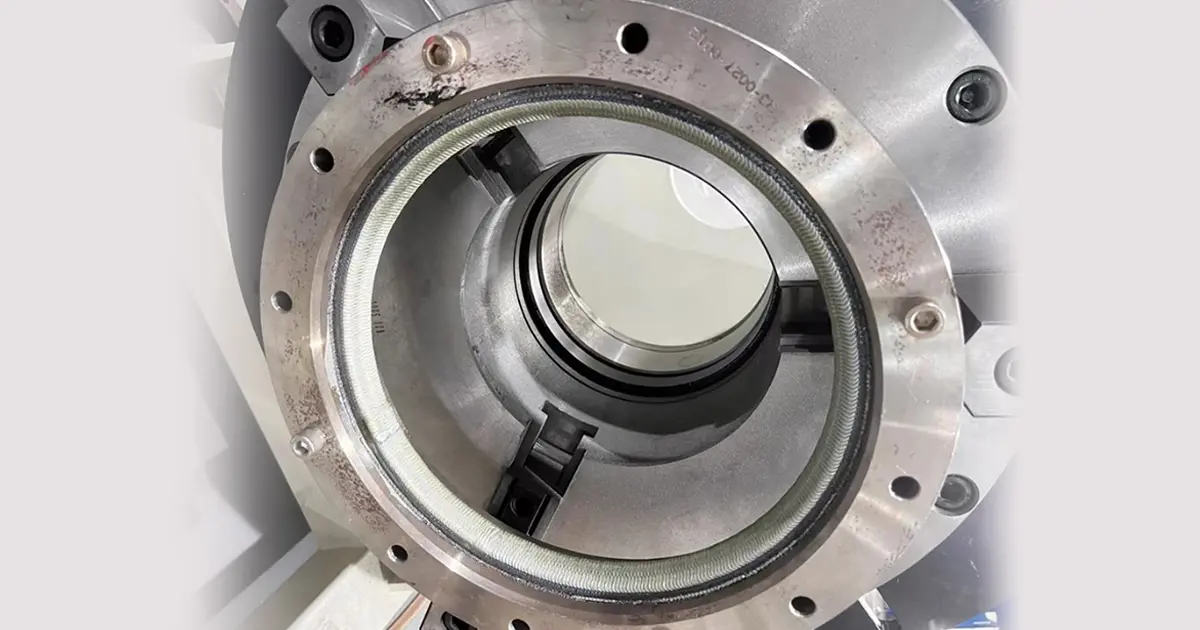
"The PTA Welding Valve Application Guide is not just a process choice for valve manufacturers facing high wear, high corrosion, and high-temperature erosion working conditions, but also a key path to improving product competitiveness. As industries such as petrochemical..."
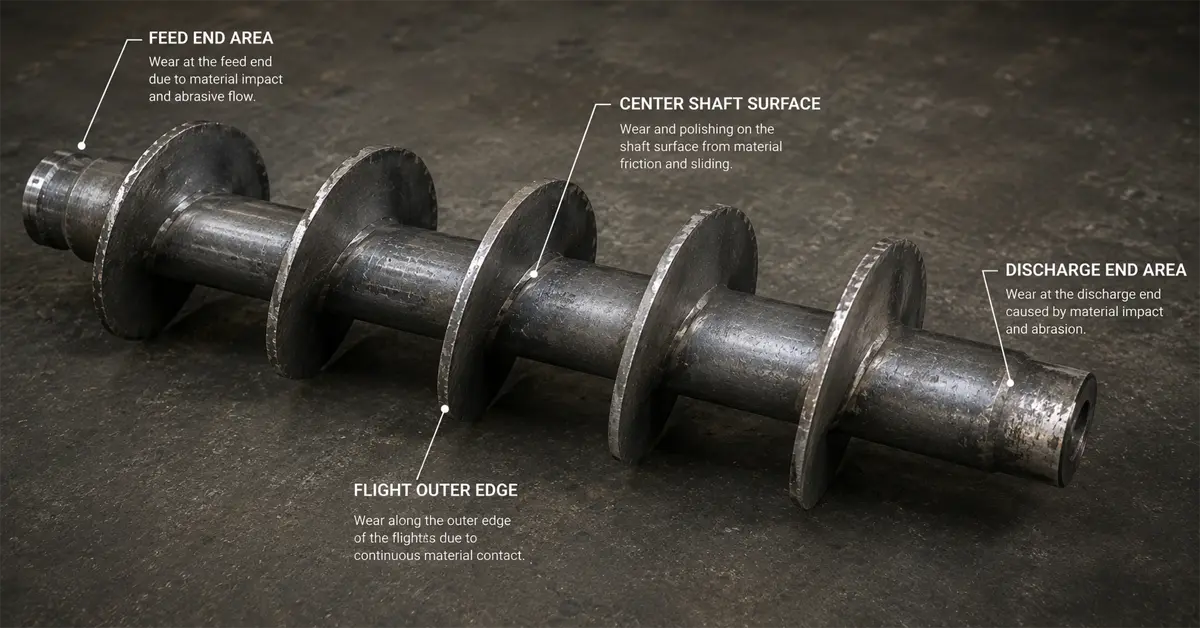
"In industries such as mining, cement, power generation, steelmaking, chemical processing, and biomass energy, screw conveyors are often regarded as auxiliary equipment. However, maintenance data shows that they are among the most frequent causes of unplanned production..."
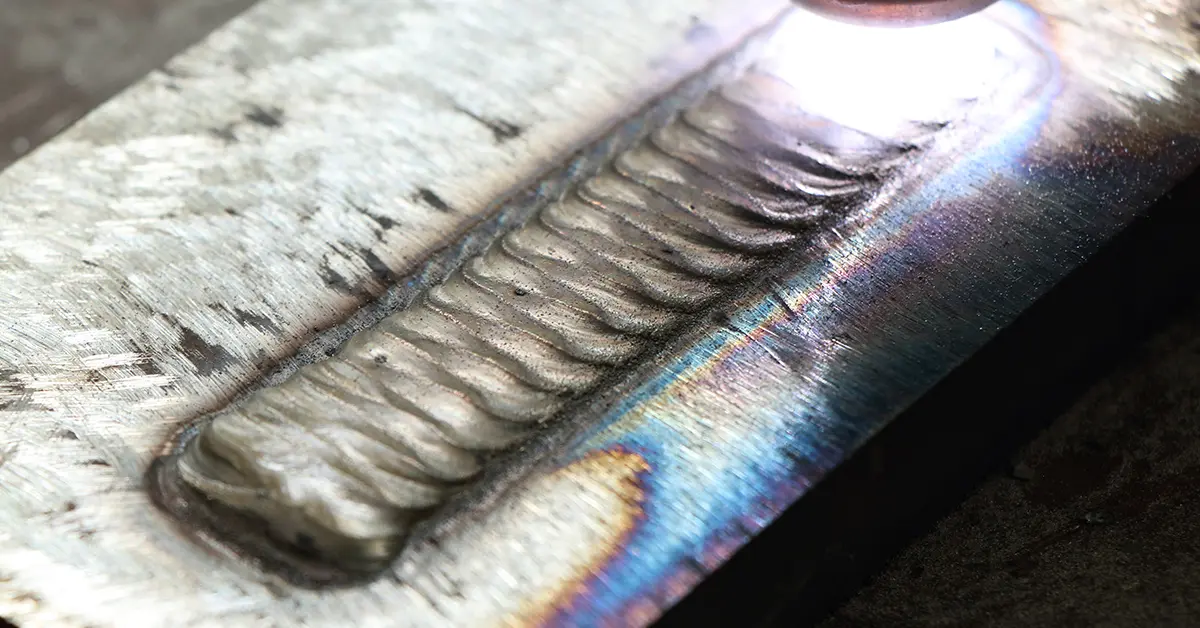
"In Plasma Transferred Arc (PTA) hardfacing, achieving a high-quality overlay is not only about selecting the right alloy powder or optimizing welding parameters. One of the most critical factors that directly affects overlay performance is the dilution rate. Whether you..."
Detailed technical answers for engineering managers and procurement departments in New Zealand.




Reach out to our senior technical team for a custom quote, technical parameters consultation, or details on importing PTA welding machinery directly to your facility in New Zealand.
Send Inquiry Now Duomu
Duomu