Engineered for high-wear environments across New England's top defense, marine, and manufacturing sectors.
Boston and the greater Massachusetts region have long transitioned from historic textile centers into hubs of ultra-high-precision engineering, defense manufacturing, and advanced robotics. The Route 128 technology corridor, combined with deep maritime logistics, chemical processing, and aerospace research facilities, demands wear-resistant coatings of the highest caliber. Traditional cladding systems fail to provide the exactness required by Boston's advanced defense contractors and heavy industrial hubs.
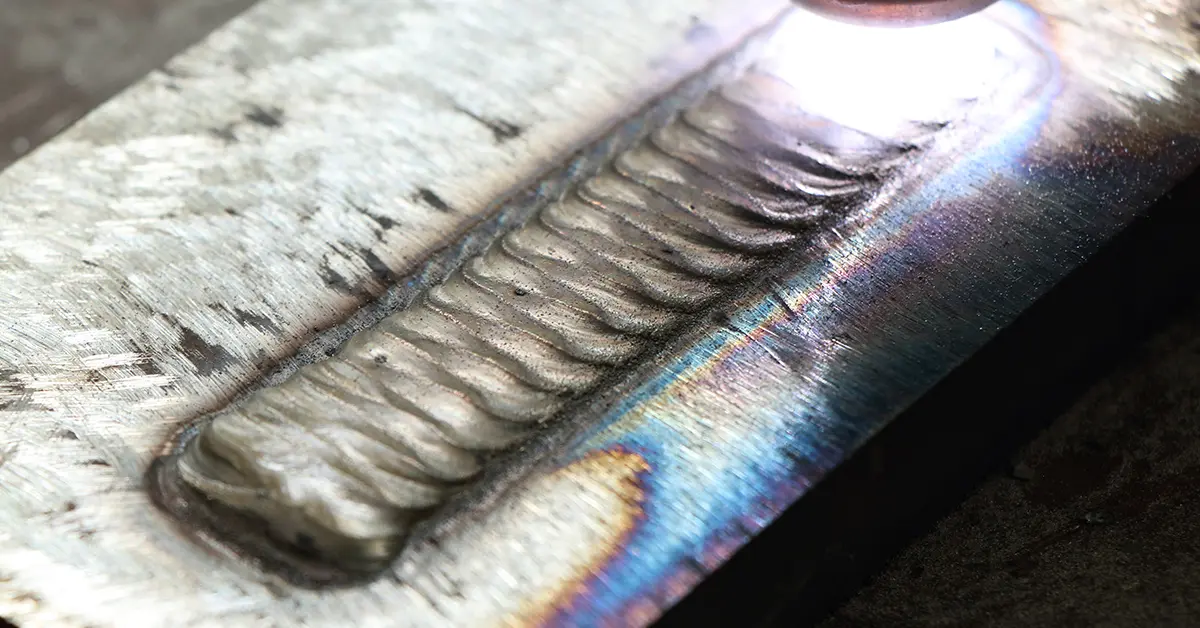
Plasma Transferred Arc (PTA) welding technology stands as a crucial pillar in solving these advanced materials challenges. By depositing high-alloy materials like tungsten carbide, Stellite, and nickel-base formulations with minimal base metal dilution, Boston manufacturers can extend the operational life of heavy components by up to 800%.
To assist procurement engineers and metallurgists in Boston, our research department has structured a comparative overview of Plasma Transferred Arc welding alongside Laser Cladding and High-Velocity Oxygen Fuel (HVOF) thermal spray.
| Performance Metric | Plasma Transferred Arc (PTA) | Laser Cladding | HVOF (Thermal Spray) |
|---|---|---|---|
| Metallurgical Bond Strength | Extreme (>400 MPa) - True Fusion | Extreme (>350 MPa) - True Fusion | Mechanical Bond (<70 MPa) |
| Dilution Rate | 3% to 8% (Highly Controlled) | 1% to 5% | 0% (No melting of substrate) |
| Layer Thickness | 0.5 mm to 6.0 mm (Single Pass) | 0.2 mm to 2.0 mm | 0.1 mm to 1.5 mm |
| Deposition Efficiency | High (Up to 10 kg/hour) | Medium (1.5 - 4.0 kg/hour) | Medium (High overspray) |
| Equipment Cost Factor | Economical / High ROI | Very High (Complex optics) | Moderate |
Conclusion: PTA Welding is the most cost-effective and metallurgical robust technology for thick-coat heavy component protection.
At present, our products have penetrated into many fields such as aerospace military industry, nuclear power, petrochemical industry, coal mines, metallurgy and forging, agriculture, water conservancy and electric power.

Increasing the abrasion resistance of harvest blades, tillers, and planetary gear systems working in extreme soil conditions across North America.

Supporting high-performance turbine blades, gun barrels, and components for Boston's aerospace manufacturing supply chains with low-heat distortion cladding.

Extending downhole stabilizers, mud motor rotors, and drill head valves subjected to chemical erosion and continuous shear stress.
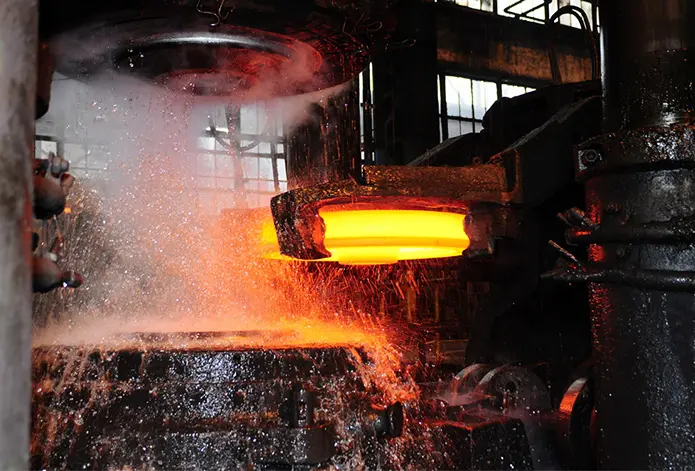
Restoring casting molds, rolling mills, and hot-shears requiring high-temperature durability and wear defense.
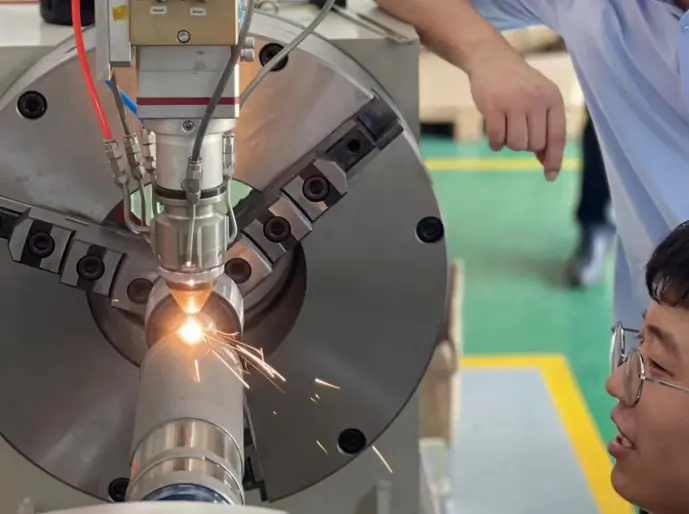
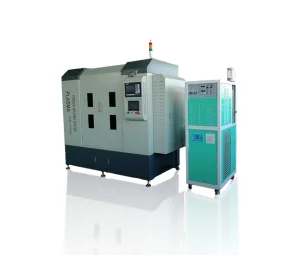
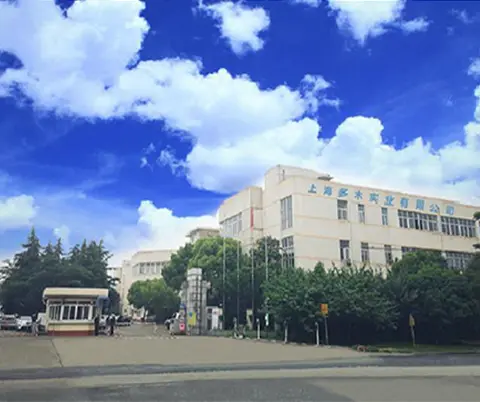
Shanghai Duomu has been a leading manufacturer and exporter of PTA cladding machines and Laser cladding machines for more than ten years with a strong technical background. Our dedicated technological team is focused on helping regional partners in industrial centers like Boston select, implement, and maintain advanced overlay machinery.
Our independent R&D team develops, produces, and sells high-performance plasma cladding machine equipment. The welding machines feature exceptionally stable performance and maintain efficient, long-term operation under heavy industrial demands. In addition, the laser cladding equipment sold by our company effectively supports large-scale remanufacturing projects. We offer mature technological processes to deliver complete sets of industrial equipment solutions.
Providing global procurement and localized engineering integration across North America.
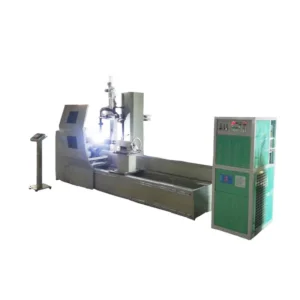
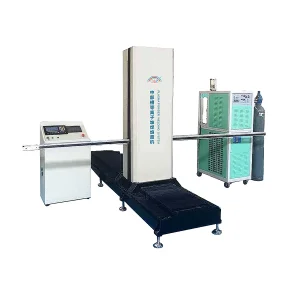
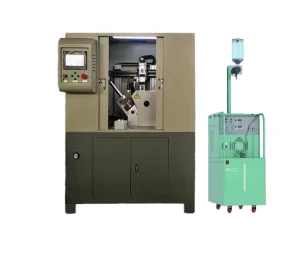
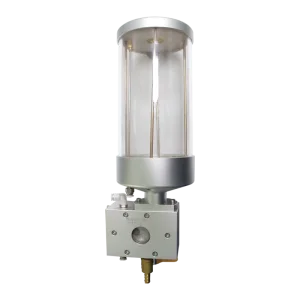
Ensuring stable additive distribution for high-integrity coatings.
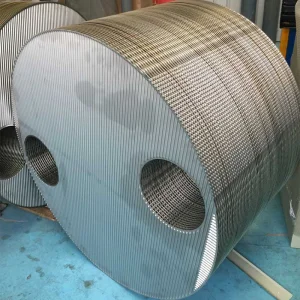
Acquiring industrial tooling requires transparent logistics, quick installation support, and responsive training. We work with customs, freight networks, and industrial installation technicians to support our products in the Boston metropolitan area, Worcester, Providence, and across New England.
We provide comprehensive support for our systems including:
Our machines comply with modern safety standards. Each system features high-durability electrical assemblies conforming to international safety guidelines. When exporting to the Northeast US, we ensure matching electrical grids (480V 3-phase systems) to streamline integration.
"Implementing the Duomu PTAW setup in our New England repair station reduced processing times on large extrusion screws by 40%."
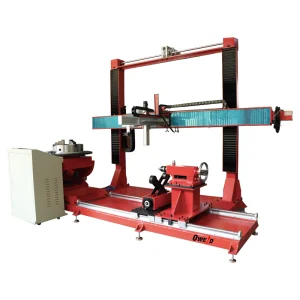
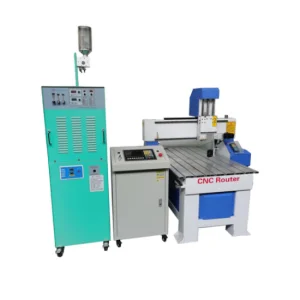
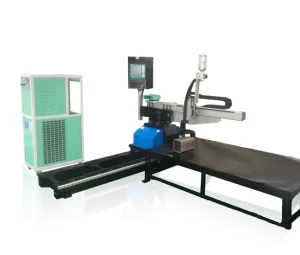
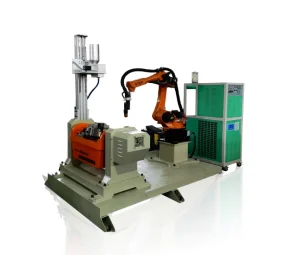
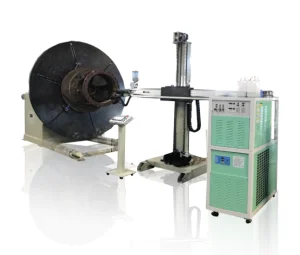
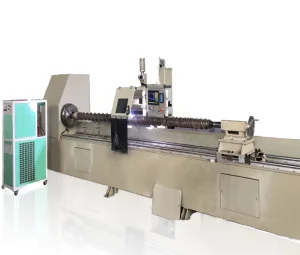
We offer customized equipment, automatic laser cladding equipment, automatic plasma cladding equipment, and intelligent robot cladding setups to fit specific industrial parameters.
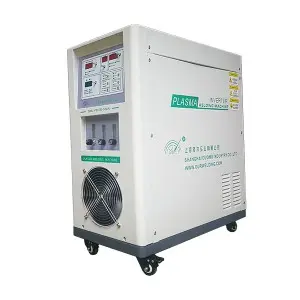
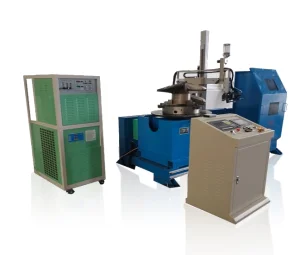
High-precision vertical positioning for symmetrical cylindrical overlays and internal bores.
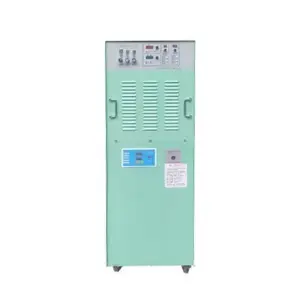
Combines flat, cylindrical, and edge-cladding profiles under a unified programmable system controller.
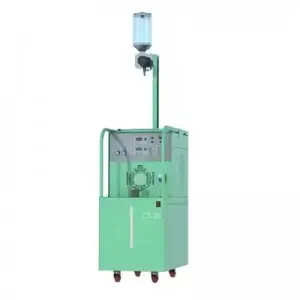
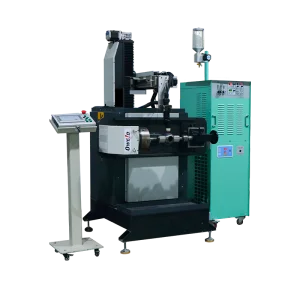
Compact model for quick job-shop changeovers and specialized component reclamation.
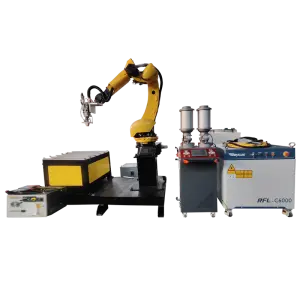
Engineered for high-aspect-ratio edge cladding on compressor blades and impellers.
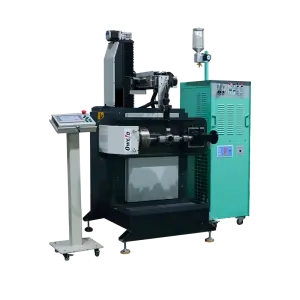
Maintains continuous spherical welding paths with precise dilution management on valve balls.
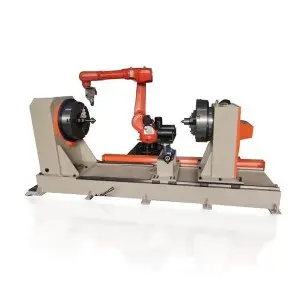
Multi-axis robotic system for hardening targeted industrial wear surfaces.
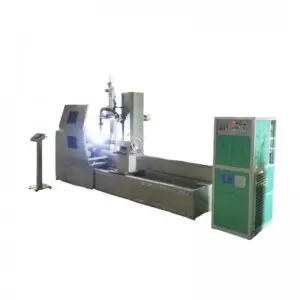
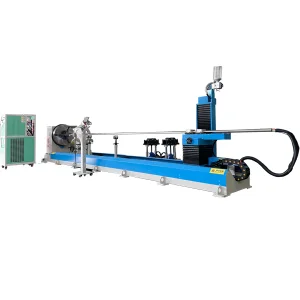
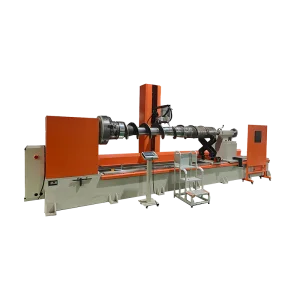
Specially optimized for hydraulic rods, shock absorbers, and heavy struts. High deposition rates combined with a low dilution layer ensure superior corrosion protection against saltwater and chemical spray.
Request System Design SpecsRead what metallurgy and engineering specialists say about our PTA hardfacing systems.
"The PTA Welding Valve Application Guide is not just a process choice for valve manufacturers facing high wear, high corrosion, and high-temperature erosion working conditions, but also a key path to improving product competitiveness. As industries such as petrochemical, power generation, and marine engineering face higher pressures, reliable hardfacing is absolutely essential."
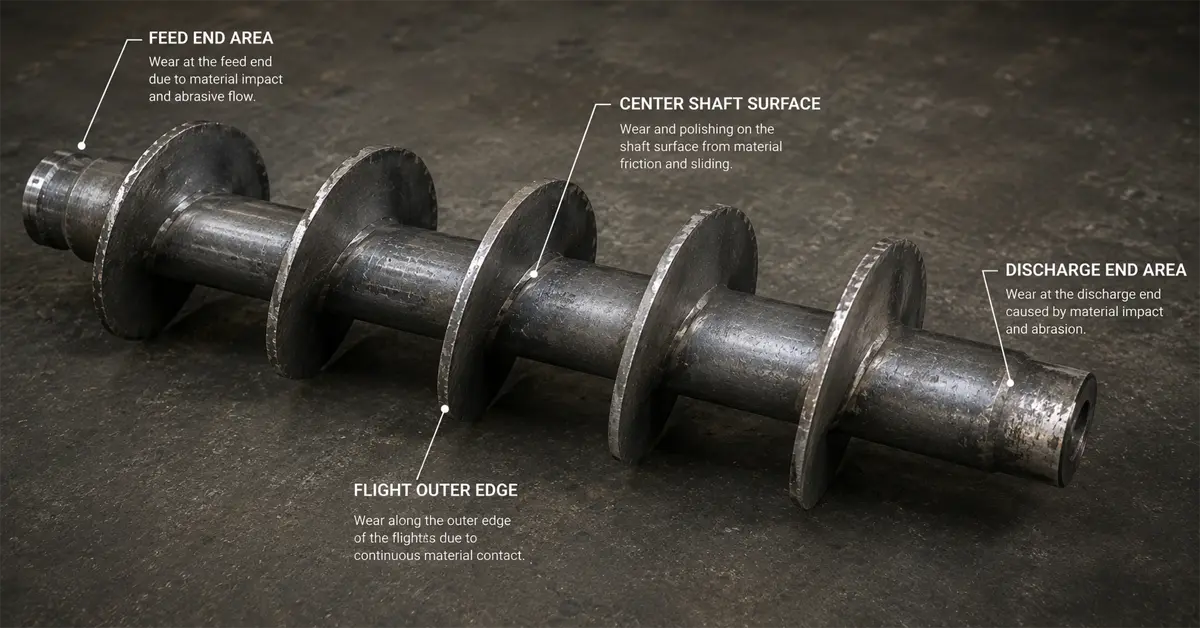
"In industries such as mining, cement, power generation, steelmaking, chemical processing, and biomass energy, screw conveyors are often regarded as auxiliary equipment. However, maintenance data shows that they are among the most frequent causes of unplanned production downtime. Using automated screw cladding machines preserves flight dimensions and keeps lines running."
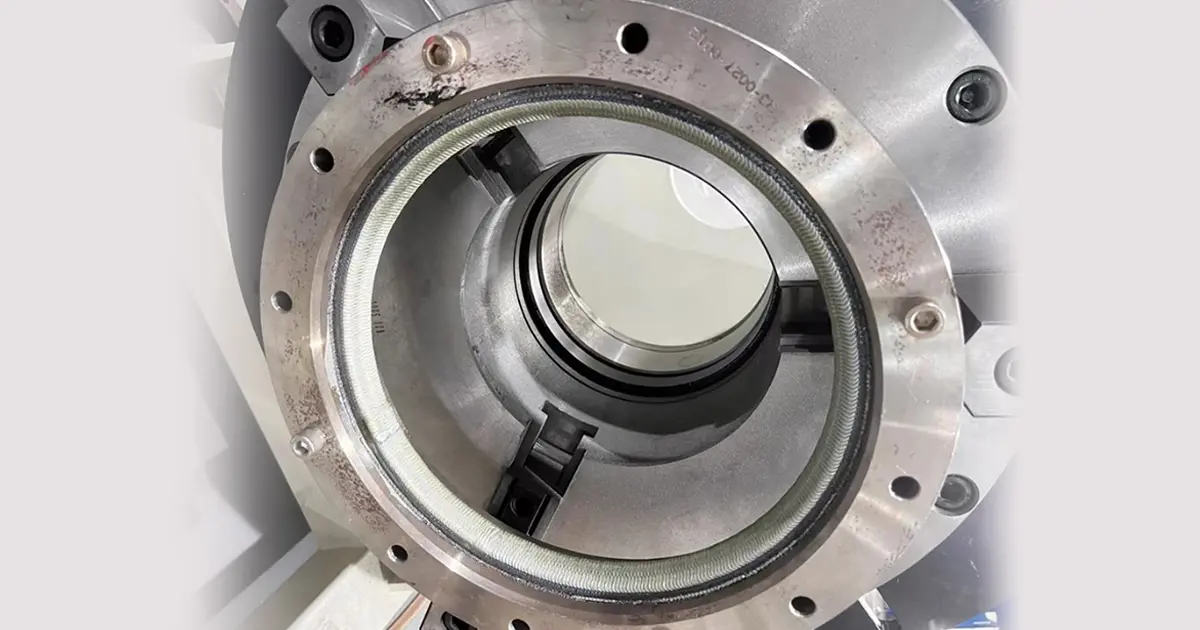
"In Plasma Transferred Arc (PTA) hardfacing, achieving a high-quality overlay is not only about selecting the right alloy powder or optimizing welding parameters. One of the most critical factors that directly affects overlay performance is the dilution rate. Minimizing iron contamination from the substrate keeps our corrosion protection intact."





In-depth responses to frequent metallurgical questions concerning PTA surfacing systems.
Dilution rate is the percentage of the base metal (substrate) that melts and mixes with the cladding alloy layer. For heavy corrosion-resistant or extreme-hardness overlays, high dilution degrades the properties of the deposit by mixing in too much iron from the base steel. PTA keeps dilution beneath 5%-10% in a single pass, which is significantly lower than MIG or standard TIG (often 15%-25%), ensuring you get full alloy properties immediately.
Yes. The plasma transferred arc process is ideally suited for depositing complex metal matrix composites (MMCs) like tungsten carbide particles (NiWC or FeWC) and superalloys (Stellite 6, Colmonoy 6). The highly concentrated arc column provides sufficient heat to melt the binder alloy without overhearing and breaking down the primary carbide phase.
Manual PTA surfacing can lead to uneven layer thickness, excessive dilution spikes, and thermal distortion. Automated CNC systems, such as the DLM-LC501 or DNC2000, regulate travel speeds, powder feed rates, gas flows, and oscillations. This ensures consistent overlay profiles, flat margins, and predictable microstructure throughout long production runs.
Standard systems are routinely configured and dispatched within 6 to 8 weeks, while custom robotic setups requiring complex material handlers or internal cladding columns range from 12 to 16 weeks. We support sea freight to the Port of Boston and air freight alternatives for urgent components, backed by digital commissioning support and on-site engineering dispatch.
Speak directly with our surface design engineers to calculate dilution dynamics, deposit profiles, and system configurations customized to your plant's goals.
Send Inquiry Now Duomu
Duomu