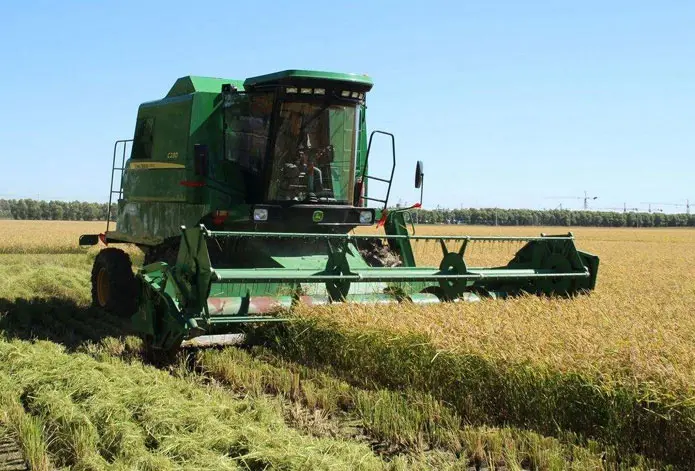
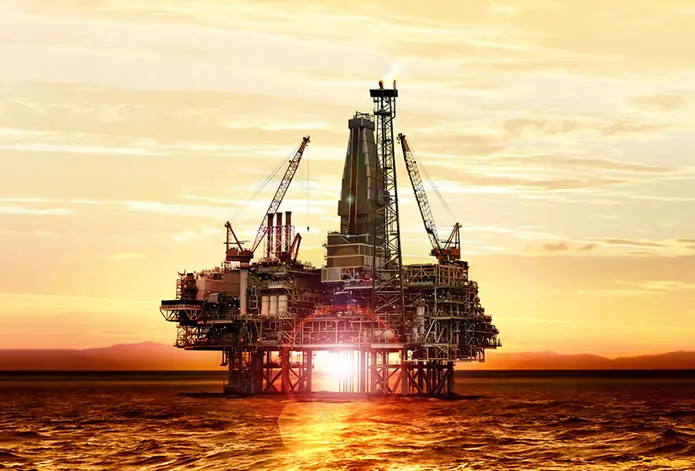
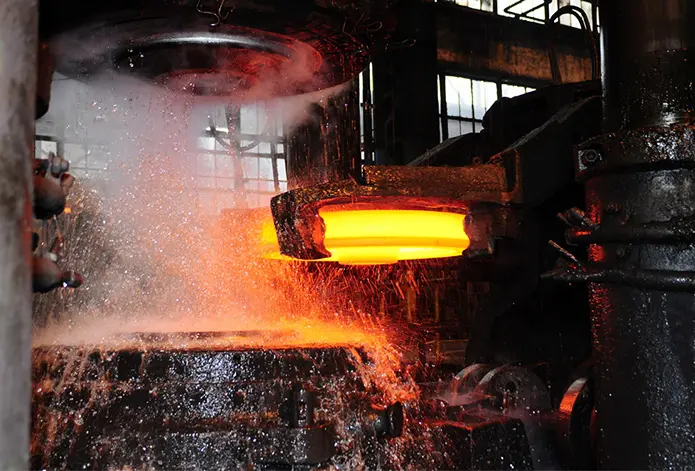
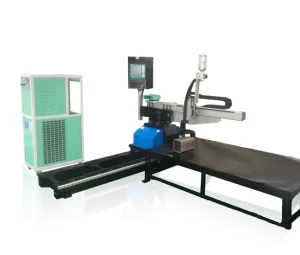
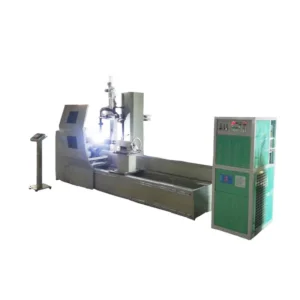
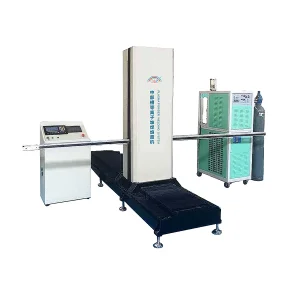
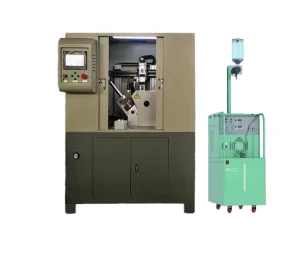
Engineered to handle severe wear conditions in Central Asia, these four advanced hardfacing setups represent our most requested systems for local operations.
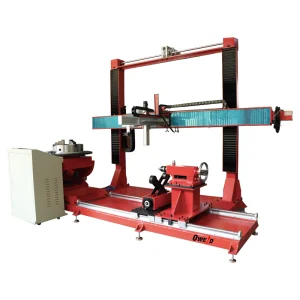
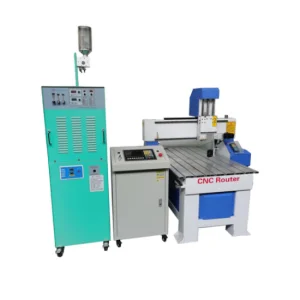
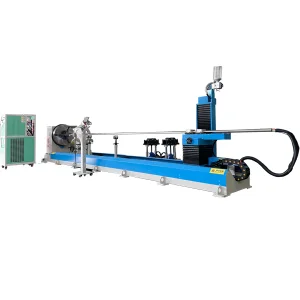
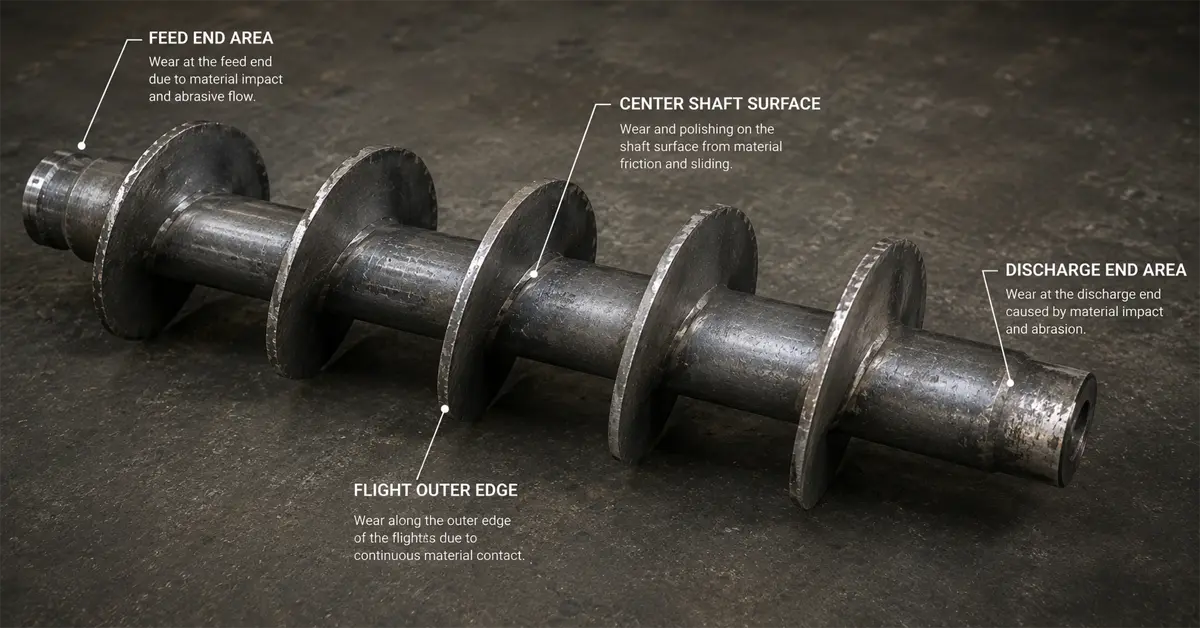
Kazakhstan stands as one of Central Asia’s most resource-abundant economies. From the massive coal deposits of the Karaganda Basin to the oil and gas fields of Tengiz, Karachaganak, and Kashagan, heavy machinery must operate under extreme conditions. The wear and tear experienced by drilling stabilizers, slurry pipelines, hydraulic cylinders, and mining crusher teeth is exceptionally severe due to the country's harsh climate—ranging from -40°C in winter to +40°C in summer—combined with abrasive mineral dust.
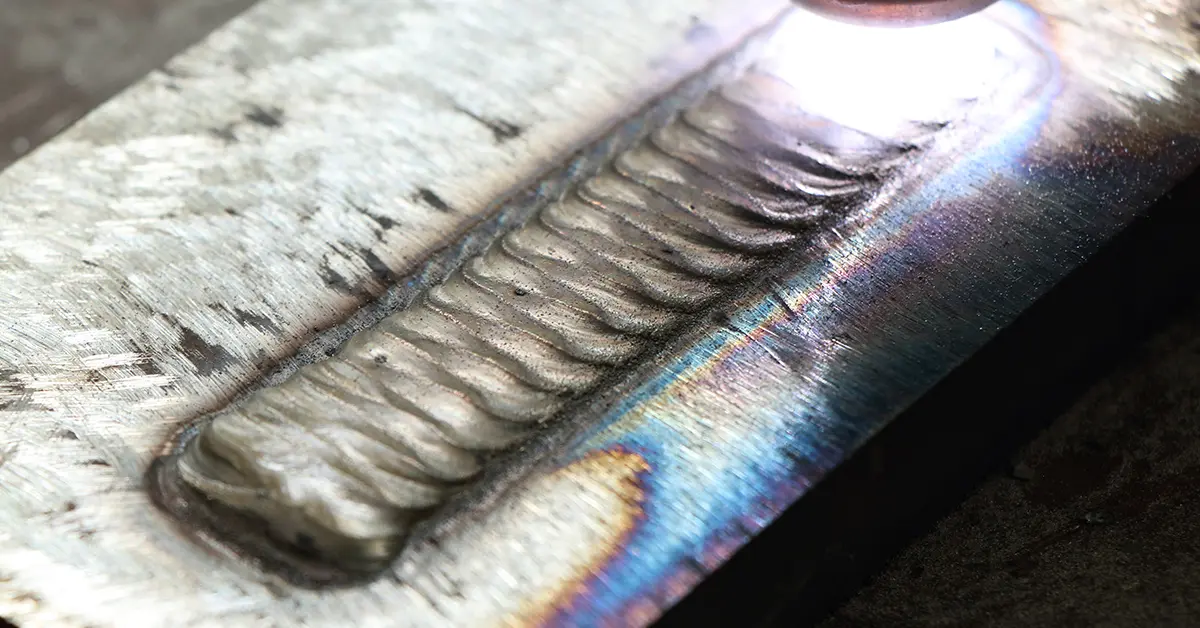
Traditional repair methods, like manual arc welding or thermal spray, struggle to provide the necessary wear resistance. As a result, local enterprises are shifting to Plasma Transferred Arc (PTA) cladding and laser cladding. By melting a metallurgically bonded protective alloy powder layer onto the base metal, PTA cladding increases equipment lifespans by 3 to 10 times, minimizing costly downtime in remote operations.
Modern industrial manufacturing is transitioning from high-heat, low-precision welding techniques to automated, low-dilution cladding systems.
Globally, companies are integrating CNC and robotic arms with PTA welding torches to automate the repair of complex parts. The use of nickel, cobalt, and iron-based superalloy powders, along with tungsten carbide particles, allows engineers to custom-tailor the hardness and corrosion resistance of the surface layer. This approach minimizes thermal distortion, helping operators achieve precise dimensions while reducing material waste.
At present, the company's products have penetrated into many fields such as aerospace military industry, nuclear power, petrochemical industry, coal mines, metallurgy and forging, agriculture, water conservancy and electric power, etc.
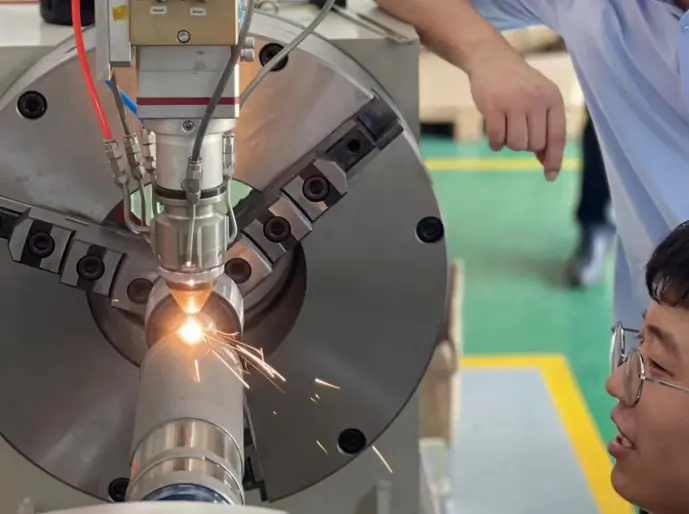
We feature an independent, dedicated research and development team focused on the engineering, assembly, and deployment of plasma cladding systems. Our PTA welding machinery is built to deliver stable arc characteristics and reliable feed performance over long operating cycles. In addition, our laser cladding systems support large-scale repair and manufacturing projects. We provide complete, turn-key solutions tailored to the production demands of the modern factory floor.
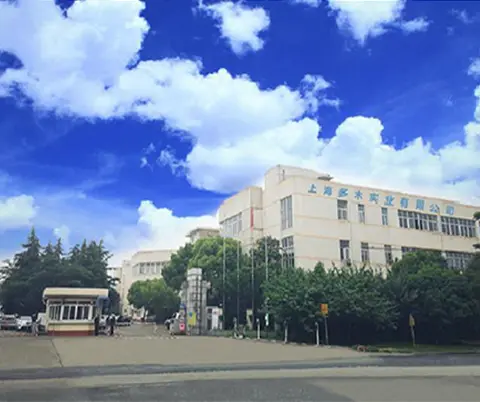
About us: Shanghai Duomu has been a leading manufacturer and exporter of PTA cladding machines and Laser cladding machines for more than ten years, supported by a strong technical background and an international service network.
Get in touchThese specialized units are optimized for heavy industrial component repair in agricultural, chemical, and mining facilities across Kazakhstan.
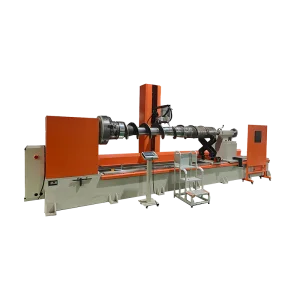
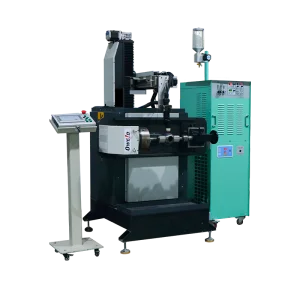
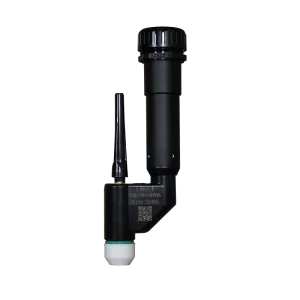
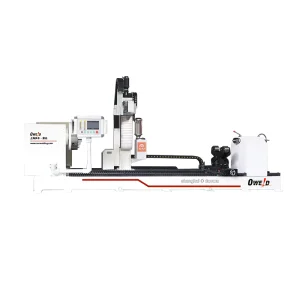
Choosing the correct cladding technology depends on your workpiece dimensions, base alloy, budget, and required precision.
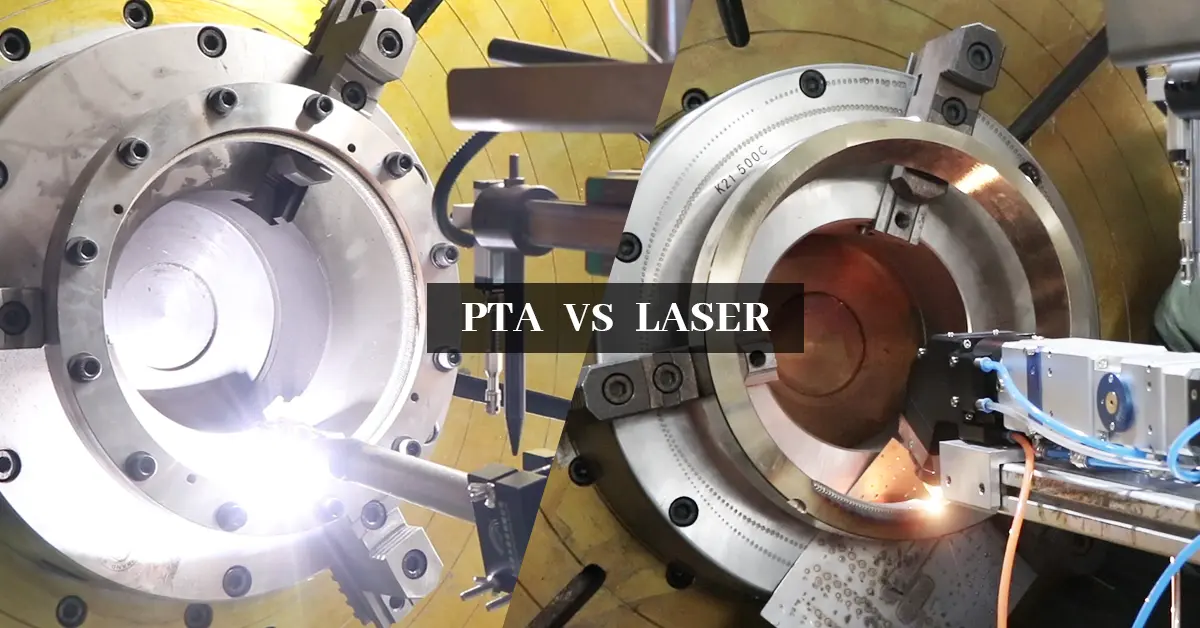
Provides a high deposition rate and robust metallurgical bonding, making it ideal for thick overlays on large components like mining excavator teeth, agricultural plowshares, and slurry pump casings.
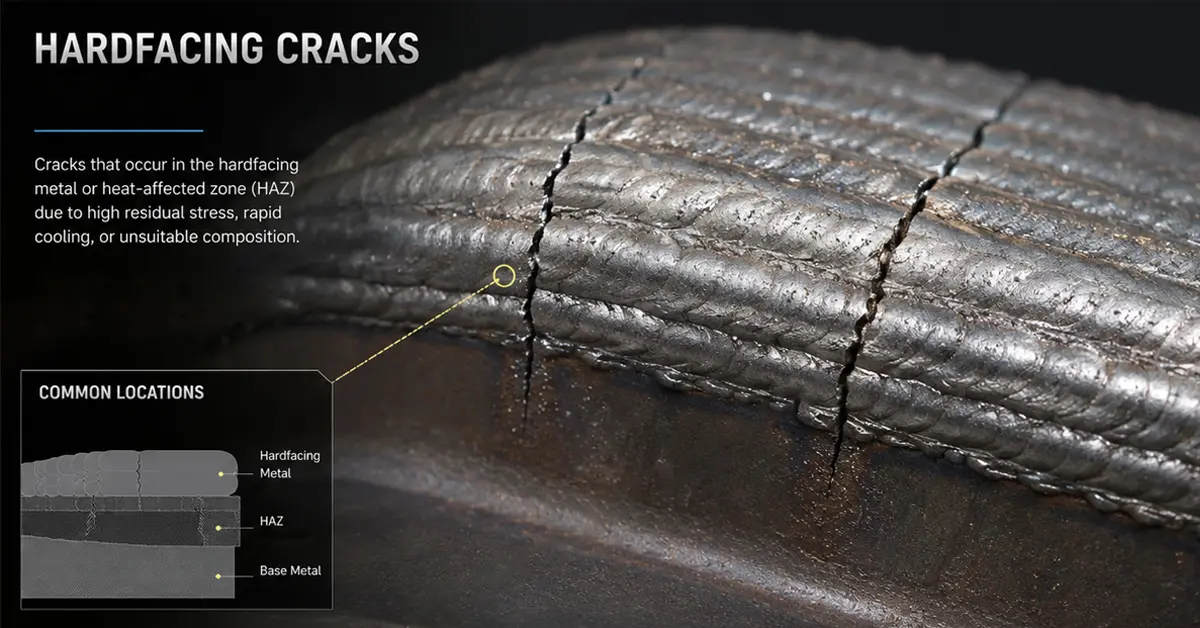
Delivers a concentrated heat source that minimizes the heat-affected zone (HAZ) and thermal distortion. Perfect for high-precision components like gas turbine blades, hydraulic rod cylinders, and critical valve trims.
Combines the rapid deposition of PTA with the precision finish of laser technology, providing cost-effective repairs for complex industrial workpieces.
We provide customized machinery, automatic laser cladding setups, automatic plasma cladding equipment, and intelligent robotic systems. These include targeted designs like hydraulic rod cladding systems, pick cladding equipment, and valve hardfacing units.
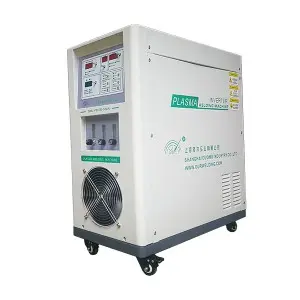
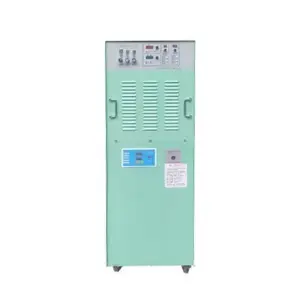
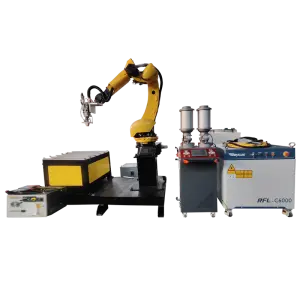
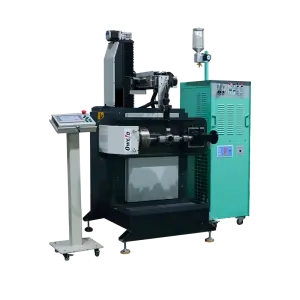
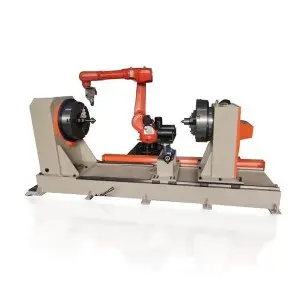
Read about our case studies and engineering solutions for wear, corrosion, and high-temperature service conditions.
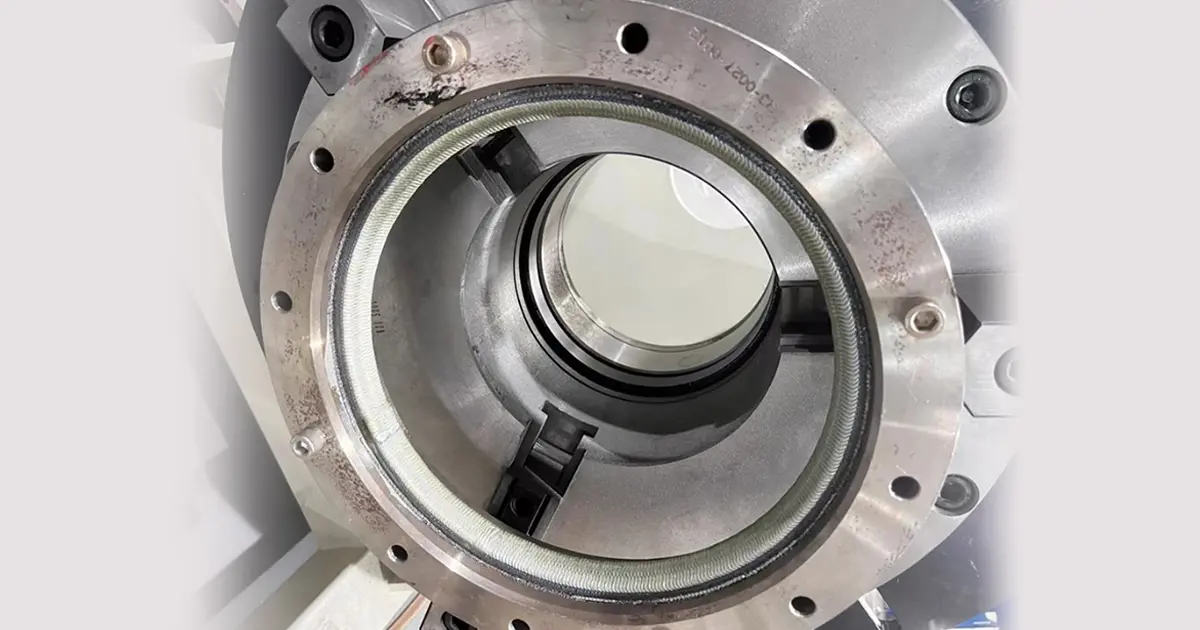
Our complete lineup of heavy industrial machinery configured for processing plants, maintenance facilities, and manufacturers throughout Kazakhstan.
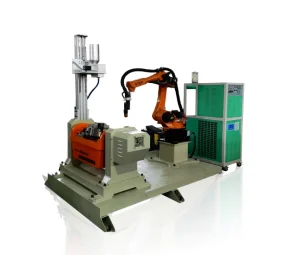
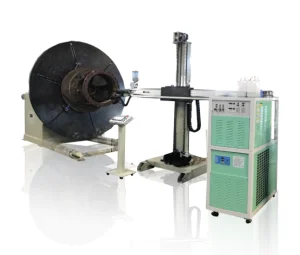
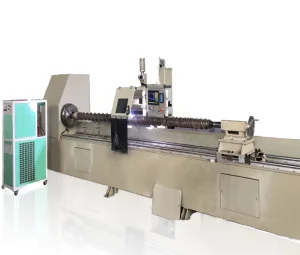
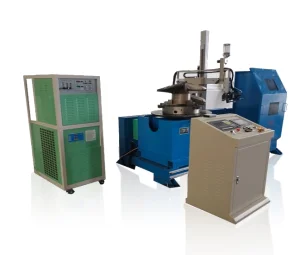
A1: Manual hardfacing often creates a high heat-affected zone (HAZ), which can cause structural distortion. PTA cladding offers a low dilution rate (under 5%), a metallurgical bond, and precise deposition control. This allows for even distribution of carbide particles, increasing component life by up to 10 times under abrasive conditions.
A2: Yes. While actual cladding operations are best done in a controlled workshop environment, our units feature integrated cooling systems and industrial dust-proof controls. This allows them to run reliably in typical Central Asian workshop temperatures, ranging from sub-zero to high heat.
A3: For drill stabilizers and tools exposed to heavy sand abrasion, we recommend tungsten carbide (WC) suspended in a nickel-based matrix. For pipeline valves and high-temperature seats, cobalt-based alloys (such as Stellite 6 or 12) provide the required wear and corrosion resistance.
A4: We provide comprehensive remote engineering assistance, detailed installation guides, and complete operation training manual programs. On-site commissioning and engineer dispatch services can be arranged to support your setup and team training.




Get in touch with our engineering team for detailed technical layouts, production estimates, and custom machinery quotes. We respond to inquiries within 24 hours.
Send Inquiry Now Duomu
Duomu