Advanced hardfacing and overlay solutions designed for high-precision European manufacturing environments.
Analyzing advanced metallurgy cladding systems, global trends, and local engineering requirements serving Île-de-France.
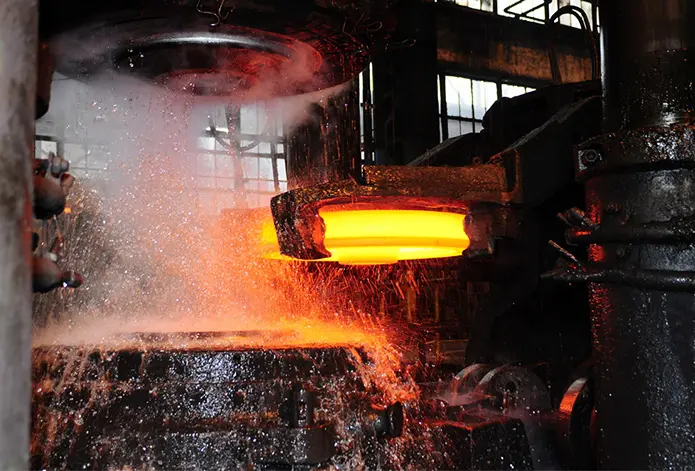
PTA welding offers extremely low dilution rates (down to 3-5%), allowing the protective alloy layer to retain its pure metallurgical properties without being contaminated by the substrate.
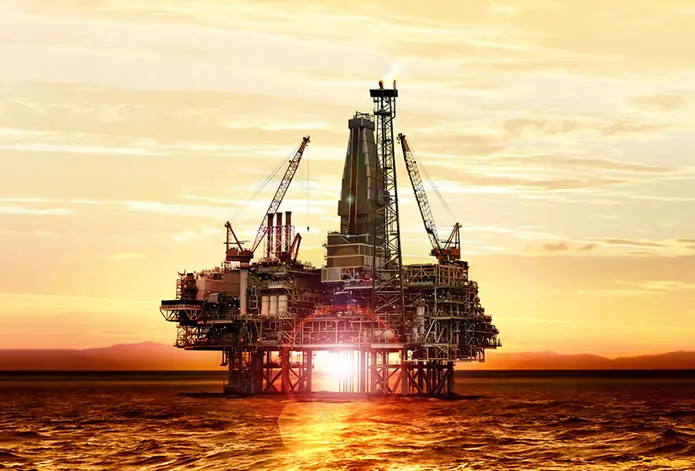
Global logistics, heavy mining, aerospace military components, and oil & gas valves rely on PTA and Laser cladding to extend operational life cycle and minimize downtime.
Fully compliant with CE standards, machinery safety directives, and ISO 3834 requirements to guarantee smooth deployment in French and European manufacturing plants.
In the contemporary industrial ecosystem of Paris and the surrounding Île-de-France region, precision manufacturing demands advanced solutions for wear resistance, thermal shock management, and oxidation prevention. As heavy industries undergo ecological and digital transitions (Industry 4.0), the reliance on components that can endure extreme stress has skyrocketed. Plasma Transferred Arc (PTA) welding has emerged as a critical technology to address these challenges. By utilizing a highly concentrated arc to melt powder-fed metal alloys onto a substrate, PTA welding delivers unparalleled wear-resistant overlays.
Supplying the Parisian market requires not only high-performance machines but also a deep understanding of localized industrial demands. The aerospace hubs near Paris, automotive production facilities in the Seine valley, and advanced energy research clusters demand cladding equipment that operates with sub-millimeter precision. PTA technology bridges the gap between cost-efficiency and premium metallurgy, offering a reliable path for refurbishing expensive industrial parts.
Globally, surface engineering has shifted from standard manual thermal spraying and classic MIG/TIG hardfacing towards automated, digitized PTA cladding and high-precision Laser cladding systems. Industrial valve manufacturing, heavy-duty mining machinery, agricultural soil-engaging tools, and steel castings operate under high-stress variables. In Europe, where sustainability and carbon-neutral circular economies are mandated by the European Green Deal, repairing and cladding components instead of discarding them has become standard practice.
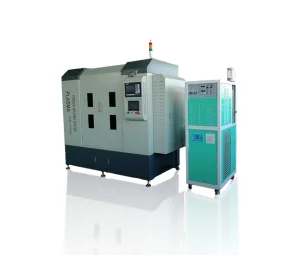
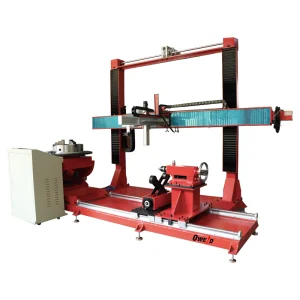
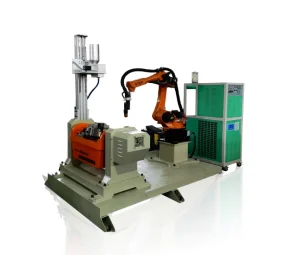
Our solutions for the Paris industrial sector leverage global technical pipelines. The integration of high-resolution sensors, closed-loop powder feeding feedback loops, and multi-axis industrial robots (such as the DH1440-B06 or the DH3-HV1700-B06 manipulator) allows manufacturers to maintain absolute stability. These systems significantly limit the Heat Affected Zone (HAZ), preserving the mechanical properties of the base substrate while applying ultra-hard cobalt or tungsten carbide layers.
Deploying automated cladding machinery in Europe requires rigorous adherence to local regulations. Our systems are engineered in strict compliance with the **European Machinery Directive (2006/42/EC)**, **CE Marking regulations**, and **ISO 3834** standards for fusion welding of metallic materials. Local operators in Paris benefit from robust on-site commissioning services, remote diagnostics pipelines, and custom technical training to ensure compliance with French environmental and occupational safety guidelines (such as INRS safety standards for high-energy welding arcs).
From aerospace turbines to heavy agricultural tools, our PTA systems deliver superior metallurgical bonding.


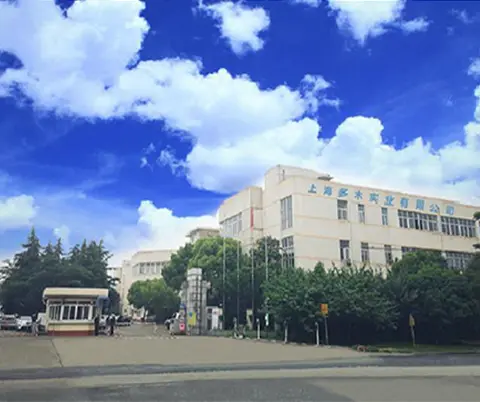
Shanghai Duomu has been a leading manufacturer and exporter of PTA cladding machines and Laser cladding machines for more than ten years, supported by a strong technical background. We specialize in robust, high-efficiency surfacing solutions designed to operate under the most grueling conditions. Our commitment to structural innovation allows us to deliver customized hardware configurations that cater specifically to high-precision markets like Germany, France, and Western Europe.
Read More About Our Tech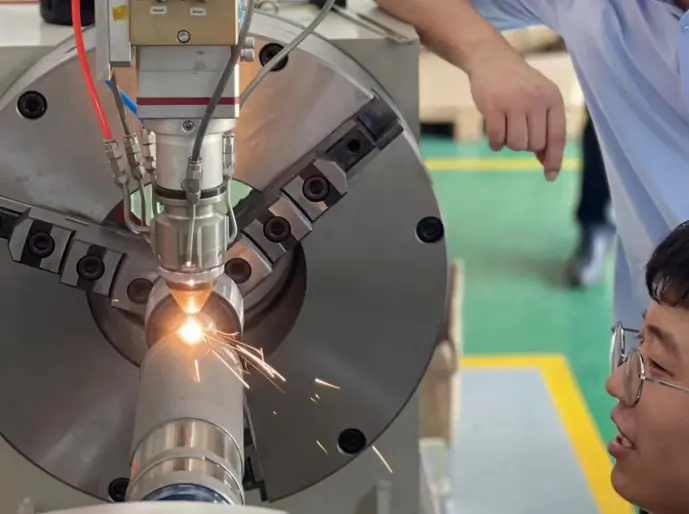
We operate an independent, state-of-the-art R&D center dedicated to developing, testing, and scaling plasma cladding and laser cladding machine technology. Our welding power sources and powder feeders are designed to provide ultra-stable outputs over extended operational cycles. Whether supporting large-scale turbine rebuilding or supplying localized French manufacturing houses with custom hydraulic rod cladding automation, our engineering team provides end-to-end industrial process blueprints.
Get in Touch With EngineersExplore our complete product catalog, featuring high-duty cycle automated welding machinery serving global and Paris industrial networks.
When selecting a surfacing system for high-end applications in competitive markets like Paris, design engineers and materials experts must analyze the key physical parameters: metallurgical bonding, cooling rates, matrix dilution, and carbide distribution.
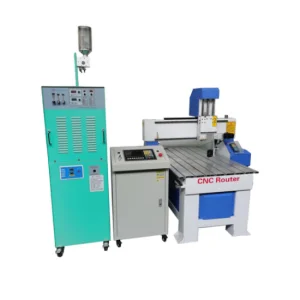
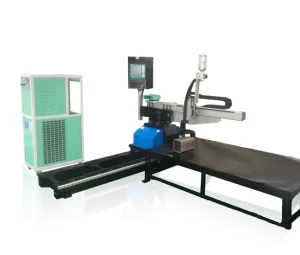
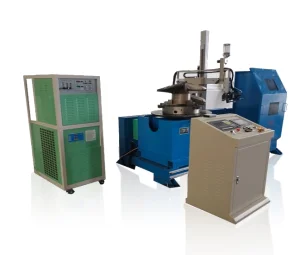
In standard arc welding (MIG/TIG), dilution rates often exceed 15-25%. This means a significant amount of the base metal melts and mixes with the alloy overlay. If you are applying a cobalt-base Stellite 6 alloy to a carbon steel substrate, a high dilution rate will pull iron into the deposit. This dilutes the concentration of cobalt and chromium, thereby degrading the material's hard wear and corrosion-resistant properties. Our customized PTA welding systems (such as the DML-V03CD or DNC2000 planar system) feature precision current modulation. By decoupling the arc power from the powder feeding speed, operators can achieve dilution levels of less than 5%. This ensures that even the first deposited layer retains the exact chemical formulation required to combat abrasive wear and extreme temperature shocks.
Many procurement teams in the Île-de-France region ask: *Should we invest in PTA or Laser Cladding?* The answer depends on your performance priorities and component geometry:
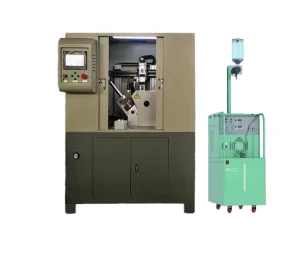
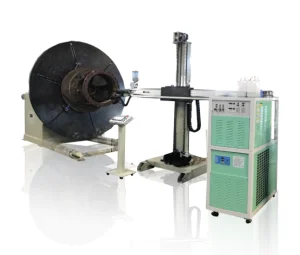
In petrochemical networks across France, fluid control valves are subjected to intense cavity friction and aggressive acid media. Implementing ball valve automated welding equipment (like the DQF-LC602) ensures the Stellite seat rings are clad with absolute consistency. The metallurgical overlay forms an atomic bond with the valve body, preventing spelling or cracking under sudden high-pressure transients.
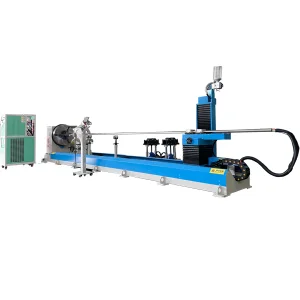
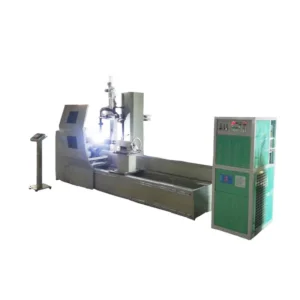
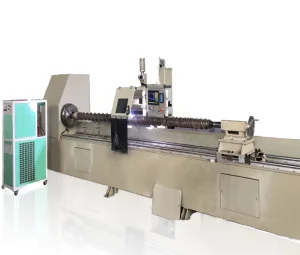
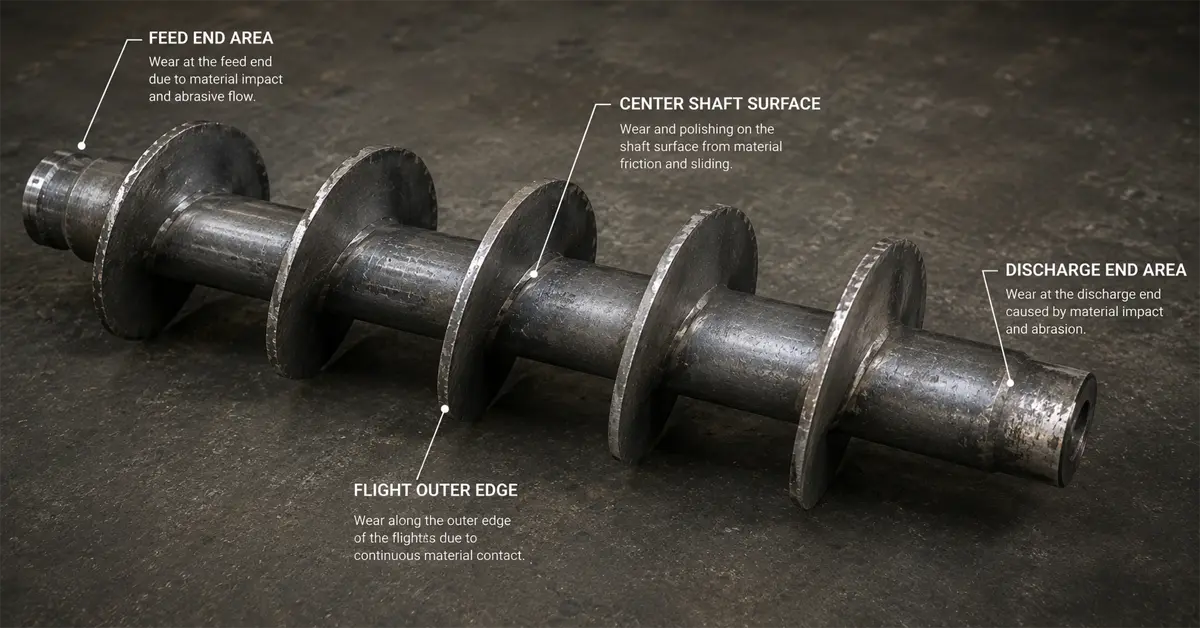
Similarly, for screw conveyors used in Parisian waste treatment and biomass plants, abrasive media accelerates wear along the helical flights. By applying Ni-Cr-B-Si matrix powders loaded with Tungsten Carbides (WC) via automated screw welding machines, the service life of these critical components is extended by 300% to 500% compared to standard carbon steel alternatives.
As we look toward the future of manufacturing, integration with AI, neural-network-driven machine vision, and real-time melt pool monitoring is transforming the industry. By observing the thermal signature of the molten puddle during PTA or laser operations, automated controller systems can dynamically adjust the travel speed, arc voltage, and powder delivery rate. This eliminates the chance of porosity, cracks, or localized thickness deviations, raising yield rates to 99.8%.
Real-world performance evaluations and engineering insights across challenging industrial environments.
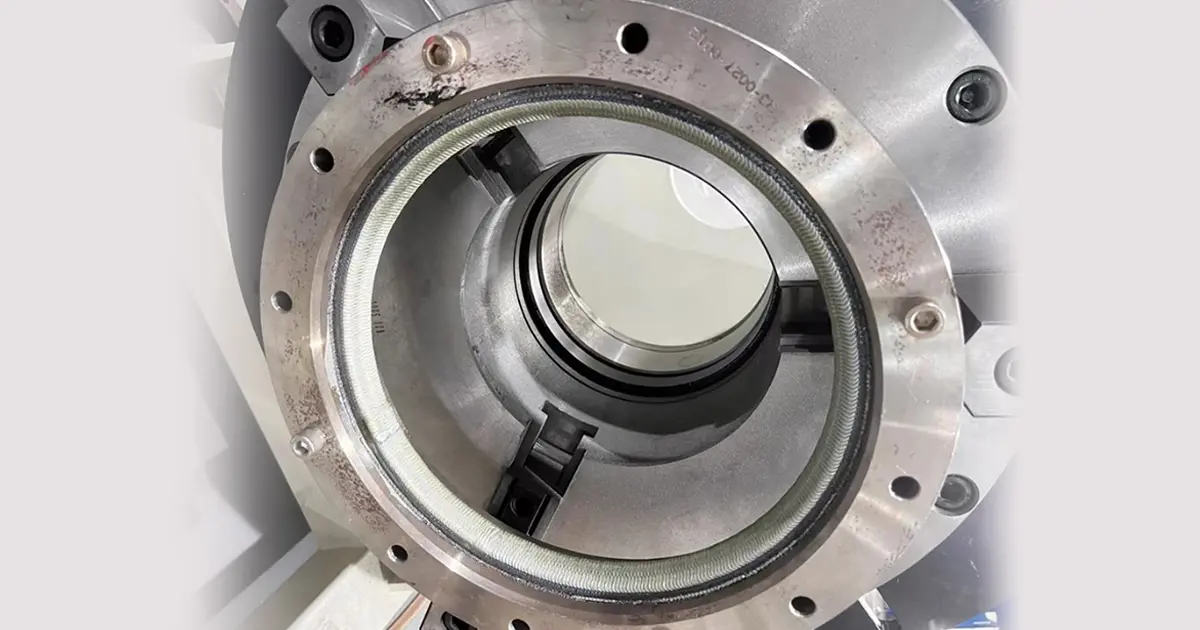
"The PTA Welding Valve Application Guide is not just a process choice for valve manufacturers facing high wear, high corrosion, and high-temperature erosion working conditions, but also a key path to improving product competitiveness. As industries such as petrochemical, ..."
"In industries such as mining, cement, power generation, steelmaking, chemical processing, and biomass energy, screw conveyors are often regarded as auxiliary equipment. However, maintenance data shows that they are among the most frequent causes of unplanned production d..."
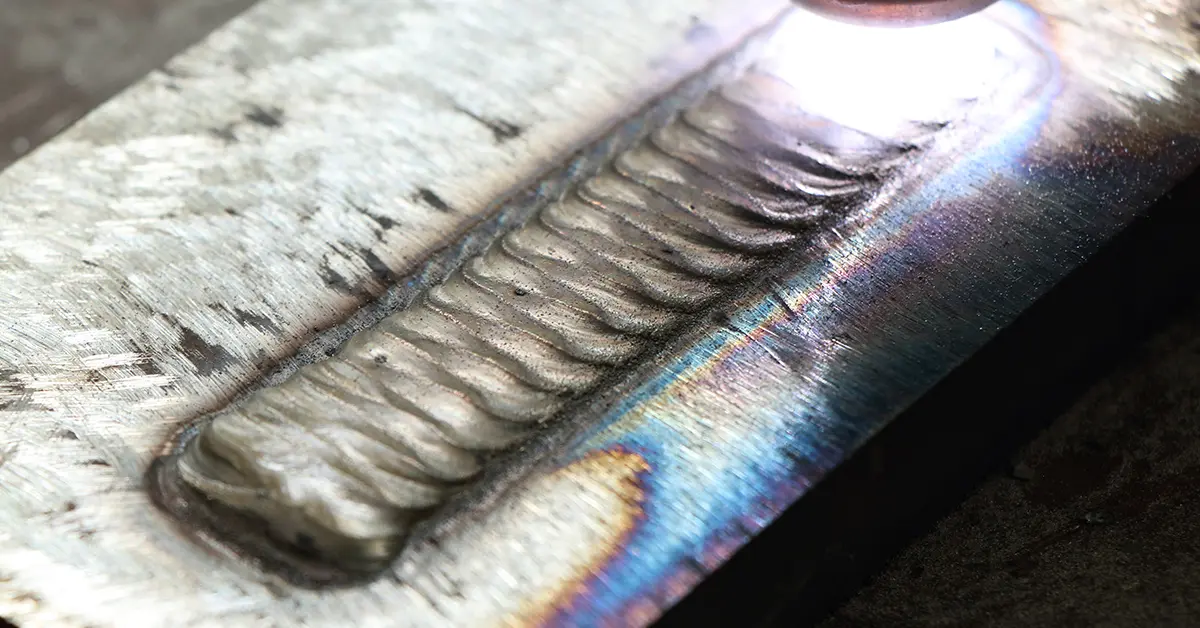
"In Plasma Transferred Arc (PTA) hardfacing, achieving a high-quality overlay is not only about selecting the right alloy powder or optimizing welding parameters. One of the most critical factors that directly affects overlay performance is the dilution rate. Whether you ..."
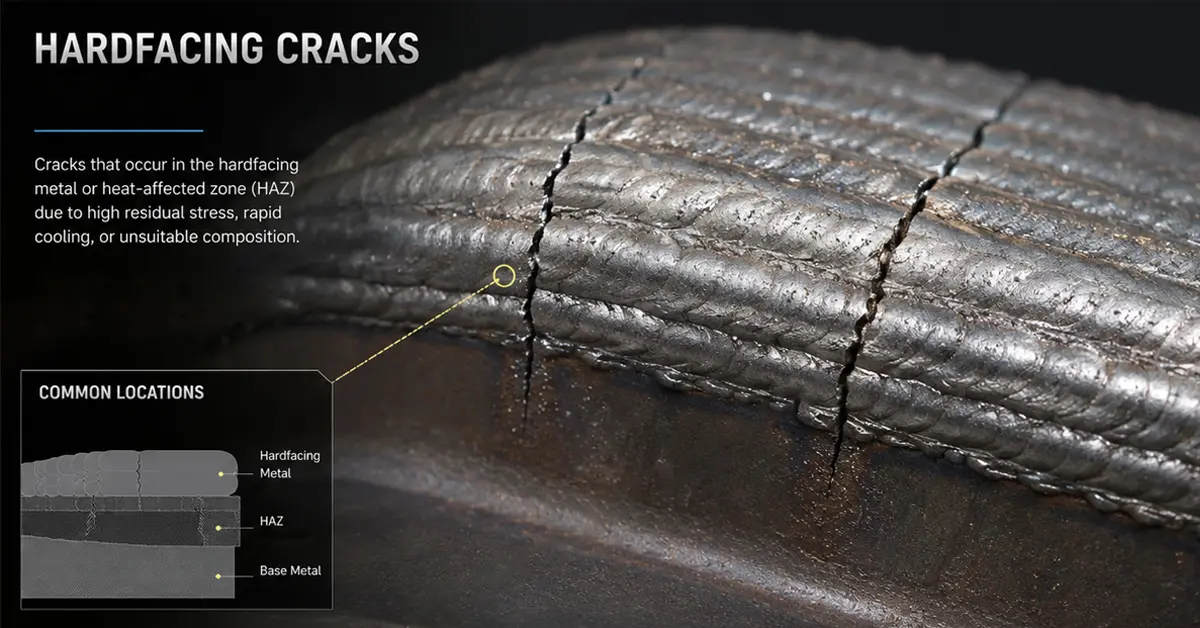
"In industries such as Oil & Gas, Mining, Power Generation, Cement, and Heavy Equipment Manufacturing, hardfacing is no longer just a repair process. It has become a critical technology directly related to equipment lifespan, downtime costs, maintenance frequency, and..."
"In industries such as oil & gas, petrochemical, power generation, mining, and marine engineering, industrial valves are constantly exposed to severe operating conditions including: - High pressure - Extreme temperatures - Corrosive media - Abrasive wear - Sand e..."
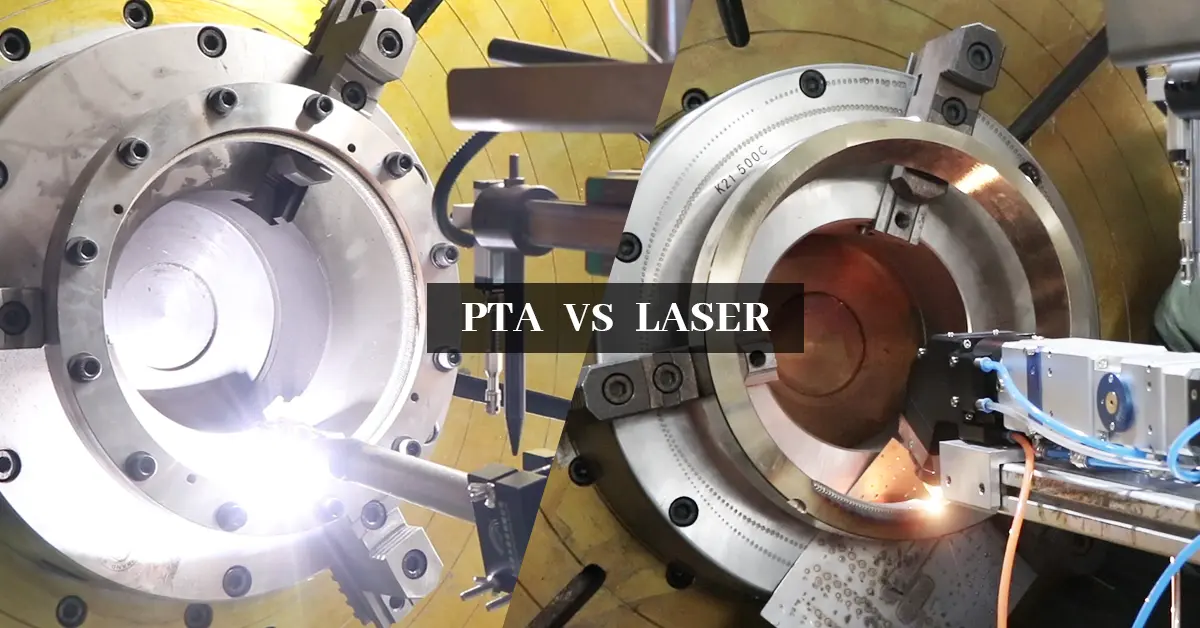
Our PTA welding machinery and technology lines support manufacturing processes for world-class industrial partners.







Expert answers to the most common questions regarding Plasma Transferred Arc hardfacing and deployment in Paris, France.
Partner with a leading PTA and laser cladding machine supplier. Our engineers are ready to design a custom metallurgical coating solution tailored to your operational specifications.
 Duomu
Duomu