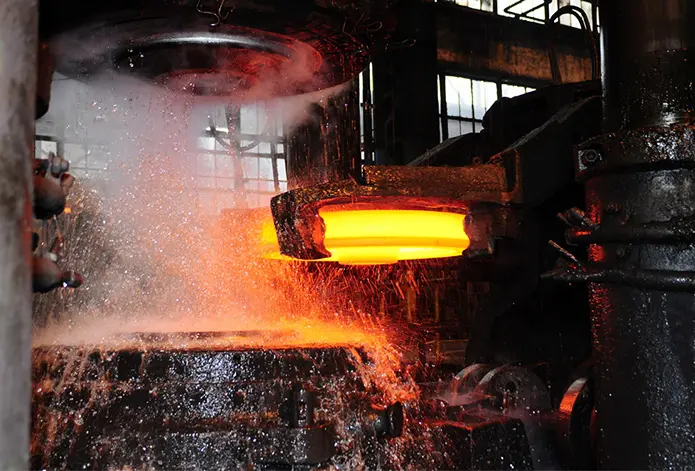
High-precision surfacing and metallurgical bonding equipment designed for critical wear protection in Catalonia's heavy industries, manufacturing plants, and energy infrastructure.
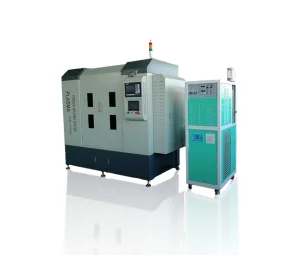
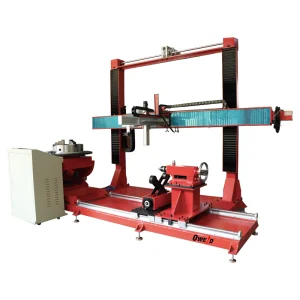
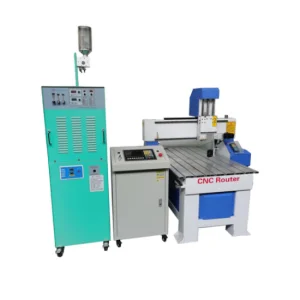
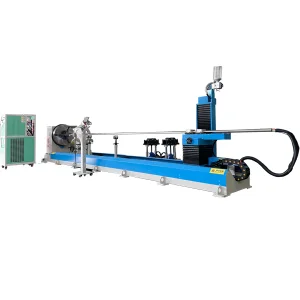
Barcelona is a key industrial powerhouse of Southern Europe. From the automotive factories in Martorell and Zona Franca to the chemical processing hubs of Tarragona and the maritime engineering facilities at the Port of Barcelona, there is an urgent and growing demand for surface modification technologies that combat extreme abrasive wear, impact erosion, and corrosion.
Plasma Transferred Arc (PTA) welding has emerged as the premier technology to handle these demands. Unlike conventional thermal spraying or manual arc surfacing, PTA cladding establishes a true metallurgical bond with the substrate, maintaining minimal dilution rates (typically less than 10%). This allows heavy equipment operators in Catalonia to deposit wear-resistant cobalt, nickel, and iron-based superalloys or tungsten carbide (WC) matrices with high precision and thickness consistency.
Our specialized system range assists Barcelona's metal fabrication shops, tool manufacturers, and machinery builders in achieving higher throughput. By deploying automated PTA cladding systems, local enterprises can significantly extend the operational life of components such as extrusion screws, slurry pumps, valve seats, and mining picks, minimizing downtime and optimizing resource efficiency in line with the region's commitment to sustainable manufacturing.
Minimum Dilution Rates
Component Lifespan Extension
Maximum PTA Deposition Rate
R&D and Manufacturing Heritage
A look at the global shifts in surface protection technology and how they shape localized industrial operations across Barcelona and Europe.
Across the globe, sectors like oil and gas, heavy mining, steel production, and renewable energy are demanding materials that can withstand aggressive service environments. Plasma Transferred Arc (PTA) and Laser Cladding have established themselves as complementary tools in the surface engineer's arsenal. While laser cladding offers high precision for thin-walled components, PTA remains the choice for robust, high-thickness overlays designed to endure severe abrasive wear.
Today's PTA machines feature closed-loop monitoring, advanced gas mass flow controllers, and powder feeders capable of handling fine, complex alloy blends. This includes high-density tungsten carbides embedded in nickel-alloy matrices, which are essential for geological drilling tools and scrap-processing machinery used throughout Spain.
As manufacturing moves toward Industry 4.0, integrating PTA systems with collaborative robots (cobots) and CNC positioners has become standard practice. Modern installations in European factories leverage offline programming and real-time melt pool imaging to ensure consistently high-quality weld overlays. This is crucial for local suppliers servicing Barcelona's aerospace component producers and precision valve manufacturers, where weld defects can lead to immediate rejection.
| Process Parameter | Plasma Transferred Arc (PTA) | Laser Cladding (LMD / DED) | Conventional Arc (GTAW/SMAW) |
|---|---|---|---|
| Bonding Type | Metallurgical (High integrity) | Metallurgical (High integrity) | Metallurgical (Highly variable) |
| Dilution Rate | 3% – 10% (Low) | 1% – 5% (Very Low) | 15% – 30% (High) |
| Deposition Rate | 2.0 – 8.0 kg/h (High) | 0.5 – 3.0 kg/h (Moderate) | 1.0 – 3.0 kg/h (Slow) |
| Heat Input | Moderate (Controlled) | Low (Highly localized) | High (Risk of distortion) |
| Applicable Cladding Materials | Cobalt, Nickel, Iron, Tungsten Carbides | Fine Powders (Wide range, costlier) | Wire / Stick Rods (Limited alloys) |
| Setup Capital Cost | Moderate-High | Very High | Low |
Our high-performance PTA and Laser cladding machinery serves a wide range of critical sectors, providing solutions to combat severe mechanical wear and environmental corrosion.
Extending the lifespan of wear parts, plowshares, harvesting teeth, and soil preparation equipment operating in aggressive soils throughout Spain.
High-precision cladding of turbine blades, landing gear components, and structural aerospace elements needing severe thermal resistance.
Corrosion-resistant overlays on valves, drilling collars, and stabilizer bands to resist deep-well downhole chemicals and extreme sand erosion.
Protecting high-wear casting dies, extrusion screws, and heavy steel mill rollers from high-temperature oxidation and thermal cracking.
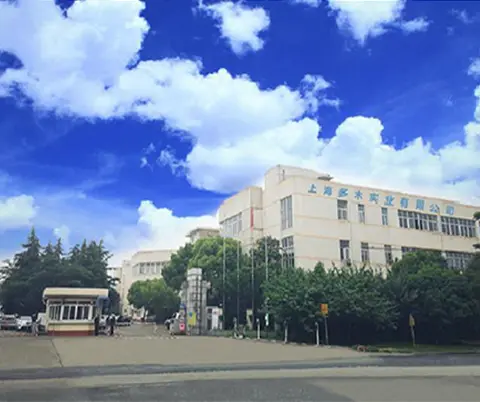
Shanghai Duomu is a specialized manufacturer and exporter of PTA cladding machines and Laser cladding machines with over a decade of technical experience. We serve industrial clients in Spain, including manufacturing hubs around Barcelona.
Our technical department features an independent R&D team focused on advanced plasma arc physics, automation control, and specialized powder feeding mechanisms. The stability of our machinery ensures long-term, high-duty-cycle operation in demanding production environments.
We offer turnkey solutions that include not only the core power units and plasma torches, but also multi-axis CNC positioners, robotic arms, chiller assemblies, and customized software systems to fit existing production lines.
Connect with our Technical EngineersOur research laboratory collaborates with material science centers to test new wear-resistant alloys. We customize PLC interfaces and design automated cladding profiles for complex geometries, such as non-standard industrial valves, extruders, and complex oilfield components.
For enterprises in Catalonia requiring high-efficiency surface restoration, our systems support large-scale remanufacturing projects. Reclaiming worn industrial shafts, hydraulic cylinders, and feed screws saves up to 70% of the cost of new parts while meeting or exceeding original equipment manufacturer (OEM) wear specifications.
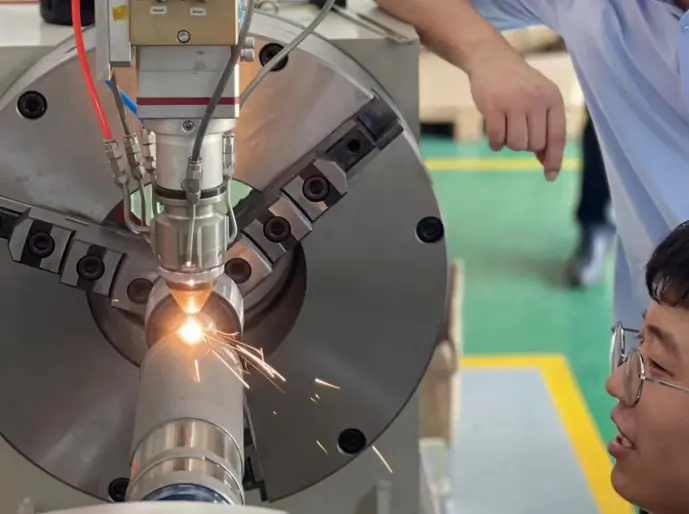
Explore our range of automated systems designed for processing shafts, screws, valves, and flat plates, supporting industrial operations in Spain.
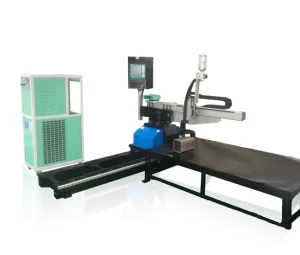
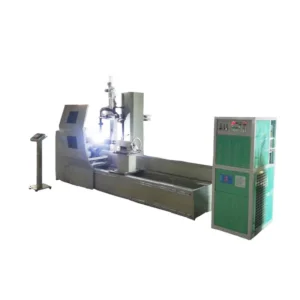
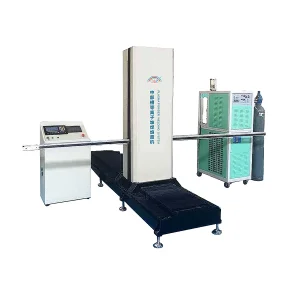
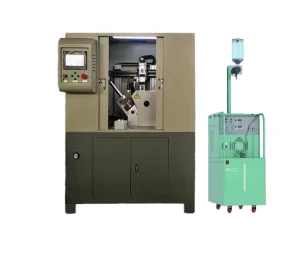
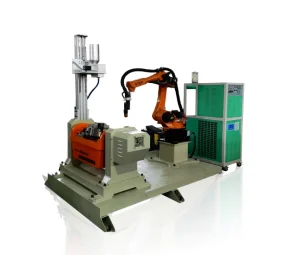
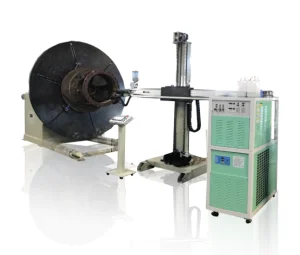
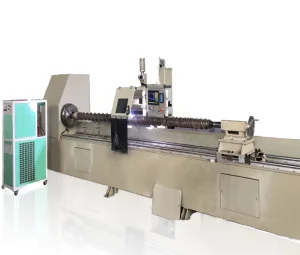
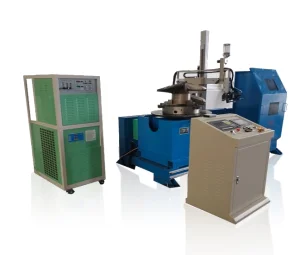
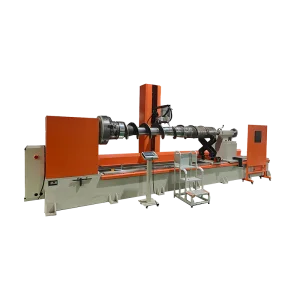
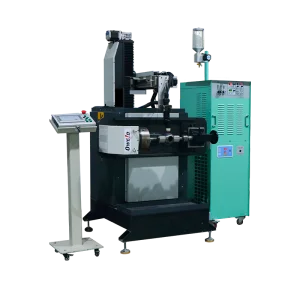
Engineered configurations designed for specific industrial components, matching complex alloy matrices to severe-duty wear challenges.
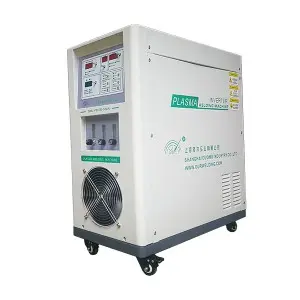
Ideal for precision surfacing of mechanical components. Standardizes powder feeding accuracy for stellite overlays.
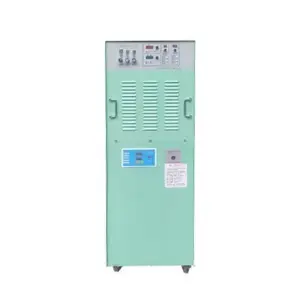
All-in-one system design incorporating current regulation, multi-gas controls, and powder-feeding consoles.
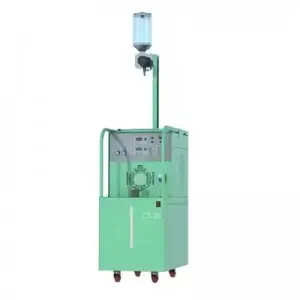
A highly versatile system that handles both external circular cladding and flat-plate linear surfacing configurations.
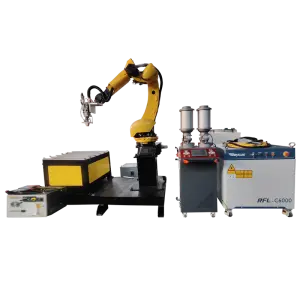
Engineered for precise repair of industrial fan impellers and steam turbine blades, keeping heat input to a minimum.
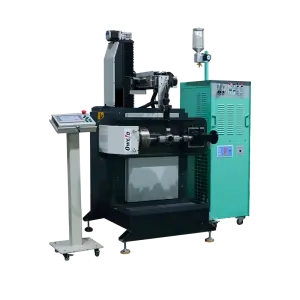
Optimized for hard-seating sphere profiles. Helps ensure a leak-free seal in petrochemical installations.
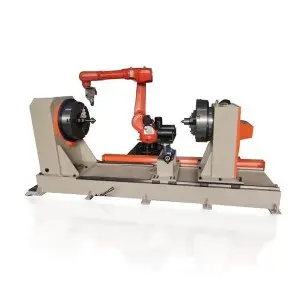
Robot-guided surface hardening that selectively hardens critical wear sections without the need for water quenching.
How our PTA and Laser cladding technology addresses real-world wear challenges across primary manufacturing lines.
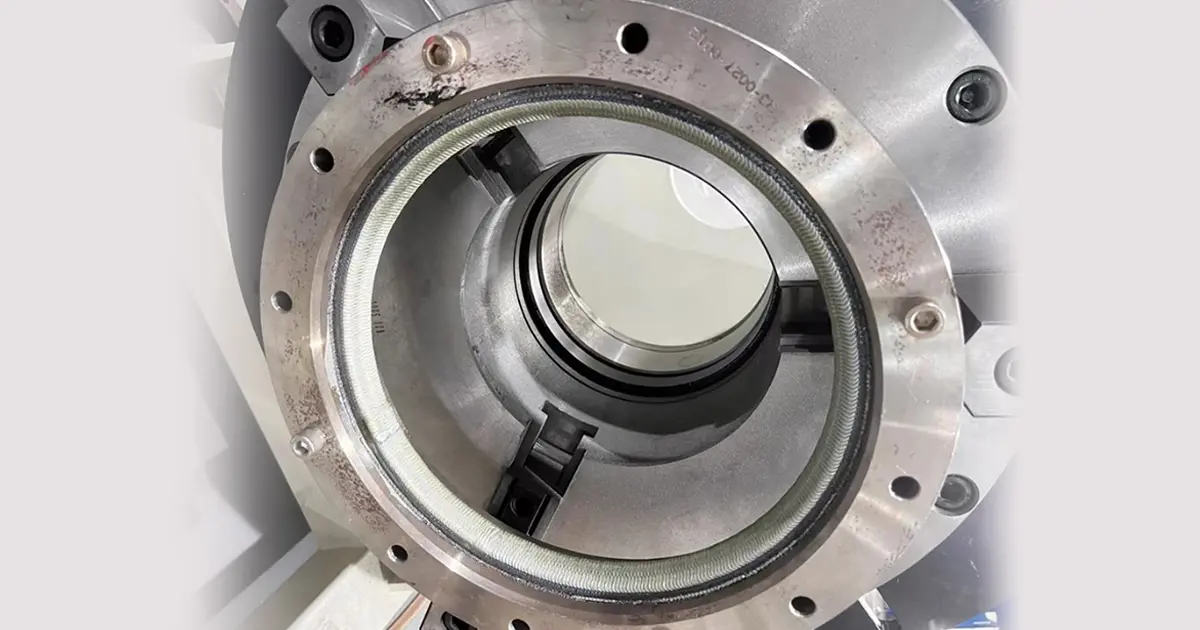
"Implementing automated PTA cladding systems for our valve seats has dramatically improved our production quality. By optimizing our cobalt powder deposition, dilution rates are consistently kept below 6%, reducing post-weld machining time by 30%."
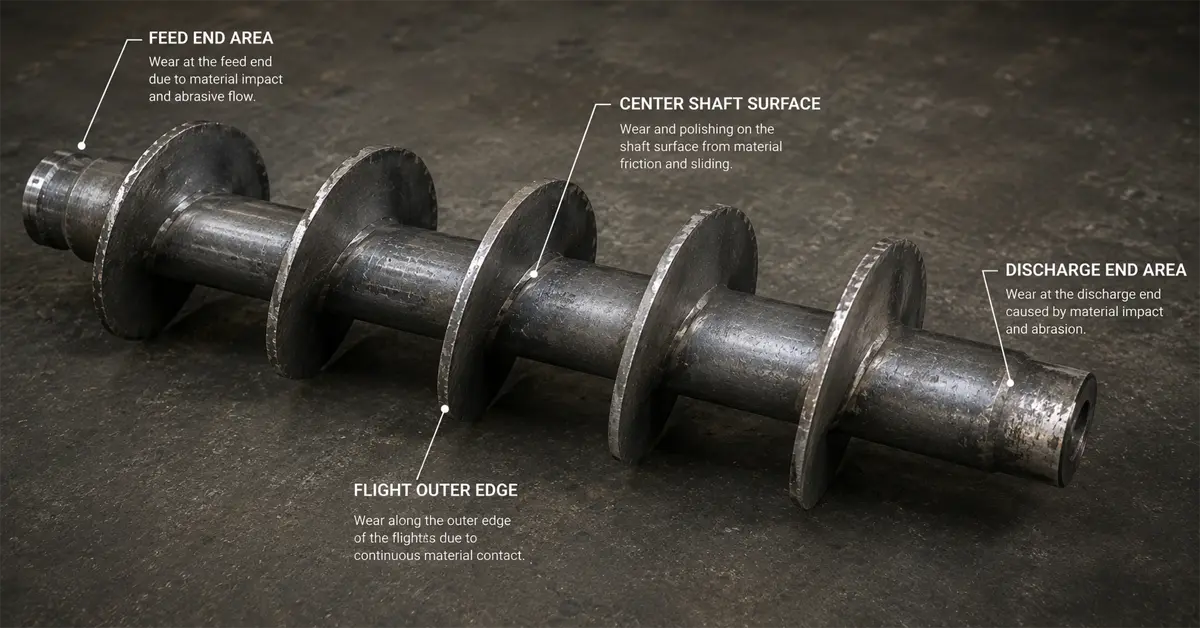
"In sectors like mining, cement, and power generation, screw conveyors are prone to abrasive wear. Upgrading to an automated PTA screw cladding machine allowed us to deposit a dense tungsten carbide matrix on the screw flights, extending their service life."
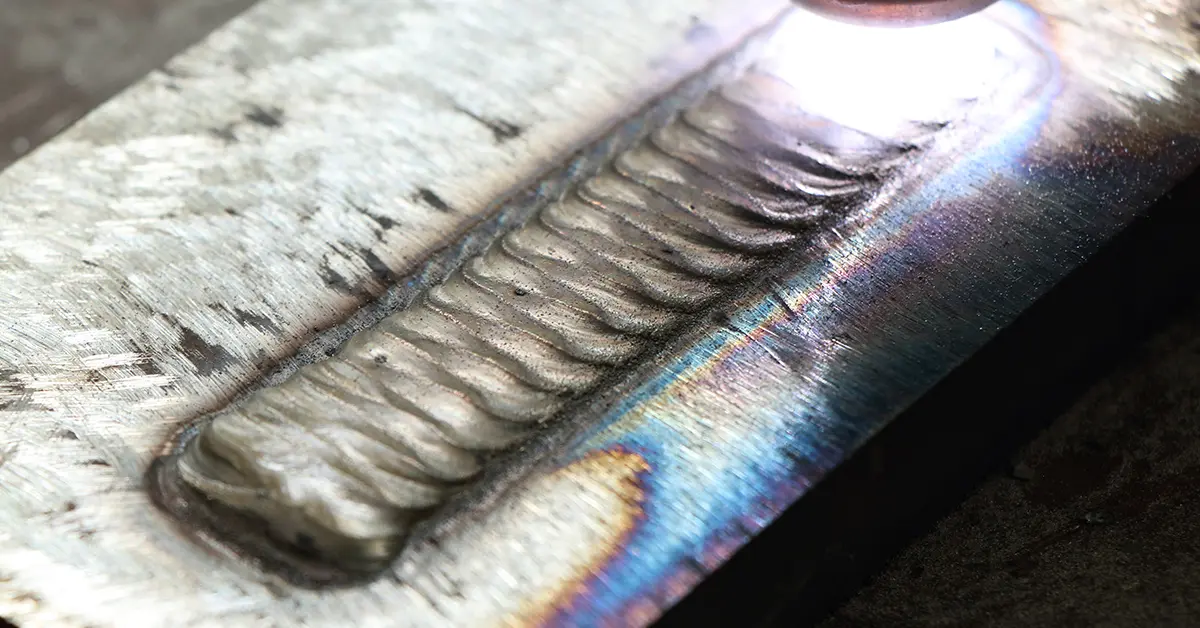
"Achieving a high-quality overlay is not just about choosing the right powder. Dilution rate control is critical. These systems maintain tight arc parameters, ensuring the overlay retains its hardness without picking up carbon from the base metal."
Common questions regarding PTA cladding machinery integration, metallurgy, and operations in industrial environments.
Plasma Transferred Arc (PTA) welding uses a constricted plasma arc to melt both the base metal surface and the metal alloy powder. Because the plasma arc is highly concentrated, it minimizes base metal melting. This leads to dilution rates between 3% and 10%, compared to 15% to 30% for GMAW/GTAW. This allows the cladding layer to reach its designed hardness and corrosion resistance in a single pass, saving material and labor costs.
Our screw automatic welding systems, such as the DLG-LC501, use CNC-controlled rotational and linear axes to track screw flights. They apply a precise layer of Ni-based or Cobalt-based alloy (often containing tungsten carbide particles) along the screw edge. This provides excellent resistance to sliding abrasion and heat, which is key for plastics and rubber extrusion plants in the Barcelona industrial corridor.
Yes. Systems like our DH1440-B06 Automatic Plasma Surfacing Robot integrate multi-axis industrial robots with coordinate positioners. The robot controller synchronizes with the PTA power source and powder feeder to handle irregular geometries, such as valve housings, drill bits, and complex impellers, ensuring consistent cladding thickness across curved surfaces.
Our equipment works with a variety of atomized metal powders, including cobalt-based alloys (Stellite series for high-temperature wear), nickel-based alloys (Colmonoy series for corrosion and galling resistance), iron-based alloys (for cost-effective impact resistance), and composite powders with tungsten carbide (WC) fractions for extreme abrasion resistance.








Contact our application engineering team today to discuss your wear challenges, request a technical quote, or arrange a system demonstration tailored for your Barcelona operations.
We will respond to your technical and commercial inquiries within 24 hours.
 Duomu
Duomu