Engineered for High-Wear Mitigation and Precise Component Cladding in California's Demanding Environments
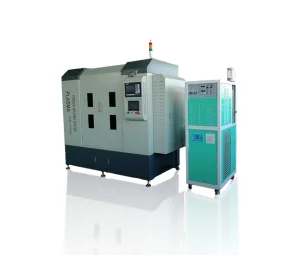
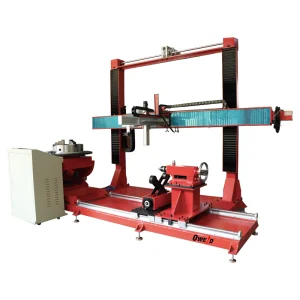
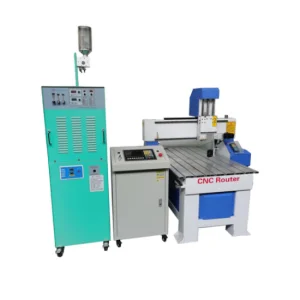
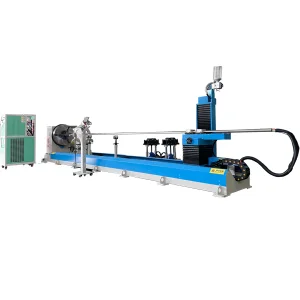
The San Francisco Bay Area is globally recognized as an innovation hub, yet its heavy industrial core remains the backbone of regional progress. From the critical geothermal power operations at The Geysers in Sonoma and Lake Counties to the marine infrastructure of the Port of Oakland and the Port of San Francisco, mechanical integrity is paramount.
Industries operating within Northern California run into intense operating challenges. Equipment is subjected to severe subterranean friction, high-temperature brine erosion, and aggressive marine saltwater corrosion. Local remanufacturing shops and industrial contractors face a continuous struggle against downtime. This is where Plasma Transferred Arc (PTA) Welding bridges the gap between catastrophic wear and decades-long component longevity.
By depositing highly customized cobalt, nickel, and tungsten carbide alloys onto critical substrate surfaces, our PTA welding equipment reduces operational costs, offering local industries a path to minimize steel consumption and lower carbon footprints.
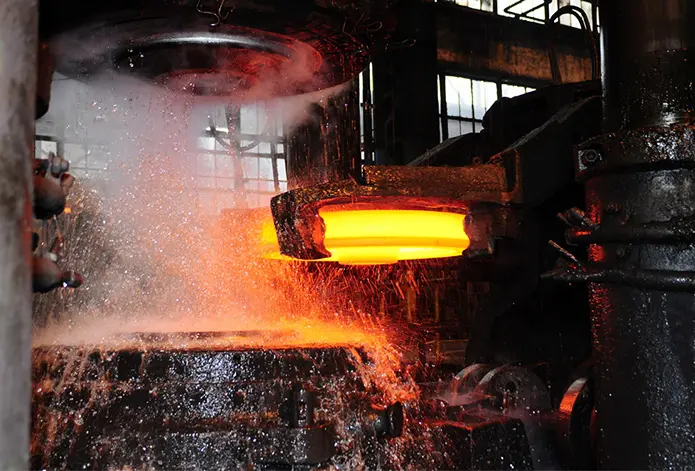
An Expert Analysis on Surface Remanufacturing & Hardfacing Excellence
Unlike traditional MIG/TIG welding processes that dilute the cladding material with up to 15-20% of the base metal, PTA hardfacing guarantees a dilution rate of under 5% in a single pass. This ensures the chemical composition of the hardfacing alloy remains pure, maximizing resistance to abrasion, impact, and heat.
Our systems incorporate advanced automated powder feeders. By utilizing metal powders (e.g., Stellite, Colmonoy, and tungsten carbide blends) rather than welding wire, we achieve superior deposition control, minimized material wastage, and homogeneous distribution of hard particles within the matrix.
The highly focused plasma arc column restricts thermal energy input exclusively to the target area. This localized heating minimizes distortion in precision components, ensuring tight tolerances are maintained for complex assemblies like hydraulic rods and extruder screws.
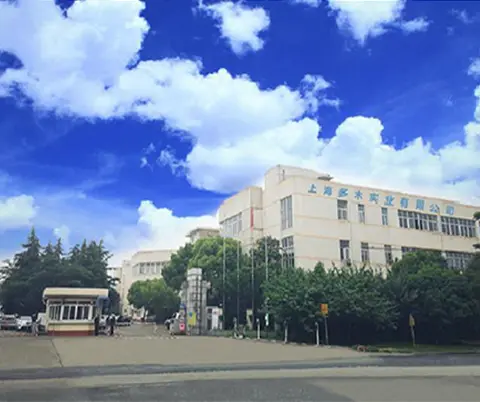
In today's highly competitive industrial landscape, purchasing managers in San Francisco and globally demand the ideal balance between capital expenditure (CAPEX) and equipment reliability. As a premier Chinese manufacturer, Shanghai Duomu addresses this need directly. Our state-of-the-art facilities in China benefit from integrated industrial supply chains, cutting-edge automated machining infrastructure, and optimized labor efficiency.
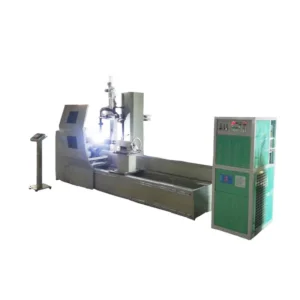
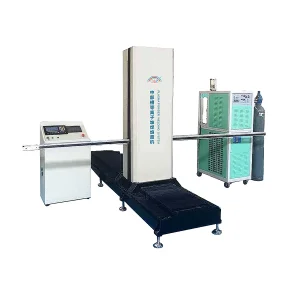
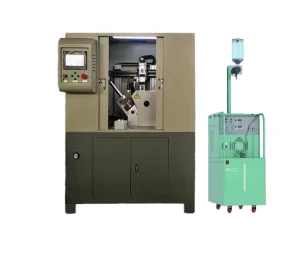
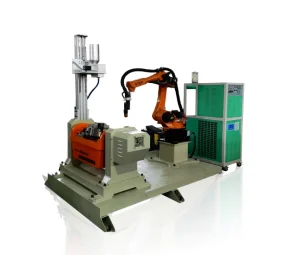
This allows us to manufacture complex CNC-controlled gantry welding systems, robotic planar surfacing units, and bespoke inner hole cladding machines at a fraction of the cost of Western European or domestic US system integrators, without compromising on component quality (we utilize world-class PLC modules, servo motors, and electronic components).
Whether you require high-volume manufacturing solutions or specialized, custom tooling designs, our in-house R&D engineering team designs, programs, and commissions equipment to meet strict ISO quality standards.
Targeted Surface Engineering for Key California Industries
Soil tillage tools, harvester blades, and sugarcane knives in neighboring agricultural hubs wear down quickly due to abrasive sand and soil. Our PTA powder surfacing systems clad these components with tungsten carbide overlays, increasing field lifespans by up to 4x.
The Bay Area's aerospace contractors require precision cladding for high-temperature turbine blades, landing gear struts, and structural rocket engine manifolds. Our laser and plasma cladding systems offer exact energy control for micro-cladding alloys.
Drill bits, mud motors, stabilizers, and wellhead valves suffer from extreme shear, downhole corrosion, and thermal friction. Our valve and hydraulic cylinder PTA systems apply nickel-based superalloys to safeguard these vital components.
As a pioneer in surface modification technologies, Shanghai Duomu has developed an independent R&D technical department. The industry trend is moving fast toward fully automated, multi-axis robotic cladding systems integrated with real-time melt pool monitoring and closed-loop temperature control.
By combining high-speed laser hardening, high-efficiency laser cladding, and high-deposition PTA welding, we provide hybrid solutions that optimize manufacturing operations. The goal is to achieve defect-free cladding layers with zero cracking, minimal porosity, and optimal alloy distribution.
Our tech department assists customers during the procurement process with alloy selection (cobalt-based, nickel-based, iron-based, copper-based, composite carbide powders) to match specific base metals (carbon steel, tool steel, stainless steel, cast iron).
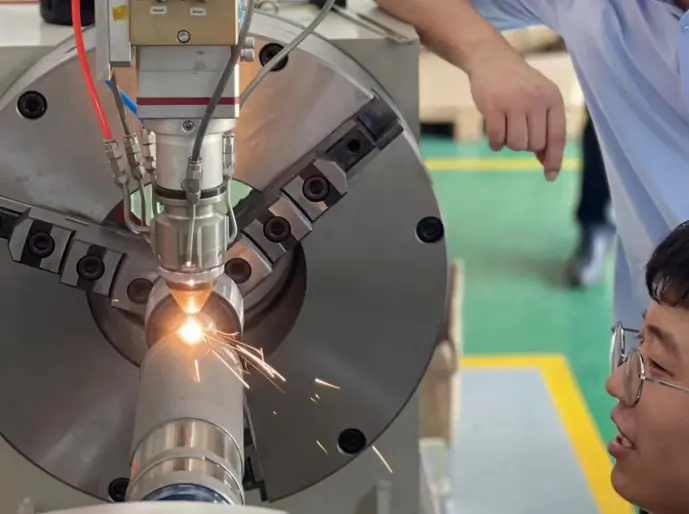
Find the Perfect Configuration for Your Manufacturing and Repair Projects
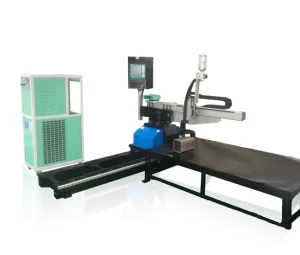
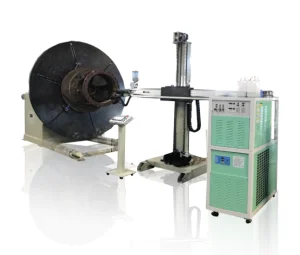
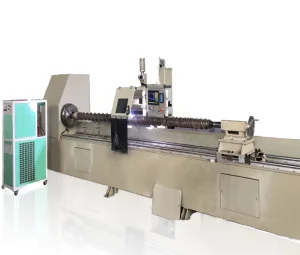
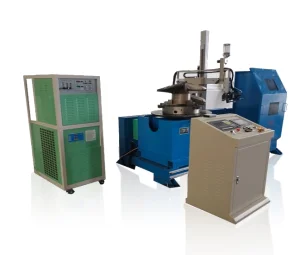
How Modern Engineering Solves Wear Problems and Minimizes Operating Failures
"The PTA Welding Valve Application Guide is not just a process choice for valve manufacturers facing high wear, high corrosion, and high-temperature erosion working conditions, but also a key path to improving product competitiveness. As industries such as petrochemical, geothermal, and power generation scale up thermal and chemical requirements, precision automated cladding helps us hit our safety indexes reliably."
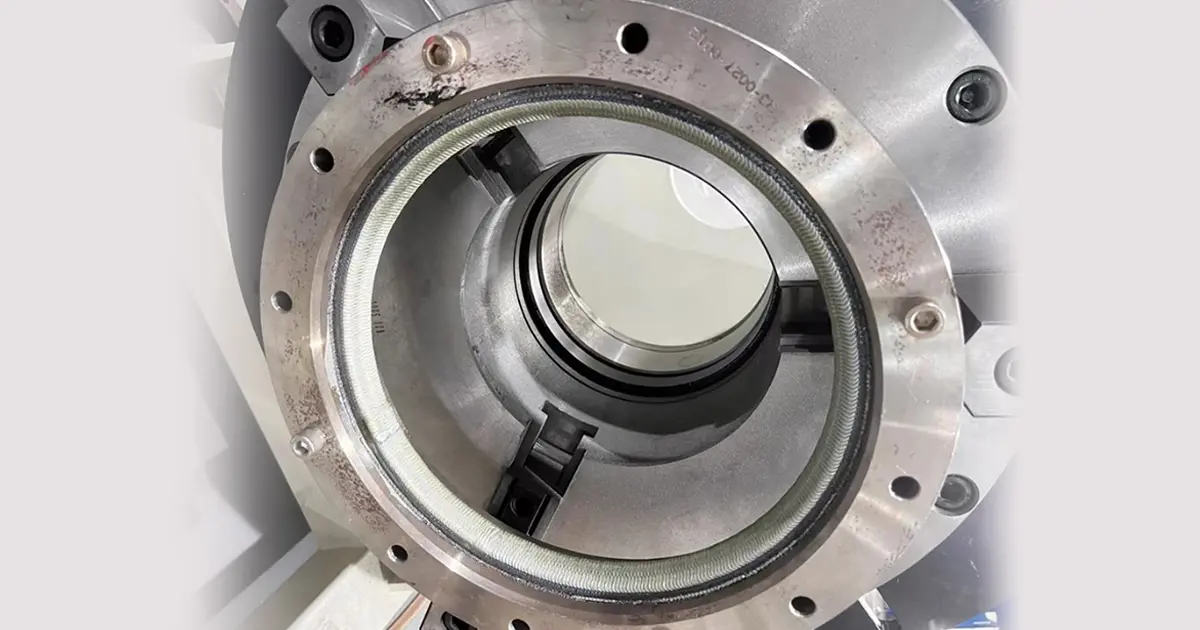
Valves & Actuators Specialists, CA
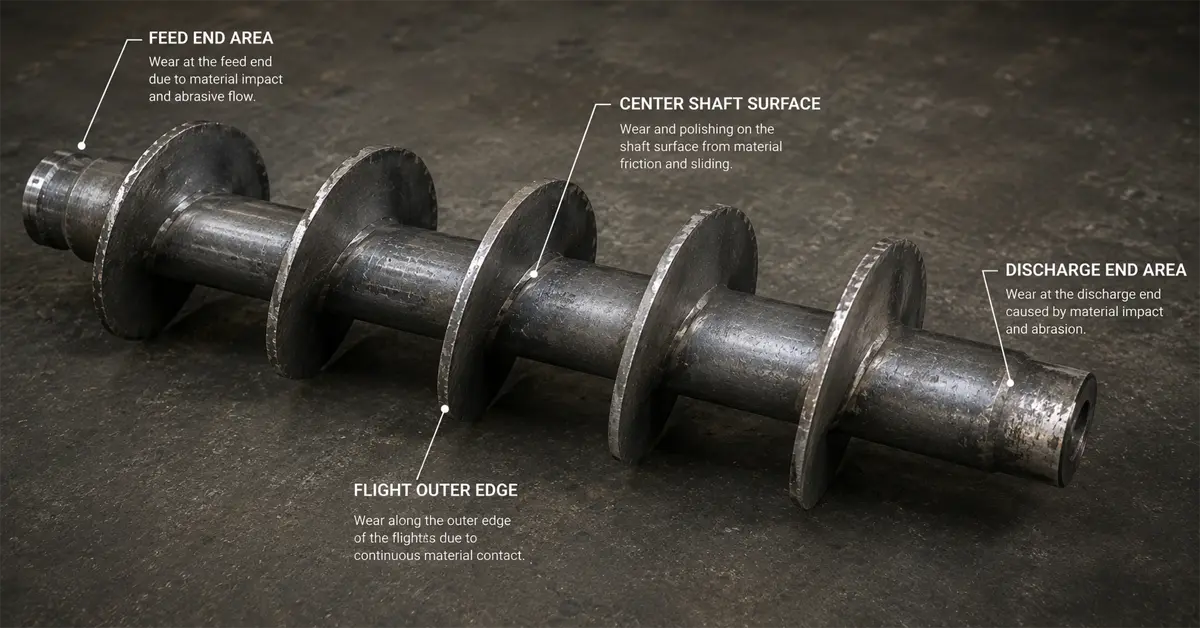
"In industries such as mining, cement, power generation, steelmaking, chemical processing, and biomass energy, screw conveyors are often regarded as auxiliary equipment. However, maintenance data shows that they are among the most frequent causes of unplanned production downtime. Integrating a dedicated DLG-series automatic screw welding machine saved our maintenance shop over $180,000 annually by restoring flights on-site."
Bulk Material Processing Hubs
Critical Engineering and Procurement Queries Answered by Industry Experts
Deploying Surface Modification Technologies in Key Industrial Sectors





 Duomu
Duomu