Directly from our advanced manufacturing floor—integrated automated cladding equipment, customized multi-functional welding machinery, and robust processing assemblies engineered for long-life industrial operation.
How modern material science and thermal beam physics merge in the configuration of high-end plasma and laser deposition heads.
The processing head functions as the focal control unit in both PTA (Plasma Transferred Arc) and Laser Cladding operations. Responsible for simultaneously aligning the power source (laser beam or plasma arc), the feed material (metal powders, custom alloy mixtures, or wire), and shield/focusing gases, the cladding head dictates the metallurgical outcome of the process. In high-stakes manufacturing environments where low dilution rates, uniform microstructures, and zero-defect bonding are absolute requirements, selecting a high-performance custom cladding head remains paramount.
By engineering specialized Internal Diameter (ID) cladding heads and External Diameter (OD) high-deposition setups, engineers can target wear surfaces with microscopic precision. Our custom architectures minimize thermal loading on the base substrate, thereby preventing structural warping and minimizing the Heat-Affected Zone (HAZ).
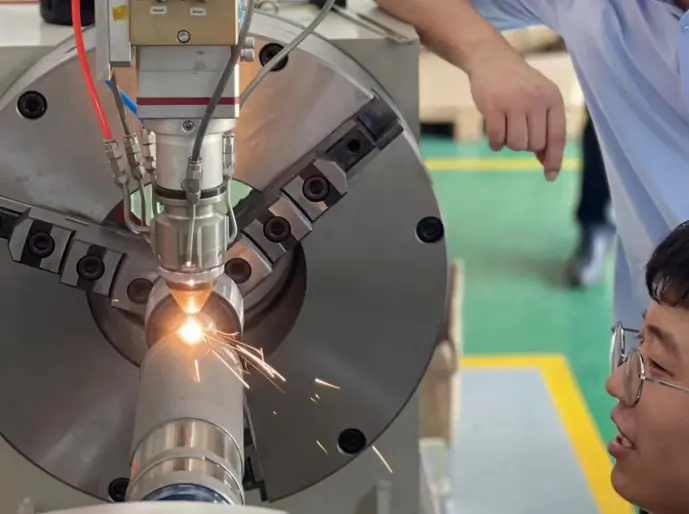
From deep oil reservoirs in North America to heavy steel forging plants in Northern Europe, cladding heads adapt to specialized wear and environment profiles.
Our custom optical cladding heads facilitate high-precision repair of turbine blades, compressor vanes, and military aviation structural components. Utilizing laser energy deposition minimizes residual stress, restoring complex geometric features without altering the base alloy's microcrystalline integrity.
Drill strings, valves, and stabilizer surfaces face intense abrasion. Coaxial powder cladding heads apply nickel-based superalloys (Inconel 625) and tungsten carbides directly inside high-wear zones, extending tool life three-fold under corrosive marine environments.
Hydraulic roof supports, picks, and heavy earth-moving cylinders are subjected to constant impact. Multi-channel plasma surfacing heads deposit thick, impact-resistant iron-based alloys to ensure equipment reliability and prevent unscheduled mining downtime.
Valve seats and high-pressure sealing rings demand absolute gas-tight surfaces. Our integrated plasma powder welding heads apply cobalt-based alloys (Stellite) to ensure performance under extreme thermal cycles and chemical aggression.

Continuous soil tillage causes rapid tool wear. Using localized plasma powder cladding on blade points and plowshares dramatically reduces downtime during seasonal crop harvesting.

High-integrity alloys deposition under controlled shielding environments. Ideal for repairing critical aircraft engine seals and high-strength titanium landing gear forgings.

Drill stabilizers, casing tubes, and subsea manifold valves are coated using our advanced laser cladding heads to withstand aggressive sour gas reservoirs.
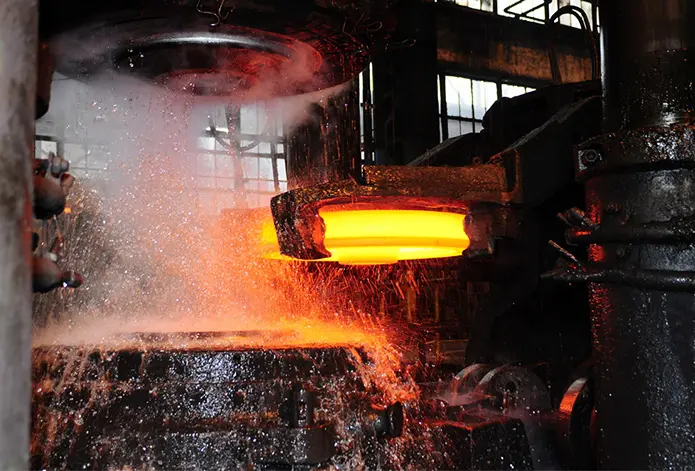
Continuous steel casting guide rolls operate in extreme thermal shock zones. PTA cladding heads lay robust wear-resistant overlays that prevent micro-cracking and roll degradation.
Where is additive cladding technology heading? Explore the development steps from simple nozzle configurations to AI-driven, closed-loop sensor-monitored heads.
Standardizing ultra-high-speed processing nozzles where powder is melted *above* the melt pool. This yields ultra-thin coatings (20-100µm) at surface speeds up to 100 meters per minute, drastically lowering energy consumption.
Integrating infrared pyrometers and optical CMOS cameras inside the custom cladding head body. This enables the CNC system to dynamically adjust laser power or arc current in milliseconds, correcting thermal drift on the fly.
Miniaturizing optical elements, cooling channels, and powder delivery lines to permit internal diameter cladding inside long tubes and cylinders with diameters as small as 50 millimeters.
Future cladding heads are not mere passive nozzles—they are fully integrated smart modules. By incorporating sensory intelligence directly into the cladding head housing, we empower manufacturers to monitor key metrics such as powder flow fluctuation, optical temperature drift, and shield gas purity.
This level of system-level integration enables robotic arms to trace complex geometries with a constant focus, guaranteeing that localized dilution ratios remain consistent across three-dimensional curvatures, which is particularly vital for repairing components like curved turbine blades or helical screw segments.
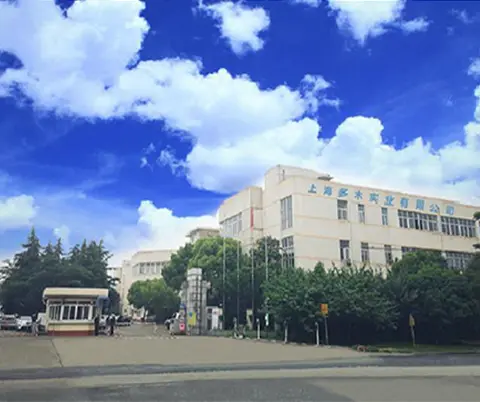
Shanghai Duomu has been a leading manufacturer and exporter of PTA cladding machine and Laser cladding machine for more than ten years with a strong technical background. Our dedicated R&D facilities allow us to design, validate, and manufacture highly customized cladding heads optimized for diverse industrial needs.
Our deep vertical integration—encompassing copper nozzle precision machining, optical element alignment, and custom power source assembly—ensures our equipment runs continuously on the shop floor with minimal maintenance. By controling every stage of production within our high-tech Chinese factories, we bypass global supply disruptions to offer shorter lead times and superior cost-to-performance value compared to conventional Western suppliers.
Ensuring that our equipment integrates seamlessly with international manufacturing standards and local operator environments.
Our cladding heads are pre-configured to communicate via fieldbus protocols (EtherNet/IP, Profinet, DeviceNet) with major industrial robotic systems, including Fanuc, KUKA, ABB, and Yaskawa, facilitating direct automation integration.
Every laser and plasma system we manufacture adheres strictly to European CE directives, ISO 9001 quality frameworks, and international laser safety norms (EN 60825-1). Safeguarding your personnel is built into our core designs.
We provide remote diagnostic capabilities, rapid-response component replacement programs, and dedicated commissioning engineers to verify process performance directly on your shop floor.
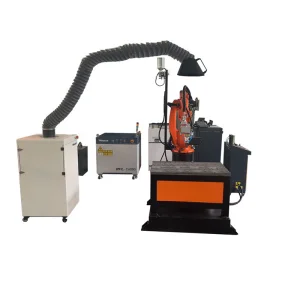
Customized configurations for specific industrial demands, from manual precision welding systems to full-scale robotic multi-axis hardening arrays.
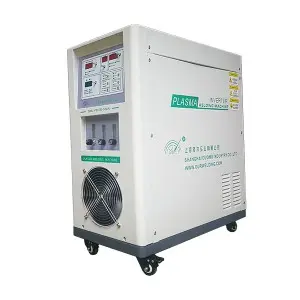
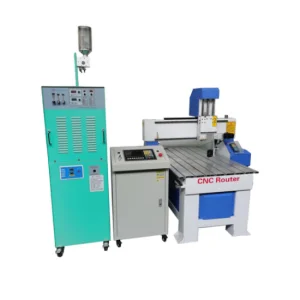
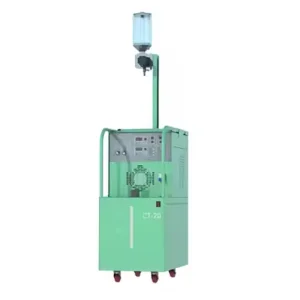
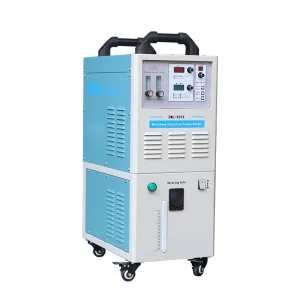
Highly integrated plasma deposition machine engineered for repeatable surface cladding with minimal thermal distortion.
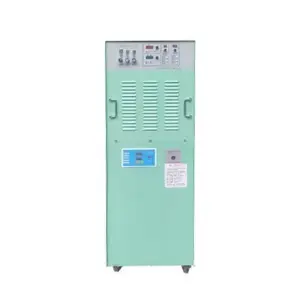
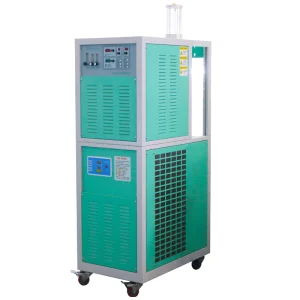
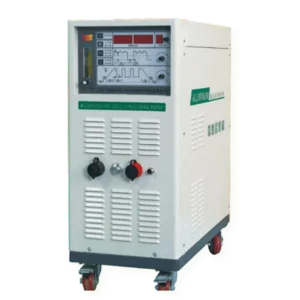
All-in-one system providing adaptable weld current adjustments, powder feed rates, and gas protection profiles.
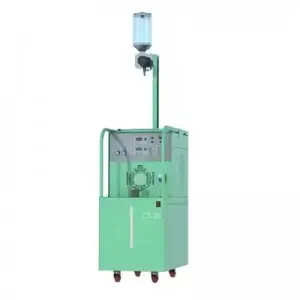
Versatile workhorse designed for localized repair work and small-to-medium industrial hardfacing runs.
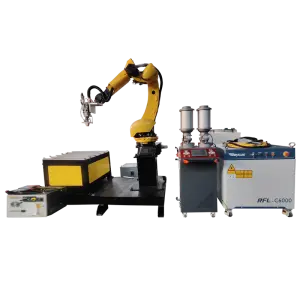
Specialized optical paths and feed nozzles optimize deposition quality on complex blade edges.
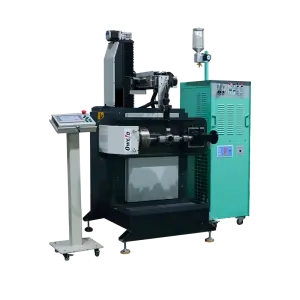
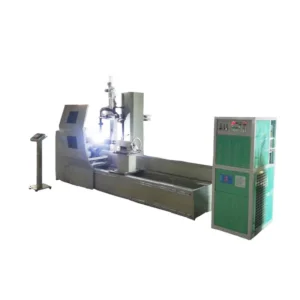
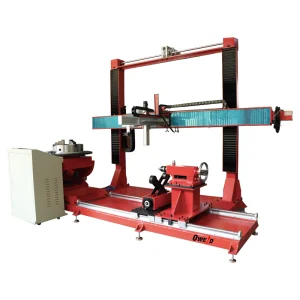
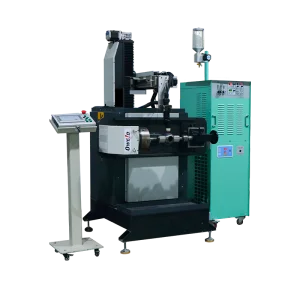
Automated positioning and torch movement system specifically engineered for demanding ball valve hard overlays.
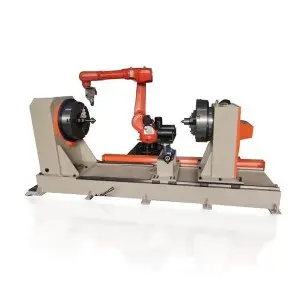
Multi-axis articulation for surface heat treatment, delivering high hardness without requiring quenching media.
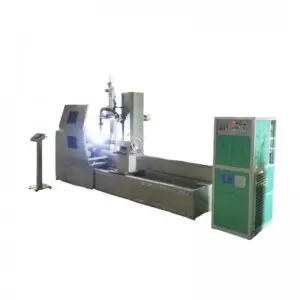
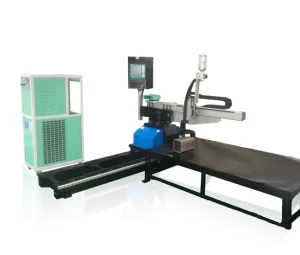
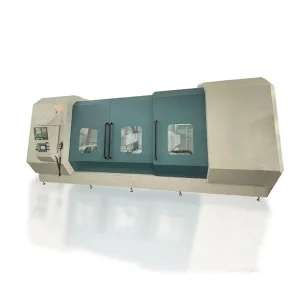
Dedicated solution for coal mine hydraulic cylinders and piston rod corrosion-resistant surface cladding.
See how industrial engineering teams leverage PTA and Laser deposition technology to optimize wear performance and reduce maintenance overhead.
"The PTA Welding Valve Application Guide is not just a process choice for valve manufacturers facing high wear, high corrosion, and high-temperature erosion working conditions, but also a key path to improving product competitiveness. As industries such as petrochemical and thermal power demand longer cycles, optimizing hardfacing parameters becomes vital."
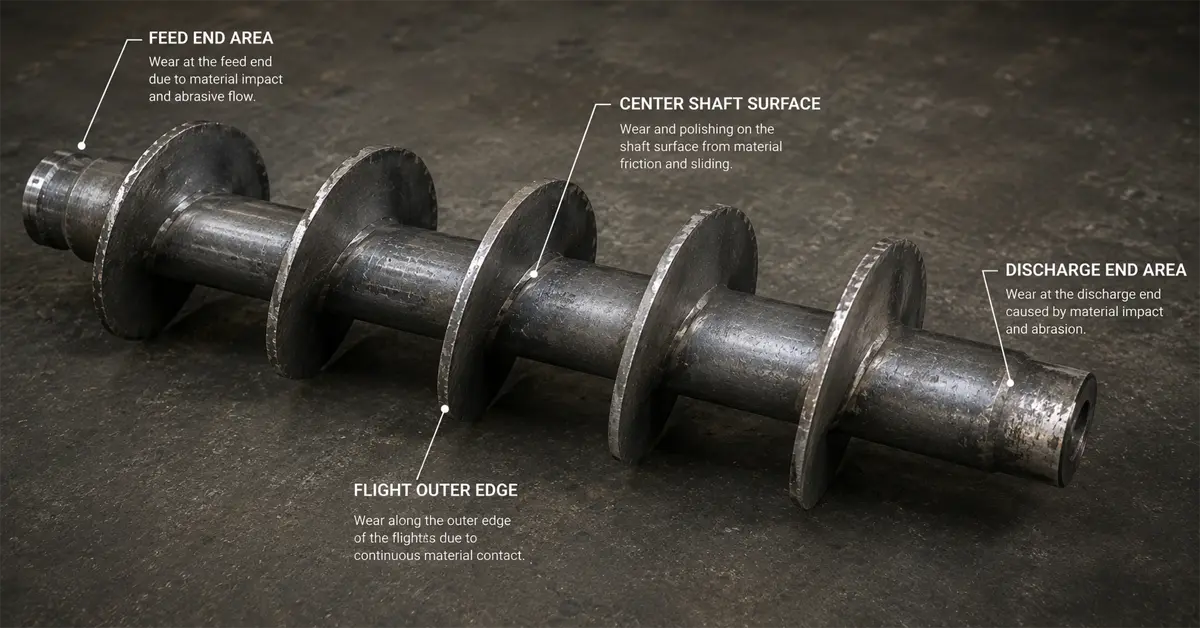
"In industries such as mining, cement, power generation, steelmaking, chemical processing, and biomass energy, screw conveyors are often regarded as auxiliary equipment. However, maintenance data shows that they are among the most frequent causes of unplanned production halts. Deploying automated PTA cladding heads onto flight edges extended our conveyor life by 300%."
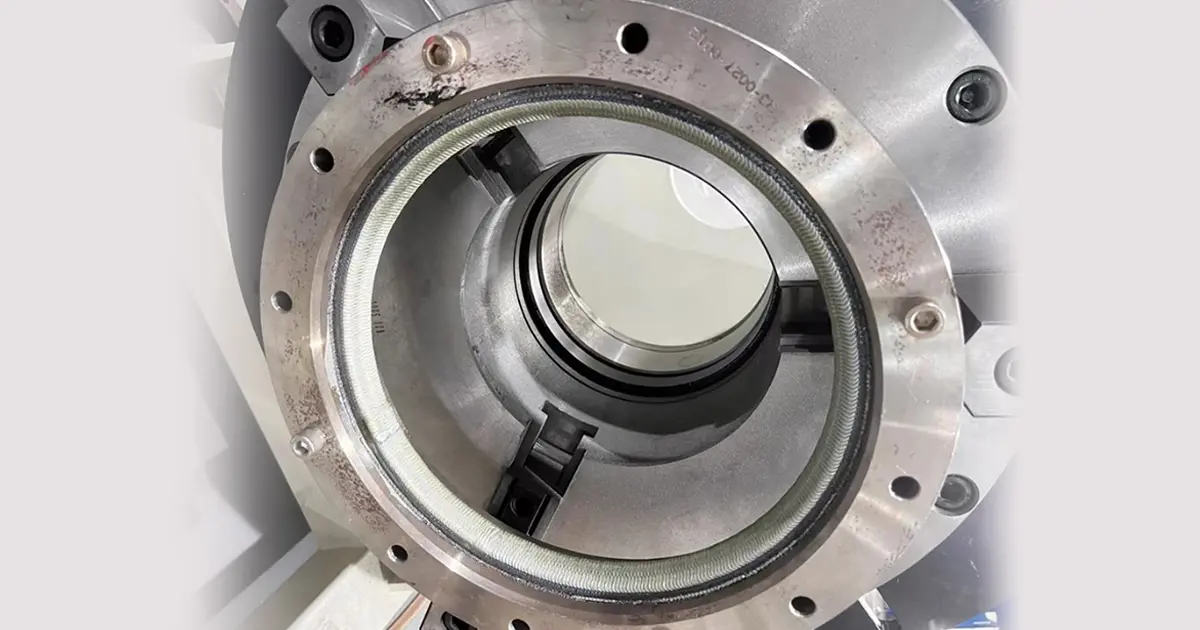
"In Plasma Transferred Arc (PTA) hardfacing, achieving a high-quality overlay is not only about selecting the right alloy powder or optimizing welding parameters. One of the most critical factors that directly affects overlay performance is the dilution rate. High-precision control of the cladding head ensures clean metallurgical bonding."
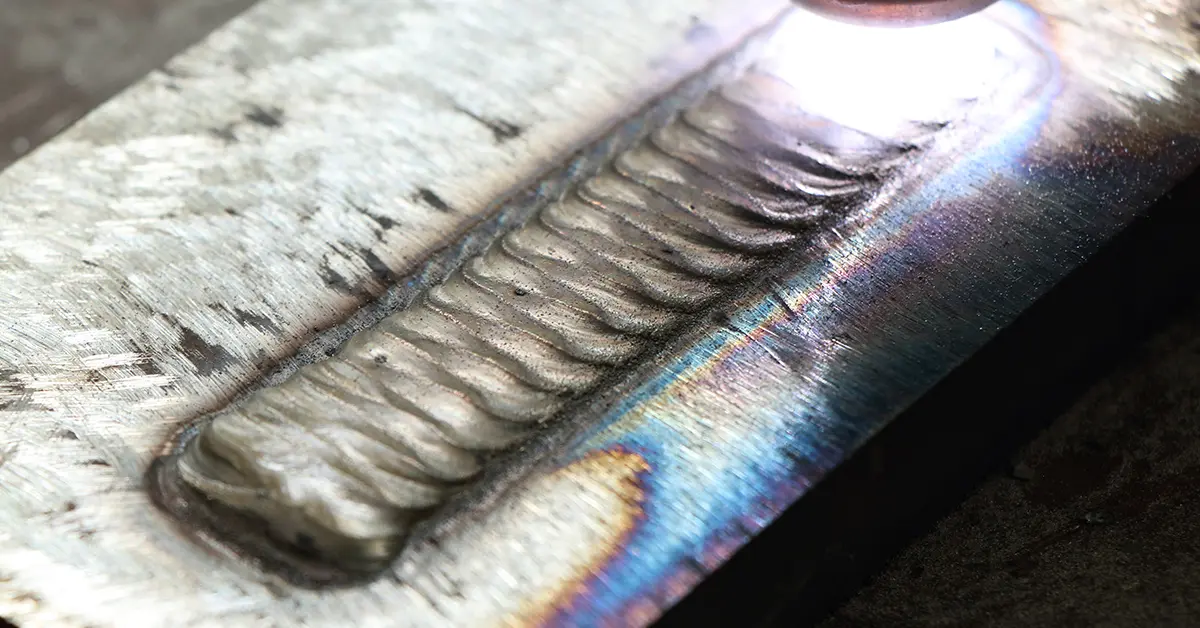
"In industries such as Oil & Gas, Mining, Power Generation, Cement, and Heavy Equipment Manufacturing, hardfacing is no longer just a repair process. It has become a critical technology directly related to equipment lifespan, downtime costs, maintenance frequency, and design upgrades. Custom cladding heads make this process predictable."
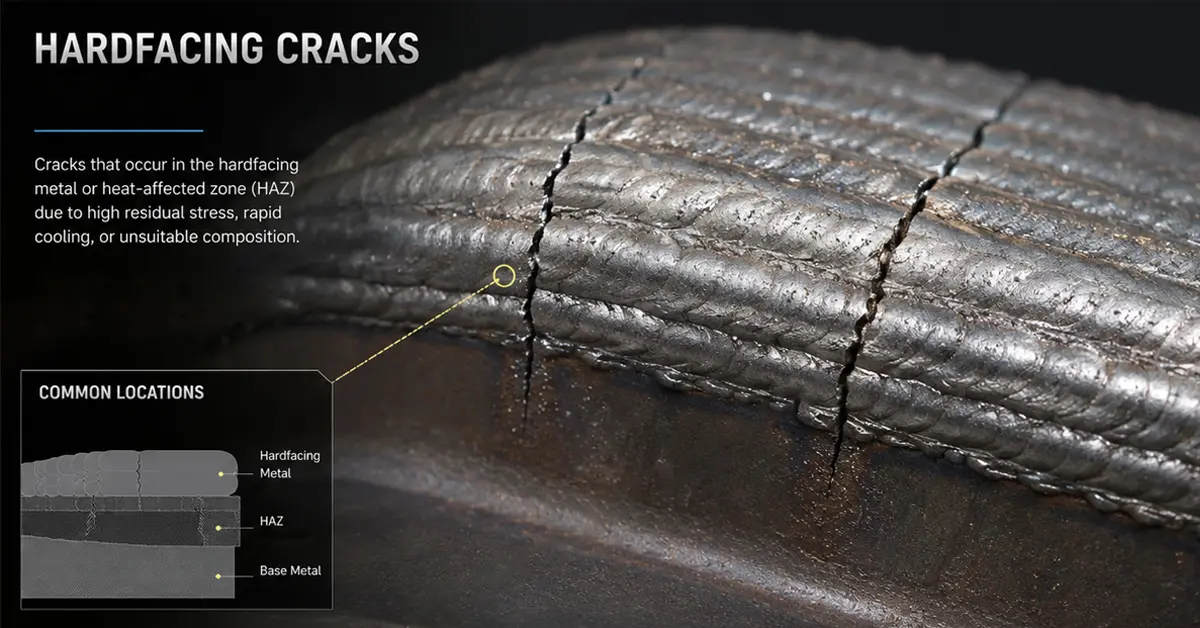
"In industries such as oil & gas, petrochemical, power generation, mining, and marine engineering, industrial valves are constantly exposed to severe operating conditions including high pressure, extreme temperatures, corrosive media, and abrasive sand erosion. Precise cladding alloys protect critical interfaces."
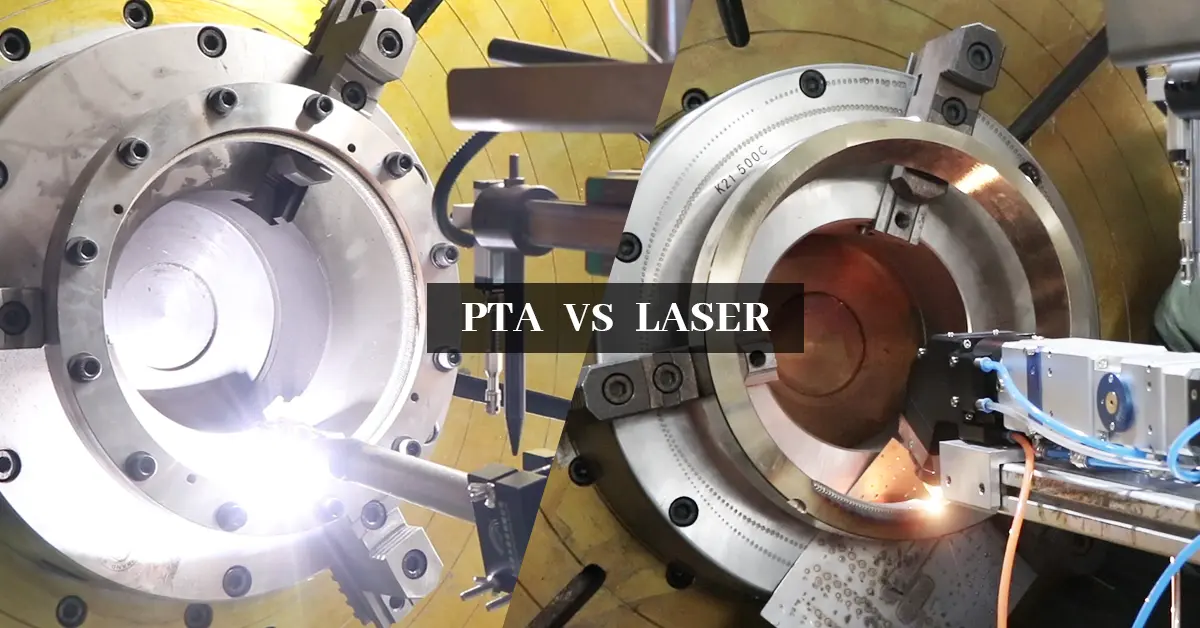
Addressing the critical engineering questions that decide process success on the shop floor.
The primary difference lies in the heat source and energy density. PTA (Plasma Transferred Arc) cladding heads utilize a concentrated plasma arc to melt both the feed powder and the substrate surface, creating a robust metallurgical bond with dilution rates around 5% to 10%. Laser cladding heads focus a coherent laser beam to melt a very thin layer of substrate and the alloy powder, resulting in extremely low dilution rates (often under 5%) and a minimal heat-affected zone, making it ideal for thin-walled or high-precision components.
Dilution control is managed by optimizing three parameters: powder feeding rate, processing travel speed, and beam power. A custom-designed cladding head ensures that the powder stream converges precisely at the focal point of the energy source. This ensures that the bulk of the thermal energy is consumed melting the incoming powder, rather than overheating the substrate, allowing for dilution rates as low as 2% to 4%.
We supply three primary nozzle designs: 1. Coaxial nozzles, which provide a symmetric powder envelope around the beam, perfect for multi-directional 3D robotic printing. 2. Off-axis nozzles, designed for high-rate cladding in single directions (e.g., shafts and flat surfaces). 3. Multi-jet coaxial nozzles, which feature discrete powder ports to balance deposition rates with high shielding gas efficiency.
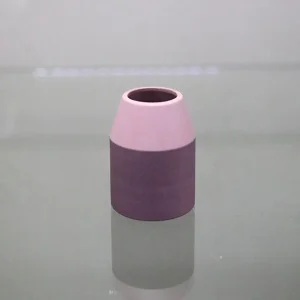
Our nozzles are machined using high-conductivity chromium-zirconium-copper alloys, featuring optimized internal water cooling galleries. These internal channels run close to the nozzle tip, preventing spatter adhesion and thermal degradation during long-run industrial operations.
Yes, our equipment is fully compatible with standard self-fluxing alloys, including Cobalt-based alloys (Stellite 6, 12), Nickel-based superalloys (Inconel 625, Hastelloy), Iron-based wear alloys, and Tungsten Carbide (WC) blends for high abrasion resistance.
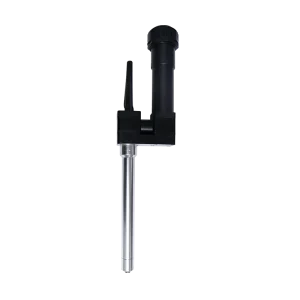
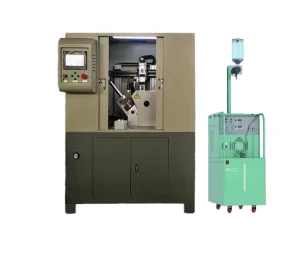
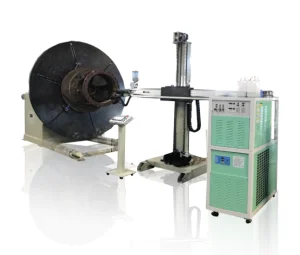
High-performance deep-hole torches, automatic valve hardfacing setups, and heavy positioner units for global industrial integration.








For inquiries about our products or pricelist, please leave your contact info to us and we will be in touch within 24 hours.
 Duomu
Duomu