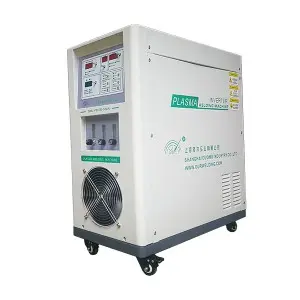
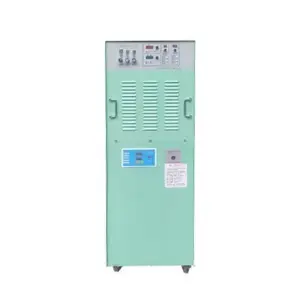
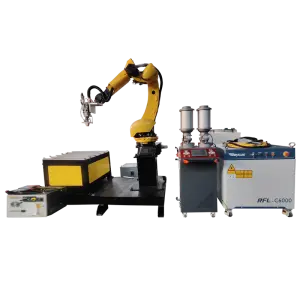
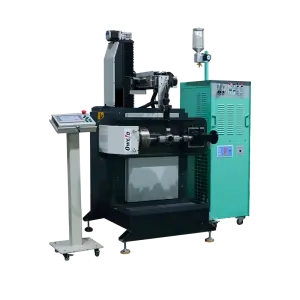
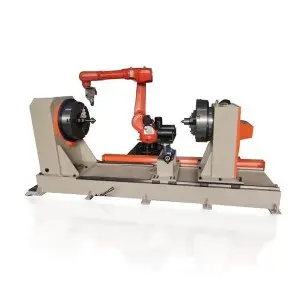
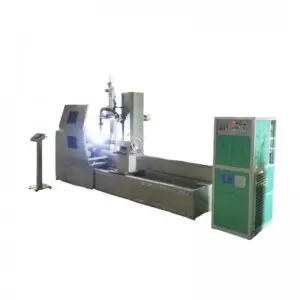
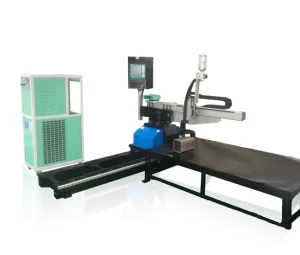
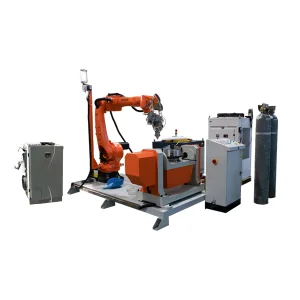
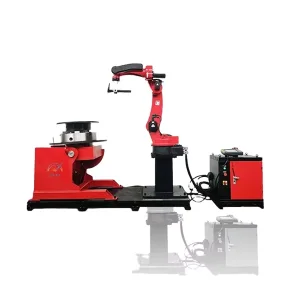
Explore our heavy-duty solutions engineered to maximize wear resistance and repair industrial machinery components.
Laser Auftragsschweissen, internationally recognized as laser cladding or laser metal deposition (LMD), is a state-of-the-art additive manufacturing process used to apply metallurgical coatings to substrates. By introducing metal powders or wires into a high-energy laser beam melt pool, a physical fusion is forged. This metallurgical bond yields zero-porosity, high-density surface enhancements with minimal dilution and heat-affected zones (HAZ).
Unlike conventional arc welding overlay processes that dilute the chemistry of the protective layer with substrate elements, Laser Auftragsschweissen restricts dilution to under 5%. This guarantees that the protective chemical properties of expensive superalloys, Stellite matrices, or tungsten carbide overlays are maintained directly from the very first layer deposition.
Localized heat input prevents component warpage and limits thermal distortions.
Unlike thermal spray coatings, cladding creates a pure metallurgical fusion bond.
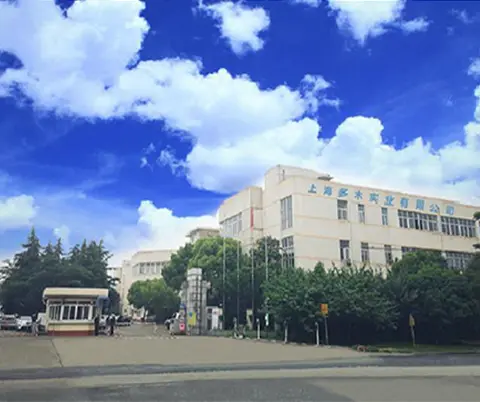
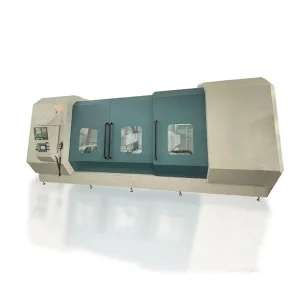
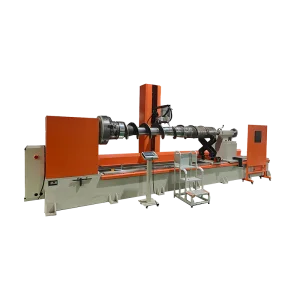
Shanghai Duomu has been a leading manufacturer and exporter of PTA cladding machine and Laser cladding machine for more than ten years with a strong technical background. Our dedication to additive manufacturing R&D guarantees industry-grade precision for extreme wear conditions.
Combining cost efficiencies, vertical supply chain integration, and rapid customized design capabilities.
China houses the most integrated raw material and optoelectronics supply chains. From custom diode laser modules to superalloy powders (Ni-based, Co-based, Fe-based matrices), all components are sourced and developed in close proximity to manufacturing centers, reducing logistics lead times.
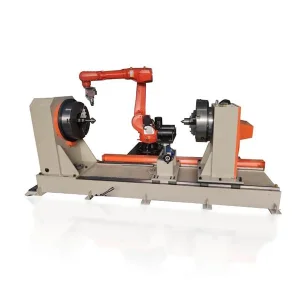
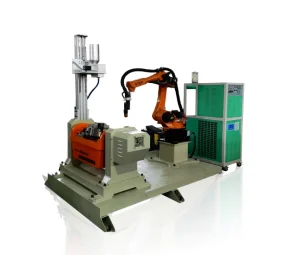
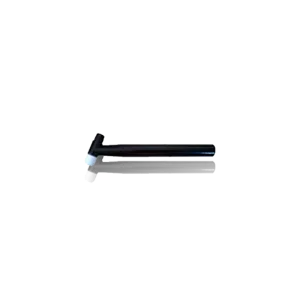
Unlike rigid off-the-shelf system integrators, Chinese factories excel at bespoke designs. We tailor multi-axis robotic cladding cells, deep-hole cladding torches, and customized powder feeders to sync seamlessly with your existing automation infrastructure.
By leveraging state-backed industrial infrastructure and lean design parameters, our equipment offers up to a 40% reduction in capital expenditure (CAPEX) compared to European competitors, without compromising on performance or tool lifetime.
At present, our surface-enhancing technologies have penetrated into many crucial sectors demanding extreme performance.


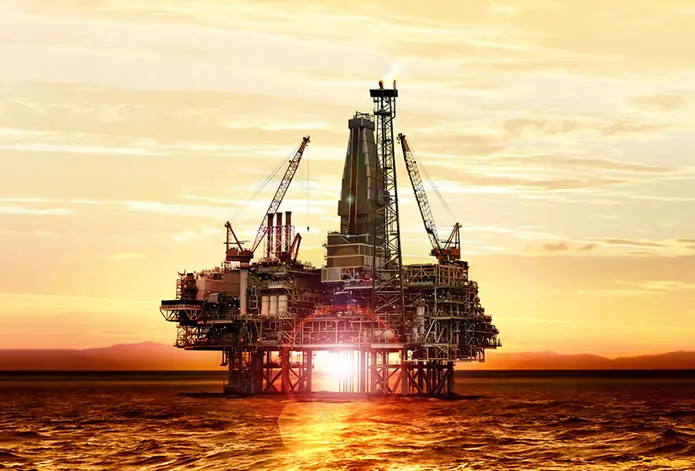
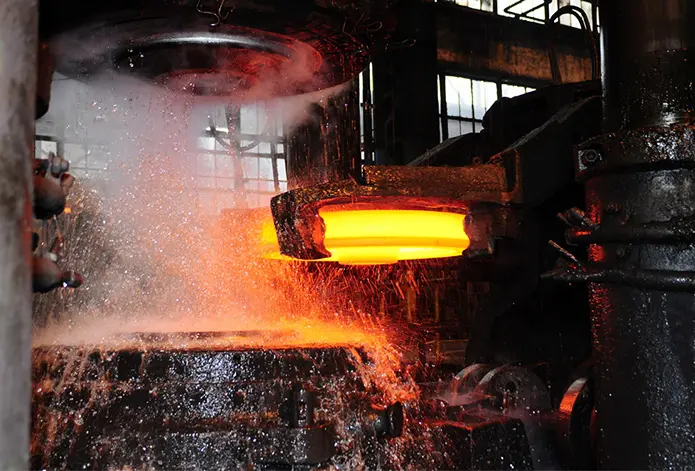
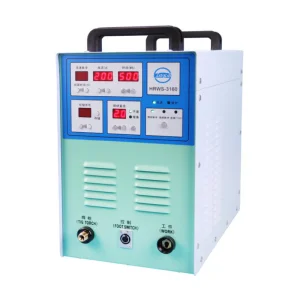
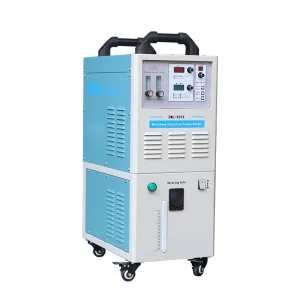
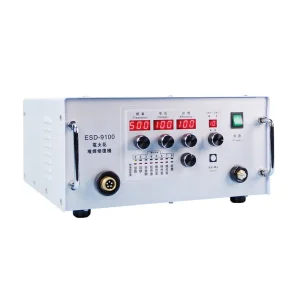
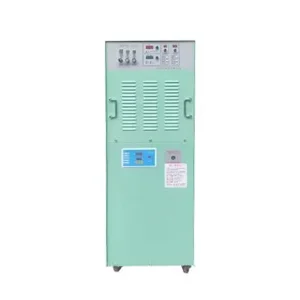
I have an independent R&D team, which develops, produces and sells plasma cladding machine equipment. The welding machine has stable performance and can maintain efficient long-term operation. In addition, the laser cladding equipment sold by the company can effectively support large-scale remanufacturing projects. We have mature technological means to provide complete sets of industrial equipment solutions.
Our research pipeline centers on real-time process monitoring. By integrating closed-loop optical feedback controls, our machines scan and auto-adjust laser power in response to thermal variances in the melt pool. This ensures uniform bead width, minimal dilution deviation, and virtually zero defect rates across high-volume production cycles.
Connect with R&D Team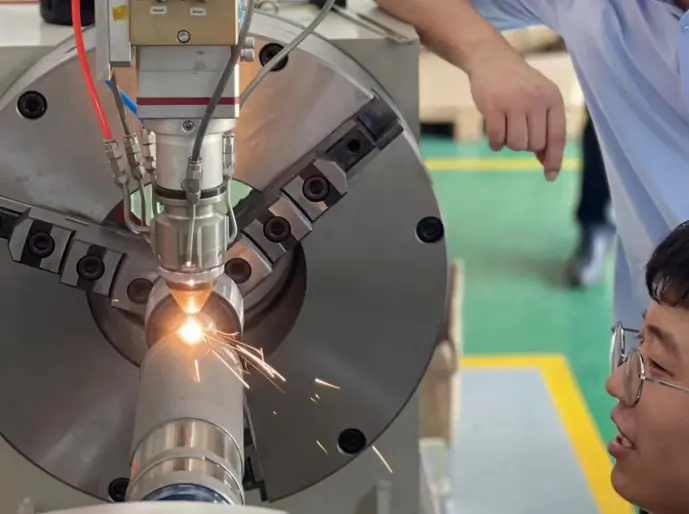
We provide customized equipment, automatic laser cladding equipment, automatic plasma cladding equipment, and intelligent robot cladding setups to resolve specific wear patterns across key industries.
A procurement guide to validating laser cladding systems for complex corporate operations.
For international tier-1 engineering companies, purchasing a custom cladding cell involves rigorous technical validation. Ensure your manufacturing partner respects international standards:
In addition to performance, Laser Auftragsschweissen plays a foundational role in modern environmental mandates. Over 70% of retired industrial machinery components (such as chemical plant valves, mine shaft drill heads, or marine diesel engine pistons) can be fully restored to OEM tolerances via remanufacturing rather than recycling through capital-intensive smelting furnaces.
This process results in up to an 85% energy footprint reduction compared to fabricating new replacement parts, positioning cladding as a key strategy for corporate carbon accounting.
Read through our technical whitepapers written by engineers, focusing on real-world industrial repair operations.
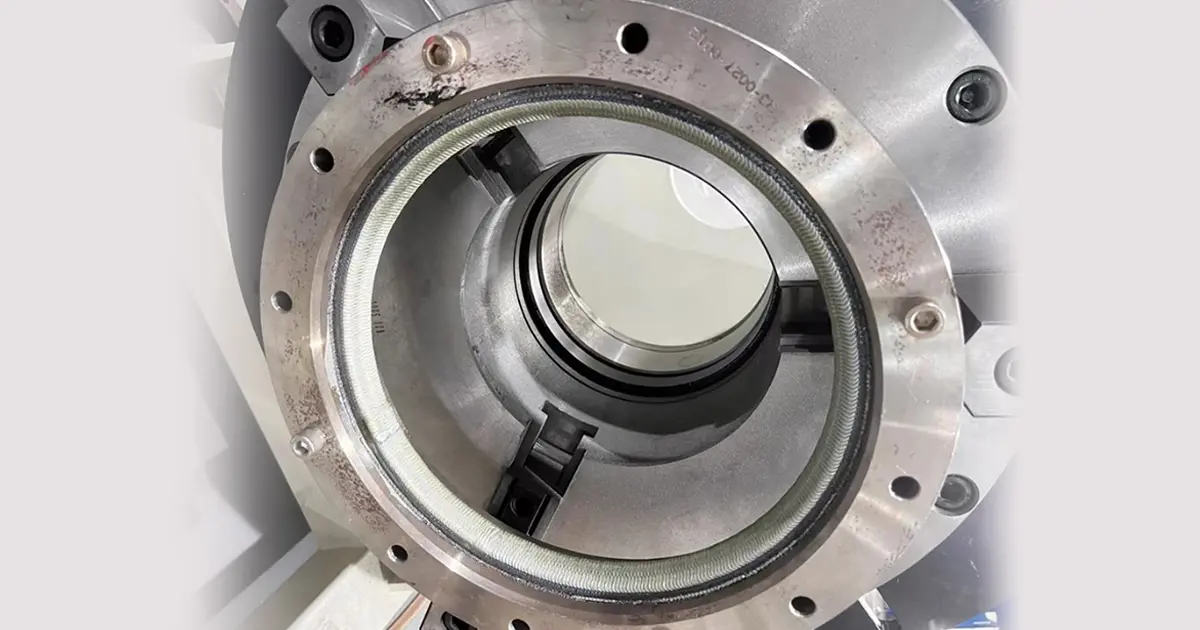
The PTA Welding Valve Application Guide is not just a process choice for valve manufacturers facing high wear, high corrosion, and high-temperature erosion working conditions, but also a key path to improving product competitiveness. As industries such as petrochemical, power generation, and chemical processing push for higher operating limits, valve overlays require absolute precision.
Read Technical Guide →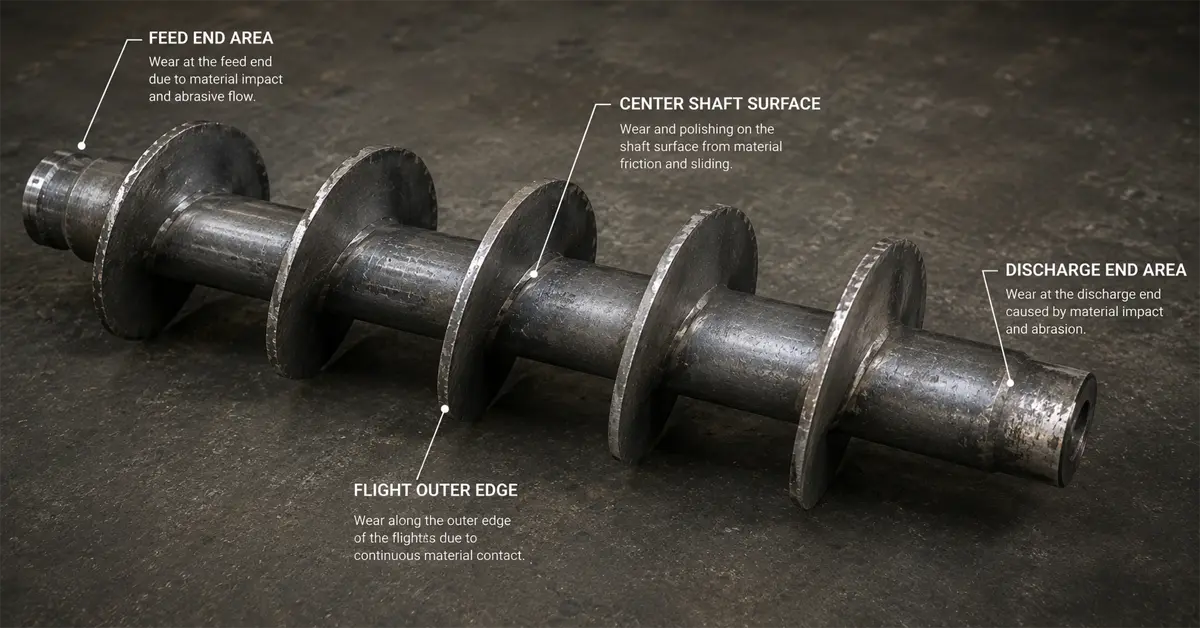
In industries such as mining, cement, power generation, steelmaking, chemical processing, and biomass energy, screw conveyors are often regarded as auxiliary equipment. However, maintenance data shows that they are among the most frequent causes of unplanned production downtime due to aggressive particulate abrasion, calling for hardened coatings.
Read Technical Guide →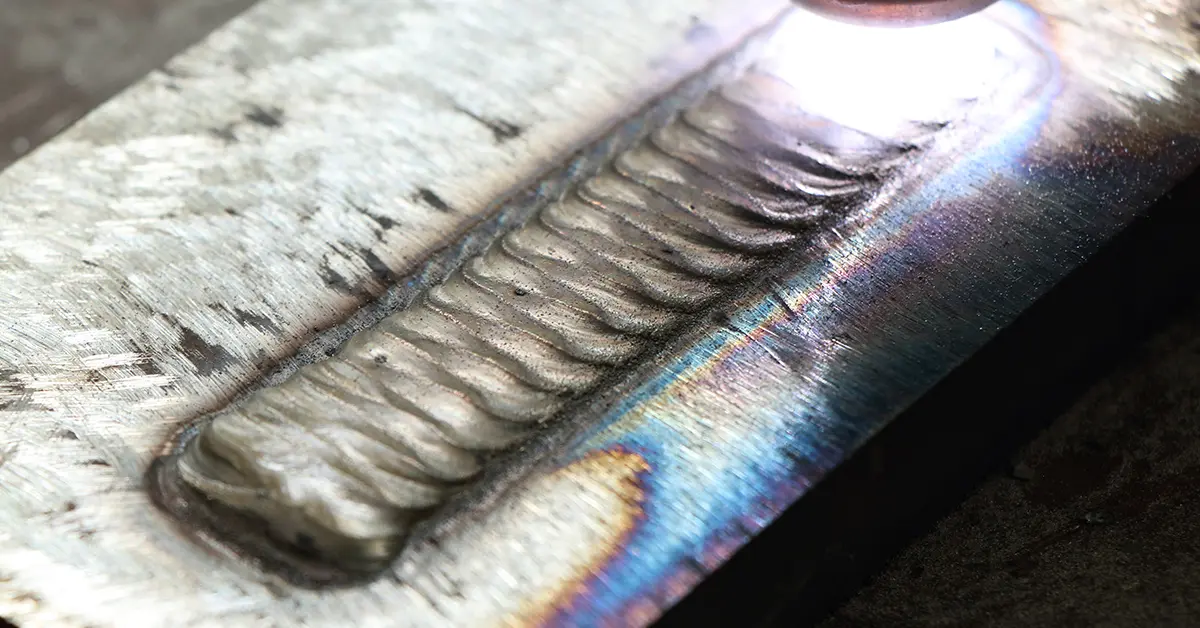
In Plasma Transferred Arc (PTA) hardfacing, achieving a high-quality overlay is not only about selecting the right alloy powder or optimizing welding parameters. One of the most critical factors that directly affects overlay performance is the dilution rate. Minimizing iron migration is paramount to maintaining carbide density.
Read Technical Guide →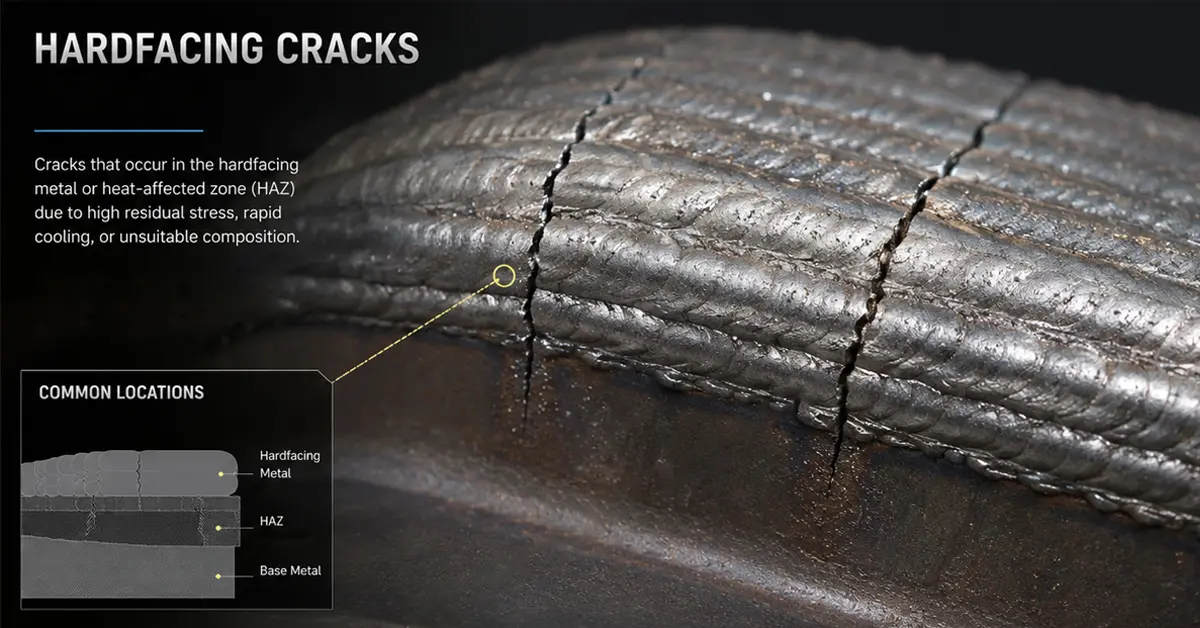
In industries such as Oil & Gas, Mining, Power Generation, Cement, and Heavy Equipment Manufacturing, hardfacing is no longer just a repair process. It has become a critical technology directly related to equipment lifespan, downtime costs, maintenance frequency, and structural reliability.
Read Technical Guide →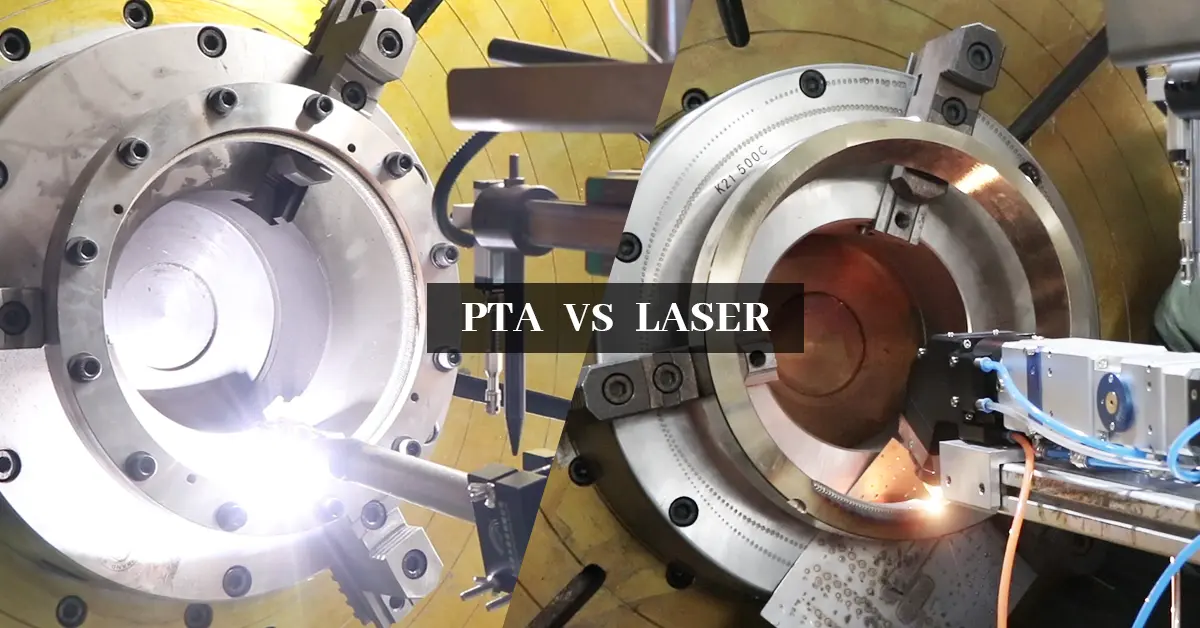
In industries such as oil & gas, petrochemical, power generation, mining, and marine engineering, industrial valves are constantly exposed to severe operating conditions including high pressure, extreme temperatures, corrosive media, abrasive wear, sand erosion, and cavitation.
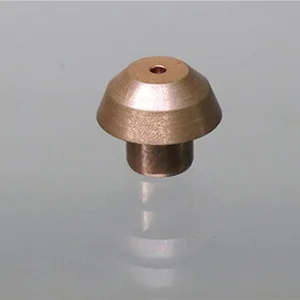
Read Technical Guide →Premium automation tooling and high-durability consumables engineered in-house to match complex welding parameters.







Professional engineering answers on custom laser cladding equipment configuration and parameters.
Need to optimize wear resistance for industrial components, or require custom integration specifications? Leave us a message. Our technical team will respond with a full solution and price estimate within 24 hours.
 Duomu
Duomu