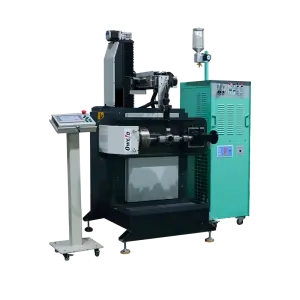
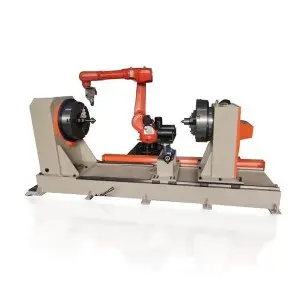
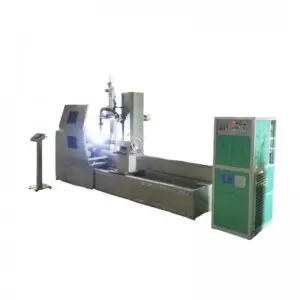
Engineered to withstand severe abrasion, localized thermal stresses, and corrosion-heavy operations across complex environments.
Modern heavy-duty industries function under extreme tribological, thermomechanical, and electrochemical stresses. Standard structural alloys lack the specific properties to survive in these severe environments without premature degradation. This is where Laser Cladding and Plasma Transferred Arc Welding (PTAW) play a critical role, depositing custom metallurgically bonded coatings that dramatically extend the operational lifecycle of crucial capital equipment.
By utilizing highly concentrated heat sources (laser beams or plasma arcs), these technologies melt a target metal substrate and an alloyed powder precursor simultaneously. The resulting rapid solidification creates an exceptionally dense protective layer with minimal dilution rates, a narrow heat-affected zone (HAZ), and minimal thermal deformation. This structural optimization translates to reduced material waste, superior wear resistance, and minimized system down-time.
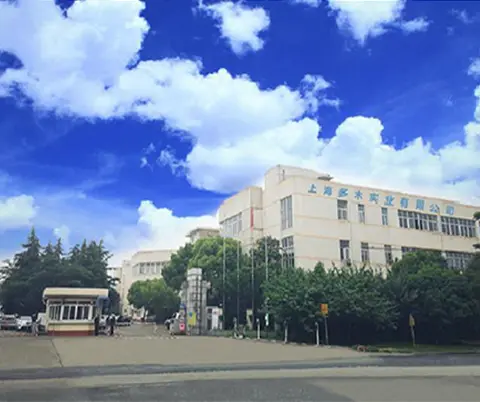
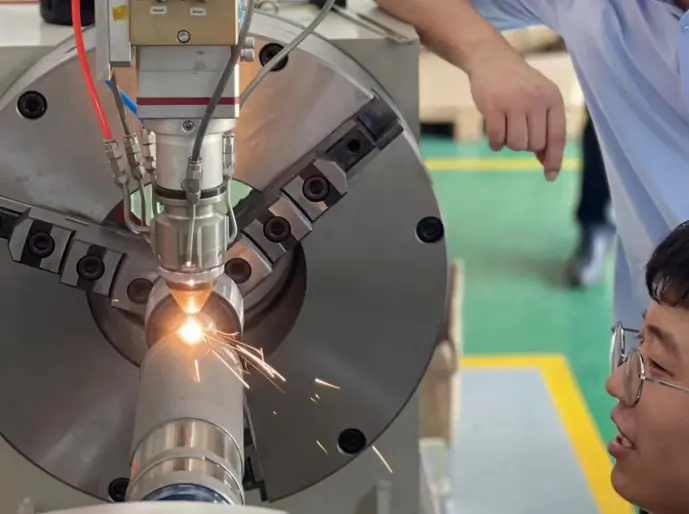
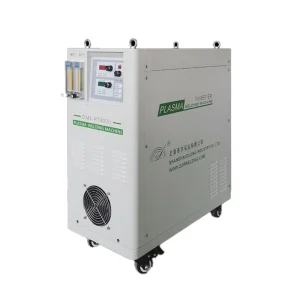
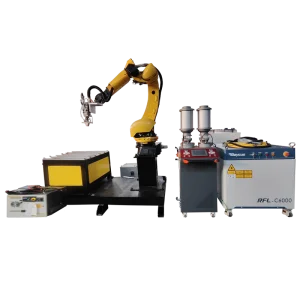
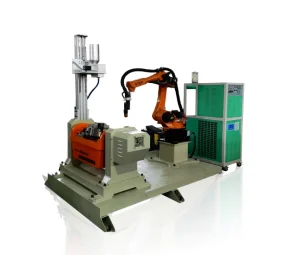
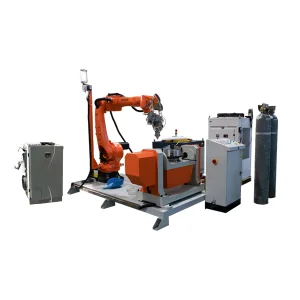
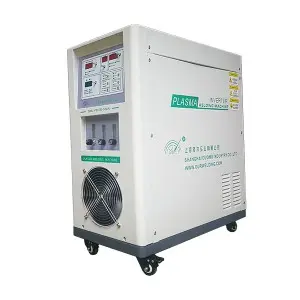
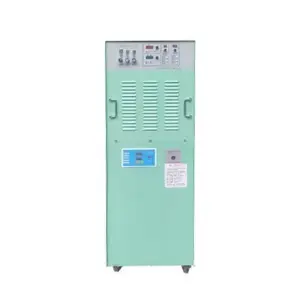
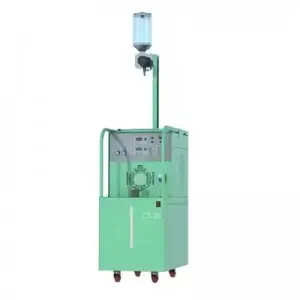
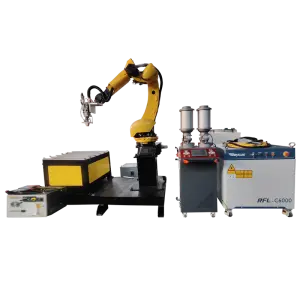
Shanghai Duomu has been a leading manufacturer and exporter of PTA cladding machine and Laser cladding machine for more than ten years with a strong technical background.
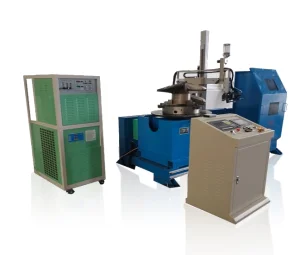
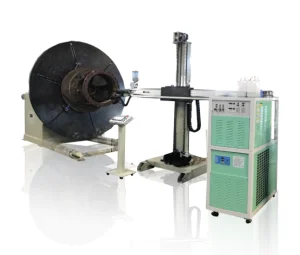
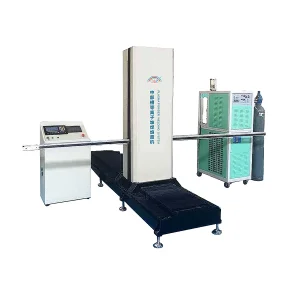
I have an independent R&D team, which develops, produces and sells plasma cladding machine equipment. The welding machine has stable performance and can maintain efficient long-term operation. In addition, the laser cladding equipment sold by the company can effectively support large-scale remanufacturing projects. We have mature technological means to provide complete sets of industrial equipment solutions.
Our facility integrates advanced power electronics design, precision multi-axis CNC movement systems, and real-time process monitoring technology. This allows us to serve tier-1 global aerospace, metallurgy, and petrochemical clients who mandate strict compliance with industry manufacturing standards.
Read More About Shanghai DuomuAnalyzing key supply chain drivers, industrial standardization, and geopolitical cost efficiencies for international OEMs.
Procuring cladding systems directly from Chinese factories yields up to 40% capital cost reductions compared to Western alternatives, without compromising component tolerances, system rigidity, or mechanical reliability.
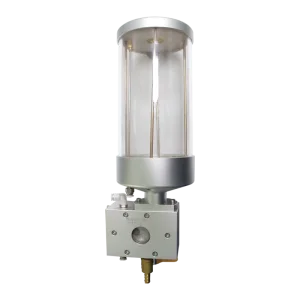
From modular robotic arms to dual-axis positioners and high-pressure powder feeders, we dynamically configure system geometries to align with the specific space, mass, and automation requirements of your factory line.
Our systems conform to ISO 9001:2015 and CE standards. We supply full traceability dossiers, structural welding audits, and comprehensive chemical/mechanical reports for all critical components.
At present, the company's products have penetrated into many fields such as aerospace military industry, nuclear power, petrochemical industry, coal mines, metallurgy and forging, agriculture, water conservancy and electric power, etc.


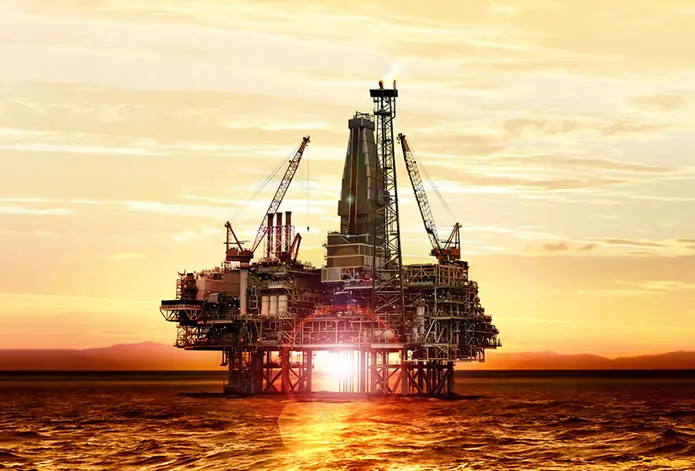
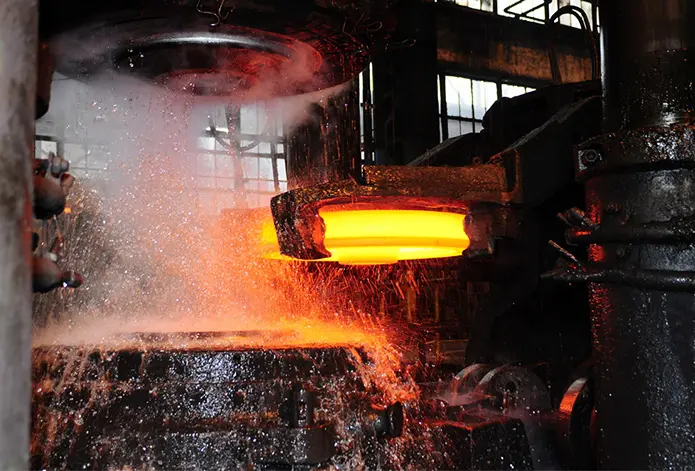
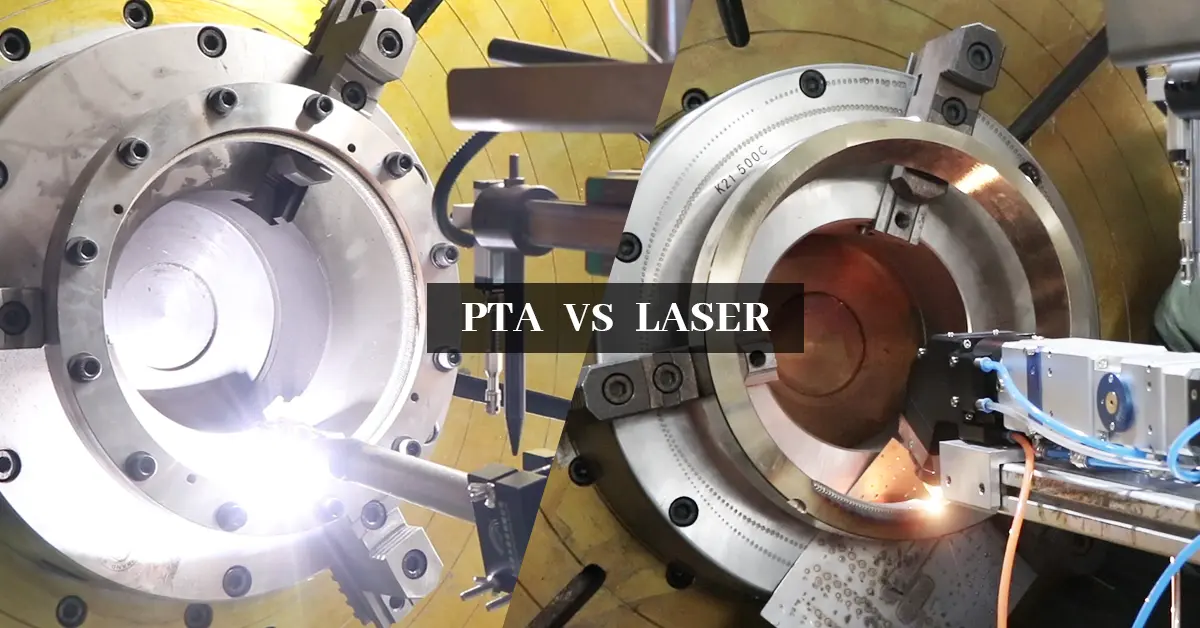
Understanding the structural advantages, deposit rates, and heat inputs of Laser Cladding versus Plasma Transferred Arc Welding.
A highly focused, coherent laser beam serves as the energy vector, vaporizing and melting the surface target area with extreme precision. Powder feedstock is injected via coaxial or lateral nozzle systems.
Utilizes a constricted plasma arc between a non-consumable tungsten electrode and the workpiece. The powder material is gas-delivered directly into the plasma arc stream.
Insights into dilution factors, hardfacing practices, and field engineering challenges for valves, conveyors, and mining implements.
"The PTA Welding Valve Application Guide is not just a process choice for valve manufacturers facing high wear, high corrosion, and high-temperature erosion working conditions, but also a key path to improving product competitiveness. As industries such as petrochemical, power generation, and subsea mining continue to push parameters, optimizing dilution rates and using cobalt-based alloys on seating faces determines ultimate valve service lifespan."
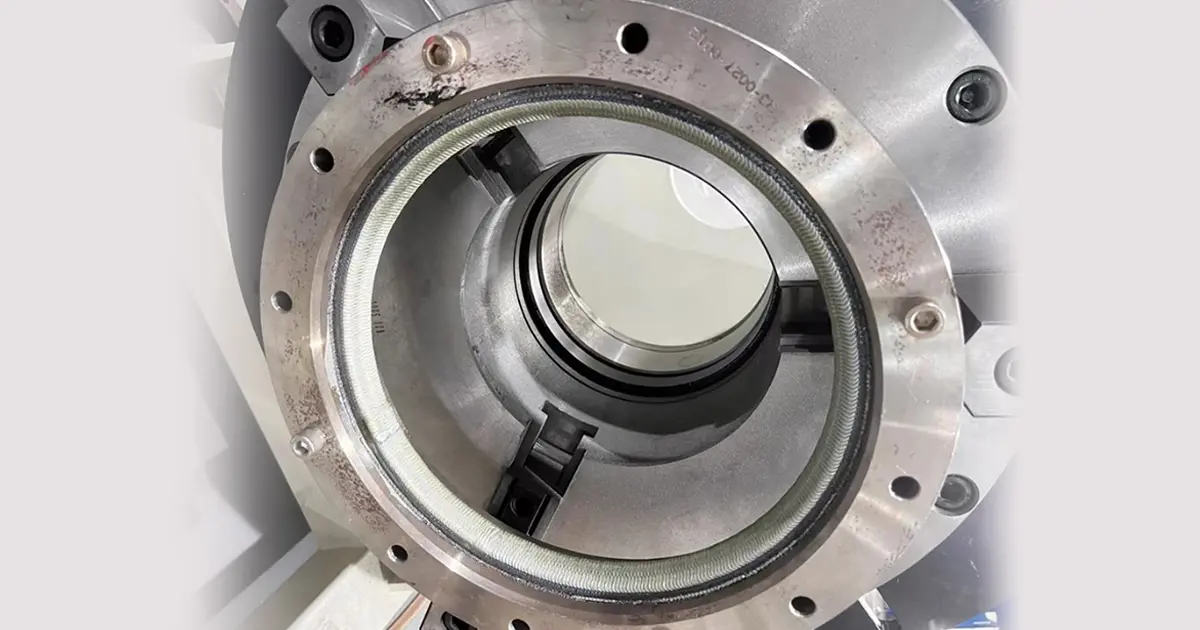
"In industries such as mining, cement, power generation, steelmaking, chemical processing, and biomass energy, screw conveyors are often regarded as auxiliary equipment. However, maintenance data shows that they are among the most frequent causes of unplanned production downtime. Laser Cladding these high-wear flight profiles with Chromium Carbide or Tungsten Carbide matrices keeps operational continuity at its peak."
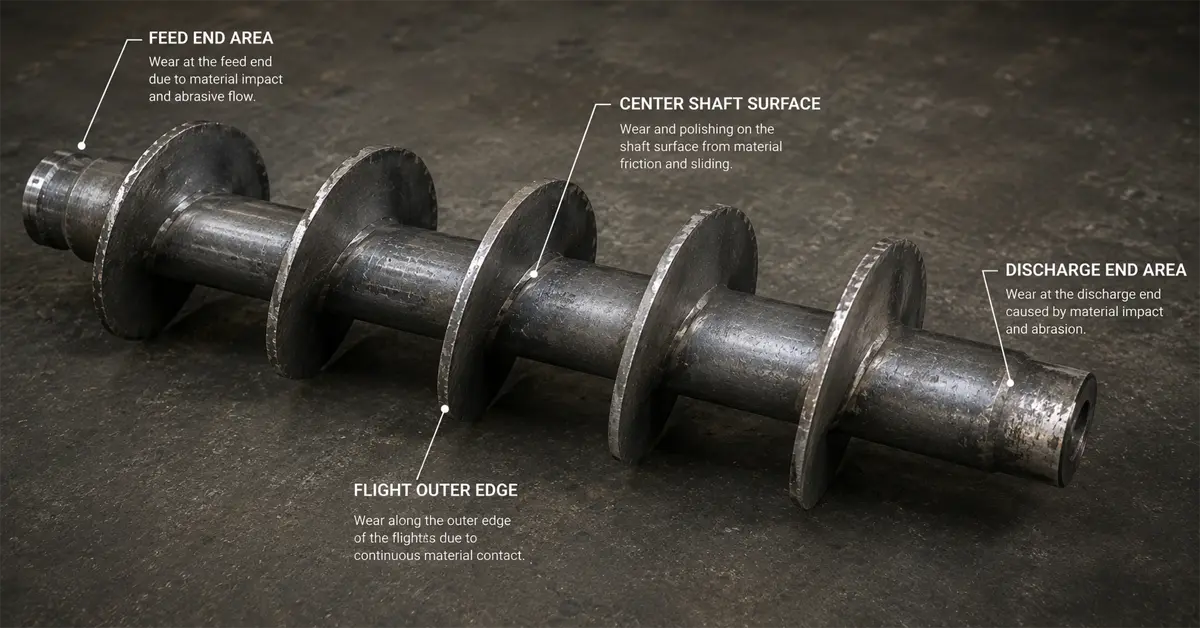
"In Plasma Transferred Arc (PTAW) hardfacing, achieving a high-quality overlay is not only about selecting the right alloy powder or optimizing welding parameters. One of the most critical factors that directly affects overlay performance is the dilution rate. Keeping parent metals from diluting critical elements ensures consistent hardness values through the entire clad layer, preventing premature friction failure."
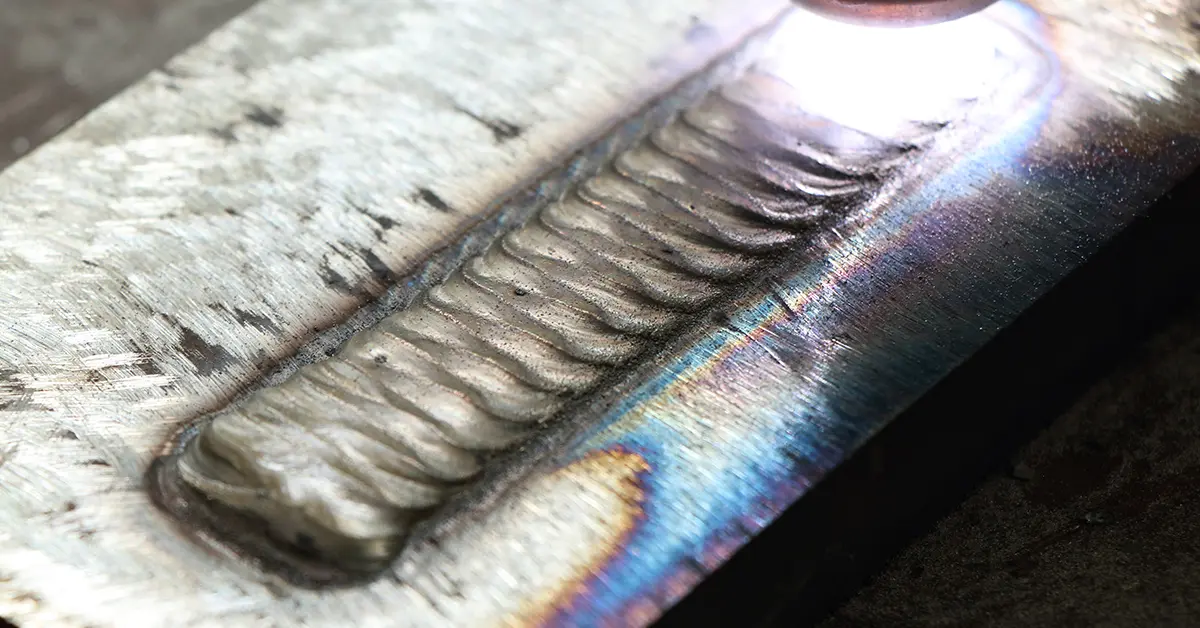
"In industries such as Oil & Gas, Mining, Power Generation, Cement, and Heavy Equipment Manufacturing, hardfacing is no longer just a repair process. It has become a critical technology directly related to equipment lifespan, downtime costs, maintenance frequency, and structural integrity under high loads. Investing in automated robotic integration keeps overlay profiles highly consistent and repeatability near perfect."
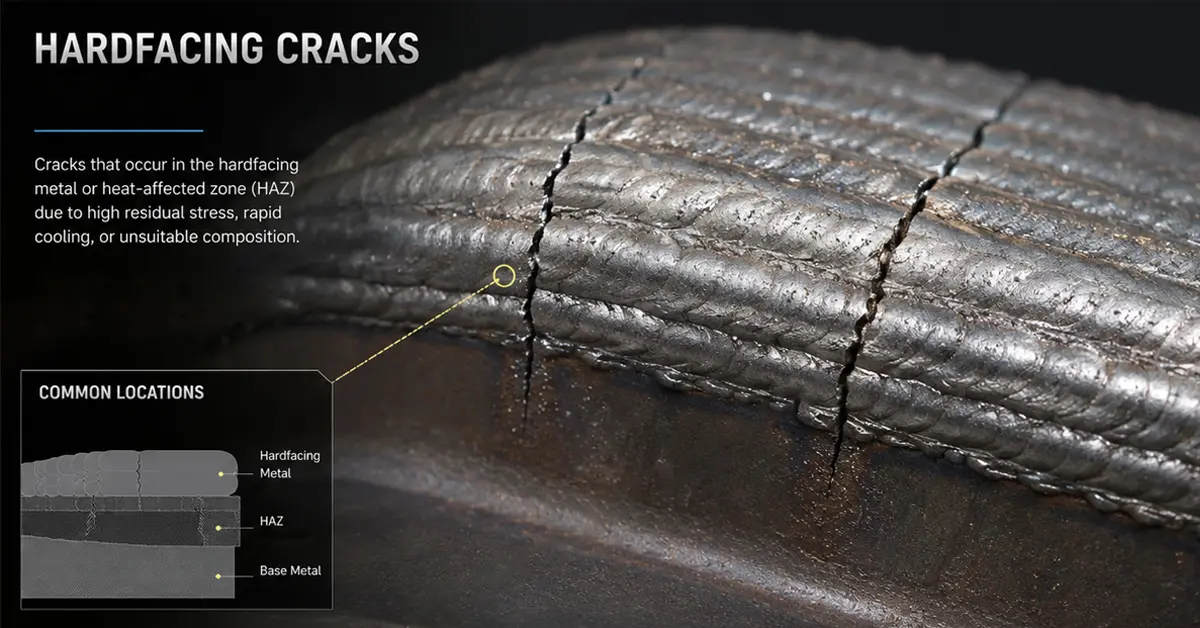
"In industries such as oil & gas, petrochemical, power generation, mining, and marine engineering, industrial valves are constantly exposed to severe operating conditions including high pressure, extreme temperatures, corrosive media, abrasive wear, and sand erosion. Custom laser cladding deposits highly customized wear-resistant coatings (e.g. Stellite 6, Inconel 625) without modifying core component bulk mechanical behaviors."
"Working with Shanghai Duomu has allowed us to upgrade our global field service machinery. Their integrated PTA and laser cladding solutions handle the most demanding repair operations on hydraulic cylinders, mill shafts, and crushing rollers. Process stability and consistent weld overlays minimize final grinding steps, providing massive processing speed gains."
Addressing standard mechanical queries, operating guidelines, and material integration concerns from industrial project managers.
For inquiries about our products or pricelist, please leave your details below and our team will get in touch with you within 24 hours.
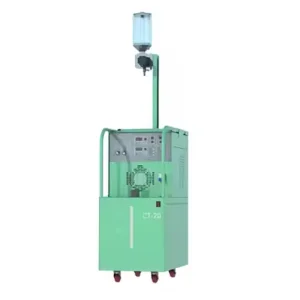
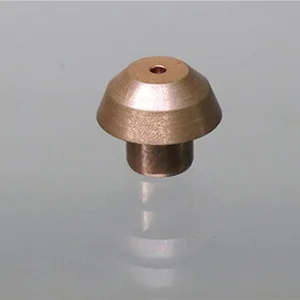
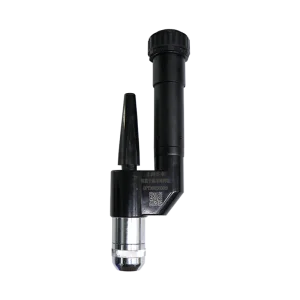
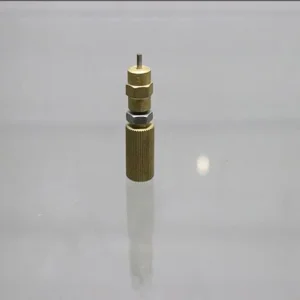
Request Technical CatalogExplore our specialized range of high-integration plasma welders, precision nozzles, and CNC hardware components.
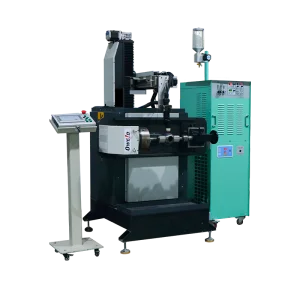
We can provide customized equipment, automatic laser cladding equipment, automatic plasma cladding equipment, intelligent robot cladding equipment, etc. according to customers' requirements, including special equipment in the industry, such as hydraulic rod cladding machine, pick cladding machine, valve cladding machine, etc.







 Duomu
Duomu