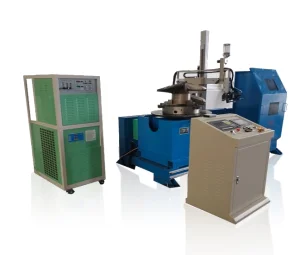
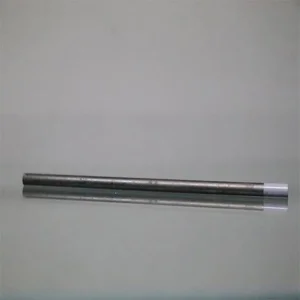
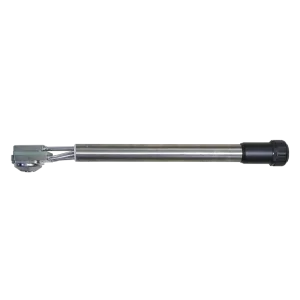
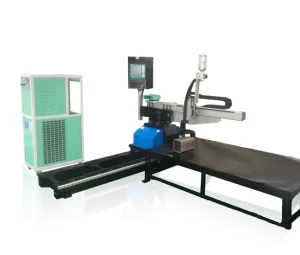
Explore our core engineering catalog featuring micro welding assemblies, high-durability tungsten electrodes, specialized torches, and automated surfacing stations.
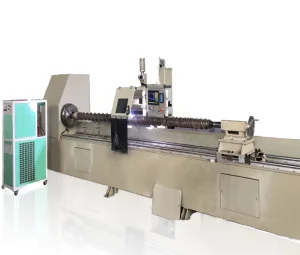
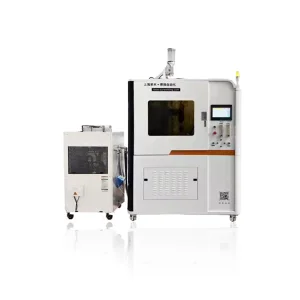
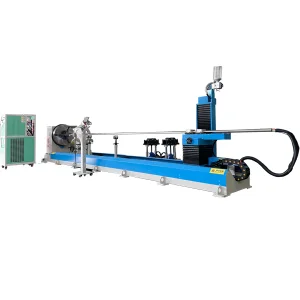
In modern heavy manufacturing and high-precision assembly, degradation from mechanical friction, aggressive chemical corrosion, and extreme temperatures presents massive economic challenges. Industries worldwide are pivoting away from simple part replacements toward surface engineering, specifically Plasma Transferred Arc (PTA) cladding and robotic Laser Cladding.
Currently, the market demands high-integrity metallurgical bonding with exceptionally low dilution rates. Standard thermal spray solutions fail under heavy shock loads, highlighting the transition to micro welding technologies. By precisely focusing thermal energy, micro-cladding processes apply premium carbide and superalloy compositions only where needed, cutting raw material costs while optimizing high-wear component lifespans.
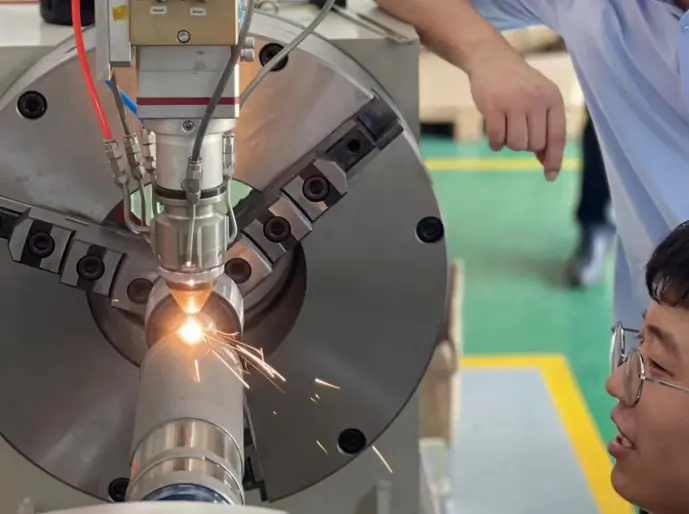
Understanding the microstructural benefits, energy profiles, and thermal dynamics of PTA and Laser Cladding systems helps engineers choose the right process for specific applications.
| Performance Parameters | Plasma Transferred Arc (PTA) Cladding | Laser Cladding (Robotic / Gantry) | Traditional TIG/MIG Overlays |
|---|---|---|---|
| Energy Density | Moderate to High (104 W/cm²) | Extreme (105 - 106 W/cm²) | Low (103 W/cm²) |
| Dilution Rate | 3% - 8% (Highly Controlled) | < 1% - 3% (Minimal mixing) | 15% - 30% (High contamination) |
| Heat Affected Zone (HAZ) | Narrow (1.0 - 2.5 mm) | Ultra-Narrow (0.2 - 1.0 mm) | Wide (3.0 - 6.0 mm) |
| Bonding Category | Full Metallurgical Fusing | Full Metallurgical Fusing | Coarse Metallurgical Fusing |
| Typical Additive Materials | Ni-based, Co-based powders, Tungsten Carbide (WC) | Superalloys, Fe/Ni matrix, Fine spherical carbides | Wire-fed alloys, standard steel rods |
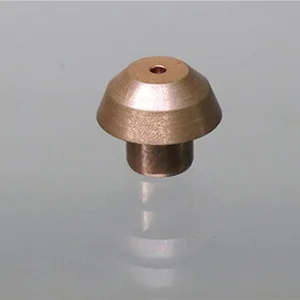
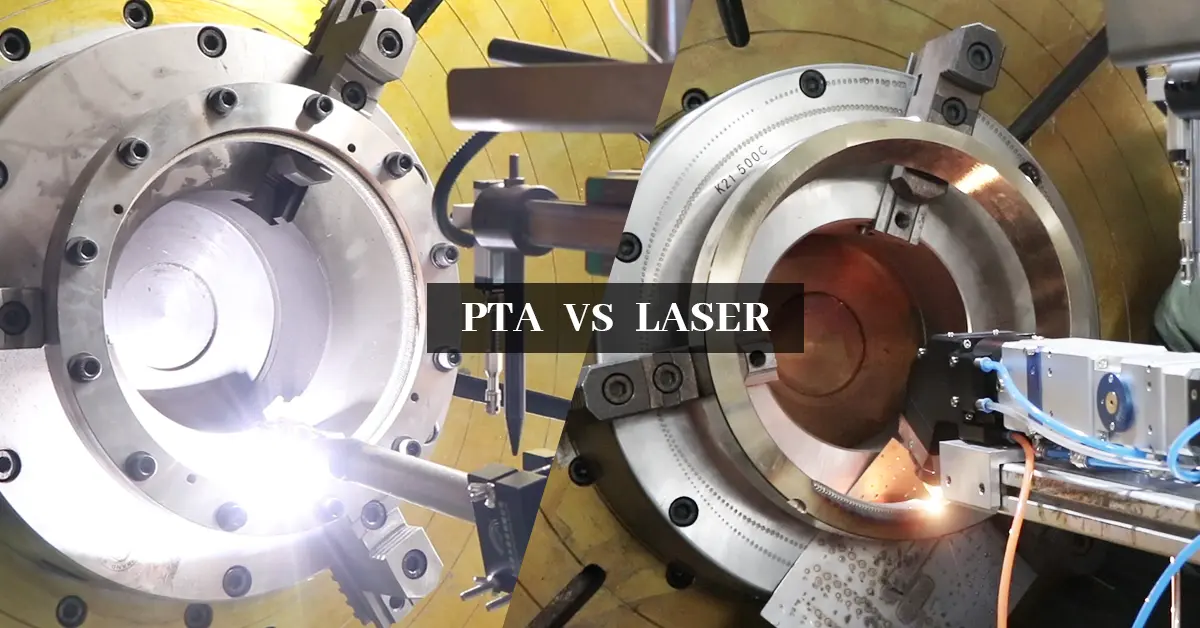
PTA (Plasma Transferred Arc) welding utilizes a concentrated, constricted arc through a copper nozzle, generating extreme heat that melts both the substrate surface and the metal powder feedstock (often cobalt or nickel-based superalloys mixed with tungsten carbides). The resulting cladding overlay features a strong metallurgical bond, high toughness, and superior structural integrity under abrasive wear.
Laser Cladding focuses a high-power laser beam to generate a localized melt pool, introducing metal powder with extreme precision. The rapid cooling rate produces a fine-grained microstructure, minimizing heat input and distortion. This makes laser systems ideal for high-precision shafts, turbine blades, and automotive tooling repairs.
Shanghai Duomu's precision cladding systems are deployed globally in highly demanding sectors, helping maintain critical operations in severe-wear environments.


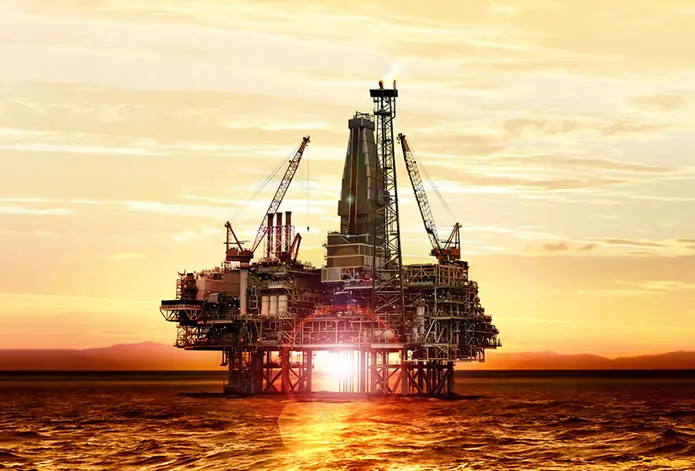
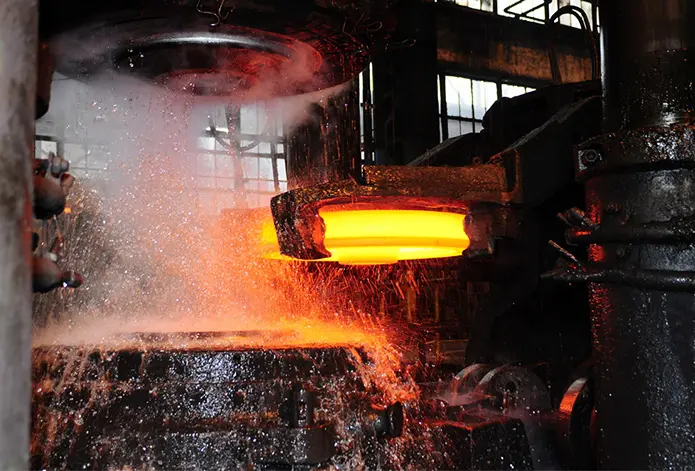
Our surface engineering systems have expanded beyond these core industries, integrating into critical fields like nuclear power plants, petrochemical pipelines, coal mining operations, water conservancy networks, and marine systems. Each sector requires specialized machinery setups, including:
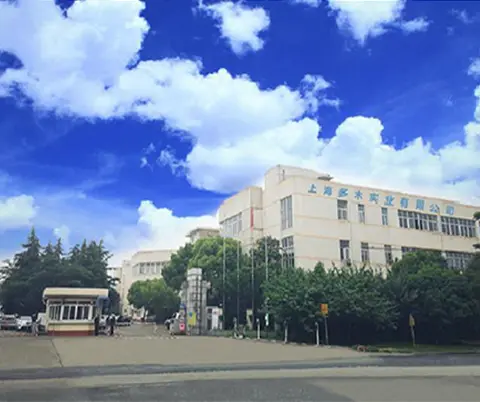
Shanghai Duomu has been a leading manufacturer and exporter of PTA cladding machines and Laser cladding machines for more than ten years, built on a strong technical foundation. Over the past decade, we have focused on surface cladding metallurgy, micro-welding physics, and robotic automation, evolving from a local equipment supplier into a global manufacturing partner.
Our dedicated, independent technical and R&D departments design, produce, and sell our advanced plasma cladding machinery. Engineered for high stability, our systems support reliable, efficient, long-term operation under demanding industrial workloads. In addition, the laser cladding equipment we sell helps support large-scale remanufacturing projects. We offer mature technical methods to deliver complete sets of customized industrial equipment solutions.
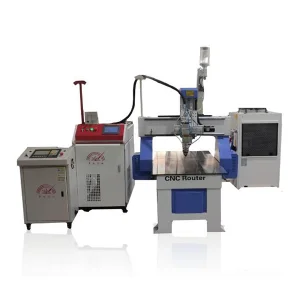
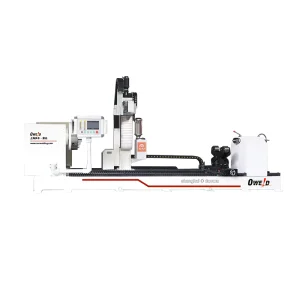
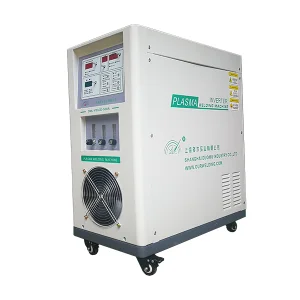
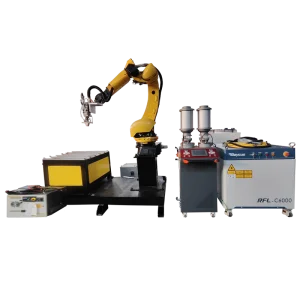
We supply a range of standard and custom-engineered systems, including automatic laser cladding stations, plasma cladding systems, and intelligent robotic units.
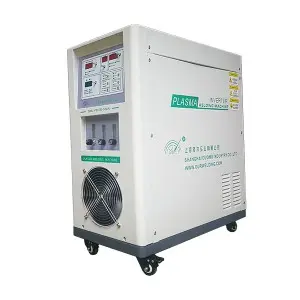
Optimized for fine-powder coating with precise control over heat inputs.
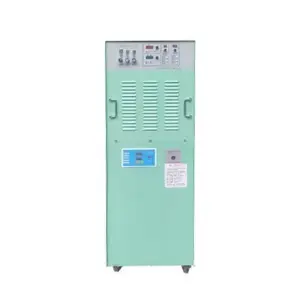
Combines PTA hardfacing and traditional cladding modes into one station.
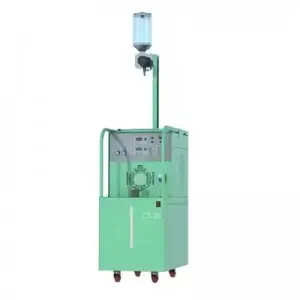
Engineered for high-volume parts and heavy wear mitigation.
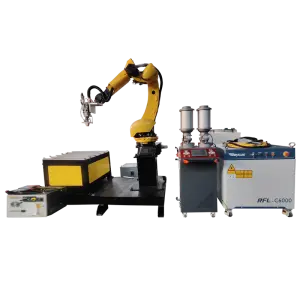
Designed to repair turbine blades with minimal deformation.
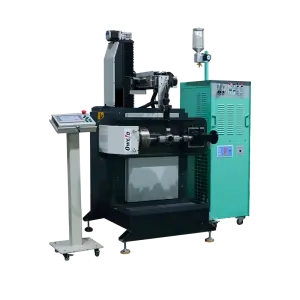
Delivers consistent hard overlays on ball valves in high-pressure systems.
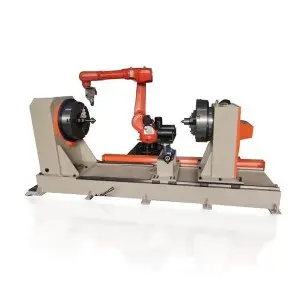
Fully integrated multi-axis robot arm for localized hardening.
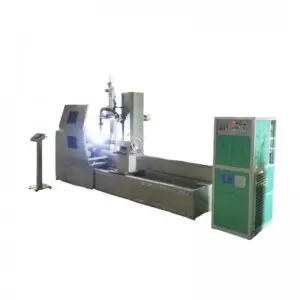
Specialized for hydraulic cylinder rebuilding, providing corrosion-resistant layers.
The micro welding and industrial cladding sectors are evolving with the introduction of smart manufacturing. To maintain high E-E-A-T standards, Shanghai Duomu is integrating sensors and closed-loop control systems into our cladding setups to monitor processing variables in real time.
Key advancements in our technological development include:
Discover how our surface engineering and cladding solutions address wear, erosion, and corrosion challenges in critical industrial systems.
"The PTA Welding Valve Application Guide is not just a process choice for valve manufacturers facing high wear, high corrosion, and high-temperature erosion working conditions, but also a key path to improving product competitiveness. As industries such as petrochemical and power generation demand longer equipment lifetimes, our PTA valve surfacing technology provides a reliable solution."
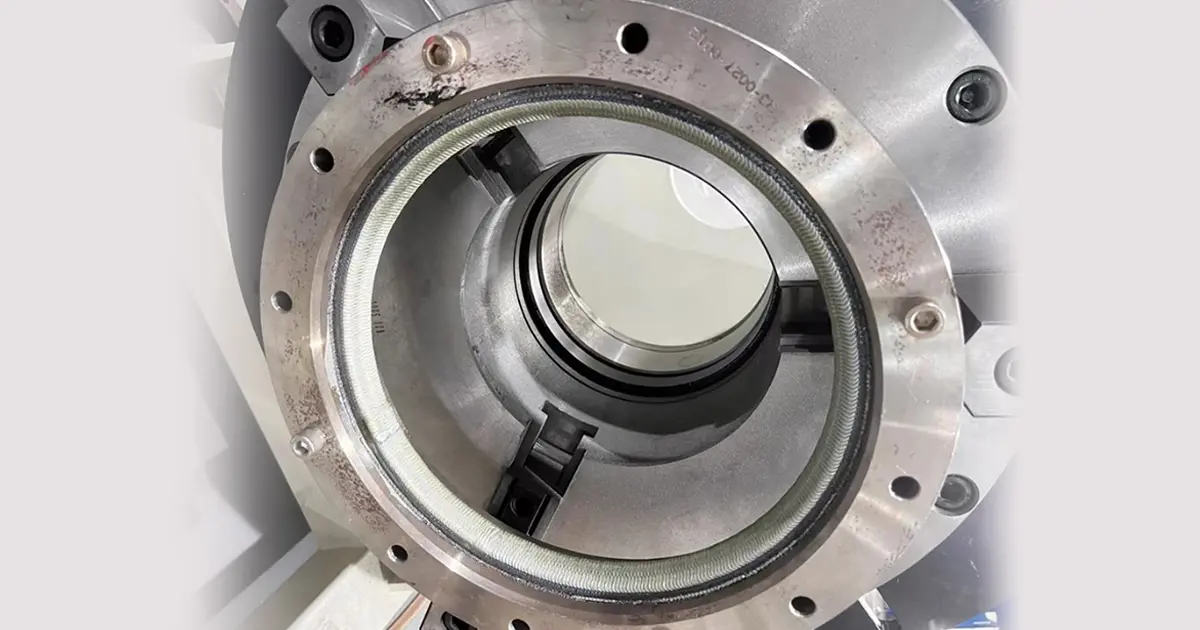
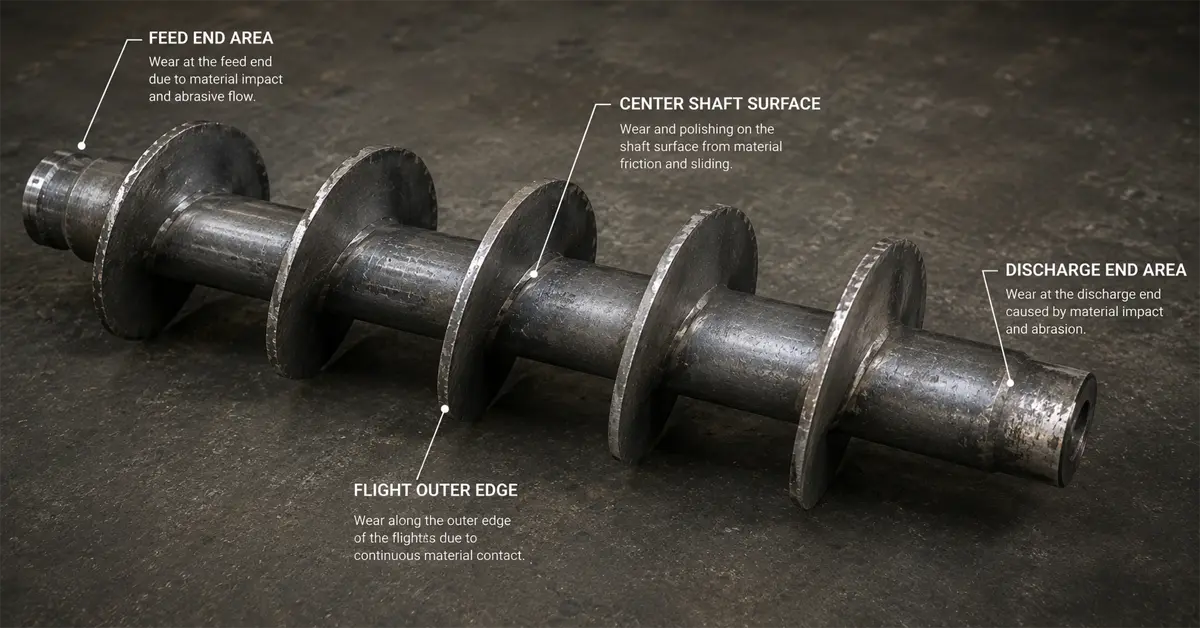
"In industries such as mining, cement, power generation, steelmaking, chemical processing, and biomass energy, screw conveyors are often regarded as auxiliary equipment. However, maintenance data shows that they are among the most frequent causes of unplanned production downtime. Implementing automatic plasma cladding on screw flights has reduced repair intervals by over 300%."
"In Plasma Transferred Arc (PTA) hardfacing, achieving a high-quality overlay is not only about selecting the right alloy powder or optimizing welding parameters. One of the most critical factors that directly affects overlay performance is the dilution rate. Shanghai Duomu's automatic gas control system keeps dilution below 5%, preserving the wear-resistant properties of carbide additives."
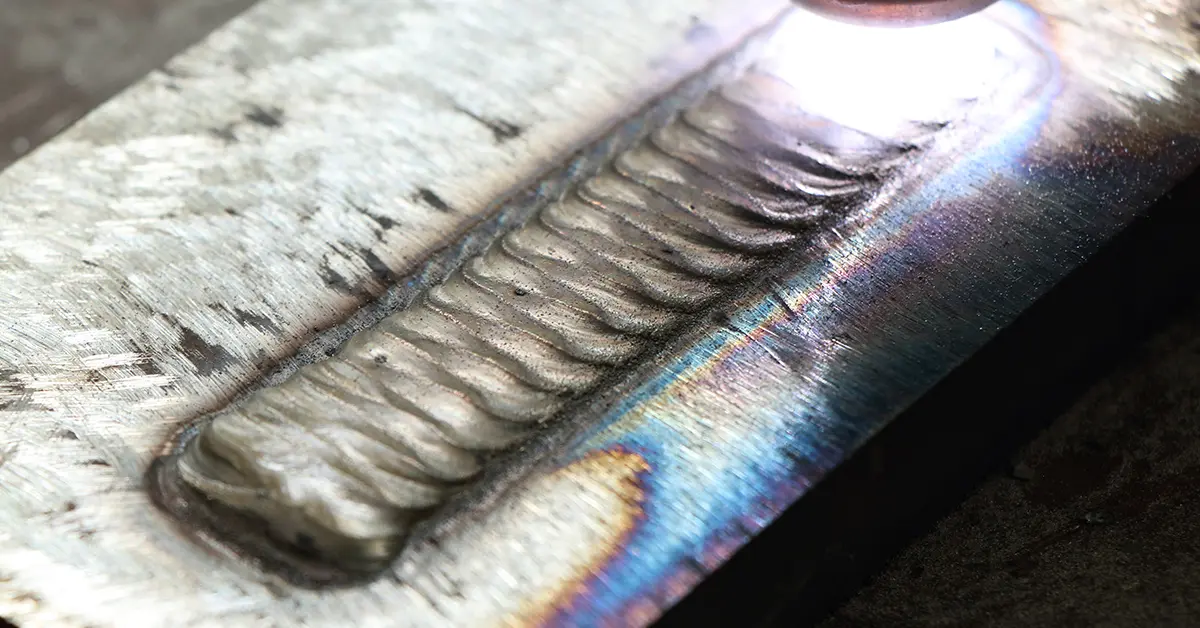
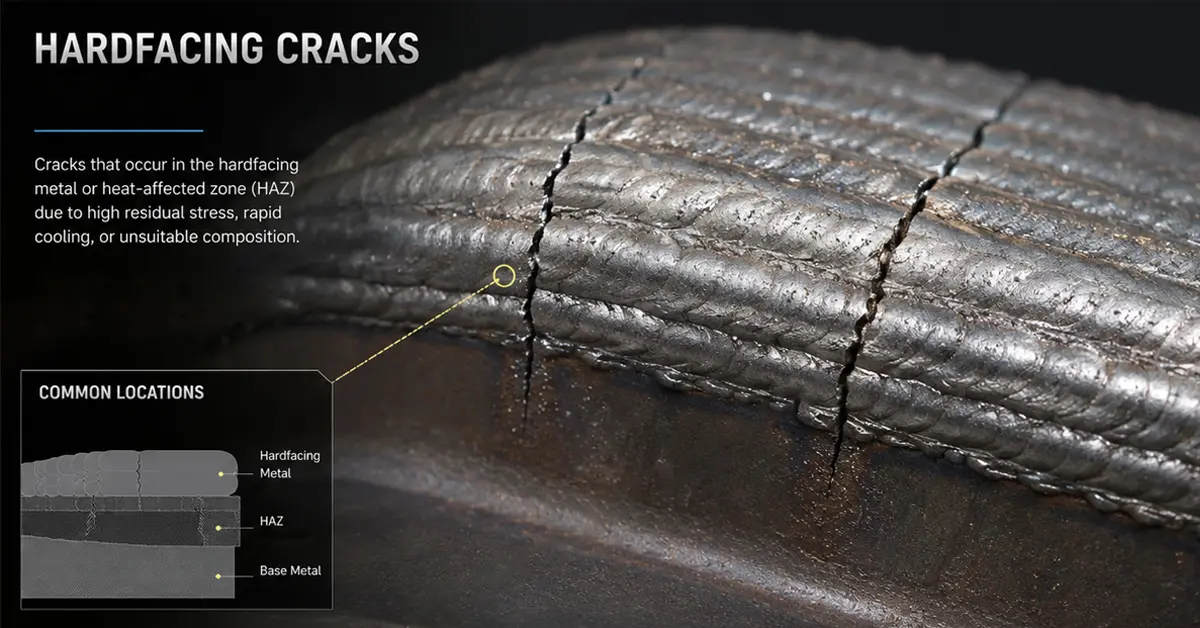
"In industries such as Oil & Gas, Mining, Power Generation, Cement, and Heavy Equipment Manufacturing, hardfacing is no longer just a repair process. It has become a critical technology directly related to equipment lifespan, downtime costs, maintenance frequency, and overall operating margins."
"In industries such as oil & gas, petrochemical, power generation, mining, and marine engineering, industrial valves are constantly exposed to severe operating conditions including: High pressure, Extreme temperatures, Corrosive media, Abrasive wear, and Sand erosion. Automated PTA overlay welding ensures repeatable, defect-free seal faces."
"Screw conveyors in cement plants experience extreme abrasive wear. By cladding the conveyor screw flight edges with Chromium Carbide overlays using the DLG-NC401 system, we achieved a significant increase in processing uptime."
Explore answers to common questions about PTA cladding, laser overlay processes, and precision welding equipment.
Dilution rate is the percentage of the base metal that melts and mixes with the cladding material. A high dilution rate dilutes the alloy composition of the overlay, reducing its wear or corrosion resistance. Shanghai Duomu's PTA systems control heat input to keep dilution between 3% and 8%, maintaining the properties of the overlay material.
Laser Cladding uses a highly focused laser beam, creating a very narrow HAZ (typically 0.2 mm to 1.0 mm) and minimizing thermal distortion. PTA cladding uses a plasma arc, which has a slightly larger HAZ (1.0 mm to 2.5 mm) but offers higher deposition rates, making it cost-effective for large, heavy-duty components.
Yes. Both our PTA and Laser Cladding systems are designed to feed metal powders containing tungsten carbide particles. Our equipment features specialized powder feeding mechanisms that distribute carbide particles uniformly without causing thermal degradation.
Our systems process a wide range of materials, including carbon steels, alloy steels, stainless steels, and cast iron. Suitable cladding powders include nickel-based alloys, cobalt-based alloys (Stellite), iron-based alloys, and carbide composites.
Yes. We customize multi-axis robotic cladding setups, laser hardening robots, and automated gantries tailored to specific component geometries like turbine blades, valves, extruder screws, and hydraulic rods.
For inquiries about our products or pricelists, please leave your details. Our technical team will get back to you within 24 hours to discuss your application requirements.
Send Inquiry / SubscribeExplore more products, including heavy-duty cladding torches, gantry systems, replacement rings, and high-power laser cladding stations.








 Duomu
Duomu