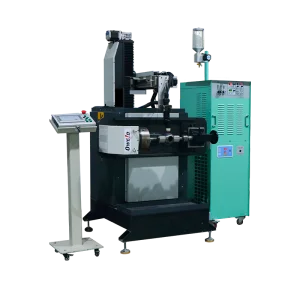
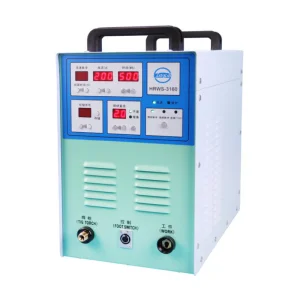
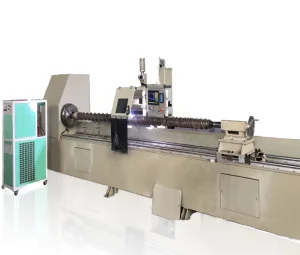
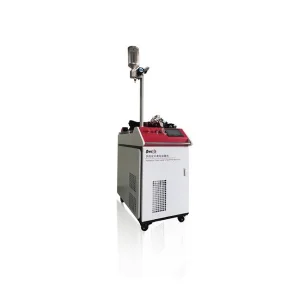
Explore our premium grade high-energy cladding systems engineered for metallurgical bonding stability, low dilution rates, and extreme durability.
In the contemporary landscape of heavy industrial manufacturing, material degradation remains one of the costliest operational challenges. Components operating under harsh environments—such as marine corrosion, high-temperature erosion in petrochemical reactors, abrasive wear in mining shafts, and mechanical fatigue in aerospace propulsion systems—require advanced surface modification technologies to maintain structural integrity. This is where Laser Cladding and Plasma Transferred Arc (PTA) welding establish their dominance.
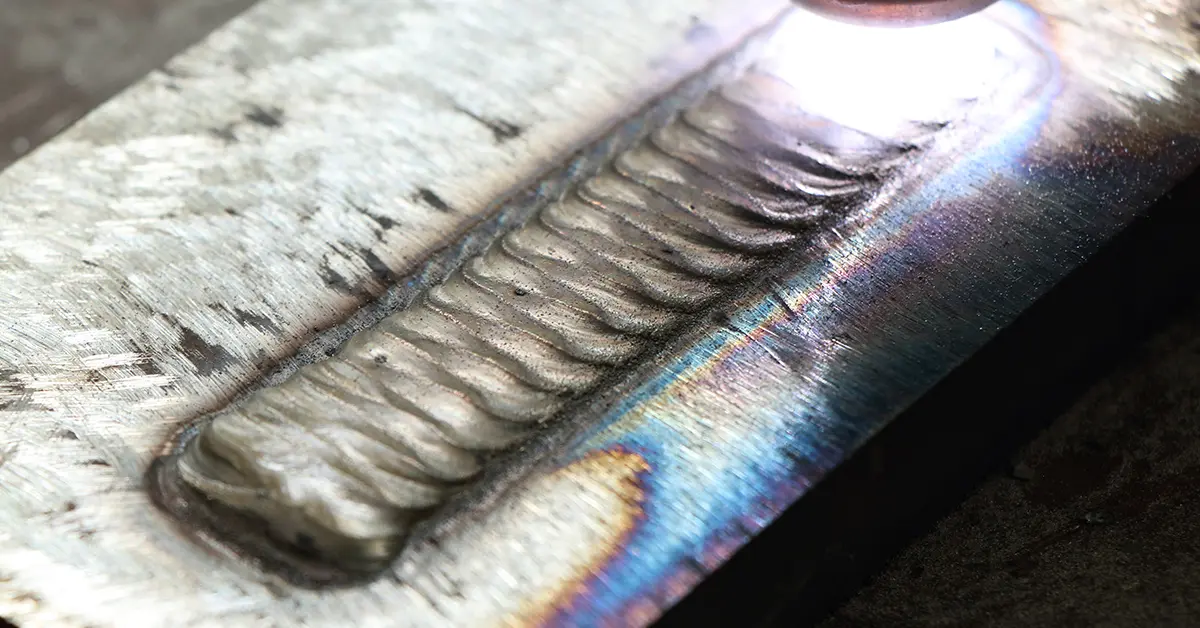
Unlike conventional overlay welding methods, which often induce excessive thermal distortion and create high-dilution zones that compromise base material properties, modern laser cladding delivers an exceptionally dense, metallurgically bonded coating with a remarkably narrow Heat-Affected Zone (HAZ). This process involves utilizing a precisely focused laser beam to melt both the surface layer of the substrate material and an incoming stream of alloy powder or wire. As the melt pool solidifies rapidly, it forms a high-performance protective coating characterized by near-zero porosity and minimum dilution (often less than 5%).
Information Gain Insight: According to global engineering benchmarks, implementing laser cladding processes on wear-exposed assemblies can extend component life cycles by 300% to 500% compared to untreated carbon steels. This transition represents a monumental shift from a consumption-based maintenance model to a proactive remanufacturing model, yielding tremendous carbon emission reductions and resource conservation.
By tailoring the feed powder chemistry (incorporating cobalt-based, nickel-based, iron-based alloys, or tungsten carbide composites), industrial engineers can design bespoke surface properties optimized specifically for wear, heat, or chemical challenges. As a dedicated partner in surface technology, we provide complete, integrated gantry and robotic platforms to facilitate these advanced processes.
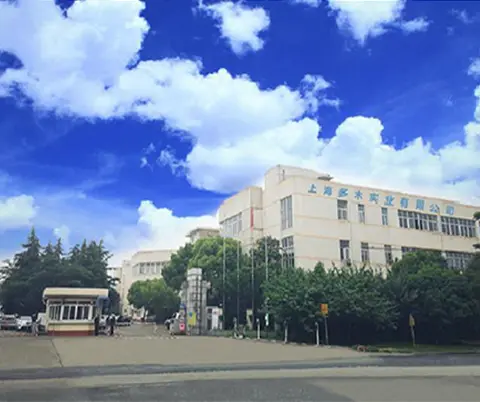
Shanghai Duomu has been a leading manufacturer and exporter of PTA cladding machine and Laser cladding machine for more than ten years with a strong technical background. Our dedication to innovation has established us as a global technical leader in the thermal surfacing industry. We deliver high-reliability equipment engineered to satisfy stringent heavy machinery standards across key export markets, including Europe, North America, Southeast Asia, and the Middle East.
By leveraging custom software integration, advanced sensor feedback, and robust optoelectronic architectures, our machinery is fully optimized for continuous, automated industrial workflows. Whether you require a standard portable cladding unit for on-site repairs or an automated multi-axis gantry cell for mass production, Duomu has the design experience and engineering expertise to customize a solution matching your technical demands.
At present, our company's high-precision surfacing systems have penetrated into many critical engineering fields, including aerospace, defense, energy production, and agriculture.


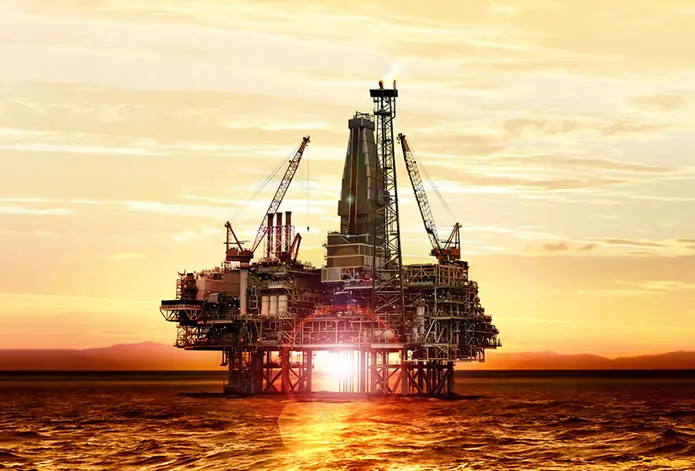
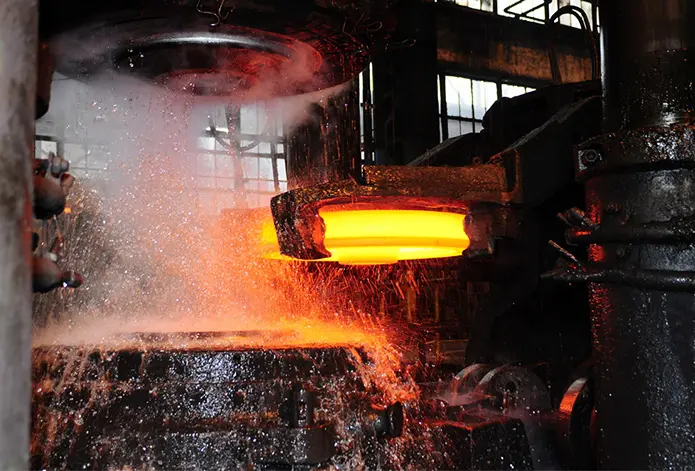
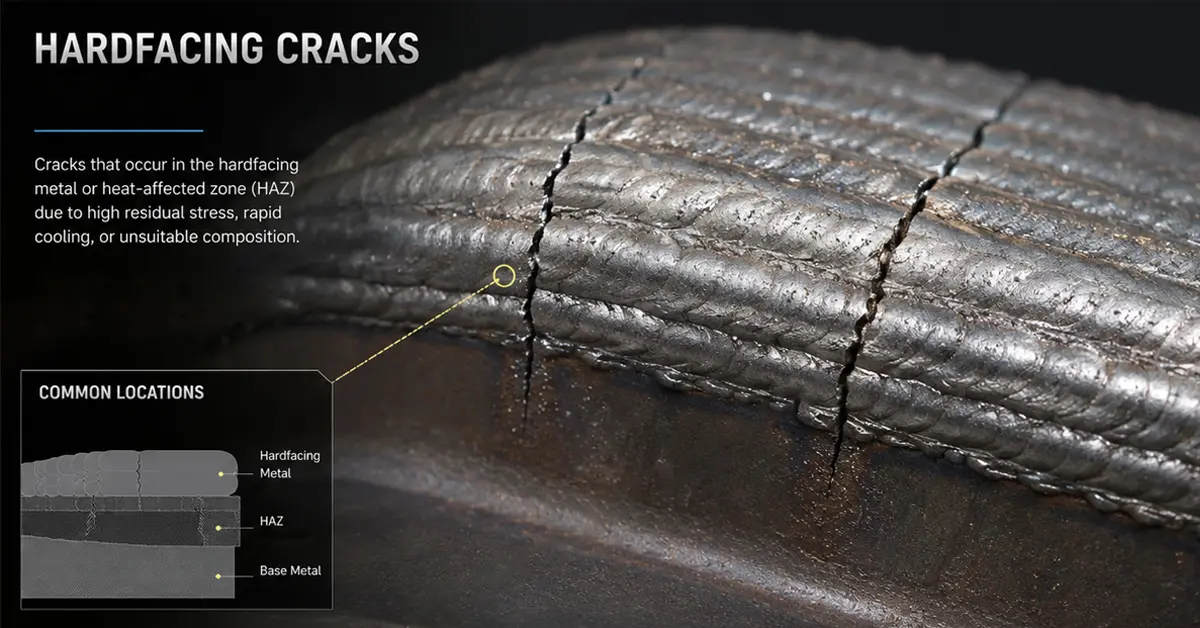
Within these critical industrial sectors, specialized tooling is exposed to relentless degradation mechanisms. For example, in agricultural harvesting, plowshares and cutter bars experience severe soil abrasion, which is remediated through localized tungsten carbide laser deposition. In the petroleum extraction sector, downhole drilling tools, stabilizer bands, and drive shafts are clad with corrosion-resistant nickel-based superalloys to endure hydrogen sulfide exposure. In the metallurgical and casting plants, continuous casting rolls and extrusion dies undergo massive thermal cycling, demanding specialized cobalt-based alloys (such as Stellite) deposited via automated gantry laser configurations to avoid thermal fatigue cracks.
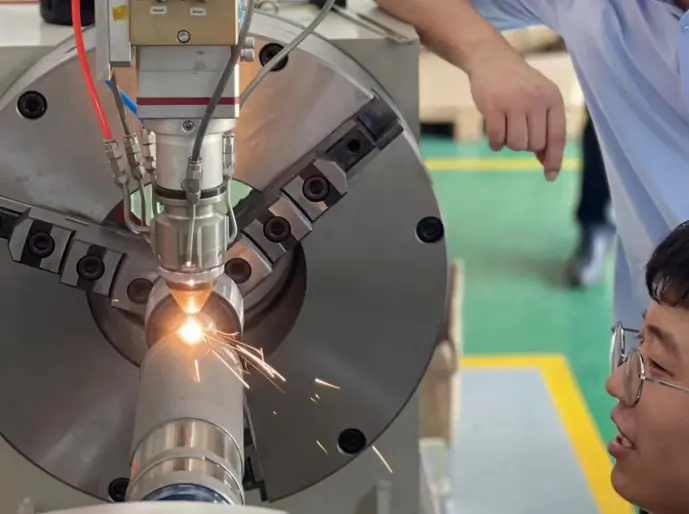
We boast an independent, highly specialized R&D team dedicated exclusively to the design, engineering, and manufacturing of state-of-the-art plasma cladding and laser cladding machine equipment. Our welding machines deliver incredibly stable electrical and optical performance, enabling efficient, uninterrupted, long-term operations even in demanding factory floor environments.
Additionally, the laser cladding equipment engineered and sold by our company provides reliable support for large-scale industrial remanufacturing initiatives. Through proprietary process monitoring technology, real-time closed-loop melt pool control, and multi-axis CNC coordination, we possess mature and proven technological processes to provide comprehensive, turnkey sets of industrial surface engineering solutions to our global partners.
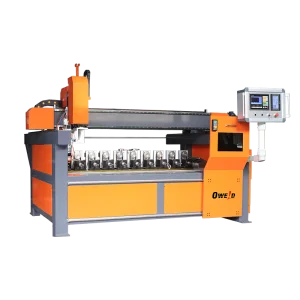
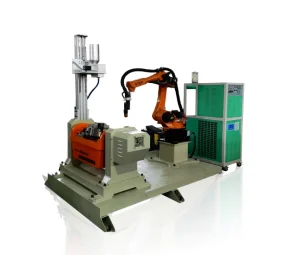
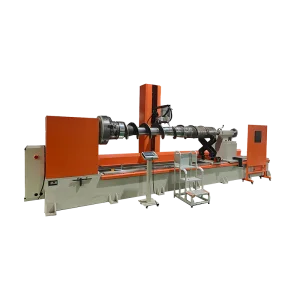
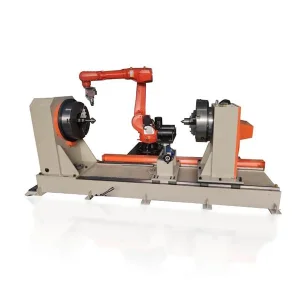
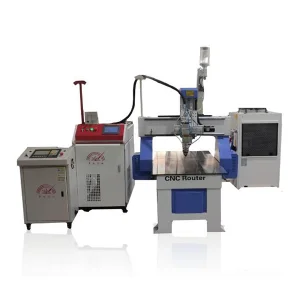
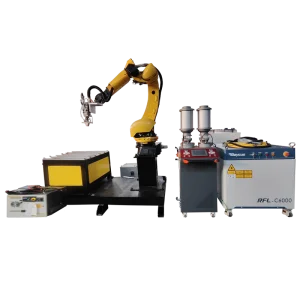
We provide fully customizable automated equipment configuration plans, from intelligent multi-axis articulated robots to plane-gantry systems tailored for components of varying sizes and structures.
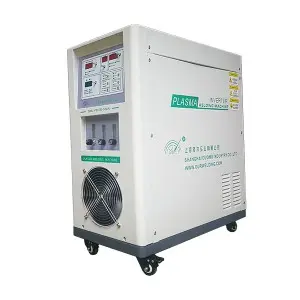
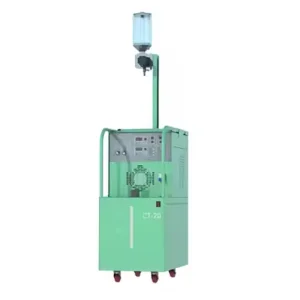
Compact design engineered for high precision surfacing of valves and tooling components.
Technical Specs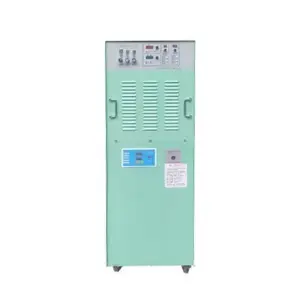
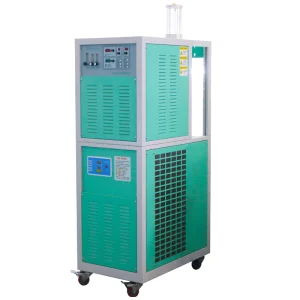
All-in-one system for fast setup and transition between powder cladding modes.
Technical Specs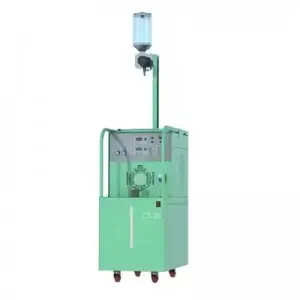
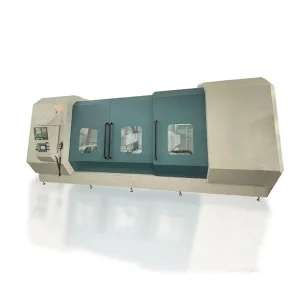
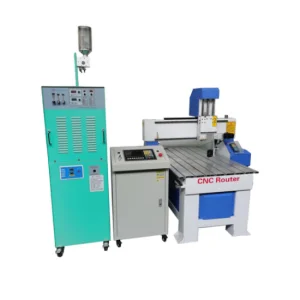
Industrial-grade control system designed for heavy-duty manufacturing tasks.
Technical Specs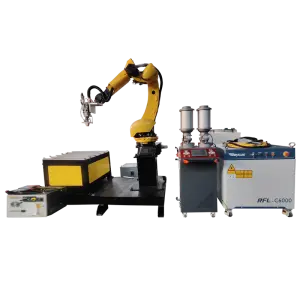
Proprietary multi-axis system designed for turbine blades and complex geometries.
Technical Specs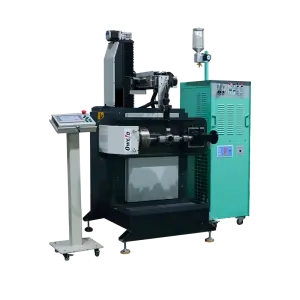
Perfect metallurgical bonding for spherical sealing surfaces of ball valves.
Technical Specs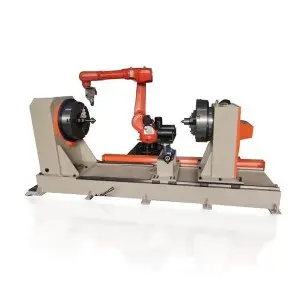
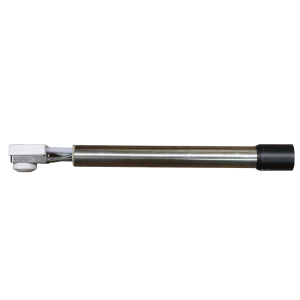
High-speed surface hardening with minimal geometric distortion.
Technical Specs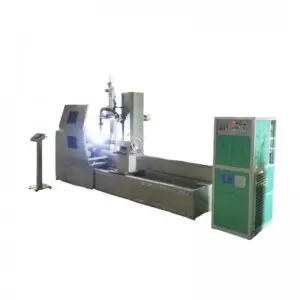
High-efficiency overlay welding system optimized for hydraulic cylinders.
Technical SpecsAs the industrial sector transitions toward Industry 4.0, surface technology is undergoing key developments in digitalization and precision. The technical roadmap of Shanghai Duomu centers on integrating intelligent monitoring with high-efficiency hardware to enhance deposition speed and precision. Here are the core advancements we are rolling out:
Traditional laser cladding functions by melting the substrate and the metal powder simultaneously. In contrast, Extreme High-Speed Laser Cladding (EHLA) melts the powder particles in flight, before they hit the base metal. This allows cladding speeds to reach up to 200 m/min, reducing heat input significantly. Consequently, it enables the deposition of ultra-thin coatings (25 to 250 microns) on heat-sensitive materials, making it a viable, eco-friendly replacement for toxic electroplated hard chrome.
To eliminate process variations caused by heat buildup in complex-shaped components during long production runs, our new generation systems feature intelligent infrared pyrometers and melt-pool monitoring cameras. These sensors capture the size and temperature of the melt pool at 1000 Hz, feeding the data directly into our core PLC system to dynamically adjust laser power output, ensuring uniform deposition characteristics across the entire tool geometry.
Offline programming (OLP) software allows our customers to simulate cladding paths on complex components, such as turbine rotors or screw flight edges, before processing. By integrating 6-axis industrial robots with 2-axis tilt-rotational positioning tables, we achieve complete 8-axis synchronization. This eliminates gravitational runoff of the melt pool and ensures uniform clad thickness regardless of geometrical complexity.
To support global manufacturers, our engineering and production systems strictly align with international standards. We recognize that industrial machinery must comply with regional environmental and safety regulations to ensure long-term reliability and secure commissioning on client floors.
Our manufacturing and quality assurance workflows conform to the **ISO 9001:2015** quality management framework. Every laser system and electrical panel undergoes rigorous testing before shipment, certifying compliance with **CE Directives**, **UL Standards for Industrial Control Equipment**, and **RoHS** restriction requirements. In addition to compliance, we provide comprehensive pre-sale metallographic testing, process optimization consultation, and local field support to ensure seamless integration into existing workflows.
Compliance & Quality Guarantee: Every shipment of Shanghai Duomu equipment comes with a standardized qualification booklet, containing detailed laser parameter logs, power stability test charts, and metallurgical analysis reports of sample coatings. We stand by the reliability of our systems, offering 24/7 technical support response.
Explore technical viewpoints and feedback regarding the application of plasma and laser cladding across critical industrial sectors.
"The PTA Welding Valve Application Guide is not just a process choice for valve manufacturers facing high wear, high corrosion, and high-temperature erosion working conditions, but also a key path to improving product competitiveness. As industries such as petrochemical, gas, and power generation push for higher operating temperatures, advanced cladding stands out as the ultimate solution."
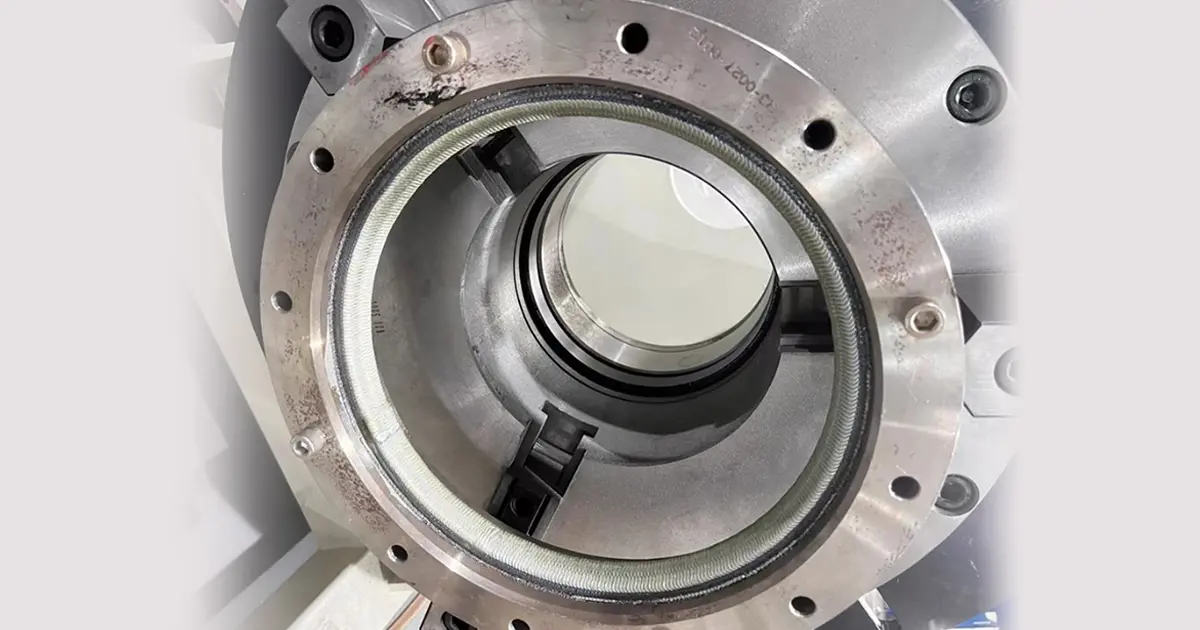
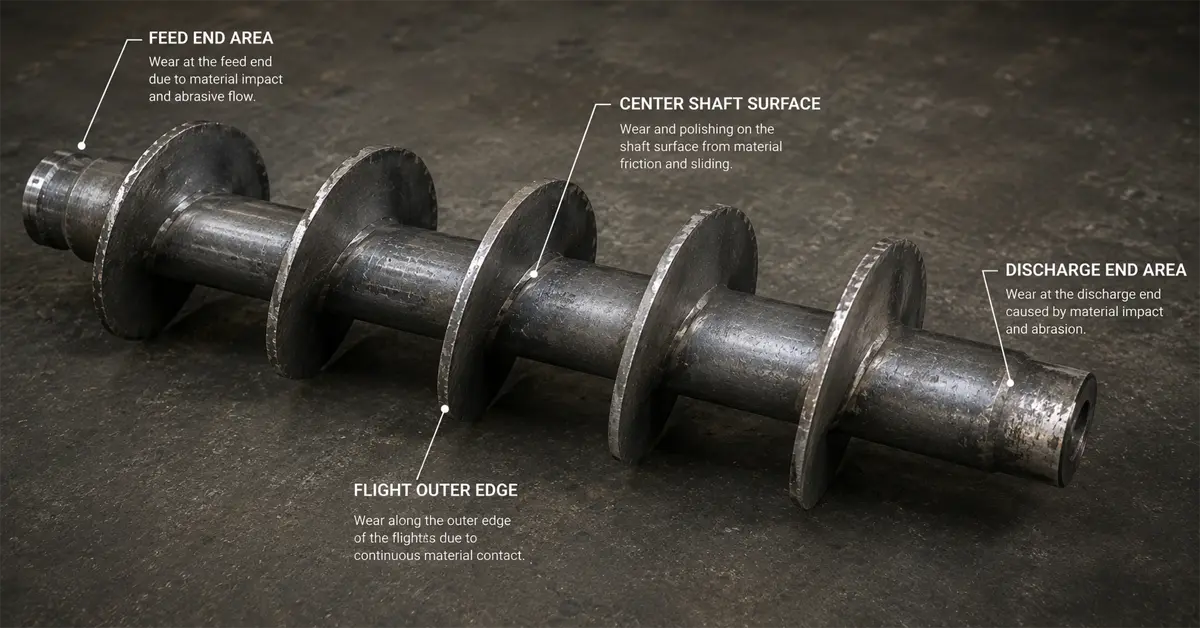
"In industries such as mining, cement, power generation, steelmaking, chemical processing, and biomass energy, screw conveyors are often regarded as auxiliary equipment. However, maintenance data shows that they are among the most frequent causes of unplanned production downtime. Laser cladding the flight edges dramatically extends operational life."
"In Plasma Transferred Arc (PTA) hardfacing, achieving a high-quality overlay is not only about selecting the right alloy powder or optimizing welding parameters. One of the most critical factors that directly affects overlay performance is the dilution rate. Shanghai Duomu machines reliably control this process."
"In industries such as Oil & Gas, Mining, Power Generation, Cement, and Heavy Equipment Manufacturing, hardfacing is no longer just a repair process. It has become a critical technology directly related to equipment lifespan, downtime costs, maintenance frequency, and raw material conservation."
"In industries such as oil & gas, petrochemical, power generation, mining, and marine engineering, industrial valves are constantly exposed to severe operating conditions including: High pressure, extreme temperatures, corrosive media, abrasive wear, and sand erosion. Custom laser cladding provides the necessary metallurgical shielding."
Expert answers regarding industrial laser cladding technology, metallurgical properties, and equipment selection.
Explore the remaining high-performance machinery, robotic stations, and gantry structures in our product range.
We work alongside global industrial companies and heavy machinery manufacturers to deploy reliable surface treatment technologies.







For inquiries about our products, customized equipment solutions, or global pricing, please leave your contact details below. Our technical sales engineers will respond within 24 hours.
Inquire Now & Get Free Consultation Duomu
Duomu