High-Quality Extrusion Components Laser Cladding Supplier & Factory

Advanced Metallurgical Surface Engineering, High-Yield Manufacturing Automation, and Decades of Precision Engineering Expertise for Global Heavy Industries

The Mechanics of Laser Cladding in Modern Polymer & Extrusion Lines

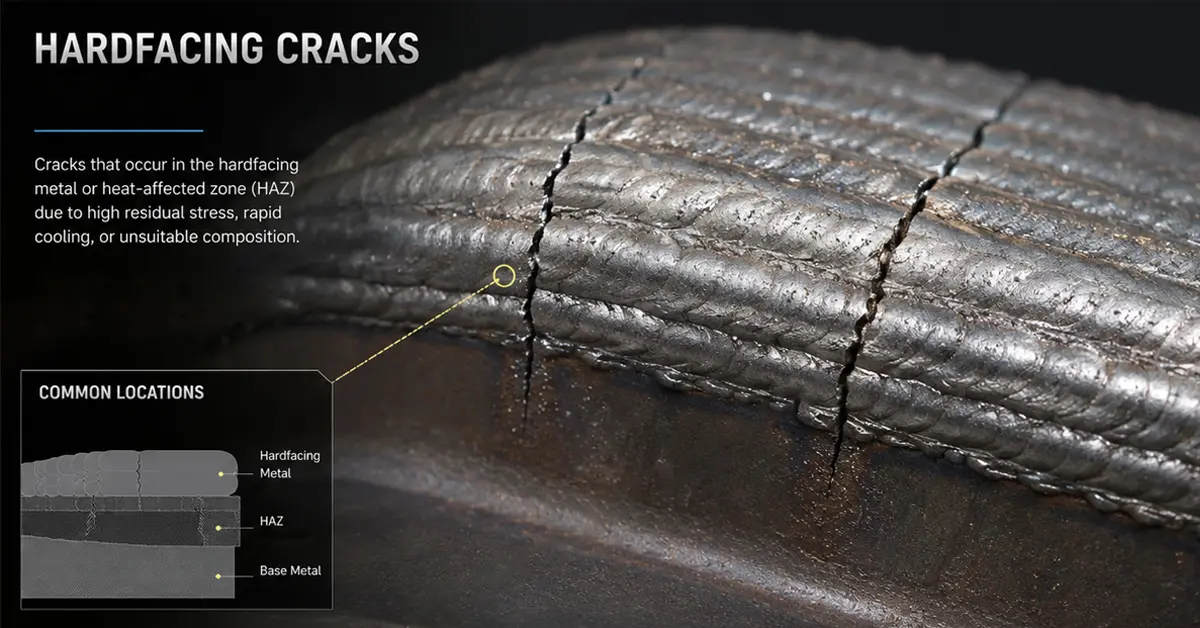
In high-pressure manufacturing operations, extrusion barrels, screws, and mixing elements endure constant thermo-mechanical friction, abrasive additives (such as glass fibers and calcium carbonate), and corrosive outgassing from polymers like PVC. Traditional hardfacing techniques, including gas metal arc welding or thermal spraying, frequently result in significant dilution zones, micro-cracking, and thermal distortion of the substrate.

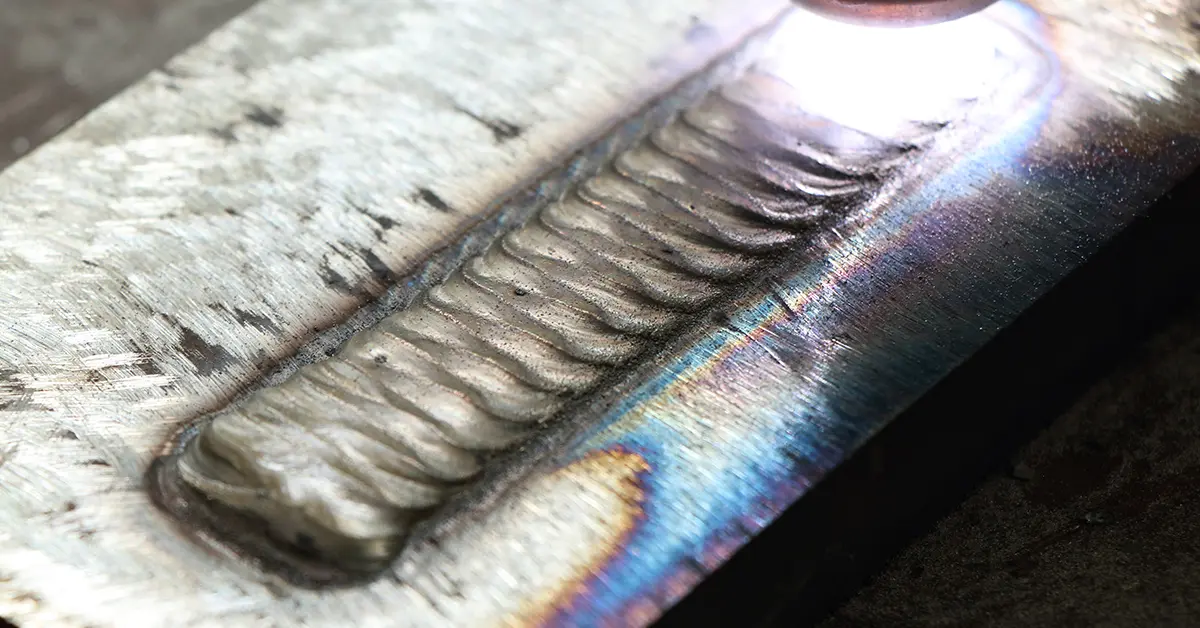
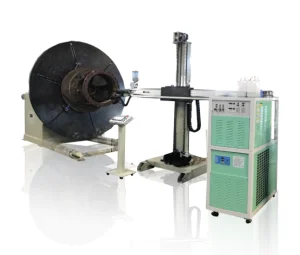
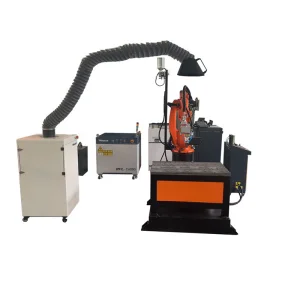
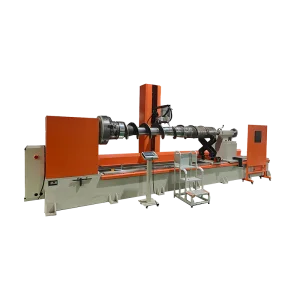
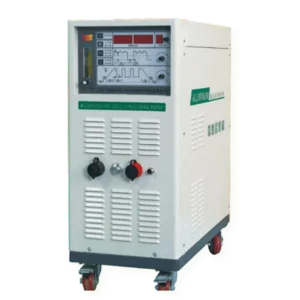
Laser Cladding Technology addresses these operational failure modes. Using a concentrated, high-energy laser beam, we melt the surface layer of the extrusion component substrate along with a blown metallic powder feedstock. The process yields a true metallurgical bond with a dilution rate below 5% and an exceptionally narrow Heat-Affected Zone (HAZ). This preserves the core mechanical toughness of the substrate steel (e.g., 4140, nitriding steels, or tool steels) while cladding a specialized, wear-resistant overlay.

< 5%
Dilution Rate
65+ HRC
Coating Hardness
3x - 5x
Extended Lifespan
Zero
Delamination Risk

Global Industrial Application Domains

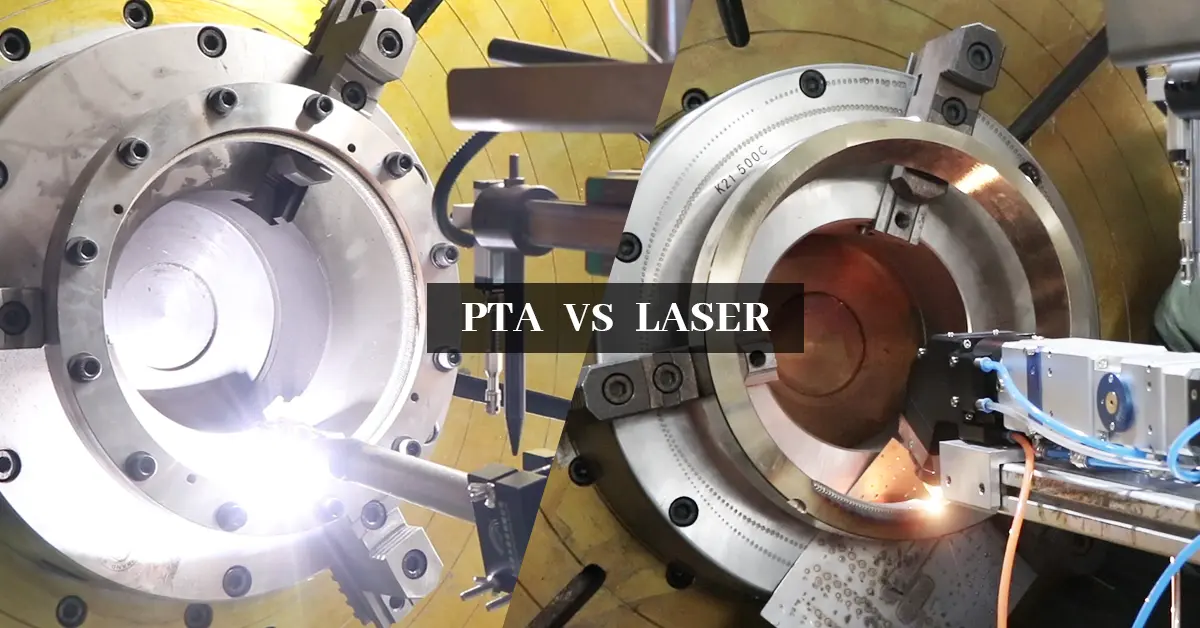
Our advanced PTA and laser cladding solutions are deployed globally to restore complex machinery components in high-intensity applications.

Agricultural Machinery Laser Cladding Application

Agricultural Machinery

Wear-resistant coatings applied to cutting blades, tillage teeth, and internal components of harvesters that operate continuously in highly abrasive sandy soils.

Abrasive Soils

Aerospace and Military Cladding Applications

Aerospace Military Industry

Precision engineering for the remanufacturing and cladding of gas turbine blades, compressor shafts, and critical structural military aerospace components.

Aerospace Specs
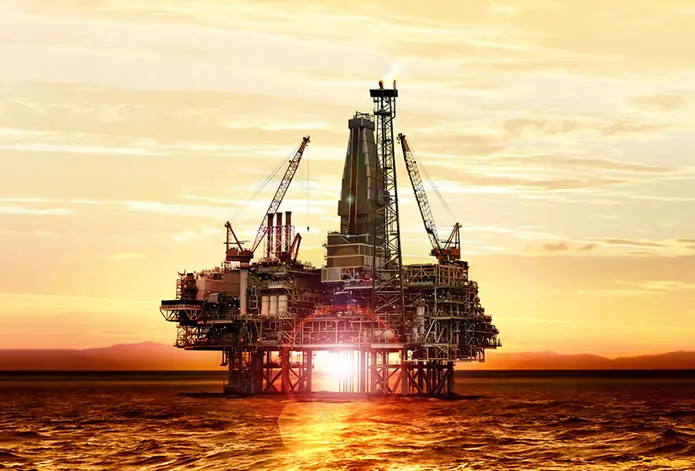
Petroleum Machinery Wear Cladding

Petroleum Machinery

Anti-corrosive and anti-wear protection layers on drill stabilizers, mud motor rotors, and high-pressure oilfield valves subjected to deep-earth corrosive fluids.

Oil & Gas
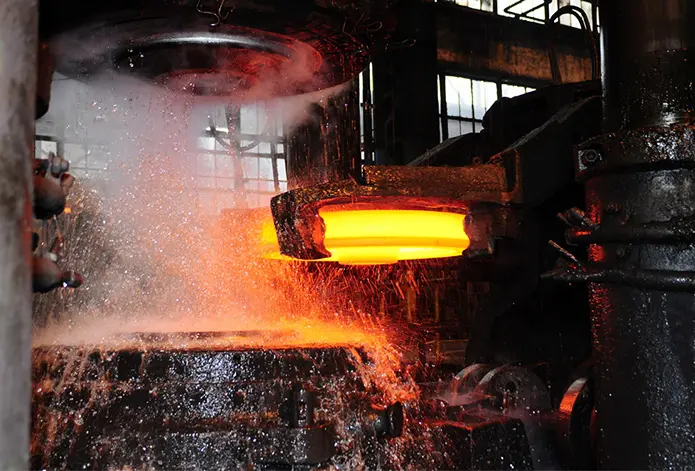
Metallurgy and Casting Component Hardening

Metallurgy Casting

Hardfacing caster rolls, hot extrusion dies, and forging hammers to withstand rapid thermal cycling and extreme compressive pressures.

High Temp

Next-Generation Surface Engineering Technology Roadmap

Our R&D division continually pushes limits. Here is how we configure our laser and plasma cladding technologies for future industrial demands.

Phase 1: Ultra-High Speed Laser Cladding (EHLA)

By melting powder particles before they reach the substrate melt pool, EHLA increases linear cladding speeds from 1-2 m/min to over 100 m/min. This minimizes thermodynamic deformation on thin-walled extrusion liners and sleeves, optimizing process efficiency.

Phase 2: Closed-Loop Real-Time Optical Temperature Monitoring

Integrating infrared pyrometers and CMOS camera-based vision systems to monitor the melt pool in real-time. The system automatically modulates laser output to maintain a constant pool temperature, preventing defects like porosity and uneven hardness.

Phase 3: Multi-Material Composition Gradient Cladding

Gradually changing powder chemistry during processing (e.g., transition from ductile tool steel base, through nickel buffer layer, to tungsten carbide matrix top layer) to eliminate stress concentrations at interface boundaries.

Phase 4: AI-Driven Path Planning & Robotic Optimization

Using 3D optical scanning to map worn extrusion screws, automatically generate CAD models, calculate volume losses, and run machine learning algorithms to program robotic laser deposition paths with micron-level precision.
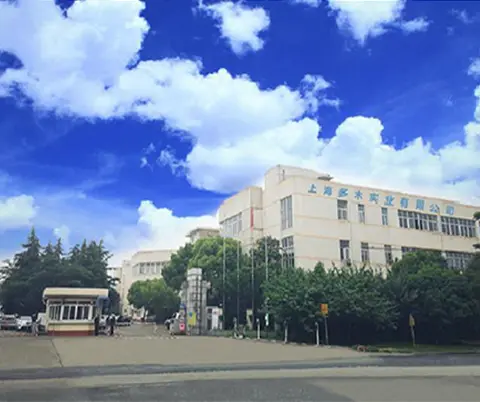
About Shanghai Duomu Factory and Laser Cladding Workshop

Shanghai Duomu: Chinese Supply Chain Resilience & Manufacturing Competitiveness

Shanghai Duomu has been a leading manufacturer and exporter of PTA cladding machines and laser cladding machines for more than ten years, supported by a strong technical background. We operate in a highly integrated industrial hub in China, allowing us to maintain close control over raw materials, manufacturing timelines, and technical support.

Our supply chain ecosystem delivers several distinct operational advantages:

  • Secure Material Sourcing: Direct, pre-audited relationships with high-purity alloy powder manufacturers (Nickel, Cobalt, Iron-based, and Tungsten Carbide matrices).
  • Integrated Fabrication Facilities: From heavy machining and lathe turning to laser head assembly and CNC software development, all processes are executed under our ISO 9001-certified factory roof.
  • Unbeatable Delivery Leads: Standard automated systems are shipped within 4-6 weeks, while custom-designed heavy-duty cladding stations can be completed and calibrated in under 12 weeks.
  • Comprehensive Cost Optimization: Lower manufacturing costs combined with high-performance lasers provide our clients with a competitive return on investment (ROI).
Inquire for Factory Details

Engineered by Our Technical R&D Department

Our independent R&D team designs, tests, and manufactures our core plasma cladding and laser cladding machine lines. This integrated approach ensures consistent system stability and optimal performance during continuous industrial operations.

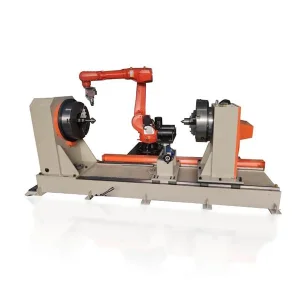
Our laser and plasma cladding equipment supports large-scale industrial remanufacturing and surface engineering projects. We offer complete, turnkey solutions tailored to your operational floor:
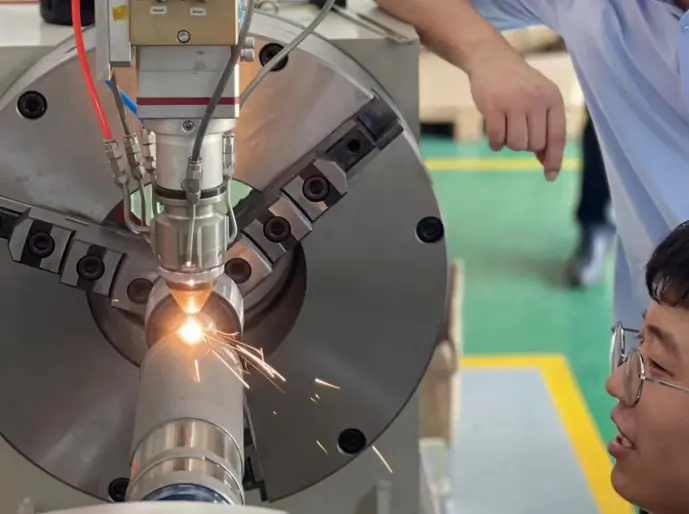
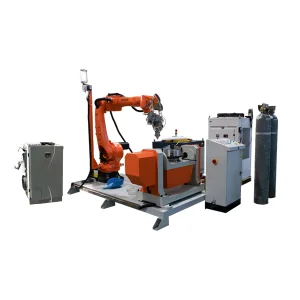
  • Precision Multi-Axis Robots: Integrated KUKA, ABB, or custom-designed articulated arms for scanning and deposition.
  • Advanced Gas & Powder Feeding Systems: Closed-loop powder feeders that maintain a constant mass flow rate, preventing fluctuations in track height or chemical composition.
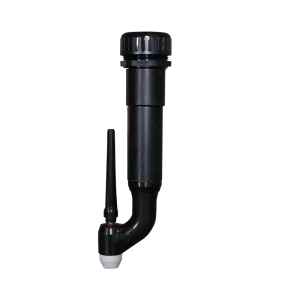
  • Custom PTA & Laser Torches: Optimized nozzle designs for internal bore cladding (down to 50mm ID) and complex external geometries.
Shanghai Duomu Technical R&D Department and Control Interface

Customized Cladding Systems & Specialty Machinery

We deliver tailored machinery configured to solve specific wear and friction challenges in key industrial sectors.
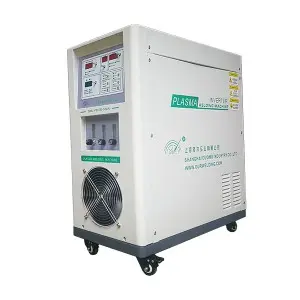
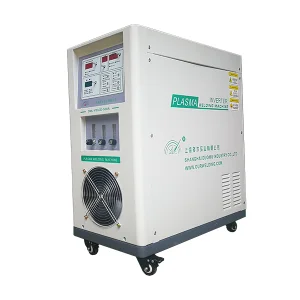
plasma powder surfacing machine DML-V03CD

Plasma Powder Surfacing Machine DML-V03CD

Engineered for precise, repeatable coatings on circular valves, metal seats, and small-diameter screw segments.
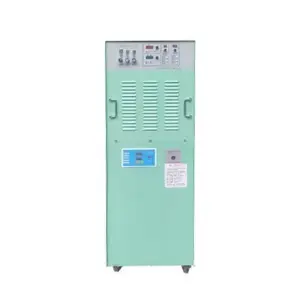
integrated multifunctional plasma powder welding

Integrated Multifunctional Plasma Powder Welder

Combines hardfacing, surfacing, and joining technologies in a single digital control system.
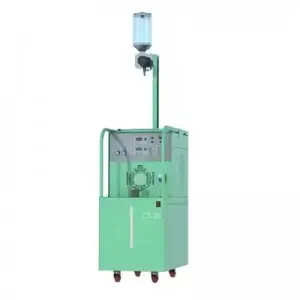
multifunctional plasma powder welding machine

Multifunctional Plasma Powder Welding Machine (DML)

Designed to run multi-shifts in heavy industrial environments with minimal maintenance.
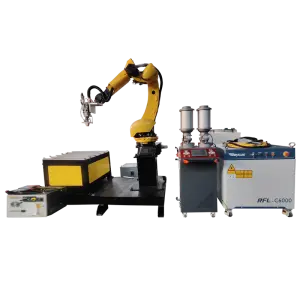
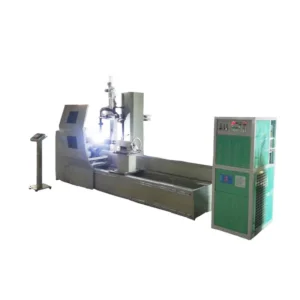
Laser cladding machine for blades

Laser Cladding Machine for Blades

Specialized machine tool layout optimized for restoring wear tolerances on complex turbine and fan blades.
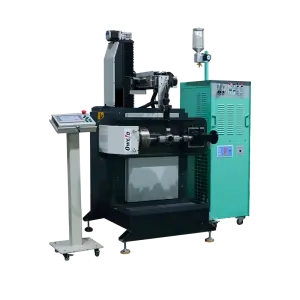
Ball Valve Automated Welding Equipment DQF-LC602

Ball Valve Automated Welding Equipment DQF-LC602

Provides precise, uniform cladding overlays on ball valves used in highly corrosive oil and chemical plants.
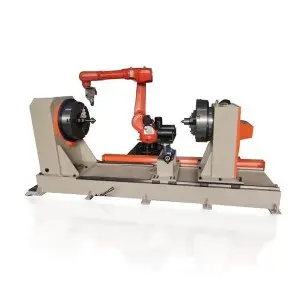
Laser hardening robot

Laser Hardening Robot

Utilizes precision scanning optics to harden selective areas of complex tools and dyes without warping.
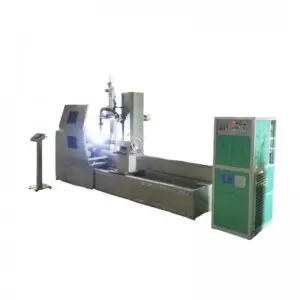
DYY-LC501 Hydraulic rod automatic plasma cladding

DYY-LC501 Hydraulic Rod Automatic Plasma Cladding Machine

Engineered to coat long cylinders and hydraulic rods with corrosion-resistant cobalt-based alloys.

Engineering & Process FAQ

Get answers to critical technical questions regarding the performance and integration of laser cladding systems.

Why is laser cladding superior to gas nitriding for extrusion screws?
Gas nitriding provides a hard, thin surface layer (typically 0.1 to 0.3mm deep) that can wear through quickly under abrasive conditions, such as processing glass-filled polymers. Laser cladding produces a metallurgical overlay between 1.0 and 3.0mm thick. This overlay forms a secure metallurgical bond with the base steel that is virtually immune to the spalling and delamination common in chrome-plated or nitrided surfaces.
Which base steels are compatible with your laser cladding processes?
Our systems process a wide range of structural and tool steels, including carbon steels, alloy steels (4140, 4340, 38CrMoAl), stainless steels (304, 316, 410, 420), and tool steels (D2, H13). Preheating and post-cladding thermal cycles are dynamically adjusted to manage cooling rates and prevent cracking in high-carbon and air-hardened tool steels.
How is powder feed rate controlled to ensure consistent chemical composition?
Our dual-barrel, gas-pressurized powder feeders use precision closed-loop controls. Feedback loops monitor feeding wheels and powder carrier gas flow rates to deliver the feedstock to the nozzle with variations below +/- 1%. This stability is critical for keeping tungsten carbide particles evenly distributed within the alloy matrix.
Can internal bores of extrusion barrels be cladded with this equipment?
Yes. We offer specialized internal-diameter (ID) laser and plasma cladding optics capable of processing bores down to 50mm inner diameter. These compact cladding heads feature integrated cooling channels and angled powder injection ports to apply consistent wear-resistant coatings to deep, enclosed geometries.
What dilution rates are typically achieved, and why does this parameter matter?
We target dilution rates between 2% and 5%. Minimizing dilution preserves the purity and performance of the cladding alloy. In contrast, arc welding methods often yield dilution rates over 15%, causing the base metal to mix with the cladding layer, which can compromise hardness and corrosion resistance.
How does Shanghai Duomu verify cladding quality and locate internal defects?
We use a rigorous multi-stage quality control process. Every critical component undergoes dye penetrant inspection (DPI) to locate surface micro-fissures, ultrasonic testing (UT) to confirm bond integrity, and portable Rockwell hardness testers to verify uniform wear properties.
What is the typical lifespan improvement for plastic extrusion screws treated with laser cladding?
Extrusion lines processing glass-reinforced nylon, fluoropolymers, or wood-plastic composites typically see a 3x to 5x increase in screw service life. This performance is achieved by applying a cladding overlay of Nickel-based alloy reinforced with 40-60% spherical Tungsten Carbide.
What cooling systems are required to support continuous, multi-shift operation?
Our turnkey systems include dual-channel, high-capacity industrial chillers. These units maintain precise temperature control (+/- 0.5 degrees C) for both the laser source and the optical cladding head, protecting optics from thermal lensing during long fabrication runs.
How user-friendly is the robotic programming interface for custom components?
Our systems utilize offline programming (OLP) software that converts 3D CAD files directly into cladding toolpaths. Operators can simulate deposition runs, check for collisions, and optimize speeds before commencing the actual welding process.
Do you offer on-site setup, operator training, and localized support?
Yes. Our engineers assist with installation, system integration, and commissioning at facilities worldwide. We also provide hands-on operator training covering toolpath generation, powder selection, and system calibration.

Industrial Case Studies & Engineering Reports

Read about how our engineering and technology solutions have helped clients resolve critical wear and corrosion problems in their operations.
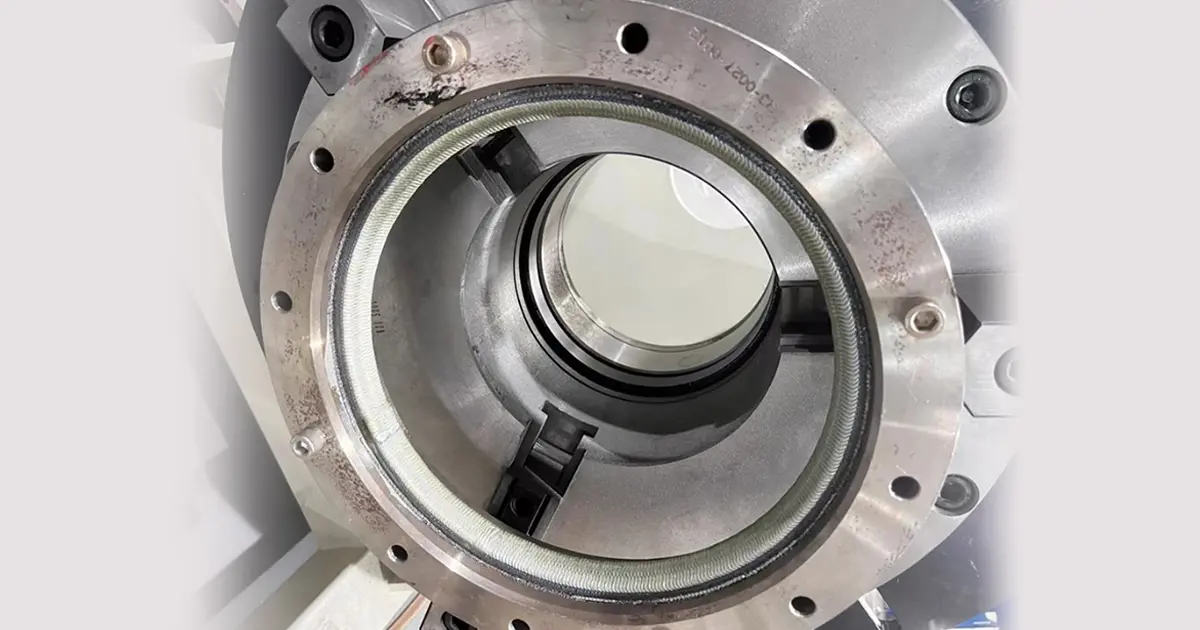
"The PTA Welding Valve Application Guide is not just a process choice for valve manufacturers facing high wear, high corrosion, and high-temperature erosion working conditions, but also a key path to improving product competitiveness. As industries such as petrochemical and water power generation demand longer equipment lifetimes, our integration of Duomu's PTA cladding units resulted in zero field failures over a 24-month observation cycle."
Valve Cladding Testimonial Representative
Director of Quality Control
Petrochemical Valve Manufacturing Corp
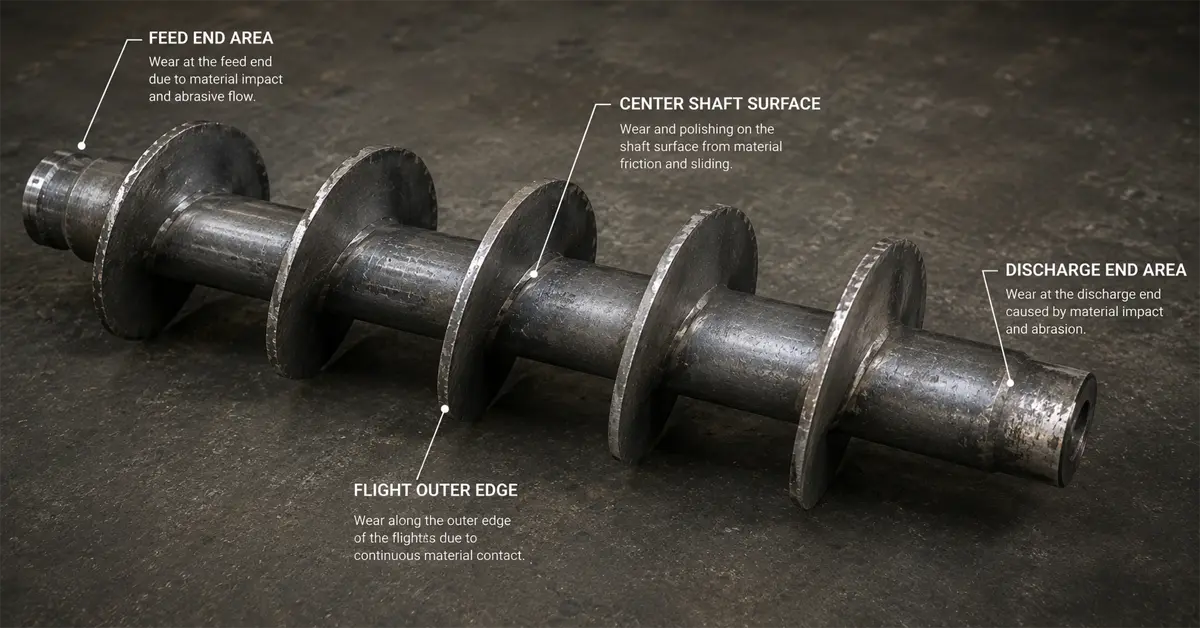
"In industries such as mining, cement, power generation, steelmaking, chemical processing, and biomass energy, screw conveyors are often regarded as auxiliary equipment. However, maintenance data shows that they are among the most frequent causes of unplanned production shutdowns. After adopting automated screw welding equipment, our conveyor maintenance costs dropped by 62%."
Conveyor Screw Hardfacing Testimonial
Lead Plant Maintenance Engineer
Global Mining & Mineral Processing Group
"In Plasma Transferred Arc (PTA) hardfacing, achieving a high-quality overlay is not only about selecting the right alloy powder or optimizing welding parameters. One of the most critical factors that directly affects overlay performance is the dilution rate. Whether you operate heavy stamping or high-temperature metal casting lines, control over dilution is crucial. Duomu's equipment provides consistent, stable control."
PTA Dilution Optimization Case Study
Chief Metallurgist
Heavy Forging and Tool Steel Processing Plant
"In industries such as Oil & Gas, Mining, Power Generation, Cement, and Heavy Equipment Manufacturing, hardfacing is no longer just a repair process. It has become a critical technology directly related to equipment lifespan, downtime costs, maintenance frequency, and overall manufacturing efficiency. We consider their robotic cladding cells a core component of our global production planning."
Robotic Cladding Application Study
VP of Engineering Operations
Power Generation and Rotating Equipment OEM
"In industries such as oil & gas, petrochemical, power generation, mining, and marine engineering, industrial valves are constantly exposed to severe operating conditions including: High pressure, extreme temperatures, corrosive media, and abrasive wear. Converting our valve production lines to automated laser cladding with their systems improved our production yield to 99.8%."
Valve Manufacturing Automated Cladding Success
Manufacturing Technology Manager
Offshore Oilfield Valve & Assembly Manufacturer
Strategic Technology Partner Logo 1 Strategic Technology Partner Logo 2 Strategic Technology Partner Logo 3 Strategic Technology Partner Logo 4 Strategic Technology Partner Logo 5 Strategic Technology Partner Logo 6 Strategic Technology Partner Logo 7 Strategic Technology Partner Logo 8 Strategic Technology Partner Logo 9 Strategic Technology Partner Logo 10

Connect with Our Metallurgy Engineers

For inquiries about our products or custom price quotes, please contact us. Our engineering support team will respond within 24 hours.