Engineered for high-duty cycles, zero thermal distortion, and superior wear-resistant properties.
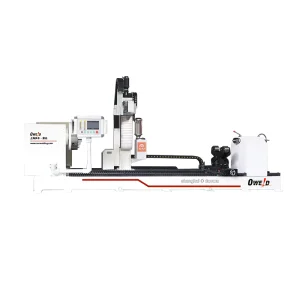
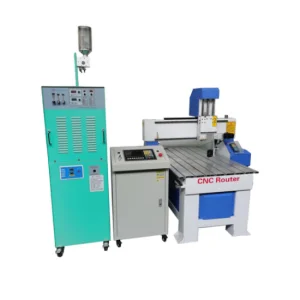
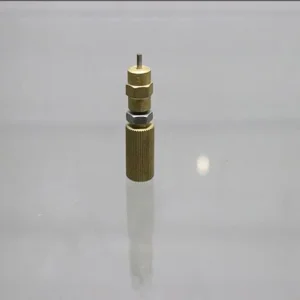
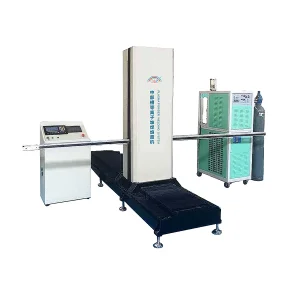
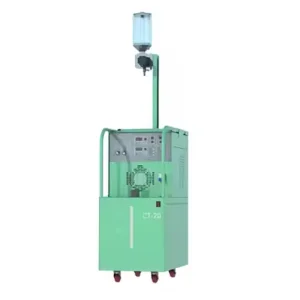
In modern metallurgical manufacturing and asset rehabilitation, the removal of high-thickness oxide layers, structural scale, and deep rust formations is critical. Traditionally, toxic chemical pickling, mechanical shot blasting, and abrasives were deployed, all of which pose substantial environmental risks, alter structural integrity, and produce secondary waste. Laser Limpieza Oxido (industrial laser rust cleaning) has emerged as the definitive high-precision solution.
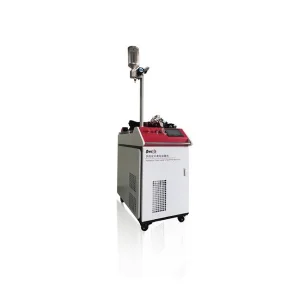
Utilizing high-frequency, high-power nanosecond pulsed lasers, the ablation mechanism directs energy densities exceeding the vaporization threshold of iron oxides (such as Fe2O3 and Fe3O4). The rust layers absorb the laser energy instantly, undergoing rapid thermal expansion and plasma-driven vaporization. Crucially, the substrate material remains below its ablation threshold, ensuring zero damage to the base alloy structure. This precise threshold separation is why leading aerospace, heavy machinery, and nuclear energy providers are standardizing laser ablation systems.
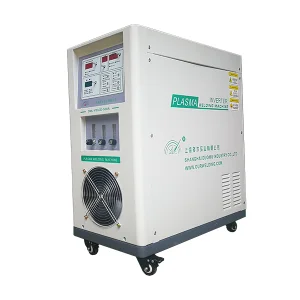
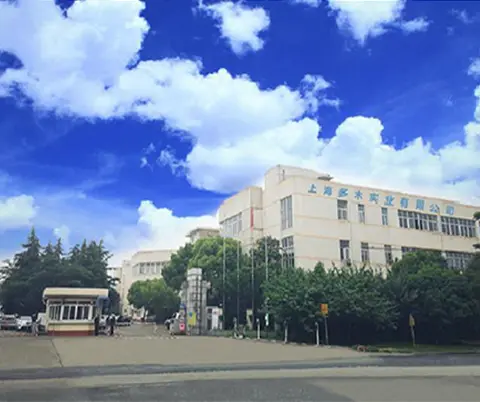
China's industrial laser manufacturing ecosystem has evolved to offer unmatched scaling, advanced raw component access, and world-class mechanical integration. At the forefront of this industrial shift, Shanghai Duomu blends localized supply chain efficiency with deep metallurgical expertise to manufacture high-tier Plasma Transferred Arc (PTA) and Laser Cladding systems.
Our advantages stem from integrated R&D. By fabricating proprietary optical pathways, developing stable high-duty cycle plasma power modules, and incorporating intelligent multi-axis robotic gantries, we deliver robust equipment at optimal cost structures. For global buyers, this translates to systems that achieve exceptional metallurgical bonds, low thermal dilution rates, and minimal heat-affected zones (HAZ) at a fraction of the cost of European equivalents.
Furthermore, our strict quality control methodologies conform directly to international standards, ensuring seamless integration into heavy-duty operations like oilfield tooling repair, mining excavator component rebuilding, and high-precision steel mill rollers refurbishment.
From structural descaling to precise material hardfacing, our equipment performs across key demanding sectors globally.
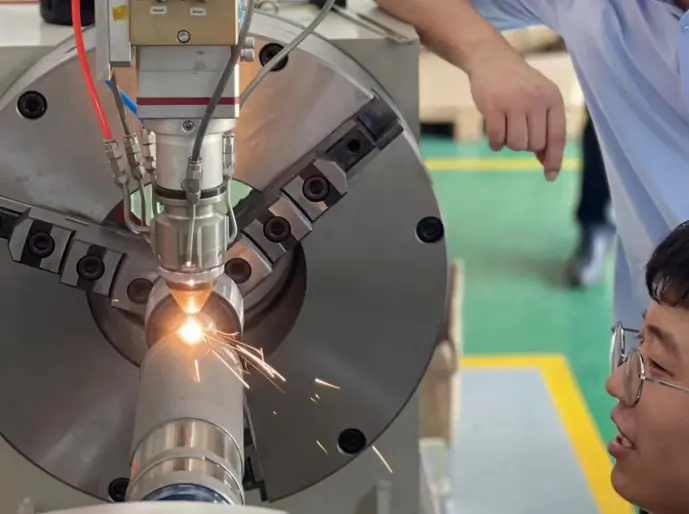
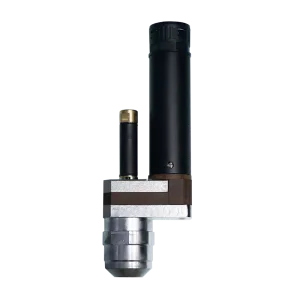
At Shanghai Duomu, technical superiority forms the foundation of our engineering ethos. We operate an independent, highly specialized R&D team focused entirely on the development, fabrication, and performance optimization of plasma powder cladding machinery and laser processing heads.
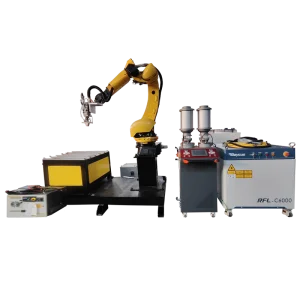
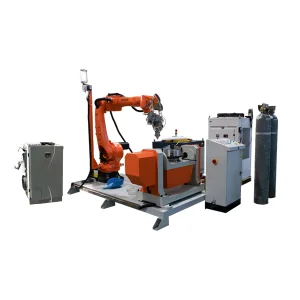
Our proprietary welding systems exhibit exceptionally stable electrical arcs, maintaining continuous, flawless operation during extended industrial production runs. For large-scale manufacturing and remanufacturing projects, our high-precision automated laser cladding systems provide deep metallurgical bonding with minimal dilution. We deliver complete turn-key solutions, including multi-axis industrial robotic cells, localized parameter recipes, and customized mechanical configurations tailored to resolve the specific wear-and-corrosion issues faced by our global clients.
Different industrial environments require specific metallurgical properties. Our machines accommodate a wide spectrum of alloy powders to combat various wear modes:
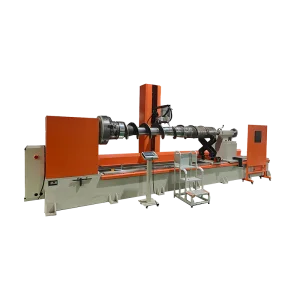
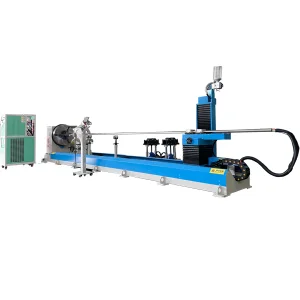
Our automation systems integrate CNC tables and articulated robots, allowing operators to execute precise spiral overlays, planar surfacing, and complex internal bore cladding. The ability to program multi-pass deposit steps ensures consistent thickness with uniform microstructure distribution, eliminating internal stress concentrators and cracking risks.
Receive comprehensive engineering consultations, process analyses, and custom machinery quotations from our Shanghai technical headquarters within 24 hours.
Submit Technical Inquiry / Request QuoteWhen international procurement officers purchase laser cleaning (Laser Limpieza Oxido) and hardfacing systems from China, evaluating technical compliance is as critical as assessing capital expenditure. Global buyers must analyze the following parameters to ensure high ROI and operational compliance:
1. Optical Source Selection & Pulse Duration: For rust cleaning applications, pulsed fiber lasers (100W–500W) are suitable for thin oxides, paint, and high-precision molds without applying thermal stress. In contrast, high-power continuous wave (CW) lasers (1kW–3kW) are optimized for thick oxide scale removal on structural steel profiles and ship hull plates where processing speed is the primary metric.
2. Control Systems & Robotic Integration: Modern production facilities require systems that communicate natively with existing SCADA networks. Our solutions utilize industry-standard PLC frameworks with Ethernet/IP, Profinet, and Modbus capabilities, allowing seamless control via standard industrial pendants and robot handlers.
3. International Compliance and Laser Safety: We ensure all manufactured laser and PTA systems comply with relevant international electrical safety and radiation emission frameworks. For laser cleaning, we supply Class 1 enclosures or provide appropriate Class 4 safety gear (PPE, wavelength-specific safety goggles, light-tight screens) to safeguard operational personnel.
Get professional, direct answers to common questions regarding surface preparation and metallurgical cladding technologies.
Laser rust removal operates on the principle of selective ablation. Metallic substrates have high reflectivity and thermal conductivity, meaning their ablation threshold is significantly higher than that of oxides, coatings, and contaminants. By optimizing the laser's pulse energy and power density, we vaporize the rust layer completely without reaching the melting point of the underlying steel or alloy.
PTA cladding utilizes a transferred plasma arc as the heat source to melt the powder and base metal. It features a higher deposition rate and lower machinery costs, but delivers a slightly higher dilution rate (5-10%) and heat input. Laser cladding uses a focused laser beam, offering a smaller heat-affected zone, low dilution rates (<5%), and excellent precision, which is ideal for thin-walled parts and complex geometries.
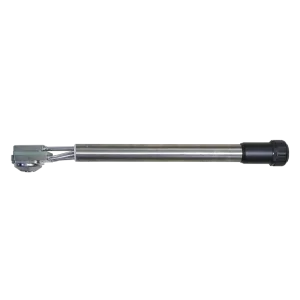
Yes. Systems like our Custom DSL-LC401 are engineered to clad the inner walls of cylinders, barrels, and pipes. Utilizing specialized internal optical pathways and bore torches, our machines can reach deep inside tubes to deposit wear-resistant coatings, extending the lifespan of injection molding barrels and industrial piping.
Because our cladding systems achieve high precision and low surface roughness, post-processing is minimized. Depending on the component's application, final dimensions can be achieved through light grinding, turning, or CNC machining. For severe wear applications, the deposit is often left in its as-clad state if geometry permits.
Read how global enterprises leverage PTA and laser cladding setups to solve complex wear, corrosion, and erosion challenges.
"The PTA Welding Valve Application Guide is not just a process choice for valve manufacturers facing high wear, high corrosion, and high-temperature erosion working conditions, but also a key path to improving product competitiveness. As industries such as petrochemical, metallurgy, and power generation scale, their standards for valve integrity continue to rise."
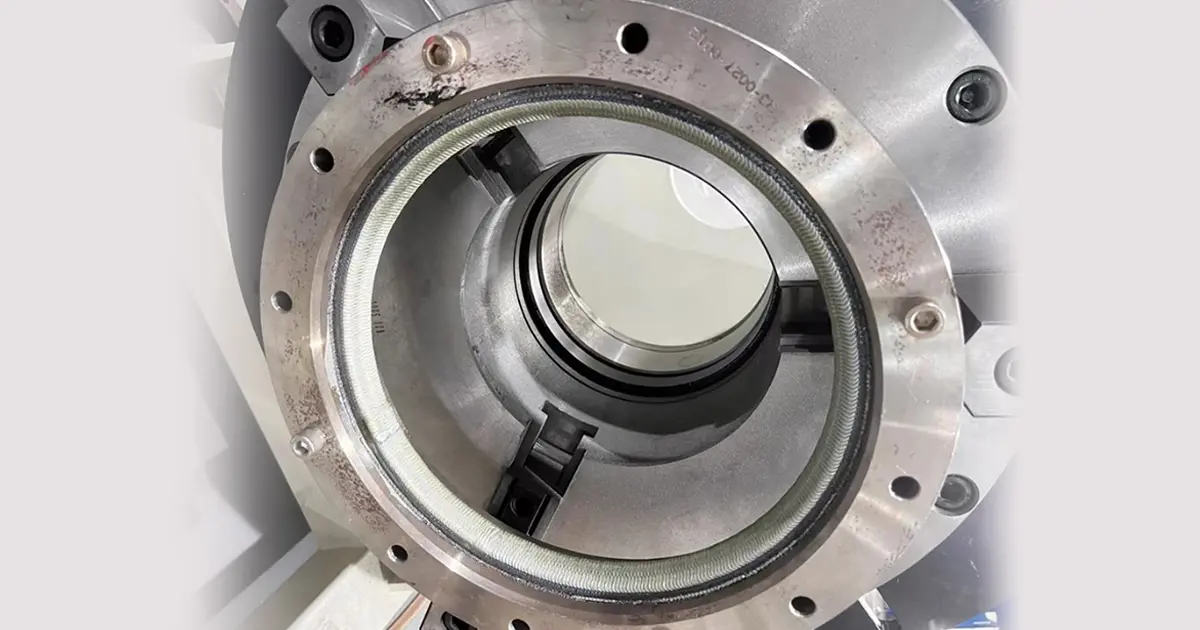
"In industries such as mining, cement, power generation, steelmaking, chemical processing, and biomass energy, screw conveyors are often regarded as auxiliary equipment. However, maintenance data shows that they are among the most frequent causes of unplanned production downtime. Using automated hardfacing systems drastically increased our conveyor screw operational lifecycle."
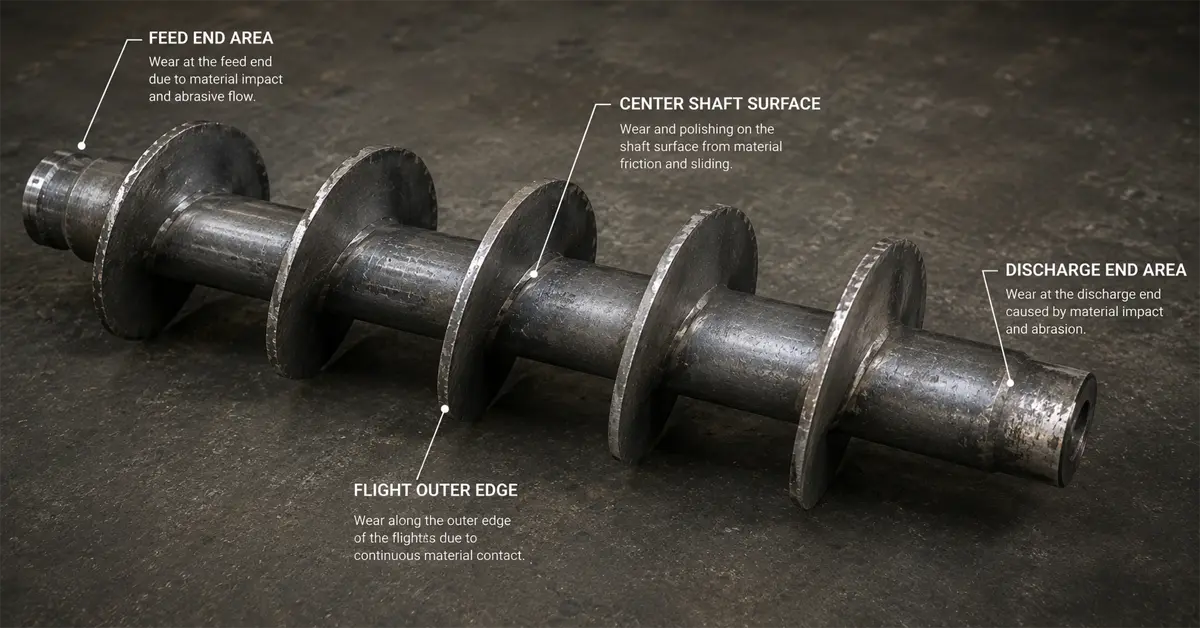
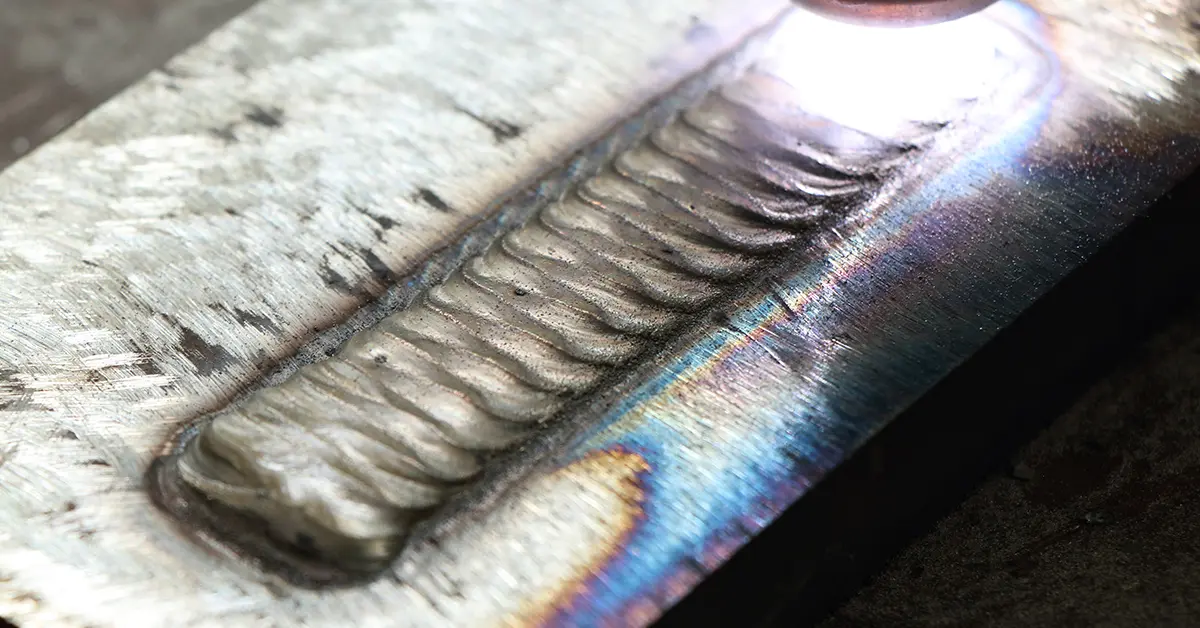
"In Plasma Transferred Arc (PTA) hardfacing, achieving a high-quality overlay is not only about selecting the right alloy powder or optimizing welding parameters. One of the most critical factors that directly affects overlay performance is the dilution rate. By controlling this, we achieved superior wear layer properties."







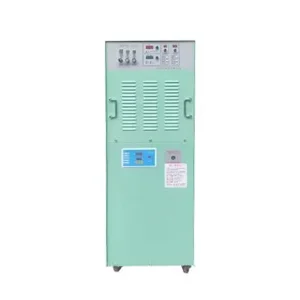
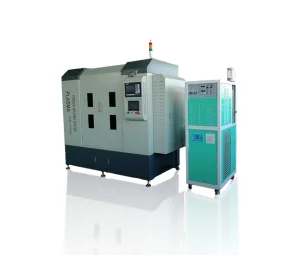
High-precision plasma torches, numerical control systems, and automated machinery lines.
 Duomu
Duomu