In the modern industrial landscape, selecting the right welding process—MIG (Metal Inert Gas) or TIG (Tungsten Inert Gas)—is more than a technical choice; it is a strategic business decision affecting throughput, quality, and cost-efficiency. While both are arc welding processes, they serve diametrically opposed roles in manufacturing.
Known for high-speed production. Uses a continuously feeding wire that acts as both the electrode and filler material. It is the "point-and-shoot" method of the welding world, ideal for thick materials and high-volume factory lines.
The pinnacle of precision. Uses a non-consumable tungsten electrode to produce the weld. The welder manually feeds the filler rod, allowing for extreme control over the heat and the weld bead. Essential for aerospace and thin metals.
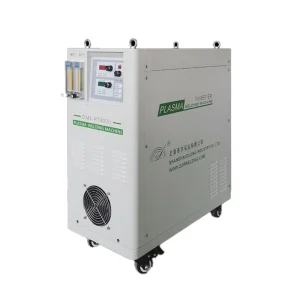
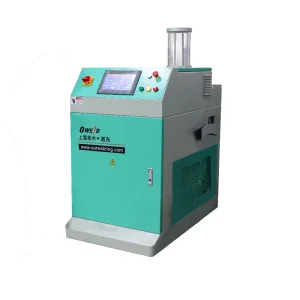
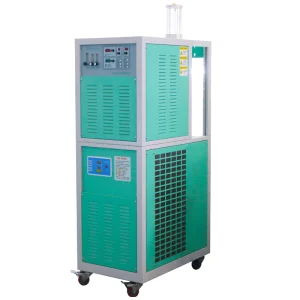
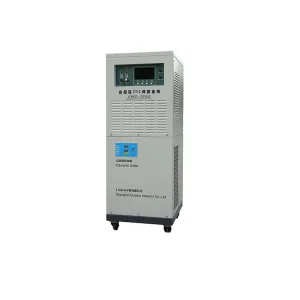
Beyond traditional MIG/TIG, technologies like Plasma Transferred Arc (PTA) and Laser Cladding are redefining industrial durability. These methods combine the speed of MIG with a precision exceeding TIG for specialized surfacing.
| Feature | MIG Welding (GMAW) | TIG Welding (GTAW) | Industrial Impact |
|---|---|---|---|
| Operational Speed | Extremely High (Continuous feed) | Low to Moderate (Manual feed) | MIG is 3-4x faster for mass production |
| Material Thickness | Excellent for thick structural steel | Superior for thin, delicate alloys | TIG avoids "burn-through" on thin sheets |
| Ease of Use | Shorter learning curve | Requires high operator skill | MIG reduces labor training costs |
| Weld Aesthetics | Functional, often requires finishing | Clean, artistic, precise beads | TIG is preferred for visible architectural welds |
Our welding and cladding solutions have penetrated the most demanding sectors, ensuring equipment longevity and structural integrity across the globe.


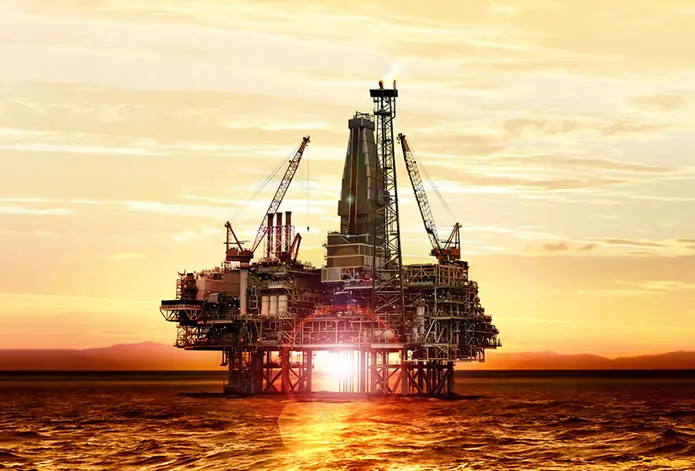
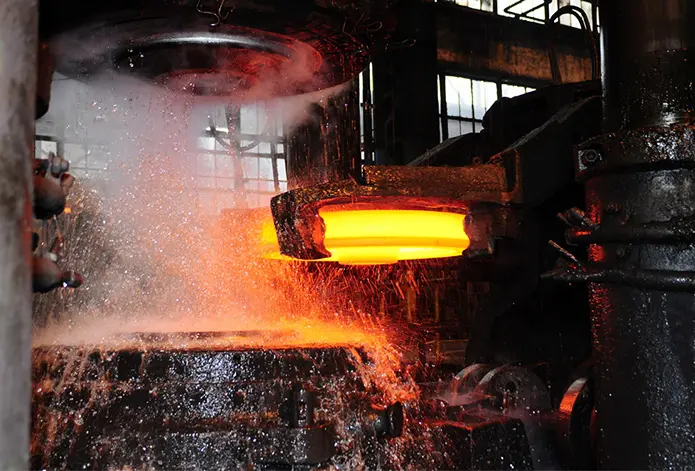

As a leading High-Quality MIG and TIG Welding Supplier, Shanghai Duomu leverages China's robust industrial ecosystem to provide "Information Gain" in manufacturing. Our factories are not just producing machines; we are optimizing the entire lifecycle of industrial components.
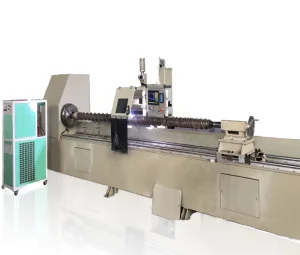
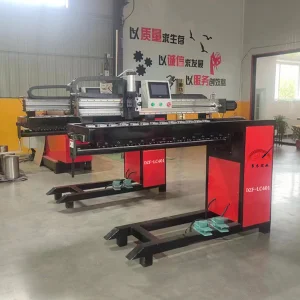
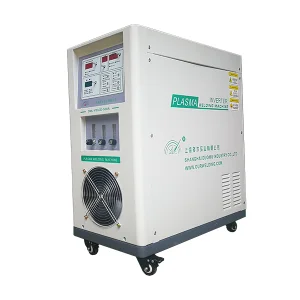
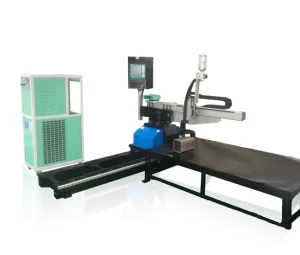
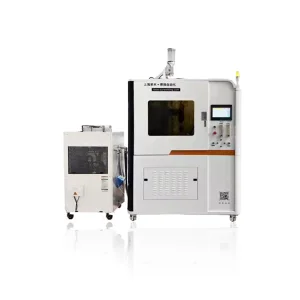
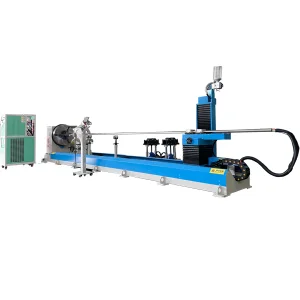
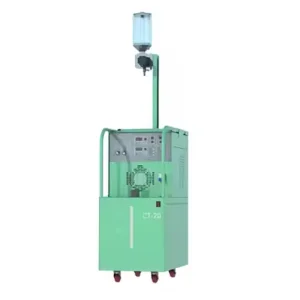
Shanghai Duomu has been a leading manufacturer and exporter of PTA cladding machines and Laser cladding machines for more than ten years. Our technical background allows us to integrate TIG-level precision with automated MIG-level speeds through plasma and laser innovation.
Our Technical Department features an independent R&D team focused on the evolution of plasma cladding and laser equipment. While MIG and TIG are the foundations, our machines push the boundaries of Surface Engineering.
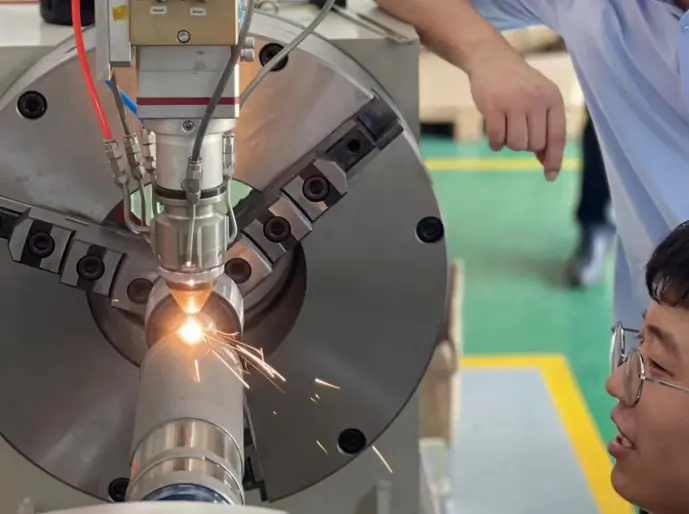
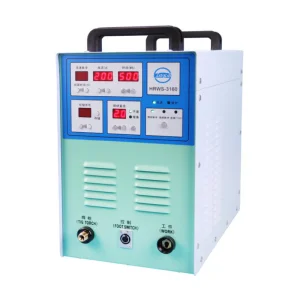
New inverter-based TIG and MIG machines are reducing power consumption by 30%. In the face of global carbon neutrality goals, energy-efficient welding is no longer optional.
Collaborative robots are allowing small-to-medium factories to automate the precision of TIG welding without the massive footprint of traditional industrial robots.
Wire Arc Additive Manufacturing (WAAM) is essentially high-speed MIG used to "3D Print" metal components, a trend growing in aerospace and ship-building.
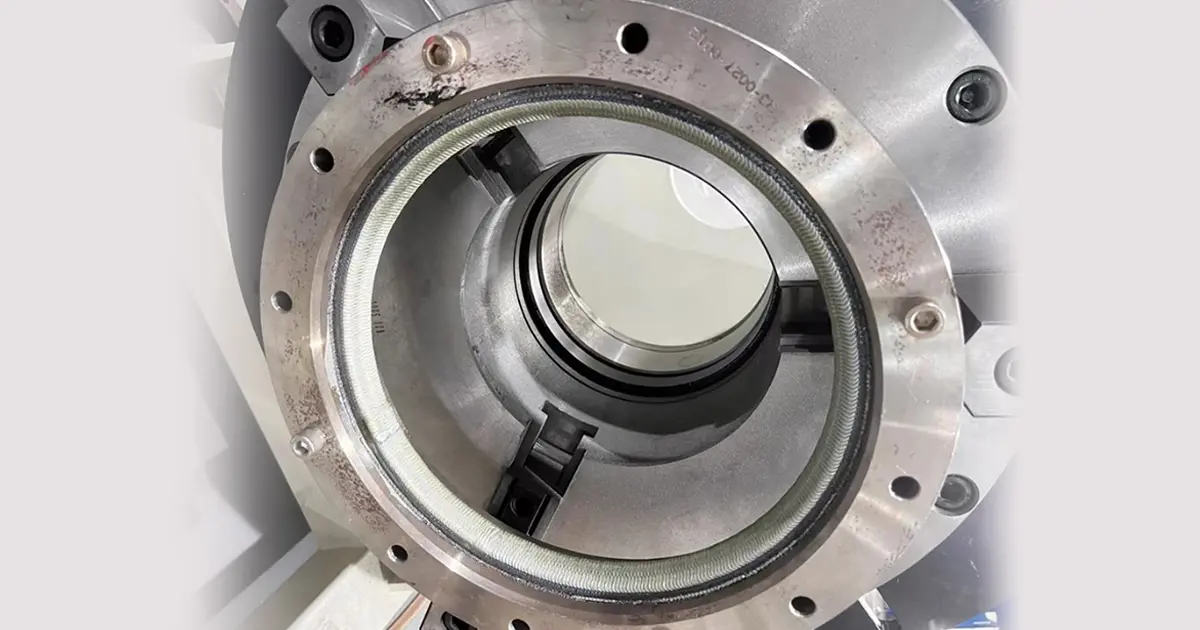
"The PTA Welding Valve Application Guide is not just a process choice for valve manufacturers facing high wear, but also a key path to improving product competitiveness."
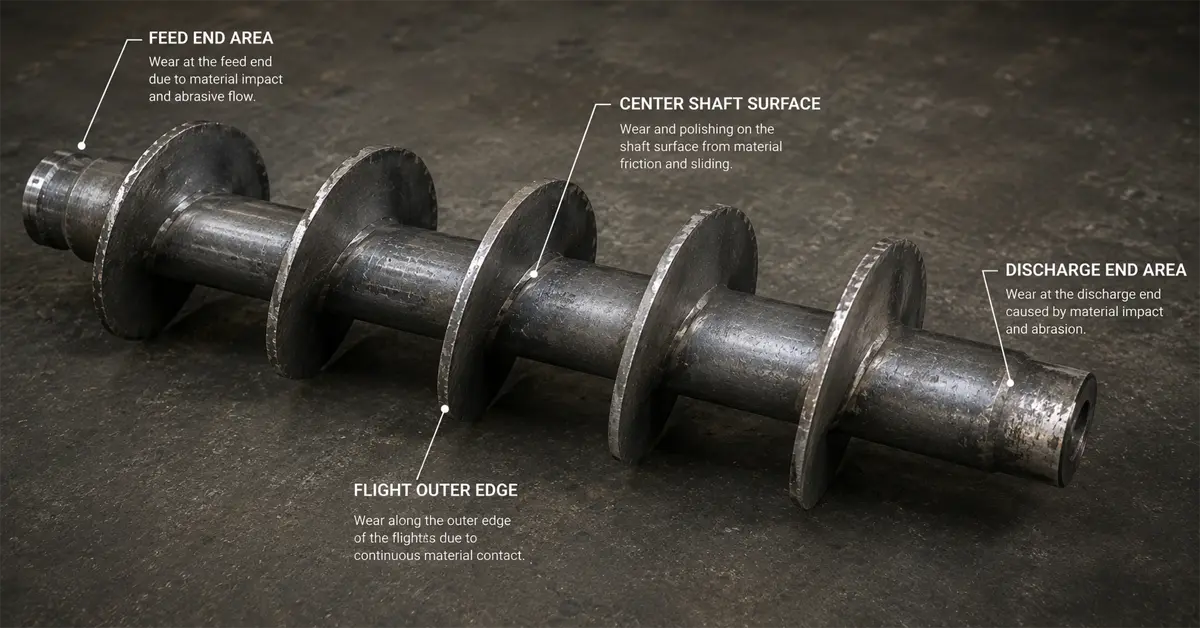
"In industries such as mining and power generation, maintenance data shows that screw conveyors are among the most frequent causes of unplanned downtime."
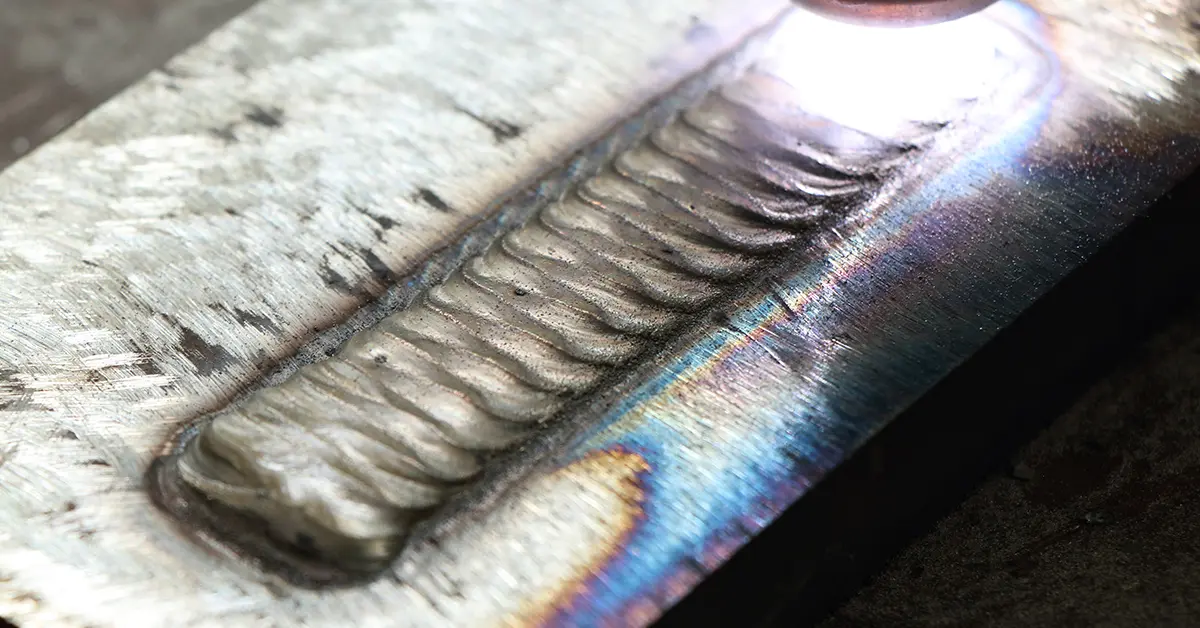
"In Plasma Transferred Arc (PTA) hardfacing, achieving a high-quality overlay is not only about selecting the right alloy but optimizing the dilution rate."





 Duomu
Duomu