Explore our premium machinery line engineered for high durability, minimal dilution rates, and extreme operational stability across demanding sectors.
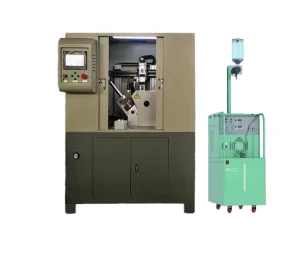
Providing industry-validated cladding solutions with over a decade of dedication to material science and electrical control stability.
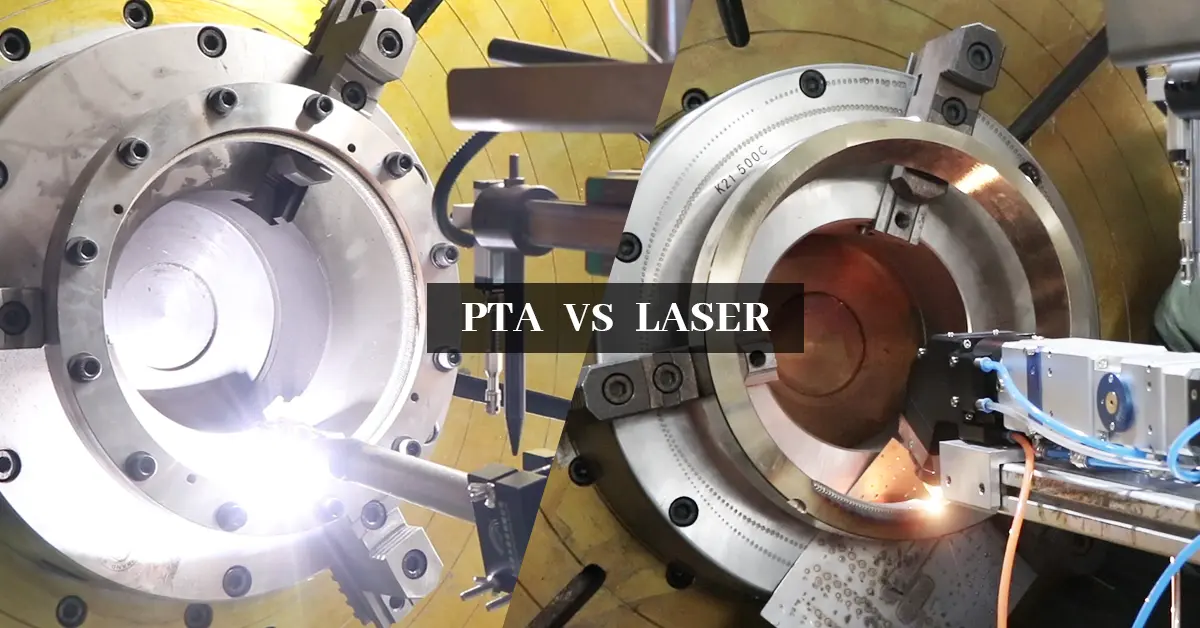
Within modern industrial hardfacing and wear-resistant resurfacing, choosing between Plasma Transferred Arc (PTA) surfacing and Laser Cladding determines the mechanical integrity, wear characteristics, and operational lifespan of heavy machinery parts. Both technologies fall within the category of advanced thermal overlay processing. However, they rely on drastically different physical principles to bond wear-resistant alloys onto substrate materials.
PTA welding utilises a constricted, highly-collimated thermal plasma arc generated by the ionization of carrier gases (typically argon) flowing through an internal constricting nozzle. The high-energy plasma jet strikes the workpiece surface, establishing a localized melt pool. Conversely, Laser Cladding relies on a coherent, monochromatic beam of light generated via diode, fiber, or disk laser configurations to melt the coating alloy and a thin surface layer of the base substrate.
The dilution rate (the percentage of base metal that migrates into the hardfacing overlay) heavily dictates the performance of corrosion-resistant and wear-resistant layers. PTA cladding typically exhibits dilution rates ranging between 5% and 12%, which is low enough to retain the chemical profile of expensive cobalt or nickel-based powders in a single layer. Laser cladding achieves even lower dilution rates, often below 3-5%, due to its highly focused, instantaneous heat application. This difference directly impacts material selections: for thick, heavy-duty buildups (over 3mm thickness), PTA remains highly cost-effective and structurally robust. For thin, ultra-high-precision layers, laser cladding is the standard.
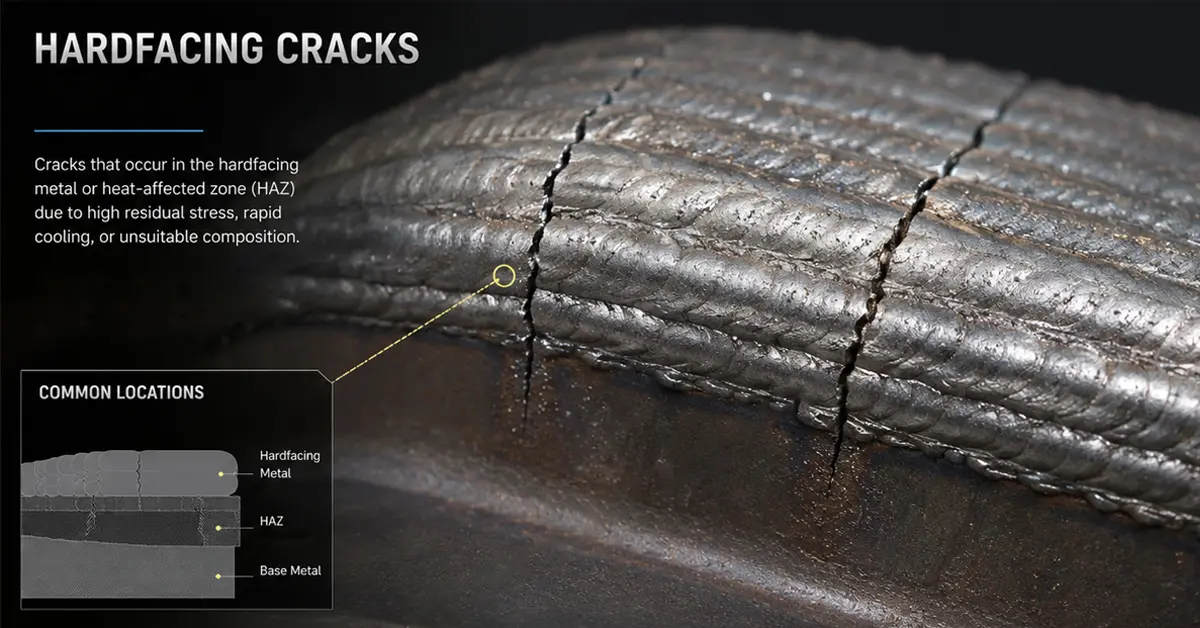
Both methods yield a true metallurgical bond, far superior to the mechanical adhesion seen in thermal spray technologies. However, the heat-affected zone (HAZ) of a PTA overlay is marginally wider than that of a laser-processed deposit. Understanding how this affects residual stress is critical: while laser cladding minimizes overall distortion, its extremely rapid cooling rate can cause cracking in certain high-carbon steel workpieces if pre-heating is not applied. PTA provides a slightly gentler thermal cycle, reducing the risk of micro-cracking in complex alloys like tungsten carbide composites (Ni-WC).
Delivering critical service life extension across high-wear sectors, including military aerospace, petroleum, and metallurgy.


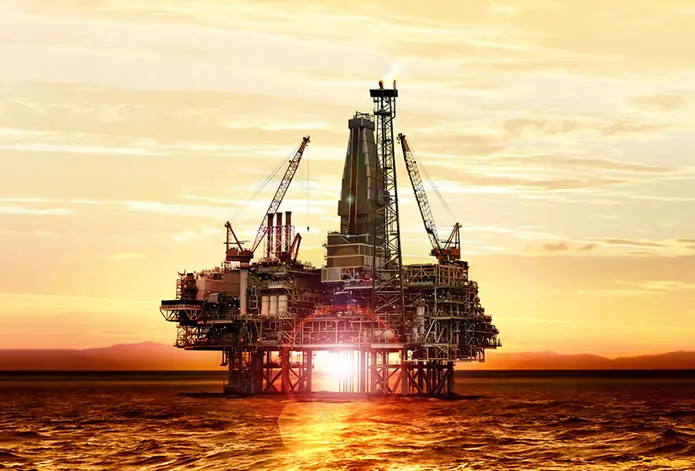
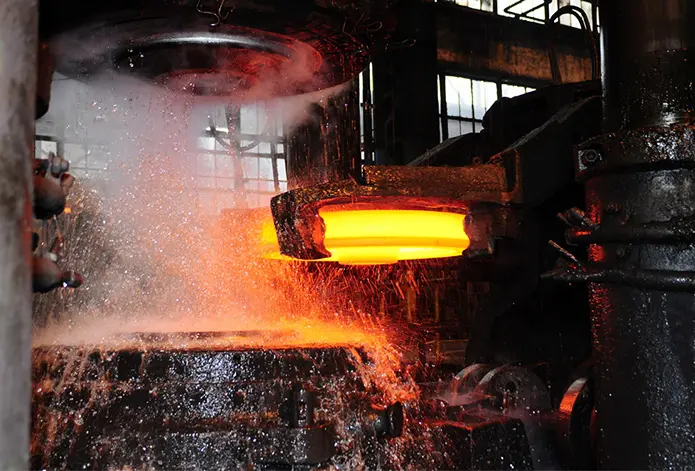
At present, our products have penetrated into many fields such as aerospace military industry, nuclear power, petrochemical industry, coal mines, metallurgy and forging, agriculture, water conservancy, and electric power. For example, in agricultural tools (such as subsoiler shanks and rototiller blades), applying a nickel-based tungsten carbide coating via our automated PTA cladding setups increases the component service life by up to 4 to 6 times compared to untreated carbon steels. In the high-stress environments of petroleum machinery, including drill collars and stabilizer bands, PTA deposition prevents abrasive wear caused by downhole formation friction, saving millions of dollars in retrieval and unplanned drilling downtime.
Global demand for advanced surface modifications has expanded rapidly. Companies across North America, the EU, Asia-Pacific, and South America are shifting from standard thermal sprays to PTA and Laser cladding to satisfy stricter environmental and service lifetime requirements. Procurement teams face complex decisions when selecting equipment vendors. An ideal manufacturing partner must deliver not only robust machinery, but also application-specific customization, reliable technical support, and component compliance.
Remanufacturing worn equipment is a key pillar of global carbon reduction and industrial sustainability strategies. By cladding a high-performance alloy onto a worn component rather than discarding it, heavy industries reduce carbon output by 80% compared to new component fabrication. This approach is highly effective for large hydraulic cylinders in offshore mining, power plant turbine blades, and large metal forging dies.
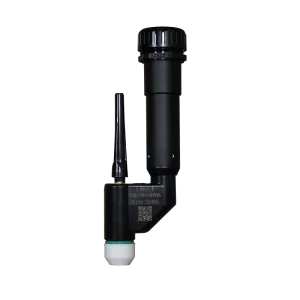
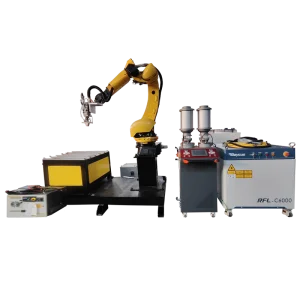
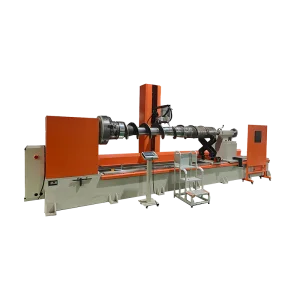
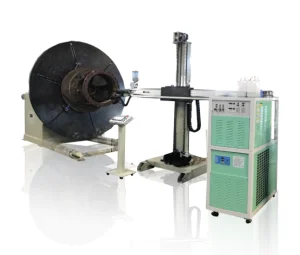
Customized equipment built to precise technical specifications, including integrated robotic manipulators and high-efficiency powder feeders.
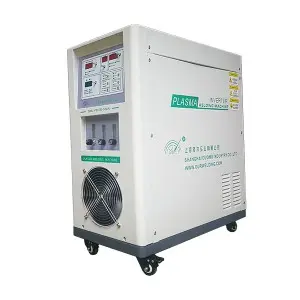
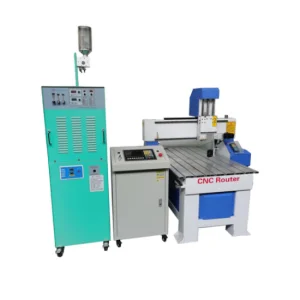
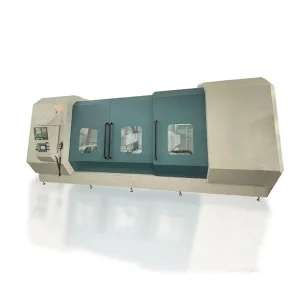
Designed for high stability surfacing with automated tracking and control.
Request Quote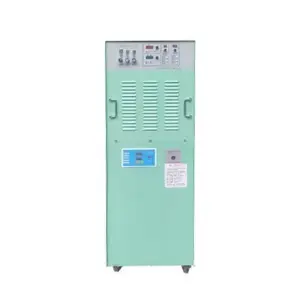
A single station solution combining PTA cladding and joint welding options.
Request Quote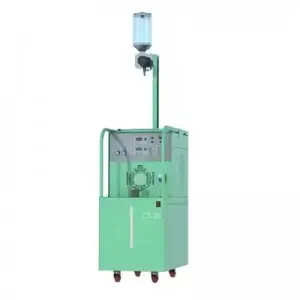
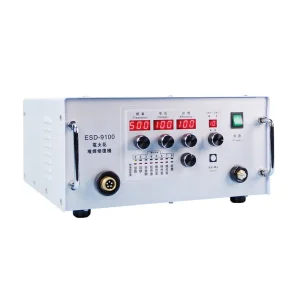
Flexible industrial interface with customizable program control.
Request Quote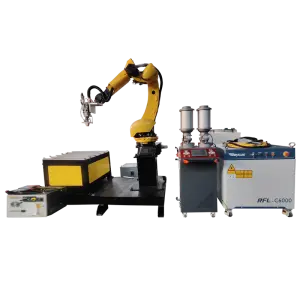
Engineered for precise blade profiles, minimizing material waste and HAZ.
Request Quote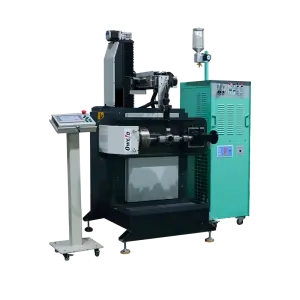
Specifically optimized for spherical surfaces and gas seal properties.
Request Quote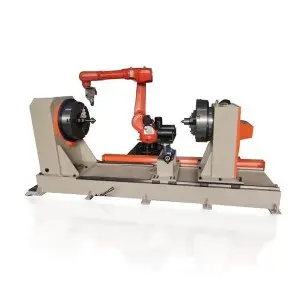
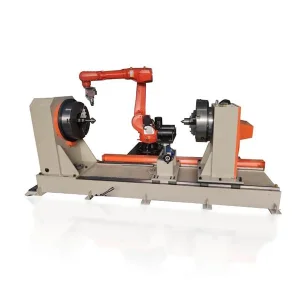
6-axis motion configuration for hardening gears and heavy rollers.
Request Quote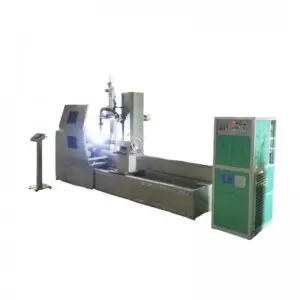
Engineered for marine-grade anti-corrosive hardfacing on chrome replacements.
Request QuoteThe hardfacing industry is shifting toward smart, automated systems. At Shanghai Duomu, our R&D team is driving this transition by integrating real-time sensors, adaptive software, and advanced material options into our PTA and laser systems.
Real feedback from engineers and production managers who rely on our PTA and laser cladding solutions to maintain operations.
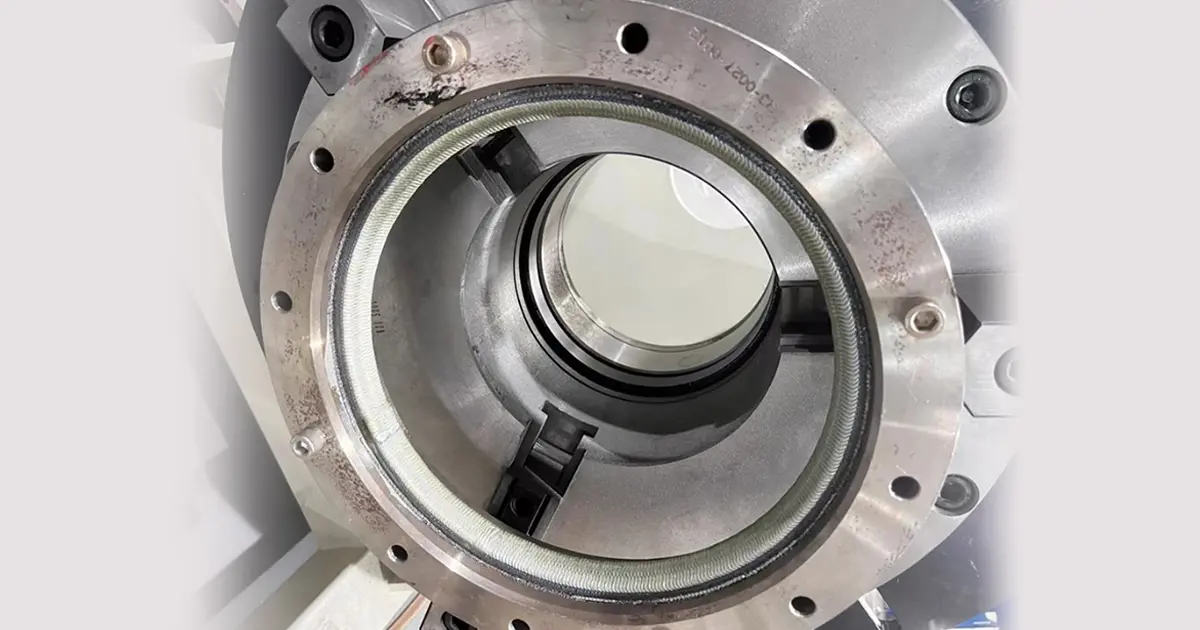
"The PTA Welding Valve Application Guide is not just a process choice for valve manufacturers facing high wear, high corrosion, and high-temperature erosion working conditions, but also a key path to improving product competitiveness. As industries such as petrochemical demand higher safety margins, this has become our standard."
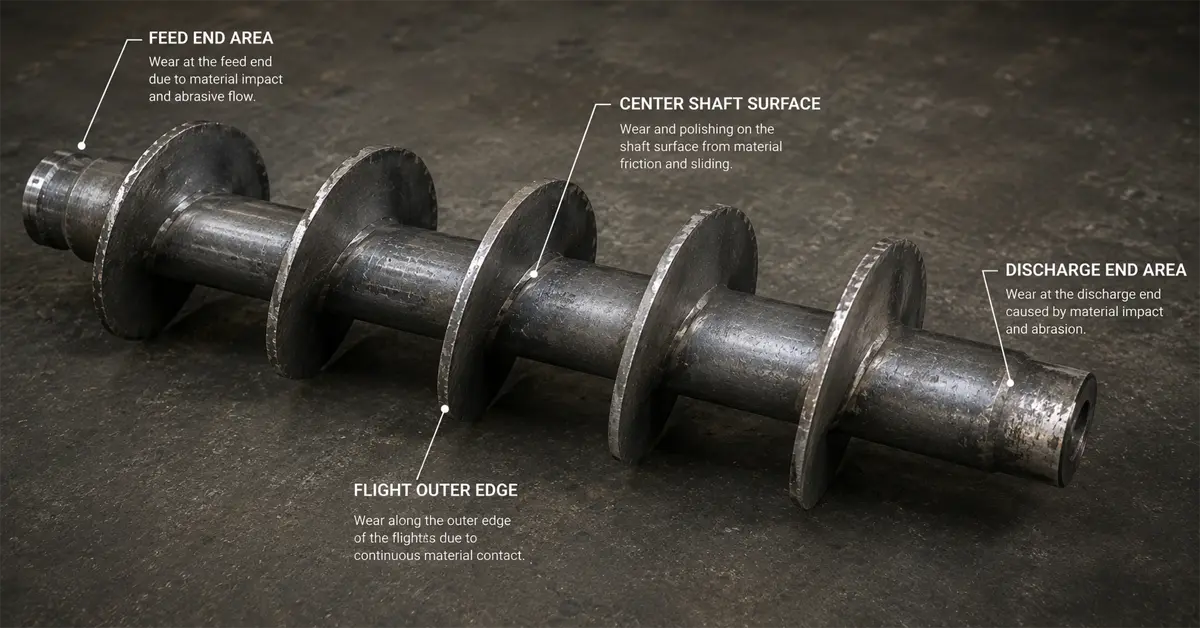
"In industries such as mining, cement, power generation, steelmaking, chemical processing, and biomass energy, screw conveyors are often regarded as auxiliary equipment. However, maintenance data shows that they are among the most frequent causes of unplanned production downtime. Integrating a continuous PTA overlay on flight tips has reduced our maintenance cycles by 300%."
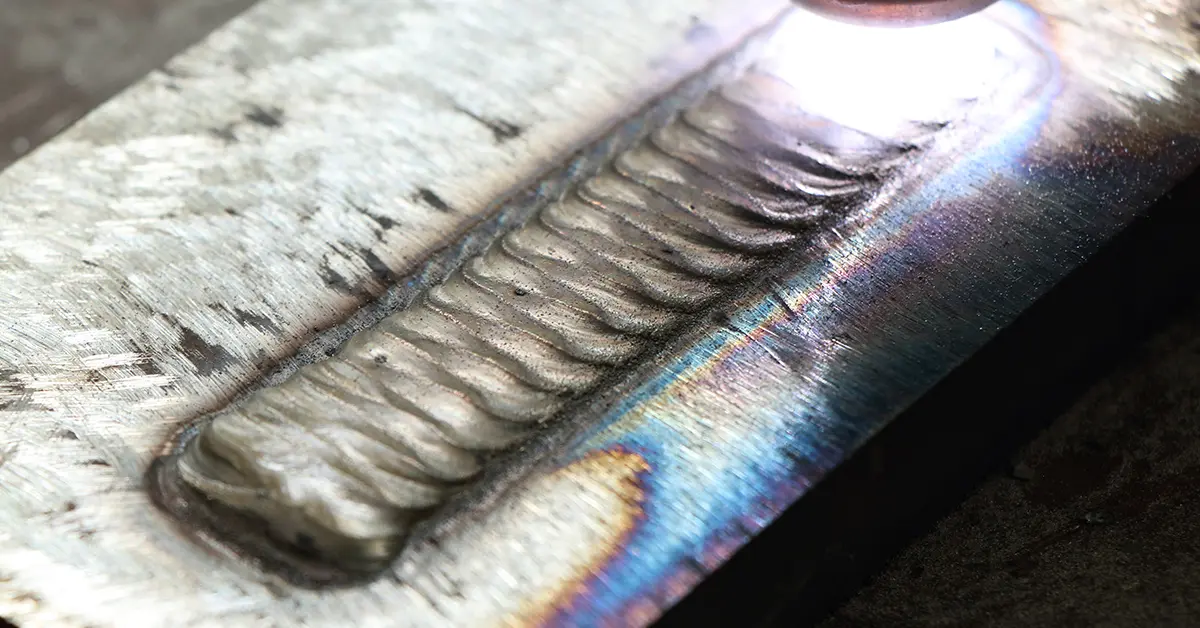
"In PTA hardfacing, achieving a high-quality overlay is not only about selecting the right alloy powder or optimizing welding parameters. One of the most critical factors that directly affects overlay performance is the dilution rate. Shanghai Duomu's precision parameter regulation allowed us to consistently keep our dilution rates under 7%, preserving carbide properties."
"In industries such as Oil & Gas, Mining, Power Generation, Cement, and Heavy Equipment Manufacturing, hardfacing is no longer just a repair process. It has become a critical technology directly related to equipment lifespan, downtime costs, maintenance frequency, and overall bottom-line productivity. The automated systems from Duomu deliver outstanding results on our hydraulic rods."
"In industries such as oil & gas, petrochemical, power generation, mining, and marine engineering, industrial valves are constantly exposed to severe operating conditions including: High pressure, Extreme temperatures, Corrosive media, Abrasive wear, and Sand erosion. The Stellite 6 overlay produced by Duomu's FB-200P system resolved our sealing issues under high pressures."
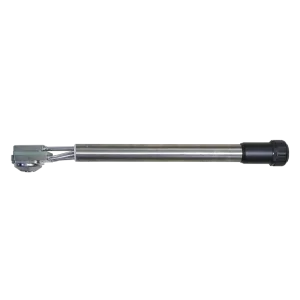
Browse our selection of specialized torches, calibrators, and multi-axis manipulator positioners for high-precision welding workshops.
Get answers to common technical and logistical questions when integrating our systems into high-output production lines.







Get in touch with our engineering support team for custom solutions or quotes. We respond to all inquiries within 24 hours.
Contact Our Technical Team Duomu
Duomu