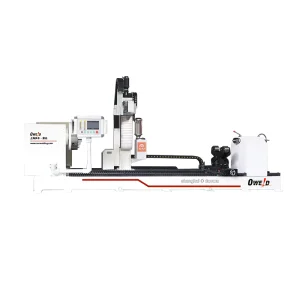
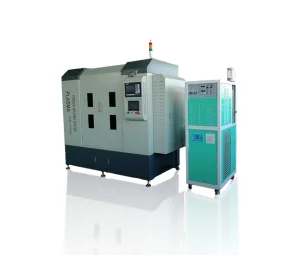
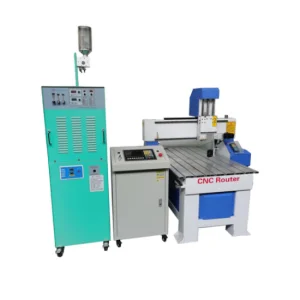
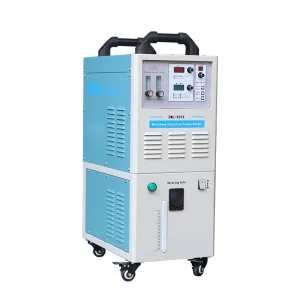
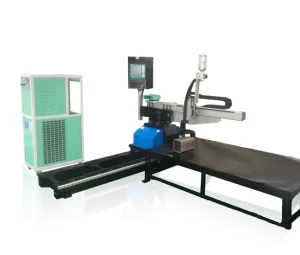
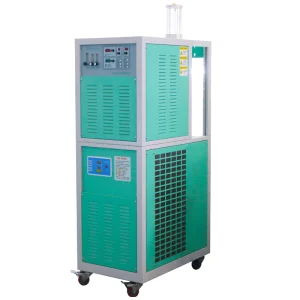
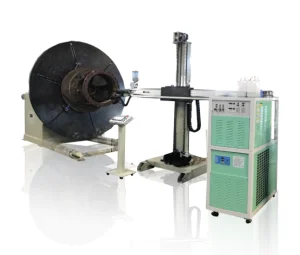
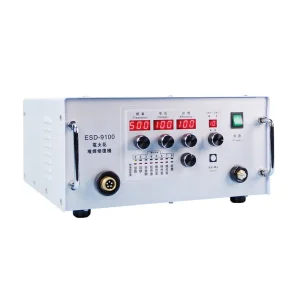
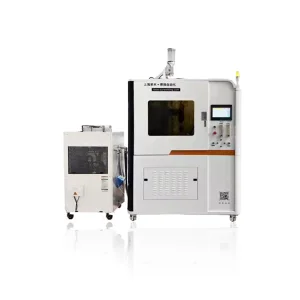
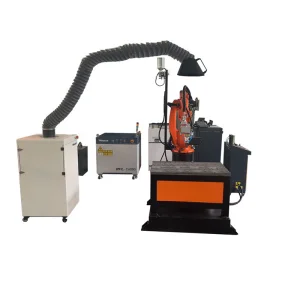
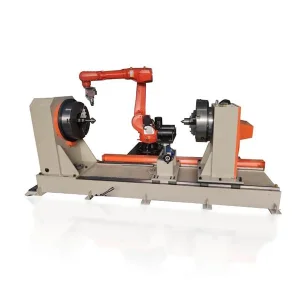
Explore our flagship catalog featuring advanced laser hardening robots, planar plasma surfacing machines, and high-duty cladding equipment designed to optimize component longevity.
Laser rust cleaning, recognized internationally and in localized markets as "Pulizia Laser Ruggine", represents the pinnacle of modern surface preparation. Traditional rust removal methods, such as abrasive sandblasting, chemical pickling, and mechanical grinding, introduce significant drawbacks. These include substrate material wear, structural distortion from high mechanical forces, heavy environmental contamination, and high consumable expenses. Laser cleaning breaks these constraints by employing targeted photonic energy to selectively ablate surface contaminants without affecting the structural integrity of the substrate.
The core mechanism of Pulizia Laser Ruggine lies in optical ablation. Laser sources generate high-energy, pulsed coherent light beams focused onto the oxidized layer of the metal. The rust layer (principally iron oxides like Fe2O3) features a drastically different absorption spectrum and thermal expansion coefficient compared to the parent steel or alloy substrate. Under rapid laser irradiation, the rust absorbs the optical energy instantly, heating up above its vaporization threshold. This induces explosive thermal expansion and micro-plasma generation, causing the oxidized particles to detach, sublime, or vaporize immediately from the metal surface.
Our industrial laser systems are engineered around precision-calibrated pulse durations. By adjusting pulse width (typically measured in nanoseconds) and scanning frequency, the laser energy density stays above the ablation threshold of the rust layer, but safely below the damage threshold of the underlying steel, copper, or titanium. This creates a self-terminating cleaning cycle, yielding a pristine metallurgic finish with zero micro-fracturing or heat-affected zone (HAZ) deformation.
Explore the technological evolutionary trajectory of laser cleaning systems and how they integrate into Industry 4.0 paradigms.
Transitioning from nanosecond to picosecond and femtosecond fiber lasers. Shorter pulse widths minimize thermal dissipation into surrounding materials, making them ideal for high-precision components in micro-electronics and aerospace applications where heat-affected zones must remain virtually non-existent.
Integrating high-speed optical vision sensors and artificial intelligence algorithm matrices. Future systems scan the workpiece topography in real-time, mapping rust density, composition, and paint depth to automatically modulate laser power, scanning patterns, and feed rates dynamic to the surface variation.
Combining multiple laser wavelengths (such as infrared 1064nm and green 532nm) into a unified beam path. This dual-wavelength synergy enables the ablation of mixed contamination layers containing organic grease, synthetic polymer paints, and heavy metal oxides simultaneously in a single sweep.
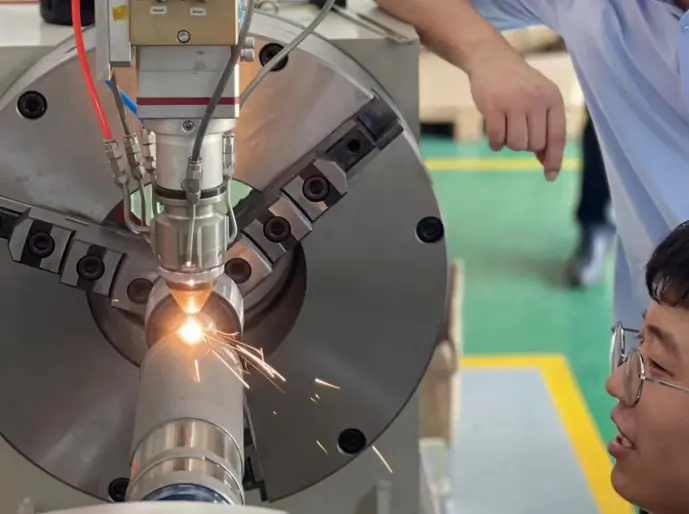
Shanghai Duomu has been a leading manufacturer and exporter of PTA cladding machines and Laser cladding machines for more than ten years with a strong technical background. Operating at the intersection of thermal coating and high-precision laser surface engineering, our mission has evolved to address the most demanding wear, corrosion, and decontamination issues across modern manufacturing sectors.
Our independent Technical R&D team develops, produces, and sells industry-grade plasma cladding machine equipment and customized laser solutions. The welding and cladding machines we manufacture boast stable performance and can maintain efficient, long-term operation under high-stress conditions. In addition, the laser cladding equipment sold by the company can effectively support large-scale remanufacturing projects. We have mature technological means to provide complete sets of industrial equipment solutions, from manual handheld cleaners to fully automated, robotic multi-axis workstations.
At present, our surface treatment and cladding systems have penetrated into many fields such as aerospace military industry, nuclear power, petrochemical industry, coal mines, metallurgy and forging, agriculture, water conservancy and electric power.



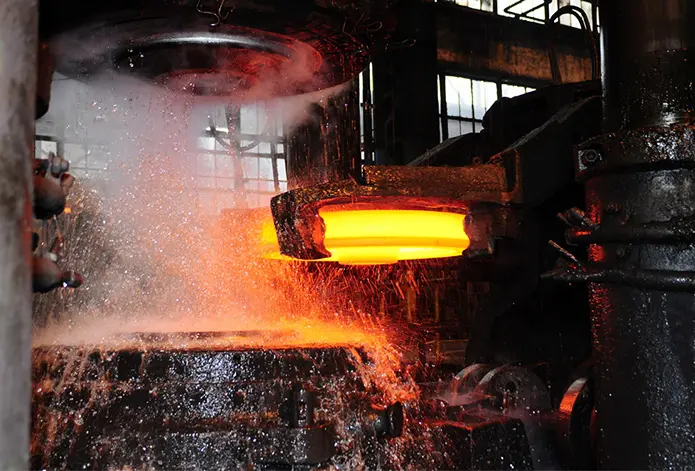
Combining world-class component supply networks with lean, automated manufacturing processes to deliver unmatched price-performance advantages.
Our production facilities utilize the principles of Factory 4.0, incorporating smart warehousing, CNC machining centers, and automated sub-assembly bays. By establishing deep partnerships with top-tier optical fiber source builders, high-precision scanning mirror manufacturers, and robotic system integrators within our immediate industrial clusters, we guarantee robust component availability even during global supply chain fluctuations.
Every laser system and PTA welder undergoes a rigorous multi-stage quality assurance protocol. This includes laser output stability testing, metallurgical microscopic inspections of test cladding layers, insulation dielectric tests, and prolonged continuous load test runs before export. Our manufacturing optimization guarantees shortened lead times, allowing us to build, customize, and ship complete systems within weeks instead of months.
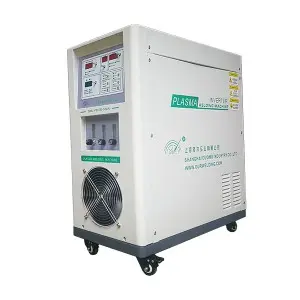
We provide tailor-made cladding and cleaning solutions tailored to your unique dimensional and processing requirements.
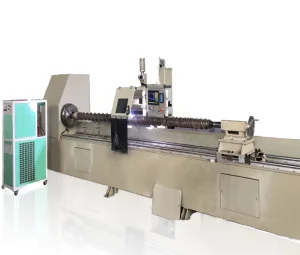
According to customers' requirements, we can provide customized equipment, automatic laser cladding equipment, automatic plasma cladding equipment, and intelligent robot cladding setups. This includes highly specialized industrial machinery designed for dedicated applications, such as hydraulic rod cladding machines, pick cladding machines, and valve cladding machines.
By using modular assemblies, we modify our standard configurations to match specific plant conditions, including cleanroom compliance, overhead crane setups, and integration into existing robotic manufacturing cells. Below is a subset of our specialized systems:
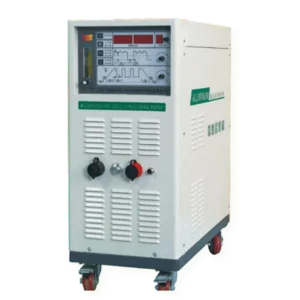
Designed for heavy duty cladding overlays with superior metallurgical bonding, high deposition rates, and precise dilution control.
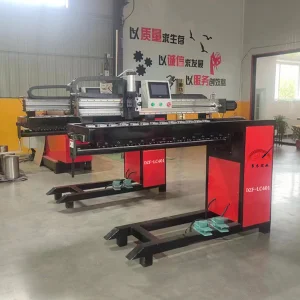
An all-in-one workstation optimized for complex geometrical builds, combining high integration with user-friendly control software.
Engineered for complex curved geometries like steam turbine blades and gas turbine components, ensuring ultra-thin, hardwearing protective layers.
Providing reassurance, compliance certification, and structured engineering support to streamline your capital equipment purchase.
Our products comply with relevant global safety directives, including the EU CE Mark, ISO 9001:2015 Quality Management Systems, and local electrical standards. Laser safety remains paramount; our systems feature integrated optical safety interlocks, emission status indicators, and Class 4 laser safety enclosures.
Buying direct from our Chinese manufacturing facility saves significant initial capital outlay. Our design focus emphasizes low maintenance, energy-efficient optical configurations, and readily available replacement parts to reduce operational expenses over the system's life cycle.
To support global businesses, we offer technical assistance, digital remote diagnostics, and on-site commissioning options. Standard engineering documentation, installation templates, and operating manuals are provided in English and other major regional languages to facilitate smooth local onboarding.
See how our systems solve severe wear, high erosion, and surface coating challenges in critical operations worldwide.
"The PTA Welding Valve Application Guide is not just a process choice for valve manufacturers facing high wear, high corrosion, and high-temperature erosion working conditions, but also a key path to improving product competitiveness. As petrochemical and oil/gas sectors expand, our reliance on PTA has increased."
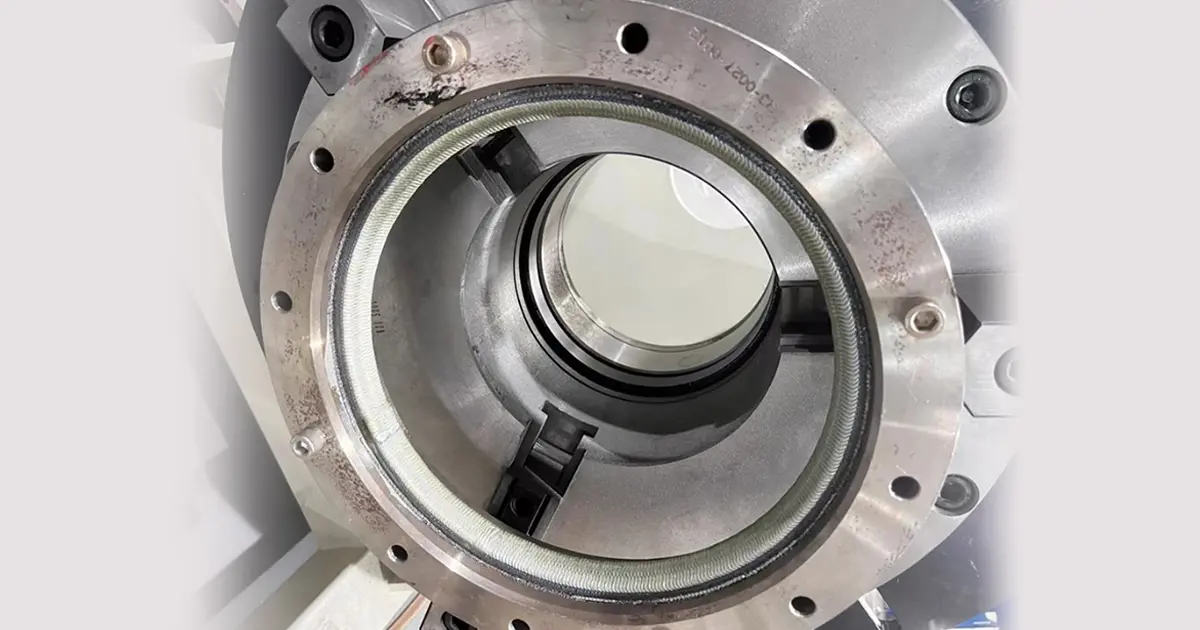
"In industries such as mining, cement, power generation, steelmaking, chemical processing, and biomass energy, screw conveyors are often regarded as auxiliary equipment. However, maintenance data shows that they are among the most frequent causes of unplanned production shutdowns. Hardfacing them via Duomu systems has tripled their operational lifespan."
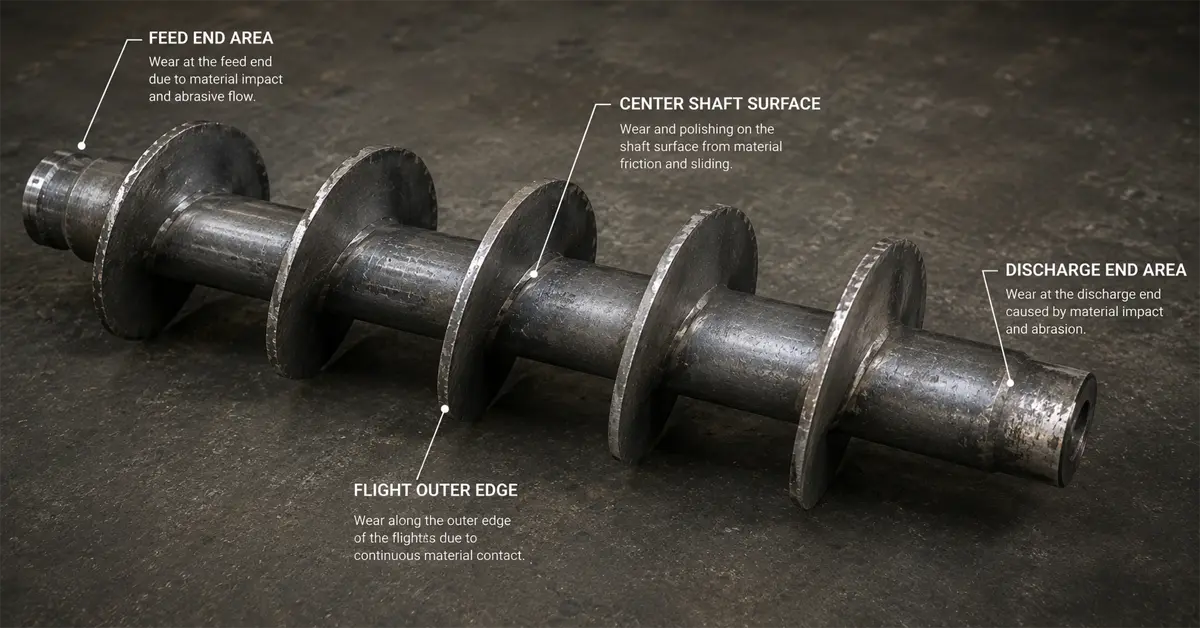
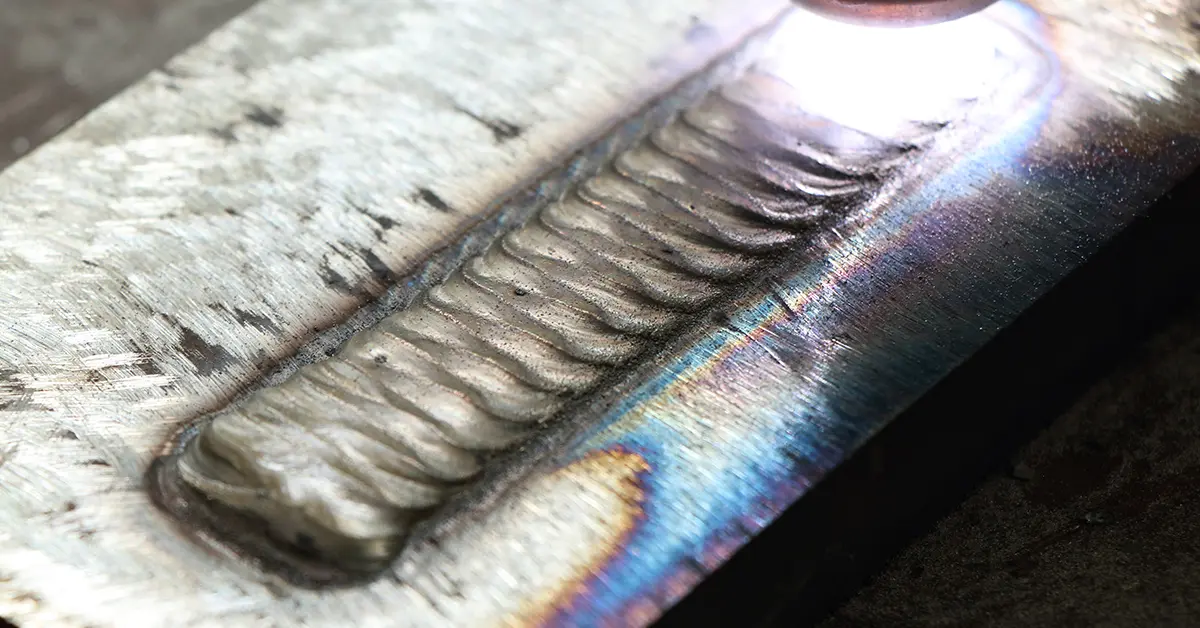
"In Plasma Transferred Arc (PTA) hardfacing, achieving a high-quality overlay is not only about selecting the right alloy powder or optimizing welding parameters. One of the most critical factors that directly affects overlay performance is the dilution rate. Shanghai Duomu machines gave us the precise control we required."
Browse our advanced micro plasma weld platforms, cantilever surfacing systems, and robotic positioning units tailored for high-precision components.







Critical insights for engineers, procurement managers, and plant supervisors seeking laser surface treatments.
For inquiries about our products, customization services, or pricelists, please leave us a message. Our sales and engineering teams will contact you within 24 hours.
Get in touch / Subscribe Duomu
Duomu