Explore our top-performing industrial automatic welding systems, plasma surface overlays, and heavy-duty gantries designed for demanding operating environments.
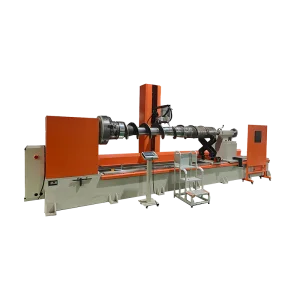
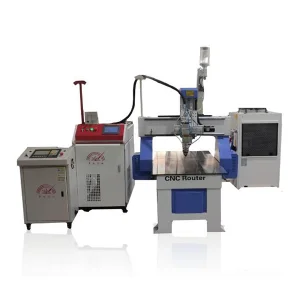
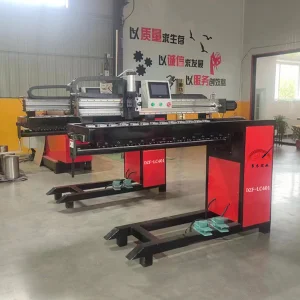
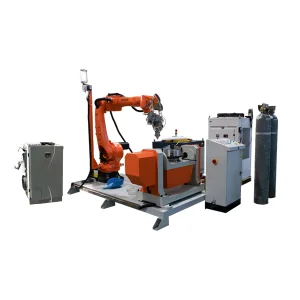
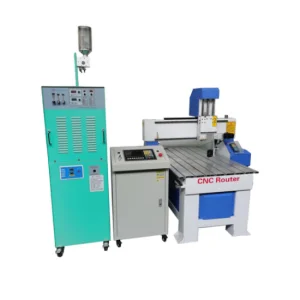
In modern industrial fabrication, surface engineering is the cornerstone of machinery life cycles, operational efficiency, and overall asset management. Heavy-duty manufacturing sectors constantly combat severe operating conditions, including high wear, corrosion, mechanical fatigue, and high-temperature erosion. Key engineering approaches like Soldadura TIG y MIG (Tungsten Inert Gas and Metal Inert Gas welding), Plasma Transferred Arc (PTA) cladding, and Laser Cladding have evolved from manual repair methods to automated, high-precision surface manufacturing systems. Leveraging advanced metallic materials, robotic control loops, and specialized metallurgy, these modern techniques enable manufacturing facilities to improve the durability of structural parts, cut down-times, and implement sustainable practices through component remanufacturing.
Across global industrial centers, manual welding setups are no longer sufficient to meet the demanding parameters of modern machinery. High-speed assembly lines and severe processing conditions demand uniform, defect-free deposits that can only be reliably delivered via automated machinery. Automated Soldadura MIG provides high-deposition metal transfer rates for structural assembly, whereas Soldadura TIG remains the gold standard for high-integrity joints in thin plates and specialized non-ferrous alloys. Simultaneously, the market for PTA Cladding and Laser Cladding machines is expanding rapidly, with a projected compound annual growth rate (CAGR) of over 8.2% through 2030.
Industrial centers across Europe, North America, and East Asia are aggressively transitioning toward advanced cladding solutions. The primary drivers are twofold: the escalating cost of premium alloy materials (like cobalt, nickel-base superalloys, and tungsten carbides) and the strict environmental directives targeting waste reduction. By applying a high-performance metallurgical overlay onto a low-cost, structural-grade carbon steel backing, manufacturers can create components that exhibit superior surface properties while maintaining high structural toughness. This hybrid material approach reduces production costs without compromising safety or service performance.
The progression of thermal joining and surfacing technologies is governed by the demand for low thermal distortion, minimal base-metal dilution, and high automation capability. Traditional TIG and MIG systems operate with open electric arcs, exposing the pool to higher atmospheric contamination risk and imparting significant heat inputs into the base metal. Overcoming these limitations, Plasma Transferred Arc (PTA) surfacing utilizes a collimated, highly constrained plasma column passing through a copper nozzle, concentrating energy onto a tight focal spot. The resulting energy density allows for rapid powder melting and solid-state bonding with minimal distortion.
Looking to the future, Laser Cladding represents the next frontier of surface modification. Employing high-power fiber or diode lasers, laser systems deliver extremely low heat input, resulting in an exceptionally narrow Heat-Affected Zone (HAZ) and dilution rates under 1%. The integration of multi-axis CNC gantries, articulated industrial robots (such as the DH1440-B06), and real-time monitoring sensors enables precise track deposits with minimal machining allowance. This close-loop control loop forms the foundation of digital twins in additive manufacturing, paving the way for autonomous repair and maintenance operations on complex components like turbine blades and heavy extruder screws.
In hardfacing and cladding, the dilution rate represents the percentage of base metal that melts and mixes with the deposited cladding alloy. Controlling dilution is critical because excessive mixing can contaminate the cladding layer, degrading its wear-resistant, anti-corrosive, or high-temperature properties. In traditional manual arc welding, dilution rates often range from 15% to 30%, which requires applying multiple overlay layers to achieve the desired alloy chemistry. In contrast, advanced automated PTA systems regularly achieve dilution rates below 5% in a single pass. This process optimization minimizes material waste, reduces production cycle times, and prevents micro-cracking at the interface, ensuring superior structural reliability in high-stress applications.
Shanghai Duomu has been a leading manufacturer and exporter of PTA cladding machines and Laser cladding machines for more than ten years with a strong technical background.
Equipped with an independent, dedicated R&D team, our technical department designs, engineers, and fabricates custom automated systems for international manufacturing hubs. Our systems deliver stable arc controls, minimal thermal distortion, and reliable output over prolonged operational shifts. Whether implementing a high-throughput laser hardening cell or automated cladding units for hydraulic rods, we provide complete, turn-key solutions tailored to modern production challenges.
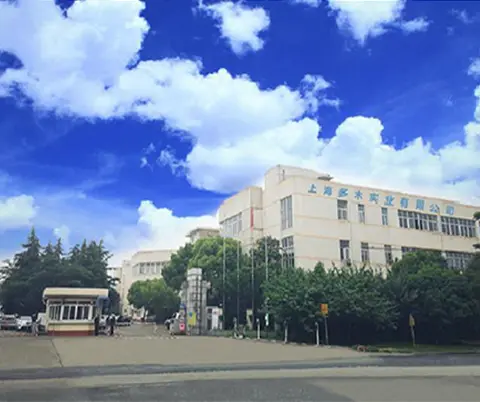
Our specialized cladding, PTA systems, and automated welding machinery are integrated into demanding industrial sectors worldwide.

Applying carbide protective overlays onto wear plates, tillage sweeps, and heavy-duty blades to extend service life in abrasive soils.

High-precision laser cladding and TIG processes for gas turbine blades, engine housings, and structural titanium assemblies.
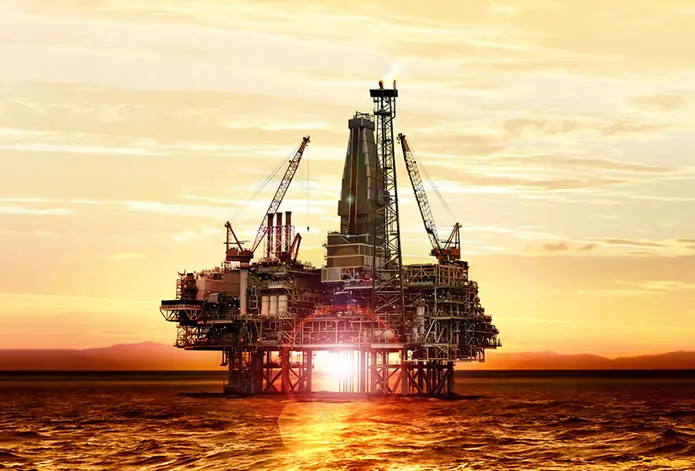
Corrosion-resistant alloy cladding on drill pipes, valves, stabilizers, and marine risers exposed to high-pressure corrosive fluids.
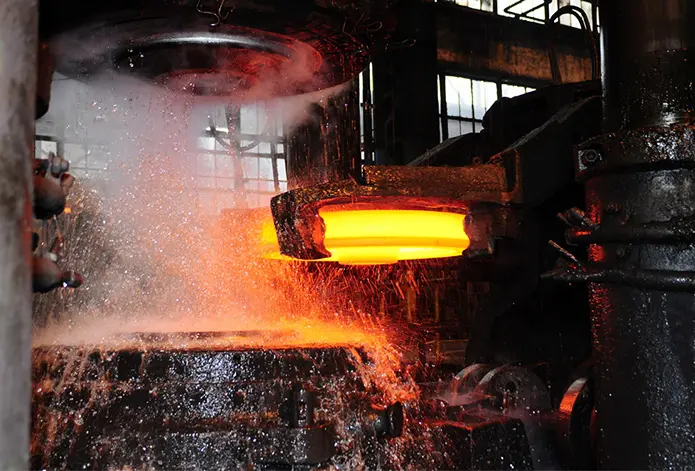
Hardfacing hot rolls, extrusion dies, and casting mandrels to withstand intense thermal cycling and metal-on-metal wear.
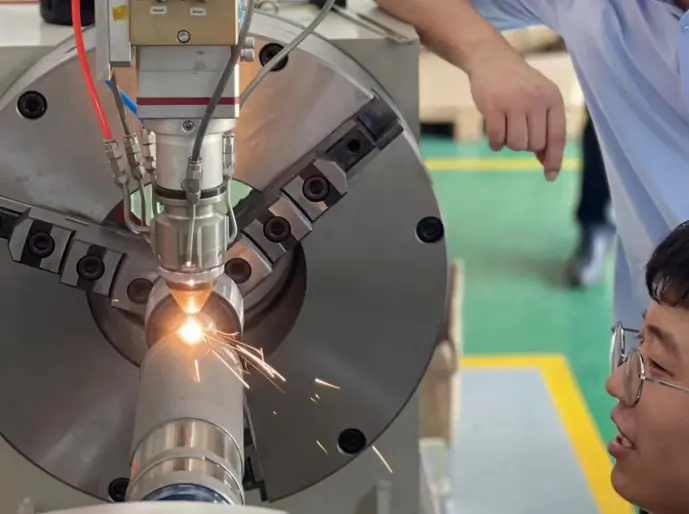
Our in-house R&D team develops, produces, and sells plasma cladding machinery and laser-based additive manufacturing systems.
Each machine is built to maintain stable electrical output and arc profiles during continuous, long-term operation. Additionally, our high-power laser cladding equipment supports large-scale industrial remanufacturing projects. By using advanced motion profiles and real-time sensory feedback, we design systems that match client-specific geometries. From hydraulic rods and valving to complex extruder screws, we supply integrated industrial solutions that optimize material yield and minimize heat-affected zones.
Consult Our Engineering TeamPractical insights on hardfacing, dilution control, and equipment lifespans in demanding processing environments.
"The PTA Welding Valve Application Guide is not just a process choice for valve manufacturers facing high wear, high corrosion, and high-temperature erosion working conditions, but also a key path to improving product competitiveness. As industries such as petrochemical, gas, and power generation demand tougher performance metrics, using customized PTA overlays ensures absolute sealing integrity and prevents catastrophic mechanical failures under intense thermal stresses."
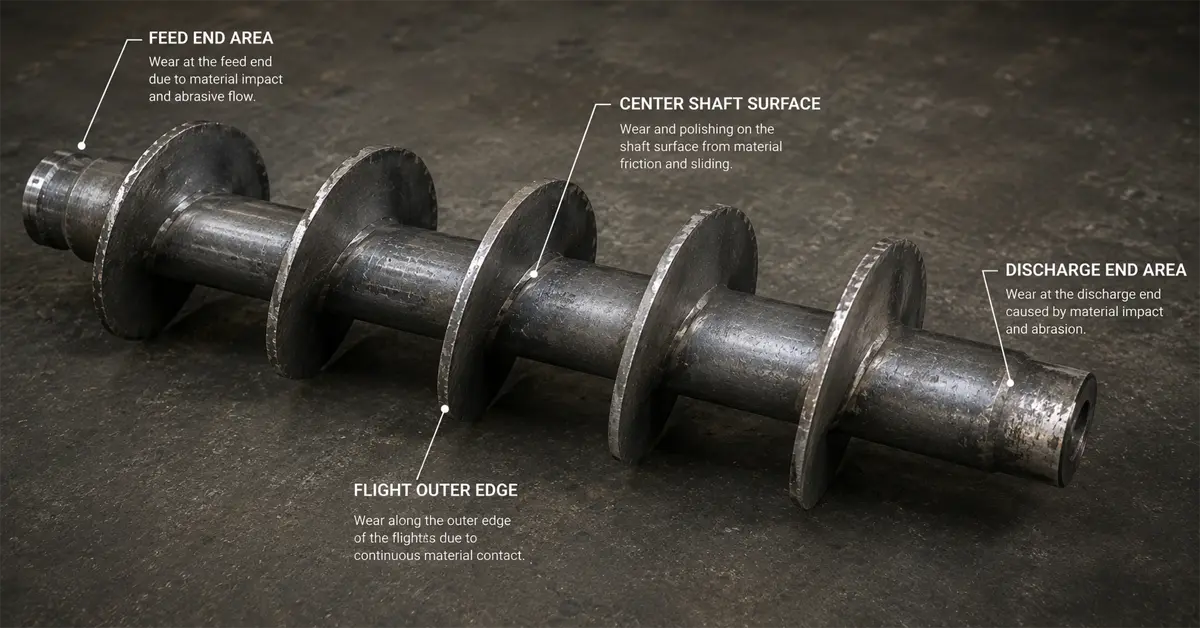
"In industries such as mining, cement, power generation, steelmaking, chemical processing, and biomass energy, screw conveyors are often regarded as auxiliary equipment. However, maintenance data shows that they are among the most frequent causes of unplanned production shutdowns. Applying robust plasma powder surfacing using customized gantry layouts significantly mitigates helical edge degradation and reduces structural maintenance overheads."
"In Plasma Transferred Arc (PTA) hardfacing, achieving a high-quality overlay is not only about selecting the right alloy powder or optimizing welding parameters. One of the most critical factors that directly affects overlay performance is the dilution rate. Whether you seek corrosion resistance or impact strength, maintaining low dilution guarantees that deposit chemistry conforms to intended engineering specifications without base-metal contamination."
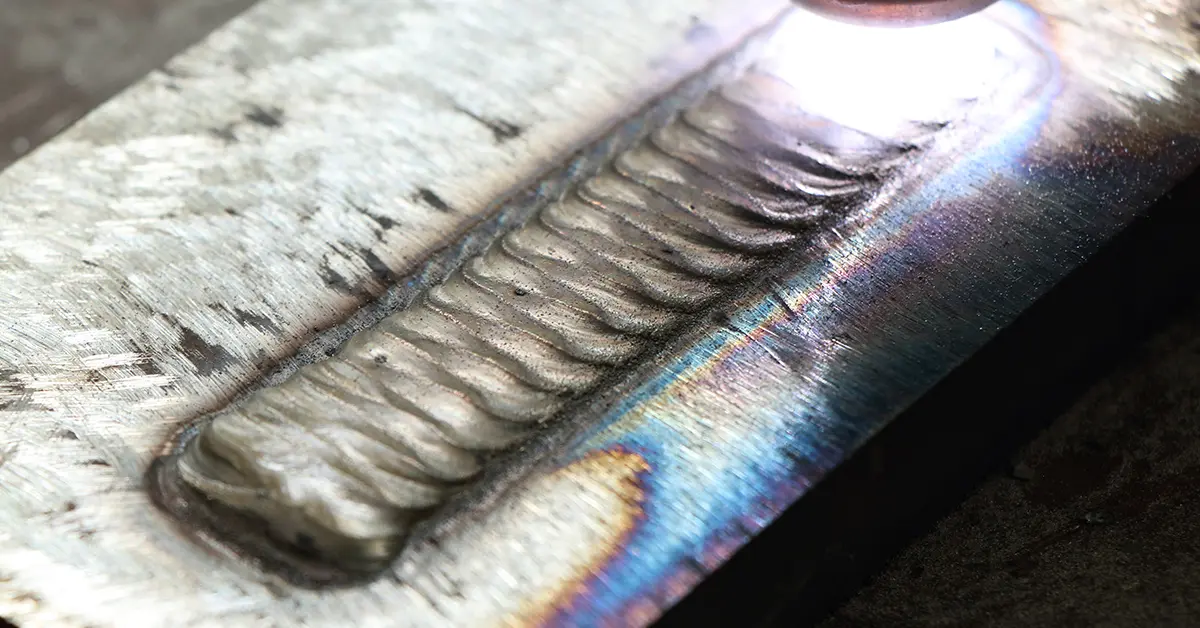
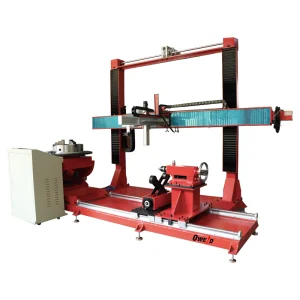
"In oil & gas, mining, and heavy equipment manufacturing, hardfacing is no longer just a repair process. It has become a critical technology directly related to equipment lifespan, downtime costs, maintenance frequency, and operational safety. Implementing automated gantry welding platforms with precise powder feeding and heat input limits allows operators to maximize component lifespans in tough working environments."
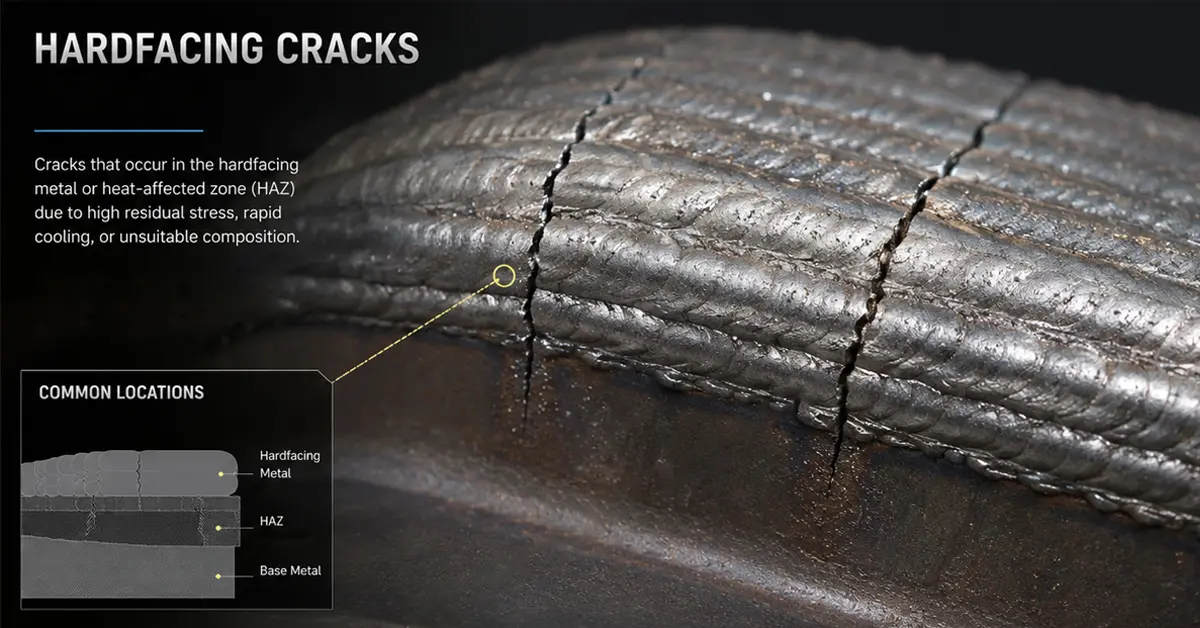
"Industrial valves are constantly exposed to severe operating conditions including: High pressure, extreme temperatures, corrosive media, and abrasive wear. Under these combined stresses, standard metals fail rapidly. Depositing custom cobalt-base or nickel-base alloys via automated PTA cladding creates a hard, dense, and crack-free layer that maintains sealing integrity under demanding process parameters."
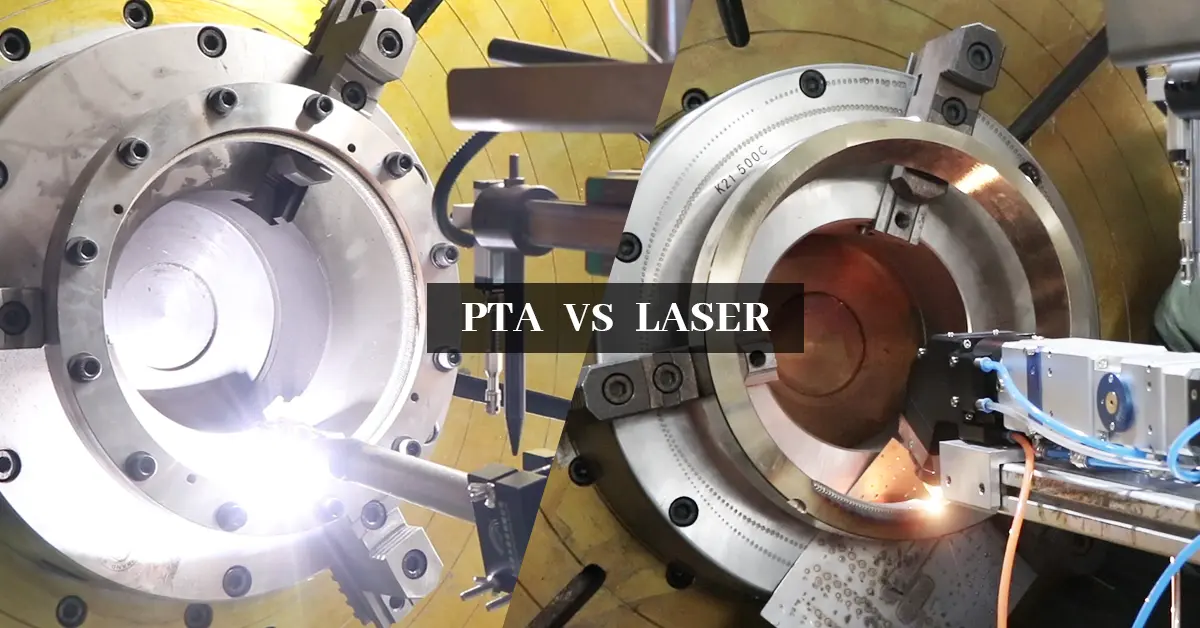
We manufacture custom configurations, automated laser hardening systems, and robotic cells matching specialized industrial requirements.
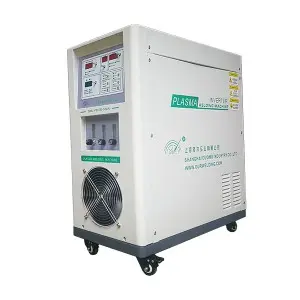
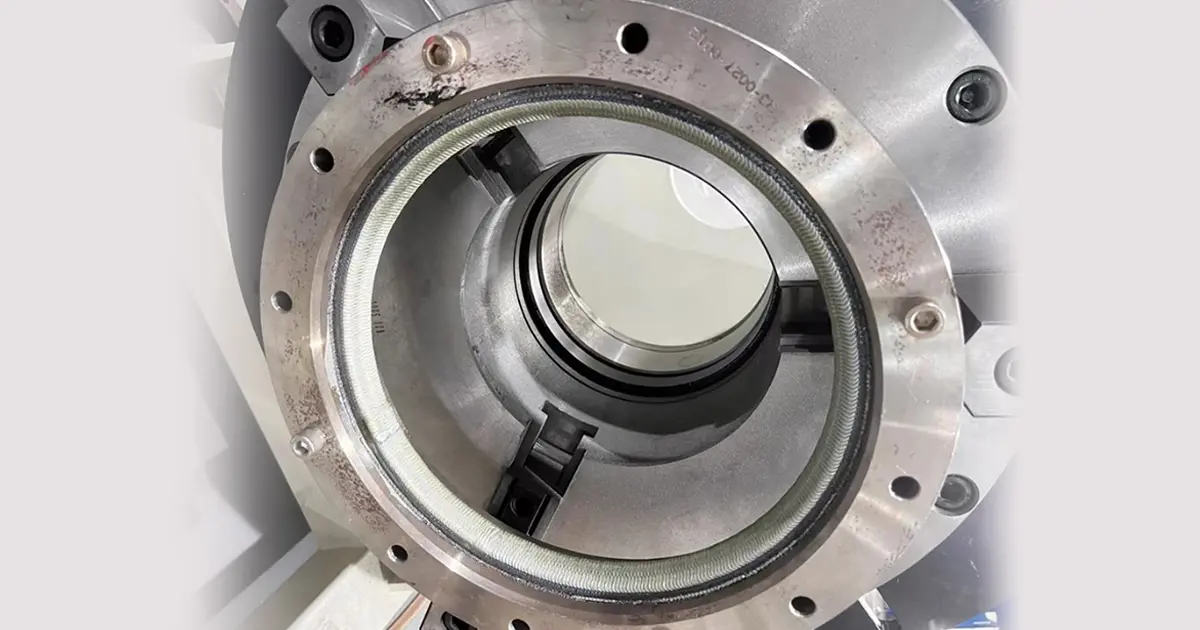
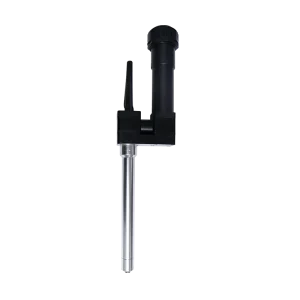
Specifically designed for tight radial surfaces, providing highly stable powder-feeding pathways and minimal deposit ripples.
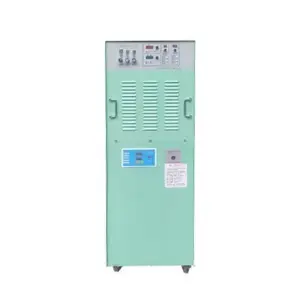
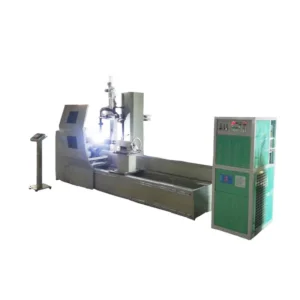
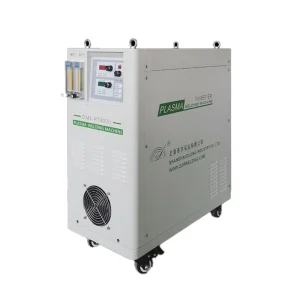
Consolidates plasma welding, PTA cladding, and TIG operations into a single workstation with integrated touchscreen controls.
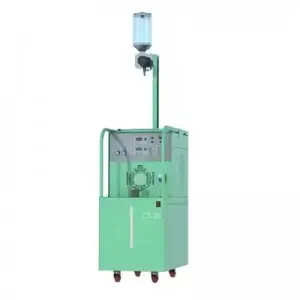
Engineered for high versatility in job shops, permitting quick changeovers between powder types and torch geometries.
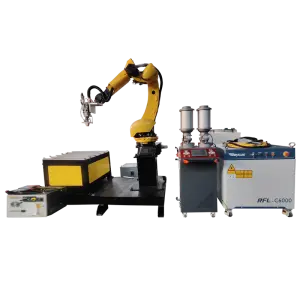
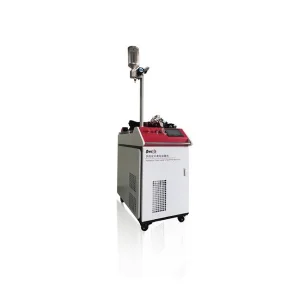
Delivers extremely thin overlays with minimal distortion on turbine airfoil tips and compressor guide vanes.
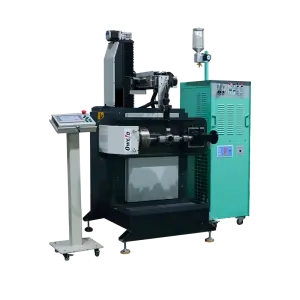
Rotary positioning-linked systems designed to coat hemispherical ball valve seals with nickel-chromium carbides.
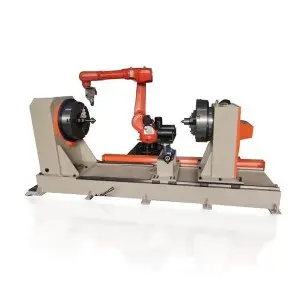
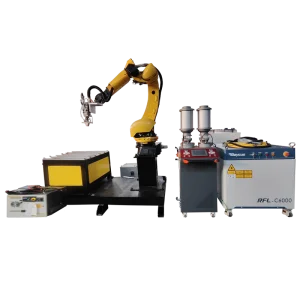
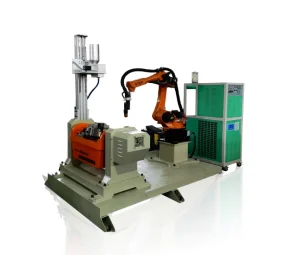
Articulated arm setups for selective hardening of heavy molds, gears, and wear-prone cast components.
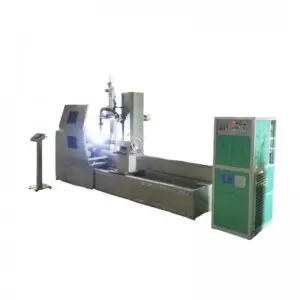
Optimized for applying uniform, corrosion-resistant bronze or stainless steel protective matrices on hydraulic shafts.
Expert answers regarding Soldadura TIG, MIG, PTA cladding, and automated manufacturing systems.
PTA (Plasma Transferred Arc) cladding uses a highly concentrated plasma arc to melt both the powder and the surface of the base metal, resulting in a strong metallurgical bond with dilution rates between 3% and 8%. Laser Cladding utilizes a high-power laser beam as the heat source, delivering even lower heat input, an extremely narrow heat-affected zone (HAZ), and dilution rates under 1%. Laser cladding is ideal for high-precision components with strict thermal distortion limits, while PTA offers excellent deposition rates and cost efficiency for thicker protective overlays.
Dilution measures the amount of the base metal that melts and mixes with the deposited cladding material. If the dilution rate is too high, the base metal contaminates the overlay, reducing its wear, impact, or corrosion resistance. Controlling dilution ensures the deposited layer maintains its intended alloy properties (such as tungsten carbide distribution or chromium content) in a single pass, saving material and machining time.
Yes. Modern industrial operations integrate Soldadura TIG and MIG torches into multi-axis CNC gantries, linear slides, and robotic positioners. Automated MIG welding provides high deposition rates for thick structural components, while automated TIG (often hot-wire TIG) provides precise, clean joints for critical pipe linkages, pressure vessels, and aerospace components, removing operator variability and ensuring consistent quality.
PTA powder systems typically deposit cobalt-base alloys (Stellite equivalents for high temperature and metal-on-metal wear), nickel-base alloys (Colmonoy equivalents for corrosion and wear resistance), iron-base hardfacing alloys, and tungsten carbide composites (FTC/CTC particles embedded in a nickel or iron matrix for extreme abrasion resistance).
Shanghai Duomu provides custom-designed, turn-key solutions. Based on your component geometry, material specifications, and production volume, our engineering team designs custom gantry configurations, rotary chuck systems, special bore torches, and integrates advanced robot models like the DH1440-B06 to automate your hardfacing workflow.
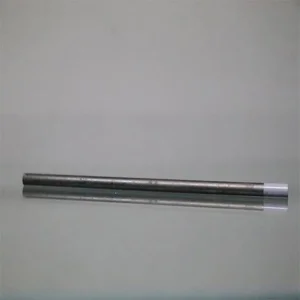
Premium tungsten electrodes, specialized bore torches, hydraulic rod cladding units, and heavy gantry welding installations.
Delivering state-of-the-art cladding equipment and support across heavy-duty metallurgy, mining, and aerospace industries.








For inquiries about our products, customized gantry solutions, or pricing, please leave us a message. Our technical engineering division will respond within 24 hours.
 Duomu
Duomu